




The Best Index Funds for 2026: Your Essential Guide to Passive Investing

In the dynamic world of personal finance and investing, few strategies have gained as much traction and widespread acclaim as passive investing through index funds. As we look towards 2026, the appeal of these low-cost, diversified investment vehicles remains stronger than ever. For both seasoned investors refining their portfolios and newcomers taking their first steps, identifying the best index funds 2026 is a critical exercise. Index funds offer a simple yet powerful way to capture market returns without the complexities and higher fees often associated with actively managed funds. They represent a philosophy of long-term growth, broad diversification, and cost efficiency, making them a cornerstone for robust wealth building. This comprehensive guide from FIN3GO will demystify index funds, outline key selection criteria, and highlight top picks to help you construct a resilient and profitable portfolio for the years ahead.

Understanding Index Funds: The Bedrock of Passive Investing

At its core, an index fund is a type of mutual fund or exchange-traded fund (ETF) designed to track the performance of a specific market index. Instead of relying on a fund manager’s stock-picking prowess, an index fund simply buys and holds the same securities, in the same proportions, as the benchmark index it aims to replicate. For instance, an S&P 500 index fund holds shares of the 500 largest U.S. companies, mirroring the market-capitalization weighting of the S&P 500 index.

The beauty of index funds lies in their simplicity and effectiveness. They embody the philosophy that, over the long term, it’s exceedingly difficult for active managers to consistently beat the market after fees. By choosing to “be” the market rather than trying to beat it, index funds offer several compelling advantages:

  • Broad Diversification: Holding hundreds or even thousands of underlying securities, index funds instantly provide diversification across various companies, industries, and often geographies. This significantly reduces single-stock risk.
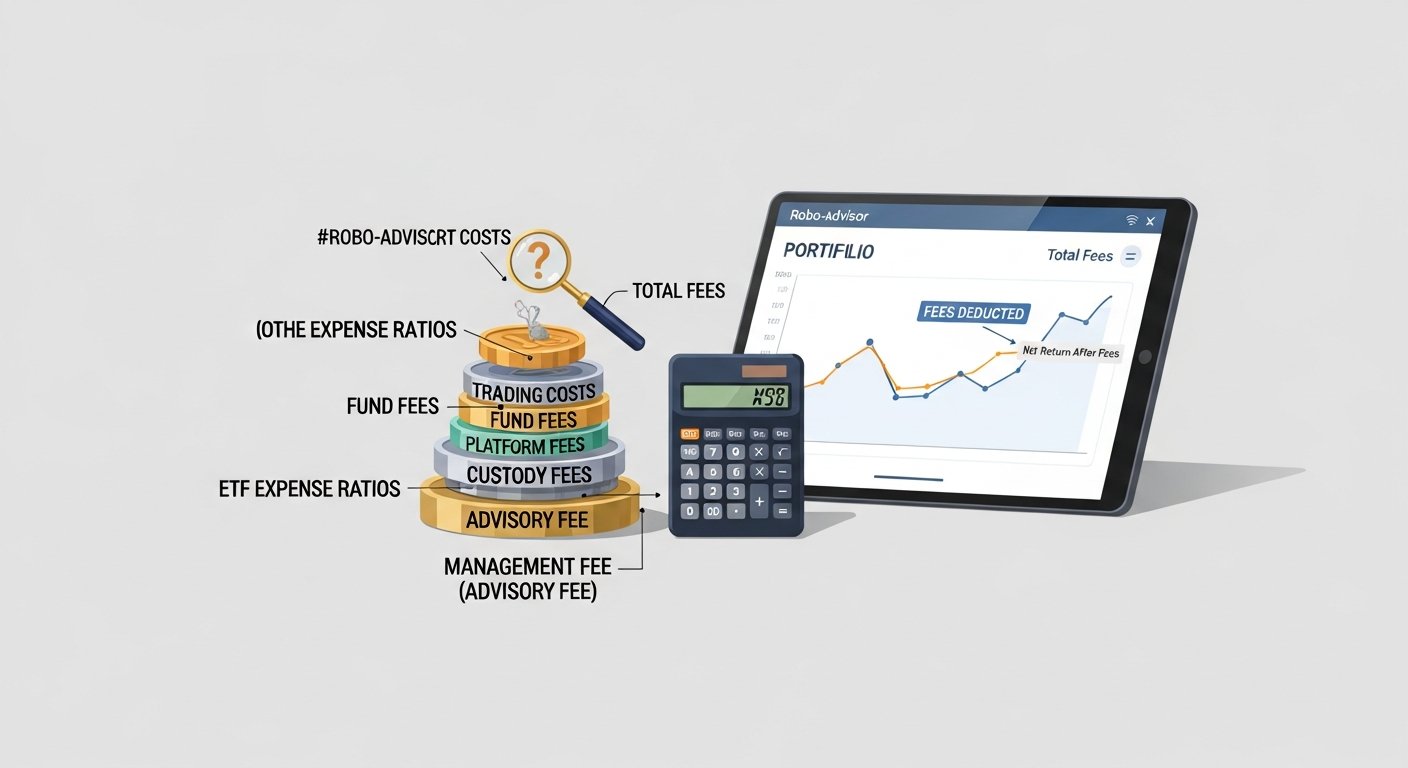
  • Lower Costs: Since index funds don’t require extensive research, frequent trading, or highly paid active managers, their operating expenses (known as expense ratios) are typically much lower than actively managed funds. These low costs directly translate into higher net returns for investors over time.
  • Simplicity: Investing in index funds removes the guesswork. You don’t need to analyze individual stocks or economic trends; you’re simply betting on the overall growth of the market or a specific segment.
  • Consistent Performance: An index fund’s primary goal is to match its benchmark’s performance. While it won’t outperform the market, it also won’t significantly underperform it, offering predictable and market-aligned returns.
  • Tax Efficiency: Due to their low turnover rates (infrequent buying and selling of securities), index funds often generate fewer taxable capital gains distributions compared to actively managed funds, making them more tax-efficient, especially in taxable accounts.

While index funds offer numerous benefits, it’s also important to acknowledge their limitations. They will not outperform their benchmark index, meaning you cap your upside to market returns. Additionally, they are still subject to market risk; if the overall market declines, so will the value of your index fund holdings. Despite these considerations, for most long-term investors, the advantages of index funds far outweigh the drawbacks, making them an indispensable tool in a well-constructed investment portfolio.

Identifying the Best Index Funds 2026: Key Selection Criteria

Choosing the best index funds for 2026 requires a methodical approach, focusing on specific criteria that ensure efficiency, accuracy, and alignment with your financial goals. While the core principle of index funds is to track a benchmark, not all funds are created equal. Here are the essential factors to consider when making your selections:

1. Expense Ratio (ER)

This is arguably the most crucial factor. The expense ratio is the annual fee you pay as a percentage of your investment to cover the fund’s operating costs. Because index funds aim to track a market index, a lower expense ratio means more of your investment returns stay in your pocket. Even a difference of 0.1% or 0.2% can compound significantly over decades. For example, a fund with a 0.03% ER is almost always preferable to one with a 0.15% ER, assuming both track the same index accurately. Seek out the lowest ERs possible, as they are a direct drag on your total returns.

2. Tracking Error

An index fund’s primary job is to mirror its underlying index. Tracking error measures how closely the fund’s performance deviates from its benchmark. A low tracking error indicates the fund is doing an excellent job of replicating the index’s returns, while a higher tracking error suggests inefficiency or issues in fund management. Reputable providers with large, well-established funds typically have minimal tracking errors.

3. Fund Provider Reputation and Size

While index funds are generally passive, the provider’s stability, expertise, and resources matter. Large, well-established providers like Vanguard, BlackRock (iShares), Fidelity, and Charles Schwab offer a wide array of funds with competitive expense ratios and deep experience in managing passive investments. Larger funds also tend to benefit from economies of scale, which can contribute to lower expense ratios and better tracking.

4. Liquidity (for ETFs)

If you’re investing in index ETFs, liquidity is important, especially for larger trades. Liquidity refers to how easily you can buy and sell shares without significantly affecting the price. Funds with high trading volumes and narrow bid-ask spreads are more liquid, ensuring you can execute trades efficiently at fair prices.

5. Index Type and Investment Objective

Before selecting a fund, define what market or asset class you want to track. Do you want broad U.S. stock market exposure (e.g., S&P 500, Total Stock Market), international equity exposure, bond market exposure, or perhaps a specific sector? The best index funds are those that align perfectly with your desired asset allocation and investment goals. For most long-term investors, a combination of broad U.S. and international equity indexes, possibly coupled with a bond index, forms a robust core portfolio.

6. Fund Structure (Mutual Fund vs. ETF)

Index funds come in two primary structures: traditional mutual funds and Exchange Traded Funds (ETFs). Both track indexes, but they trade differently. Mutual funds are bought and sold once per day at net asset value (NAV) directly from the fund company. ETFs trade like stocks on an exchange throughout the day. For investors using a brokerage account, ETFs often offer slightly lower expense ratios and more trading flexibility. Mutual funds can be simpler for automated contributions, especially for investors using a single brokerage’s platform. Consider which structure best suits your trading habits and account type (e.g., 401(k) often offers mutual funds, IRAs and taxable accounts can use both).

By carefully evaluating these criteria, you can confidently select index funds that are not only low-cost and efficient but also perfectly suited to help you achieve your financial aspirations in 2026 and beyond.

Top Picks: Our Selection of the Best Index Funds for 2026

Based on the selection criteria outlined above – particularly ultra-low expense ratios, excellent tracking performance, and robust provider reputation – FIN3GO has identified a selection of index funds that consistently rank among the best index funds for 2026 and are suitable for the core of almost any diversified portfolio. These funds provide broad market exposure, representing different asset classes vital for long-term wealth accumulation.

1. U.S. Total Stock Market Funds

These funds provide exposure to virtually every publicly traded U.S. company, from large-caps to small-caps. They are often considered the ultimate diversification tool for the domestic equity market.

  • Vanguard Total Stock Market ETF (VTI): With an incredibly low expense ratio (typically 0.03%), VTI tracks the CRSP US Total Market Index, offering exposure to over 3,500 U.S. stocks. It’s an ideal single-fund solution for U.S. equity exposure.
  • Fidelity Total Market Index Fund (FSKAX): A mutual fund counterpart to VTI, FSKAX also boasts a 0.015% expense ratio and covers the entire U.S. stock market. Great for investors who prefer mutual funds, especially within Fidelity accounts.
  • iShares Core S&P Total U.S. Stock Market ETF (ITOT): Another excellent option from BlackRock, tracking the S&P Total U.S. Stock Market Index with a 0.03% expense ratio.

2. S&P 500 Index Funds

While slightly less diversified than total stock market funds, S&P 500 funds track the 500 largest U.S. companies by market capitalization, which represent about 80% of the total U.S. stock market value. These are iconic funds that provide excellent returns.

  • Vanguard S&P 500 ETF (VOO): Tracks the S&P 500 Index with a rock-bottom 0.03% expense ratio. It’s incredibly popular and efficient.
  • Fidelity 500 Index Fund (FXAIX): Fidelity’s premier S&P 500 mutual fund, also with an ultra-low 0.015% expense ratio.
  • iShares Core S&P 500 ETF (IVV): BlackRock’s competitive S&P 500 ETF, with an identical 0.03% expense ratio.

3. Total International Stock Market Funds

Diversifying beyond U.S. borders is crucial for a well-rounded portfolio. International index funds provide exposure to developed and emerging markets worldwide, capturing global economic growth.

  • Vanguard Total International Stock ETF (VXUS): Tracks the FTSE Global All Cap ex US Index, providing exposure to over 7,500 international stocks. Its expense ratio is a competitive 0.07%.
  • Fidelity Total International Index Fund (FTIHX): A mutual fund option with a 0.06% expense ratio, tracking a similar broad international index.
  • iShares Core MSCI Total International Stock ETF (IXUS): With a 0.07% expense ratio, this ETF tracks the MSCI ACWI ex-U.S. IMI Index, offering broad international exposure.

4. Total U.S. Bond Market Funds

Bonds play a vital role in portfolio diversification, reducing volatility, and generating income, especially for investors nearing or in retirement. A total bond market fund offers exposure to a wide range of U.S. investment-grade bonds.

  • Vanguard Total Bond Market ETF (BND): Tracks the Bloomberg U.S. Aggregate Bond Index, covering U.S. investment-grade bonds. Its expense ratio is 0.035%.
  • Fidelity U.S. Bond Index Fund (FXNAX): A mutual fund alternative with a 0.025% expense ratio, tracking a broad U.S. investment-grade bond index.
  • iShares Core U.S. Aggregate Bond ETF (AGG): BlackRock’s equivalent, with a 0.03% expense ratio, tracking the same index as BND.

When constructing your portfolio, consider a combination of these funds based on your desired asset allocation. For instance, a common strategy for a balanced growth portfolio might involve a mix of VTI (or FSKAX), VXUS (or FTIHX), and BND (or FXNAX). This diversified approach is key to long-term success, helping you manage risk while capturing market returns effectively in 2026 and beyond.

Building Your 2026 Portfolio with Index Funds

Selecting the best index funds for 2026 is just the first step; effectively integrating them into a coherent investment strategy is where true wealth building begins. Here’s how to construct and manage your index fund portfolio:

1. Determine Your Asset Allocation

Asset allocation is the process of deciding how to divide your investment portfolio among different asset categories, such as stocks, bonds, and cash. This decision should be based on your time horizon (how long until you need the money), risk tolerance (how comfortable you are with market fluctuations), and financial goals (e.g., retirement, buying a house, education). Younger investors with a long time horizon might opt for a higher percentage of stocks (e.g., 80% stocks, 20% bonds), while those closer to retirement might prefer a more conservative allocation (e.g., 60% bonds, 40% stocks). A well-thought-out asset allocation is crucial for managing risk and maximizing potential returns over the long run. For a deeper dive into planning your future, explore our retirement planning guide.

2. Embrace Dollar-Cost Averaging (DCA)

Dollar-cost averaging is an investment strategy where you invest a fixed amount of money at regular intervals, regardless of market fluctuations. For example, contributing $500 to your index funds every month. This strategy has several benefits:

  • Reduces Risk: You avoid the risk of investing a large lump sum right before a market downturn.
  • Takes Emotion Out: It automates investing, preventing emotional decisions to buy high or sell low.
  • Buys More When Prices Are Low: When prices are down, your fixed investment buys more shares, effectively lowering your average cost per share over time.

3. Periodically Rebalance Your Portfolio

Over time, market movements will cause your asset allocation to drift from your original targets. For instance, if stocks perform exceptionally well, your stock allocation might grow to 85% instead of your target 80%. Rebalancing involves adjusting your portfolio back to your desired asset allocation. This typically means selling some of your overperforming assets and buying more of your underperforming assets. Rebalancing helps maintain your intended risk level and forces you to “buy low and sell high” systematically. Most investors rebalance annually or semi-annually.

4. Maximize Tax Efficiency

Index funds are inherently more tax-efficient than actively managed funds due to lower turnover. To further enhance this, consider these strategies:

  • Tax-Advantaged Accounts: Prioritize investing in tax-advantaged accounts like 401(k)s, IRAs (Traditional or Roth), and HSAs. These accounts offer tax deferral or tax-free growth, significantly boosting your long-term returns.
  • Asset Location: Strategically place different types of investments in different accounts. For example, hold less tax-efficient assets (like actively managed funds or bond funds generating taxable income) in tax-advantaged accounts, and more tax-efficient assets (like broad-market index funds) in taxable brokerage accounts.

Understanding these nuances can greatly impact your net returns. Learn more about optimizing your tax situation with our tax planning strategies.

5. Maintain a Long-Term Perspective

The true power of index fund investing is unlocked over decades, not months or even a few years. Markets will inevitably experience ups and downs. The key is to stay invested, resist the urge to panic sell during downturns, and consistently contribute to your portfolio. Compounding returns, coupled with disciplined investing, is a potent combination for long-term wealth accumulation strategies. Focus on your long-term goals and trust the market’s historical tendency to grow over time.

The Role of Fintech in Managing Your Index Fund Investments

The emergence of financial technology (fintech) has revolutionized how individuals access and manage their investments, making it easier than ever to invest in index funds. Fintech platforms offer a suite of tools and services that simplify portfolio construction, management, and monitoring, catering to both novice and experienced investors.

Automated Investing and Robo-Advisors

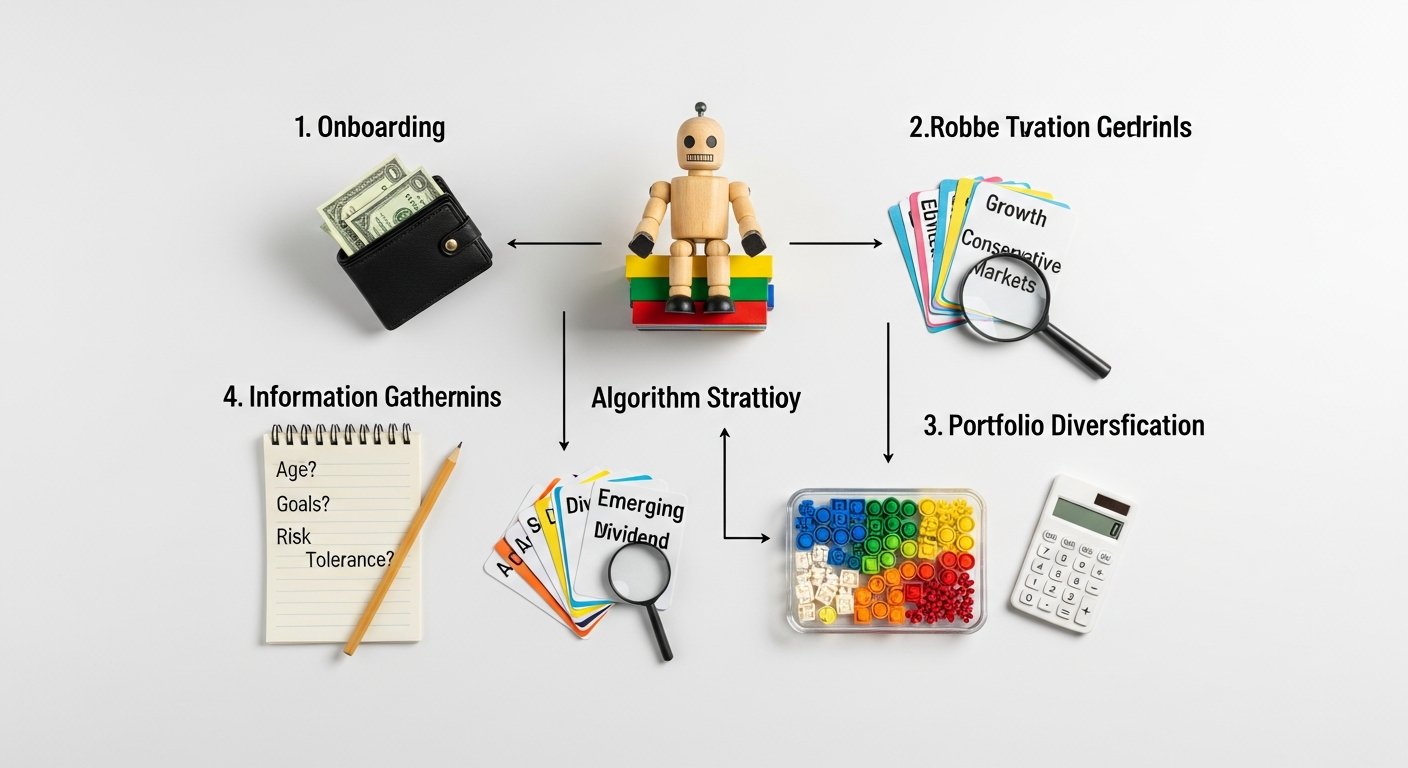
One of the most significant contributions of fintech to index fund investing is the rise of robo-advisors. Platforms like Betterment, Wealthfront, and Vanguard Digital Advisor utilize algorithms to build and manage diversified portfolios primarily composed of low-cost index ETFs. These services typically:

  • Assess Your Risk Profile: They start by asking a series of questions to determine your risk tolerance and financial goals.
  • Construct a Portfolio: Based on your profile, they recommend an appropriate asset allocation and select a portfolio of index funds (ETFs).
  • Automate Investments: You can set up recurring deposits, which the robo-advisor will automatically allocate according to your target percentages.
  • Automatic Rebalancing: Robo-advisors automatically rebalance your portfolio when it drifts from your target allocation, saving you the manual effort.
  • Tax-Loss Harvesting: Many robo-advisors offer automated tax-loss harvesting in taxable accounts, selling investments at a loss to offset capital gains and ordinary income, then immediately repurchasing a similar (but not “substantially identical”) investment to maintain market exposure.

These services make investing in a diversified index fund portfolio incredibly accessible and hands-off, often at a fraction of the cost of traditional human financial advisors.

Enhanced Brokerage Platforms

Traditional and online brokerages have also embraced fintech, offering advanced tools that empower self-directed investors. Platforms from companies like Fidelity, Charles Schwab, and Vanguard provide:

  • User-Friendly Interfaces: Modern websites and mobile apps make it simple to research, buy, and sell index funds and ETFs.
  • Fractional Share Investing: Some platforms allow you to invest in fractional shares of ETFs, meaning you can invest any dollar amount you choose, rather than being limited to buying full shares. This is particularly beneficial for smaller investors.
  • Research and Educational Resources: Extensive libraries of articles, videos, and webinars to educate investors on index funds, asset allocation, and market dynamics.
  • Goal-Based Planning Tools: Interactive tools that help you set financial goals (e.g., retirement, education), track your progress, and simulate different investment scenarios.
  • Zero-Commission Trading: The widespread adoption of zero-commission trading for stocks and ETFs has made investing in index funds even more cost-effective.

Fintech innovations remove many of the historical barriers to investing, making it easier, more affordable, and more efficient to build and maintain a diversified portfolio of the best index funds for 2026. Whether you prefer a fully automated solution or a platform that empowers your self-directed journey, fintech is a powerful ally in your pursuit of financial independence.

Frequently Asked Questions About Index Funds

Investing in index funds can bring up many questions, especially for those new to passive investing. Here are some common queries answered to help clarify your understanding.

Q: Are index funds suitable for beginners?
A: Absolutely. Index funds are often recommended as an ideal starting point for beginners. Their simplicity, built-in diversification, and low costs make them an excellent way to gain broad market exposure without needing extensive market knowledge or active management. You simply choose a fund that tracks a major index, invest regularly, and let the market do its work.

Q: What’s the difference between an index fund and an ETF?
A: An index fund is a type of investment that aims to track a market index. An Exchange Traded Fund (ETF) is a *structure* or *wrapper* for that investment. Many index funds are structured as ETFs, meaning they trade on stock exchanges throughout the day like individual stocks. However, index funds can also be structured as traditional mutual funds, which are bought and sold at the end of the trading day at their net asset value. Both achieve the goal of index tracking; the main difference is how they are traded.

Q: How often should I check my index fund investments?
A: For long-term investors, frequent checking of index fund performance is generally unnecessary and can even be detrimental by encouraging emotional reactions to short-term market fluctuations. It’s usually sufficient to review your portfolio periodically, perhaps quarterly or annually, to ensure your asset allocation remains aligned with your goals and to perform any necessary rebalancing. Focus on consistent contributions rather than daily market movements.

Q: Can I lose money in an index fund?
A: Yes, it is possible to lose money in an index fund. While index funds offer broad diversification and aim to match market returns, they are not immune to market downturns. If the underlying market index declines in value, your index fund will also decline. However, over long periods (e.g., 10+ years), broad market indexes have historically recovered from downturns and delivered positive returns, underscoring the importance of a long-term investment horizon.

Q: Are index funds tax-efficient?
A: Generally, yes, index funds are considered more tax-efficient than actively managed funds, especially in taxable brokerage accounts. This is because they have a low portfolio turnover rate; they only buy and sell securities when the underlying index changes or to manage cash flows, rather than frequently trading to beat the market. This minimizes the realization of capital gains, which are taxable events. Investing them in tax-advantaged accounts like 401(k)s and IRAs further enhances their tax benefits.

Conclusion

As we navigate towards 2026 and beyond, index funds continue to stand out as a cornerstone for intelligent, long-term investing. Their inherent advantages – broad diversification, exceptionally low costs, and a simple yet effective strategy of matching market performance – make them an indispensable tool for both novice and experienced investors alike. By focusing on funds with the lowest expense ratios, excellent tracking, and from reputable providers, you can build a resilient portfolio designed for enduring growth.

Remember, the power of index funds is truly unleashed through discipline: consistently investing, maintaining a diversified asset allocation, and committing to a long-term perspective. While market fluctuations are inevitable, a strategic approach with the best index funds for 2026 will position you well to capitalize on the market’s historical tendency for growth, helping you achieve your financial aspirations and build lasting wealth. Start today, stay invested, and let the power of compounding work for you.