






The Ultimate Guide to First-Time Home Buyer Grants and Programs in 2026

The dream of homeownership has long been the cornerstone of financial stability, but as we move through 2026, the path to the front door looks different than it did a generation ago. For many aspiring buyers, the primary hurdle isn’t the monthly mortgage payment—it’s the monumental “entry fee” consisting of down payments and closing costs. However, there is a silver lining. In 2026, the landscape for first-time home buyer grants and assistance programs has expanded significantly, driven by a national push to increase housing accessibility and bridge the wealth gap. Whether you are navigating a competitive urban market or seeking a quiet suburban retreat, there are billions of dollars in federal, state, and local incentives designed specifically to help you transition from tenant to landlord. Understanding these programs isn’t just about saving money; it’s about leveraging the financial tools available to build immediate equity. This guide will break down the most effective grants and programs available this year, providing you with a roadmap to secure your first home with less stress and more financial confidence.

1. Federal Programs: The Foundation of Modern Home Buying

In 2026, federal mortgage programs remain the most accessible entry point for buyers with modest savings or less-than-perfect credit. These aren’t “grants” in the sense of free cash, but they provide the structural support needed to get into a home with minimal out-of-pocket costs.

#

FHA Loans: The 3.5% Standard
The Federal Housing Administration (FHA) continues to be the workhorse for first-time buyers. In 2026, FHA loan limits have been adjusted upward to reflect current market values, allowing buyers to purchase more home with just a 3.5% down payment.
* **Actionable Tip:** If your credit score is above 580, you qualify for the 3.5% tier. If it’s between 500 and 579, you may still qualify with 10% down.
* **Example:** On a $400,000 home, an FHA loan requires only $14,000 down, compared to the $80,000 often required for a traditional 20% down payment.

#

USDA Loans: The Zero-Down Opportunity
For those looking outside major metropolitan hubs, the USDA Rural Development loan remains one of the few 100% financing options available in 2026. Despite the name “rural,” many growing suburban areas qualify for these loans.
* **Actionable Tip:** Use the USDA’s updated 2026 eligibility map online to see if your target zip code is included. These loans also offer lower-than-average mortgage insurance rates.

#

VA Loans: The Best-in-Class Benefit
If you are a veteran, active-duty service member, or surviving spouse, the VA loan is arguably the most powerful financial tool in your arsenal. In 2026, VA loans continue to offer $0 down payment options and no private mortgage insurance (PMI), which can save you hundreds of dollars monthly.

2. Down Payment Assistance (DPA) Grants: Free Money for Your Future

The most exciting development in 2026 is the surge in localized Down Payment Assistance (DPA) grants. These programs provide funds that can be used for your down payment or closing costs, and many are “forgivable,” meaning you don’t have to pay them back if you stay in the home for a certain period.

#

Forgivable vs. Repayable Grants
* **Forgivable Grants:** These act as a “silent second” mortgage. If you live in the home for five to ten years, the debt is completely erased.
* **Deferred-Payment Loans:** You don’t make monthly payments, but you repay the loan when you sell the home or refinance.

#

How to Find Them
Every state has a Housing Finance Agency (HFA). For example, in 2026, programs like the “California Dream for All” or the “Florida Hometown Heroes” initiative have received renewed funding.
* **Real-World Example:** Consider “Sarah,” a teacher in Ohio. She utilized a state-specific DPA grant in 2026 that provided 4% of her home’s purchase price ($12,000) as a forgivable grant. This covered her entire down payment, allowing her to keep her personal savings as an emergency fund.

**Actionable Advice:** Don’t just search “grants.” Search “[Your State] Housing Finance Agency” to find the official programs that work in tandem with your lender.

3. Tax Credits and Savings Incentives: Keeping More of Your Income

Beyond direct cash grants, 2026 offers savvy buyers several ways to reduce their overall tax burden, effectively putting money back into their pockets.

#

The Mortgage Credit Certificate (MCC)
The MCC is a hidden gem in the tax code. It allows first-time buyers to claim a tax credit for a portion of the mortgage interest paid each year. Unlike a deduction (which reduces your taxable income), a credit is a dollar-for-dollar reduction in the taxes you owe.
* **Potential Savings:** Depending on your state, you could receive a credit of up to $2,000 annually for the life of the loan.

#

Using Retirement Accounts Strategically
Under current 2026 IRS guidelines, first-time home buyers can withdraw up to $10,000 from a traditional IRA without the 10% early withdrawal penalty. If you have a Roth IRA, you can withdraw your *contributions* at any time, tax-free, and up to $10,000 of *earnings* penalty-free if the account has been open for five years.
* **The Pro Move:** Only use this as a last resort. Your retirement accounts are for your future, but if the difference between buying now and waiting five years is a $10,000 gap, this is a viable lever to pull.

4. Specialized Programs for “Good Neighbors” and Public Servants

In 2026, there is a heightened focus on keeping essential workers in the communities they serve. If you work in a public service field, you may qualify for specialized incentives.

#

The “Good Neighbor Next Door” Program
HUD (Department of Housing and Urban Development) continues to offer its “Good Neighbor Next Door” program. This offers law enforcement officers, teachers (pre-K through 12th grade), firefighters, and emergency medical technicians a **50% discount** off the list price of homes in “revitalization areas.”
* **The Catch:** You must commit to living in the property for at least 36 months as your sole residence.
* **Example:** A $300,000 HUD-owned home could be yours for $150,000, provided you meet the service requirements.

#

Employer-Assisted Housing (EAH)
A growing trend in 2026 is major employers offering housing grants to attract talent. Companies in the tech, healthcare, and education sectors often provide “forgivable loans” of $5,000 to $20,000 to employees who buy a home within a certain radius of the office. Check with your HR department to see if your company offers a 2026 housing benefit.

5. Improving Your “Loanability” in 2026

No matter how many grants are available, your ability to secure them depends on your financial profile. In 2026, lenders are using more sophisticated AI-driven models to assess risk, making it more important than ever to present a clean financial record.

#

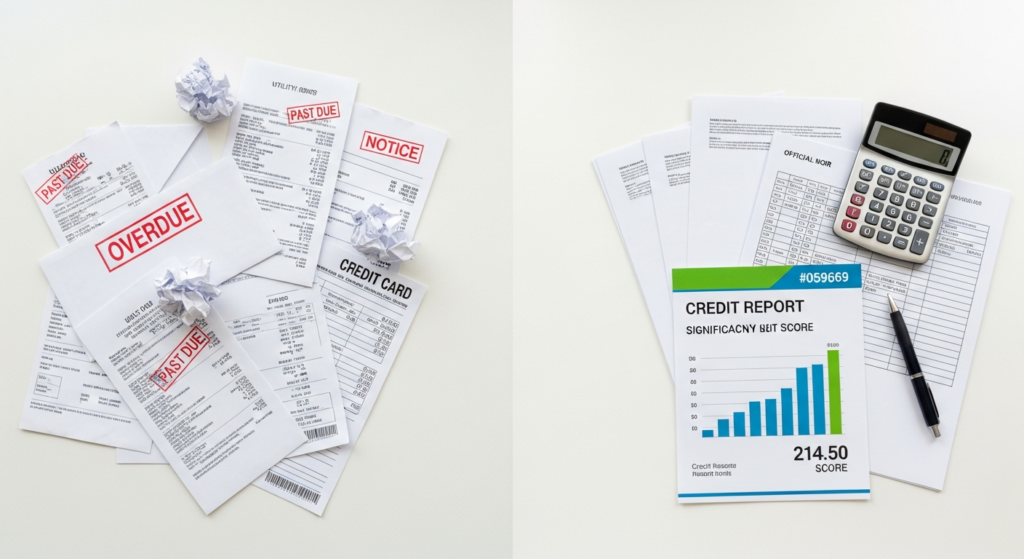
Optimize Your Credit Score
A “good” score is no longer enough; aim for “excellent” (740+). Even a 20-point difference can save you $100 a month in interest.
* **Practical Tip:** Use a “credit simulator” tool (available through most banking apps in 2026) to see how paying down specific debts will impact your score before you apply for a mortgage.

#

Manage Your Debt-to-Income (DTI) Ratio
Lenders in 2026 generally want to see a DTI below 43%, though some FHA programs allow up to 50% in special cases.
* **Actionable Advice:** If you have high student loan debt, look into 2026’s updated “Income-Driven Repayment” rules. Many mortgage programs now calculate your DTI based on your *actual* monthly payment rather than a percentage of the total balance, which can significantly increase your borrowing power.

6. Navigating the Digital Appraisal and Closing Era

The home-buying process in 2026 has become increasingly digital. Understanding these technological shifts can help you move faster than the competition.

#

Desktop Appraisals and Instant Approval
Many 2026 programs now utilize “desktop appraisals” or “automated valuation models” (AVMs). This means you might not have to wait weeks for a physical appraiser to visit the property, potentially shaving 10 days off your closing timeline.

#

Hybrid Closings
In 2026, most states allow for hybrid or fully remote online notarizations (RON). You can now sign the majority of your grant paperwork and mortgage documents from your laptop.
* **Warning:** With increased speed comes increased risk of fraud. Always verify wire instructions for your down payment over the phone with your title company or attorney—never via email alone.

FAQ: Frequently Asked Questions for 2026 Buyers

**1. Can I combine multiple grants for one home purchase?**
Yes! This is often called “stacking.” For example, you might combine a 3.5% down FHA loan with a $10,000 state-level grant and a $2,000 local city incentive. However, ensure your lender is “DPA-friendly,” as some banks do not allow certain combinations.

**2. Is a first-time home buyer grant considered taxable income?**
Generally, no. Most government-funded down payment assistance is structured as a loan that is eventually forgiven, which typically does not count as taxable income. However, you should always consult with a tax professional regarding your specific grant.

**3. What happens if I sell my house before the grant’s “forgiveness period” ends?**
In most cases, you will have to pay back a pro-rated portion of the grant. For example, if you have a 5-year forgivable grant and sell after year three, you may owe 40% of the original grant amount back to the state or agency.

**4. Do I need to be a low-income earner to qualify for these programs?**
Not necessarily. While some programs are reserved for low-to-moderate-income families, many 2026 state programs have high income limits (sometimes up to 120% or 140% of the area’s median income) to account for rising home prices.

**5. How much should I have in my “hidden costs” fund?**
Even with a grant, you should have 2% to 3% of the home’s price in cash for “hidden costs” like inspections, appraisals, moving expenses, and initial repairs. Grants rarely cover the “extras” that come up during the due diligence period.

Conclusion: Taking Your First Step in 2026

The journey to homeownership in 2026 is no longer about having the biggest bank account; it’s about having the best information. The grants and programs available today are more than just financial safety nets—they are strategic tools that allow you to preserve your liquidity while building long-term wealth through real estate.

To succeed in this market, your action plan should be:
1. **Check Your Credit:** Use 2026’s digital tools to ensure your score is optimized before talking to a lender.
2. **Contact Your State HFA:** Identify at least two state-level grants you might qualify for.
3. **Get Pre-Approved with a DPA-Specialist:** Not all lenders are experts in grants; find one who specifically mentions “Down Payment Assistance” on their website.
4. **Stay Flexible:** Whether it’s a USDA-eligible suburb or a HUD “Good Neighbor” property, being open to different programs can save you tens of thousands of dollars.

Buying your first home is a milestone that changes your financial trajectory. By leveraging the 2026 incentives outlined in this guide, you can stop paying a landlord’s mortgage and start investing in your own future today.

first time home buyer grants programs 2026