





Credit Cards & Rewards: The Ultimate Guide to Comparison, Sign-Up Offers, and Rewards Optimization in 2026
Affiliate disclosure: This article may contain affiliate links. Recommendations are independent and editorially driven.
In the dynamic landscape of personal finance, credit cards have evolved far beyond simple payment tools. Today, they are sophisticated financial instruments offering a universe of rewards, perks, and opportunities for savvy consumers. However, with thousands of options available, navigating the world of credit cards & rewards can feel overwhelming. How do you choose the right card? How do you capitalize on lucrative sign-up offers? And crucially, how do you optimize your rewards to truly enhance your financial well-being and lifestyle?
At fin3go, we empower you to answer these questions confidently. Our comprehensive guide delves deep into the strategies and insights needed to master credit card comparison, unlock maximum value from sign-up bonuses, and implement advanced rewards optimization techniques. Whether you’re aiming to fund your next dream vacation, earn significant cash back, or simply build a stronger financial foundation, understanding the nuances of credit card rewards is paramount. Join us as we explore the best practices for making your credit cards work for you in 2026 and beyond.
Understanding the World of Credit Cards & Rewards: More Than Just Spending
For many, a credit card is simply a plastic rectangle used for purchases. But for the financially astute, it’s a powerful tool that, when wielded correctly, can unlock substantial value. The era of generic credit offerings is long past; today’s market is saturated with cards designed to cater to every conceivable spending habit and financial goal. Grasping the fundamental concepts of how these cards function, and particularly how their reward structures operate, is the first step toward transforming your everyday spending into meaningful benefits.
The Basics: What is a Credit Card?
At its core, a credit card is a revolving line of credit extended to you by a financial institution. When you make a purchase, you are borrowing money from the issuer, which you then agree to repay, typically within a monthly billing cycle. If you pay your balance in full by the due date, you generally incur no interest charges. However, if you carry a balance, interest accrues based on your Annual Percentage Rate (APR). Beyond this basic function, credit cards offer a suite of protections, convenience, and increasingly, an array of rewards.
- Credit Limit: The maximum amount you can borrow on your card.
- Interest Rate (APR): The annual cost of borrowing money if you don’t pay your balance in full.
- Grace Period: The time between the end of a billing cycle and the payment due date during which no interest is charged.
- Minimum Payment: The smallest amount you must pay to keep your account in good standing.
Why Rewards Matter: Beyond Simple Credit
The “rewards” component is what truly differentiates modern credit cards. These are incentives offered by card issuers to encourage usage and loyalty. Rewards can take various forms, from direct cash back to points redeemable for travel, merchandise, or experiences. The strategic accumulation and redemption of these rewards can significantly offset costs, enhance lifestyle, and even contribute to long-term savings. For instance, a well-chosen travel card could cover the cost of flights or hotels, while a cash back card could provide hundreds of dollars annually to bolster your budget.
The fin3go Approach: Smart Money Management with Credit Cards
At fin3go, our philosophy centers on smart money management. We view credit cards not as a gateway to debt, but as an opportunity for financial optimization. Our approach involves a disciplined understanding of your spending patterns, a strategic selection of cards that align with your lifestyle and goals, and a proactive method for maximizing every reward point or percentage back. We advocate for responsible usage, always prioritizing on-time, in-full payments to avoid interest charges and maintain a healthy credit score, thereby building a virtuous cycle of financial growth and reward accumulation.
Navigating Credit Card Types for Optimal Rewards

The first step in any successful rewards strategy is identifying the type of credit card that best suits your financial habits and objectives. The market segments cards into distinct categories, each designed with a specific set of benefits and target users in mind. Understanding these types is crucial for effective credit cards & rewards comparison.
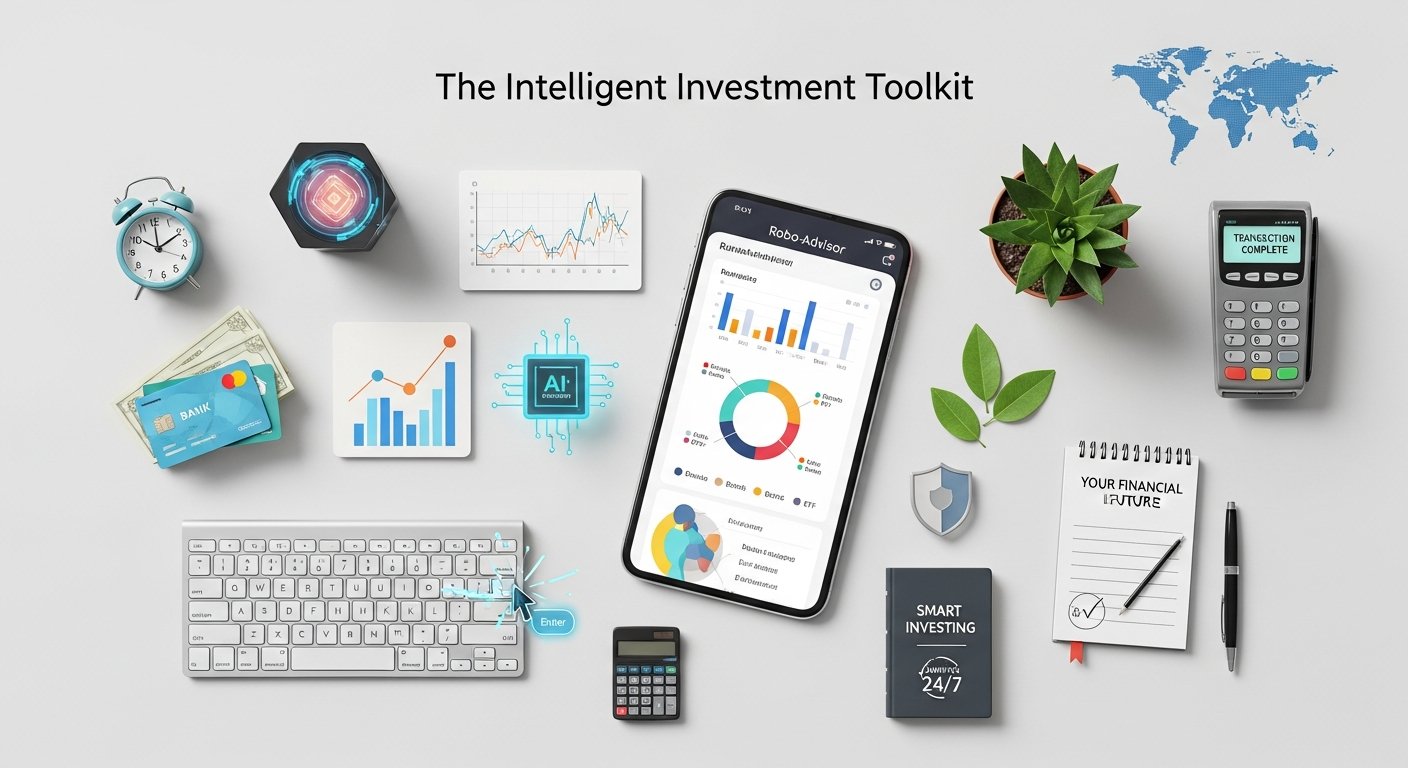
[INLINE IMAGE 1: place after second H2 | alt=”Credit cards & rewards (comparison, sign-up offers, rewards optimization) concept illustration”]
Cash Back Credit Cards: Simple Savings
Cash back cards are perhaps the most straightforward reward type. They offer a percentage of your spending back as cash, typically credited to your statement, deposited into a bank account, or redeemable as a check.
- Flat-Rate Cash Back: These cards offer a consistent percentage back on all purchases (e.g., 1.5% or 2%). They are excellent for those who prefer simplicity and consistent returns across all spending categories.
- Tiered Cash Back: Some cards offer higher percentages in specific categories (e.g., 3% on groceries, 2% on gas, 1% on everything else). These require a bit more attention to maximize but can yield higher returns if your spending aligns with the bonus categories.
- Rotating Category Cash Back: Certain cards feature categories that change every quarter, offering very high cash back rates (e.g., 5%) on those specific spending types (e.g., Q1: supermarkets, Q2: gas stations). These demand active management to ensure you’re using the right card for the right purchase.
Travel Rewards Credit Cards: Exploring the World
For those with a passion for travel, these cards are invaluable. Travel cards typically earn points or miles that can be redeemed for flights, hotels, car rentals, or other travel-related expenses. Many also come with premium travel perks.
- Airline Miles Cards: Directly tied to specific airline loyalty programs, these cards earn miles that can be redeemed for flights, upgrades, and sometimes airport lounge access. They are best for frequent flyers loyal to a particular airline alliance.
- Hotel Points Cards: Affiliated with hotel chains, these cards earn points redeemable for free nights, room upgrades, and elite status benefits. Ideal for travelers who frequently stay with one hotel brand.
- Flexible Travel Points Cards: These cards earn points that can be transferred to various airline or hotel partners, or redeemed directly through the card issuer’s travel portal. They offer the most flexibility, allowing you to choose the best redemption option for each trip.
- Premium Travel Cards: Often come with high annual fees but offer extensive benefits like airport lounge access, travel credits, enhanced travel insurance, and dedicated concierge services. The value of the perks often outweighs the annual fee for frequent travelers.
Points Credit Cards: Flexible Redemption
Points cards offer a versatile rewards currency that can often be redeemed for a wide range of options, including cash back, travel, merchandise, gift cards, or even statement credits. The value per point can vary significantly depending on the redemption method.
- Proprietary Points Programs: Major issuers like Chase Ultimate Rewards, American Express Membership Rewards, and Citi ThankYou Points have their own ecosystems. These programs often allow points transfers to airline and hotel partners, offering high potential value.
- General Points Cards: Other points cards might offer a simpler redemption structure where points have a fixed value (e.g., 1 point = 1 cent) across various options.
Co-branded Credit Cards: Loyalty Programs on Steroids
These cards are issued in partnership between a bank and a specific merchant (e.g., a retail store, gas station, or restaurant chain). They offer enhanced rewards and benefits specifically for purchases made with that brand.
- Retail Store Cards: Often provide discounts, special financing, or bonus rewards on purchases at the specific store. Useful for loyal shoppers of a particular brand.
- Gas Station Cards: Offer higher cash back or discounts on fuel purchases from a specific chain.
- Restaurant/Food Delivery Cards: Provide bonus points or discounts for dining or food delivery services.
Balance Transfer & Low APR Cards: Financial Maneuvering
While not primarily rewards cards, these are crucial financial tools. Balance transfer cards allow you to move high-interest debt from existing credit cards to a new card, often with a 0% introductory APR for a fixed period. Low APR cards maintain a consistently lower interest rate than standard cards. These are vital for managing debt and reducing interest costs, rather than earning rewards directly.
Secured Credit Cards: Building Your Foundation
Secured credit cards require a cash deposit, which typically becomes your credit limit. They are designed for individuals with limited or poor credit history who need to build or rebuild their credit. While some secured cards now offer modest rewards, their primary value lies in their ability to report payment activity to credit bureaus, paving the way for unsecured cards with better terms and rewards in the future.
Learn more about building and repairing your credit score.
Cracking the Code of Sign-Up Offers: Maximizing Initial Bonuses
Sign-up offers, also known as welcome bonuses, are one of the most exciting and lucrative aspects of credit card rewards. These are substantial bonuses offered to new cardholders who meet specific spending requirements within an initial period. Understanding how to strategically approach these offers can yield significant value, often worth hundreds or even thousands of dollars in points, miles, or cash back.
Understanding Welcome Bonuses: A Lucrative Start
A welcome bonus is typically awarded after you spend a certain amount of money on the card within a set timeframe, usually 3 to 6 months. For example, “Earn 60,000 bonus points after you spend $4,000 in the first 3 months.” The value of these bonuses can vary wildly depending on the card type and issuer. Travel cards often have the highest point values, while cash back cards offer direct monetary incentives. It’s crucial to calculate the potential return on these bonuses and compare them across different cards to identify the most valuable opportunities for your financial goals in 2026.
Meeting Minimum Spend Requirements: Strategies and Pitfalls
The minimum spend requirement is the hurdle you must clear to earn the welcome bonus. Successfully meeting this often requires a thoughtful strategy, especially for higher thresholds.
Strategies:
- Everyday Spending: Route all your usual expenses (groceries, utilities, gas, dining) through the new card.
- Upcoming Large Purchases: If you have a planned major expense (e.g., new appliance, home repair, insurance premium, tuition), time your card application to coincide with it.
- Pre-paying Bills: Consider pre-paying bills that allow it, like insurance premiums or cell phone plans, if you have the cash flow.
- Authorized Users: Adding an authorized user can help boost spending, but ensure you trust them and are responsible for all charges.
- Tax Payments: Some services allow you to pay federal or state taxes with a credit card for a small fee. This can be a way to meet a large spend requirement, provided the bonus value outweighs the fee.
Pitfalls to Avoid:
- Unnecessary Spending: Never spend money you wouldn’t otherwise spend just to hit a bonus. This defeats the purpose and can lead to debt.
- Paying Interest: If you carry a balance and incur interest, it will quickly erode the value of any bonus. Always pay off your balance in full.
- Missing the Deadline: Keep a close eye on the spending deadline. Some issuers are strict and won’t grant extensions.
When to Apply: Timing Your Applications
Timing is crucial. Don’t apply for multiple cards simultaneously, as this can negatively impact your credit score and trigger issuer restrictions (like Chase’s 5/24 rule, which limits approvals if you’ve opened 5 or more personal credit cards from any issuer in the last 24 months). It’s generally advisable to space out applications by several months. Also, consider applying when you have a significant purchase coming up to easily meet minimum spend. Research issuer-specific rules before applying to avoid disappointment.
The Art of Card Churning (Ethical Considerations)
Card churning refers to the practice of repeatedly opening credit cards to earn sign-up bonuses, then closing them before the annual fee kicks in, and potentially reapplying for the same card again after a cooling-off period. While it can be lucrative, it comes with significant caveats:
- Issuer Restrictions: Many issuers have policies against repeat bonuses (e.g., “one bonus per product family every 24 or 48 months”).
- Credit Score Impact: Frequent applications and closures can negatively affect your credit score.
- Account Closures: Issuers may close accounts if they suspect churning, potentially impacting your relationship with the bank.
- Ethical Considerations: While not illegal, some consider aggressive churning to be against the spirit of the reward programs.
fin3go advocates for responsible card management. While understanding churning can be part of advanced strategy, we emphasize maintaining good relationships with issuers and prioritizing your credit health over short-term bonus gains. Focus on optimizing your primary cards for long-term value rather than continuous application cycles.
Mastering Rewards Optimization: Get the Most Value

Earning rewards is only half the battle; the true art lies in optimizing their value through smart redemption and strategic spending. This is where your financial discipline and attention to detail will truly pay off, transforming your collected points and miles into maximum tangible benefits.
Category Bonuses and Rotating Rewards: Dynamic Earning
Many cards offer bonus categories that provide accelerated earning rates (e.g., 3x points on dining, 5% cash back on groceries). Some cards feature rotating categories that change quarterly. To maximize these:
- Align Cards with Spending: Identify which of your cards offers the best return for each major spending category in your budget.
- Quarterly Activation: For rotating category cards, remember to activate the bonus categories each quarter.
- Review Statements: Periodically review your spending statements to ensure you’re using the optimal card for each type of purchase.
- Multiple Card Strategy: Consider maintaining a portfolio of cards designed to cover different bonus categories effectively. For instance, one card for dining, another for groceries, and a flat-rate card for everything else.
Redemption Strategies: Cash, Travel, Merchandise, Gift Cards
How you redeem your rewards can drastically impact their value. Not all redemption options are created equal.
- Cash Back: Simplest redemption, usually at a fixed rate (e.g., 1 point = 1 cent). Provides immediate, tangible value that can be used for anything.
- Travel: Often offers the highest value per point/mile, especially with flexible travel points that transfer to airline/hotel partners. Transfer ratios and specific loyalty program redemption charts are key. For example, 1 point might be worth 1 cent as cash back but 2 cents or more when transferred for a premium flight.
- Merchandise: Generally offers poor value. The cost of merchandise through a card issuer’s portal is often inflated, and you can usually find the same items cheaper elsewhere.
- Gift Cards: Value can vary. Sometimes you can find gift cards at a slight discount (e.g., $100 gift card for 9,000 points instead of 10,000), but often it’s at par value or worse.
- Statement Credits: Similar to cash back but applied directly to your card balance. Convenience is a factor, but ensure the value is competitive with other options.
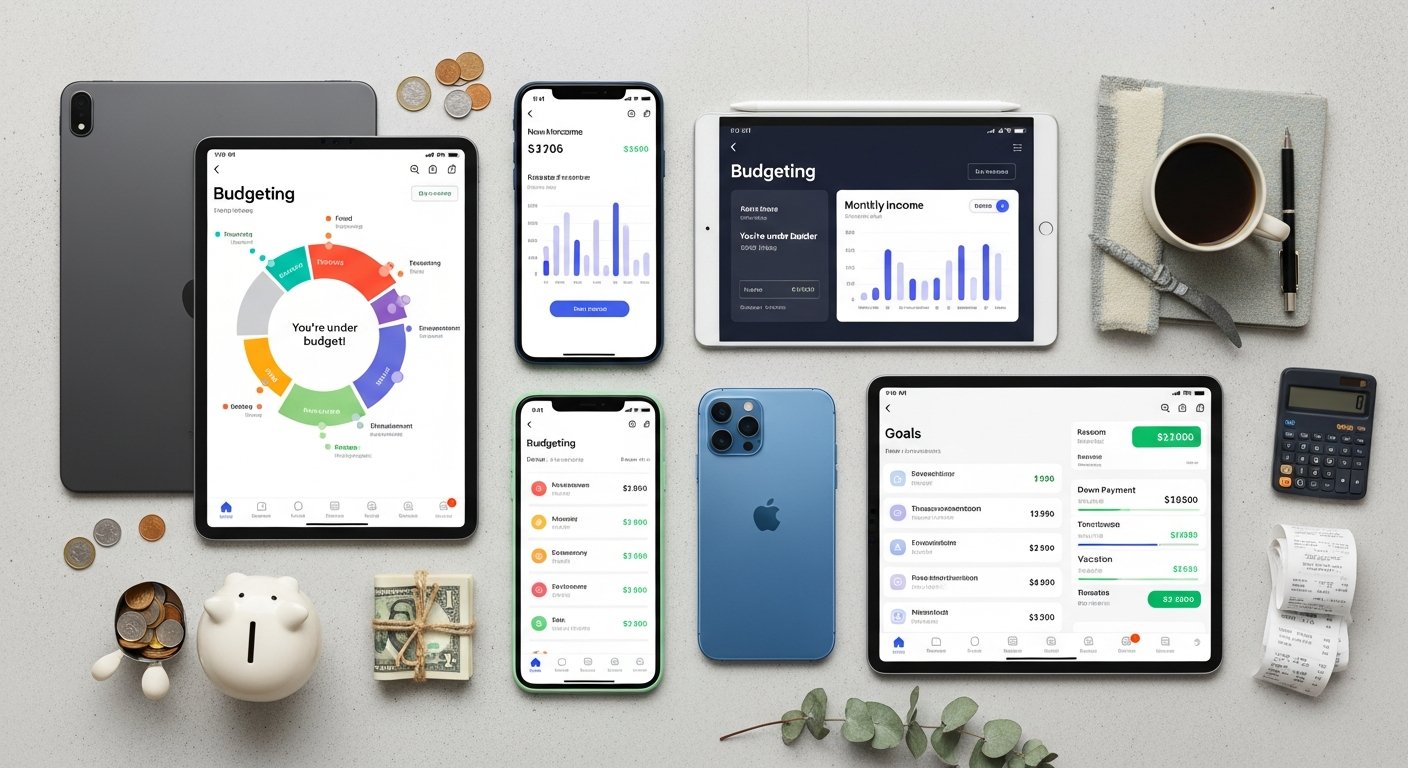
[INLINE IMAGE 2: place after fourth H2 | alt=”Credit cards & rewards (comparison, sign-up offers, rewards optimization) comparison illustration”]
Always research the current redemption values for your specific rewards program before cashing in. A little research can mean the difference between getting an average return and a spectacular one.
Stacking Rewards: Portals and Partners
Maximize your earning by “stacking” rewards. This involves using multiple reward programs for a single purchase.
- Online Shopping Portals: Many credit card issuers, airlines, and cash back apps (like Rakuten) offer portals where you earn additional points/cash back for shopping at participating online retailers. Start your online shopping journey through these portals and then pay with your optimal credit card.
- Affiliate Offers: Check for special offers through your card issuer’s website or app (e.g., Amex Offers, Chase Offers) that provide statement credits or bonus points for spending at specific merchants.
- Loyalty Programs: Combine credit card rewards with merchant loyalty programs. For example, use a co-branded airline credit card to pay for a flight booked through the airline’s website while logged into your frequent flyer account.
Discover more fintech tools for tracking and stacking your rewards effectively.
Annual Fees vs. Rewards Value: A Cost-Benefit Analysis
Many premium rewards cards come with annual fees, ranging from under $100 to over $600. It’s essential to perform a careful cost-benefit analysis to determine if the rewards and benefits outweigh the fee.
- Calculate Net Value: Sum up the estimated value of all benefits (rewards earned, travel credits, lounge access, insurance perks) and subtract the annual fee. If the net value is positive and significant, the card is likely worth it.
- Consider Retention Offers: If you’re considering canceling a card due to its annual fee, call the issuer. They may offer a retention bonus or a fee waiver to keep you as a customer.
- Downgrade Options: If a card’s annual fee is no longer justified, inquire about downgrading to a no-annual-fee version of the same card family. This allows you to retain your credit history with that account.
Monitoring Your Spending: Budgeting for Rewards
Effective rewards optimization is inextricably linked to responsible spending. A budget is your best friend here. Know your monthly spending limits, track your categories, and ensure you’re not overspending simply to chase rewards. Tools like personal finance apps integrated with your credit card accounts can provide real-time tracking and insights, ensuring you stay within your financial comfort zone while maximizing your rewards.
A Comprehensive Comparison: Top Credit Cards & Their Rewards in 2026
Choosing the best credit card requires a careful evaluation of your individual spending habits, financial goals, and credit profile. Below is a comparative overview of some of the top credit cards across different categories for 2026, designed to help you with your credit cards & rewards comparison. Please note that terms and offers are subject to change, and annual fees are often waived for the first year.
Understanding the Comparison Criteria
- Card Name & Issuer: Identifies the product and the financial institution behind it.
- Key Features: Summarizes primary benefits, earning categories, and unique selling points.
- Main Reward Rate: Indicates the standard earning rate for general purchases or highest bonus category.
- Welcome Offer: Details the sign-up bonus and its spending requirement.
- Annual Fee: The yearly cost associated with holding the card.
- Credit Level: The recommended credit score range for approval (Excellent: 740+, Good: 670-739, Fair: 580-669).
Top Credit Card Comparison Table: 2026 Selections
| Card Name (Issuer) | Key Features | Main Reward Rate | Welcome Offer | Annual Fee | Credit Level |
|---|---|---|---|---|---|
| Cash Back Pro (Bank X) | Rotating 5% cash back categories (up to cap), 1% on all other purchases. | 5% on rotating categories | $200 bonus after spending $500 in 3 months. | $0 | Good-Excellent |
| Traveler’s Elite (Bank Y) | 3X points on travel/dining, 1X on others. $300 annual travel credit, airport lounge access. | 3X points on travel/dining | 75,000 points after spending $4,000 in 3 months. | $550 | Excellent |
| Everyday Rewards (Bank Z) | 2% cash back on all purchases (with direct deposit/account at Bank Z). Simple, flat rate. | 2% on all purchases | $300 bonus after spending $3,000 in 3 months. | $0 | Excellent |
| Beginner Secured (Community Bank) | Builds credit history. Reports to all three bureaus. Requires security deposit. | 1% cash back on all purchases | None | $0 | Fair-Good |
| Grocery Giver (Foodie Bank) | 4% cash back on groceries (up to cap), 2% on dining and gas, 1% on others. | 4% on groceries | $250 bonus after spending $1,500 in 3 months. | $95 | Good-Excellent |
This table is a snapshot of popular offerings in 2026. Your ideal card will depend on your spending habits (e.g., if you spend a lot on groceries, a grocery-focused card is better), your travel frequency, and your tolerance for annual fees. Always check the issuer’s website for the most current terms and conditions before applying.
Top Cash Back Picks 2026
For those who prefer straightforward savings, the Cash Back Pro and Everyday Rewards cards represent strong choices. Cash Back Pro, with its rotating categories, suits users willing to track spending for maximum returns, while Everyday Rewards caters to simplicity with a solid flat rate across the board. The Grocery Giver is excellent for families or individuals with high grocery spending, justifying its moderate annual fee through specialized high-value returns.
Best Travel Rewards Cards 2026
The Traveler’s Elite card is a prime example of a premium travel card. Its high annual fee is balanced by substantial travel credits, lucrative earning rates, and luxurious perks like airport lounge access, making it ideal for frequent flyers and those who value comfort and convenience on their journeys. The ability to transfer points to various airline and hotel partners often unlocks disproportionately high value, further solidifying its position for serious travelers.
Premium Points Cards for High Spenders
While not explicitly detailed in the table, cards from major issuers (e.g., Chase Ultimate Rewards, American Express Membership Rewards) are exemplary of premium points cards. They typically feature higher annual fees but offer diverse earning categories (dining, travel, streaming, etc.) and highly flexible redemption options, including lucrative transfers to travel partners. These are best for individuals with significant monthly spending who can consistently maximize the point value through strategic redemptions.
Cards for Building Credit
The Beginner Secured card is a lifeline for those needing to establish or rebuild their credit. While its rewards might be modest, its primary benefit is providing a clear pathway to a stronger credit profile. Consistent, on-time payments with a secured card are reported to credit bureaus, gradually improving your credit score and opening doors to better financial products, including more rewarding unsecured cards, in the future.
Responsible Credit Card Management: Beyond the Rewards

While rewards are alluring, they should never overshadow the fundamental principles of responsible credit card usage. Mismanagement can lead to debt, damaged credit, and significant financial stress, far outweighing any rewards earned. fin3go emphasizes that credit card usage must always be anchored in sound financial habits.
The Importance of Paying on Time and In Full
This is the golden rule of credit card management.
- Avoid Interest: Paying your balance in full each month means you avoid interest charges, which can quickly erase any value gained from rewards.
- Maintain Good Credit: Payment history is the single most important factor in your credit score. Timely payments demonstrate reliability and build a positive credit profile.
- No Late Fees: Missing a payment incurs late fees, which are an unnecessary financial drain.
Set up automatic payments for at least the minimum due, and ideally for the full statement balance, to ensure you never miss a payment. Regularly review your statements to catch any errors or fraudulent activity.
Understanding APR and Interest Charges
Your Annual Percentage Rate (APR) is the annual cost of borrowing money if you carry a balance. Credit card APRs can be very high, often ranging from 15% to over 25%. Understanding how interest is calculated is vital:
- Compound Interest: Interest accrues not just on your principal balance but also on the accumulated interest. This can lead to debt spiraling quickly.
- Average Daily Balance: Most issuers use this method to calculate interest, factoring in your balance each day of the billing cycle.
The best strategy is to never pay interest. If you must carry a balance, aim to pay it down as quickly as possible, perhaps utilizing a balance transfer card with a 0% introductory APR.
Monitoring Your Credit Score and Report
Your credit score is a numerical representation of your creditworthiness, and your credit report details your credit history.
- Regular Checks: Obtain a free copy of your credit report from each of the three major bureaus (Equifax, Experian, TransUnion) annually. Review it for errors or fraudulent accounts.
- Credit Score Trackers: Many credit card issuers and fintech apps offer free credit score monitoring. Keep an eye on your score for significant fluctuations.
- Impact of Usage: Understand how factors like credit utilization (how much credit you’re using vs. your total available credit), length of credit history, and types of credit affect your score.
Explore our guide on improving your credit score for better financial opportunities.
Avoiding Over-Indebtedness
The ease of using credit cards can sometimes lead to overspending. Establish strict spending limits, stick to your budget, and only charge what you can comfortably afford to repay. If you find yourself relying on credit cards to cover essential expenses, it’s a sign that your spending exceeds your income, and immediate financial adjustments are needed.
Security and Fraud Protection
Modern credit cards come with robust security features, but vigilance is always necessary.
- Fraud Monitoring: Most banks actively monitor for suspicious activity and will alert you to unusual transactions.
- Zero-Liability Policy: Generally, you are not held responsible for unauthorized charges made on your card. Report any suspicious activity immediately.
- Data Security: Use strong, unique passwords for online accounts and avoid public Wi-Fi for sensitive transactions.
- Physical Security: Keep your physical card secure and be mindful of skimmers at ATMs or gas pumps.
Fintech Tools and Innovations in Credit Card Management
The rise of financial technology (fintech) has revolutionized how we manage money, offering powerful tools to enhance credit card usage and rewards optimization. These innovations can simplify budgeting, automate payments, and provide deeper insights into your spending and rewards potential.
Budgeting Apps with Credit Card Integration
Modern budgeting apps (e.g., Mint, YNAB, Personal Capital) seamlessly integrate with your credit card accounts, providing a holistic view of your finances.
- Real-time Tracking: Automatically categorize transactions, giving you an instant understanding of where your money is going.
- Spending Analytics: Generate detailed reports and visual summaries, helping you identify spending patterns and areas for optimization.
- Goal Setting: Link spending to financial goals, making it easier to save for specific purchases or debt repayment while still earning rewards.
Rewards Tracking Platforms
Specialized platforms and apps are emerging to help you track your various rewards programs.
- Consolidated View: Aggregate all your credit card points, miles, and cash back across different issuers into a single dashboard.
- Redemption Optimization: Some tools provide recommendations on the best redemption options based on current transfer bonuses and your travel goals.
- Earning Maximization: Remind you which card to use for specific purchases to hit bonus categories or minimum spend requirements.
Automated Bill Pay and Alerts
Most credit card issuers offer automated payment options, but many fintech apps take this a step further.
- Scheduled Payments: Set up automated payments for your credit cards to ensure you never miss a due date.
- Custom Alerts: Receive notifications for low balances, upcoming bill due dates, large transactions, or when you’re nearing a spending threshold for a sign-up bonus.
AI-Driven Spending Insights
Artificial intelligence is playing an increasing role in personal finance, offering personalized advice based on your financial data.
- Personalized Recommendations: AI can analyze your spending habits and recommend the best credit card for your profile, or suggest ways to optimize your current cards.
- Predictive Analytics: Foresee potential financial challenges (e.g., risk of overspending) and offer proactive solutions.
- Spending Anomalies: Identify unusual spending patterns that might indicate fraud or an area where you could save.
Choosing Your Ideal Credit Card Strategy: A Step-by-Step Guide
The journey to mastering credit cards & rewards is highly personal. There’s no one-size-fits-all solution. Your ideal strategy will be a reflection of your unique financial situation, spending habits, and long-term goals. Follow this step-by-step guide to craft a plan that works for you.
Assess Your Spending Habits
Before you can optimize, you need to understand.
- Categorize Expenses: Look back at 3-6 months of bank and credit card statements. Where do you spend most? Groceries, dining, travel, gas, utilities, online shopping?
- Identify Peaks and Valleys: Do you have seasonal spending spikes? Planned large purchases? This helps in timing sign-up bonus applications.
- Monthly vs. Annual: Differentiate between recurring monthly expenses and larger, less frequent annual costs.
Define Your Financial Goals
Your goals dictate your reward priorities.
- Travel: Do you want free flights, hotel stays, or upgraded travel experiences? Focus on flexible travel points or co-branded airline/hotel cards.
- Cash Back: Is your priority reducing everyday expenses or bolstering your savings? Cash back cards offer straightforward monetary value.
- Debt Management: If you carry debt, a 0% APR balance transfer card should be your absolute priority over any rewards card.
- Credit Building: If your credit is nascent or needs repair, a secured card or a card designed for fair credit is the starting point.
Evaluate Your Credit Score
Your credit score determines which cards you’re likely to be approved for.
- Know Your Score: Get your free credit score from services like Credit Karma, your bank, or credit card issuer.
- Match Cards to Score: Only apply for cards that align with your current credit range (Excellent, Good, Fair, Poor). Applying for cards you won’t get approved for only harms your score with unnecessary hard inquiries.
Research and Compare Cards (fin3go’s Role)
This is where fin3go’s resources come into play.
- Utilize Comparison Tools: Use our guides and comparison tables to filter cards based on reward type, annual fee, credit score requirement, and specific benefits.
- Read Reviews: Beyond the headline offers, read expert and user reviews to understand the card’s practicalities, customer service, and any hidden caveats.
- Look for Current Offers: Sign-up bonuses and card features can change. Always verify the most current offers directly on the issuer’s website.
Read the Fine Print
Never skip the terms and conditions.
- APR: Understand the purchase APR, balance transfer APR, and penalty APR.
- Fees: Be aware of annual fees, foreign transaction fees, late payment fees, and cash advance fees.
- Reward Expiration: Know if your points or cash back expire and under what conditions.
- Redemption Rules: Understand minimum redemption thresholds and any blackout dates or restrictions, especially for travel rewards.
By diligently following these steps, you can move from a passive credit card user to an active, empowered financial optimizer, ensuring your cards serve your financial journey, not hinder it.
The Future of Credit Cards & Rewards: Emerging Trends
The credit card and fintech industries are constantly evolving, driven by technological advancements and changing consumer expectations. In 2026 and beyond, we anticipate several key trends that will shape the landscape of credit cards & rewards.
Personalized Rewards Programs
Generic reward structures are giving way to hyper-personalized offerings. Leveraging AI and big data, issuers will increasingly offer dynamic reward rates tailored to individual spending patterns, preferences, and life events. Imagine a card that automatically boosts cash back on baby supplies when you have a newborn, or on home improvement when you’re buying a house. This level of customization promises even greater relevance and value for consumers.
Integration with Digital Wallets and Mobile Payments
The seamless integration of credit cards with digital wallets (Apple Pay, Google Pay, Samsung Pay) and other mobile payment solutions will continue to expand. Expect enhanced security features, biometric authentication, and simplified checkout experiences across all platforms. Rewards programs will also evolve to better incentivize mobile payments and in-app purchases, ensuring that users still earn points no matter how they choose to pay.
Sustainability and Ethical Rewards
As consumer awareness of environmental and social issues grows, so too will demand for ethical financial products. We may see more credit cards offering rewards tied to sustainable spending, such as bonus points for purchases from eco-friendly businesses or donations to charitable causes. Some cards might even allow customers to offset their carbon footprint with their rewards or invest in sustainable projects. This trend aligns with a broader societal shift towards conscious consumption.
Enhanced Security Features
With the continuous threat of cybercrime, security will remain a paramount focus. Innovations like dynamic CVVs (security codes that change regularly), advanced biometric authentication (face recognition, voiceprints), and even quantum-resistant encryption will become more mainstream. Tokenization and virtual card numbers will also see broader adoption, further isolating sensitive card information from online transactions and making fraud significantly harder to perpetrate.
Gamification of Financial Management
To engage users and encourage responsible behavior, credit card apps and fintech platforms will likely incorporate more gamification elements. This could include challenges to hit savings goals, badges for paying bills on time, or leaderboards for reward earning. By making financial management more interactive and rewarding, these tools aim to foster healthier money habits and deeper engagement with credit card products.
Conclusion: Empowering Your Financial Journey with Smart Credit
The world of credit cards & rewards is vast and complex, but with the right knowledge and strategy, it becomes a powerful ally in your financial journey. From choosing the perfect card for your lifestyle and goals, to strategically maximizing sign-up offers, and diligently optimizing every point and mile, each step you take contributes to greater financial empowerment.
At fin3go, we believe that understanding and utilizing credit cards responsibly is a cornerstone of modern personal finance. It’s about more than just spending; it’s about making your money work harder for you, funding aspirations, and building a secure future. By adopting a proactive and informed approach, consistently paying your balances in full, and leveraging the innovative fintech tools available, you can transform your credit cards into powerful instruments for achieving your financial dreams in 2026 and for many years to come. Remember, the most rewarding credit card strategy is one that is tailored to you, managed with discipline, and continuously optimized for maximum value.
Frequently Asked Questions
Q1: What is the most important factor to consider when choosing a rewards credit card?
A1: The most important factor is your individual spending habits. A card offering 5% cash back on groceries is only valuable if you spend a significant amount on groceries. Align the card’s bonus categories and reward structure with where you naturally spend your money to maximize your earnings without forcing unnecessary spending. Also, ensure you can meet any minimum spend requirements for welcome bonuses without going into debt.
Q2: How often should I apply for new credit cards to get sign-up bonuses?
A2: The optimal frequency varies depending on your credit profile and the specific issuer’s rules. Generally, it’s wise to space out applications by at least 3-6 months to minimize the impact on your credit score and avoid triggering issuer-specific restrictions (like Chase’s 5/24 rule). Prioritize meeting the minimum spend on one card before applying for another, and always ensure you can manage the new credit responsibly.
Q3: Is it better to earn cash back or travel points?
A3: This depends entirely on your financial goals and lifestyle. Cash back offers straightforward, liquid value that can be used for any purpose. Travel points, especially those from flexible programs that allow transfers to airline/hotel partners, often have the potential for a much higher value per point if redeemed strategically for premium travel experiences. If you travel frequently and are willing to research optimal redemptions, travel points can be more lucrative. If you prefer simplicity and direct savings, cash back is superior.
Q4: What are the risks of having too many credit cards?
A4: While a diversified credit portfolio can be beneficial, too many cards can lead to risks. These include increased complexity in tracking payments and due dates (potentially leading to missed payments), a higher temptation to overspend, and the possibility of a damaged credit score if not managed perfectly. Each new application also results in a hard inquiry on your credit report, which can temporarily lower your score. It’s crucial to only open cards you can responsibly manage.
Q5: How can fintech tools help me optimize my credit card rewards?
A5: Fintech tools offer significant advantages for rewards optimization. Budgeting apps (e.g., Mint, YNAB) help you track spending categories to ensure you use the right card for bonus points. Specialized rewards tracking platforms consolidate all your points/miles balances and suggest optimal redemption strategies. Automated bill pay features ensure you never miss a payment, protecting your credit score and avoiding interest. AI-driven insights can even provide personalized recommendations for card usage and new card applications based on your financial behavior.
Credit Cards & Rewards: The Ultimate Guide to Comparison, Sign-Up Offers, and Rewards Optimization in 2026
Affiliate disclosure: This article may contain affiliate links. Recommendations are independent and editorially driven.
In the dynamic landscape of personal finance, credit cards have evolved far beyond simple payment tools. Today, they are sophisticated financial instruments offering a universe of rewards, perks, and opportunities for savvy consumers. However, with thousands of options available, navigating the world of credit cards & rewards can feel overwhelming. How do you choose the right card? How do you capitalize on lucrative sign-up offers? And crucially, how do you optimize your rewards to truly enhance your financial well-being and lifestyle?
At fin3go, we empower you to answer these questions confidently. Our comprehensive guide delves deep into the strategies and insights needed to master credit card comparison, unlock maximum value from sign-up bonuses, and implement advanced rewards optimization techniques. Whether you’re aiming to fund your next dream vacation, earn significant cash back, or simply build a stronger financial foundation, understanding the nuances of credit card rewards is paramount. Join us as we explore the best practices for making your credit cards work for you in 2026 and beyond.
Understanding the World of Credit Cards & Rewards: More Than Just Spending
For many, a credit card is simply a plastic rectangle used for purchases. But for the financially astute, it’s a powerful tool that, when wielded correctly, can unlock substantial value. The era of generic credit offerings is long past; today’s market is saturated with cards designed to cater to every conceivable spending habit and financial goal. Grasping the fundamental concepts of how these cards function, and particularly how their reward structures operate, is the first step toward transforming your everyday spending into meaningful benefits.
The Basics: What is a Credit Card?
At its core, a credit card is a revolving line of credit extended to you by a financial institution. When you make a purchase, you are borrowing money from the issuer, which you then agree to repay, typically within a monthly billing cycle. If you pay your balance in full by the due date, you generally incur no interest charges. However, if you carry a balance, interest accrues based on your Annual Percentage Rate (APR). Beyond this basic function, credit cards offer a suite of protections, convenience, and increasingly, an array of rewards.
- Credit Limit: The maximum amount you can borrow on your card.
- Interest Rate (APR): The annual cost of borrowing money if you don’t pay your balance in full.
- Grace Period: The time between the end of a billing cycle and the payment due date during which no interest is charged.
- Minimum Payment: The smallest amount you must pay to keep your account in good standing.
Why Rewards Matter: Beyond Simple Credit
The “rewards” component is what truly differentiates modern credit cards. These are incentives offered by card issuers to encourage usage and loyalty. Rewards can take various forms, from direct cash back to points redeemable for travel, merchandise, or experiences. The strategic accumulation and redemption of these rewards can significantly offset costs, enhance lifestyle, and even contribute to long-term savings. For instance, a well-chosen travel card could cover the cost of flights or hotels, while a cash back card could provide hundreds of dollars annually to bolster your budget.
The fin3go Approach: Smart Money Management with Credit Cards
At fin3go, our philosophy centers on smart money management. We view credit cards not as a gateway to debt, but as an opportunity for financial optimization. Our approach involves a disciplined understanding of your spending patterns, a strategic selection of cards that align with your lifestyle and goals, and a proactive method for maximizing every reward point or percentage back. We advocate for responsible usage, always prioritizing on-time, in-full payments to avoid interest charges and maintain a healthy credit score, thereby building a virtuous cycle of financial growth and reward accumulation.
Navigating Credit Card Types for Optimal Rewards
The first step in any successful rewards strategy is identifying the type of credit card that best suits your financial habits and objectives. The market segments cards into distinct categories, each designed with a specific set of benefits and target users in mind. Understanding these types is crucial for effective credit cards & rewards comparison.
[INLINE IMAGE 1: place after second H2 | alt=”Credit cards & rewards (comparison, sign-up offers, rewards optimization) concept illustration”]
Cash Back Credit Cards: Simple Savings
Cash back cards are perhaps the most straightforward reward type. They offer a percentage of your spending back as cash, typically credited to your statement, deposited into a bank account, or redeemable as a check.
- Flat-Rate Cash Back: These cards offer a consistent percentage back on all purchases (e.g., 1.5% or 2%). They are excellent for those who prefer simplicity and consistent returns across all spending categories.
- Tiered Cash Back: Some cards offer higher percentages in specific categories (e.g., 3% on groceries, 2% on gas, 1% on everything else). These require a bit more attention to maximize but can yield higher returns if your spending aligns with the bonus categories.
- Rotating Category Cash Back: Certain cards feature categories that change every quarter, offering very high cash back rates (e.g., 5%) on those specific spending types (e.g., Q1: supermarkets, Q2: gas stations). These demand active management to ensure you’re using the right card for the right purchase.
Travel Rewards Credit Cards: Exploring the World
For those with a passion for travel, these cards are invaluable. Travel cards typically earn points or miles that can be redeemed for flights, hotels, car rentals, or other travel-related expenses. Many also come with premium travel perks.
- Airline Miles Cards: Directly tied to specific airline loyalty programs, these cards earn miles that can be redeemed for flights, upgrades, and sometimes airport lounge access. They are best for frequent flyers loyal to a particular airline alliance.
- Hotel Points Cards: Affiliated with hotel chains, these cards earn points redeemable for free nights, room upgrades, and elite status benefits. Ideal for travelers who frequently stay with one hotel brand.
- Flexible Travel Points Cards: These cards earn points that can be transferred to various airline or hotel partners, or redeemed directly through the card issuer’s travel portal. They offer the most flexibility, allowing you to choose the best redemption option for each trip.
- Premium Travel Cards: Often come with high annual fees but offer extensive benefits like airport lounge access, travel credits, enhanced travel insurance, and dedicated concierge services. The value of the perks often outweighs the annual fee for frequent travelers.
Points Credit Cards: Flexible Redemption
Points cards offer a versatile rewards currency that can often be redeemed for a wide range of options, including cash back, travel, merchandise, gift cards, or even statement credits. The value per point can vary significantly depending on the redemption method.
- Proprietary Points Programs: Major issuers like Chase Ultimate Rewards, American Express Membership Rewards, and Citi ThankYou Points have their own ecosystems. These programs often allow points transfers to airline and hotel partners, offering high potential value.
- General Points Cards: Other points cards might offer a simpler redemption structure where points have a fixed value (e.g., 1 point = 1 cent) across various options.
Co-branded Credit Cards: Loyalty Programs on Steroids
These cards are issued in partnership between a bank and a specific merchant (e.g., a retail store, gas station, or restaurant chain). They offer enhanced rewards and benefits specifically for purchases made with that brand.
- Retail Store Cards: Often provide discounts, special financing, or bonus rewards on purchases at the specific store. Useful for loyal shoppers of a particular brand.
- Gas Station Cards: Offer higher cash back or discounts on fuel purchases from a specific chain.
- Restaurant/Food Delivery Cards: Provide bonus points or discounts for dining or food delivery services.
Balance Transfer & Low APR Cards: Financial Maneuvering
While not primarily rewards cards, these are crucial financial tools. Balance transfer cards allow you to move high-interest debt from existing credit cards to a new card, often with a 0% introductory APR for a fixed period. Low APR cards maintain a consistently lower interest rate than standard cards. These are vital for managing debt and reducing interest costs, rather than earning rewards directly.
Secured Credit Cards: Building Your Foundation
Secured credit cards require a cash deposit, which typically becomes your credit limit. They are designed for individuals with limited or poor credit history who need to build or rebuild their credit. While some secured cards now offer modest rewards, their primary value lies in their ability to report payment activity to credit bureaus, paving the way for unsecured cards with better terms and rewards in the future.
Learn more about building and repairing your credit score.
Cracking the Code of Sign-Up Offers: Maximizing Initial Bonuses
Sign-up offers, also known as welcome bonuses, are one of the most exciting and lucrative aspects of credit card rewards. These are substantial bonuses offered to new cardholders who meet specific spending requirements within an initial period. Understanding how to strategically approach these offers can yield significant value, often worth hundreds or even thousands of dollars in points, miles, or cash back.
Understanding Welcome Bonuses: A Lucrative Start
A welcome bonus is typically awarded after you spend a certain amount of money on the card within a set timeframe, usually 3 to 6 months. For example, “Earn 60,000 bonus points after you spend $4,000 in the first 3 months.” The value of these bonuses can vary wildly depending on the card type and issuer. Travel cards often have the highest point values, while cash back cards offer direct monetary incentives. It’s crucial to calculate the potential return on these bonuses and compare them across different cards to identify the most valuable opportunities for your financial goals in 2026.
Meeting Minimum Spend Requirements: Strategies and Pitfalls
The minimum spend requirement is the hurdle you must clear to earn the welcome bonus. Successfully meeting this often requires a thoughtful strategy, especially for higher thresholds.
Strategies:
- Everyday Spending: Route all your usual expenses (groceries, utilities, gas, dining) through the new card.
- Upcoming Large Purchases: If you have a planned major expense (e.g., new appliance, home repair, insurance premium, tuition), time your card application to coincide with it.
- Pre-paying Bills: Consider pre-paying bills that allow it, like insurance premiums or cell phone plans, if you have the cash flow.
- Authorized Users: Adding an authorized user can help boost spending, but ensure you trust them and are responsible for all charges.
- Tax Payments: Some services allow you to pay federal or state taxes with a credit card for a small fee. This can be a way to meet a large spend requirement, provided the bonus value outweighs the fee.
Pitfalls to Avoid:
- Unnecessary Spending: Never spend money you wouldn’t otherwise spend just to hit a bonus. This defeats the purpose and can lead to debt.
- Paying Interest: If you carry a balance and incur interest, it will quickly erode the value of any bonus. Always pay off your balance in full.
- Missing the Deadline: Keep a close eye on the spending deadline. Some issuers are strict and won’t grant extensions.
When to Apply: Timing Your Applications
Timing is crucial. Don’t apply for multiple cards simultaneously, as this can negatively impact your credit score and trigger issuer restrictions (like Chase’s 5/24 rule, which limits approvals if you’ve opened 5 or more personal credit cards from any issuer in the last 24 months). It’s generally advisable to space out applications by several months. Also, consider applying when you have a significant purchase coming up to easily meet minimum spend. Research issuer-specific rules before applying to avoid disappointment.
The Art of Card Churning (Ethical Considerations)
Card churning refers to the practice of repeatedly opening credit cards to earn sign-up bonuses, then closing them before the annual fee kicks in, and potentially reapplying for the same card again after a cooling-off period. While it can be lucrative, it comes with significant caveats:
- Issuer Restrictions: Many issuers have policies against repeat bonuses (e.g., “one bonus per product family every 24 or 48 months”).
- Credit Score Impact: Frequent applications and closures can negatively affect your credit score.
- Account Closures: Issuers may close accounts if they suspect churning, potentially impacting your relationship with the bank.
- Ethical Considerations: While not illegal, some consider aggressive churning to be against the spirit of the reward programs.
fin3go advocates for responsible card management. While understanding churning can be part of advanced strategy, we emphasize maintaining good relationships with issuers and prioritizing your credit health over short-term bonus gains. Focus on optimizing your primary cards for long-term value rather than continuous application cycles.
Mastering Rewards Optimization: Get the Most Value
Earning rewards is only half the battle; the true art lies in optimizing their value through smart redemption and strategic spending. This is where your financial discipline and attention to detail will truly pay off, transforming your collected points and miles into maximum tangible benefits.
Category Bonuses and Rotating Rewards: Dynamic Earning
Many cards offer bonus categories that provide accelerated earning rates (e.g., 3x points on dining, 5% cash back on groceries). Some cards feature rotating categories that change quarterly. To maximize these:
- Align Cards with Spending: Identify which of your cards offers the best return for each major spending category in your budget.
- Quarterly Activation: For rotating category cards, remember to activate the bonus categories each quarter.
- Review Statements: Periodically review your spending statements to ensure you’re using the optimal card for each type of purchase.
- Multiple Card Strategy: Consider maintaining a portfolio of cards designed to cover different bonus categories effectively. For instance, one card for dining, another for groceries, and a flat-rate card for everything else.
Redemption Strategies: Cash, Travel, Merchandise, Gift Cards
How you redeem your rewards can drastically impact their value. Not all redemption options are created equal.
- Cash Back: Simplest redemption, usually at a fixed rate (e.g., 1 point = 1 cent). Provides immediate, tangible value that can be used for anything.
- Travel: Often offers the highest value per point/mile, especially with flexible travel points that transfer to airline/hotel partners. Transfer ratios and specific loyalty program redemption charts are key. For example, 1 point might be worth 1 cent as cash back but 2 cents or more when transferred for a premium flight.
- Merchandise: Generally offers poor value. The cost of merchandise through a card issuer’s portal is often inflated, and you can usually find the same items cheaper elsewhere.
- Gift Cards: Value can vary. Sometimes you can find gift cards at a slight discount (e.g., $100 gift card for 9,000 points instead of 10,000), but often it’s at par value or worse.
- Statement Credits: Similar to cash back but applied directly to your card balance. Convenience is a factor, but ensure the value is competitive with other options.
[INLINE IMAGE 2: place after fourth H2 | alt=”Credit cards & rewards (comparison, sign-up offers, rewards optimization) comparison illustration”]
Always research the current redemption values for your specific rewards program before cashing in. A little research can mean the difference between getting an average return and a spectacular one.
Stacking Rewards: Portals and Partners
Maximize your earning by “stacking” rewards. This involves using multiple reward programs for a single purchase.
- Online Shopping Portals: Many credit card issuers, airlines, and cash back apps (like Rakuten) offer portals where you earn additional points/cash back for shopping at participating online retailers. Start your online shopping journey through these portals and then pay with your optimal credit card.
- Affiliate Offers: Check for special offers through your card issuer’s website or app (e.g., Amex Offers, Chase Offers) that provide statement credits or bonus points for spending at specific merchants.
- Loyalty Programs: Combine credit card rewards with merchant loyalty programs. For example, use a co-branded airline credit card to pay for a flight booked through the airline’s website while logged into your frequent flyer account.
Discover more fintech tools for tracking and stacking your rewards effectively.
Annual Fees vs. Rewards Value: A Cost-Benefit Analysis
Many premium rewards cards come with annual fees, ranging from under $100 to over $600. It’s essential to perform a careful cost-benefit analysis to determine if the rewards and benefits outweigh the fee.
- Calculate Net Value: Sum up the estimated value of all benefits (rewards earned, travel credits, lounge access, insurance perks) and subtract the annual fee. If the net value is positive and significant, the card is likely worth it.
- Consider Retention Offers: If you’re considering canceling a card due to its annual fee, call the issuer. They may offer a retention bonus or a fee waiver to keep you as a customer.
- Downgrade Options: If a card’s annual fee is no longer justified, inquire about downgrading to a no-annual-fee version of the same card family. This allows you to retain your credit history with that account.
Monitoring Your Spending: Budgeting for Rewards
Effective rewards optimization is inextricably linked to responsible spending. A budget is your best friend here. Know your monthly spending limits, track your categories, and ensure you’re not overspending simply to chase rewards. Tools like personal finance apps integrated with your credit card accounts can provide real-time tracking and insights, ensuring you stay within your financial comfort zone while maximizing your rewards.
A Comprehensive Comparison: Top Credit Cards & Their Rewards in 2026
Choosing the best credit card requires a careful evaluation of your individual spending habits, financial goals, and credit profile. Below is a comparative overview of some of the top credit cards across different categories for 2026, designed to help you with your credit cards & rewards comparison. Please note that terms and offers are subject to change, and annual fees are often waived for the first year.
Understanding the Comparison Criteria
- Card Name & Issuer: Identifies the product and the financial institution behind it.
- Key Features: Summarizes primary benefits, earning categories, and unique selling points.
- Main Reward Rate: Indicates the standard earning rate for general purchases or highest bonus category.
- Welcome Offer: Details the sign-up bonus and its spending requirement.
- Annual Fee: The yearly cost associated with holding the card.
- Credit Level: The recommended credit score range for approval (Excellent: 740+, Good: 670-739, Fair: 580-669).
Top Credit Card Comparison Table: 2026 Selections
| Card Name (Issuer) | Key Features | Main Reward Rate | Welcome Offer | Annual Fee | Credit Level |
|---|---|---|---|---|---|
| Cash Back Pro (Bank X) | Rotating 5% cash back categories (up to cap), 1% on all other purchases. | 5% on rotating categories | $200 bonus after spending $500 in 3 months. | $0 | Good-Excellent |
| Traveler’s Elite (Bank Y) | 3X points on travel/dining, 1X on others. $300 annual travel credit, airport lounge access. | 3X points on travel/dining | 75,000 points after spending $4,000 in 3 months. | $550 | Excellent |
| Everyday Rewards (Bank Z) | 2% cash back on all purchases (with direct deposit/account at Bank Z). Simple, flat rate. | 2% on all purchases | $300 bonus after spending $3,000 in 3 months. | $0 | Excellent |
| Beginner Secured (Community Bank) | Builds credit history. Reports to all three bureaus. Requires security deposit. | 1% cash back on all purchases | None | $0 | Fair-Good |
| Grocery Giver (Foodie Bank) | 4% cash back on groceries (up to cap), 2% on dining and gas, 1% on others. | 4% on groceries | $250 bonus after spending $1,500 in 3 months. | $95 | Good-Excellent |
This table is a snapshot of popular offerings in 2026. Your ideal card will depend on your spending habits (e.g., if you spend a lot on groceries, a grocery-focused card is better), your travel frequency, and your tolerance for annual fees. Always check the issuer’s website for the most current terms and conditions before applying.
Top Cash Back Picks 2026
For those who prefer straightforward savings, the Cash Back Pro and Everyday Rewards cards represent strong choices. Cash Back Pro, with its rotating categories, suits users willing to track spending for maximum returns, while Everyday Rewards caters to simplicity with a solid flat rate across the board. The Grocery Giver is excellent for families or individuals with high grocery spending, justifying its moderate annual fee through specialized high-value returns.
Best Travel Rewards Cards 2026
The Traveler’s Elite card is a prime example of a premium travel card. Its high annual fee is balanced by substantial travel credits, lucrative earning rates, and luxurious perks like airport lounge access, making it ideal for frequent flyers and those who value comfort and convenience on their journeys. The ability to transfer points to various airline and hotel partners often unlocks disproportionately high value, further solidifying its position for serious travelers.
Premium Points Cards for High Spenders
While not explicitly detailed in the table, cards from major issuers (e.g., Chase Ultimate Rewards, American Express Membership Rewards) are exemplary of premium points cards. They typically feature higher annual fees but offer diverse earning categories (dining, travel, streaming, etc.) and highly flexible redemption options, including lucrative transfers to travel partners. These are best for individuals with significant monthly spending who can consistently maximize the point value through strategic redemptions.
Cards for Building Credit
The Beginner Secured card is a lifeline for those needing to establish or rebuild their credit. While its rewards might be modest, its primary benefit is providing a clear pathway to a stronger credit profile. Consistent, on-time payments with a secured card are reported to credit bureaus, gradually improving your credit score and opening doors to better financial products, including more rewarding unsecured cards, in the future.
Responsible Credit Card Management: Beyond the Rewards
While rewards are alluring, they should never overshadow the fundamental principles of responsible credit card usage. Mismanagement can lead to debt, damaged credit, and significant financial stress, far outweighing any rewards earned. fin3go emphasizes that credit card usage must always be anchored in sound financial habits.
The Importance of Paying on Time and In Full
This is the golden rule of credit card management.
- Avoid Interest: Paying your balance in full each month means you avoid interest charges, which can quickly erase any value gained from rewards.
- Maintain Good Credit: Payment history is the single most important factor in your credit score. Timely payments demonstrate reliability and build a positive credit profile.
- No Late Fees: Missing a payment incurs late fees, which are an unnecessary financial drain.
Set up automatic payments for at least the minimum due, and ideally for the full statement balance, to ensure you never miss a payment. Regularly review your statements to catch any errors or fraudulent activity.
Understanding APR and Interest Charges
Your Annual Percentage Rate (APR) is the annual cost of borrowing money if you carry a balance. Credit card APRs can be very high, often ranging from 15% to over 25%. Understanding how interest is calculated is vital:
- Compound Interest: Interest accrues not just on your principal balance but also on the accumulated interest. This can lead to debt spiraling quickly.
- Average Daily Balance: Most issuers use this method to calculate interest, factoring in your balance each day of the billing cycle.
The best strategy is to never pay interest. If you must carry a balance, aim to pay it down as quickly as possible, perhaps utilizing a balance transfer card with a 0% introductory APR.
Monitoring Your Credit Score and Report
Your credit score is a numerical representation of your creditworthiness, and your credit report details your credit history.
- Regular Checks: Obtain a free copy of your credit report from each of the three major bureaus (Equifax, Experian, TransUnion) annually. Review it for errors or fraudulent accounts.
- Credit Score Trackers: Many credit card issuers and fintech apps offer free credit score monitoring. Keep an eye on your score for significant fluctuations.
- Impact of Usage: Understand how factors like credit utilization (how much credit you’re using vs. your total available credit), length of credit history, and types of credit affect your score.
Explore our guide on improving your credit score for better financial opportunities.
Avoiding Over-Indebtedness
The ease of using credit cards can sometimes lead to overspending. Establish strict spending limits, stick to your budget, and only charge what you can comfortably afford to repay. If you find yourself relying on credit cards to cover essential expenses, it’s a sign that your spending exceeds your income, and immediate financial adjustments are needed.
Security and Fraud Protection
Modern credit cards come with robust security features, but vigilance is always necessary.
- Fraud Monitoring: Most banks actively monitor for suspicious activity and will alert you to unusual transactions.
- Zero-Liability Policy: Generally, you are not held responsible for unauthorized charges made on your card. Report any suspicious activity immediately.
- Data Security: Use strong, unique passwords for online accounts and avoid public Wi-Fi for sensitive transactions.
- Physical Security: Keep your physical card secure and be mindful of skimmers at ATMs or gas pumps.
Fintech Tools and Innovations in Credit Card Management
The rise of financial technology (fintech) has revolutionized how we manage money, offering powerful tools to enhance credit card usage and rewards optimization. These innovations can simplify budgeting, automate payments, and provide deeper insights into your spending and rewards potential.
Budgeting Apps with Credit Card Integration
Modern budgeting apps (e.g., Mint, YNAB, Personal Capital) seamlessly integrate with your credit card accounts, providing a holistic view of your finances.
- Real-time Tracking: Automatically categorize transactions, giving you an instant understanding of where your money is going.
- Spending Analytics: Generate detailed reports and visual summaries, helping you identify spending patterns and areas for optimization.
- Goal Setting: Link spending to financial goals, making it easier to save for specific purchases or debt repayment while still earning rewards.
Rewards Tracking Platforms
Specialized platforms and apps are emerging to help you track your various rewards programs.
- Consolidated View: Aggregate all your credit card points, miles, and cash back across different issuers into a single dashboard.
- Redemption Optimization: Some tools provide recommendations on the best redemption options based on current transfer bonuses and your travel goals.
- Earning Maximization: Remind you which card to use for specific purchases to hit bonus categories or minimum spend requirements.
Automated Bill Pay and Alerts
Most credit card issuers offer automated payment options, but many fintech apps take this a step further.
- Scheduled Payments: Set up automated payments for your credit cards to ensure you never miss a due date.
- Custom Alerts: Receive notifications for low balances, upcoming bill due dates, large transactions, or when you’re nearing a spending threshold for a sign-up bonus.
AI-Driven Spending Insights
Artificial intelligence is playing an increasing role in personal finance, offering personalized advice based on your financial data.
- Personalized Recommendations: AI can analyze your spending habits and recommend the best credit card for your profile, or suggest ways to optimize your current cards.
- Predictive Analytics: Foresee potential financial challenges (e.g., risk of overspending) and offer proactive solutions.
- Spending Anomalies: Identify unusual spending patterns that might indicate fraud or an area where you could save.
Choosing Your Ideal Credit Card Strategy: A Step-by-Step Guide
The journey to mastering credit cards & rewards is highly personal. There’s no one-size-fits-all solution. Your ideal strategy will be a reflection of your unique financial situation, spending habits, and long-term goals. Follow this step-by-step guide to craft a plan that works for you.
Assess Your Spending Habits
Before you can optimize, you need to understand.
- Categorize Expenses: Look back at 3-6 months of bank and credit card statements. Where do you spend most? Groceries, dining, travel, gas, utilities, online shopping?
- Identify Peaks and Valleys: Do you have seasonal spending spikes? Planned large purchases? This helps in timing sign-up bonus applications.
- Monthly vs. Annual: Differentiate between recurring monthly expenses and larger, less frequent annual costs.
Define Your Financial Goals
Your goals dictate your reward priorities.
- Travel: Do you want free flights, hotel stays, or upgraded travel experiences? Focus on flexible travel points or co-branded airline/hotel cards.
- Cash Back: Is your priority reducing everyday expenses or bolstering your savings? Cash back cards offer straightforward monetary value.
- Debt Management: If you carry debt, a 0% APR balance transfer card should be your absolute priority over any rewards card.
- Credit Building: If your credit is nascent or needs repair, a secured card or a card designed for fair credit is the starting point.
Evaluate Your Credit Score
Your credit score determines which cards you’re likely to be approved for.
- Know Your Score: Get your free credit score from services like Credit Karma, your bank, or credit card issuer.
- Match Cards to Score: Only apply for cards that align with your current credit range (Excellent, Good, Fair, Poor). Applying for cards you won’t get approved for only harms your score with unnecessary hard inquiries.
Research and Compare Cards (fin3go’s Role)
This is where fin3go’s resources come into play.
- Utilize Comparison Tools: Use our guides and comparison tables to filter cards based on reward type, annual fee, credit score requirement, and specific benefits.
- Read Reviews: Beyond the headline offers, read expert and user reviews to understand the card’s practicalities, customer service, and any hidden caveats.
- Look for Current Offers: Sign-up bonuses and card features can change. Always verify the most current offers directly on the issuer’s website.
Read the Fine Print
Never skip the terms and conditions.
- APR: Understand the purchase APR, balance transfer APR, and penalty APR.
- Fees: Be aware of annual fees, foreign transaction fees, late payment fees, and cash advance fees.
- Reward Expiration: Know if your points or cash back expire and under what conditions.
- Redemption Rules: Understand minimum redemption thresholds and any blackout dates or restrictions, especially for travel rewards.
By diligently following these steps, you can move from a passive credit card user to an active, empowered financial optimizer, ensuring your cards serve your financial journey, not hinder it.
The Future of Credit Cards & Rewards: Emerging Trends
The credit card and fintech industries are constantly evolving, driven by technological advancements and changing consumer expectations. In 2026 and beyond, we anticipate several key trends that will shape the landscape of credit cards & rewards.
Personalized Rewards Programs
Generic reward structures are giving way to hyper-personalized offerings. Leveraging AI and big data, issuers will increasingly offer dynamic reward rates tailored to individual spending patterns, preferences, and life events. Imagine a card that automatically boosts cash back on baby supplies when you have a newborn, or on home improvement when you’re buying a house. This level of customization promises even greater relevance and value for consumers.
Integration with Digital Wallets and Mobile Payments
The seamless integration of credit cards with digital wallets (Apple Pay, Google Pay, Samsung Pay) and other mobile payment solutions will continue to expand. Expect enhanced security features, biometric authentication, and simplified checkout experiences across all platforms. Rewards programs will also evolve to better incentivize mobile payments and in-app purchases, ensuring that users still earn points no matter how they choose to pay.
Sustainability and Ethical Rewards
As consumer awareness of environmental and social issues grows, so too will demand for ethical financial products. We may see more credit cards offering rewards tied to sustainable spending, such as bonus points for purchases from eco-friendly businesses or donations to charitable causes. Some cards might even allow customers to offset their carbon footprint with their rewards or invest in sustainable projects. This trend aligns with a broader societal shift towards conscious consumption.
Enhanced Security Features
With the continuous threat of cybercrime, security will remain a paramount focus. Innovations like dynamic CVVs (security codes that change regularly), advanced biometric authentication (face recognition, voiceprints), and even quantum-resistant encryption will become more mainstream. Tokenization and virtual card numbers will also see broader adoption, further isolating sensitive card information from online transactions and making fraud significantly harder to perpetrate.
Gamification of Financial Management
To engage users and encourage responsible behavior, credit card apps and fintech platforms will likely incorporate more gamification elements. This could include challenges to hit savings goals, badges for paying bills on time, or leaderboards for reward earning. By making financial management more interactive and rewarding, these tools aim to foster healthier money habits and deeper engagement with credit card products.
Conclusion: Empowering Your Financial Journey with Smart Credit
The world of credit cards & rewards is vast and complex, but with the right knowledge and strategy, it becomes a powerful ally in your financial journey. From choosing the perfect card for your lifestyle and goals, to strategically maximizing sign-up offers, and diligently optimizing every point and mile, each step you take contributes to greater financial empowerment.
At fin3go, we believe that understanding and utilizing credit cards responsibly is a cornerstone of modern personal finance. It’s about more than just spending; it’s about making your money work harder for you, funding aspirations, and building a secure future. By adopting a proactive and informed approach, consistently paying your balances in full, and leveraging the innovative fintech tools available, you can transform your credit cards into powerful instruments for achieving your financial dreams in 2026 and for many years to come. Remember, the most rewarding credit card strategy is one that is tailored to you, managed with discipline, and continuously optimized for maximum value.
Frequently Asked Questions
Q1: What is the most important factor to consider when choosing a rewards credit card?
A1: The most important factor is your individual spending habits. A card offering 5% cash back on groceries is only valuable if you spend a significant amount on groceries. Align the card’s bonus categories and reward structure with where you naturally spend your money to maximize your earnings without forcing unnecessary spending. Also, ensure you can meet any minimum spend requirements for welcome bonuses without going into debt.
Q2: How often should I apply for new credit cards to get sign-up bonuses?
A2: The optimal frequency varies depending on your credit profile and the specific issuer’s rules. Generally, it’s wise to space out applications by at least 3-6 months to minimize the impact on your credit score and avoid triggering issuer-specific restrictions (like Chase’s 5/24 rule). Prioritize meeting the minimum spend on one card before applying for another, and always ensure you can manage the new credit responsibly.
Q3: Is it better to earn cash back or travel points?
A3: This depends entirely on your financial goals and lifestyle. Cash back offers straightforward, liquid value that can be used for any purpose. Travel points, especially those from flexible programs that allow transfers to airline/hotel partners, often have the potential for a much higher value per point if redeemed strategically for premium travel experiences. If you travel frequently and are willing to research optimal redemptions, travel points can be more lucrative. If you prefer simplicity and direct savings, cash back is superior.
Q4: What are the risks of having too many credit cards?
A4: While a diversified credit portfolio can be beneficial, too many cards can lead to risks. These include increased complexity in tracking payments and due dates (potentially leading to missed payments), a higher temptation to overspend, and the possibility of a damaged credit score if not managed perfectly. Each new application also results in a hard inquiry on your credit report, which can temporarily lower your score. It’s crucial to only open cards you can responsibly manage.
Q5: How can fintech tools help me optimize my credit card rewards?
A5: Fintech tools offer significant advantages for rewards optimization. Budgeting apps (e.g., Mint, YNAB) help you track spending categories to ensure you use the right card for bonus points. Specialized rewards tracking platforms consolidate all your points/miles balances and suggest optimal redemption strategies. Automated bill pay features ensure you never miss a payment, protecting your credit score and avoiding interest. AI-driven insights can even provide personalized recommendations for card usage and new card applications based on your financial behavior.