





The Essential First Step: Embracing a Scarcity Mindset and Radical Budgeting
When your income is limited, every single dollar has a job to do. This isn’t about deprivation; it’s about intentionality and maximizing the impact of your earnings. The initial hurdle for many is believing it’s possible. Dispel that doubt immediately. Thousands of individuals have transformed their financial situations from humble beginnings, and so can you. The cornerstone of saving money fast on a low income is a robust, non-negotiable budget.
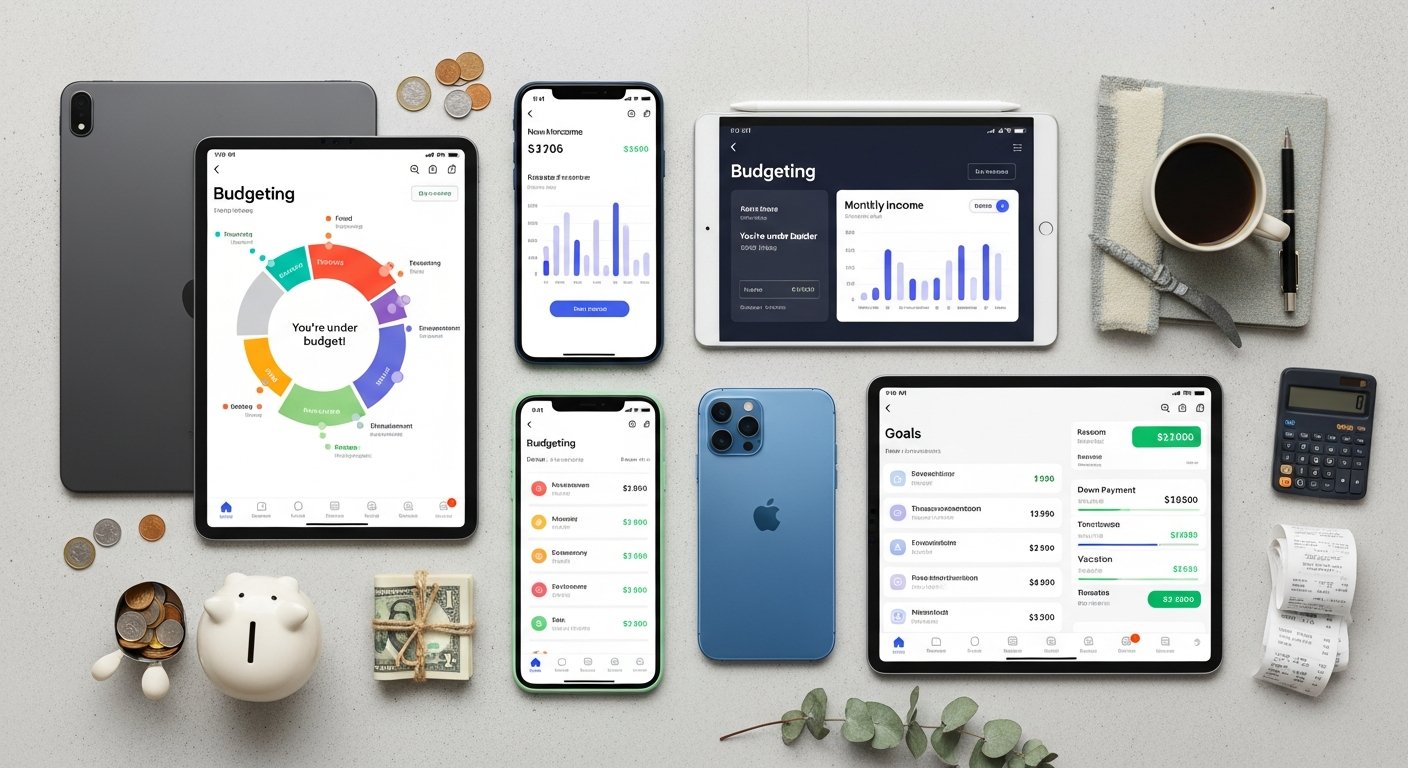
How To Create A Monthly Budget That Works for Low Incomes
Forget complex spreadsheets if they intimidate you. The best budget is the one you stick to. Here’s a pragmatic approach:
- Track Everything for a Month: Before you even try to budget, understand where your money is actually going. For 30 days, meticulously record every single expense. Use a notebook, a simple app, or even bank statements. This step is non-negotiable. You’ll likely uncover “money leaks” you never knew existed.
- Categorize Your Spending: Once tracked, group your expenses: Housing (rent/mortgage), Utilities (electricity, water, gas, internet, phone), Food (groceries, dining out), Transportation (gas, public transport, car maintenance), Debt Payments (credit cards, loans), Personal Care (toiletries, haircuts), Entertainment, Medical, etc.
- Differentiate Needs vs. Wants: This is critical on a low income.
- Needs: Housing, utilities, basic food, essential transportation, minimum debt payments, necessary medical care.
- Wants: Eating out, subscriptions you rarely use, expensive coffee, new clothes you don’t desperately need, premium entertainment. Be brutally honest here.
- Assign Dollar Amounts: Based on your tracking, allocate a specific dollar amount for each category for the upcoming month. If your needs exceed your income, you have a problem that requires immediate action (see expense reduction and income boosting below). If you have a small surplus, that’s your starting point for savings.
- Consider Budgeting Methods Tailored for Low Incomes:
- Zero-Based Budgeting: Every dollar of your income is assigned a job – either to an expense or to savings. The goal is for Income – Expenses – Savings = Zero. This ensures no money is left unaccounted for and maximizes your saving potential.
- The Envelope System (Physical or Digital): Once you have your categories and allocated amounts, withdraw cash for variable expenses (like groceries, entertainment, personal care) and put it into labeled envelopes. Once an envelope is empty, that category’s spending is done for the month. For digital versions, many budgeting apps offer similar features. This is particularly effective for visual savers and those who struggle with overspending on cards.
- The “Reverse Budget”: Instead of focusing on what you can’t spend, focus on what you must save. As soon as your paycheck hits, transfer a predetermined amount (even if it’s just $10 or $20) into a separate savings account. Then, budget with what’s left. This prioritizes saving and builds a habit.
- Review and Adjust: Your budget is a living document. At the end of each month, review how you performed. Did you stick to your limits? Where did you overspend? Where could you cut more next month? Adjust as necessary.
The disciplined application of a budget is not just about tracking; it’s about gaining control and making conscious decisions that align with your goal to save money fast on a low income.
Aggressive Expense Reduction: Cutting Deep and Smart

Once you know where your money is going, the next step is to drastically reduce your outflows. This isn’t about minor tweaks; it’s about an aggressive, short-term push to free up cash for savings. Think of it as a temporary financial bootcamp.
How To Negotiate Bills And Lower Expenses Effectively
Many of your recurring bills are not set in stone. Here’s how to tackle them:
- Utilities (Internet, Cable, Phone):
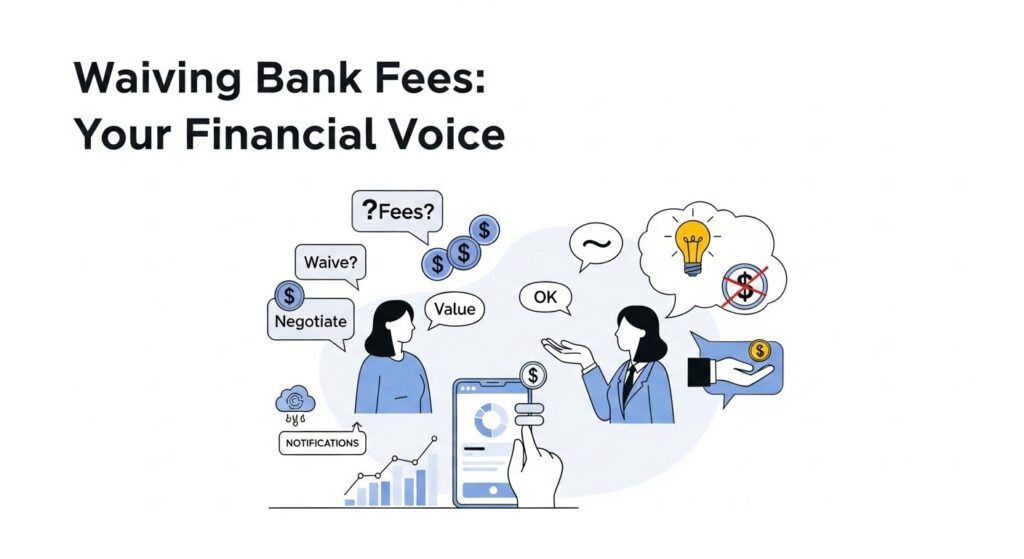
- Call Your Providers: Research competitor rates. Call your current provider, explain you’re considering switching due to cost, and ask if they have any retention offers, lower-tier plans, or bundles. Be polite but firm.
- Downgrade Plans: Do you need the fastest internet speed or 500 channels? Often, downgrading to a basic plan can save significant money.
- Eliminate Cable: If you still have traditional cable, consider cutting the cord entirely. With free streaming services (Pluto TV, Tubi, Freevee) and affordable subscription options (Netflix, Hulu, Disney+) if absolutely necessary, cable is often an unnecessary luxury.
- Mobile Phone: Look into budget carriers (MVNOs) like Mint Mobile, Visible, or Google Fi. You can often get similar coverage for a fraction of the price. Ensure your current phone is unlocked.
- Reduce Usage: Unplug electronics when not in use (phantom load), use energy-efficient lighting, adjust your thermostat, take shorter showers. Small changes accumulate.
- Insurance (Car, Home/Renters):
- Shop Around Annually: Get quotes from at least three different insurance companies every year. Loyalty often costs you money.
- Ask for Discounts: Many insurers offer discounts for good drivers, bundling policies, anti-theft devices, low mileage, good grades (if applicable), or paying annually.
- Increase Deductibles: If you have an emergency fund, raising your deductible can lower your monthly premium. Just ensure your emergency fund can cover it.
- Food Costs: This is often the largest variable expense and offers immense saving potential.
- Meal Planning: Plan all your meals for the week, create a grocery list, and stick to it.
- Cook at Home: Eating out, even fast food, is significantly more expensive than cooking. Pack lunches and make your own coffee.
- Shop Smart: Buy generic brands, look for sales, use coupons (but only for things you actually need), and avoid impulse buys. Shop at discount grocery stores (Aldi, Lidl).
- Reduce Waste: Learn to use leftovers creatively and properly store food to extend its life.
- Transportation:
- Public Transport/Walking/Biking: If feasible, reduce reliance on a car.
- Carpooling: Split gas costs with colleagues or friends.
- Batch Errands: Plan your driving routes to minimize mileage and fuel consumption.
- Maintain Your Vehicle: Regular maintenance prevents costly breakdowns.
- Subscriptions and Memberships: Audit all recurring subscriptions (streaming services, gym memberships, apps). Cancel anything you don’t use regularly or that isn’t absolutely essential. Even $5-$10 per month adds up quickly.
- Entertainment and Recreation: Seek out free or low-cost options. Libraries offer books, movies, and sometimes even passes to local attractions. Parks, hiking trails, free community events, and potlucks with friends are excellent alternatives to expensive outings.
The goal here is to make painful but temporary cuts that will rapidly free up cash flow. This isn’t forever, but it’s essential for building that initial savings momentum.
Boost Your Income: Creative Ways to Earn More, Even on a Low Income
Leveraging Side Hustles and Gig Work
The gig economy offers numerous opportunities, many of which require minimal startup costs or specialized skills:
- Selling Unused Items: Declutter your home and sell clothes, electronics, furniture, books, or collectibles on platforms like eBay, Facebook Marketplace, Craigslist, or local consignment shops. You’d be surprised how much cash is sitting unused in your home.
- Online Gigs:
- Freelance Writing/Editing: If you have good language skills, sites like Upwork or Fiverr can connect you with clients.
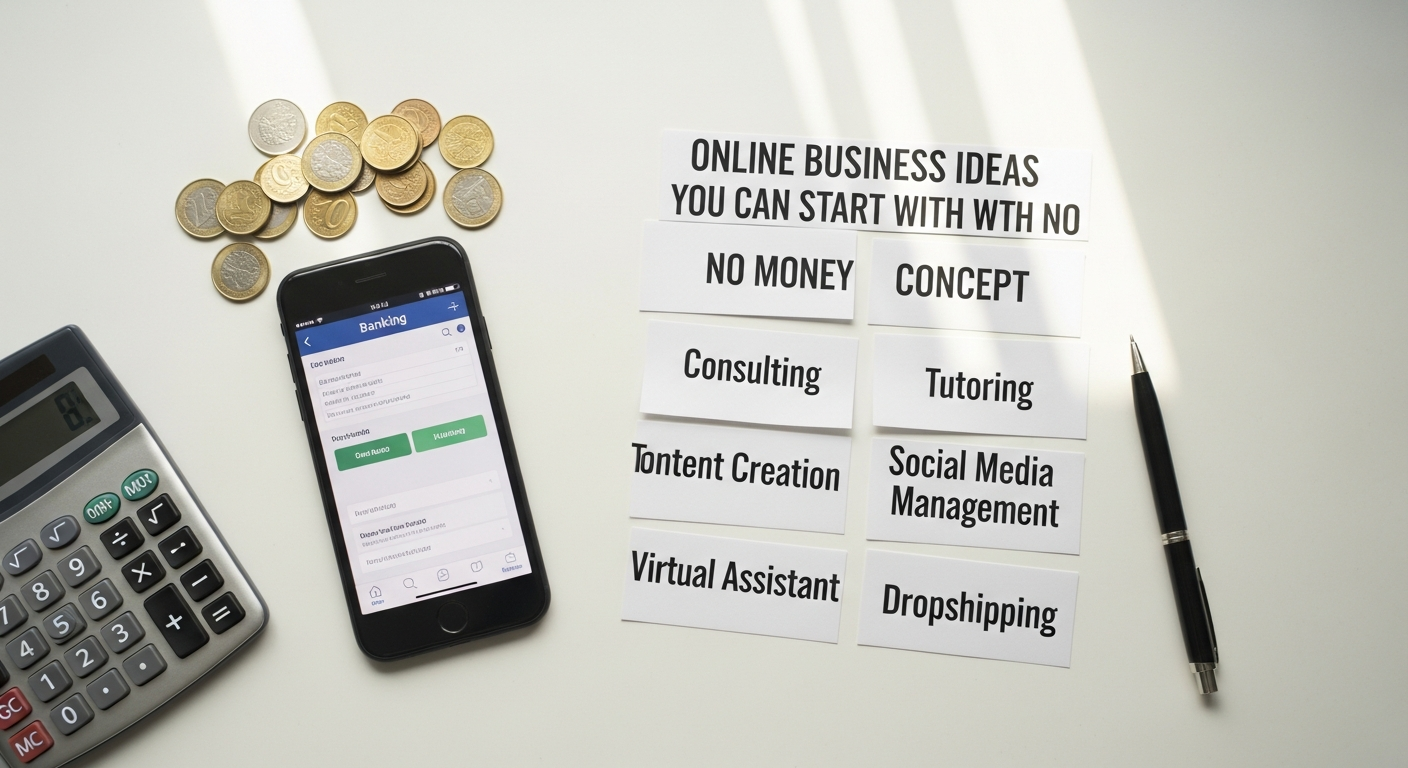
- Virtual Assistant: Offer administrative, social media, or customer service support remotely.
- Online Surveys: While not high-paying, sites like Swagbucks or Survey Junkie can provide a few extra dollars in your spare time.
- Transcription/Data Entry: Basic computer skills can open doors to these roles.
- Local Services:
- Pet Sitting/Dog Walking: If you love animals, this can be a flexible way to earn.
- Babysitting/Nannying: Always in demand, especially if you have references.
- Yard Work/Gardening: Offer lawn mowing, weeding, or leaf raking in your neighborhood.
- Cleaning Services: Many people are willing to pay for help with house cleaning.
- Handyman Services: If you’re handy, offer minor repairs to neighbors.
- Delivery Services: Companies like Uber Eats, DoorDash, or Instacart allow you to earn money on your own schedule, often with minimal vehicle requirements.
- Temp Work/Seasonal Jobs: Look for temporary roles during holidays or peak seasons in retail, hospitality, or administrative fields.
Maximizing Existing Income and Resources
- Ask for a Raise/Promotion: If you’ve been a loyal and effective employee, prepare a case for why you deserve more compensation.
- Leverage Skills: Can you teach a language, play an instrument, tutor a subject, or repair electronics? Offer your skills for a fee.
- Government Assistance and Community Resources: Don’t be ashamed to utilize programs designed to help those on low incomes.
- Food Banks/Pantries: Can significantly reduce your grocery bill.
- SNAP (Food Stamps): Provides assistance for purchasing food.
- LIHEAP (Low Income Home Energy Assistance Program): Helps with heating and cooling costs.
- WIC (Women, Infants, and Children): Provides food assistance for pregnant women, new mothers, and young children.
- Local Charities/Churches: Often offer assistance with rent, utilities, clothing, or food.
- Free Medical Clinics: Access healthcare without high costs.
- Tax Credits and Refunds: Ensure you’re claiming all eligible tax credits (e.g., Earned Income Tax Credit, Child Tax Credit) to maximize your refund, which can be a significant boost to your savings.
The key is to be proactive and creative. Every additional dollar you bring in, when coupled with stringent budgeting, accelerates your ability to save money fast on a low income.
Strategic Saving: Making Every Dollar Count Towards Your Goals

With a tight budget and potentially increased income, the next step is to ensure that the freed-up cash actually makes it into your savings account. This requires strategy and discipline.
Automate Your Savings, No Matter How Small
The easiest way to save is to make it automatic and remove the decision-making process. Set up an automatic transfer from your checking account to a separate savings account for every payday. Even if it’s just $5 or $10 initially, the habit is what matters. As your income increases or expenses decrease, gradually increase this automatic transfer amount. Out of sight, out of mind – and into savings.
Build an Emergency Fund First
Before you think about long-term investments or major purchases, prioritize an emergency fund. For those on a low income, even a small emergency fund of $500-$1,000 can be life-changing. This fund acts as a buffer against unexpected expenses (car repair, medical bill, job loss) that would otherwise derail your progress and potentially push you into high-interest debt. Having this safety net allows you to save money fast on a low income without the constant fear of setbacks.
Set Clear, Achievable Goals
Saving without a purpose can feel aimless. Define what you’re saving for:
- Emergency fund ($500 by October 2026)
- Down payment for a reliable car ($2,000 by April 2027)
- Education or skill training ($1,500 by January 2027)
- A small buffer for unexpected joy (e.g., a modest family trip)
Break large goals into smaller, manageable chunks. Seeing progress toward specific targets provides powerful motivation.
Leverage Small Wins and the “Snowball” Effect
Every small amount saved adds up. Did you find a forgotten $20 bill? Save it. Get cashback from a credit card or a refund on an item? Save it. Did you save $5 this week by cooking at home instead of eating out? Transfer that $5 to savings. These small, consistent actions create a “snowball” effect, where your savings grow larger and faster over time.
Smart Shopping and Financial Tools
- Cashback Apps and Loyalty Programs: Use apps like Ibotta, Rakuten, or Fetch Rewards for groceries and online purchases. These can return a small percentage of your spending as cash, which you can then transfer directly to your savings.
- Price Comparison Tools: Before making any purchase, use tools like Honey or CamelCamelCamel to ensure you’re getting the best price.
- Couponing (Strategic): Only use coupons for items you genuinely need and would buy anyway. Don’t buy something just because it’s on sale or you have a coupon.
- Round-Up Apps: Apps like Acorns (though investing, it has a saving component) or Bank of America’s Keep the Change round up your purchases to the nearest dollar and transfer the difference to savings. This is a painless way to save small amounts consistently.
These strategies, when combined with your aggressive budgeting and income-boosting efforts, will significantly accelerate your ability to save money fast on a low income, building a solid financial foundation.
Protecting Your Progress: Avoiding Pitfalls and Debt Traps
Saving money on a low income is not just about accumulating funds; it’s also about protecting those funds from being eroded by poor financial decisions, especially debt. One step forward and two steps back is a common pitfall.
The Dangers of High-Interest Debt
Credit card debt, payday loans, and title loans are financial quicksand, especially when on a low income. The high-interest rates (often 20% APR or more) mean that a significant portion of your payments goes towards interest, not the principal, making it incredibly difficult to pay off the balance. If you’re carrying high-interest debt, a portion of your “save money fast” strategy must be directed towards aggressively paying down this debt. Think of paying off a credit card with a 20% interest rate as earning a guaranteed 20% return on your money – an unparalleled “investment.”
- Debt Snowball/Avalanche: If you have multiple debts, choose a method. The Debt Snowball focuses on paying off the smallest balance first for psychological wins. The Debt Avalanche focuses on paying off the highest interest rate first for mathematical efficiency.
- Avoid New Debt: Commit to not taking on any new consumer debt. If you can’t pay for it in cash, you can’t afford it.
Building Good Credit (Even on a Low Income)
Good credit isn’t just for buying houses; it impacts insurance rates, utility deposits, and even job applications. You can build credit responsibly without going into debt:
- Secured Credit Card: These require a cash deposit, which becomes your credit limit. Use it for small, regular purchases you can immediately pay off (e.g., gas, a utility bill) and always pay the full statement balance on time.
- Credit Builder Loans: These loans hold the money in a savings account until you’ve made all your payments, then release it to you. This builds credit while simultaneously forcing you to save.
- Authorized User: If a trusted family member with good credit is willing, becoming an authorized user on their card can help your credit score (ensure they use it responsibly and pay on time).
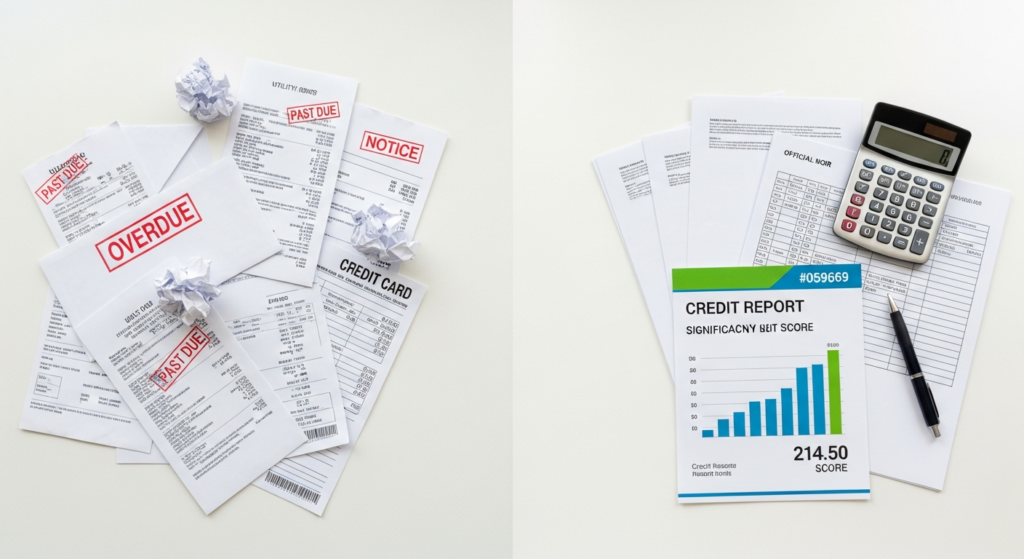
- Pay Bills on Time: Rent, utilities, and other bills that are reported to credit bureaus contribute to your payment history.
Avoiding Lifestyle Creep
As your income potentially increases or your savings grow, there’s a natural tendency to increase your spending. This is known as lifestyle creep. To save money fast on a low income, you must actively resist this. When you get a raise or find a new income stream, ensure a significant portion of that extra money goes directly to savings, not to upgrading your lifestyle. Maintain your frugal habits. The goal is to widen the gap between your income and expenses, not to let expenses rise with income.
By diligently avoiding debt traps and making conscious choices to protect your hard-won savings, you solidify your financial foundation and ensure your efforts to save money fast on a low income translate into lasting security.
Looking Beyond Immediate Savings: Building for the Future and Generational Wealth
While the immediate goal is to save money fast on a low income, it’s crucial to connect these efforts to a broader vision for your financial future. The habits you build now are the very foundation upon which long-term financial stability and even generational wealth are constructed.
The Power of Early Habits and Small Investments
Even if investing seems like a distant dream, the discipline of saving, understanding your money, and living below your means are the foundational skills of a successful investor. As your emergency fund grows and you have a small surplus, even micro-investing can begin. Apps like Acorns or Fidelity Go allow you to invest small amounts regularly. The concept of compound interest, where your money earns money, is incredibly powerful over time, even with modest sums. Starting small and early is far more impactful than waiting to have a large sum to invest later.
By establishing saving as a non-negotiable part of your financial life today, you are laying the groundwork for future investment opportunities that will help you grow your wealth, rather than just accumulate it.
How To Build Generational Wealth Starting from a Low Income
Building generational wealth isn’t solely about passing down millions of dollars. It’s fundamentally about passing down a legacy of financial literacy, good habits, and opportunities. For those starting on a low income, this journey is even more profound:
- Financial Education: The most powerful asset you can pass down is knowledge. Teach your children (or younger family members) about budgeting, saving, the dangers of debt, and the importance of investing. Break the cycle of financial illiteracy.
- Invest in Human Capital: Prioritize education and skill development for yourself and your family. A higher income potential through education, vocational training, or specialized skills is a direct contribution to future wealth. Investing in a certification that boosts your earning power by $10,000 a year is a form of generational wealth.
- Small Asset Accumulation: As you save, consider acquiring small assets that appreciate or generate income. This could be a down payment on a modest, reliable car that prevents transportation issues for work, or eventually, a small piece of property or a micro-business.
- Debt Avoidance: One of the greatest gifts you can give future generations is not burdening them with your debt. By managing your finances responsibly now, you prevent financial obligations from being passed on.
- Health and Wellness: Prioritizing your physical and mental health reduces future medical expenses and ensures you have the energy and longevity to continue earning and building. This is an often-overlooked component of generational wealth.
- Mentorship and Networking: Connect with others who are financially savvy. Learn from their experiences. Pass on this wisdom and these connections to your family.
The journey to build generational wealth begins with the very first dollar you intentionally save. It’s a testament to resilience, foresight, and a deep commitment to not just improving your own life, but creating a better financial future for those who come after you. By 2026, with consistent effort, you won’t just have saved money fast on a low income; you’ll have started a powerful legacy.
Maintaining Momentum and Mindset for Long-Term Success
The path to saving money fast on a low income is not always linear. There will be challenges, setbacks, and moments of doubt. Sustaining your motivation and maintaining a positive, resilient mindset are just as important as the practical strategies.
Celebrate Small Wins
Financial journeys are marathons, not sprints. Acknowledge and celebrate every milestone, no matter how small. Did you stick to your grocery budget for the month? Did you hit your first $100 in savings? Did you successfully negotiate a bill? These small victories provide crucial psychological boosts and reinforce positive behaviors. Share your successes with a trusted friend or family member, or even just journal about them.
Find Your Support System
You don’t have to do this alone. Connect with like-minded individuals who are also on a financial journey. This could be an online community, a local financial literacy group, or an accountability partner. Sharing struggles and successes, exchanging tips, and offering encouragement can be incredibly powerful. At Fin3go, we believe in the strength of community to foster financial growth.
Continuous Learning and Adaptation
The financial world is constantly evolving, and so should your strategies. Stay informed about personal finance best practices. Read blogs like Fin3go, listen to podcasts, or borrow books from the library. Learn new skills that could increase your income potential. Be willing to adapt your budget and saving strategies as your circumstances change or as you discover more effective methods. The commitment to lifelong learning is a cornerstone of enduring financial success.
Remember, the goal to save money fast on a low income is ambitious, but entirely achievable. It requires discipline, creativity, and a steadfast belief in your ability to transform your financial reality. By implementing these strategies consistently, you are not just building a savings account; you are building resilience, confidence, and a brighter future for yourself and your loved ones, setting the stage for significant progress by 2026.
Frequently Asked Questions About Saving Money Fast on a Low Income
Is it really possible to save money fast on a very low income?
Yes, absolutely. While it requires more discipline, creativity, and sacrifice than for someone with a high income, it is entirely possible. The key is to implement aggressive budgeting, drastically reduce non-essential expenses, actively seek out income-boosting opportunities (even small ones), and automate your savings. Every dollar saved on a low income has a magnified impact.
What’s the absolute first step I should take to start saving?
The very first step is to create a detailed budget. Before you can save, you must understand exactly where every penny of your income is going. Track all your spending for a month, categorize it into needs vs. wants, and then assign specific dollar limits to each category. This foundational step, often referred to as “How To Create A Monthly Budget,” is non-negotiable for anyone looking to gain financial control and save money fast.
How can I avoid feeling deprived while trying to save aggressively?
Avoiding deprivation is crucial for long-term adherence. Focus on the “why” behind your savings – your goals. Remind yourself that aggressive cutting is often temporary to build momentum. Find free or low-cost alternatives for entertainment and enjoyment. Embrace cooking at home as a creative outlet. Celebrate small milestones, and allow for very small, occasional guilt-free treats that fit within your budget to prevent burnout.
Are there specific apps or tools that can help me save money on a low income?
Yes! Many tools can assist. Budgeting apps like Mint, YNAB (You Need A Budget), or PocketGuard can help you track spending and stick to your budget. Cashback apps like Ibotta or Rakuten can put money back in your pocket from purchases. Round-up apps like Acorns can help you save small amounts automatically. For managing bills, apps that remind you of due dates can prevent late fees. Explore community resources online for local assistance programs.
When should I start thinking about investing if I’m on a low income?
Before investing, prioritize building an emergency fund of at least $500-$1,000. Once you have this safety net, and if you have any high-interest debt (like credit cards), focus on paying that off. Once those two pillars are stable, even small, consistent investments can begin. Micro-investing apps allow you to start with very little. The habits you learn now, especially through “How To Create A Monthly Budget” and diligent saving, are the precursors to successful investing and eventual wealth building.
How does saving on a low income relate to building generational wealth?
Saving on a low income is the foundational step towards building generational wealth. It teaches financial discipline, resourcefulness, and the power of consistent action. While you might not be passing down a large sum of money immediately, you are passing down invaluable financial literacy, the importance of education and skill development (human capital), debt avoidance, and a mindset of financial responsibility. These are the core elements of “How To Build Generational Wealth,” empowering future generations to make better financial decisions and break cycles of poverty, starting from your efforts today.
Recommended Resources
You might also enjoy Amazon Fba Guide For Beginners from E-ComProfits.
Related reading: How To Grow Instagram Followers Organically (Page Release).