


How To Track Your Spending
Why Tracking Your Spending is Crucial for Financial Health
Many people feel overwhelmed by their finances, often because they don’t know the full story of their money’s journey. Tracking your spending lifts this veil, revealing precisely where every dollar goes. This transparency is not just enlightening; it’s transformative. It empowers you to move beyond assumptions and base your financial decisions on concrete data, fostering a healthier relationship with your money.
By diligently tracking your expenses, you unlock several key benefits:
- Identify Spending Habits: Discover unconscious spending patterns, such as daily coffee runs or frequent impulse purchases, that add up over time.
- Create a Realistic Budget: With accurate data, you can build a budget that truly reflects your lifestyle and income, making it sustainable and effective.
- Pinpoint Areas for Savings: Easily identify categories where you might be overspending, allowing you to reallocate funds towards savings or debt repayment.
- Reduce Debt Faster: By finding “extra” money, you can accelerate payments on credit cards or loans, saving on interest and achieving financial freedom sooner.
- Achieve Financial Goals: Whether it’s saving for a vacation, a new car, or retirement, tracking helps you stay on course and make progress towards your objectives.
- Improve Financial Awareness: Develop a deeper understanding of your financial situation, leading to greater confidence and less financial stress.
Ultimately, tracking your spending is the foundation upon which all other financial strategies are built. It’s the critical first step to taking control and shaping your financial future.
Choosing Your Spending Tracking Method: Manual vs. Digital
The “best” way to track your spending is the method you’ll consistently stick with. There’s no one-size-fits-all solution, as preferences vary greatly. Your choice will largely depend on your comfort with technology, your desire for automation, and the level of detail you wish to maintain. Generally, methods fall into two broad categories: manual and digital. Each offers distinct advantages and disadvantages.
Manual Methods: Hands-On Control
- Notebook or Journal: This is the simplest approach. Carry a small notebook and pen, or use a dedicated journal, to jot down every expense as it occurs.
- Pros: Extremely low-tech, no learning curve, encourages mindfulness about each purchase, completely free.
- Cons: Can be time-consuming, prone to forgetting entries, difficult to analyze data over time, no automation for recurring expenses.
- Spreadsheets (Excel, Google Sheets): For those comfortable with basic computer skills, a spreadsheet offers more structure and analysis capabilities than a notebook. You create columns for date, amount, category, and a brief description.
- Pros: Highly customizable, allows for basic calculations and visualizations (charts), free (with Google Sheets or basic Excel versions), good for detailed historical data.
- Cons: Requires consistent manual entry, initial setup can be daunting for some, potential for formula errors, less portable than a smartphone app.
Digital Methods: Convenience and Automation
Digital tools leverage technology to streamline the tracking process, often automating data entry and providing robust analytical features.
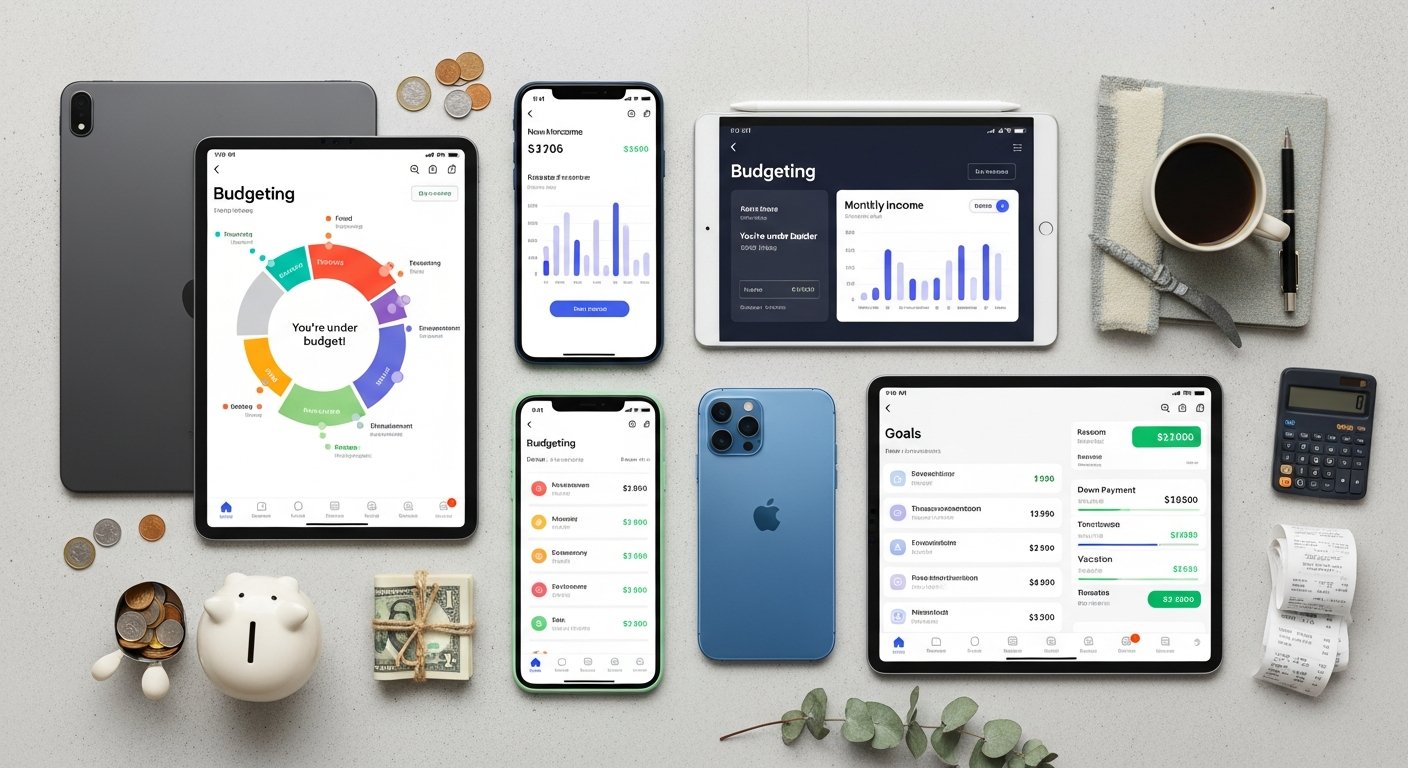
- Budgeting Apps: There are numerous apps designed specifically for financial tracking and budgeting. Many allow you to link your bank and credit card accounts, automatically importing and categorizing transactions.
- Pros: High level of automation, powerful reporting and visualization features, reminders for bills, goal tracking, accessible on the go.
- Cons: Some premium features may require a subscription, concerns about data security when linking accounts, a learning curve for complex features, potential for miscategorized transactions requiring manual adjustment.
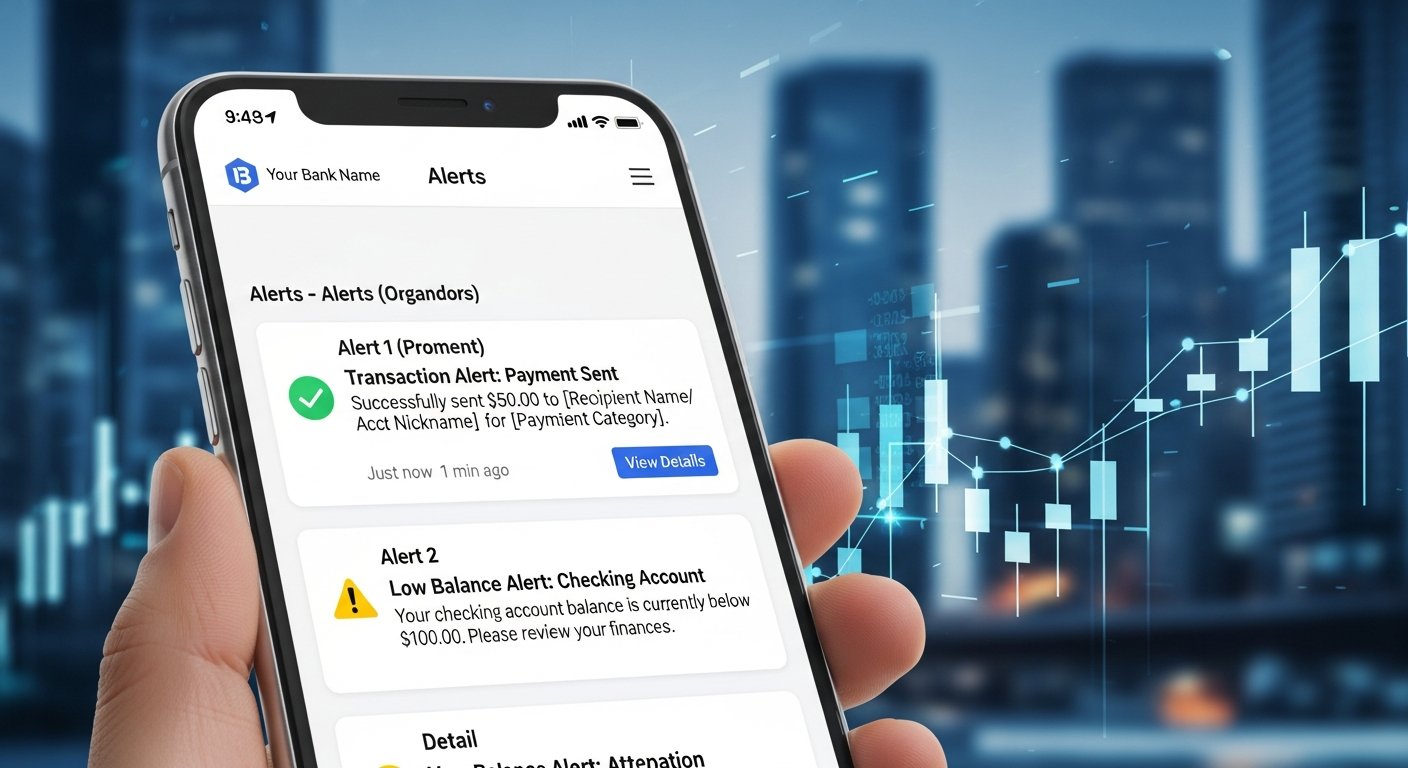
- Bank/Credit Card Online Tools: Many financial institutions now offer basic spending analysis tools within their online banking portals or mobile apps. These tools typically categorize your transactions from that specific account.
- Pros: Often free and integrated with your existing accounts, provides a quick overview, no additional signup needed.
- Cons: Limited features compared to dedicated budgeting apps, only tracks transactions from that specific institution, less customizable, may not offer cross-account aggregation.
Consider trying a few different methods for a month or two to see which one resonates best with your habits and lifestyle. The key is finding a system you can consistently maintain.
The Art of Categorization: Making Your Data Meaningful
Simply logging transactions isn’t enough; the true power of spending tracking comes from categorizing your expenses. Without categorization, you have a list of numbers; with it, you gain insight into where your money truly goes. Effective categorization helps you differentiate between essential spending, discretionary spending, and financial goals, making it easier to analyze and adjust your habits.
Here’s a breakdown of common categories, which you can adapt and refine to suit your unique situation:
- Fixed Expenses (Necessities that are predictable):
- Housing (rent/mortgage, property taxes)
- Utilities (electricity, water, gas, internet)
- Insurance (health, car, home)
- Loan Payments (car loan, student loan minimums)
- Subscriptions (streaming services, gym membership – if considered essential)
- Variable Expenses (Necessities that fluctuate):
- Groceries
- Transportation (fuel, public transit, car maintenance)
- Medical (prescriptions, co-pays)
- Personal Care (toiletries, haircuts)
- Pet Care
- Discretionary Spending (Wants and non-essentials):
- Dining Out / Takeout
- Entertainment (movies, concerts, hobbies)
- Shopping (clothing, electronics, home decor)
- Travel and Vacations
- Gifts and Donations
- Savings & Debt Repayment (Financial Goals):
- Emergency Fund Contributions
- Investment Contributions (retirement, brokerage accounts)
- Extra Debt Payments (beyond minimums)
- Specific Savings Goals (down payment, education)
The trick is to be consistent. Once you assign a category, stick with it. If you categorize a coffee shop purchase as “Dining Out” one day and “Groceries” the next, your data will be skewed. Review your categories periodically to ensure they still make sense for your lifestyle. Many apps and spreadsheets allow you to create custom categories, giving you the flexibility to make your system truly your own.
Implementing Your Tracking System: A Step-by-Step Approach
Getting started with spending tracking can feel daunting, but breaking it down into manageable steps makes the process much smoother. Remember, consistency is more important than perfection, especially in the beginning.
Here’s a practical guide to setting up and maintaining your spending tracker:
- Gather Your Financial Data: Before you even start tracking, gather recent bank statements, credit card statements, and any significant receipts from the past month or two. This gives you a baseline and helps you see your typical spending patterns.
- Choose Your Tool: Based on your comfort level and preferences, select a method—be it a notebook, a spreadsheet, or a dedicated app. Don’t overthink it; you can always switch later if it’s not working.
- Set Up Your Categories: Refer to the “Art of Categorization” section and customize a list of categories that makes sense for your income and expenses. Start with broader categories and refine them as you gain more insight.
- Log Every Transaction (from today!): Starting today, commit to logging every single expense. This includes cash purchases (which are often the easiest to forget), debit card transactions, and credit card charges. If using an app with linked accounts, verify that all transactions are captured correctly.
- Categorize Diligently: As you log each transaction, assign it to a relevant category immediately. The sooner you categorize, the less likely you are to forget what a purchase was for.
- Review Regularly: This is a critical step often overlooked. Set aside 15-30 minutes each week or month to review your spending. Look for patterns, identify potential areas of overspending, and compare your actual spending to any budget you’ve created. This review process is where the real insights are gained.
- Adjust and Refine: Your financial life is dynamic, so your tracking system and budget should be too. If a category consistently goes over budget, either adjust your spending or adjust your budget expectations. If a category no longer applies, remove it.
The initial setup might take a bit of effort, but once it becomes a habit, tracking your spending will feel like a natural part of your financial routine.
Overcoming Challenges and Staying Consistent
Even with the best intentions, maintaining a consistent spending tracker can present challenges. Life happens, and it’s easy to fall off track. The key to long-term success isn’t about never missing an entry; it’s about developing strategies to overcome obstacles and get back on course quickly.
Here are some tips for staying consistent and making spending tracking a sustainable habit:
- Start Small and Simple: Don’t try to track every penny perfectly from day one. Begin with major categories and slowly add more detail as you get comfortable. Focus on the big picture first.
- Set Reminders: Integrate tracking into your daily or weekly routine. Set a recurring alarm on your phone, or block out a specific time in your calendar for logging expenses and reviewing your accounts.
- Automate Where Possible: If using a digital tool, link your bank and credit card accounts. While you’ll still need to review and potentially recategorize, automation significantly reduces manual data entry.
- Keep Receipts (Temporarily): For cash purchases or items needing a detailed breakdown, save your receipts. Have a designated spot for them (e.g., a wallet slot, a small envelope) until you can log them.
- Be Kind to Yourself: You will miss entries. You will forget. When this happens, don’t give up. Just pick up where you left off. A few missed transactions won’t derail your entire financial plan.
- Focus on Your “Why”: Remind yourself of your financial goals. Is it a dream vacation? Debt freedom? A comfortable retirement? Connecting your tracking efforts to these larger goals provides motivation to keep going.
- Review and Adjust Periodically: Your budget and spending habits aren’t set in stone. Regularly review your tracking data and make adjustments to your budget or your spending patterns as your life circumstances or goals change.
Tracking your spending is a marathon, not a sprint. By embracing flexibility, leveraging tools, and maintaining a positive attitude, you can transform it from a chore into a powerful habit that propels you towards financial freedom and security.
Tracking your spending is more than just an accounting exercise; it’s a foundational practice for achieving financial clarity and control. By understanding where your money truly goes, you gain the power to make intentional choices, align your finances with your values, and systematically work towards your most ambitious financial goals. Whether you choose a simple notebook or a sophisticated app, the act of consistent tracking will empower you to build a healthier, more secure financial future.