





High Yield Savings Account vs Regular Savings Account | Fin3go

High Yield Savings Account Vs Regular Savings Account

Navigating the world of personal finance can feel like learning a new language. One of the fundamental decisions you’ll face is where to stash your hard-earned cash, especially money intended for your emergency fund, short-term goals, or simply a safe place to grow. Two popular options stand out: the familiar regular savings account and the increasingly popular high-yield savings account (HYSA).

While both serve as secure places to save, they come with distinct characteristics that can significantly impact your financial growth. Understanding these differences is crucial for making an informed choice that aligns with your financial goals. Let’s break down each option to help you decide which is the better fit for your money.

What is a Regular Savings Account?

A regular savings account, often referred to as a traditional savings account, is likely what comes to mind when you think about saving money at a bank. These accounts are widely available at brick-and-mortar banks and credit unions, typically linked to your checking account for seamless transfers and day-to-day banking needs.

Their primary purpose is to provide a safe, liquid place for your money. They are ideal for individuals who prioritize easy access to funds and the convenience of physical bank branches for deposits, withdrawals, and face-to-face assistance. They are also universally insured by the Federal Deposit Insurance Corporation (FDIC) for banks or the National Credit Union Administration (NCUA) for credit unions, protecting your deposits up to $250,000 per depositor, per institution, per ownership category.

Key characteristics of a regular savings account include:

  • Low Interest Rates: The most significant drawback is typically the very low Annual Percentage Yield (APY), often hovering around 0.01% to 0.05%. At these rates, your money grows very slowly, sometimes not even keeping pace with inflation.
  • Branch Access: Convenient for those who prefer in-person banking services.
  • Easy Transfers: Often seamlessly linked to your checking account at the same institution.
  • Associated Fees: Some regular savings accounts may charge monthly maintenance fees unless certain conditions are met, such as maintaining a minimum balance or setting up direct deposits.

While their low interest rates aren’t exciting, regular savings accounts offer unparalleled convenience and peace of mind for those who value traditional banking services.

What is a High-Yield Savings Account (HYSA)?

💰 Money Tip

A high-yield savings account (HYSA) is designed to offer significantly higher interest rates than traditional savings accounts, helping your money grow faster. These accounts are predominantly offered by online-only banks, though some traditional banks have started offering competitive online-only HYSA options as well.

The ability of online banks to offer higher APYs stems from their lower operating costs. Without the overhead of maintaining numerous physical branches and the associated staff, they can pass those savings on to their customers in the form of better interest rates. Just like regular savings accounts, HYSAs from FDIC-insured banks or NCUA-insured credit unions are protected up to $250,000 per depositor, per institution, per ownership category.

Benefits and features of an HYSA:

  • Higher Interest Rates: This is the defining feature, with APYs typically ranging from 3.00% to 5.00% or even higher, depending on market conditions. This substantial difference allows your savings to grow much more quickly through compound interest.
  • Online Accessibility: Managing your HYSA is done entirely online or through mobile apps. This means 24/7 access to your funds for transfers, deposits (via mobile check deposit), and withdrawals.
  • Potentially Fewer Fees: Many online HYSAs boast no monthly maintenance fees, although some may require a minimum opening deposit or a minimum balance to earn the advertised APY.
  • Fight Inflation: A higher APY helps your money retain its purchasing power more effectively against the erosion of inflation, a significant advantage over traditional savings.

HYSAs are an excellent choice for individuals looking to maximize their savings growth without taking on investment risk, making them perfect for emergency funds, down payment savings, or other short to medium-term financial goals.

The Key Difference: Interest Rates and Earning Potential (APY)

The most stark and financially impactful difference between a high-yield and a regular savings account is the Annual Percentage Yield (APY). APY represents the real rate of return earned on an investment, taking into account the effect of compounding interest. While a regular savings account might offer a minuscule 0.01% APY, a high-yield savings account could easily offer 4.00% APY or more. This seemingly small percentage difference translates into hundreds or even thousands of dollars over time.

Let’s consider an example:

  • If you have $10,000 in a regular savings account earning 0.05% APY, you would earn about $5 in interest in a year.
  • If you have $10,000 in a high-yield savings account earning 4.50% APY, you would earn about $450 in interest in a year.

This difference becomes even more pronounced with larger balances and over longer periods, thanks to the power of compounding. With an HYSA, the interest you earn also starts earning interest, accelerating your savings growth significantly. For any money you don’t need immediate, daily access to in cash, opting for the higher APY is almost always a financially smarter move.

Accessibility, Convenience, and Banking Habits

Beyond interest rates, how you prefer to bank and access your money plays a significant role in choosing between these two account types. This boils down to the trade-off between physical branch access and digital convenience.

Regular Savings Account Accessibility:

  • Physical Branches: Ideal if you frequently need to speak with a banker in person, make cash deposits, or withdraw cash without an ATM.
  • Local ATMs: Easy access to cash through a wide network of ATMs, often without fees if within your bank’s network.
  • Linked Services: Often tightly integrated with your checking account, allowing for instant transfers within the same institution.

High-Yield Savings Account Accessibility:

  • Online & Mobile: Everything is done digitally. This means 24/7 access from anywhere, but no physical branch to walk into.
  • Electronic Transfers: Funds can be transferred to and from external linked checking accounts, usually taking 1-3 business days.
  • Mobile Check Deposit: Most HYSAs offer mobile check deposit via their app, which is convenient for depositing physical checks.
  • ATM Access: Some online banks provide ATM cards or offer ATM fee reimbursements, but this isn’t universal, and cash deposits might require an extra step (e.g., depositing into a linked checking account first).

If you value the traditional banking experience, a regular savings account might feel more comfortable. However, if you’re tech-savvy, comfortable with online transactions, and rarely need physical branch services, an HYSA offers superior returns with modern digital convenience.

Understanding Fees and Requirements

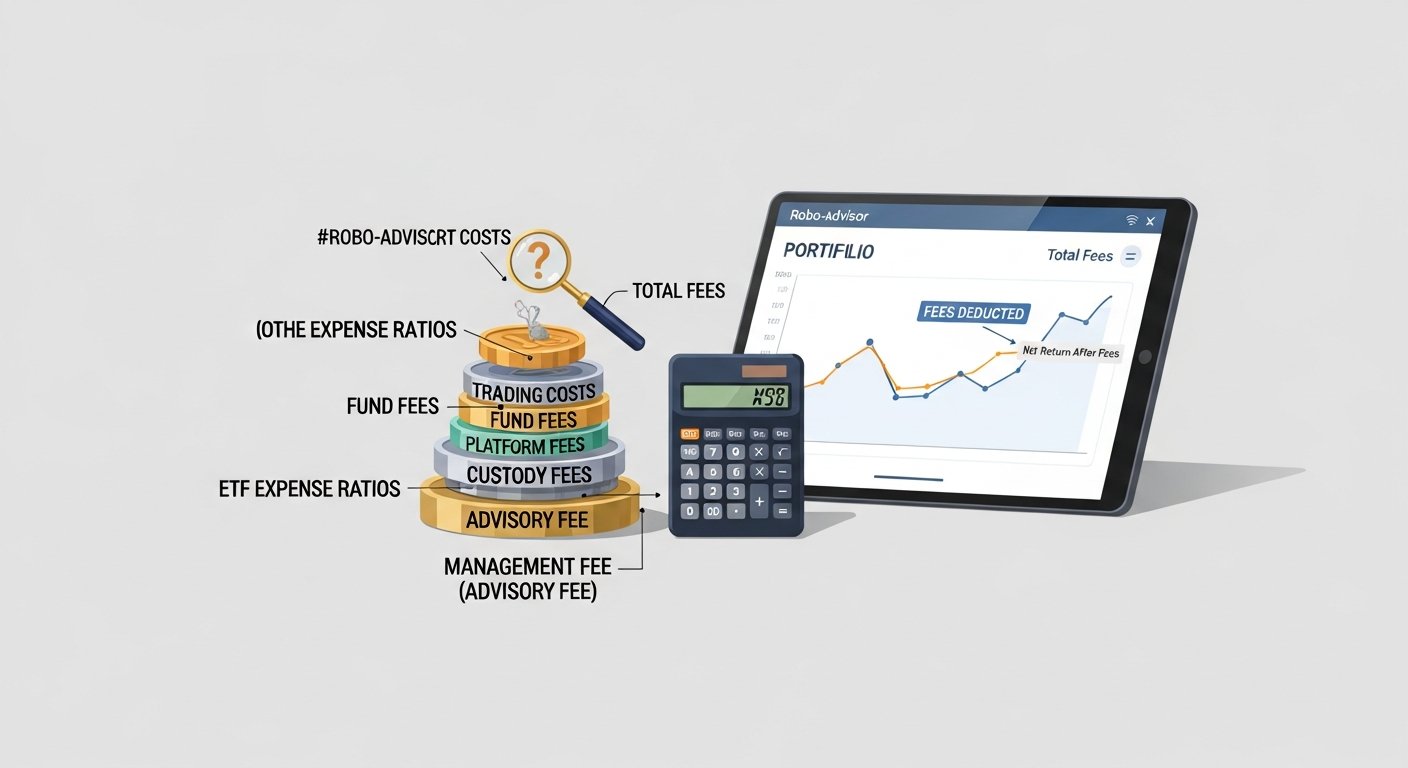
Fees can eat into your savings, so understanding the fee structures of both account types is essential. While the primary goal is to save, avoiding unnecessary charges ensures your money works harder for you.

Regular Savings Account Fees:

  • Monthly Maintenance Fees: Common for traditional savings accounts, ranging from a few dollars to upwards of $15 per month. These can often be waived by meeting conditions like maintaining a minimum daily balance, having a certain number of direct deposits, or linking to a checking account.
  • Overdraft Fees: While less common for savings accounts than checking, some transactions could trigger fees if funds aren’t available.
  • Excessive Withdrawal Fees: Although Regulation D restrictions on excessive withdrawals from savings accounts have largely been suspended, banks may still impose their own limits and fees for going over them.

High-Yield Savings Account Fees:

  • Fewer Monthly Fees: Many HYSAs pride themselves on having no monthly maintenance fees. This is a significant advantage, as it means more of your money goes towards growing your principal.
  • Minimum Balance Requirements: Some HYSAs might require a minimum opening deposit, and a few may require a minimum balance to earn the highest advertised APY or to avoid a fee. Always check the fine print.
  • Other Fees: Similar to traditional banks, HYSAs might still have fees for things like wire transfers, stop payments, or expedited mailed statements. These are usually less frequent for typical savers.

Before opening any account, always read the disclosure statement or “fee schedule” carefully. Choosing an account with minimal or easily avoidable fees ensures your savings truly benefit from the interest earned.

Which One is Right for You? Making the Informed Choice

The choice between a high-yield savings account and a regular savings account isn’t about one being universally “better” than the other; it’s about which one aligns best with your financial habits, goals, and priorities. Here are some questions to consider:

  • How important is earning high interest? If maximizing returns is a top priority for your savings, especially for an emergency fund or a specific short-term goal, an HYSA is the clear winner.
  • Do you frequently need in-person banking services? If you regularly visit a bank branch for deposits, withdrawals, or to speak with a teller, a regular savings account at a brick-and-mortar bank might be more convenient.
  • Are you comfortable with online-only banking? HYSAs are primarily digital. If you’re comfortable managing your money through apps and websites, this won’t be an issue. If you prefer traditional methods, it might be a hurdle.
  • What are your savings goals? For an emergency fund that needs to be accessible but also grow, an HYSA is ideal. For a small amount of “pocket money” linked to a checking account for quick transfers, a regular savings account might suffice, though you’d still be missing out on potential earnings.
  • Are you willing to manage transfers between institutions? If your checking account is at one bank and your HYSA is at an online-only bank, transfers might take a few business days. This is a small trade-off for higher returns.

Many financially savvy individuals opt for a hybrid approach: keeping a small buffer amount in a regular savings account or linked checking account for immediate, day-to-day needs, and moving the bulk of their emergency fund and other dedicated savings into a high-yield savings account to earn significantly more interest.

Ultimately, both account types provide a safe haven for your money, thanks to FDIC or NCUA insurance. However, by understanding their unique characteristics, you can strategically choose the account that best supports your financial growth and lifestyle, ensuring your money works as hard as you do.