


The weight of debt can feel like a heavy anchor, dragging down your financial aspirations and casting a shadow over your future. Whether it’s high-interest credit card balances, student loans, a lingering car payment, or a combination of various obligations, the desire to break free from debt is a universal and powerful motivator. At Fin3go, we understand this journey intimately. We know that while the path to becoming debt-free might seem daunting, it is entirely achievable with the right strategies, discipline, and consistent effort. This comprehensive guide is designed to empower you with the knowledge and tools you need to accelerate your debt repayment, reclaim your financial freedom, and pave the way for a more prosperous future. We’re not just talking about getting by; we’re talking about building a solid foundation for financial stability and, ultimately, generational wealth. Let’s embark on this transformative journey together, aiming for a debt-free 2026 and beyond.

Understanding Your Debt Landscape: The First Step to Freedom

Before you can effectively tackle your debt, you must first understand its full scope and nature. This initial assessment is arguably the most critical step, as it provides the clarity needed to formulate a strategic attack plan. Without a complete picture, you’re essentially fighting a battle blindfolded.

Gathering All the Facts: Your Debt Inventory

Your first task is to meticulously list every single debt you owe. Do not overlook any obligation, no matter how small or seemingly insignificant. This includes:

  • Credit Card Debts: List each card separately.
  • Student Loans: Federal and private, noting individual loan amounts if applicable.
  • Auto Loans: For any vehicles.
  • Personal Loans: From banks, credit unions, or online lenders.
  • Medical Bills: Outstanding balances from healthcare providers.
  • Mortgage/Home Equity Loans: While often considered “good debt,” it’s still an obligation.
  • Payday Loans or Title Loans: These carry extremely high-interest rates and demand immediate attention.
  • Any Other Outstanding Obligations: Store credit cards, furniture financing, loans from family/friends.

For each debt, gather the following crucial information:

  • Lender Name: Who do you owe?
  • Current Balance: The total amount outstanding.
  • Interest Rate (APR): This is paramount. High-interest debts are financial vampires.
  • Minimum Monthly Payment: What you must pay.
  • Due Date: When the payment is expected.

Categorizing Your Debts: High-Interest vs. Low-Interest, Secured vs. Unsecured

Once you have your comprehensive list, categorize your debts. This helps in prioritizing your repayment strategy:

  • High-Interest Debts: Typically credit cards, payday loans, and some personal loans. These should be your primary targets as they cost you the most over time.
  • Low-Interest Debts: Mortgages, some student loans, and auto loans often fall into this category.
  • Secured Debts: Backed by an asset (collateral) like a house (mortgage) or a car (auto loan). Defaulting can lead to repossession or foreclosure.
  • Unsecured Debts: Not backed by collateral, such as credit cards and most personal loans. While there’s no asset to seize, defaulting severely damages your credit and can lead to collections or legal action.

Calculating Your Debt-to-Income (DTI) Ratio

Your Debt-to-Income (DTI) ratio is a key indicator of your financial health. It’s calculated by dividing your total monthly debt payments by your gross monthly income. Lenders use this to assess your ability to manage monthly payments and repay loans. A high DTI (generally above 36% for most lenders) can signal financial strain and make it harder to secure new credit or favorable interest rates. Understanding your DTI helps you gauge the severity of your debt burden and motivates you to bring it down.

Strategic Debt Repayment Methods: Choosing Your Battle Plan

How To Pay Off Debt Fast

With a clear understanding of your debt, it’s time to choose a repayment strategy. There isn’t a one-size-fits-all solution; the best method depends on your financial situation, personality, and what motivates you most.

The Debt Snowball Method: Psychological Momentum

Popularized by financial guru Dave Ramsey, the debt snowball method prioritizes psychological wins over pure mathematical efficiency. Here’s how it works:

  1. List all your debts from the smallest balance to the largest, regardless of interest rate.
  2. Make minimum payments on all debts except the smallest one.
  3. Throw every extra dollar you can find at the smallest debt.
  4. Once the smallest debt is paid off, take the money you were paying on it (minimum payment + extra payment) and apply it to the next smallest debt.
  5. Repeat this process, “snowballing” your payments until all debts are gone.

The primary benefit of the debt snowball is the motivation you gain from quickly eliminating smaller debts. Seeing those balances drop to zero provides tangible evidence of progress, helping you stay committed to your journey.

The Debt Avalanche Method: Mathematical Efficiency

For those who prioritize saving money on interest, the debt avalanche method is the more financially efficient choice. Here’s the approach:

  1. List all your debts from the highest interest rate to the lowest, regardless of balance.
  2. Make minimum payments on all debts except the one with the highest interest rate.
  3. Direct every extra dollar you have towards paying down the debt with the highest interest rate.
  4. Once the highest interest debt is paid off, take the money you were paying on it and apply it to the debt with the next highest interest rate.
  5. Continue this process until all debts are cleared.

The debt avalanche method saves you the most money in interest charges over the long run, making your path to debt freedom shorter and less expensive from a purely financial perspective.

Debt Consolidation: Streamlining Your Payments

Debt consolidation involves combining multiple debts into a single, new loan, often with a lower interest rate and a single monthly payment. Common consolidation options include:

  • Personal Loans: An unsecured loan from a bank or credit union that you use to pay off your existing debts. Look for a loan with a lower interest rate than your current debts.
  • Balance Transfer Credit Cards: These cards offer an introductory 0% APR period (typically 12-21 months) on transferred balances. This can be a powerful tool if you can pay off the transferred debt entirely before the promotional period ends, but beware of transfer fees and the high APR that kicks in afterward.
  • Home Equity Loans or Lines of Credit (HELOCs): If you own a home, you might be able to borrow against your home’s equity. These often have lower interest rates, but your home serves as collateral, meaning you risk foreclosure if you can’t repay. Use with extreme caution.

While consolidation can simplify your payments and potentially reduce interest, it’s not a magic bullet. If you don’t address the underlying spending habits that led to debt, you could find yourself in deeper trouble.

Refinancing Existing Loans

Refinancing involves replacing an existing loan with a new one, often with more favorable terms. This is common for:

  • Student Loan Refinancing: If you have good credit, you might qualify for a lower interest rate on private student loans. Federal student loans have specific protections that are lost when refinanced privately, so weigh the pros and cons carefully.
  • Auto Loan Refinancing: Similar to student loans, refinancing your car loan can lead to a lower interest rate and potentially a lower monthly payment.
  • Mortgage Refinancing: Can lower your interest rate, reduce your monthly payment, or change your loan term (e.g., from 30 years to 15 years to pay it off faster).

Always compare the total cost of the new loan (including fees) against the savings it promises.

Supercharging Your Finances: Finding Extra Cash for Debt Repayment

💡 Pro Tip

Once you’ve chosen a repayment strategy, the next critical step is to find as much extra money as possible to throw at your debt. This involves a two-pronged approach: optimizing your spending and increasing your income.

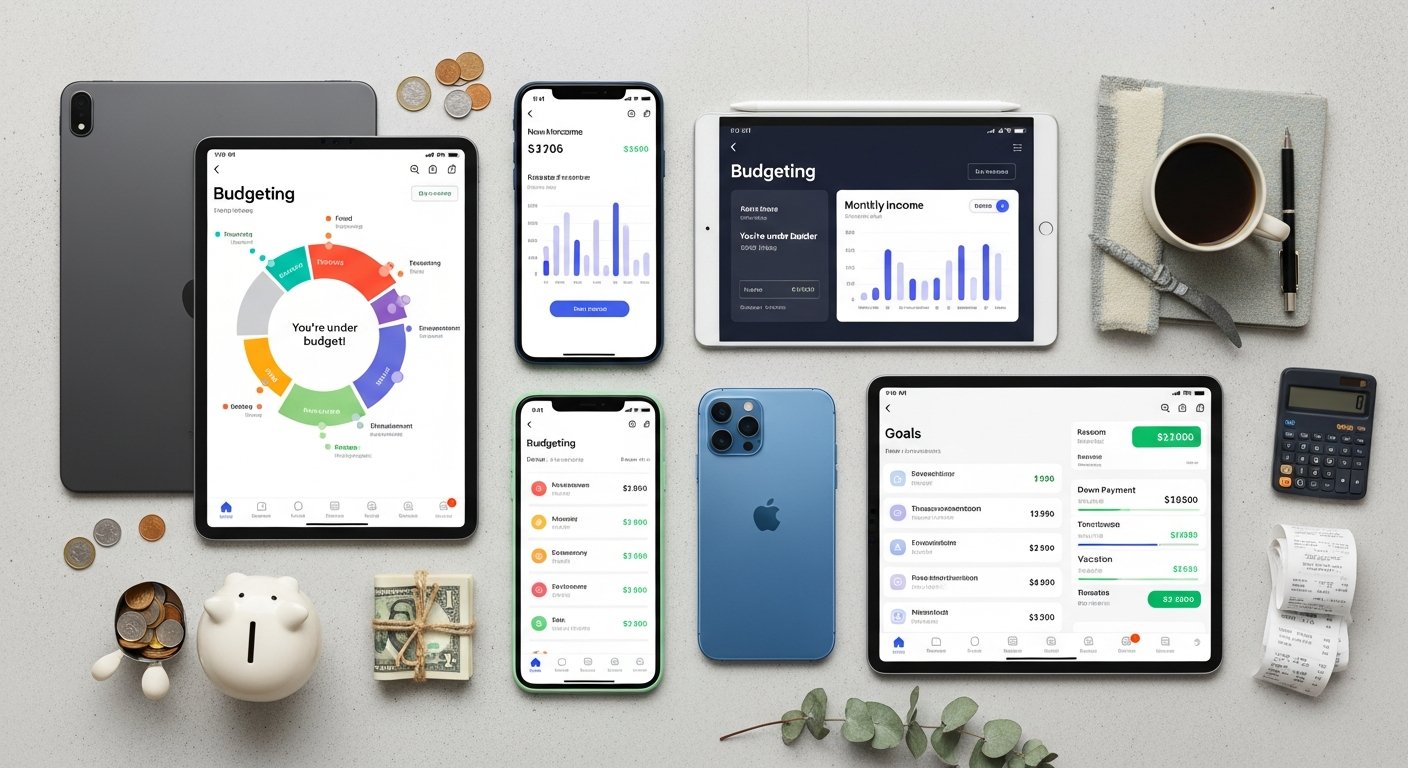
How To Create A Monthly Budget: Your Financial Blueprint

A budget isn’t about restriction; it’s about control and intentionality. It’s your roadmap to understanding where your money goes and redirecting it towards your debt. Here’s how to build one:

  1. Track Your Income: List all sources of income for the month (take-home pay, side hustle earnings, etc.).
  2. Track Your Expenses: For at least 30 days, meticulously record every single dollar you spend. Use a spreadsheet, a budgeting app, or even a notebook. Categorize these expenses (housing, food, transportation, entertainment, utilities, debt payments).
  3. Categorize and Analyze:
    • Fixed Expenses: These are usually the same amount each month (rent/mortgage, loan payments, insurance premiums).
    • Variable Expenses: These fluctuate (groceries, dining out, entertainment, utilities).

    Identify your essential vs. non-essential spending. Where can you cut back without sacrificing your well-being?

  4. Create Your Budget: Allocate a specific amount of money to each spending category. A popular framework is the 50/30/20 rule:
    • 50% for Needs: Housing, utilities, groceries, transportation, minimum debt payments.
    • 30% for Wants: Dining out, entertainment, hobbies, shopping.
    • 20% for Savings & Debt Repayment: Beyond minimum payments, emergency fund contributions, investments.

    For aggressive debt repayment, you’ll want to shift as much as possible from “Wants” and even some “Needs” (through cost-cutting) into the “Debt Repayment” category.

  5. Automate Your Debt Payments: Set up automatic payments for at least the minimums to avoid late fees. Even better, automate extra payments towards your chosen debt.
  6. Review and Adjust: Your budget isn’t static. Review it monthly, especially in 2026, and adjust as your income or expenses change.

Cutting Expenses: Finding Hidden Savings

Once you have a budget, it’s time to wield the axe. Look for opportunities to reduce both fixed and variable expenses:

  • How To Negotiate Bills And Lower Expenses: Don’t just accept your current rates. Call your service providers:
    • Internet and Cable Companies: Ask for promotional rates, threaten to switch, or downgrade your plan.
    • Insurance Providers: Shop around for car and home insurance annually. Ask about discounts (bundling, good driver, home security).
    • Cell Phone Plans: Review your data usage; you might be able to downgrade.
    • Utilities: Look for energy-saving tips, adjust thermostats, inquire about budget billing.
  • Cancel Unused Subscriptions: Audit all your streaming services, gym memberships, apps, and magazines. If you’re not using it regularly, cancel it.
  • Reduce Food Costs: Plan meals, cook at home more, pack lunches, limit dining out, use grocery lists, and avoid impulse buys.
  • Transportation: Carpool, use public transport, bike, or walk. If you have a high car payment, consider selling it for a more affordable vehicle.
  • Entertainment: Look for free or low-cost activities. Libraries offer books, movies, and events. Parks are free.
  • Shop Smarter: Buy generic brands, look for sales, use coupons, and avoid unnecessary purchases.

Increasing Your Income: Boosting Your Debt-Fighting Power

Cutting expenses is crucial, but increasing your income can dramatically accelerate your debt repayment. Consider these options:

  • Side Hustles: Leverage your skills or hobbies. Freelancing (writing, graphic design, web development), dog walking, tutoring, ridesharing, food delivery, selling crafts online, or virtual assisting are just a few examples.
  • Sell Unused Items: Declutter your home and turn unwanted items into cash. Use platforms like eBay, Facebook Marketplace, or local consignment shops.
  • Ask for a Raise: If you’re performing well at your current job, prepare a strong case for a salary increase. Research industry averages for your role and responsibilities.
  • Overtime or Extra Shifts: If available, volunteer for extra hours at your current job.
  • Temporary Part-Time Job: Even a few hours a week at a second job can provide significant extra funds to throw at your debt.
  • Rent Out a Spare Room: If you have extra space, consider taking on a roommate or listing it on a short-term rental platform.

Every extra dollar you earn, when directly applied to your debt, brings you closer to financial freedom.

Leveraging External Resources and Professional Help

How To Pay Off Debt Fast

Sometimes, despite your best efforts, debt can feel overwhelming. In such cases, professional guidance and external resources can provide the support and expertise needed to navigate complex financial situations.

Non-Profit Credit Counseling Agencies

These agencies offer free or low-cost confidential advice and assistance. They can:

  • Review Your Financial Situation: Help you analyze your income, expenses, and debts.
  • Create a Budget: Assist in developing a realistic budget you can stick to.
  • Debt Management Plans (DMPs): If appropriate, they can help you enroll in a DMP. In a DMP, the agency works with your creditors to potentially lower interest rates, waive fees, and combine your payments into one monthly payment to the agency, which then distributes funds to your creditors. You typically pay off debt within 3-5 years.
  • Financial Education: Provide resources on money management, credit, and housing.

Look for agencies accredited by the National Foundation for Credit Counseling (NFCC) or the Financial Counseling Association of America (FCAA).

Debt Settlement Companies: Proceed with Caution

Debt settlement companies negotiate with your creditors to reduce the total amount you owe. While this sounds appealing, there are significant downsides:

  • Damage to Credit Score: These companies often advise you to stop paying your creditors, which can severely damage your credit score.
  • Fees: They charge substantial fees, often a percentage of the debt you settle.
  • Taxable Income: Any forgiven debt over a certain amount may be considered taxable income by the IRS.
  • No Guarantee of Success: Creditors are not obligated to negotiate, and the process can be lengthy.

Fin3go generally advises exploring all other options, especially non-profit credit counseling, before considering debt settlement.

Considering Bankruptcy: A Last Resort

Bankruptcy is a legal process that can eliminate or restructure your debt, but it comes with severe long-term consequences, including a significant impact on your credit for many years. It should only be considered as a last resort when all other options have been exhausted and your financial situation is truly dire.

  • Chapter 7 Bankruptcy: Liquidates most of your unsecured debts (credit cards, medical bills). You may have to sell some assets.
  • Chapter 13 Bankruptcy: Involves a repayment plan over 3-5 years, allowing you to keep your assets while making payments to creditors under court supervision.

Consult with a qualified bankruptcy attorney to understand the implications and determine if it’s the right path for you.

Credit Repair Services

If your credit score has taken a hit due to debt or missed payments, credit repair services can help dispute inaccuracies on your credit report. While you can do this yourself, a reputable service might save you time. Be wary of companies that promise quick fixes or charge upfront fees without providing clear service details.

Maintaining Momentum and Avoiding Future Debt Traps

Paying off debt is a monumental achievement, but the journey doesn’t end there. To truly secure your financial future, you must establish habits and safeguards that prevent you from falling back into debt and set the stage for long-term prosperity.

Building an Emergency Fund: Your Financial Shield

One of the most common reasons people fall into debt is unexpected expenses. A car repair, a medical bill, or job loss can quickly derail your progress if you don’t have a financial cushion. An emergency fund is crucial:

  • Start Small: Aim for $1,000 to $2,000 initially while aggressively paying off high-interest debt.
  • Build Up: Once consumer debt is gone, focus on building an emergency fund that covers 3-6 months of essential living expenses.
  • Keep it Separate: Store your emergency fund in an easily accessible, high-yield savings account, separate from your checking account, so you’re not tempted to spend it.

Cultivating Financial Literacy

Your journey to debt freedom is also a journey of continuous learning. Stay informed about personal finance best practices, investment strategies, and economic trends. Read reputable financial blogs (like Fin3go!), books, and take online courses. The more you know, the better equipped you’ll be to make sound financial decisions and protect your wealth.

Setting New Financial Goals: Beyond Debt Freedom

Once you’re debt-free (or have significantly reduced your debt), it’s time to shift your focus from repayment to accumulation. This is where you transition from merely surviving financially to thriving and building wealth.

  • Retirement Planning: Maximize contributions to your 401(k), IRA, or other retirement accounts. Take advantage of employer matches.
  • Investing: Explore various investment avenues – stocks, bonds, mutual funds, ETFs – to grow your wealth over time. Consider consulting a financial advisor.
  • Saving for Major Purchases: Plan for future goals like a down payment on a home, a child’s education, or a new car, saving cash instead of taking on new debt.

How To Build Generational Wealth: A Long-Term Vision

True financial freedom extends beyond your lifetime. Building generational wealth means creating a legacy of financial security and opportunity for your children and grandchildren. This isn’t just about accumulating money; it’s about instilling financial wisdom and establishing systems that benefit future generations. Debt freedom is the essential first step. Once you’re free, you can begin to:

  • Invest in Assets: Focus on appreciating assets like real estate, businesses, or diversified investment portfolios.
  • Financial Education for Family: Teach your children about budgeting, saving, investing, and responsible debt management from a young age.
  • Estate Planning: Create wills, trusts, and other legal documents to ensure your assets are distributed according to your wishes and to minimize tax implications.
  • Entrepreneurship: Starting and growing successful businesses can be a powerful engine for wealth creation and transfer.

The disciplined habits you develop to pay off debt are the very same habits that will empower you to build lasting wealth.

Automate Your Savings and Investments

Just as you automated debt payments, automate your savings and investment contributions. Set up automatic transfers from your checking account to your savings, investment accounts, and retirement funds. “Pay yourself first” ensures your financial goals are prioritized.

Regular Financial Reviews

Make it a habit to review your finances regularly – at least quarterly, if not monthly. Check your budget, track your progress toward goals, and make adjustments as needed. This proactive approach keeps you on track and helps you identify potential issues before they become major problems.

The Psychological Edge: Staying Motivated on Your Debt-Free Journey

Paying off debt is as much a mental game as it is a financial one. There will be days when you feel discouraged, but maintaining a positive mindset and celebrating progress are crucial for staying the course.

Celebrate Small Wins

Don’t wait until you’re completely debt-free to acknowledge your hard work. Celebrate milestones along the way:

  • Paying off your first small debt.
  • Reaching a certain percentage of your total debt paid off.
  • Successfully negotiating a lower interest rate.
  • Building your initial emergency fund.

These celebrations don’t have to be expensive. A special meal cooked at home, a movie night, or a walk in the park can be enough to refresh your spirit.

Stay Accountable

Share your goals with a trusted friend, partner, or family member who can offer encouragement and hold you accountable. Consider joining an online community or forum dedicated to debt repayment. Having a support system makes the journey less lonely and keeps you motivated.

Visualize Success

Regularly visualize what your life will look like without the burden of debt. Imagine the freedom, the peace of mind, and the new opportunities that will open up. This mental picture can be a powerful motivator when the going gets tough.

Embrace a Positive Money Mindset

Challenge any negative beliefs you have about money or your ability to manage it. Replace thoughts of scarcity with thoughts of abundance and possibility. Believe in your ability to achieve financial freedom.

Don’t Get Discouraged by Setbacks

Life happens. An unexpected expense or a temporary dip in income might force you to adjust your budget or temporarily pause aggressive debt payments. Don’t let a setback derail your entire plan. Acknowledge it, learn from it, adjust your strategy, and get back on track. Consistency, not perfection, is the key.

Actionable Steps for a Debt-Free 2026 and Beyond

The journey to debt freedom is a marathon, not a sprint, but with consistent action and a clear strategy, you can dramatically accelerate your progress and achieve your goals by 2026 and beyond. Here’s your condensed action plan:

  1. Assess Your Debt: Create a detailed inventory of all your debts, including balances, interest rates, and minimum payments. Understand your DTI.
  2. Choose Your Strategy: Decide between the debt snowball (for motivation) or debt avalanche (for saving interest) methods, or explore consolidation options carefully.
  3. Create a Budget: Implement the steps outlined in “How To Create A Monthly Budget” to understand and control your cash flow.
  4. Slash Expenses: Actively seek ways to cut costs, including implementing tips from “How To Negotiate Bills And Lower Expenses.”
  5. Boost Income: Explore side hustles, sell unused items, or seek opportunities for increased earnings.
  6. Build an Emergency Fund: Start with $1,000-$2,000 immediately, then grow to 3-6 months of expenses once consumer debt is paid.
  7. Seek Help If Needed: Don’t hesitate to reach out to non-profit credit counseling agencies for guidance and support.
  8. Stay Motivated: Celebrate milestones, visualize success, and maintain a positive mindset.
  9. Plan for the Future: Once debt-free, shift your focus to saving, investing, and building long-term wealth, including strategies from “How To Build Generational Wealth.”

Your financial future is in your hands. By taking decisive action today, you can transform your relationship with money, eliminate the burden of debt, and build a foundation for lasting prosperity. Fin3go is here to support you every step of the way. Start your journey to a debt-free 2026 now!

Frequently Asked Questions

What is the absolute fastest way to pay off debt?
The absolute fastest way combines aggressive expense cutting, significant income increases, and directing every single extra dollar towards your highest-interest debt (the debt avalanche method). This minimizes the total interest paid, thus reducing the overall time it takes to become debt-free. It requires extreme discipline and sacrifice, but yields the quickest financial results.
Is debt consolidation always a good idea?
Debt consolidation can be a good idea if it results in a lower overall interest rate and a simpler payment structure, provided you address the underlying spending habits that led to debt in the first place. However, it’s not always beneficial. Be wary of high fees, longer repayment terms that could increase total interest, and the risk of using secured assets (like your home) as collateral if you can’t repay.
Should I pay off debt or build an emergency fund first?
A common strategy is to build a small starter emergency fund ($1,000-$2,000) first to cover minor unexpected expenses and prevent new debt. After that, aggressively tackle high-interest debt. Once those high-interest debts are gone, pivot to fully funding your emergency fund (3-6 months of living expenses) before focusing heavily on investments.
What if I can’t afford my minimum debt payments?
If you genuinely cannot afford your minimum payments, it’s a serious situation that requires immediate action. Contact your creditors to discuss hardship programs, temporary payment reductions, or deferments. Simultaneously, seek help from a non-profit credit counseling agency. They can help you explore options like debt management plans or, in severe cases, discuss the implications of bankruptcy.
How can I stay motivated when paying off a large amount of debt?
Staying motivated is key. Break your large debt into smaller, manageable goals. Celebrate every milestone, no matter how small (e.g., paying off one credit card, reaching a certain percentage paid). Visualize your debt-free future, find an accountability partner, and regularly review your progress to see how far you’ve come. Remember why you started this journey and focus on the freedom it will bring.
Does paying off debt fast impact my credit score?
Yes, paying off debt fast generally has a positive impact on your credit score. As you reduce your balances, your credit utilization ratio (the amount of credit you’re using compared to your total available credit) decreases, which is a significant factor in credit scoring. Consistently making on-time payments, especially larger ones, also demonstrates responsible financial behavior. However, closing old accounts immediately after paying them off might slightly impact your average age of accounts, so consider keeping older, paid-off accounts open if they don’t have annual fees.