

Buy Now Pay Later Pros And Cons
Understanding Buy Now Pay Later (BNPL)
Buy Now Pay Later, or BNPL, is a type of short-term financing that allows consumers to make purchases and pay for them in a series of installments, often interest-free, over a period of weeks or months. Think of it as a modern twist on the layaway plan, but instead of waiting to receive your item, you get it immediately. Typically, BNPL services divide your purchase into four equal payments, with the first payment due at checkout and the subsequent payments automatically debited every two weeks. Popular BNPL providers include Afterpay, Klarna, Affirm, and Zip, each with slightly varying terms and conditions.
This payment model has become a cornerstone of the fintech revolution, offering a seamless integration into online (and increasingly in-store) checkout processes. For many, it represents a flexible alternative to traditional credit cards, especially for those who might not qualify for conventional credit or prefer to avoid accumulating interest. The allure is strong: instant gratification combined with manageable payment plans. However, beneath the surface of convenience lies a complex financial product with implications that every savvy consumer should understand.
The Advantages of BNPL: Financial Flexibility and Convenience
For many consumers, BNPL offers a compelling suite of benefits that address common financial pain points. Its rise in popularity is a testament to the real value it provides in certain situations. Here are the primary advantages:
- Interest-Free Payments: Perhaps the most significant draw of BNPL is the promise of 0% interest. As long as you make your payments on time, you typically won’t pay a penny more than the purchase price. This stands in stark contrast to credit cards, which can carry high annual percentage rates (APRs) that add substantial costs to your purchases.
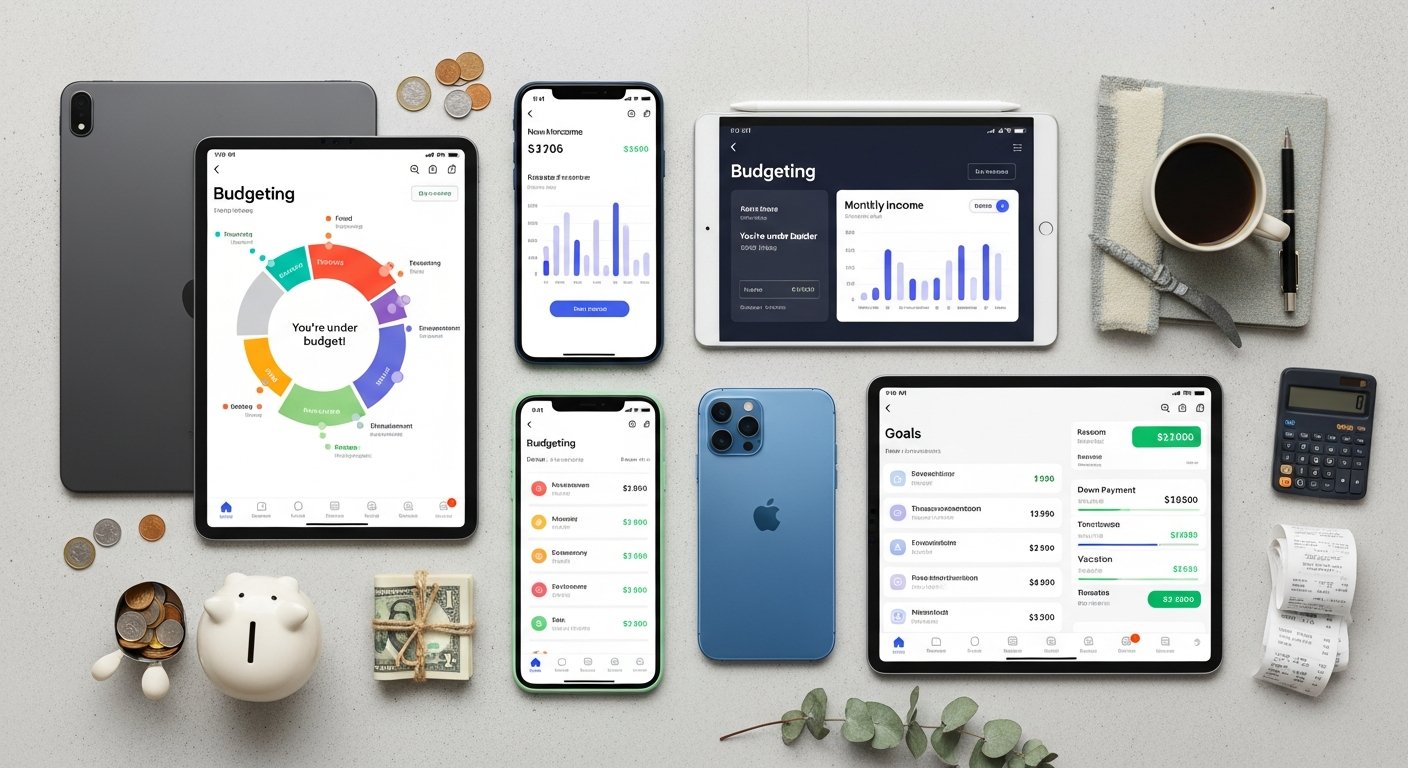
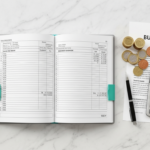
- Budgeting Tool: BNPL can act as a useful budgeting tool by breaking down larger, necessary expenses into smaller, more manageable installments. This can prevent you from dipping into your emergency fund or going over budget for a single item. For example, replacing a broken washing machine might be more feasible when split into four payments.
- Accessibility: BNPL services often have less stringent eligibility requirements compared to traditional credit cards or loans. Many providers perform only a “soft” credit check, which doesn’t negatively impact your credit score, making it accessible to a broader range of consumers, including those with limited credit history.
- No Hard Credit Checks: Unlike applying for a new credit card or loan, most BNPL applications involve a soft credit pull, which won’t appear on your credit report as an inquiry and therefore won’t affect your credit score. This can be beneficial for individuals trying to maintain or build their credit.
- Convenience at Checkout: The integration of BNPL options directly into online checkout pages makes the process incredibly simple and fast, requiring just a few clicks to complete your purchase and set up a payment plan.
When used judiciously, BNPL can be a powerful tool for managing cash flow, especially for planned purchases that align with your budget.
The Disadvantages of BNPL: Hidden Risks and Potential Pitfalls
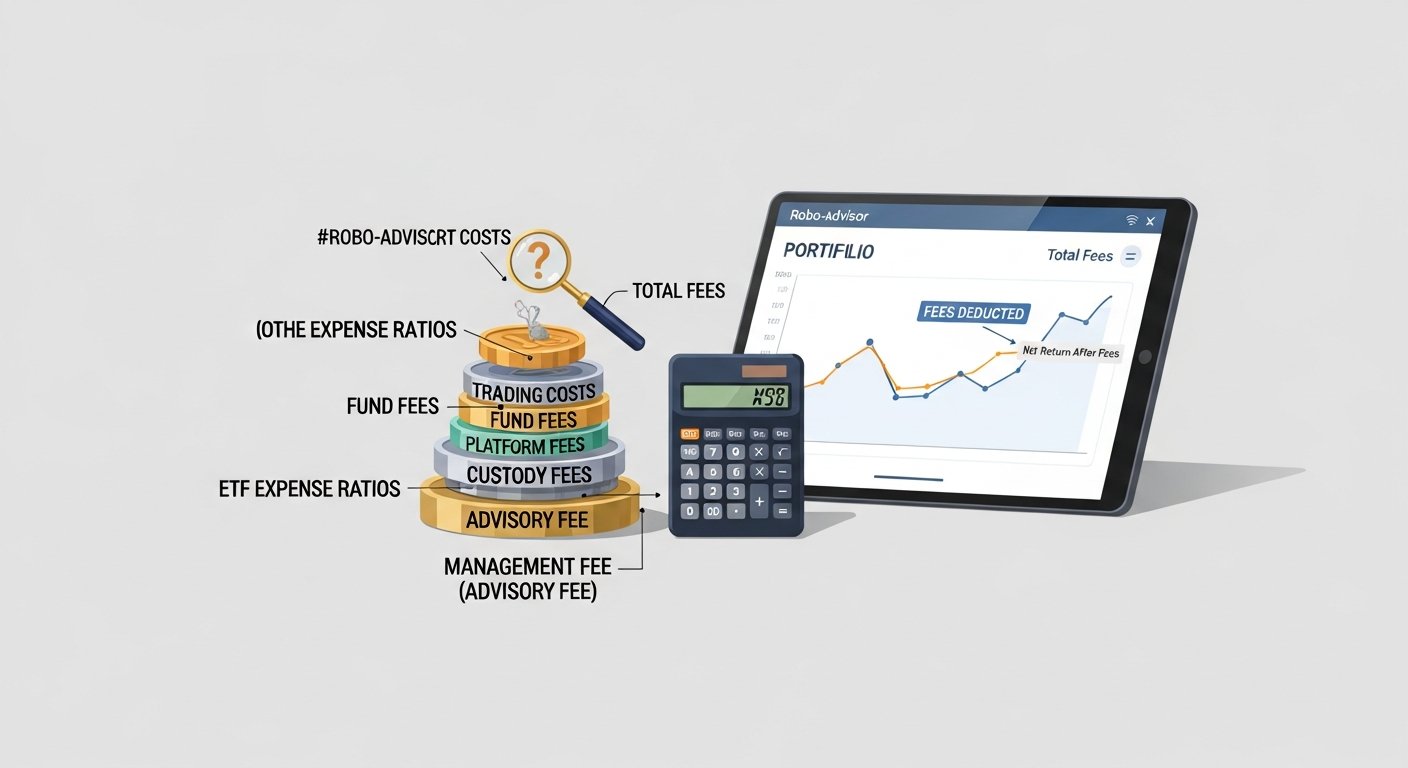
- Late Fees: The “interest-free” promise is often contingent on timely payments. Missed or late payments typically incur hefty late fees, which can quickly erase any perceived savings and make the purchase more expensive than if you had used a credit card with a standard APR. Some providers also charge account reactivation fees.
- Encourages Overspending and Debt Accumulation: The ease of BNPL can lead to impulse purchases and a false sense of affordability. Spreading payments across multiple purchases can make it challenging to track total spending, potentially leading to accumulating several BNPL agreements simultaneously and stretching your budget thin. This fragmented debt can be harder to manage than a single credit card statement.
- Impact on Credit Score: While many BNPL providers conduct soft credit checks initially, missed payments can absolutely be reported to credit bureaus. Consistent late payments can severely damage your credit score, making it harder to obtain future loans, mortgages, or credit cards. Conversely, timely payments often don’t build credit as effectively as traditional credit cards, leaving users in a tricky position.
- Lack of Consumer Protection: BNPL purchases often don’t offer the same consumer protections as credit card purchases, such as chargeback rights for faulty goods or services, or protection against fraud. This can make dispute resolution more complicated and leave you more vulnerable if something goes wrong with your purchase.
- Complicated Returns and Refunds: Returning an item purchased with BNPL can sometimes be a convoluted process. While the retailer might process your return, you still need to ensure your BNPL payments are paused or refunded appropriately by the BNPL provider, which can involve several steps and potential delays.
- Hidden Terms and Conditions: It’s easy to rush through the terms and conditions at checkout, but BNPL agreements can contain clauses regarding payment schedules, late fees, and automatic debit authorizations that consumers might overlook, leading to unexpected financial obligations.
Understanding these potential downsides is paramount to using BNPL responsibly and avoiding falling into a cycle of debt.
When BNPL Makes Sense (And When It Doesn’t)
Determining whether BNPL is a smart choice for you boils down to your personal financial situation, your budgeting habits, and the nature of the purchase. It’s not inherently good or bad, but rather a tool to be used wisely.
BNPL might make sense for you if:
- You have a clear budget: You know exactly how much discretionary income you have and can confidently fit the installment payments into your existing budget without strain.
- For planned, necessary purchases: You need to buy a specific item (e.g., a new appliance, school supplies, essential clothing) and spreading out the cost helps manage your cash flow without incurring interest.
- You are disciplined with payments: You have a strong track record of making payments on time and can set up reminders or automatic debits to ensure you never miss a due date.
- As an alternative to high-interest credit: If your only other option for a necessary purchase is a credit card with a very high interest rate, an interest-free BNPL plan (if you pay on time) can be a better choice.
You should reconsider using BNPL if:
- For impulse or non-essential purchases: It’s easy to be tempted by the “buy now, pay later” promise for things you don’t truly need, leading to overspending and buyer’s remorse.
- You’re already struggling with debt: Adding more payment obligations, even if interest-free initially, can exacerbate existing debt problems and make your financial situation more precarious.
- You’re unsure about your future income: If your job security or income flow is uncertain, committing to future payments might be risky.
- You use it across multiple retailers: Managing several BNPL agreements simultaneously can quickly become overwhelming, making it difficult to track all due dates and payment amounts.
- To avoid paying full price for something you can afford: If you have the funds to pay for an item upfront, doing so avoids the risk of late fees and the mental burden of managing another payment plan.
Responsible BNPL Use: Tips for Smart Financial Management
If you decide that BNPL aligns with your financial goals, it’s crucial to adopt strategies that ensure you use it responsibly and protect your financial well-being. Here are Fin3go’s top tips:
- Know Your Budget Inside Out: Before committing to any BNPL purchase, assess your current income and expenses. Ensure that each installment payment fits comfortably within your existing budget, leaving room for other necessities and savings. Never use BNPL for something you couldn’t afford if you had to pay for it all at once.
- Understand the Terms and Conditions: Don’t just click “agree.” Take the time to read the fine print of each BNPL agreement. Pay close attention to the payment schedule, the amount of any late fees, and policies regarding returns, refunds, and dispute resolution.
- Limit Your Accounts: Avoid signing up for multiple BNPL services across various retailers. Juggling numerous payment schedules can quickly become confusing and lead to missed payments. Stick to one or two providers you’re familiar with, if necessary.
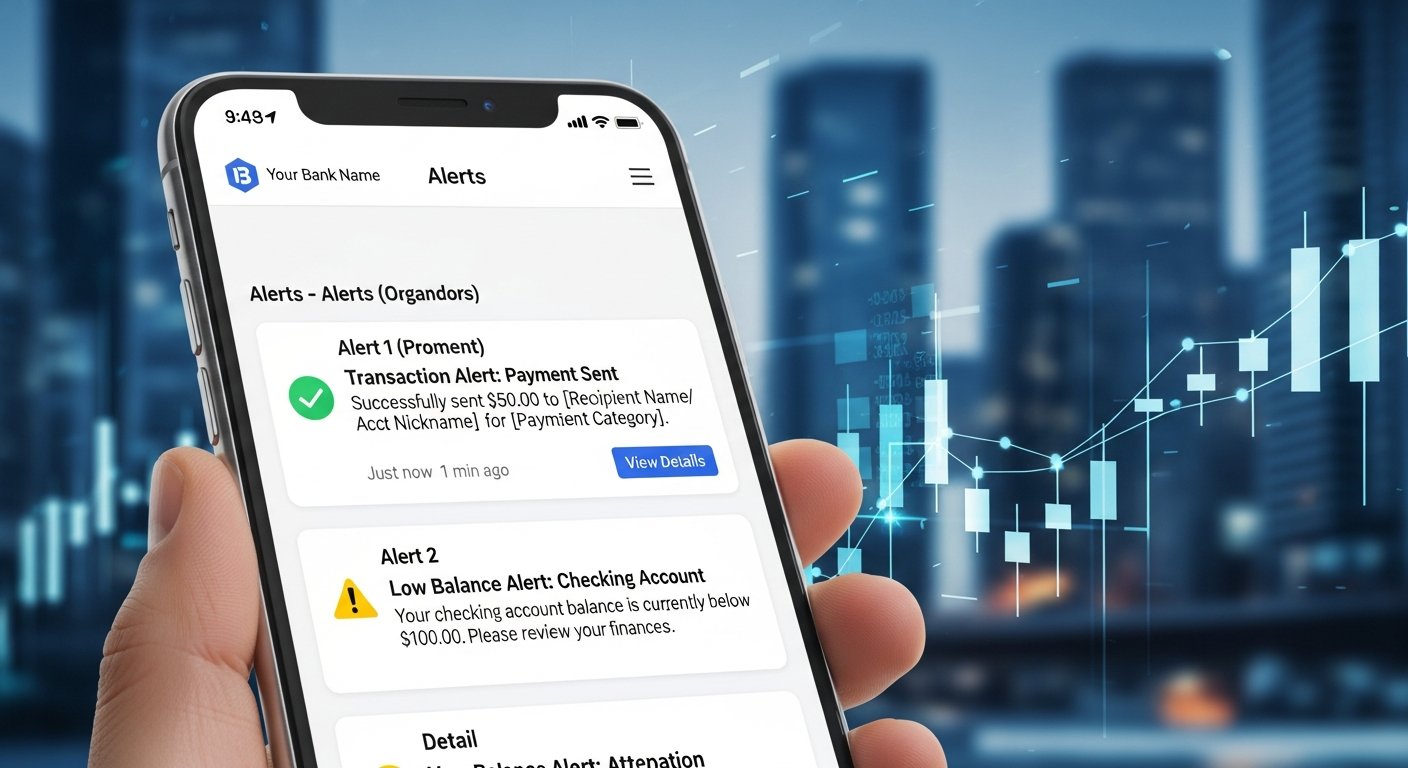
- Set Up Reminders: Given the often bi-weekly payment schedule, it’s easy to forget a due date. Set up automatic payments or calendar reminders to ensure you never miss an installment and incur late fees. Link payments to a checking account with sufficient funds.
- Prioritize Needs Over Wants: Reserve BNPL for essential purchases that genuinely alleviate a financial burden or fulfill a necessary need, rather than for impulse buys or luxury items.
- Track Your Payments: Maintain a clear record of all your BNPL purchases, payment amounts, and due dates. A simple spreadsheet or a dedicated budgeting app can help you stay organized and monitor your obligations.
- Consider the Alternative: Before opting for BNPL, consider if paying upfront with a debit card or using a low-interest credit card (which offers better consumer protections and credit-building potential) might be a better option for your specific purchase.
By following these practical tips, you can harness the convenience of BNPL while mitigating its inherent risks, keeping your financial health on track.
Buy Now Pay Later offers undeniable convenience and interest-free payment options, making it an attractive tool for managing purchases and cash flow. However, its ease of use also presents significant risks, including the potential for overspending, accumulating debt, and incurring costly late fees that can damage your credit. By understanding both the pros and cons, carefully evaluating your needs against your budget, and implementing responsible usage strategies, you can decide whether BNPL serves as a beneficial aid or a potential pitfall in your personal finance journey.