









Robo Advisor vs Financial Advisor: Which is Right for You? | Fin3go


Cluster: Fintech and Digital Banking

Robo Advisor Vs Financial Advisor

In today’s dynamic financial landscape, individuals have more choices than ever when it comes to managing their investments and planning for their future. Two prominent options stand out: the increasingly popular robo advisor and the long-established traditional financial advisor. Deciding between automated algorithmic advice and personalized human guidance is a crucial step for anyone looking to build wealth and achieve their financial goals. This article from Fin3go will break down the key differences, benefits, and considerations for each, helping you determine which approach best aligns with your unique needs and aspirations.

What is a Robo Advisor?

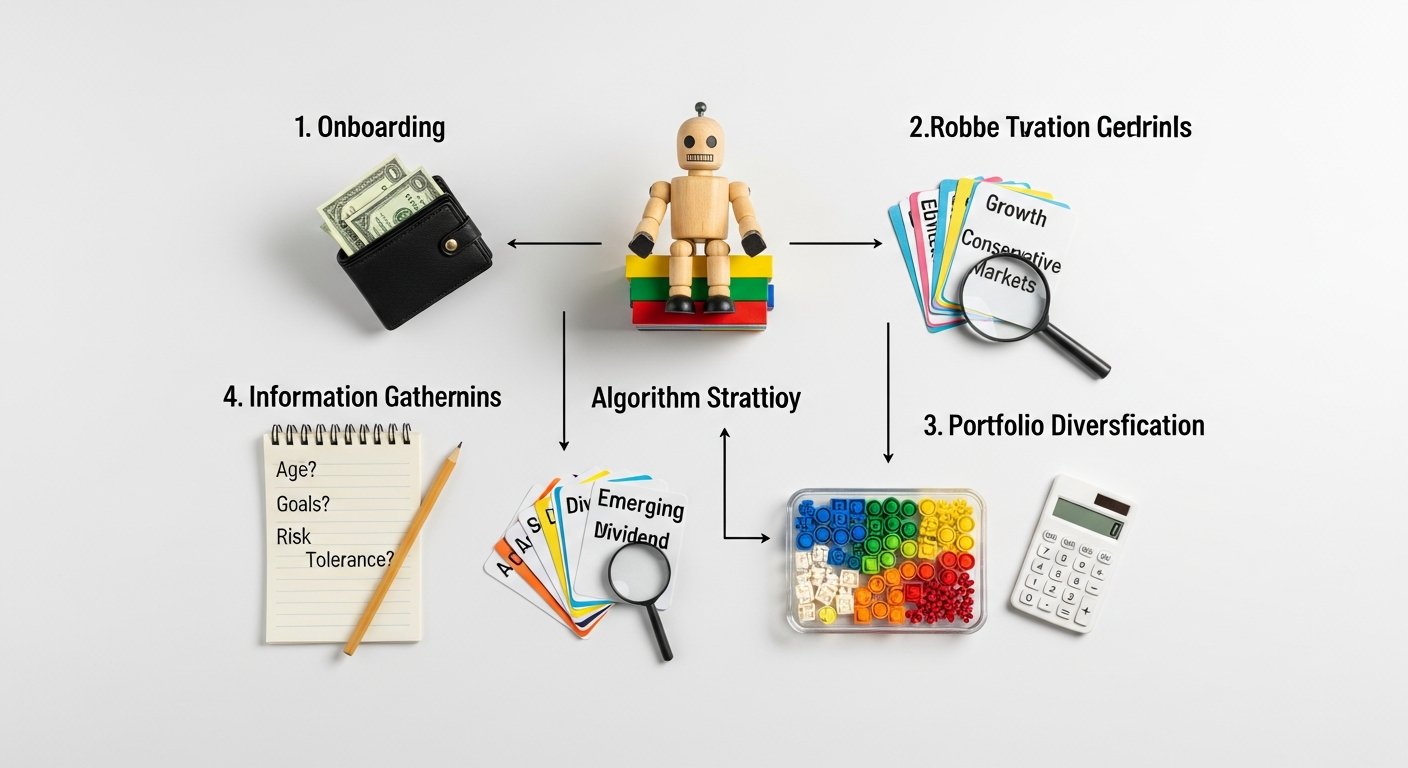
A robo advisor is a digital platform that provides automated, algorithm-driven financial planning services with minimal human intervention. These platforms use sophisticated computer programs to build and manage diversified investment portfolios tailored to your specific financial goals, risk tolerance, and time horizon. Upon signing up, you typically answer a series of questions about your financial situation, and the robo advisor then constructs a suitable portfolio, often utilizing low-cost Exchange Traded Funds (ETFs).

  • Automated Portfolio Management: Robo advisors automatically rebalance your portfolio to maintain your desired asset allocation, reinvest dividends, and may implement tax-loss harvesting strategies to optimize returns and minimize taxes.
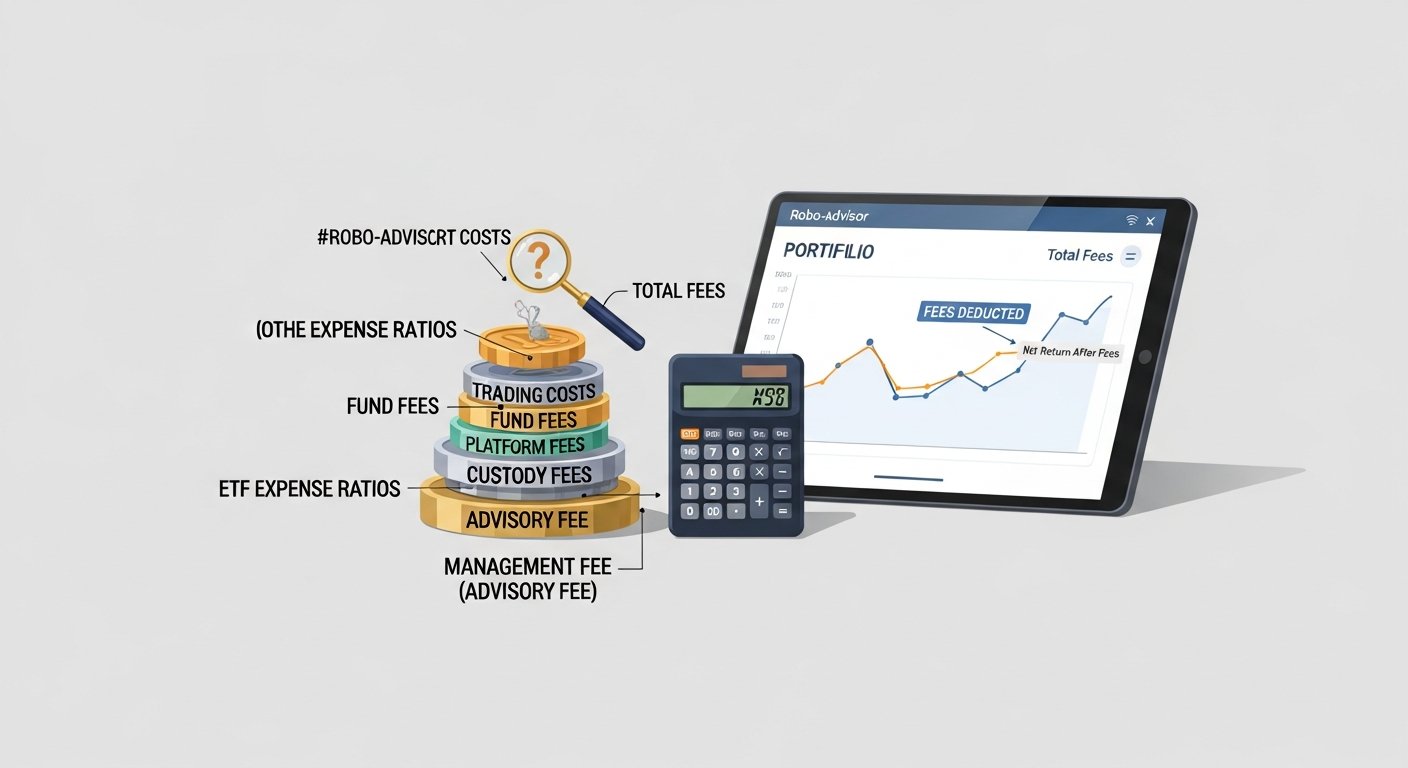
  • Low Fees: A significant advantage is their cost-effectiveness. Robo advisors typically charge a small percentage of assets under management (AUM), often ranging from 0.25% to 0.50% annually, notably less than traditional advisors.
  • Accessibility: They usually have low or no account minimums, making professional investment management accessible to a broader range of investors, including those with smaller starting capital.
  • Simplicity and Convenience: The entire process, from account setup to monitoring your investments, is typically done online or through a mobile app, offering unparalleled convenience.

Popular examples include platforms that have democratized investment management through their innovative fintech solutions, making sophisticated investing strategies available to the masses.

What is a Traditional Financial Advisor?

A traditional financial advisor is a human professional who provides personalized financial advice and services. Unlike robo advisors, their services extend beyond just investment management to encompass a holistic view of your financial life. They work directly with you to understand your complete financial picture, including income, expenses, debts, assets, family situation, and long-term aspirations. This personalized approach allows them to offer tailored strategies for a wide array of financial challenges.

  • Comprehensive Financial Planning: Advisors can assist with budgeting, debt management, retirement planning, college savings, estate planning, insurance needs, tax planning, and even business financial strategies.
  • Personalized Guidance: They offer one-on-one consultations, providing emotional support and guidance during volatile market conditions or major life changes (e.g., marriage, children, career change, inheritance). This human element can be invaluable.
  • Complex Situations: For individuals with intricate financial situations—such as business owners, those with significant assets, or unique tax considerations—a traditional advisor can offer intricate, bespoke solutions that algorithms might miss.
  • Accountability and Behavioral Coaching: A human advisor can act as an accountability partner, helping you stick to your financial plan and avoid impulsive decisions driven by market fear or greed.

Financial advisors can be compensated in several ways: fee-only (charging an hourly rate, flat fee, or percentage of AUM), commission-based (earning from product sales), or a hybrid model. Understanding their compensation structure is crucial when selecting an advisor.

Key Differences: Cost and Accessibility

💰 Money Tip

The financial commitment and ease of entry are often primary factors for individuals choosing between these two wealth management options. Understanding the fee structures and minimum investment requirements can significantly influence your decision.
  • Fee Structure:
    • Robo Advisors: Typically charge an annual fee as a percentage of assets under management (AUM), ranging from 0.25% to 0.50%. Some may offer tiered pricing or even free options for very small balances.
    • Traditional Advisors: Fees vary widely. They can charge a percentage of AUM (often 0.50% to 1.50% or more), an hourly rate ($100-$300+), a flat project fee (e.g., for a retirement plan), or commissions on products sold.
  • Account Minimums:
    • Robo Advisors: Many have very low or no minimums, often starting at $0 to $500, making them highly accessible for new investors or those with limited capital.
    • Traditional Advisors: Often require higher minimum investments, sometimes starting at $10,000, $50,000, or even $250,000+, depending on the firm and services offered. This can be a barrier for individuals just starting their investment journey.
  • Accessibility to Expertise:
    • Robo Advisors: Offer instant access to automated investment strategies and digital tools. Some premium tiers may include limited access to human advisors for specific questions.
    • Traditional Advisors: Provide direct, ongoing access to a dedicated financial professional, allowing for detailed discussions and relationship building over time.

For those prioritizing low costs and ease of entry, robo advisors present a compelling option, while traditional advisors cater to clients who value comprehensive service despite potentially higher fees and minimums.

Key Differences: Personalization and Complexity

Beyond cost, the depth of personalization and suitability for intricate financial scenarios are critical differentiators. Your unique life circumstances and the complexity of your financial picture should guide your choice.

  • Level of Personalization:
    • Robo Advisors: Personalization is based on algorithms that match your answers to a predefined set of portfolio models. While effective for general investing, they cannot account for highly nuanced personal situations or emotional factors.
    • Traditional Advisors: Offer highly personalized advice, digging deep into your personal story, values, fears, and aspirations. They can craft bespoke strategies that adapt to life’s unpredictable twists and turns, providing not just financial advice but often emotional support and strategic guidance.
  • Handling Financial Complexity:
    • Robo Advisors: Best suited for straightforward investment goals, such as saving for retirement or a down payment. They excel at optimizing standard portfolios.
    • Traditional Advisors: Indispensable for complex financial needs like intricate estate planning, managing inheritances, dealing with stock options or restricted stock units, tax optimization across multiple income streams, philanthropy, or planning for special needs dependents. They can coordinate with other professionals (e.g., attorneys, accountants) to ensure a cohesive financial strategy.
  • Behavioral Coaching and Human Element:
    • Robo Advisors: Lack the human touch to talk you off the ledge during a market downturn or provide reassurance and strategic adjustments during personal crises.
    • Traditional Advisors: Provide invaluable behavioral coaching, helping clients avoid common financial mistakes driven by emotion. They offer a trusted sounding board and a steady hand during times of uncertainty, which can significantly impact long-term financial success.

Ultimately, the choice often comes down to how much human interaction and tailored advice you need versus how comfortable you are with a purely automated system.

When is a Robo Advisor the Right Choice?

Robo advisors have revolutionized investing, making it more accessible and affordable for millions. They are particularly well-suited for several types of investors and financial situations:

  • Beginner Investors: If you’re new to investing and feel overwhelmed by market jargon and choices, a robo advisor offers a simple, guided entry point.
  • Cost-Conscious Individuals: For those who want to keep investment management fees as low as possible to maximize returns, robo advisors are typically the most economical option.
  • Straightforward Financial Situations: If your finances are relatively simple—steady income, clear goals (e.g., retirement, house down payment), and minimal debt—a robo advisor can handle your investment needs efficiently.
  • “Hands-Off” Investors: If you prefer to set it and forget it, trusting algorithms to manage your portfolio’s rebalancing and tax-loss harvesting without requiring your constant attention, a robo advisor is ideal.
  • Meeting Basic Investment Goals: For building a diversified portfolio aimed at long-term growth for common goals, robo advisors provide robust solutions.

They serve as an excellent starting point for building a solid financial foundation, automating crucial investment tasks, and helping you develop good financial habits without the need for extensive financial knowledge.

When is a Traditional Financial Advisor the Right Choice?

While robo advisors excel in efficiency and cost, there are distinct scenarios where the nuanced expertise and personal touch of a human financial advisor become indispensable:

  • Complex Financial Situations: If you have substantial assets, multiple income streams, business ownership, unique tax scenarios, or significant estate planning needs, a traditional advisor can provide the sophisticated strategies required.
  • Major Life Transitions: Events like marriage, divorce, a significant inheritance, selling a business, job loss, or planning for a child’s education often involve intricate financial decisions best navigated with professional human guidance.
  • High Net Worth Individuals: Those with significant wealth often require specialized services, including advanced tax strategies, philanthropic planning, and generational wealth transfer, which are beyond the scope of most robo advisors.
  • Need for Emotional Support and Behavioral Coaching: During market volatility or personal crises, a human advisor provides reassurance, helps you avoid emotional investment decisions, and keeps you accountable to your long-term plan.
  • Desire for Holistic Financial Planning: If you want comprehensive guidance that integrates all aspects of your financial life—not just investments, but also insurance, debt management, budgeting, and retirement income strategies—a traditional advisor offers this integrated approach.
  • Lack of Confidence or Time: If you lack the confidence to manage your own finances or simply don’t have the time or inclination, outsourcing all aspects to a trusted human professional can provide immense peace of mind.

For these situations, the added cost of a human advisor often proves to be a worthwhile investment, potentially saving you more in the long run through optimized planning and avoiding costly mistakes.

In conclusion, the choice between a robo advisor and a traditional financial advisor is not about one being inherently superior, but rather about aligning the service with your individual financial journey. Robo advisors offer an excellent, cost-effective entry point for automated investment management, especially for those with simpler needs and a desire for efficiency. Traditional financial advisors, conversely, provide invaluable personalized, comprehensive guidance, and emotional support for complex financial situations and significant life events. Evaluate your financial complexity, budget for fees, desired level of personalization, and comfort with technology to make an informed decision that empowers you to achieve your unique financial aspirations with Fin3go.