






The Indispensable Value of Early Retirement Planning
Imagine your future self, years down the line, thanking your present self for the foresight and discipline you cultivated today. That’s the power of early retirement planning. It’s not just about saving money; it’s about leveraging the incredible force of compound interest. Even modest contributions started in your 20s can grow into a substantial sum by retirement, far outpacing what larger, later contributions might achieve. The earlier you begin, the longer your money has to work for you, compounding returns year after year. This isn’t just a theoretical concept; it’s a financial superpower available to everyone.
For instance, a college student who starts putting away just $50 a month into a Roth IRA, thanks to some smart income ideas for college students like tutoring or freelancing, could see that seemingly small amount balloon over decades. By the time they reach their 60s, even without significant raises, that initial habit could have laid a solid foundation. The challenge for many young adults is often finding the extra cash. However, even small, consistent contributions are infinitely better than none. As income grows, so too can contributions, accelerating the journey towards financial independence.
Beyond compound interest, early planning offers other crucial benefits. It allows you to weather market fluctuations more effectively. Downturns, while unsettling, become opportunities for growth over the long term when you’re consistently investing. You also gain flexibility. Life is unpredictable, and having a well-funded retirement plan provides a safety net, allowing for career changes, educational pursuits, or unexpected expenses without derailing your long-term goals. Furthermore, understanding the various retirement vehicles early helps you optimize tax advantages, which can significantly impact your net worth over time. Procrastination, on the other hand, can lead to playing catch-up, requiring larger contributions later in life, potentially putting a strain on current income and lifestyle. The message is clear: the best time to start saving for retirement was yesterday; the second best time is today.
Decoding Retirement Accounts: Defined Benefit vs. Defined Contribution

Before diving into specific account types, it’s vital to understand the two fundamental categories of retirement plans: defined benefit and defined contribution. This distinction will help you grasp the underlying mechanics and responsibilities associated with each.
Defined Benefit Plans (Pensions)
Historically, pensions were the gold standard for retirement. In a defined benefit plan, your employer promises you a specific payout amount in retirement, usually a monthly sum, based on factors like your salary, years of service, and age. The employer bears the investment risk and is responsible for funding the plan to ensure those future payments can be made. You, as the employee, generally don’t contribute directly from your paycheck (though some plans may have employee contributions). Once common in the private sector, these plans are now primarily found in government jobs and some older, established companies. They offer a predictable income stream, which provides a strong sense of security in retirement.
Defined Contribution Plans
Defined contribution plans represent the modern paradigm of retirement savings. Here, you (and often your employer) contribute a defined amount of money into an individual account, typically on a regular basis. The key difference is that the ultimate value of your retirement nest egg depends entirely on the total contributions made and the investment performance of those contributions. You bear the investment risk, and you generally make the investment decisions (or choose from a pre-selected menu of funds). Examples include 401(k)s, 403(b)s, and IRAs. The shift from defined benefit to defined contribution plans has placed a greater onus on individuals to actively manage their retirement savings and understand investment principles. This is why Fin3go emphasizes financial literacy – your future financial security largely rests in your hands with these types of accounts.
- Employer-Sponsored Plans: These are set up and administered by your employer, often with employer matching contributions as a significant benefit.
- Individual Plans: These are set up by individuals, independent of an employer, offering flexibility for self-employed individuals or those whose employers don’t offer a plan.
Understanding this fundamental difference is the first step towards choosing the right accounts and building a robust retirement strategy. It clarifies whose responsibility it is to grow the money and how the ultimate retirement income is determined.
Employer-Sponsored Retirement Accounts: Maximizing Workplace Benefits
401(k) – The Corporate Workhorse
The 401(k) is the most common employer-sponsored retirement plan in the private sector. It allows employees to contribute a portion of their pre-tax salary, which then grows tax-deferred until retirement. Many employers offer a matching contribution, effectively providing “free money” – an opportunity you should never pass up. For example, if your employer matches 50% of your contributions up to 6% of your salary, you should aim to contribute at least 6% to capture the full match. Missing out on an employer match is like leaving a bonus check on the table.
- Contribution Limits (2026): The IRS sets annual limits on how much you can contribute. For 2026, the elective deferral limit (how much you can contribute from your pay) is expected to be around $23,000, with an additional “catch-up” contribution of $7,500 for those aged 50 and over.
- Tax Advantages: Contributions are pre-tax, reducing your current taxable income. Earnings grow tax-deferred. You pay taxes only when you withdraw in retirement, presumably at a lower tax bracket.
- Investment Options: Typically offers a selection of mutual funds, index funds, and target-date funds chosen by the plan administrator.
- Vesting Schedules: Be aware of your employer’s vesting schedule for matching contributions. This dictates when the employer’s contributions become fully yours.
Roth 401(k) – The Tax-Free Future
Many employers also offer a Roth 401(k) option. Unlike a traditional 401(k), contributions to a Roth 401(k) are made with after-tax dollars. The magic happens in retirement: all qualified withdrawals, including earnings, are completely tax-free. This is particularly appealing for younger individuals who anticipate being in a higher tax bracket in retirement than they are today. The contribution limits are the same as for a traditional 401(k), and employer matches typically go into a traditional 401(k) bucket, even if your contributions are Roth.
403(b) – For Non-Profits and Public Schools
Similar to a 401(k) but designed for employees of public schools, hospitals, non-profit organizations (501(c)(3) organizations), and certain ministers. It offers similar tax-deferred growth and often has comparable contribution limits to a 401(k). Investment options might include annuities in addition to mutual funds.
457(b) – Government and Select Non-Profit Employees
Available to state and local government employees, as well as some non-governmental tax-exempt organizations. A unique feature of the 457(b) is that there’s no 10% early withdrawal penalty for distributions before age 59½ if you leave your employer. This can offer greater flexibility, though distributions are still subject to ordinary income tax.
SIMPLE IRA & SEP IRA – For Small Businesses and Self-Employed
These are employer-sponsored plans for small businesses (SIMPLE IRA) or self-employed individuals and small business owners (SEP IRA) who might not want the administrative burden of a 401(k).
- SIMPLE IRA (Savings Incentive Match Plan for Employees): Designed for businesses with 100 or fewer employees. It has lower contribution limits than a 401(k) but is easier to set up and administer. Employers must either match employee contributions or make a non-elective contribution.
- SEP IRA (Simplified Employee Pension): Primarily for self-employed individuals or small business owners. It allows for much higher contribution limits, based on a percentage of compensation, making it attractive for those with higher incomes.
Understanding these employer-sponsored options is crucial. Always prioritize contributing enough to get the full employer match – it’s an immediate, guaranteed return on your investment that is hard to beat.
Individual Retirement Accounts (IRAs): Taking Control of Your Savings

Even if you have an employer-sponsored plan, or especially if you don’t, Individual Retirement Accounts (IRAs) are powerful tools for building your retirement nest egg. They offer flexibility, a wider array of investment choices, and valuable tax benefits. IRAs are managed by you through a financial institution (brokerage, bank, mutual fund company) rather than your employer.
Traditional IRA – The Pre-Tax Powerhouse
A Traditional IRA allows you to contribute pre-tax dollars, which means your contributions might be tax-deductible in the year you make them, lowering your current taxable income. Your investments grow tax-deferred, and you only pay taxes when you withdraw the money in retirement. This can be advantageous if you expect to be in a lower tax bracket during retirement than you are today. However, there are income limitations for deducting contributions if you or your spouse are covered by a workplace retirement plan.
- Contribution Limits (2026): The annual contribution limit for Traditional and Roth IRAs combined is expected to be around $7,000, with an additional $1,000 catch-up contribution for those aged 50 and over.
- Tax Deductibility: Contributions may be fully or partially tax-deductible, depending on your income and whether you’re covered by a workplace retirement plan.
- Tax-Deferred Growth: Earnings are not taxed until withdrawal in retirement.
- Required Minimum Distributions (RMDs): You must start taking distributions by age 73 (currently, this age may adjust).
Roth IRA – The Tax-Free Future, Reimagined
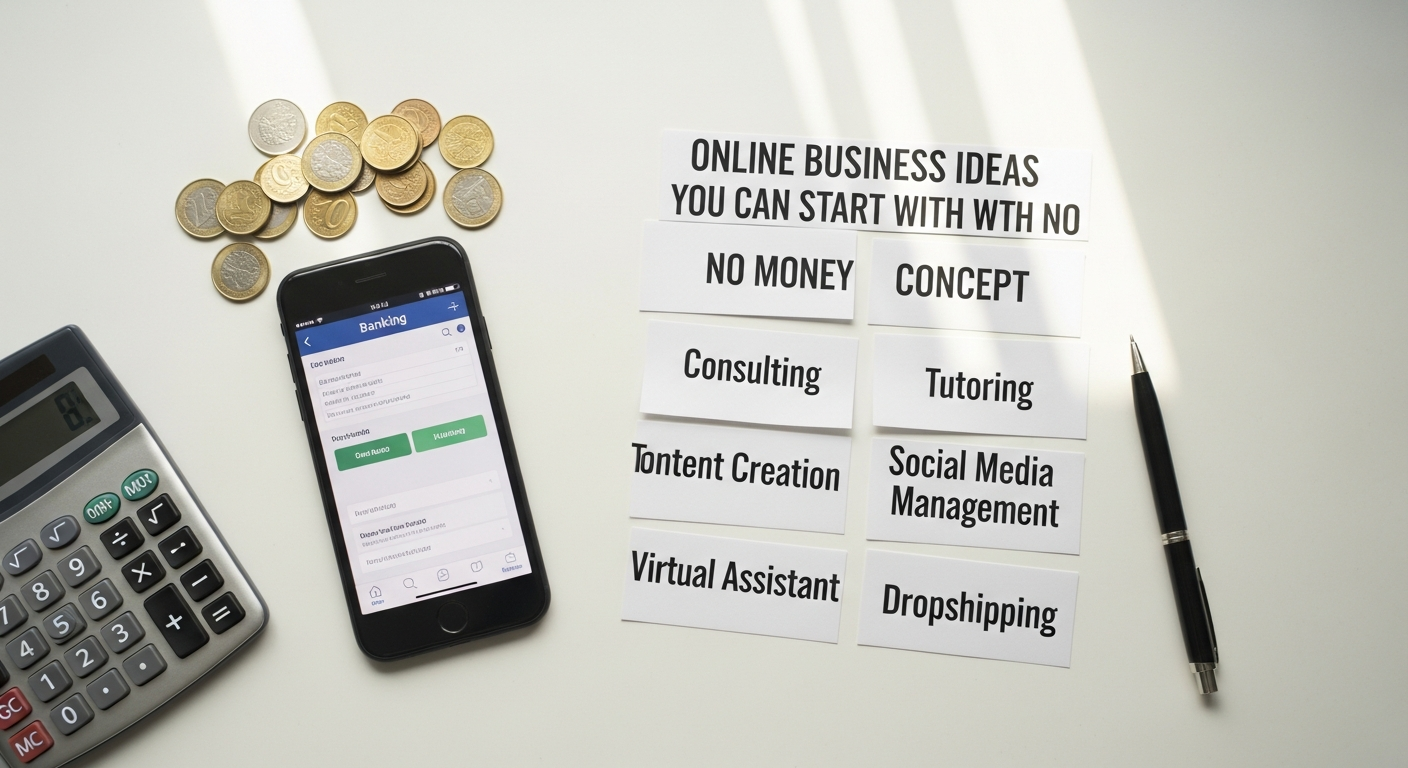
The Roth IRA is a favorite for many, particularly younger investors or those who anticipate being in a higher tax bracket in retirement. Contributions are made with after-tax dollars, meaning they are not tax-deductible. However, the immense benefit is that all qualified withdrawals in retirement, including earnings, are completely tax-free. This provides incredible peace of mind knowing that a portion of your retirement income will be free from the IRS’s grasp. This can be especially powerful for those exploring online business ideas you can start with no money, where early profits can be strategically funneled into a Roth IRA to build a tax-free future.
- Contribution Limits (2026): Same as Traditional IRA.
- Income Limitations: Eligibility to contribute directly to a Roth IRA phases out at higher income levels. However, the “Backdoor Roth IRA” strategy can allow high-income earners to contribute.
- Tax-Free Withdrawals: Qualified distributions are 100% tax-free.
- No RMDs for original owner: You are not required to take distributions during your lifetime.
- Flexibility: Contributions (but not earnings) can be withdrawn tax-free and penalty-free at any time, making it a powerful emergency fund, though it’s best to keep it strictly for retirement.
SEP IRA & SIMPLE IRA (Individual Versions)
While often discussed as employer-sponsored, these can also be set up by individuals who are self-employed or own small businesses without employees. They allow for higher contribution limits than a Traditional or Roth IRA, making them excellent choices for high-earning freelancers, consultants, or small business owners.
- SEP IRA: Contributions are typically a percentage of your net self-employment income, allowing for significant savings. For 2026, the maximum contribution is expected to be around $69,000 or 25% of compensation, whichever is less.
- SIMPLE IRA: If you’re self-employed and anticipate hiring employees in the future, a SIMPLE IRA might be a good starting point due to its simplicity.
Choosing between a Traditional and Roth IRA often boils down to your current income, your expected future income, and your tax outlook. Many financial advisors recommend a mix of both, providing tax diversification in retirement.
Beyond the Basics: Other Powerful Retirement Savings Vehicles
While 401(k)s and IRAs form the bedrock of most retirement plans, several other accounts and strategies can significantly enhance your financial security, offering additional tax advantages, investment flexibility, or specific use cases.
Health Savings Accounts (HSAs) – The Triple Tax Threat
Often overlooked as a retirement vehicle, the Health Savings Account (HSA) is arguably one of the most powerful savings tools available, especially for those with high-deductible health plans (HDHPs). HSAs offer a unique “triple tax advantage”:
- Tax-deductible contributions: Contributions reduce your taxable income.
- Tax-free growth: Investments grow tax-free.
- Tax-free withdrawals: Withdrawals are tax-free if used for qualified medical expenses.
What makes HSAs exceptional for retirement is that once you reach age 65, you can withdraw funds for any purpose without penalty, just like a traditional IRA (though non-medical withdrawals will be taxed as ordinary income). This makes it a fantastic fallback for medical expenses in retirement or an additional untaxed income stream if you’re fortunate enough to have few medical costs. Maxing out your HSA each year should be a high priority if you’re eligible.
- Contribution Limits (2026): Expected to be around $4,300 for individuals and $8,550 for families, with an additional $1,000 catch-up contribution for those aged 55 and over.
- Eligibility: Must be enrolled in a High-Deductible Health Plan (HDHP).
Annuities – Guaranteed Income, with Caveats
Annuities are contracts between you and an insurance company where you pay a lump sum or a series of payments, and in return, the insurer promises to make payments to you later, often for life. They can provide a guaranteed income stream in retirement, which is appealing for risk-averse individuals or those concerned about outliving their savings. However, annuities can be complex, often come with high fees, and may lack the liquidity and investment flexibility of other accounts. They are typically considered later in the retirement planning process, often closer to or in retirement, to annuitize a portion of one’s assets.
- Types: Immediate (payments start soon after purchase) or Deferred (payments start later), Fixed (guaranteed rate of return), Variable (investment performance dictates returns), or Indexed (returns linked to an index).
- Pros: Guaranteed income, protection against market downturns (for fixed annuities).
- Cons: High fees, complexity, illiquidity, surrender charges.
Taxable Brokerage Accounts – Flexibility and Liquidity
While not a dedicated retirement account with specific tax advantages for contributions or growth, a regular taxable brokerage account plays a crucial role for many. Contributions are made with after-tax dollars, and gains are subject to capital gains tax (either short-term or long-term) when investments are sold. Dividends are also taxed. However, brokerage accounts offer unparalleled flexibility and liquidity. There are no contribution limits, no income restrictions, and no penalties for early withdrawals. This makes them ideal for:
- Supplemental Savings: For those who have maxed out their tax-advantaged accounts.
- Early Retirement: Providing funds if you plan to retire before age 59½ when many retirement accounts have withdrawal penalties.
- Specific Goals: Saving for a down payment, a child’s education, or other short-to-medium-term goals that require flexibility.
A well-diversified taxable brokerage account, alongside your retirement accounts, can provide a robust financial safety net and greater control over your assets. When considering investments within these accounts, it’s prudent to understand the various asset classes. For instance, while most retail investors won’t directly invest in complex instruments like risks and returns of mortgage backed securities, understanding how diverse assets perform and contribute to broader market movements can inform your strategy across all your portfolios.
Real Estate & Other Alternative Investments
Beyond traditional financial accounts, real estate (rental properties, REITs) and other alternative investments can also form part of a comprehensive retirement strategy. These offer diversification and potential for income or capital appreciation, though they often come with higher risk, illiquidity, and require more active management. For those with an entrepreneurial spirit, generating additional income through online business ideas you can start with no money can provide the capital to invest in these alternatives, further diversifying their retirement income streams.
By combining these various vehicles strategically, you can create a multi-faceted approach to retirement saving that optimizes for taxes, growth, and flexibility, ensuring you’re prepared for whatever the future holds.
Crafting Your Retirement Strategy: Choosing & Maximizing Accounts
Now that you understand the array of retirement accounts available, the critical step is to develop a personalized strategy. This isn’t a one-size-fits-all endeavor; your optimal path depends on your age, income, employment situation, risk tolerance, and retirement goals.
Prioritizing Your Contributions: A Practical Flowchart
Follow this general hierarchy to maximize your retirement savings effectively:
- Employer 401(k)/403(b) Match: This is unequivocally the first priority. Contribute enough to get the full employer match – it’s an instant, guaranteed return on your investment that you should never forgo.
- Health Savings Account (HSA): If you’re eligible for an HSA, prioritize maxing it out. Its triple tax advantage makes it an unparalleled savings vehicle, especially if you can pay for current medical expenses out-of-pocket and let the HSA grow for retirement.
- Roth IRA: If you’re eligible (income limits apply) and anticipate being in a higher tax bracket in retirement, contribute up to the annual limit. The tax-free withdrawals in retirement are a huge benefit.
- Traditional IRA: If you’re not eligible for a Roth IRA, or if you believe you’ll be in a lower tax bracket in retirement, contribute to a Traditional IRA, especially if your contributions are tax-deductible.
- Max Out Your Employer Plan (401(k)/403(b)/457(b)): After securing the match and fully funding your HSA and IRA, direct additional savings back into your employer-sponsored plan. Maxing out these accounts provides significant tax-deferred growth.
- Taxable Brokerage Account: Once you’ve exhausted the tax-advantaged options, or if you need more flexibility for early retirement or other goals, a taxable brokerage account is your next best option.
- Other Options: Explore annuities (for guaranteed income later in life), real estate, or other alternative investments if they align with your financial goals and risk tolerance.
Key Considerations for Your Strategy
- Age and Time Horizon: Younger investors have a longer time horizon, allowing them to take on more investment risk and benefit most from compounding. As you approach retirement, you’ll typically de-risk your portfolio.
- Risk Tolerance: Understand your comfort level with investment volatility. While growth requires some risk, don’t invest in ways that keep you up at night.
- Inflation: Remember that the cost of living will increase over time. Your retirement savings need to outpace inflation to maintain your purchasing power. Don’t underestimate this silent killer of wealth.
- Diversification: Spread your investments across different asset classes (stocks, bonds, real estate, etc.) to mitigate risk. Even within stocks, diversify across sectors and geographies.
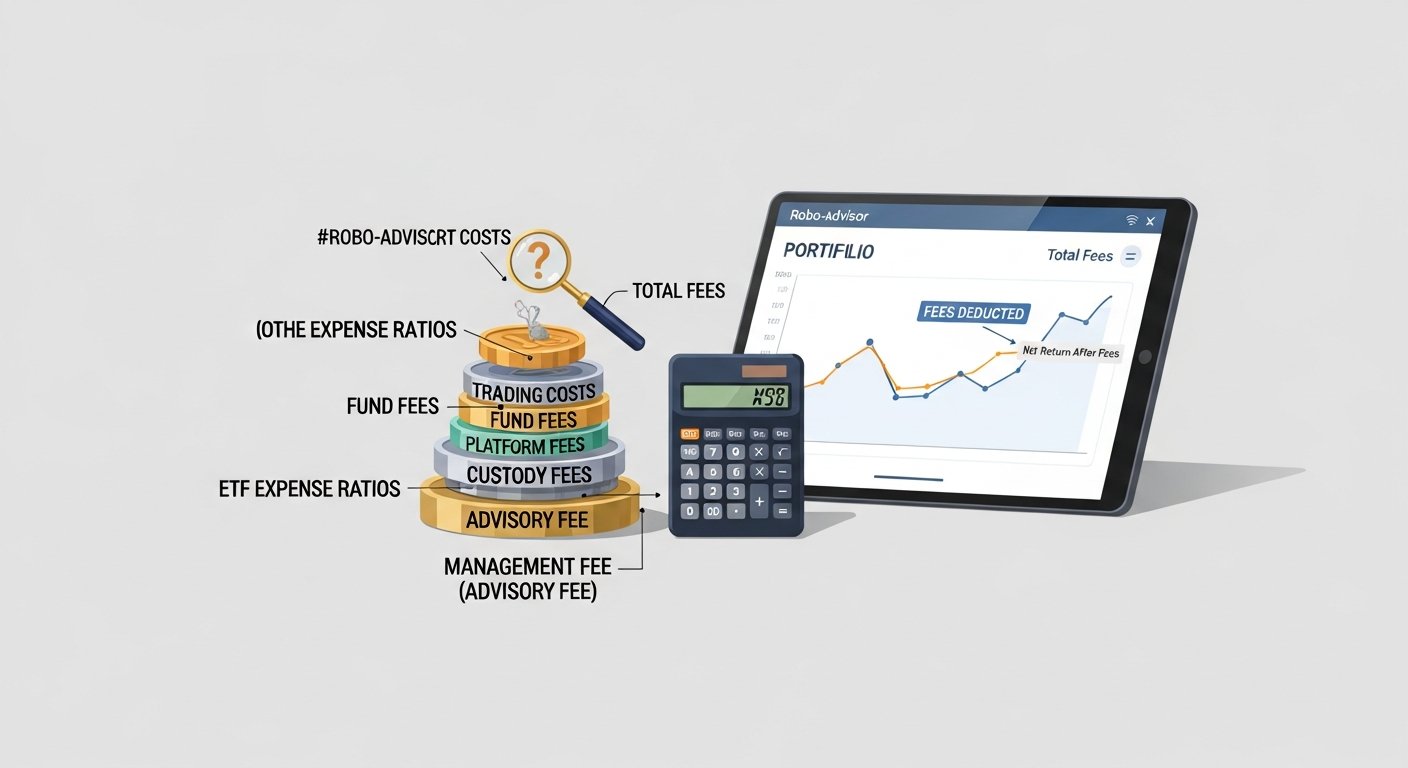
- Fees: Be mindful of investment fees (expense ratios of funds, advisory fees). Even small percentages can eat significantly into your returns over decades.
- Rebalancing: Periodically review and adjust your portfolio to maintain your desired asset allocation.
- Withdrawal Strategy: As you approach retirement, research safe withdrawal rates (e.g., the “4% rule”) and consider how you’ll draw income from different account types to optimize for taxes.
Your financial journey is personal. Consider consulting with a qualified financial advisor to help tailor a strategy that perfectly fits your unique circumstances and aspirations for a comfortable and fulfilling retirement. They can help you navigate the complexities of tax laws, investment choices, and long-term planning, ensuring you’re on the right track for 2026 and beyond.
Advanced Strategies and Future-Proofing Your Retirement
Once you’ve mastered the basics of retirement accounts and established a consistent savings habit, you might be ready to explore more advanced strategies to optimize your financial future. These approaches often involve nuanced tax planning, higher-level investment choices, and adapting to life’s evolving circumstances.
Tax Diversification: The Power of Multiple Tax Buckets
Many savvy investors aim for tax diversification by holding assets in three main “tax buckets”:
- Tax-Deferred Accounts: Traditional 401(k), Traditional IRA. You get a tax break now, pay taxes in retirement.
- Tax-Free Accounts: Roth 401(k), Roth IRA, HSA (for medical expenses). You pay taxes now, enjoy tax-free withdrawals in retirement.
- Taxable Accounts: Brokerage accounts. You pay taxes on capital gains and dividends as they occur.
Having a mix allows you flexibility in retirement. You can strategically withdraw from different buckets to manage your taxable income each year, potentially keeping you in a lower tax bracket. For example, if tax rates are high in a given year during retirement, you might draw more from your Roth accounts. If they’re lower, you might draw from your traditional accounts. This optionality is incredibly valuable.
Investment Selection and Diversification Beyond the Basics
While target-date funds are a great starting point, understanding individual asset classes can lead to more tailored portfolios. Consider:
- Low-Cost Index Funds and ETFs: These offer broad market exposure and diversification at minimal cost. They are excellent choices for the core of any retirement portfolio.
- Bonds: As you get closer to retirement, bonds generally become a larger portion of your portfolio to reduce volatility and provide income. Be aware of different bond types and their associated risks, such as the risks and returns of mortgage backed securities which, while not for every investor, illustrate the diversity within fixed-income markets.
- Alternative Investments: For accredited investors or those with significant portfolios, private equity, venture capital, or real estate syndications can offer diversification and potentially higher returns, though they come with higher risk and illiquidity.
- Global Diversification: Don’t limit your investments to just your home country. International stocks and bonds can provide additional diversification benefits.
Regularly review your investment allocations and rebalance them to stay aligned with your risk tolerance and goals. This might mean selling some assets that have grown significantly to buy more of those that have lagged, bringing your portfolio back to your target allocation.
Adapting to Life Changes and Future Planning
- Career Changes: If you change jobs, understand your options for your old 401(k) (roll it into your new 401(k), roll it into an IRA, or leave it). Rolling into an IRA often provides more investment choices.
- Inherited IRAs: If you inherit an IRA, understand the specific rules for beneficiaries, which differ from those for original owners.
- Estate Planning: Ensure your retirement accounts have up-to-date beneficiaries. This is critical for avoiding probate and ensuring your assets go to your intended heirs.
- Inflation Adjustment: Always factor inflation into your retirement projections. What seems like enough today will likely be insufficient in 20, 30, or 40 years. Use an inflation calculator to understand the true future cost of living.
- Long-Term Care: Consider how you will fund potential long-term care needs in retirement, as these costs can be substantial and are often not covered by Medicare.
- Side Hustles and Entrepreneurship: For those looking to boost their retirement savings or create additional income streams in retirement, leveraging online business ideas you can start with no money can be incredibly powerful. A successful side hustle can not only supplement your current income, allowing for higher contributions, but could also evolve into a post-retirement income source, providing both financial stability and purpose.
The journey to a secure retirement is dynamic. It requires continuous learning, regular review, and a willingness to adapt. By mastering these advanced strategies, you can fine-tune your approach, mitigate risks, and build an even more robust foundation for your golden years.