



Best Mobile Banking Apps with Budgeting Tools 2026: Your Essential Guide to Smarter Spending & Saving

Welcome to Fin3go, your trusted source for navigating the evolving world of personal finance. In 2026, managing your money has never been more intuitive, powerful, and, dare we say, enjoyable. Gone are the days of tedious spreadsheets and manual transaction logging. Today’s mobile banking apps are not just digital portals to your account; they are sophisticated financial co-pilots, equipped with advanced budgeting tools designed to put you firmly in control of your financial destiny. Whether you’re saving for a down payment, paying off debt, or simply aiming for better daily spending habits, leveraging the right app can make all the difference.

This comprehensive guide will explore the cutting-edge features to look for in 2026, highlight the top categories of apps transforming financial management, and offer practical advice on choosing and maximizing the tools that best suit your unique financial journey. Get ready to embrace a future where your money works harder, and smarter, for you.

The Evolution of Mobile Banking: Beyond Transactions to True Financial Management

The journey of mobile banking has been nothing short of revolutionary. What began as a simple convenience – checking balances on the go – has transformed into an indispensable ecosystem for comprehensive financial management. In 2026, mobile banking apps are at the forefront of this evolution, integrating advanced technologies like Artificial Intelligence (AI) and Machine Learning (ML) to offer personalized, predictive, and proactive financial insights. This isn’t just about moving money; it’s about understanding it.

Modern mobile banking apps are designed to demystify complex financial concepts, making budgeting accessible and less daunting for everyone. They empower users with real-time data, instant alerts, and visual breakdowns of spending habits that were once only available through dedicated financial advisors. This shift signifies a crucial step towards financial literacy and empowerment for millions, enabling individuals to make informed decisions about their money with unprecedented ease and accuracy. From categorizing expenses automatically to forecasting future cash flow, these apps are changing the way we interact with our finances, turning the abstract into actionable insights.

Essential Budgeting Features to Look for in 2026 Mobile Banking Apps

As technology advances, so do the capabilities of our financial tools. When evaluating mobile banking apps for their budgeting prowess in 2026, look beyond the basic balance check. The best apps offer a suite of sophisticated features designed to streamline your financial life and propel you towards your goals. Here’s what sets the leading contenders apart:

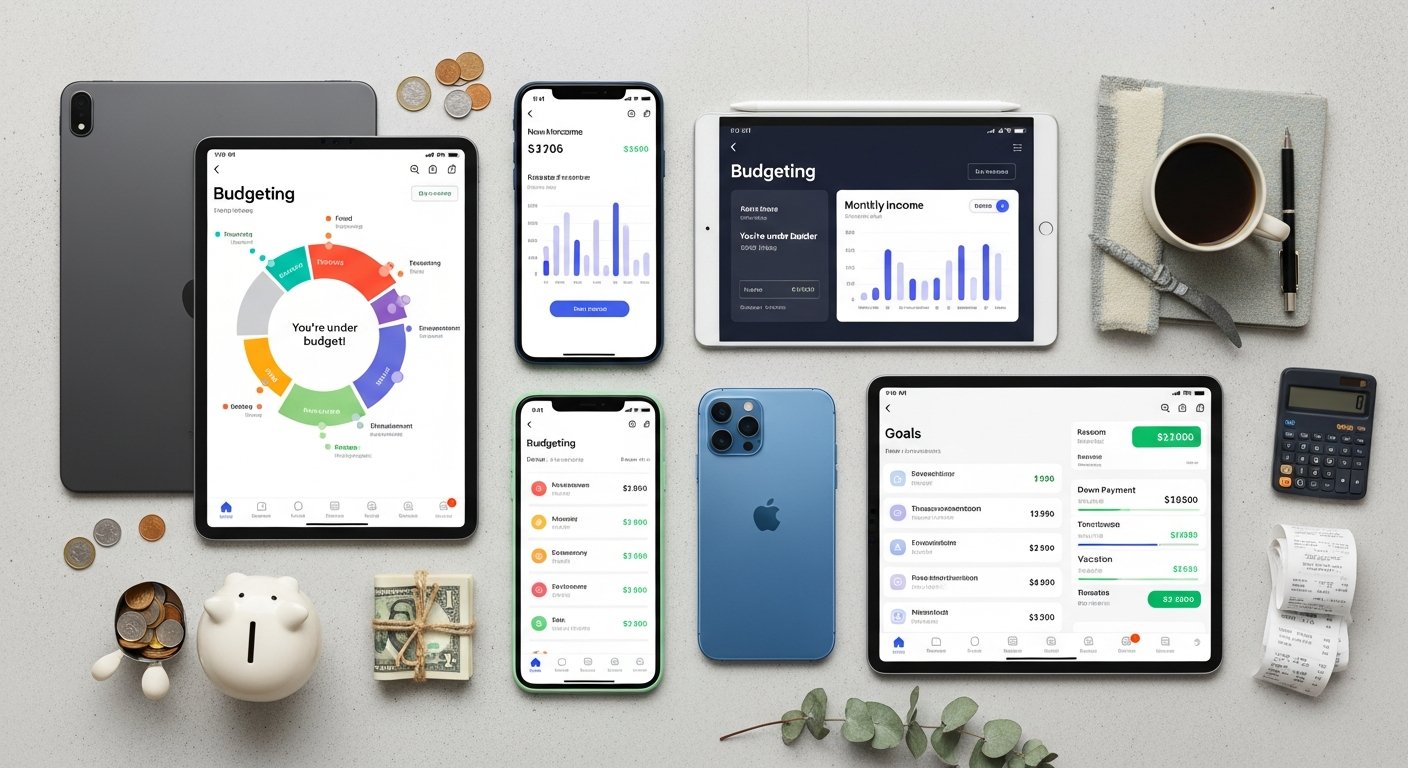
  • AI-Powered Real-time Transaction Categorization: The gold standard for modern budgeting. Apps should automatically categorize your spending as it happens, learning from your habits and allowing for quick, intelligent re-categorization. This includes recognizing recurring subscriptions and bills.
  • Customizable Budget Categories & Goals: Flexibility is key. The app should allow you to create unlimited custom spending categories tailored to your lifestyle and set specific, trackable savings goals with progress indicators. Dynamic budgeting, which adjusts based on income fluctuations or goal progress, is a major plus.
  • Advanced Spending Insights & Predictive Analytics: Beyond simple graphs, look for apps that offer deep dives into your spending patterns, identify trends, and even predict future spending based on historical data. This helps prevent overspending before it occurs.
  • Subscription Management & Bill Tracking: Automatically identify and list all your recurring subscriptions and bills. Some apps even flag potential duplicate subscriptions or suggest cancellations for unused services, helping you save effortlessly.
  • Automated Savings & Debt Management Tools: Features like “round-ups” (saving spare change from purchases), automatic transfers to savings, or integrated debt payoff calculators with personalized strategies can significantly accelerate your financial progress.
  • Net Worth Tracking & Multi-Account Aggregation: The ability to securely link external bank accounts, credit cards, investments, and even loans to get a holistic view of your entire financial net worth, all in one dashboard.
  • Financial Wellness Scores & Gamification: Engaging elements that turn financial management into a less daunting task. This could include earning points for meeting savings goals or receiving a personalized financial health score that guides you to better habits.
  • Robust Security Measures: In 2026, industry-standard security includes multi-factor authentication (MFA), biometric login (fingerprint/face ID), end-to-end encryption, and real-time fraud monitoring and alerts. Your financial data’s safety should be paramount.
  • Personalized Financial Guidance: Some apps now feature AI-powered financial assistants that can offer tailored advice, answer money questions, and even help you optimize your investments based on your risk tolerance and goals.

Top Mobile Banking Apps with Integrated Budgeting for 2026 (Categorized)

Money Tip

The landscape of mobile banking is diverse, with solutions emerging from various sectors. In 2026, we see three primary categories of apps excelling in integrated budgeting. While we use representative examples here, the descriptions reflect the general strengths and features you can expect from leaders in each segment.

The Neobank Innovators: Redefining Digital Finance

Neobanks, often characterized by their purely digital presence and agile development, continue to push the boundaries of user experience and feature sets. Their apps are typically designed with a mobile-first philosophy, offering sleek interfaces, cutting-edge technology, and often lower fees compared to traditional banks. In 2026, their budgeting tools are exceptionally robust.

  • Zenith Digital Bank (Representative Example): A leader in the neobank space, Zenith exemplifies the future with its predictive budgeting and dynamic goal adjustments. Its AI assistant, “Zen,” learns your spending habits and proactively suggests savings opportunities or warns of potential overspending weeks in advance. Zenith offers highly customizable spending “pots” or “envelopes” for granular control, alongside real-time spending alerts and instant transfers. Its integration capabilities often extend to cryptocurrency tracking and seamless international transfers, catering to a globally connected user base.
  • PocketWise Finance (Representative Example): PocketWise focuses on hyper-personalization and automated savings. Users can create unlimited spending categories and connect to a vast array of external accounts for a unified financial view. Its unique “Smart-Save” feature automatically rounds up transactions or sweeps small amounts into savings when specific user-defined conditions are met, making saving effortless. The app provides visually rich analytics, making complex financial data easy to digest, and offers scenarios for large purchases or debt repayment strategies.

Traditional Banks Embracing Fintech: Trust Meets Innovation

Many established financial institutions have recognized the need to compete with nimble neobanks. In 2026, their mobile apps have undergone significant transformations, integrating advanced fintech features while retaining the trust and comprehensive service offerings (like mortgages, loans, and investment products) that traditional banks are known for. These apps often appeal to users who value a blend of digital convenience and established security.

  • GlobalBank Elite Mobile (Representative Example): This app represents the pinnacle of traditional banking’s digital evolution. GlobalBank Elite Mobile combines the trusted infrastructure of a century-old institution with a sleek, intuitive interface and powerful budgeting tools. Its 2026 iteration boasts advanced spending categorization powered by AI, personalized alerts for unusual spending, and easy bill payment management. Crucially, it provides a seamless bridge between digital tools and human financial advisors, allowing users to securely share app data for personalized, in-depth advice on complex financial matters.
  • First National Digital (Representative Example): First National Digital has focused on robust security and integrated wealth management within its budgeting framework. Their app not only offers real-time budgeting and expenditure tracking but also incorporates tools for goal-based investing. Users can set financial goals (e.g., retirement, house down payment) directly within the budgeting section, and the app suggests investment strategies, connecting seamlessly to brokerage accounts held within the same institution. Its strength lies in providing a secure, all-encompassing financial hub for both day-to-day spending and long-term wealth building.

Standalone Budgeting Apps with Strong Banking Integrations: The Specialists

For those who prefer a dedicated budgeting powerhouse that aggregates data from all their financial accounts, standalone budgeting apps remain a popular choice. While not banks themselves, these apps often offer the deepest analytical capabilities and specialized tools, acting as a neutral ground for managing finances across multiple institutions.

  • BudgetMaster Pro (Representative Example): BudgetMaster Pro is a comprehensive personal finance management (PFM) tool that excels at aggregation. By securely linking to all your bank accounts, credit cards, investment portfolios, and even loan providers, it offers an unparalleled holistic view of your entire financial landscape. Its 2026 version features advanced scenario planning (e.g., “What if I increase my mortgage payment by X?”), detailed net worth tracking, and sophisticated debt payoff calculators. It’s ideal for users who need intricate control and analysis across a multitude of financial accounts.
  • SpendSmart AI (Representative Example): SpendSmart AI takes a proactive and educational approach. Beyond categorizing spending, it utilizes advanced AI to identify patterns that lead to overspending and offers actionable, real-time recommendations. This might include suggesting alternative vendors for recurring services, flagging subscriptions you might have forgotten, or even identifying optimal times to pay bills to avoid interest. Its strength lies in its ability to predict future cash flow based on past habits and upcoming financial commitments, empowering users with foresight.

Choosing the Right Mobile Banking App for Your Budgeting Needs

With so many innovative options available in 2026, selecting the perfect mobile banking app with integrated budgeting tools can seem daunting. The “best” app isn’t a universal truth; it’s the one that aligns most closely with your individual financial goals, preferences, and existing habits. Consider the following factors to make an informed decision:

  • Your Primary Financial Goals: Are you focused on aggressive debt repayment, building an emergency fund, saving for a specific large purchase, or simply gaining better control over daily spending? Some apps excel in specific areas more than others.
  • Existing Banking Relationships: Do you prefer to stick with your current bank if they offer robust budgeting tools, or are you open to exploring a neobank or a standalone budgeting app that aggregates data from all your accounts? Consolidating within one institution can simplify things, but specialized apps often offer more depth.
  • Level of Automation vs. Manual Control: How much do you want the app to do for you? Do you prefer AI-driven automatic categorization and predictive insights, or do you like to manually review and categorize every transaction for absolute control?
  • Integration with Other Financial Tools: Do you use specific investment platforms, tax software, or other financial apps that you’d like to integrate? Ensure your chosen app supports these connections for a seamless financial overview.
  • Security & Privacy Concerns: While all reputable apps prioritize security, investigate their specific measures (e.g., encryption protocols, data handling policies, multi-factor authentication options) to ensure they meet your personal comfort level.
  • User Interface & Experience (UI/UX): An app can have all the features in the world, but if it’s not intuitive, visually appealing, and easy to navigate, you won’t use it consistently. Take advantage of free trials or demo versions to test the user experience.
  • Customer Support: What kind of support do you anticipate needing? Some users prefer 24/7 in-app chat, others value phone support, and some might even want access to in-person financial advisors (more common with traditional banks).
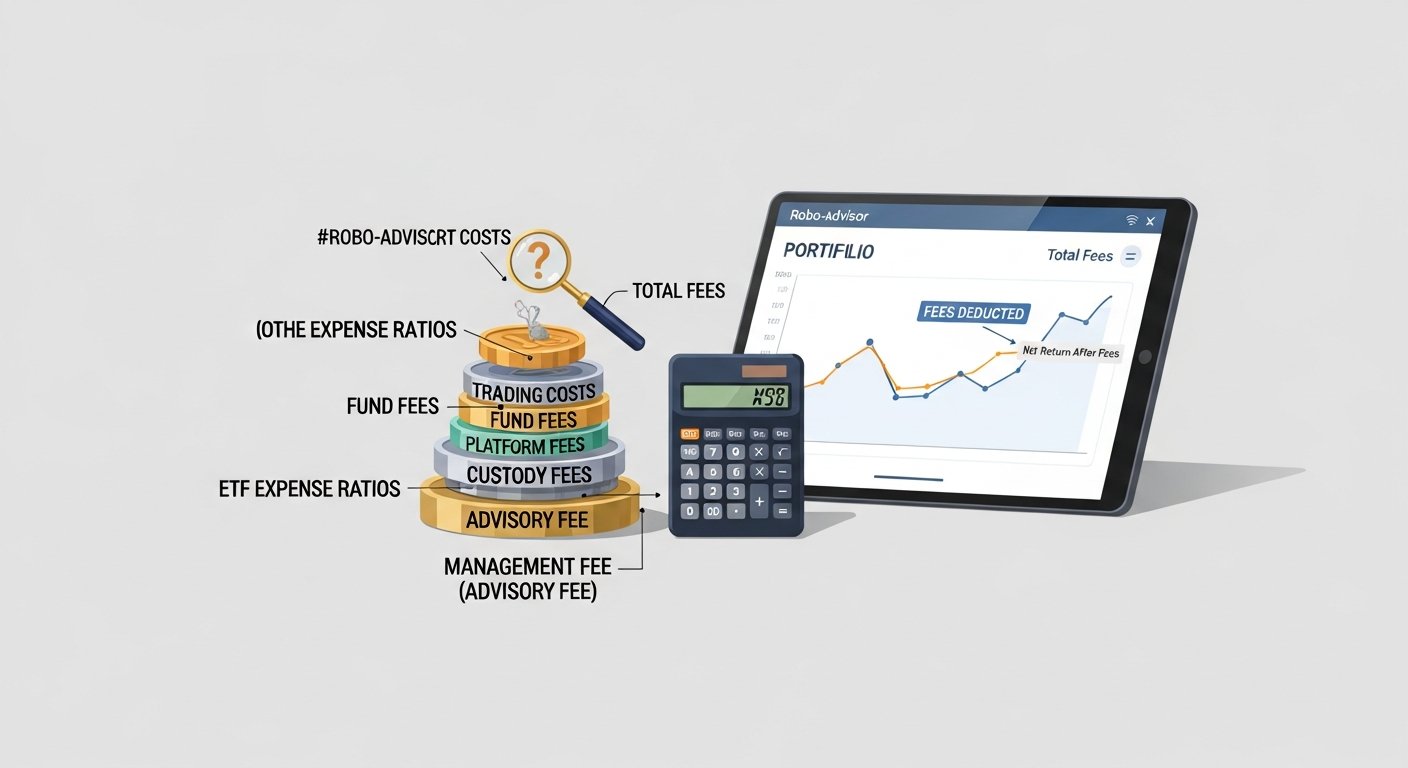
  • Fees and Charges: While many core budgeting features are free, some advanced functionalities or premium versions of standalone apps may come with a subscription fee. Understand any potential costs upfront to avoid surprises.

Maximizing Your Budgeting App’s Potential for Financial Success

Having a powerful budgeting app is just the first step; consistent engagement and smart usage are what truly unlock its potential. In 2026, these apps are more intelligent than ever, but they still require your active participation to deliver the best results. Here’s how to get the most out of your chosen tool:

  • Connect All Your Accounts: For a true picture of your financial health, link every bank account, credit card, investment portfolio, and loan account. This eliminates blind spots and provides a comprehensive net worth overview.
  • Regularly Review Your Spending: Don’t just set it and forget it. Dedicate a few minutes each week to review your recent transactions. This helps you understand where your money is actually going and identify areas for adjustment before overspending becomes a problem.
  • Set Realistic Goals: Whether it’s saving $500 for an emergency fund or paying off $1,000 in credit card debt, ensure your goals are specific, measurable, achievable, relevant, and time-bound (SMART). Your app can help you track progress and celebrate milestones.
  • Automate Savings: Utilize features like “round-ups” or scheduled transfers to savings accounts. “Paying yourself first” through automation is one of the most effective ways to build wealth without actively thinking about it.
  • Categorize & Re-categorize Diligently: While AI does a great job, sometimes it gets it wrong, or you might prefer a different categorization. Keep your data clean and accurate by quickly correcting any miscategorized transactions. This ensures your spending insights are truly reflective of your habits.
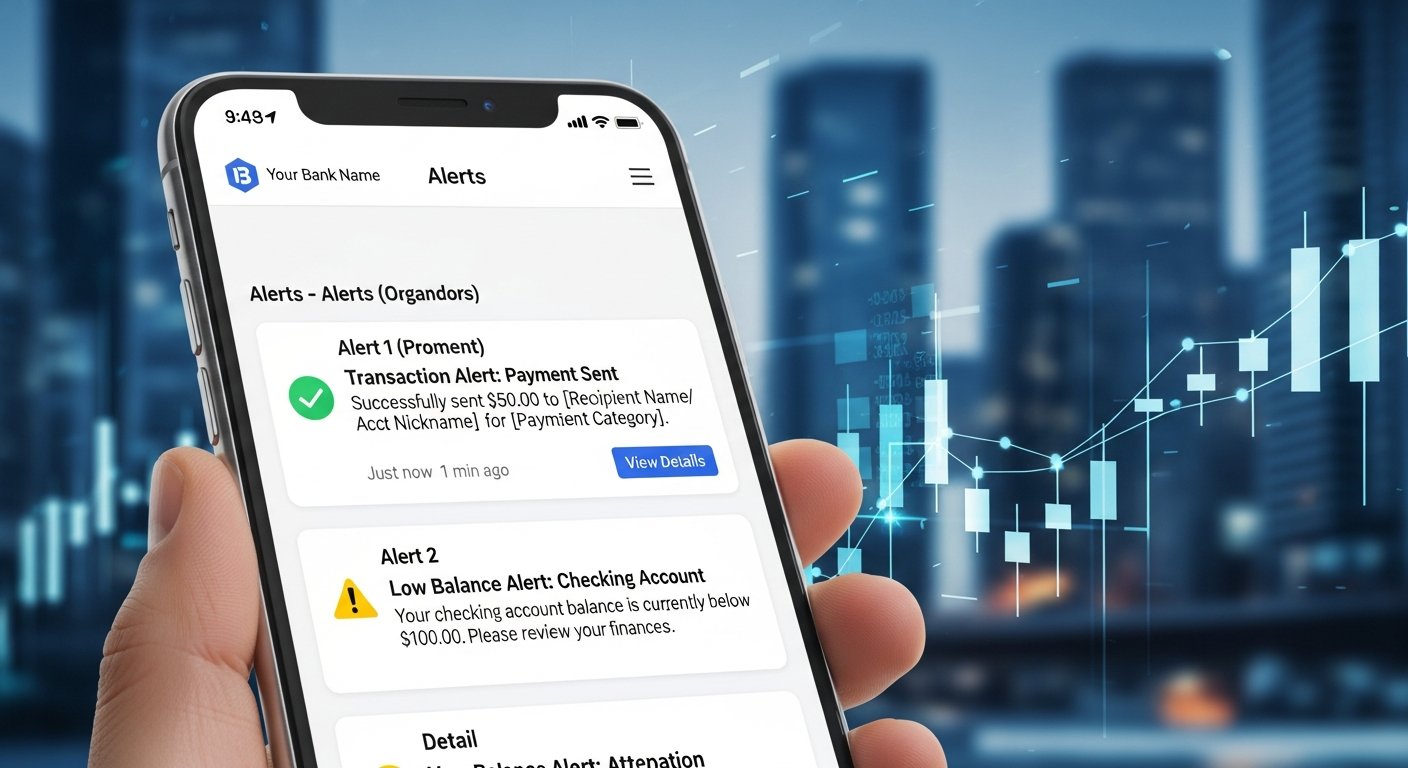
  • Utilize Alerts and Notifications: Turn on alerts for large transactions, upcoming bills, or when you’re nearing a budget limit. These real-time nudges can be incredibly effective in preventing financial missteps.
  • Engage with Insights and Recommendations: Many apps offer personalized insights or even AI-driven recommendations. Take the time to read and act on these suggestions, whether it’s identifying unused subscriptions or recommending a better savings rate.
  • Be Patient & Consistent: Budgeting is a long-term journey, not a sprint. There will be weeks or months where you go over budget. Don’t get discouraged. Learn from it, adjust your plan, and maintain consistency. The cumulative effect of diligent budgeting over time is truly transformative.

The Future of Mobile Banking and Budgeting Beyond 2026

As we look beyond 2026, the trajectory of mobile banking and budgeting tools points towards even greater sophistication, integration, and personalization. The future promises an even more seamless and intuitive financial management experience, moving towards a world where financial health is proactively maintained rather than reactively managed.

  • Hyper-Personalization and Predictive Financial Health: AI will become even more ingrained, offering hyper-tailored financial advice based on not just your spending, but also your life events, market conditions, and even psychological nudges. Apps will predict financial challenges before they arise, offering solutions to course-correct proactively.
  • Seamless Integration with Lifestyle and Smart Ecosystems: Imagine your banking app integrating with your smart home devices to optimize energy spending, or providing real-time carbon footprint tracking based on your purchases. Embedded finance will become even more ubiquitous, with banking services seamlessly integrated into non-financial platforms you use daily.
  • Advanced Security and Privacy: While security is already paramount, the future will see advancements like quantum-resistant encryption, even more sophisticated biometrics (e.g., behavioral biometrics), and blockchain-enhanced data integrity, offering unparalleled protection for your financial information.
  • Global Financial Management: As the world becomes more interconnected, mobile banking apps will offer even more robust multi-currency management, easier international payments, and tools for navigating cross-border financial regulations and investments with greater ease.
  • AI as a True Financial Advisor: The AI within your banking app won’t just track; it will evolve into a sophisticated, always-on financial advisor capable of complex scenario planning, tax optimization, and even basic investment management, democratizing access to high-quality financial guidance.

In 2026, mobile banking apps with integrated budgeting tools are no longer a luxury; they are a necessity for anyone serious about achieving financial freedom. From the agile innovation of neobanks to the fortified reliability of traditional institutions, the options are richer and more intelligent than ever before. By choosing the right app and actively engaging with its features, you can transform your relationship with money, gain unparalleled clarity, and build a more secure financial future. Fin3go encourages you to explore these tools and take the exciting step towards empowered personal finance.

Frequently Asked Questions

Are mobile banking apps with budgeting tools truly secure in 2026?
Yes, absolutely. Leading mobile banking apps, regardless of whether they are from traditional banks or neobanks, prioritize security above all else. In 2026, this means utilizing state-of-the-art encryption (including advancements to anticipate future threats), multi-factor authentication (MFA) via biometrics (fingerprint/face ID) and one-time passcodes, and continuous real-time fraud monitoring. They operate under stringent regulatory guidelines. However, users also play a role: always use strong, unique passwords, keep your app updated, and be vigilant against phishing attempts or suspicious links.
Can I link accounts from different banks to one budgeting app?
Yes, this is one of the most powerful features of many modern budgeting tools. Most top-tier standalone personal finance management (PFM) apps, and increasingly, even some neobanks and traditional banking apps, are designed to securely aggregate data from multiple financial institutions. This means you can link all your checking accounts, savings accounts, credit cards, investment portfolios, and even loan accounts from various providers into a single dashboard, giving you a truly comprehensive and holistic view of your entire financial landscape.
What’s the main difference between a neobank and a traditional bank app for budgeting?
In 2026, the lines are blurring, but core differences remain. Neobanks (e.g., fictional Zenith Digital Bank) are typically digital-only, excelling in user experience, cutting-edge features like advanced AI insights, instant notifications, and often lower fees or unique savings mechanisms. Their apps are built from the ground up for mobile. Traditional bank apps (e.g., fictional GlobalBank Elite Mobile), while rapidly catching up with sleek interfaces and integrated fintech, still offer the comfort of physical branches, a wider range of integrated products (like mortgages, complex loans), and a long-standing reputation of trust. Neobanks often appeal to tech-savvy users seeking innovation, while traditional banks might suit those who value comprehensive services and the option for in-person support.
How often should I check my budget in these apps for optimal results?
For optimal financial control and awareness, a quick check-in several times a week, or at least once a week, is highly recommended. This allows you to review recent transactions, ensure categorization accuracy, and quickly identify if you’re overspending in any category. A more detailed review monthly (e.g., before payday) is excellent for adjusting budget categories, setting new goals, and assessing your overall progress towards your financial objectives. Consistency is more important than frequency – find a rhythm that works for you and stick to it.