

Navigating Personal Loans with Bad Credit in 2026: Your Comprehensive Fin3go Guide
In the dynamic financial landscape of 2026, securing a personal loan can feel like a daunting task, especially when you’re grappling with a less-than-perfect credit score. Many people believe that bad credit automatically shuts the door on borrowing, but that’s simply not true. While challenging, obtaining a personal loan with bad credit is entirely possible, provided you know where to look, what steps to take, and how to present yourself as a responsible borrower.
At Fin3go, we understand that financial setbacks happen, and sometimes, a personal loan is precisely what you need to consolidate high-interest debt, cover an unexpected expense, or even invest in a personal project. This comprehensive guide will arm you with the knowledge and strategies necessary to navigate the personal loan market in 2026, helping you find viable options even when your credit history isn’t pristine. We’ll explore everything from understanding your credit score to identifying suitable lenders and ultimately, using your loan responsibly to rebuild your financial standing.
Understanding Bad Credit in 2026 and Its Impact on Lending
Before diving into loan options, it’s crucial to understand what “bad credit” truly means in the eyes of lenders in 2026. Your credit score, primarily calculated by models like FICO and VantageScore, is a three-digit number that summarizes your creditworthiness. While specific ranges can vary slightly, a FICO score below 580 is generally considered “poor,” and a score between 580 and 669 is typically seen as “fair.” Lenders use this score, alongside other factors, to assess the risk of lending you money. A lower score indicates a higher risk, often leading to:
- Higher Interest Rates: To compensate for the perceived risk, lenders will often charge significantly higher Annual Percentage Rates (APRs) on loans for bad credit borrowers. This means you’ll pay more over the life of the loan.
- Stricter Eligibility Criteria: You might encounter more stringent income requirements, longer employment history demands, or a need for collateral.
- Limited Loan Amounts: Lenders may be hesitant to offer large loan sums to individuals with poor credit, opting for smaller, more manageable amounts.
- Fewer Lender Options: Many traditional banks and credit unions, especially those with conservative lending policies, might not approve applicants with low credit scores.
In 2026, while financial technology continues to evolve, the core principles of credit assessment remain. Lenders are increasingly using advanced algorithms to assess risk, sometimes considering alternative data points beyond traditional credit scores. However, your credit report and score remain paramount. Understanding your current standing is the first critical step toward securing a personal loan.
Assessing Your Financial Landscape: Pre-Application Steps for Bad Credit
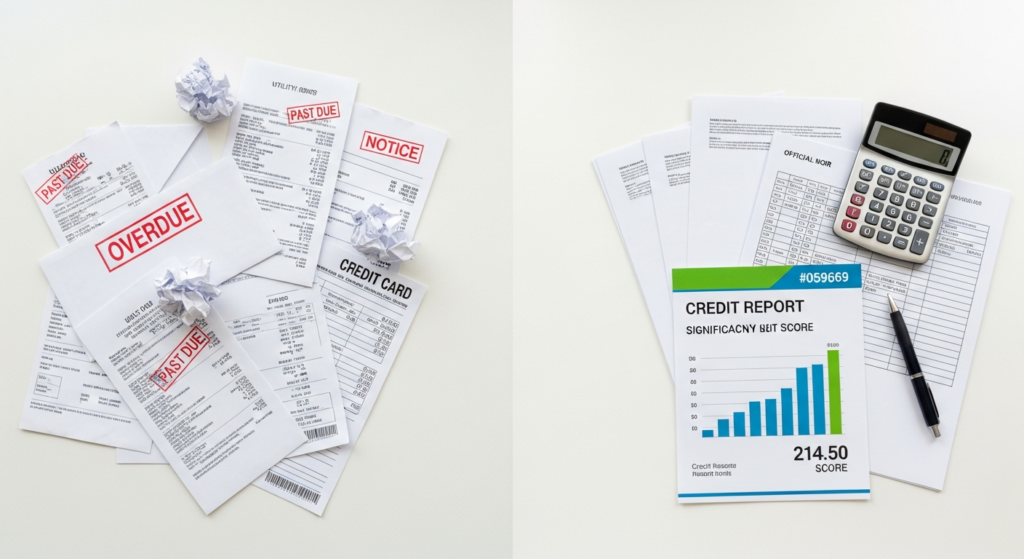
- 1. Obtain and Review Your Credit Reports: You are entitled to a free copy of your credit report from each of the three major credit bureaus (Equifax, Experian, and TransUnion) annually through AnnualCreditReport.com. Review these reports meticulously for errors. Disputing and correcting inaccuracies can often lead to a modest, but impactful, boost in your credit score.
- 2. Understand Your Credit Score: Beyond the report, know your actual score. Many banks and credit card companies offer free credit scores to their customers. Tools like Credit Karma or Experian also provide free access to your scores and credit monitoring. Knowing your score range will help you target appropriate lenders.
- 3. Calculate Your Debt-to-Income (DTI) Ratio: Your DTI ratio is the percentage of your gross monthly income that goes toward paying your monthly debt payments. Lenders use this to assess your ability to take on new debt. A lower DTI (ideally below 36%) is generally more attractive to lenders. Calculate yours: (Total Monthly Debt Payments / Gross Monthly Income) x 100.
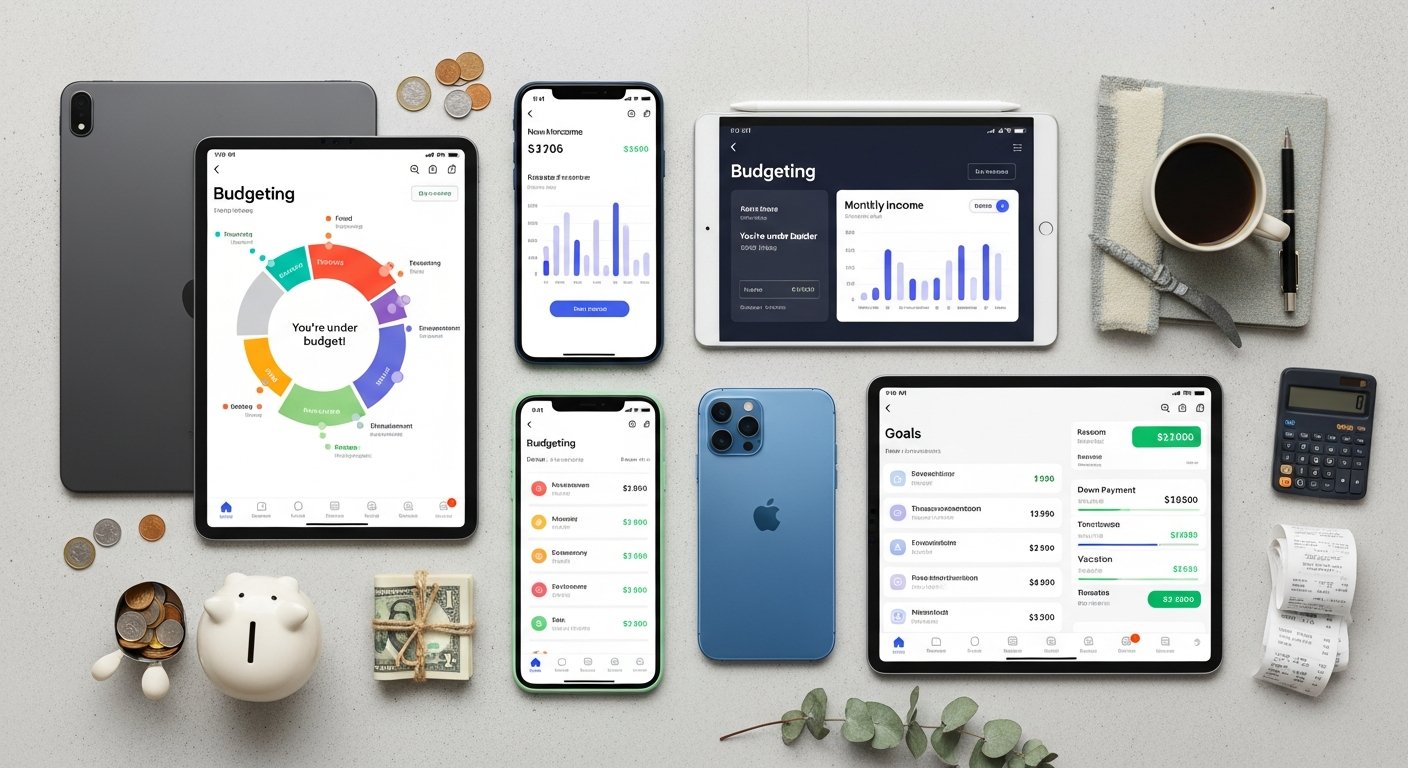
- 4. Create a Detailed Budget: Before taking on new debt, you must have a clear picture of your income and expenses. A budget will not only show you how much you can realistically afford for a loan payment but also demonstrate to a potential lender that you are financially responsible and have a plan for repayment.
- 5. Define Your Loan Purpose and Amount: Be clear about why you need the loan and exactly how much you need. Lenders prefer borrowers who have a clear plan for the funds. Borrowing only what you need will also help keep your monthly payments manageable.
Taking these proactive steps will not only prepare you for the application process but also help you make informed decisions about your financial future, leading to a more responsible borrowing experience in 2026.
Exploring Loan Options Designed for Bad Credit Borrowers in 2026
While traditional banks might be a tough sell, the good news is that the lending landscape in 2026 offers several avenues for individuals with bad credit. It’s about knowing where to look and understanding the nuances of each option:
Online Lenders Specializing in Bad Credit Loans:
These lenders often have more flexible underwriting criteria than traditional banks. They use advanced algorithms to assess creditworthiness, sometimes considering factors beyond just your credit score, such as employment history, income stability, and banking activity. Some popular examples (though specific lender availability and terms can change rapidly) often include platforms that cater specifically to borrowers with “fair” or “poor” credit. Always research reviews and check their licensing.
- Pros: Faster application and approval processes, more accessible with lower credit scores, often pre-qualification options without a hard credit check.
- Cons: Higher interest rates and fees compared to traditional loans, potential for predatory lenders if not researched carefully.
Secured Personal Loans:
A secured personal loan requires collateral – an asset you own that the lender can seize if you default on the loan. Common collateral includes a car title, savings account, or certificate of deposit. Because the lender’s risk is reduced, these loans are often easier to obtain with bad credit and may come with lower interest rates than unsecured options.
- Pros: Easier to qualify for, potentially lower interest rates, can help rebuild credit if paid responsibly.
- Cons: Risk of losing your asset if you default, still involves credit checks.
Co-Signed Personal Loans:
- Pros: Access to lower interest rates, higher loan amounts, and approval with bad credit.
- Cons: Puts the co-signer’s credit at risk, can strain relationships if repayment issues arise. Both parties are equally responsible for the debt.
Credit Unions:
Credit unions are non-profit organizations focused on their members. They often have more lenient lending standards than traditional banks and may be more willing to work with members who have bad credit, especially if you have an existing relationship with them. They also tend to offer more competitive rates.
- Pros: More personalized service, potentially lower interest rates and fees, willingness to consider unique financial situations.
- Cons: Requires membership (usually easy to obtain), loan amounts may be smaller.
Bad Credit-Specific Installment Loans:
These are different from payday loans. Installment loans are repaid over a set period with regular, fixed payments. While they cater to bad credit, they are typically less predatory than payday loans, though their interest rates can still be high. Always ensure the lender is transparent about all fees and terms.
Avoid: Payday loans and car title loans should generally be avoided. While easily accessible, they come with extremely high APRs (often 300% or more) and short repayment terms, trapping borrowers in a cycle of debt. Explore all other options before considering these.
Strategies to Boost Your Chances of Approval in 2026
Even with bad credit, you can take several proactive steps to present yourself as a more attractive borrower to lenders in 2026. These strategies focus on mitigating risk and demonstrating your commitment to repayment:
- 1. Showcase a Steady Income and Employment History: Lenders prioritize a stable income source. If you’ve been at your current job for a significant period or can demonstrate consistent income from self-employment, highlight this. Provide pay stubs, tax returns, or bank statements as proof. A strong income can sometimes offset a weaker credit score.
- 2. Lower Your Debt-to-Income (DTI) Ratio: As discussed, a high DTI signals you might be overextended. Before applying, try to pay down existing debts, especially credit card balances. Even a small reduction can make a difference. This shows lenders you have more disposable income to cover new loan payments.
- 3. Offer Collateral (Secured Loan): If you own a valuable asset like a car (free and clear), a savings account, or a CD, you can use it as collateral for a secured personal loan. This significantly reduces the lender’s risk and can improve your chances of approval, often at a lower interest rate.
- 4. Apply with a Co-Signer: As mentioned, a co-signer with good credit can dramatically improve your application. Ensure both you and your co-signer understand the full implications and responsibilities.
- 5. Demonstrate Financial Responsibility (Even with Bad Credit):
- On-Time Payments: If you have any open credit accounts (even small ones), ensure you make all payments on time, every time. This shows a commitment to financial obligations.
- Savings: Having some savings, even a modest emergency fund, can show financial prudence and stability.
- Clear Loan Purpose: A well-defined reason for the loan (e.g., medical emergency, debt consolidation) can be more appealing than a general “personal expenses” request.
- 6. Pre-Qualify Where Available: Many online lenders offer a “pre-qualification” process. This involves a soft credit inquiry (which doesn’t affect your credit score) and gives you an idea of the rates and terms you might qualify for. This allows you to compare offers without accumulating multiple hard inquiries on your credit report, which can further lower your score.
- 7. Be Realistic About Loan Amounts and Terms: With bad credit, you might not get the largest loan amount or the lowest interest rate. Be prepared to accept a smaller loan or higher APR initially. The goal is to get approved, build credit, and refinance later if possible.
By implementing these strategies, you can proactively address some of the concerns lenders have about bad credit borrowers and significantly enhance your loan application in 2026.
The Application Process: What to Expect and How to Prepare
Once you’ve assessed your financial situation and identified potential lenders in 2026, the next step is the application itself. While the specific requirements vary by lender, here’s a general overview of what to expect and how to prepare:
Gather Your Documents: Before starting, have these documents ready:
- Proof of Identity: Government-issued ID (driver’s license, passport).
- Proof of Address: Utility bill, lease agreement, bank statement.
- Proof of Income: Pay stubs (from the last 1-3 months), W-2s, tax returns (if self-employed), bank statements showing direct deposits.
- Bank Account Information: For direct deposit of funds and automatic payments.
- Social Security Number (SSN): Essential for credit checks.
- Co-signer Information (if applicable): Their personal and financial details.
Online vs. In-Person Applications:
- Online Lenders: Typically offer a streamlined, fully digital application process. You’ll fill out forms online, upload documents, and receive decisions quickly (sometimes within minutes). This is often the fastest route for bad credit loans.
- Credit Unions/Banks: May require an in-person visit or a more traditional paper application process. This can be beneficial if you prefer face-to-face interaction or need to discuss your unique situation.
What Lenders Look For Beyond Your Credit Score:
- Stable Income: Can you afford the monthly payments?
- Low Debt-to-Income Ratio: Do you have too much existing debt?
- Employment History: A stable job history signals reliability.
- Banking History: Lenders may review your bank statements for consistency, overdrafts, and responsible money management.
- Reason for the Loan: A clear, justifiable reason can add weight to your application.
Comparing Loan Offers:
Once you start receiving offers, don’t jump at the first one. Compare the following:
- Annual Percentage Rate (APR): This includes the interest rate plus any fees. It’s the true cost of borrowing. A lower APR is always better.
- Loan Term: How long do you have to repay the loan? Longer terms mean lower monthly payments but more interest paid overall. Shorter terms mean higher payments but less total interest.
- Monthly Payment: Can you comfortably afford this payment within your budget?
- Fees: Look for origination fees, late payment fees, prepayment penalties (though rare for personal loans), and any other hidden costs.
- Reputation of the Lender: Check reviews, ratings with the Better Business Bureau, and regulatory compliance.
Always read the fine print of any loan agreement before signing. Ensure you understand all terms and conditions, especially those related to interest accrual, late fees, and default consequences.
Understanding Loan Terms and Avoiding Pitfalls with Bad Credit Loans
Securing a loan with bad credit in 2026 is only half the battle; understanding its terms and avoiding common pitfalls is crucial for your financial health. High-interest rates and potentially aggressive lending practices for bad credit loans mean you need to be extra vigilant.
- Beware of Sky-High APRs: While bad credit loans will naturally have higher APRs than those for good credit, some lenders push the boundaries. Anything above 36% can quickly become unsustainable and is a red flag, especially for loans that aren’t specifically designed as last-resort, short-term solutions like certain credit-builder products. Always compare the APR, not just the monthly payment. A lower monthly payment over a much longer term can still mean significantly more interest paid overall.
- Watch Out for Excessive Fees:
- Origination Fees: A percentage of the loan amount charged upfront. While common, ensure it’s reasonable (typically 1-5%).
- Late Payment Fees: Understand the grace period and fee structure.
- Prepayment Penalties: While less common with personal loans, some lenders might charge a fee if you pay off the loan early. Ensure your loan doesn’t have this, as paying it off faster can save you a lot in interest.
- Understand the Repayment Schedule: Know exactly when your payments are due and how they will be made (e.g., automatic deduction from your bank account). Missing payments will further damage your credit and incur late fees.
- Differentiate Between Fixed and Variable Rates: Most personal loans have fixed rates, meaning your interest rate and monthly payment remain the same throughout the loan term. Variable rates can fluctuate with market conditions, making your payments unpredictable. For bad credit, a fixed rate is often safer.
- Avoid Predatory Lenders: In 2026, the digital landscape makes it easier for less reputable lenders to operate. Red flags include:
- Guaranteed approval without a credit check.
- Pressuring you to sign immediately.
- Charging upfront fees before you receive funds (beyond a standard origination fee taken from the disbursed amount).
- Aggressive marketing tactics or unsolicited calls/emails.
- Lack of transparency regarding terms and conditions.
- Not being licensed in your state.
- The Importance of the Loan Agreement: Always read the full loan agreement before signing. If anything is unclear, ask questions. Don’t be afraid to walk away if you don’t feel comfortable or if the terms seem too good (or bad) to be true.
By being diligent and informed, you can protect yourself from unfavorable terms and ensure your personal loan serves its intended purpose without leading to further financial strain.
Beyond the Loan: Rebuilding Your Credit for the Future in 2026
Securing and responsibly managing a personal loan with bad credit isn’t just about addressing an immediate financial need; it’s a powerful opportunity to improve your credit score for the future. As we move through 2026, rebuilding your credit is more important than ever for accessing better financial products and opportunities.
Here’s how responsibly managing your loan can pave the way for a stronger financial future:
- 1. Make On-Time Payments, Every Time: This is the single most important factor in your credit score (accounting for 35% of your FICO score). Every on-time payment reported to the credit bureaus demonstrates your reliability and builds positive payment history. Set up automatic payments to avoid missing due dates.
- 2. Pay More Than the Minimum (If Possible): If your budget allows, paying a little extra each month can help you pay off the loan faster, reduce the total interest paid, and free up your debt-to-income ratio sooner. While it doesn’t directly impact your credit score like on-time payments, it demonstrates financial discipline and helps you financially.
- 3. Don’t Take on More Debt: While you’re repaying your personal loan, resist the temptation to take on additional credit. This could strain your budget, make it harder to manage existing payments, and increase your DTI, which lenders dislike.
- 4. Keep Other Credit Accounts in Good Standing: Continue to make on-time payments on any other credit cards, student loans, or other debts you may have. Maintain low balances on credit cards (ideally below 30% of your credit limit) to keep your credit utilization ratio healthy.
- 5. Monitor Your Credit Regularly: Continue to check your credit reports and scores periodically. Look for signs of improvement and ensure there are no new errors or fraudulent activities. Services like Credit Karma, Credit Sesame, or your bank’s credit monitoring tools are excellent for this.
- 6. Diversify Your Credit Mix (Gradually): Once your score starts to improve, consider gradually adding different types of credit (e.g., a secured credit card or a small credit-builder loan if you don’t already have one, once the personal loan is being managed well). A mix of installment loans and revolving credit can positively impact your score over time.
By diligently following these steps after securing your personal loan, you’ll not only successfully repay your current debt but also lay a solid foundation for a significantly improved credit score, opening doors to better financial products and opportunities in 2026 and beyond.
Navigating the world of personal loans with bad credit in 2026 requires patience, diligence, and a strategic approach. While the path might have more obstacles and higher costs than for those with excellent credit, it is by no means impossible. By understanding your credit situation, exploring tailored loan options, bolstering your application with smart strategies, and meticulously managing your repayment, you can secure the funding you need. More importantly, using this opportunity to make consistent, on-time payments will be a powerful step towards rebuilding your credit and achieving greater financial freedom in the future. Remember, Fin3go is here to empower you with the knowledge to make informed financial decisions every step of the way.
Frequently Asked Questions About Personal Loans with Bad Credit in 2026
Q1: What is considered “bad credit” for a personal loan in 2026?
A1: While specific lender criteria vary, a FICO score below 580 is generally considered “poor,” and a score between 580 and 669 is often deemed “fair.” Lenders typically view scores in these ranges as “bad credit,” leading to higher interest rates and more stringent requirements for personal loans.
Q2: Can I get an unsecured personal loan with very bad credit without a co-signer or collateral?
A2: It’s significantly more challenging. Most lenders offering unsecured personal loans to individuals with very bad credit (e.g., FICO under 580) will require either a co-signer or collateral to mitigate their risk. Some online lenders might consider applicants based on income and employment stability, but they often charge very high interest rates. It’s advisable to explore secured options or co-signer loans first to get better terms and improve your chances of approval.
Q3: How quickly can I get a personal loan with bad credit in 2026?
A3: The speed of approval and funding largely depends on the lender. Online lenders specializing in bad credit loans often offer very quick processing, with pre-qualification decisions in minutes and funds disbursed within 1-2 business days. Traditional banks or credit unions might take longer, ranging from a few days to a week or more. Having all your required documents ready before applying can expedite the process significantly.
Q4: Will applying for multiple bad credit loans hurt my credit score further?
A4: Yes, applying for multiple loans in a short period can negatively impact your credit score. Each “hard inquiry” (when a lender pulls your full credit report to assess your application) can temporarily lower your score by a few points. It’s best to use pre-qualification options (which use soft inquiries and don’t affect your score) to compare rates from multiple lenders before committing to a full application.