




How to Build Credit from Scratch in 2026: Your Ultimate Beginner’s Guide
Welcome to Fin3go, your trusted source for personal finance wisdom. In today’s interconnected financial world, your credit score is more than just a number; it’s a powerful tool that opens doors – or keeps them shut. Whether you’re a recent graduate, new to the country, or simply haven’t needed credit until now, starting from square one can feel daunting. But fear not! Building credit from scratch in 2026 is entirely achievable with the right strategies and a bit of patience. This comprehensive guide will walk you through every step, equipping you with the knowledge to establish a strong credit foundation for your future.
By the time you finish this article, you’ll understand why credit matters, how to get started even with no history, and the smart habits that will propel your credit score upwards. Let’s dive into creating a robust financial future, starting now!
Why Your Credit Score is Crucial in 2026
In 2026, a healthy credit score is more important than ever. It’s not just about getting a mortgage or a car loan anymore. Lenders, landlords, insurance companies, and even some employers use your credit history to assess your financial responsibility. A strong credit score can lead to:
- Lower Interest Rates: For mortgages, car loans, and personal loans, a higher credit score often translates to significantly lower interest rates, saving you thousands over the life of the loan.
- Easier Loan Approval: Lenders see you as a lower risk, making it simpler to get approved for the financing you need.
- Better Rental Opportunities: Many landlords check credit reports. Good credit can help you secure the apartment or home you desire, sometimes even at a better rate.
- Favorable Insurance Premiums: In many regions, your credit-based insurance score can impact how much you pay for auto and home insurance.
- Utility Account Access: Sometimes, establishing new utility accounts (electricity, gas, internet) requires a credit check, or you might need to pay a larger deposit without established credit.
- Emergency Preparedness: Access to lines of credit or low-interest personal loans can be a lifesaver during unexpected financial emergencies.
Understanding these benefits underscores the importance of actively building and maintaining good credit, even if you don’t anticipate needing a major loan right away.
Understanding the Credit Landscape: FICO, VantageScore, and Key Factors
- Payment History (approx. 35%): This is the single most important factor. Paying your bills on time, every time, is paramount. Late payments, collections, or bankruptcies will severely damage your score.
- Credit Utilization (approx. 30%): This refers to the amount of credit you’re using compared to your total available credit. Keeping this ratio low (ideally below 30%, but even better below 10%) shows lenders you’re not over-reliant on credit. For example, if you have a credit card with a $1,000 limit, try to keep your balance below $300.
- Length of Credit History (approx. 15%): The longer your credit accounts have been open and in good standing, the better. This demonstrates a track record of responsible borrowing.
- Credit Mix (approx. 10%): Having a healthy mix of different types of credit (e.g., a credit card, a small personal loan, potentially a student loan) can positively impact your score, showing you can manage various credit products.
- New Credit (approx. 10%): Opening multiple new credit accounts in a short period can be seen as risky. Each hard inquiry (when a lender checks your credit for an application) can temporarily lower your score by a few points.
Knowing these factors empowers you to make strategic decisions as you embark on your credit-building journey. While perfect scores range from 800-850, a “good” score typically starts around 670, and “excellent” from 740 upwards.
Your First Steps: Getting Started with No Credit History
The paradox of building credit is that you often need credit to get credit. Fortunately, several proven paths exist for those starting with a blank slate in 2026.
1. Secured Credit Cards: The Beginner’s Best Friend
A secured credit card is one of the most effective ways to build credit from scratch. Here’s how it works:
- Deposit Required: You provide a cash deposit (e.g., $200-$500) to the issuer, which typically becomes your credit limit. This deposit secures the card and acts as collateral.
- Builds Credit: The card functions like a regular credit card. You make purchases, receive a statement, and make payments. Crucially, your activity is reported to the three major credit bureaus (Equifax, Experian, TransUnion).
- Responsible Use is Key: Pay your balance in full and on time every month. Keep your credit utilization low.
- Graduation Potential: After 6-12 months of responsible use, many issuers will “graduate” you to an unsecured card, refund your deposit, and potentially increase your credit limit.
Fin3go Tip (2026): Look for secured cards with low or no annual fees and a clear path to graduation. Major banks and credit unions are good places to start your search, as they often offer competitive terms.
2. Credit Builder Loans: Building Credit While Saving
A credit builder loan is a unique financial product designed specifically for those with no credit or poor credit. It flips the traditional loan model:
- How it Works: Instead of receiving a lump sum upfront, the loan amount (e.g., $500-$1,000) is held in a locked savings account or Certificate of Deposit (CD) by the lender.
- Make Payments: You then make regular, fixed payments on the loan over a set period (e.g., 6-24 months).
- Reports to Bureaus: Each on-time payment is reported to the credit bureaus.
- Receive Funds: Once the loan is fully paid off, you receive access to the original loan amount (plus any interest earned if it’s an interest-bearing account).
Fin3go Insight (2026): Credit builder loans are excellent for establishing payment history while simultaneously building savings. Many credit unions and some fintech lenders specialize in these products. Ensure the lender reports to all three major credit bureaus.
3. Becoming an Authorized User: Leverage Someone Else’s Good Credit
If you have a trusted family member or friend with excellent credit, they might be willing to add you as an authorized user on one of their credit card accounts.
- The Benefits: When you’re added as an authorized user, that account’s payment history and credit limit (and often its entire credit history) can appear on your credit report, boosting your nascent score.
- Important Considerations:
- The primary cardholder is ultimately responsible for all charges.
- Ensure the primary user has a long, positive credit history and consistently pays on time. Their mistakes can become your mistakes on your credit report.
- Discuss spending limits and responsibilities clearly, even if you never use the card physically.
Fin3go Caution (2026): This strategy only works if the primary cardholder is financially responsible. Choose wisely and ensure they are comfortable with the arrangement.
The Pillars of Responsible Credit Management
Once you’ve opened your first credit account, the real work (and reward) begins. Consistent, responsible management is key to building a strong credit score. These principles hold true in 2026 and beyond:
1. Pay On Time, Every Time
As highlighted earlier, payment history is king. Set up automatic payments or calendar reminders to ensure you never miss a due date. Even a single late payment (30+ days past due) can significantly ding your score and remain on your report for up to seven years. If you anticipate difficulty making a payment, contact your lender immediately; they may offer hardship options.
2. Keep Credit Utilization Low
Aim to use less than 30% of your available credit on any given card, but ideally, strive for under 10%. If your secured card has a $300 limit, try to keep your balance below $30. If you do use more, make extra payments throughout the month to reduce the reported balance to the credit bureaus. This demonstrates that you can manage credit without maxing out your lines.
3. Don’t Close Old Accounts (Generally)
The length of your credit history matters. As your first credit accounts age, they become valuable assets to your credit profile. Closing older accounts, especially your first ones, can shorten your average age of accounts and negatively impact your score. Even if you don’t use a card frequently, consider keeping it open and making a small, occasional purchase (which you then pay off immediately) to keep it active and contributing positively.
4. Monitor Your Credit Report Regularly
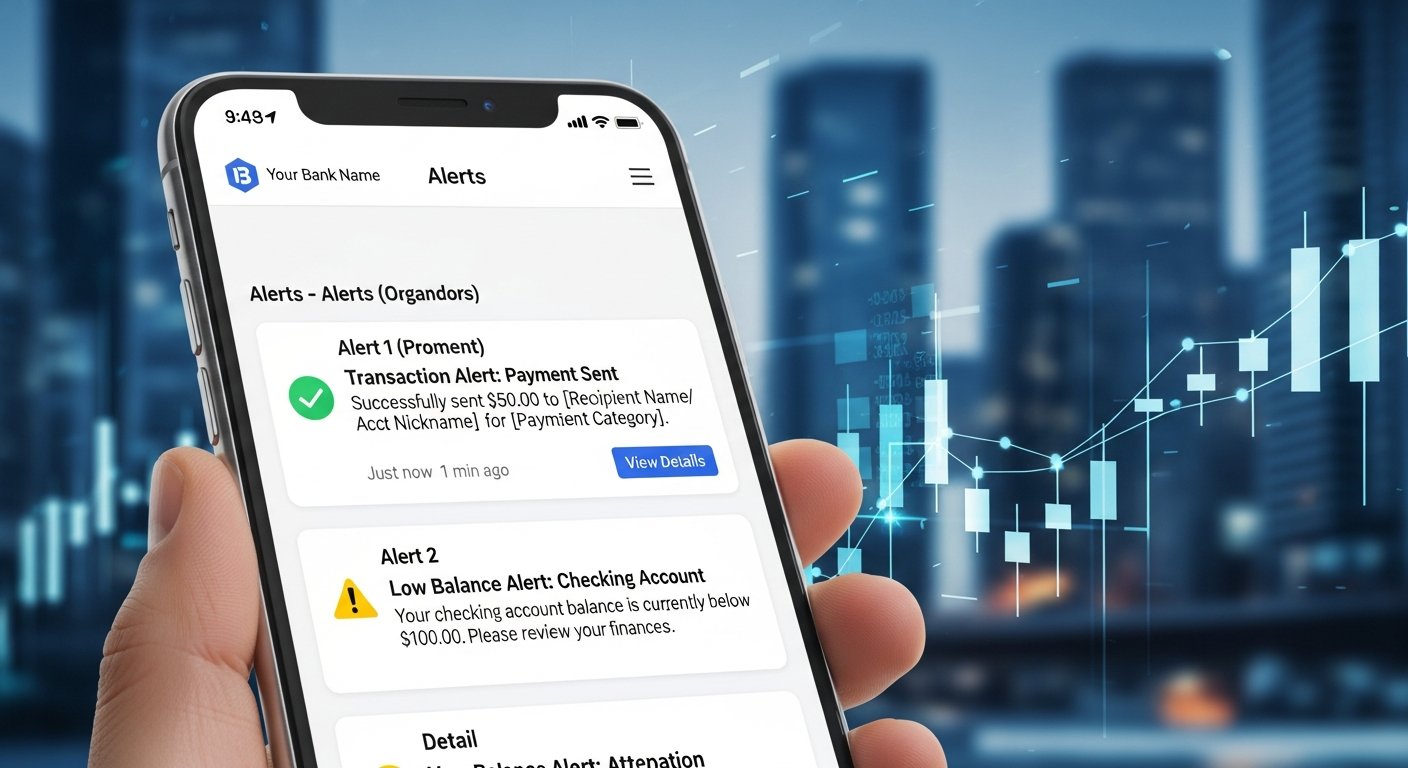
In 2026, it’s easier than ever to keep tabs on your credit. You are legally entitled to a free copy of your credit report from each of the three major bureaus once every 12 months via AnnualCreditReport.com. Utilize this to check for errors, fraudulent activity, or unexpected account closures. Many credit card companies and financial apps also offer free credit score monitoring services (e.g., FICO Score, VantageScore) that refresh monthly, providing ongoing insights without harming your score.
Diversifying Your Credit Portfolio and Leveraging 2026 Fintech
Graduating to Unsecured Credit Cards
After proving your responsibility with a secured card, you’ll likely be eligible for entry-level unsecured credit cards. These cards don’t require a deposit and often come with better rewards or benefits. Apply for one at a time, spacing out applications by several months to avoid too many hard inquiries.
Consider Small Installment Loans (If Needed)
If you genuinely need a small loan for a specific purpose (e.g., a necessary appliance repair, a minor home improvement), a small personal loan can add to your credit mix. Ensure you can comfortably afford the monthly payments and that the interest rate is reasonable. Avoid taking out loans you don’t need simply to build credit.
Leveraging 2026 Fintech and Alternative Data
The financial technology (fintech) landscape in 2026 offers new avenues for credit building:
- Rent and Utility Reporting Services: Services like Experian Boost (and similar offerings from competitors or independent platforms) can allow you to add positive payment history from rent, utility bills, and even streaming services to your credit report. This uses “alternative data” to potentially lift your score without traditional credit accounts.
- AI-Powered Budgeting and Payment Reminders: Many fintech apps in 2026 integrate AI to help you manage your finances, predict cash flow, and send proactive reminders for bill payments, drastically reducing the chance of a missed payment.
- Careful with Buy Now, Pay Later (BNPL): While BNPL services (like Afterpay or Klarna) are popular, their impact on credit is evolving. Some services now report payment history to credit bureaus, which can be beneficial, but others do not. Defaulting on BNPL payments can severely damage your credit. Use them responsibly and understand how they interact with your credit report before committing.
- Newer Scoring Models: Some niche lenders and fintechs are experimenting with alternative credit scoring models that consider non-traditional data (like banking history, education, or employment status) for loan approvals, offering options for those with thin credit files. While FICO/VantageScore remain dominant, these new models can provide supplementary access to credit.
Building credit from scratch in 2026 is a journey, not a sprint. It requires discipline, patience, and a strategic approach. By starting with secured products, meticulously managing your payments and utilization, and leveraging modern financial tools, you can establish a robust credit profile that serves you well for years to come. Remember, every on-time payment and smart financial decision contributes to your ultimate goal of financial freedom and opportunity.