




Best Credit Cards for First-Time Applicants in 2026: Your Essential Guide to Building Strong Credit

Welcome to Fin3go, your trusted source for personal finance wisdom. If you’re an adult embarking on your financial journey in 2026, understanding how to wisely acquire and manage your first credit card is paramount. A credit card isn’t just a tool for spending; it’s a powerful instrument for building a robust credit history, which will unlock significant financial opportunities throughout your life—from securing a mortgage to financing a car, and even impacting insurance rates or employment opportunities.

In an increasingly digitized financial landscape, having a good credit score is more important than ever. For first-time applicants, the world of credit cards can seem daunting, filled with jargon and countless options. Our comprehensive guide is designed to demystify the process, highlighting the best credit cards tailored for beginners in 2026 and offering practical advice to help you establish a strong financial foundation. Let’s explore how to make an informed choice and kickstart your credit journey responsibly.

Why Your First Credit Card Matters More Than Ever in 2026

In the current financial climate of 2026, a healthy credit history is a non-negotiable asset. Lenders, landlords, and even some employers rely on your credit report and score to assess your financial responsibility. For someone with no credit history, often referred to as having a “thin file,” accessing essential services can be challenging. Your very first credit card serves as the initial building block for this crucial financial identity.

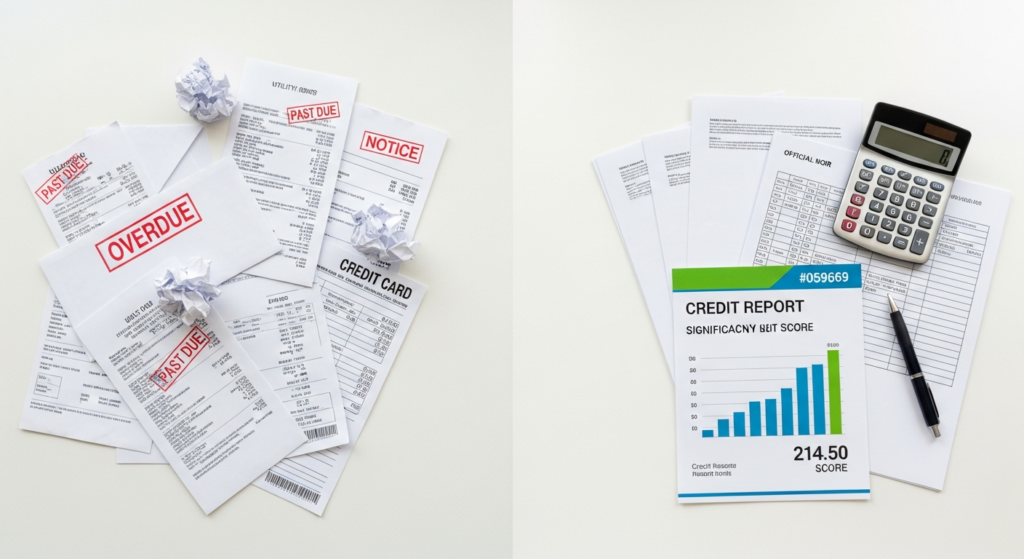
Think of it as your financial resume. Every time you use your credit card responsibly—making payments on time, keeping your balances low—you’re adding positive entries to your credit report. This information is then compiled into a credit score, a three-digit number that summarizes your creditworthiness. A higher score signifies lower risk to lenders, leading to better interest rates on loans, higher credit limits, and easier approval for financial products.

Furthermore, a credit card offers practical benefits beyond credit building. It provides a convenient payment method, often with fraud protection that surpasses debit cards. In an emergency, a credit card can offer a crucial financial safety net, provided it’s used judiciously and paid off quickly. By the time 2026 rolls around, digital payment methods continue to evolve, and credit cards are seamlessly integrated into apps, online shopping, and touch-to-pay systems, making them an indispensable part of modern commerce. Choosing the right first card ensures you start this journey with the best tools and habits.

Decoding First-Time Credit Card Options: Secured, Unsecured, and Student Cards

Money Tip

For first-time applicants, the credit card market in 2026 primarily offers a few distinct pathways to establish credit. Understanding these categories is key to choosing the card that best fits your current financial situation and goals.

Secured Credit Cards

Secured credit cards are often the most accessible option for individuals with no credit history or a poor credit score. They require you to provide a cash deposit, which typically becomes your credit limit. This deposit acts as collateral, significantly reducing the risk for the issuer.

  • How they work: You deposit, say, $300, and your credit limit becomes $300. You use the card like any other credit card, making purchases and monthly payments.
  • Reporting: Crucially, secured cards report your payment activity to the major credit bureaus (Experian, Equifax, TransUnion). This is how you build credit history.
  • Transition to Unsecured: Many secured cards offer a path to an unsecured card after a period of responsible use (e.g., 6-12 months of on-time payments). Your deposit may then be returned.
  • Pros: High approval rates, excellent for building credit from scratch, teaches responsible credit habits.
  • Cons: Requires an upfront cash deposit, credit limit is tied to your deposit, may have annual fees.

Unsecured Credit Cards for Limited or No Credit History

While less common for absolute beginners, some financial institutions in 2026 offer unsecured credit cards specifically designed for individuals with limited or no prior credit history. These cards do not require a security deposit.

  • How they work: They function like traditional credit cards, offering a credit limit based on your income and other factors, without collateral.
  • Approval Criteria: Issuers typically look for other indicators of financial stability, such as a steady income, a solid banking relationship, or a co-signer.
  • Pros: No deposit required, can offer rewards programs, immediate access to a traditional credit line.
  • Cons: Stricter approval requirements than secured cards, potentially higher interest rates, lower initial credit limits.

Student Credit Cards

If you’re enrolled in an accredited higher education institution in 2026, a student credit card can be an excellent entry point. These are unsecured cards tailored for college students, recognizing their future earning potential despite a current lack of credit history.

  • How they work: Similar to other unsecured cards, but with more lenient approval criteria, often requiring proof of enrollment.
  • Features: Many offer student-specific benefits like rewards on school supplies, good grades bonuses, or flexible payment options during academic breaks.
  • Pros: No deposit, designed for students, often come with educational resources on credit management.
  • Cons: Lower credit limits, may have annual fees (though many are fee-free), still require responsible use to avoid debt.

Understanding these foundational types will empower you to identify the best fit for your financial situation and goals as you navigate the options available in 2026.

Top Secured Credit Cards for Beginners in 2026

For many first-time applicants in 2026, a secured credit card will be the most straightforward path to establishing credit. While specific product names can change, the characteristics of a great secured card remain consistent. When evaluating secured options, look for the following features:

  • Low or No Annual Fee: An annual fee eats into your budget, especially when you’re just starting. Aim for cards with no annual fee or a very low one.
  • Reporting to All Three Major Credit Bureaus: This is crucial. Ensure the card issuer reports your payment activity to Experian, Equifax, and TransUnion to build a comprehensive credit history.
  • Clear Path to Unsecured: The best secured cards offer an upgrade path. After demonstrating responsible usage for a period (e.g., 6-12 months), the issuer may review your account and convert it to an unsecured card, returning your deposit.
  • Flexible Deposit Options: Look for cards that allow you to set your own credit limit with your deposit, often starting as low as $200-$300. Some even allow for increasing your deposit over time to boost your credit limit.
  • No Hard Credit Check for Application: While rare for most cards, some secured cards might offer a pre-qualification process that doesn’t impact your credit score, or they might not conduct a hard inquiry upon application for the secured product itself.

Examples of what to look for (hypothetical for 2026):

  • The “Fin3go Credit Builder Secured Card”: This type of card would likely feature no annual fee, a minimum deposit of $200, and a well-defined path to an unsecured version after six months of on-time payments. It would emphasize comprehensive credit bureau reporting and provide access to free credit score monitoring tools.
  • The “Reliable Bank Secured Mastercard/Visa”: Often offered by traditional banks, these cards typically have a slightly higher minimum deposit (e.g., $300-$500) but come with the assurance of a reputable institution. They usually report to all bureaus and might offer competitive interest rates once you transition to an unsecured product.
  • The “Digital Fintech Secured Card”: Newer fintech companies in 2026 are likely to offer secured cards with advanced features like instant approval (upon deposit), robust mobile app management, and potentially even micro-deposit options. These are often geared towards tech-savvy users seeking convenience.

Remember, the goal with a secured card is to use it responsibly to demonstrate your creditworthiness. Focus on making small purchases you can pay off in full every month, ideally before your statement closing date.

Navigating Unsecured Credit Cards with Limited or No Credit History (2026)

While secured cards are the most common starting point, some first-time applicants in 2026 might qualify for an unsecured credit card designed for those with limited credit. These cards don’t require a security deposit, but they generally have stricter approval criteria than their secured counterparts.

Issuers of these cards look for alternative indicators of financial responsibility when a traditional credit history is absent. These can include:

  • Steady Income: Proof of regular employment or other verifiable income sources is crucial.
  • Banking Relationship: Having an existing checking or savings account with the issuing bank can sometimes aid approval.
  • Student Status: As mentioned, student-specific unsecured cards exist.
  • Co-signer: A parent or trusted individual with good credit history can co-sign, taking on joint responsibility for the debt. This can significantly increase your chances of approval, but it’s a serious commitment for both parties.
  • Pre-qualification Tools: Many lenders in 2026 offer online tools where you can check for pre-qualification without impacting your credit score. This allows you to see your approval odds before officially applying.

What to look for in an unsecured card for limited credit (hypothetical for 2026):

  • No Annual Fee: Even more important for unsecured cards, as you’re not getting a deposit back.
  • Reasonable APR: While you should always aim to pay your balance in full, a lower APR is beneficial in case of an emergency.
  • Credit Limit Growth Potential: Look for cards that explicitly state they review accounts for credit limit increases after responsible usage.
  • Credit Building Tools: Many cards in this category offer free FICO score access, credit education resources, or alerts for suspicious activity.

Examples of what to look for (hypothetical for 2026):

  • The “NextStep Unsecured Card”: This card might target individuals with a steady entry-level job. It would feature no annual fee, a modest starting credit limit (e.g., $500-$1000), and a promise of credit limit reviews after 6-12 months of on-time payments. It would likely have an above-average APR, common for limited-credit products.
  • The “Community Bank Starter Card”: Local banks and credit unions often have more flexible underwriting for their members. These cards might offer a slightly better APR or higher initial limit if you have an established relationship with them.
  • The “Fintech Boost Card”: Newer fintechs might leverage alternative data (like rent payments or utility payments) to assess creditworthiness for unsecured cards, broadening access beyond traditional metrics in 2026. These might come with innovative mobile app features for spending insights.

Always read the terms and conditions carefully before applying for any unsecured card, paying close attention to fees, interest rates, and any specific requirements.

Student Credit Cards: A Smart Start for College-Goers in 2026

For college and university students in 2026, a student credit card offers a tailored entry into the world of credit. These cards are specifically designed to accommodate the unique financial situation of students, who often have limited income and no credit history, but substantial future earning potential.

To qualify for a student credit card, you’ll typically need to:

  • Be enrolled in an accredited two- or four-year college or university.
  • Provide proof of enrollment (e.g., student ID, transcript, course registration).
  • Have a verifiable source of income (this can include scholarships, grants, part-time job income, or even an allowance from parents if it’s consistently received).
  • Be 18 years or older. If you’re under 21, you’ll generally need proof of independent income or a co-signer.

Key features to seek in a student credit card in 2026:

  • No Annual Fee: Essential for keeping costs down while you’re focused on your studies.
  • Student-Friendly Rewards: Look for rewards tailored to student life, such as bonus cash back on dining, gas, textbooks, or online streaming services. Some cards might even offer a “good grades” bonus.
  • Credit Limit Reviews: The ability to get a credit limit increase after responsible use is valuable as your financial situation potentially improves post-graduation.
  • Educational Resources: Many student card issuers provide tools and articles to help you understand credit reports, scores, and responsible spending habits.
  • Fraud Protection: Standard across most reputable cards, but especially important for students who might be newer to managing their own finances.

Examples of what to look for (hypothetical for 2026):

  • The “Campus Cash Rewards Card”: This type of card would offer 1-2% cash back on all purchases, with potential bonus categories like food delivery or bookstore purchases. It would boast no annual fee and perhaps a small sign-up bonus after your first purchase.
  • The “Future Builder Student Card”: Focus would be on credit building with this card. It might offer free access to your FICO score, monthly credit utilization reports, and a clear path to an unsecured “graduate” card with a higher limit after demonstrating responsible use.
  • The “Travel Bug Student Card”: For students with an eye on study abroad or travel, this card might offer no foreign transaction fees and small travel-related rewards, though these are less common for entry-level student cards.

Student credit cards are an excellent way to start building credit early. However, the same rules apply: pay your balance in full and on time every month, and keep your credit utilization low. Avoid the temptation to overspend, as student loan debt is often enough of a burden without adding credit card debt.

Key Considerations Before You Apply for Your First Credit Card

Before you hit “apply” on any credit card offer in 2026, take a moment to consider these crucial factors. Making an informed decision now can save you headaches and financial setbacks later.

1. Your Financial Readiness:
* Income: Do you have a steady, verifiable source of income? Even if it’s part-time, most lenders require some income to ensure you can make payments.
* Emergency Fund: Ideally, you should have a small emergency fund (even a few hundred dollars) saved up before getting a credit card. This prevents you from relying on your credit card for unexpected expenses and accumulating debt.
* Budgeting: Do you have a budget in place? Understanding where your money goes is essential for managing credit card spending responsibly.

2. Card Features and Fees:
* Annual Fee: As emphasized, aim for no annual fee cards, especially for your first one.
* Interest Rate (APR): While you should always pay your balance in full, note the APR. It’s the cost of carrying a balance, and it can be high for beginner cards.
* Other Fees: Check for late payment fees, foreign transaction fees (if you plan to travel), and cash advance fees.
* Credit Limit: For first-timers, limits are usually low (e.g., $200-$1000). Focus on responsible usage, not the limit itself.

3. Credit Bureau Reporting:
* Confirm that the card issuer reports to all three major credit bureaus (Experian, Equifax, TransUnion). This is non-negotiable for credit building.

4. Application Process and Requirements:
* Pre-qualification: Use pre-qualification tools to gauge your approval odds without impacting your credit score.
* Required Documentation: Be prepared to provide proof of identity (driver’s license, passport), address, and income. For students, proof of enrollment is necessary.
* Credit Check Impact: Understand that a formal application usually involves a “hard inquiry,” which can temporarily ding your credit score by a few points. Avoid applying for multiple cards at once.

5. Long-Term Goals:
* Path to Unsecured: If you’re getting a secured card, does it offer a clear path to an unsecured card?
* Rewards: While not the primary focus for a first card, some entry-level cards offer modest rewards. Consider if these align with your spending habits.
* Customer Service: A responsive and helpful customer service team can be invaluable, especially when you’re new to credit.

By thoroughly evaluating these factors, you can select a credit card that not only helps you build credit effectively but also aligns with your overall financial well-being in 2026.

Building a Strong Credit Foundation: Best Practices for 2026 and Beyond

Getting your first credit card is just the beginning. The true power lies in how you manage it. Developing responsible credit habits from day one will set you up for financial success not just in 2026, but for decades to come.

Here are the best practices for using your first credit card wisely:

1. Pay Your Bill On Time, Every Time: This is the single most important factor in your credit score, accounting for 35% of your FICO score.
* Set up automatic payments for at least the minimum amount due.
* Better yet, set up automatic payments for the full statement balance to avoid interest charges entirely.
* Consider setting calendar reminders for payment due dates.

2. Keep Your Credit Utilization Low: This is the second most important factor, making up 30% of your FICO score. Credit utilization refers to the amount of credit you’re using compared to your total available credit.
* The “30% Rule”: Aim to keep your balance below 30% of your credit limit. For example, if your limit is $500, try not to carry a balance over $150.
* The “Optimal 10% Rule”: For excellent credit building, aim for even lower, around 1-10% utilization.
* Pay Before the Statement Closes: Even if you pay your bill in full by the due date, if a high balance is reported to the credit bureaus before you pay it off, it can temporarily impact your score. Make a payment (or multiple payments) throughout the month to keep the reported balance low.

3. Don’t Close Your Oldest Accounts (Eventually): Once you’ve had your first card for a while and potentially upgraded, don’t rush to close it. The length of your credit history (15% of your FICO score) is positively impacted by older accounts. Keep them open and use them occasionally to maintain activity, if they don’t have an annual fee.

4. Monitor Your Credit Regularly:
* Free Credit Reports: By 2026, you can still get a free copy of your credit report from each of the three major bureaus once a year via AnnualCreditReport.com. Stagger these requests to check your report every four months.
* Credit Monitoring Services: Many credit cards and banks offer free access to your credit score or credit monitoring services. Utilize these to track your progress and spot any errors or suspicious activity early.
* Review Your Statements: Scrutinize your monthly credit card statements for accuracy and unauthorized charges.

5. Avoid Accumulating Debt: A credit card is not free money. Only charge what you can comfortably afford to pay off in full each month. Interest rates on credit cards can be very high, and carrying a balance will cost you extra money, negating any rewards you might earn.

By consistently adhering to these practices, you’ll not only build a strong credit score but also develop healthy financial habits that will serve you well for a lifetime. Your first credit card is an educational tool; use it to learn and grow your financial literacy.

Establishing credit for the first time in 2026 is an exciting and crucial step toward financial independence. By understanding the different types of credit cards available to first-time applicants—secured, unsecured for limited credit, and student cards—you can make an informed decision that aligns with your financial situation. Always prioritize cards with no annual fees, ensure they report to all three major credit bureaus, and choose one that offers a clear path to an unsecured product if you’re starting with a secured option. Remember that responsible usage is key: pay on time, keep utilization low, and monitor your credit regularly. Your first credit card is more than just a piece of plastic; it’s a foundation for a robust financial future.

Frequently Asked Questions

How long does it take to build a good credit score with my first credit card?
Building a good credit score (typically considered 670 and above) takes time and consistent responsible behavior. With your first credit card, you can often see a measurable score within 6-12 months, provided you make all payments on time and keep your credit utilization low. For an “excellent” score (740+), it generally takes several years of diligent management and a longer credit history.
What is the minimum age to get a credit card in 2026?
In the United States, you must be at least 18 years old to open a credit card account in your own name. If you are under 21, you generally need to show proof of independent income sufficient to make payments, or have a co-signer who is 21 or older and has a good credit history.
Should I get a store credit card as my first credit card?
While store credit cards can sometimes be easier to get approved for, they are often not the best choice for a first credit card. They typically have lower credit limits, higher interest rates, and can only be used at that specific store or brand. It’s generally better to start with a general-purpose credit card (Visa, Mastercard, Discover, American Express) that you can use anywhere, as this builds a more versatile credit history and often offers better terms and rewards.
Can I get a credit card with no income in 2026?
Generally, no. Lenders are required by law to assess your ability to repay debt, and income is a primary factor in this assessment. While some student credit cards might accept modest income from part-time jobs or even consistent allowances, you must demonstrate some form of verifiable income. If you have no income, you might need a co-signer or explore options like a secured credit card where your deposit mitigates the risk for the lender.