



Stop Fraud & Overspending: Your Ultimate Guide to Real-Time Banking Alerts
Imagine receiving a notification on your phone: “$450 purchase at an electronics store in Miami.” You’re currently at home in Seattle, and you haven’t made any such purchase. What’s your immediate reaction? Panic? Dread? Or a swift, decisive action to freeze your card and contact your bank, knowing that because you were alerted instantly, the damage could be minimized or even entirely prevented?
This scenario isn’t a hypothetical fear for the digitally savvy; it’s the power of **real-time banking alerts** in action. In an era where financial transactions happen at lightning speed and fraudsters are constantly evolving their tactics, waiting even a few hours to discover suspicious activity can be catastrophic. Similarly, the ease of digital payments can lead to “death by a thousand taps,” where small, unchecked purchases erode your budget and leave you scrambling.
For personal finance readers interested in leveraging modern banking solutions, real-time alerts aren’t just a convenience – they are a critical layer of financial security and a powerful tool for proactive money management. This comprehensive guide will explore how these instant notifications serve as your personal financial guardians, empowering you to prevent fraud, curb overspending, and maintain unwavering control over your hard-earned money.
#
The Frontline Defense Against Financial Fraud: How Real-Time Alerts Keep You Safe
Fraud isn’t just a big bank problem; it’s a personal finance nightmare. According to the Federal Trade Commission (FTC), consumers reported losing over $10 billion to fraud in 2023, a staggering increase from previous years. Whether it’s an unauthorized debit card transaction, a compromised credit card, or a full-blown account takeover, the financial and emotional toll can be immense. While banks employ sophisticated back-end fraud detection systems, their strength lies in their ability to *react*. Real-time alerts, however, empower *you* to be proactive, becoming your own immediate fraud investigator.
**Why Traditional Fraud Detection Isn’t Enough**
Traditional fraud detection relies on algorithms and historical spending patterns. When a transaction deviates significantly from your norm, it might flag it as suspicious. However, this process can take time. A transaction might be processed hours or even a full day before it triggers an internal alert or before you review your statement. In that window, fraudsters can rack up multiple charges, draining accounts or maxing out credit lines before you’re even aware.
This is where real-time alerts revolutionize your **financial security**. By delivering immediate notifications, they shrink that vulnerability window from hours or days down to mere seconds.
**Key Types of Fraud Prevented by Real-Time Alerts:**
1. **Unauthorized Debit/Credit Card Transactions:**
* **The Scenario:** A fraudster gets hold of your card number (via a data breach, skimming device, or phishing scam) and makes a purchase.
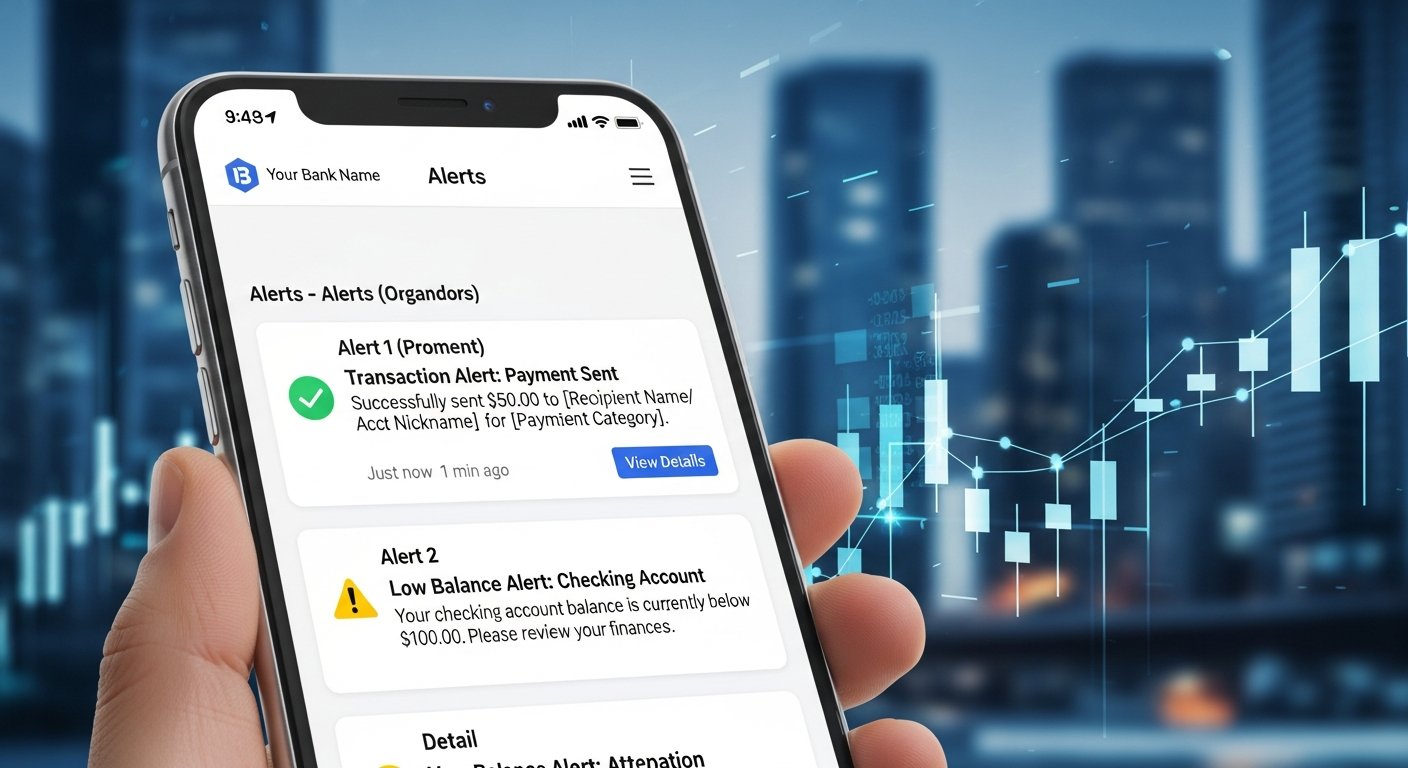
* **Alert in Action:** Your bank sends an instant notification: “Transaction Alert: $78.50 at ‘Online Retailer X’.”
* **Your Response:** If you didn’t make the purchase, you immediately respond to the alert (if your bank allows) or call your bank/freeze your card via the mobile app. Many banks, like **Chase**, **Bank of America**, and **Capital One**, allow you to instantly lock your card with a tap in their mobile applications, stopping further transactions dead in their tracks.
* **The Impact:** Instead of discovering a string of fraudulent charges days later, you catch the very first one, limiting your liability and saving you the headache of disputing numerous transactions.
2. **Account Takeover and Unauthorized Logins:**
* **The Scenario:** Someone gains access to your online banking credentials (perhaps through a phishing email or password reuse) and attempts to log into your account.
* **Alert in Action:** You receive an alert: “Suspicious Login Alert: Your account was accessed from an unrecognized device/location.” or “Login Attempt from [IP Address/Location].”
* **Your Response:** This immediate notification prompts you to change your password instantly, contact your bank, and report the attempted breach.
* **The Impact:** This alert is crucial for preventing fraudsters from changing your contact information, initiating fraudulent transfers (like ACH transfers or wire transfers), or applying for new credit in your name using your existing account. Many fintech platforms like **Venmo** and **PayPal** also offer login alerts, ensuring you’re notified if someone tries to access your payment apps.
3. **Large or Unusual Purchase Alerts:**
* **The Scenario:** Your card is used for a significantly large purchase or a purchase from an unfamiliar merchant category.
* **Alert in Action:** “High Value Transaction Alert: A purchase of $1,200 was made at ‘Luxury Goods Store Y’.” or “International Transaction Alert: A $150 transaction was made in France.”
* **Your Response:** While some of these might be legitimate purchases you forgot to pre-notify your bank about (especially international travel), they serve as excellent prompts to verify. If it’s fraudulent, you act immediately.
* **The Impact:** This type of alert catches “big ticket” fraud attempts quickly, which can cause substantial damage if left unchecked.
**How to Set Up and Optimize Fraud Alerts (Practical Tips):**
* **Log into Your Online Banking/App:** Navigate to the “Alerts,” “Notifications,” or “Security Settings” section.
* **Enable Transaction Alerts:** Set up alerts for all debit and credit card transactions, or for transactions above a certain dollar amount (e.g., any transaction over $10 or $50).
* **Enable Login/Security Alerts:** Ensure you’re notified of any logins from new devices, password changes, or profile information updates.
* **Utilize Multiple Channels:** Opt for both push notifications through your bank’s mobile app and SMS alerts. Email alerts can be good for records but are often not “real-time” enough for immediate action.
* **Review Regularly:** Periodically check your alert settings. As your banking habits change or new alert options become available, adjust accordingly.
* **Consider Credit Card Specific Alerts:** Many credit card companies like **Discover** and **American Express** offer incredibly granular alerts for specific merchants, transaction types, or even unusual card usage patterns.
By treating real-time alerts as your primary line of defense, you transform from a passive victim into an empowered guardian of your financial accounts.
#
Mastering Your Budget: Preventing Overspending with Real-Time Notifications
Fraud isn’t the only threat to your financial well-being. The insidious creep of overspending can be just as damaging, quietly eroding your savings, leading to debt, and causing significant stress. In a world of contactless payments, one-click purchases, and subscription services, it’s alarmingly easy to lose track of where your money is going. This is where real-time alerts pivot from security guardians to indispensable **money management tools**.
The psychological aspect of spending often works against us. Purchases, especially small ones, can feel insignificant in isolation. We swipe, tap, or click without fully connecting that action to our overall budget or financial goals. By the time we review our bank statement at the end of the month, the damage is done, and it’s too late to reverse course.
**Key Types of Overspending Prevented by Real-Time Alerts:**
1. **Low Balance and Overdraft Protection:**
* **The Scenario:** You’re close to running out of funds in your checking account, potentially leading to an overdraft fee if another transaction goes through.
* **Alert in Action:** “Balance Alert: Your checking account balance is now below $100.” or “Your available balance is $X.”
* **Your Response:** This immediate warning allows you to pause spending, transfer funds from savings, or be extra cautious before making another purchase. Many digital-first banks like **Chime**, **SoFi Money**, and **Varo Bank** are particularly good at providing these instant balance updates, sometimes even offering features like early paycheck access to help avoid low-balance situations.
* **The Impact:** Prevents costly overdraft fees, which can quickly spiral and negate any financial progress. It also gives you peace of mind, knowing you won’t be caught off guard by insufficient funds.
2. **Spending Thresholds and Budget Category Management:**
* **The Scenario:** You’ve allocated $500 for groceries this month, but halfway through, you’re not sure how much you’ve spent. Or you’re concerned about impulse purchases.
* **Alert in Action:** “Spending Alert: You have spent $400 on groceries this month.” or “Large Purchase Alert: A purchase of $75 was made at ‘Online Boutique Z’.”
* **Your Response:** These alerts act as a real-time “check” on your spending. If you’re nearing your grocery limit, you know to plan simpler meals for the rest of the month. If you make an impulse buy, the alert serves as an immediate reminder of its impact on your budget, potentially fostering more mindful spending habits in the future.
* **The Impact:** Helps you stick to your budget categories, prevents budget blowouts, and promotes financial discipline by connecting spending actions directly to their budgetary consequences. While banks typically offer “any transaction over X amount” alerts, some financial apps like **Mint** or **YNAB (You Need a Budget)** can integrate with your bank accounts and provide more nuanced alerts based on your custom budget categories.
3. **Subscription Creep and Recurring Payments:**
* **The Scenario:** You signed up for a free trial months ago, forgot to cancel, and now you’re being charged monthly for a service you don’t use. Or a recurring bill hits your account unexpectedly.
* **Alert in Action:** “Recurring Payment Alert: A charge of $14.99 from ‘Streaming Service A’ has been processed.”
* **Your Response:** While not always preventing the *first* charge, these alerts immediately highlight forgotten subscriptions or unexpected recurring bills. You can then cancel the service or investigate the charge.
* **The Impact:** Helps you audit your recurring expenses in real-time, catching unwanted subscriptions before they become long-term drains on your finances.
**How to Set Up and Optimize Overspending Alerts (Practical Tips):**
* **Define Your Thresholds:** Based on your budget, decide what constitutes a “low balance” (e.g., $100, $250) or a “large purchase” (e.g., any transaction over $50, $100).
* **Customize Balance Alerts:** Set alerts for when your balance *falls below* a certain amount and potentially when it *rises above* a certain amount (e.g., after a direct deposit hits).
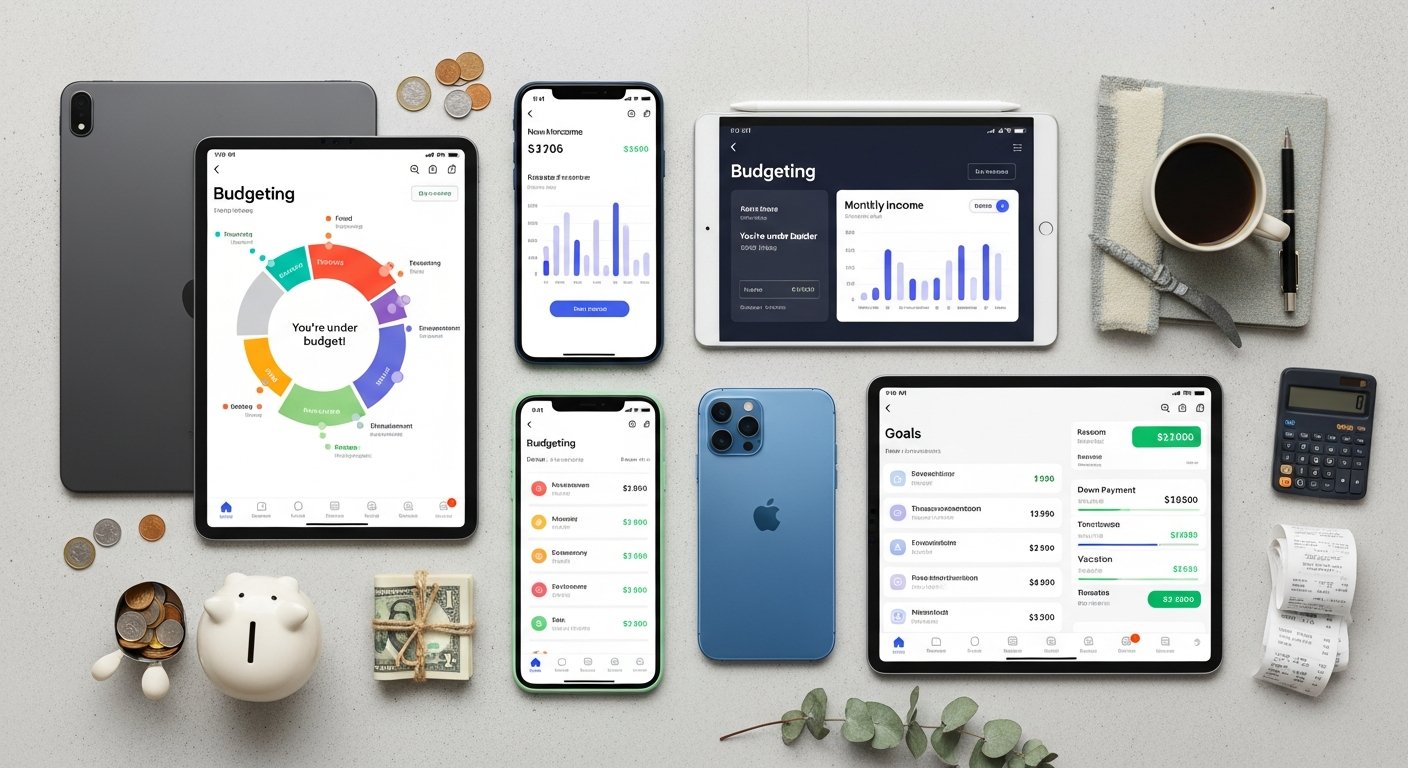
* **Utilize Spending Caps:** Some banks and budgeting apps allow you to set monthly spending caps for certain categories and will alert you as you approach them. Explore these features within your banking app or a linked budgeting tool.
* **Consider Dedicated Debit Cards for Specific Spending:** If your bank offers sub-accounts or “envelopes” (e.g., **Ally Bank’s** “Buckets”), use them. You can set up a separate debit card for discretionary spending (like entertainment or dining out) and link alerts specifically to that account to help control those categories.
* **Integrate with Budgeting Apps (Carefully):** While not direct banking alerts, linking your accounts to apps like Mint, YNAB, or Personal Capital can offer another layer of spending insights and custom alerts. Always ensure you’re comfortable with the security and privacy policies of third-party apps.
By leveraging real-time notifications for your spending, you move beyond mere tracking and into a realm of proactive financial control. These alerts are your digital conscience, constantly reminding you of your financial goals and helping you make smarter spending decisions in the moment.
#
Beyond the Basics: Advanced Alert Strategies and Best Practices
While simple transaction and balance alerts are powerful, maximizing the benefits of real-time notifications involves understanding their nuances, leveraging diverse channels, and integrating them into a broader financial security strategy.
**Diverse Alert Channels: Choose What Works Best for You**
Most banks offer multiple ways to receive alerts, and the optimal choice often depends on the urgency of the alert and your personal preferences.
* **Push Notifications (Mobile App):** These are often the fastest and most immediate, appearing directly on your phone’s lock screen or notification bar. Ideal for critical alerts like suspicious transactions or low balance warnings. They are also generally the most secure as they come directly from your authenticated banking app.
* **SMS (Text Message):** Nearly as fast as push notifications and universally accessible, even without a smartphone or internet connection. Excellent for critical alerts, but be cautious about clicking links in SMS messages due to phishing risks (more on this below).
* **Email:** Good for less urgent alerts, monthly summaries, or for keeping a detailed record. Email alerts are generally not “real-time” enough for immediate fraud prevention, as delays can occur. Always check the sender’s address carefully.
**Practical Tip:** For critical fraud-related alerts, prioritize push notifications and SMS. Use email for informational alerts or as a secondary notification channel.
**Customization is Key: Tailor Alerts to Your Lifestyle**
The beauty of modern banking alerts is their configurability. Don’t settle for generic settings.
* **Set Different Thresholds:** If you rarely spend over $50, set an alert for any transaction exceeding that amount. If you regularly make large purchases, perhaps set the threshold higher (e.g., $200) to avoid alert fatigue.
* **Specific Merchant Alerts:** Some credit card issuers (e.g., **Discover**) allow you to set alerts for purchases made at specific merchants or types of merchants. This is invaluable if you’ve recently used a card at a new online store you’re unsure about.
* **Travel Notifications:** When traveling internationally, many banks will allow you to adjust your alert settings to account for foreign transactions, preventing legitimate purchases from triggering fraud alerts. Conversely, you can set alerts for *any* foreign transaction if you’re not traveling, indicating potential fraud.
* **Cash Withdrawal Alerts:** If you rarely use ATMs, set an alert for any cash withdrawal to immediately flag potential card cloning or theft.
**Combining Alerts for Maximum Security**
Real-time banking alerts are powerful, but they’re part of a larger ecosystem of financial security.
* **Bank Alerts + Credit Monitoring:** While banking alerts focus on your current accounts, credit monitoring services (like **Credit Karma**, **Experian**, or those offered by some banks) alert you to new accounts opened in your name or significant changes to your credit report. Combining these two provides a holistic view of your financial identity.
* **Bank Alerts + Budgeting Apps:** As mentioned, budgeting apps can provide a more granular view of your spending categories. Use banking alerts for immediate transaction visibility and budgeting apps for macro-level spending analysis against your goals.
* **Multi-Factor Authentication (MFA):** This isn’t an alert itself, but it’s a crucial complementary security feature. Enable MFA (e.g., a code sent to your phone) for all your financial accounts. Many login alerts are triggered *before* MFA, giving you an extra layer of protection if someone tries to access your account with just your password.
**Security Considerations: Protecting Yourself from Phishing and Scams**
The very existence of real-time alerts has opened a new avenue for fraudsters: impersonation. Scammers often send fake “security alerts” via email or SMS, trying to trick you into clicking malicious links or divulging personal information.
* **Never Click Links in Suspicious Alerts:** If you receive an alert (especially via email or SMS) that seems even slightly off, do not click any links. Instead, manually go to your bank’s official website by typing the URL yourself or open your bank’s official mobile app.
* **Verify Sender Information:** Be skeptical of generic greetings (“Dear Customer”) or slight misspellings in email addresses or sender names.
* **Be Wary of Urgent Requests for Information:** No legitimate bank alert will ask you to “verify” your full account number, PIN, or Social Security Number via email or text.
* **Know Your Bank’s Official Communication Methods:** Familiarize yourself with how your bank typically communicates alerts. Does it usually send SMS from a shortcode or a full phone number? Does it use a specific email address domain?
* **Protect Your Devices:** Keep your phone, computer, and email accounts secure with strong, unique passwords and up-to-date antivirus software. A compromised device can compromise your alerts.
By adopting these advanced strategies and maintaining vigilance, you can transform real-time alerts from a simple notification feature into an intelligent, multi-layered defense system for your personal finances.
#
Frequently Asked Questions About Real-Time Banking Alerts
**Q1: Are real-time alerts truly “real-time”?**
A1: For most modern banks and fintech platforms, yes, they are very close to real-time. You can typically expect to receive a notification within seconds to a minute of a transaction being authorized or a security event occurring. However, occasional network delays can happen. For the purpose of preventing fraud and managing spending, this speed is more than sufficient compared to traditional statement review.
**Q2: Will I get too many alerts? How can I manage alert fatigue?**
A2: Alert fatigue is a valid concern. The key to avoiding it is thoughtful customization. Start by enabling critical alerts (e.g., all transactions over a small threshold like $10-20, all login alerts, low balance alerts). If you find yourself overwhelmed, adjust the thresholds upward (e.g., only alert me for transactions over $50). Prioritize push notifications and SMS for urgent matters and use email for less critical updates. Review and fine-tune your settings periodically based on your comfort level and financial habits.
**Q3: Are real-time alerts free?**
A3: For the vast majority of banks and financial institutions, real-time alerts via their mobile app (push notifications) and email are completely free. SMS alerts are also typically free from the bank’s side, though standard message and data rates from your mobile carrier might apply depending on your phone plan. Always confirm with your specific bank, but it’s rare to find a charge for these essential services.
**Q4: What should I do immediately if I receive a suspicious alert?**
A4: If you receive an alert for a transaction or activity you didn’t authorize, act fast:
1. **Do NOT click any links in the alert.**
2. **Go directly to your bank’s official mobile app or website.** Log in securely.
3. **Check your account activity.** Verify if the reported transaction or activity is actually there.
4. **Freeze or lock your card immediately** if your bank’s app offers this feature (most major banks like Chase, Capital One, Bank of America do).
5. **Contact your bank’s fraud department** via the official phone number found on their website or on the back of your card. Explain the situation and follow their instructions. The quicker you report it, the better the chances of preventing further damage.
#
Conclusion: Your Pocket-Sized Financial Guardian
In an increasingly digital financial landscape, real-time banking alerts are no longer a luxury but a fundamental necessity for personal finance readers who value security and control. They transform your banking relationship from a passive one, where you react to problems after they occur, into an active, empowered partnership that prioritizes prevention and immediate action.
By diligently setting up and managing these instant notifications, you gain an always-on, pocket-sized financial guardian that:
* **Stops fraud in its tracks:** Minimizing losses and sparing you the emotional burden of extensive recovery.
* **Empowers smart spending:** Helping you adhere to your budget, avoid overdrafts, and cultivate mindful financial habits.
* **Provides unparalleled peace of mind:** Knowing that your financial accounts are under constant, vigilant watch.
Don’t wait for the next fraudulent charge or budget blowout to realize the value of this simple yet powerful tool. Take control of your financial destiny today. Log into your banking app or website, explore the alert settings, and enable the real-time notifications that will safeguard your money and empower your financial journey. Your future self (and your wallet) will thank you.