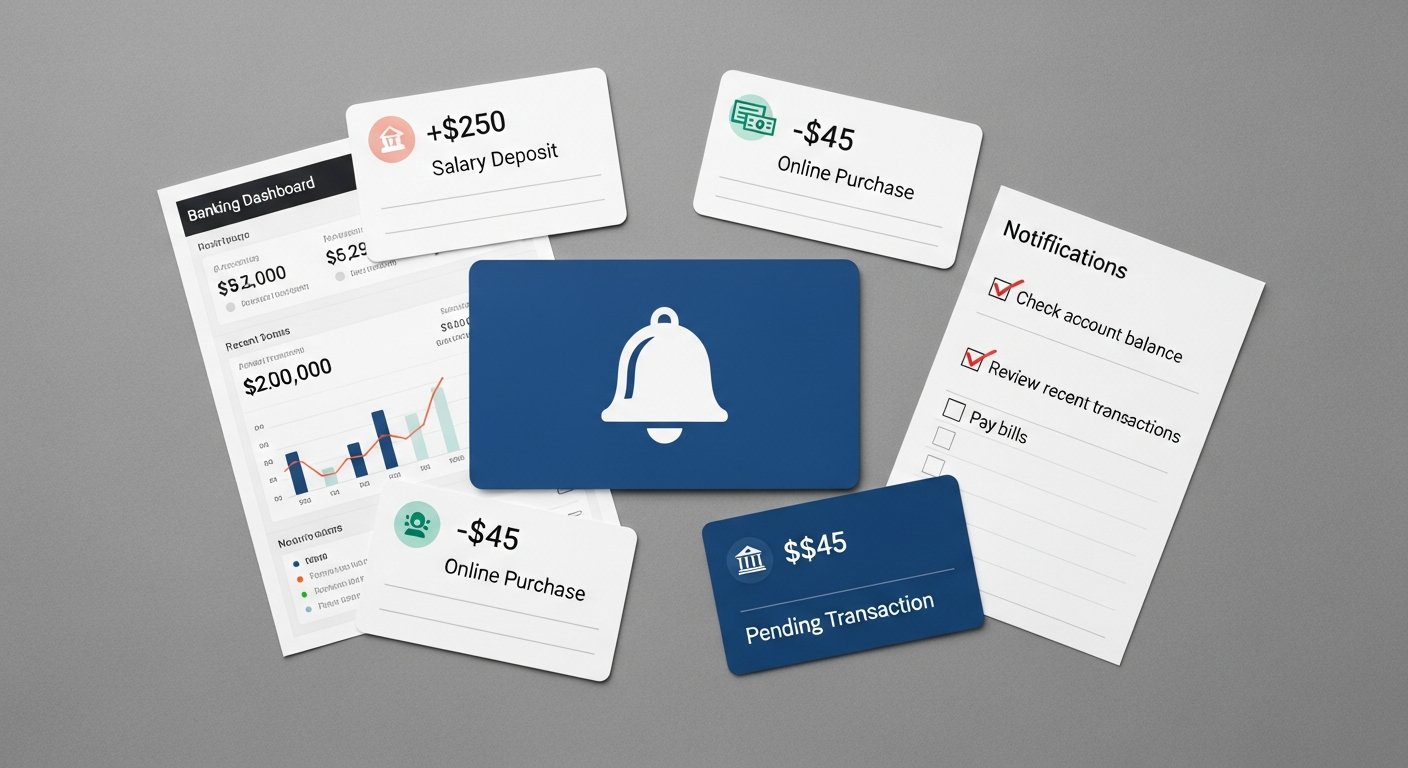
The Future of Financial Foresight: Best Banks for Bill Payment Alerts and Reminders in 2026
In an increasingly complex financial world, where subscriptions multiply and due dates blur, missing a bill payment isn’t just an inconvenience – it can be a costly mistake. Late fees pile up, interest rates soar, and credit scores take a hit, impacting everything from loan approvals to insurance premiums. For many, the sheer mental load of remembering every single payment, every single time, becomes overwhelming. This is where the unsung heroes of personal finance step in: robust bill payment alerts and reminders offered by your bank.
As we look towards 2026, the financial landscape continues its rapid evolution. Artificial intelligence, enhanced personalization, and seamless digital integration are no longer luxuries but expected components of a superior banking experience. For personal finance readers keen on optimizing their money management, understanding which banks are leading the charge in proactive financial notification systems is paramount.
This comprehensive guide will delve into the critical features to look for in 2026, highlighting the top banks and fintechs that excel in providing timely, secure, and customizable alerts. We’ll examine the practical insights that empower you to avoid late fees, protect your credit, and achieve unparalleled peace of mind. Moreover, we’ll scrutinize the essential security considerations and offer actionable tips to maximize the potential of your chosen banking solution. Get ready to transform your bill payment strategy from reactive stress to proactive control.
—
The Evolving Landscape of Bill Payment Alerts: What to Look for in 2026
Gone are the days when a simple email reminder was enough. The modern banking consumer, particularly by 2026, expects a sophisticated, multi-layered notification system that integrates seamlessly into their digital life. The best bill payment alert systems aren’t just about reminding you; they’re about helping you manage your money intelligently and effortlessly.
Here’s a breakdown of the key features and capabilities that define excellence in bill payment alerts and reminders in the near future:
#
1. Multi-Channel & Customizable Delivery
A truly effective alert system understands that one size does not fit all. You should have the flexibility to choose how and where you receive your reminders.
* SMS/Text Messages: For immediate, attention-grabbing alerts. Essential for critical notifications like an impending due date or a low balance before a scheduled payment.
* Push Notifications (Mobile App): The gold standard for modern digital banking. These provide instant, rich notifications directly to your smartphone, often with interactive options (e.g., “Pay Now,” “Snooze”). They bypass email filters and are excellent for privacy.
* Email: Still a valuable channel for detailed summaries, confirmation of payments, or less urgent reminders. Can be useful for archiving.
* In-App Alerts/Dashboard: A centralized hub within your banking app or online portal where all notifications are stored, providing a historical log and quick access to payment actions.
* Smart Speaker Integration (Emerging): Imagine asking your smart speaker, “Alexa, what bills are due this week?” and getting an audible summary from your bank. While not mainstream for critical alerts yet, expect more integration for informational purposes.
Customization extends beyond the channel. You should be able to dictate:
* Timing: 1 day, 3 days, 7 days before the due date? Or even after a payment has been missed?
* Thresholds: For low balance alerts, define the specific amount that triggers a notification.
* Specific Bills: Choose which bills warrant an alert and which don’t. Perhaps you only need reminders for variable bills like credit cards, not fixed mortgage payments.
#
2. Predictive Analytics and AI-Driven Insights
This is where the future truly shines. Banks leveraging AI can move beyond simple reminders to offer proactive financial intelligence.
Anticipatory Low Balance Alerts: Instead of just telling you your balance is low now, AI can analyze your spending habits and upcoming scheduled payments to predict if your account might go below a certain threshold before* it happens. For example, “Based on your upcoming rent payment and typical spending, your checking account is projected to dip below $100 on October 25th.”
* Spending Anomaly Detection: Alerts if a regular bill payment is unusually high or low, or if a duplicate payment attempt is detected, potentially preventing fraud or overpayment.
* Smart Reminders for Irregular Bills: For payments that don’t have a fixed schedule (e.g., medical bills, property taxes), AI could learn from past payment patterns and nudge you when a similar bill is likely due.
* Optimization Suggestions: Some advanced systems might even suggest options like “You have funds available in your savings; would you like to transfer to cover this bill?” or “Consider adjusting your auto-pay date to better align with your paychecks.”
#
3. Comprehensive Bill Management Dashboard
A superior banking experience in 2026 will consolidate all your bill payment information into an intuitive, easy-to-navigate dashboard.
* Centralized View: See all upcoming bills, scheduled payments, and payment history in one place, regardless of whether they are auto-pay, manually paid, or external bills you track.
* Direct Payment Options: Ability to pay bills directly from the dashboard, often with options to schedule, modify, or cancel payments with a few taps.
* Categorization and Budgeting Integration: Automatically categorize payments for easier budgeting and expense tracking. The best systems will integrate directly with the bank’s own budgeting tools or allow easy export to third-party apps.
* Payment Status Tracking: Real-time updates on whether a payment has been processed, is pending, or has failed.
#
4. Robust Security and Privacy Measures
With heightened digital interaction comes heightened security risk. Banks in 2026 must prioritize the safety of your financial information and communications.
* End-to-End Encryption: All alert communications, especially push notifications and emails containing sensitive data, must be encrypted.
* Multi-Factor Authentication (MFA): Essential for accessing alert settings, modifying payment schedules, or even viewing sensitive alerts. This typically involves a code sent to your phone or a biometric scan (fingerprint, face ID) in addition to your password.
* Secure Links & Fraud Prevention: Alerts should never ask for sensitive information directly. Any links should lead to a secure banking portal, not external sites. Banks should clearly distinguish official alerts from potential phishing attempts.
* Granular Privacy Settings: Control over what information is shared and how it’s used for personalization.
#
5. Seamless Integration with Other Financial Tools
The best banking solutions don’t exist in a vacuum. They connect to the broader ecosystem of your financial life.
* Budgeting Apps: Easy syncing with popular budgeting platforms like Mint, YNAB, Rocket Money, or Personal Capital. While bank alerts are primary, these apps provide another layer of oversight.
* Credit Monitoring: Integration that links successful bill payments to credit score updates or alerts you if a payment might negatively impact your score.
* Savings Goals: Alerts can tie into your savings goals, for instance, notifying you if a bill payment might impact your ability to meet a short-term savings target.
By seeking out banks that embrace these advanced features, consumers in 2026 can move beyond reactive bill management to a state of proactive financial control, significantly reducing stress and enhancing their overall financial well-being.
—
Top Banks & Fintechs for Superior Bill Payment Management in 2026
Identifying the “best” bank involves weighing numerous factors, but when it comes to bill payment alerts and reminders, certain institutions consistently stand out due to their commitment to robust technology, user experience, and forward-thinking features. Here are some top contenders for 2026, categorized by their strengths, along with specific features and considerations.
#
1. Best for Comprehensive Digital Integration & Customization: Chase & Bank of America
Traditional banking giants have poured significant resources into their digital platforms, making them highly competitive in the alert space.
##
Chase Bank
Chase has consistently invested in its digital experience, making it a leader in offering extensive customization and a seamless user interface.
* Key Features for 2026:
* Advanced Alert Engine: Offers a wide array of customizable alerts via email, SMS, and push notifications. Users can set reminders for payment due dates (multiple days in advance), payment confirmations, low balance warnings (with customizable thresholds), and even unusual activity on recurring payments.
* Chase Bill Pay: A highly integrated system within the mobile app and online portal. It allows users to add virtually any biller, schedule one-time or recurring payments, and view upcoming bills in a clear calendar format. Alerts are seamlessly linked to the bill pay service.
* AI-Driven Insights (J.P. Morgan AI): By 2026, expect Chase to further leverage its internal AI capabilities. This could mean more predictive low-balance alerts that factor in upcoming scheduled payments and typical spending, or smart reminders for irregular billers based on past patterns.
* Chase Credit Journey/Credit Health: Integrated tools that can potentially link bill payment success to credit score impact, offering notifications if a missed payment is reported.
* Secure Messaging & Alerts: Robust encryption for all communications and clear distinctions between official alerts and potential phishing attempts. MFA is standard for sensitive actions.
* Pros: Widespread branch network (for those who need it), highly rated mobile app, comprehensive suite of financial products, strong commitment to digital innovation.
* Cons: Can sometimes feel like a very large institution, potentially less agile than pure fintechs.
* Practical Tip: Maximize Chase’s “Alerts & Notifications” settings. Don’t just turn on payment due dates; explore low balance thresholds and payment confirmation alerts to ensure complete oversight. Use the “Upcoming Activity” section in the app for a quick glance at all scheduled transactions.
##
Bank of America
BoA has also made significant strides in its digital offerings, particularly with its intelligent assistant, Erica.
* Key Features for 2026:
* Erica (AI-driven virtual assistant): Erica is a standout feature, providing proactive insights and alerts. By 2026, Erica will be even more sophisticated, offering personalized payment reminders, identifying potential duplicate subscriptions, and alerting users to upcoming large bills.
* Customizable Alerts: Similar to Chase, BoA offers a broad spectrum of alerts via SMS, email, and push notifications for balance thresholds, payment due dates, payment confirmations, and suspicious activity.
* Enhanced Bill Pay: A user-friendly bill pay service that integrates seamlessly with alerts. Users can manage all billers, view payment history, and schedule payments efficiently.
* Digital Wallet Integration: BoA’s robust support for Apple Pay, Google Pay, and Zelle further enhances the digital payment ecosystem, though more for spending than bill payment alerts directly.
* Security: Strong security protocols, including biometric login and advanced fraud monitoring, ensure alerts and payment activities are protected.
* Pros: Excellent mobile app, highly intuitive AI assistant, broad range of financial services, extensive ATM/branch network.
* Cons: Some users might find the AI a bit intrusive if not properly customized; customer service can vary.
* Practical Tip: Engage with Erica regularly. The more you use her for queries, the better she learns your financial habits and can provide more relevant and timely bill payment reminders and insights. Set up personalized spending alerts to catch unusual charges related to subscriptions.
#
2. Best for Digital-First Experience & Innovation: Ally Bank & Discover Bank
Online-only banks and those with a strong digital focus often lead in user experience and innovative features, making them excellent choices for tech-savvy individuals.
##
Ally Bank
As a purely online bank, Ally excels at providing a smooth, intuitive digital experience with competitive rates and strong tech.
* Key Features for 2026:
* Proactive Alerts: Highly customizable alerts for payment due dates, low balances, large transactions, and payment confirmations via email, text, or push. Their alerts are known for being clear and actionable.
* Integrated Bill Pay: Ally’s Bill Pay service is fully integrated into its award-winning mobile app and online platform, allowing for easy setup, scheduling, and tracking of payments.
* ”Buckets” for Savings: While not directly bill payment alerts, Ally’s “Buckets” feature allows users to allocate funds for specific expenses (like upcoming bills), and alerts can be set if a bucket is underfunded relative to an upcoming payment.
* Fraud Alerts: Robust real-time fraud monitoring with instant alerts for suspicious activity, providing an extra layer of security for linked bill payments.
* No Physical Branches: This is both a pro (lower overhead, better rates) and a con (no in-person support).
* Pros: Excellent customer service, competitive interest rates on savings, user-friendly digital tools, strong focus on online security.
* Cons: No physical branches for cash deposits or in-person assistance (though they support ATM networks).
* Practical Tip: Use Ally’s “Buckets” feature to mentally and practically separate funds for upcoming large bills. Set alerts for when these buckets fall below a certain threshold to ensure funds are available when a bill is due.
##
Discover Bank
Known for its excellent customer service and cash-back rewards, Discover also offers a robust online banking experience with solid alert capabilities.
* Key Features for 2026:
* Highly Rated Mobile App: Discover’s app consistently receives high marks for ease of use and functionality, making alert management straightforward.
* Extensive Alerts: Customizable email, text, and push notifications for upcoming payments, payment confirmations, low balance warnings, and large transactions. They also offer alerts for when your credit score changes (if you have a Discover card), linking payment behavior to credit health.
* Online Bill Pay: A comprehensive system to manage and pay bills directly from your checking account. The integration with alerts is seamless, ensuring you’re notified every step of the way.
* Fraud Monitoring: Discover is well-regarded for its fraud protection, offering real-time alerts and responsive support if suspicious activity is detected on your accounts or linked payments.
* 24/7 U.S.-Based Customer Service: A significant advantage for resolving any alert or payment issues quickly.
* Pros: Excellent customer service, no monthly fees on checking accounts, cash-back rewards, strong mobile app.
* Cons: Limited product offerings compared to larger full-service banks.
* Practical Tip: Take advantage of Discover’s “Spend Analyzer” tool within their app. This can help you identify recurring billers and ensure they are all set up for alerts, preventing any from slipping through the cracks.
#
3. Best for Emerging Technologies & Seamless Integration: SoFi & Chime
Fintechs and neobanks often pioneer the most cutting-edge features, leveraging technology to create more intuitive and integrated financial experiences.
##
SoFi
SoFi started with student loans but has expanded into a full-service digital bank, offering a compelling blend of banking, investing, and lending.
* Key Features for 2026:
* Integrated Money Management: SoFi’s platform aims to be an all-in-one financial hub. This means bill payment alerts are integrated with your spending, saving, and investing activities.
* Customizable Alerts: Standard SMS, email, and push notifications for payment due dates, low balances, and large transactions.
* ”Vaults” for Budgeting: Similar to Ally’s Buckets, SoFi’s Vaults allow you to set aside money for specific bills, and notifications can be tied to these allocations.
* Credit Score Monitoring & Impact: As part of its broader financial health focus, SoFi’s alerts can inform users of the impact of payments on their credit score and offer insights.
* Predictive Cash Flow: SoFi is well-positioned to leverage AI for more predictive cash flow analysis, helping users anticipate potential payment shortfalls before they occur.
* No-Fee Overdraft Coverage: For eligible members, SoFi offers “Overdraft Protection,” which can cover up to $50 in overdrafts without a fee, providing a small buffer if an alert is missed or funds are tight.
* Pros: All-in-one platform, competitive interest rates, no monthly fees, strong focus on financial well-being.
* Cons: Newer player in full-service banking, less established than traditional banks, limited physical presence.
* Practical Tip: Utilize SoFi’s “Vaults” feature not just for savings goals, but for large, recurring bills like rent or mortgage. Set up automated transfers into these vaults after each paycheck, and link alerts to ensure they are adequately funded before due dates.
##
Chime
Chime is a popular neobank known for its user-friendly app, fee-free banking, and features designed for everyday spending and saving.
* Key Features for 2026:
* Real-time Transaction Alerts: Chime excels at instant notifications for every transaction, which extends to bill payments (payment sent, payment received).
* SpotMe®: While not an alert, Chime’s SpotMe feature (fee-free overdraft up to a certain limit) provides a safety net that can prevent overdrafts if a bill is paid when funds are low. Alerts can be tied to your SpotMe limit.
* Early Payday: Receive your paycheck up to two days early, which can help align funds with bill due dates and reduce stress. Alerts can be set for when your early payday hits.
* Goal-Oriented Savings: While simple, Chime’s automatic savings features (like rounding up purchases) can indirectly help ensure funds are available for bills, with alerts confirming transfers.
* Push Notifications First: Chime prioritizes push notifications for critical information, making them highly effective for bill payment reminders.
* Pros: No monthly fees, no minimum balance, early payday feature, excellent mobile app, strong focus on financial inclusion.
* Cons: Limited advanced budgeting tools within the app itself, no physical branches, less robust bill pay features compared to full-service banks.
* Practical Tip: Combine Chime’s real-time transaction alerts with its “Early Payday” feature. Set your bill due dates to align as closely as possible with your early payday to ensure funds are always available. Use the transaction alerts to confirm successful bill payments immediately.
#
Other Notable Mentions for Bill Payment Alerts:
* Capital One: Strong digital presence, particularly with its mobile app and intuitive bill pay features. Their “CreditWise” tool also offers credit monitoring linked to payment behavior.
* Wells Fargo: Offers a robust alert system with a wide range of customizable options and a strong online bill pay platform.
* Credit Unions: While difficult to name specific national examples, many local and regional credit unions offer highly personalized service and have significantly upgraded their digital platforms, providing competitive alert systems. Always check with your local CU for their specific offerings.
When making your choice for 2026, consider your personal preferences: do you value an all-in-one platform, a minimalist digital experience, or the robust infrastructure of a traditional bank? The best solution will seamlessly integrate into your financial habits and provide the peace of mind you seek.
—
Security, Customization, and Practical Tips for Maximizing Your Bank’s Alert System
Having a bank with advanced alert features is only half the battle. To truly unlock their power and protect your financial well-being, you need to understand how to leverage them effectively and securely.
#
1. Security First: Protecting Your Alert System
Your bill payment alerts are gateways to your financial information. Treat their security with utmost importance.
* Enable Multi-Factor Authentication (MFA): This is non-negotiable. For any banking app or online portal, ensure MFA (like a code sent to your phone or biometric login) is enabled, especially when changing alert settings or accessing sensitive information.
* Strong, Unique Passwords: Use complex, unique passwords for your banking accounts. A password manager can help.
Be Wary of Phishing Attempts: Never click on links in suspicious emails or texts, even if they look* like they’re from your bank. Always navigate directly to your bank’s official website or open their mobile app. Official bank alerts will rarely ask you to click a link to “verify” information.
* Review Alert Settings Regularly: Periodically check your bank’s alert settings to ensure they haven’t been tampered with and are still aligned with your preferences.
* Secure Your Devices: Keep your smartphone and computer operating systems updated, use reputable antivirus software, and lock your devices with strong passcodes or biometrics.
* Public Wi-Fi Caution: Avoid accessing or configuring sensitive banking alerts while connected to unsecured public Wi-Fi networks.
#
2. Customization is Key: Tailoring Alerts to Your Needs
The power of modern alert systems lies in their flexibility. Don’t settle for default settings.
* Prioritize Critical Alerts: Identify the bills that carry the highest penalties for late payment (e.g., mortgage, high-interest credit cards, utilities that disconnect service). Set up multiple reminders for these.
* Choose Your Channels Wisely: If you rarely check email, prioritize push notifications and SMS. If you prefer a detailed record, ensure email alerts are enabled. Consider redundancy (e.g., both SMS and email for critical alerts).
Set Reminders Before* the Due Date: Aim for 3-7 days in advance for most bills. For large, infrequent bills (like property taxes), a 2-week reminder might be appropriate. This gives you time to transfer funds or address any issues.
* Utilize Low Balance Alerts: Set a threshold that gives you enough time to act. For example, if your average bill payments total $1,500 monthly, setting a low balance alert at $1,000 might give you enough time to transfer funds before an overdraft.
* Distinguish Between Alert Types: Understand the difference between:
* Payment Due Alert: Reminds you a payment is coming up.
* Payment Sent/Posted Alert: Confirms your bank has initiated or completed the payment.
* Low Balance Alert: Warns you your account balance is falling below a set amount.
* Large Transaction Alert: Notifies you of any unusually large debits or credits.
* Unusual Activity Alert: Flags potential fraud.
* Regularly Review Bills: Even with alerts, it’s good practice to review your monthly statements and compare them against your bank’s scheduled payments. This helps catch errors or unexpected charges.
#
3. Practical Tips for Seamless Bill Management in 2026
Beyond security and customization, integrating your alerts into a broader financial strategy can offer maximum benefit.
* Integrate with Budgeting Apps (If Applicable): While your bank’s alerts are primary, consider syncing your bank accounts with third-party budgeting apps like Mint, YNAB, or Rocket Money. These apps provide another layer of visualization and can offer their own custom reminders, creating a redundant system.
* Automate What You Can, Alert on What You Can’t (or Shouldn’t):
* Automate Fixed Bills: Mortgage, rent, car payments, insurance premiums, and streaming services are prime candidates for auto-pay. Set alerts to confirm these payments have been processed successfully.
* Alert for Variable Bills: Credit cards, utilities (electricity, water), and medical bills often have varying amounts. For these, rely on alerts to remind you of the due date and the amount, allowing you to review before paying.
* Create a Master Bill List: Even with excellent alerts, a simple spreadsheet or digital document listing all your bills, their due dates, amounts, and payment methods can be an invaluable backup.
* Align Payday with Due Dates: If possible, try to adjust the due dates of your major bills to fall shortly after your paychecks are deposited. This simplifies cash flow management and reduces the likelihood of low balance issues. Banks like Chime with “early payday” can be particularly helpful here.
* Set Up Payment Confirmations: Always opt for alerts that confirm a payment has been successfully sent or received. This helps you track payment status and troubleshoot any issues proactively.
* Don’t Ignore Alerts: They are designed to help you. Take immediate action when an alert comes through. Delaying or dismissing it defeats the purpose.
* Leverage Predictive Tools: If your bank offers AI-driven insights (like Chase’s J.P. Morgan AI or BoA’s Erica), use them. They can often spot potential issues before you do, like an impending low balance or an unusually high recurring bill.
By conscientiously applying these security measures, customizing your alerts, and integrating them into a disciplined financial routine, you can transform bill payment from a source of anxiety into a seamless, automated, and secure aspect of your personal finance strategy in 2026.
—
FAQ: Your Top Questions About Bill Payment Alerts Answered
#
Q1: Are bank alerts truly secure, or can they be a security risk?
A1: Bank alerts, when managed correctly and offered by reputable institutions, are generally very secure. They are typically encrypted and delivered through secure channels (your bank’s app, verified SMS, or encrypted email). However, the risk comes from phishing attempts. Scammers often mimic bank alerts to trick you into revealing sensitive information.
To ensure security:
* Always enable Multi-Factor Authentication (MFA) on your banking accounts.
* Never click on links in suspicious emails or texts. Instead, go directly to your bank’s official website or app to log in and check your alerts.
* Be cautious of alerts asking for personal information (passwords, PINs, SSN) directly. Your bank will almost never ask for this via an alert.
* Report any suspicious communications to your bank immediately.
#
Q2: Can I link my bank’s bill payment alerts to a third-party budgeting app like Mint or YNAB?
A2: Directly “linking” your bank’s native bill payment alerts (e.g., a push notification from your bank) to a third-party budgeting app is not typically possible in a direct, integrated way. However, you can achieve a similar effect:
1. Bank Integration: Most reputable budgeting apps allow you to securely link your bank accounts. Once linked, these apps can pull your transaction data, including scheduled bill payments and cleared payments, and then generate their own alerts and reminders based on that data.
2. Redundancy: This means you effectively have two layers of alerts: your bank’s direct alerts and the budgeting app’s alerts, providing excellent redundancy and different perspectives on your finances.
3. Cross-Referencing: Use your bank’s alerts as the primary, real-time trigger, and your budgeting app for a broader overview, forecasting, and historical analysis.
So, while not a direct alert-to-alert link, the functionality is effectively covered by robust account integration.
#
Q3: What’s the difference between a low-balance alert and a payment due alert? Which one should I prioritize?
A3: Both are crucial but serve different purposes:
* Payment Due Alert: Notifies you that a specific bill (e.g., your credit card payment, rent) is approaching its due date. Its purpose is to remind you to take action (schedule payment, ensure auto-pay is active).
* Low Balance Alert: Notifies you when your account balance falls below a specific threshold you’ve set (e.g., $500). Its purpose is to warn you that your available funds are diminishing, which could lead to an overdraft if upcoming payments clear.
Prioritization: Ideally, you should prioritize both.
* Payment Due alerts prevent late fees and negative credit impacts. Set these for critical bills 3-7 days in advance.
Low Balance alerts prevent overdraft fees and ensure you have sufficient funds before* a payment is attempted. Set your threshold high enough to give you time to transfer funds from savings or another account.
Many banks, especially by 2026, offer predictive low-balance alerts that combine these, warning you if your balance is projected* to go low due to upcoming scheduled payments, which is the most effective approach.
#
Q4: How far in advance should I set my payment reminders, and can I set multiple reminders for the same bill?
A4: The ideal timing for payment reminders depends on the bill and your personal habits:
* For critical, fixed bills (mortgage, rent, car loan): 5-7 days in advance. This gives you ample time to ensure funds are available and to address any issues with auto-pay if it fails.
* For variable bills (credit cards, utilities): 3-5 days in advance. This allows you to review the amount before making the payment.
* For large, infrequent bills (property taxes, insurance premiums): 2 weeks to a month in advance. These often require larger sums, so more lead time is beneficial.
Yes, many advanced banking systems allow you to set multiple reminders for the same bill. For instance, you might set an initial reminder a week out, and a final “24 hours until due” reminder. This redundancy is excellent for ensuring you don’t miss critical payments. Check your bank’s specific alert settings to configure this level of customization.
—
Conclusion: Take Control with Smart Banking Alerts in 2026
The era of financial stress caused by missed bill payments is rapidly drawing to a close, thanks to the continuous advancements in banking technology. As we navigate 2026, the power to proactively manage your finances lies firmly in your hands, provided you choose the right banking partner and leverage their tools effectively.
The best banks for bill payment alerts and reminders aren’t just sending you notifications; they’re offering a sophisticated blend of multi-channel delivery, AI-driven predictive insights, comprehensive management dashboards, and ironclad security. Institutions like Chase, Bank of America, Ally, Discover, SoFi, and Chime are leading the charge, each with unique strengths that cater to different financial preferences and needs.
Here are your clear takeaways for mastering bill payment in 2026:
1. Prioritize Advanced Features: Look beyond basic reminders. Seek banks offering predictive alerts, multi-channel customization (push, SMS, email), and integrated bill management dashboards.
2. Security is Paramount: Always enable MFA, use strong passwords, and be hyper-vigilant against phishing. Your financial data’s safety is non-negotiable.
3. Customize, Don’t Default: Tailor your alerts to your specific bills, financial habits, and preferred timing. Set low-balance alerts strategically and utilize multiple reminders for critical payments.
4. Integrate and Automate Smartly: Automate fixed bills, but use alerts for variable ones. Consider how your bank’s alerts integrate with other budgeting tools for a holistic financial view.
5. Be Proactive, Not Reactive: These tools are designed to empower you. Take immediate action when an alert arrives, and regularly review your settings and financial health.
By making an informed choice and actively engaging with your bank’s advanced alert systems, you can eliminate late fees, protect your credit score, and significantly reduce financial anxiety. Step into 2026 with confidence, knowing your bills are managed, your finances are secure, and your peace of mind is paramount. Choose a banking solution that doesn’t just hold your money, but actively helps you manage it better.
Frequently Asked Questions