

The Dawn of a New Era: Understanding AI in Personal Finance
Artificial Intelligence, in its essence, refers to the simulation of human intelligence in machines that are programmed to think and learn like humans. In the realm of personal finance, this translates into algorithms and software capable of processing vast amounts of financial data, identifying patterns, making predictions, and even executing actions without direct human intervention. The primary AI technologies underpinning these tools include:
- Machine Learning (ML): At the heart of most AI applications, ML algorithms learn from data, improving their performance over time without being explicitly programmed for every task. For instance, an ML model can analyze years of your spending data to accurately predict future expenses or identify unusual transactions.
- Natural Language Processing (NLP): This enables AI tools to understand, interpret, and generate human language. NLP powers chatbots that can answer financial queries, expense trackers that categorize transactions from text descriptions, and voice assistants that provide financial updates.
- Predictive Analytics: By analyzing historical data and current trends, AI can forecast future financial outcomes, such as potential market movements, future cash flows, or the likelihood of achieving a financial goal.
- Robo-Advisors: These are digital platforms that provide automated, algorithm-driven financial planning services with little to no human supervision. They use AI to build and manage diversified portfolios tailored to an individual’s risk tolerance and financial objectives.
The shift from traditional financial tools, which primarily served as digital ledgers, to AI-powered platforms is monumental. Legacy tools required users to input data meticulously and interpret reports manually. AI, conversely, connects directly to bank accounts, credit cards, and investment portfolios, autonomously collecting, categorizing, and analyzing data. This automation not only saves time but also significantly reduces the potential for human error, offering a more accurate and comprehensive view of one’s financial health. Furthermore, AI’s ability to learn and adapt means that the advice and services provided become increasingly personalized and effective over time, moving beyond generic recommendations to truly bespoke financial guidance.
Key Applications of AI in Personal Finance Tools

The practical applications of AI in personal finance are diverse and continually expanding, touching almost every aspect of an individual’s financial journey.
Automated Budgeting and Expense Tracking
One of the most immediate and impactful applications of AI is in automating the often-tedious process of budgeting and expense tracking. Traditional methods for How To Create A Monthly Budget typically involve manual entry or meticulous categorization of transactions. AI-powered tools, however, revolutionize this process:
- Intelligent Categorization: AI algorithms automatically categorize transactions from linked bank accounts and credit cards, learning from user corrections to improve accuracy over time. This means “Starbucks” isn’t just an expense; it’s “Coffee & Dining.”
- Spending Insights: Beyond simple categorization, AI analyzes spending patterns to highlight areas where money is being overspent, identifies recurring subscriptions, and can even predict future expenses based on historical data.
- Proactive Alerts: Users receive real-time alerts for unusual spending, upcoming bill payments, or when they are approaching budget limits in specific categories, helping to prevent overdrafts and overspending.
- Personalized Budget Creation: Instead of generic budgeting templates, AI can suggest a personalized budget based on an individual’s income, historical spending, and financial goals, making the budget more realistic and achievable.
This automation transforms budgeting from a chore into an effortless, insightful process, empowering users to gain a clearer understanding of their cash flow and make informed decisions about their spending.
Debt Management and Optimization
Managing debt is a significant financial challenge for many, and AI is proving to be an invaluable ally in developing effective payoff strategies. Whether considering the Snowball Vs Avalanche Debt Payoff Method, AI-powered tools can provide data-driven recommendations:
- Debt Analysis: AI consolidates all outstanding debts, including credit cards, loans, and mortgages, providing a holistic view of interest rates, minimum payments, and total balances.
- Strategic Payoff Recommendations: Based on an individual’s financial situation, risk tolerance, and the specific characteristics of their debts, AI can recommend the optimal debt payoff strategy. For instance, it can calculate which method (Snowball or Avalanche) would save the most interest or clear debt fastest.
- Payment Reminders and Automation: AI tools can send timely reminders for debt payments and, in some cases, even automate payments to ensure consistency and avoid late fees.
- Simulation and Forecasting: Users can simulate different payment scenarios to see how increasing payments or consolidating debt would impact their payoff timeline and total interest paid, offering a clear roadmap to becoming debt-free.
By demystifying debt and offering clear, actionable strategies, AI empowers individuals to take control of their liabilities and accelerate their journey towards financial freedom.
Investment and Portfolio Management
AI’s impact on investment management is profound, extending from personalized advice to automated portfolio rebalancing.
- Robo-Advisors: These platforms use AI algorithms to construct and manage diversified investment portfolios based on a user’s financial goals, risk tolerance, and time horizon. They automatically rebalance portfolios to maintain target asset allocations and can often manage tax-loss harvesting.
- Market Analysis and Prediction: Advanced AI models can analyze vast datasets of market information, economic indicators, and news sentiment to identify potential investment opportunities or risks, helping users make more informed decisions.
- Personalized Investment Recommendations: Beyond standard portfolio allocation, AI can suggest specific investments (stocks, ETFs, mutual funds) that align with an individual’s values (e.g., ESG investing) and financial objectives.
- Risk Assessment and Management: AI continuously monitors portfolio performance and market conditions, alerting users to potential risks and suggesting adjustments to mitigate losses or capitalize on opportunities.
These tools democratize sophisticated investment strategies, making them accessible to a broader audience who may not have the capital for traditional human financial advisors.
Personalized Financial Planning and Goal Setting
Moving beyond day-to-day management, AI excels at helping individuals plan for their long-term financial goals.
- Goal-Based Planning: Whether saving for a down payment, retirement, or a child’s education, AI tools help break down large goals into manageable steps, calculating how much needs to be saved regularly and over what period.
- Scenario Planning: Users can input different scenarios (e.g., increased income, unexpected expenses) to see how these might impact their ability to reach financial goals, allowing for proactive adjustments.
- Proactive Advice: AI monitors progress towards goals and provides personalized advice or nudges, such as suggesting ways to cut expenses or increase savings to stay on track.
- Holistic Financial Overview: By integrating all financial accounts, AI can provide a consolidated view of net worth and project future financial health, helping users visualize their long-term trajectory.
This level of personalized planning fosters greater financial discipline and clarity, turning abstract goals into concrete, actionable plans.
Fraud Detection and Security
The security of financial data is paramount, and AI plays a crucial role in safeguarding users’ assets.
- Anomaly Detection: AI systems continuously monitor transactions for unusual patterns that could indicate fraudulent activity. This includes purchases made in unfamiliar locations, unusually large transactions, or multiple small transactions in quick succession.
- Real-time Alerts: Upon detecting suspicious activity, AI tools can immediately alert users via text, email, or in-app notifications, enabling prompt action to prevent or mitigate fraud.
- Enhanced Authentication: Some AI-powered platforms incorporate advanced biometric authentication (e.g., facial recognition, fingerprint scanning) and behavioral analytics to verify user identity and prevent unauthorized access.
By providing an invisible layer of protection, AI significantly enhances the security of personal finance, offering users peace of mind.
Credit Score Improvement
A good credit score is vital for various financial endeavors, from securing loans to renting property. AI tools can assist in improving and maintaining credit health:
- Credit Monitoring: AI continuously tracks credit scores and reports from major bureaus, alerting users to any changes or potential errors.
- Personalized Recommendations: Based on an individual’s credit profile, AI can suggest specific actions to improve their score, such as paying down certain debts, diversifying credit types, or optimizing credit utilization.
- Payment Reminders: By ensuring timely bill payments, AI helps prevent negative marks on credit reports, which are crucial for maintaining a healthy score.
These features help users understand the factors influencing their credit score and take proactive steps to strengthen their financial standing.
How AI Transforms Traditional Financial Practices
- From Reactive to Proactive: Traditionally, financial management was largely reactive – reviewing past transactions, reacting to bills, or addressing financial issues after they arose. AI shifts this paradigm to a proactive approach. It predicts future cash flow, identifies potential budget shortfalls before they occur, and offers preemptive advice on how to stay on track. This foresight minimizes financial stress and maximizes opportunities.
- Hyper-Personalization at Scale: Human financial advisors often struggle to provide truly personalized advice to a large client base. AI, however, can process individual financial data for millions of users, delivering bespoke recommendations that are highly relevant to each person’s unique situation, goals, and risk profile. This level of personalization was previously unattainable for the average consumer.
- Democratization of Expert Advice: Sophisticated financial planning, investment strategies, and debt management techniques were once the exclusive domain of high-net-worth individuals who could afford expensive human advisors. AI-powered tools make these expert-level services available to everyone, regardless of their income or asset size, significantly lowering the barrier to entry for robust financial guidance.
- Continuous Learning and Adaptation: Unlike static software, AI tools continuously learn from new data, user interactions, and evolving market conditions. This means the advice and services they provide are not only up-to-date but also constantly improving in accuracy and relevance, offering an evolving financial partner rather than a fixed set of rules.
- Reduced Cognitive Load and Time Savings: The sheer volume of financial decisions and administrative tasks can be overwhelming. AI automates many of these processes – categorizing expenses, sending reminders, rebalancing portfolios – freeing up users’ time and mental energy to focus on strategic financial planning rather than mundane tasks.
- Enhanced Emotional Discipline: Emotions often play a detrimental role in financial decision-making, leading to impulsive spending or panic selling during market downturns. AI provides objective, data-driven advice, helping users stick to their financial plans and avoid emotionally charged mistakes, fostering greater financial discipline.
By transforming these core aspects, AI is not just augmenting personal finance; it is fundamentally elevating the capabilities and experiences of individuals managing their money.
Choosing the Right AI-Powered Personal Finance Tool
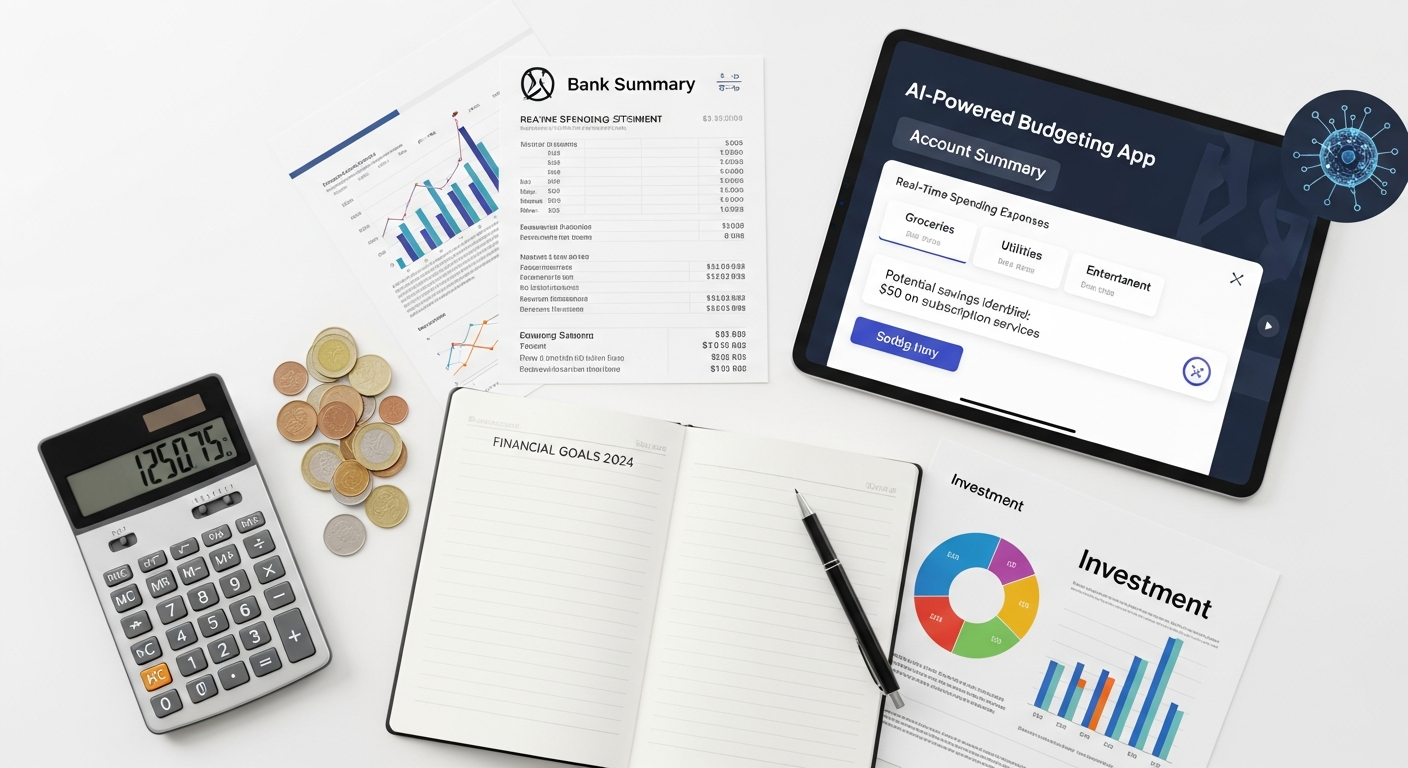
With an increasing number of AI-powered financial tools entering the market, selecting the right one can be a daunting task. Here are critical factors to consider:
- Security and Data Privacy: This is paramount. Ensure the tool employs robust encryption (e.g., 256-bit AES), multi-factor authentication, and adheres to strict data privacy regulations (e.g., GDPR, CCPA). Read their privacy policy carefully to understand how your data is collected, stored, and used. Look for certifications or partnerships with reputable financial institutions.
- Features and Functionality: Evaluate whether the tool offers the specific AI applications you need. Do you primarily need budgeting and expense tracking, or are you looking for investment management, debt optimization, or comprehensive financial planning? Some tools specialize in one area, while others offer a broader suite of services.
- User Interface and Experience (UI/UX): An intuitive, user-friendly interface is crucial for adoption and consistent use. The tool should be easy to navigate, with clear visualizations of your financial data. Test out free trials or demo versions if available.
- Integration Capabilities: A truly effective AI financial tool should seamlessly integrate with all your financial accounts – banks, credit cards, investment platforms, loans, and even specific budgeting categories. The more comprehensive the integration, the more accurate and holistic your financial overview will be.
- Cost and Fee Structure: Understand the pricing model. Is it a free tool with limited features and ads, a subscription-based service, or does it charge fees based on assets under management (for robo-advisors)? Compare costs with the value provided.
- Customer Support: Good customer support is essential, especially when dealing with sensitive financial matters. Check for responsiveness, availability (chat, email, phone), and the quality of their support resources.
- Reputation and Reviews: Research the company behind the tool. Read reviews from other users on independent platforms, check for any regulatory actions, and assess their track record in the fintech space.
- Learning and Adaptation: How sophisticated is the AI? Does it genuinely learn from your behavior and adapt its advice over time, or is it based on more static algorithms? Tools with stronger machine learning capabilities will offer more personalized and evolving insights.
By carefully evaluating these aspects, individuals can choose an AI-powered personal finance tool that aligns with their needs, provides robust security, and effectively supports their financial goals.
The Future Landscape: AI, Automation, and Wealth Generation
The journey of AI in personal finance is just beginning. As the technology matures, we can anticipate even more sophisticated and integrated solutions that will profoundly impact how we manage and grow our wealth.
Hyper-Personalized, Proactive Financial Coaching
Future AI tools will move beyond providing data and insights to acting as genuine financial coaches. Imagine an AI that not only identifies a potential budget shortfall but also suggests specific, actionable steps to rectify it, perhaps by identifying underutilized assets or recommending temporary adjustments to discretionary spending. These AI coaches will understand individual behavioral biases and provide tailored nudges to encourage better financial habits, acting as a constant, objective guide.
Seamless Integration with Lifestyle and Smart Environments
AI financial tools will integrate more deeply into our daily lives and smart environments. Voice assistants like Alexa or Google Assistant could provide real-time financial updates, track spending during online shopping, or even execute micro-investments based on predefined rules. Imagine an AI that automatically adjusts your smart home’s energy consumption to save money when your budget is tight, or suggests a cheaper grocery store route based on your spending habits and location.
Advanced Predictive Analytics for Wealth Creation
The ability of AI to analyze vast datasets and predict future trends will be instrumental in identifying new avenues for wealth generation. For those exploring Passive Income Ideas 2026, AI could:
- Identify Niche Market Opportunities: By analyzing consumer demand, market trends, and emerging technologies, AI could pinpoint lucrative niches for digital products, services, or content creation suitable for passive income.
- Optimize Real Estate Investments: AI algorithms can analyze property data, rental yields, demographic shifts, and economic forecasts to identify promising real estate investment opportunities, whether for rental properties or REITs.
- Personalized Investment in Alternative Assets: Beyond traditional stocks and bonds, AI could guide individuals towards suitable alternative assets like peer-to-peer lending, fractional ownership of high-value assets, or even cryptocurrency investments, all tailored to their risk profile.
- Automated Business Intelligence for Side Hustles: For individuals running side hustles that could generate passive income, AI could provide market research, competitive analysis, and operational efficiency recommendations to scale these ventures.
This predictive capability will empower individuals to make more informed decisions about where to allocate their resources for maximum passive income potential, moving beyond generic advice to hyper-targeted opportunities.
Ethical AI and Regulatory Frameworks
As AI becomes more pervasive in personal finance, ethical considerations and robust regulatory frameworks will become increasingly important. Ensuring algorithmic fairness, preventing bias in financial recommendations, and maintaining transparency in AI decision-making will be critical. Regulators will need to adapt quickly to protect consumers while fostering innovation.
The Human Element: Collaboration, Not Replacement
Despite the advancements, AI is unlikely to fully replace human financial advisors, but rather augment their capabilities. The future will likely see a collaborative model where AI handles data analysis, automation, and personalized insights, allowing human advisors to focus on complex emotional counseling, intricate estate planning, and building trust-based relationships. The synergy between human empathy and AI efficiency will create a more powerful and holistic financial advisory experience.
In conclusion, AI in personal finance tools represents a paradigm shift, moving us from reactive financial management to a proactive, intelligent, and deeply personalized approach. By automating mundane tasks, providing actionable insights, and offering sophisticated planning capabilities, AI empowers individuals to take unprecedented control of their financial destinies. As technology continues to evolve, the future promises even more integrated, intuitive, and impactful AI solutions, making financial well-being more accessible and achievable for everyone.
Frequently Asked Questions
Recommended Resources
Learn more about this topic in How To Be Productive When Working Remotely at Kacerr.
For more on AI in personal, see Referral Marketing Program For Ecommerce on E-ComProfits.