
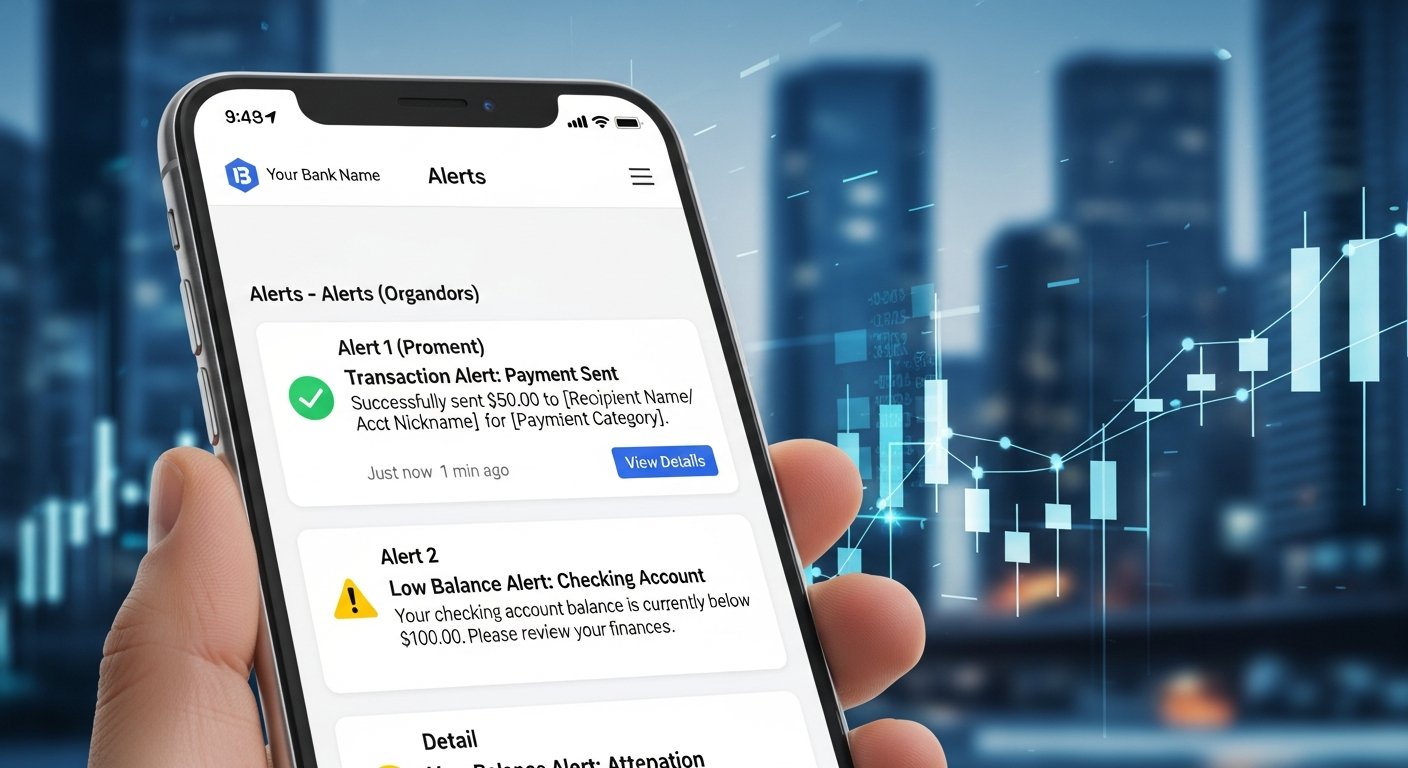
Your Essential Banking Alerts Guide: Master Real-Time Financial Monitoring and Security
In the rapidly evolving landscape of personal finance and fintech management, staying informed about your money is no longer a luxury—it’s a necessity. This is where banking alerts become indispensable. Banking alerts are automated notifications sent by your financial institution or associated fintech applications, designed to provide real-time updates and critical insights into your account activity. These alerts empower users with essential information, enabling proactive personal finance management and robust financial security.
The primary purpose of a comprehensive banking alerts guide is to demystify these powerful tools, showcasing their integral role in modern financial oversight. By understanding and effectively utilizing banking alerts, individuals can transform their approach to money management, shifting from reactive problem-solving to proactive financial control. This guide will equip you with the knowledge to identify various alert types, understand their profound benefits for fraud prevention and budgeting, navigate their setup and customization, and seamlessly integrate them with your broader fintech management strategy.
Fin3go is committed to helping you achieve unparalleled financial literacy and security. Through this guide, we will explore how banking alerts serve as a cornerstone for diligent personal finance, helping you maintain a vigilant watch over your assets and transactions in the digital age. By the end, you will possess a clear roadmap to leveraging banking alerts for enhanced financial peace of mind and optimized fintech management.
What are Banking Alerts and What is Their Core Purpose?
Banking alerts, at their core, are automated messages triggered by specific activities or conditions within your bank accounts, credit cards, or other financial products. These digital sentinels act as your personal financial watchdogs, notifying you the moment something significant occurs. Historically, staying abreast of bank activity involved reviewing monthly statements or making frequent calls. Today, banking alerts have revolutionized this process, offering instantaneous communication that aligns perfectly with the demands of modern personal finance and real-time fintech management.
The core purpose of banking alerts is multifaceted:
- Enhanced Financial Awareness: They keep you constantly aware of your money’s movements, preventing surprises and fostering a deeper understanding of your spending patterns.
- Fraud Prevention: Perhaps their most critical function, alerts act as an early warning system against unauthorized transactions, identity theft, and other fraudulent activities. Receiving an immediate notification about a suspicious charge allows for swift action, minimizing potential losses.
- Budgeting Support: By tracking balances and transaction limits, alerts help you stay within your budget, avoid overdrafts, and manage cash flow more effectively.
- Convenience and Control: They offer a convenient way to monitor finances without constantly logging into your banking portal, placing greater control directly in the user’s hands.
- Timely Action: From impending bill payments to low balance warnings, alerts prompt timely actions that can prevent fees, missed payments, or financial stress.
Modern banking alerts are a testament to the advancements in digital banking and fintech, transforming the way users interact with their financial institutions. They are a fundamental component of any robust personal finance strategy, offering a layer of security and insight that was once unimaginable.
How Do Banking Alert Delivery Methods Compare?
The effectiveness of a banking alert often hinges on its delivery method. Financial institutions and fintech platforms typically offer several options, each with its own advantages and ideal use cases. Understanding these methods is crucial for customizing your alert strategy to best suit your personal finance needs.
| Delivery Method (Entity) | Pros (Attribute) | Cons (Attribute) | Ideal Use Case (Attribute) |
|---|---|---|---|
| SMS Notifications | Instant delivery, high open rate, no internet required (basic phones), direct and concise. | Character limits, potential for spam/phishing concerns, may incur carrier fees, less detail. | Critical security alerts, low balance warnings, large transaction notifications. |
| Email Alerts | Detailed information, no character limits, easy to archive for records, often free. | Can be delayed, prone to spam filters, requires internet access, lower urgency compared to SMS/push. | Monthly statements, payment due reminders, summaries of account activity, non-urgent updates. |
| Mobile App Push Notifications | Instant delivery, rich content (logos, images), interactive, direct link to app, highly secure. | Requires smartphone and active app installation, can be missed if notifications are disabled, dependent on data/Wi-Fi. | Real-time transaction alerts, suspicious activity flags, credit score changes, personalized insights from fintech apps. |
What Types of Banking Alerts Are Available for Personal Finance?
Understanding the diverse array of banking alerts is the first step toward effectively integrating them into your personal finance strategy for maximum benefit. Each type serves a distinct purpose, collectively offering a comprehensive shield for your financial well-being and an invaluable aid for astute fintech management. From daily transactions to significant security events, these notifications cover the full spectrum of your financial life.
This section will detail the primary categories of banking alerts available, enabling you to select and configure those most pertinent to your financial security and budgeting goals.

Transactional Alerts: How Do They Track Every Debit and Credit?
Transactional alerts are among the most frequently used and fundamental types of banking alerts. These notifications provide immediate feedback on the movement of money into or out of your accounts. They are crucial for real-time budget tracking and instantly identifying any unauthorized activity.
- Attributes: Notifies you upon successful purchases, ATM withdrawals, direct deposits, bill payments, or any other debit/credit activity. Often includes merchant name, amount, and remaining balance.
- Primary Benefit for Personal Finance: Allows for meticulous budget tracking, confirms successful payments, and acts as an immediate deterrent against fraudulent charges.
- Example Scenario: You receive an SMS alert seconds after your grocery purchase at “FreshMart” for $85.50, confirming the transaction and updating your balance. Conversely, an alert for an unknown transaction prompts immediate investigation.
Balance Alerts: How Do They Help You Stay Within Your Budget?
Balance alerts help users maintain healthy account balances, preventing overdrafts or ensuring sufficient funds for upcoming expenses. They are vital for proactive financial management and avoiding costly fees.
- Attributes: Notifies when your account balance falls below a predefined threshold (e.g., $100), rises above a certain limit (e.g., after a large deposit), or reaches a specific target.
- Primary Benefit for Personal Finance: Prevents overdraft fees, ensures adequate funds for scheduled payments, and helps manage savings goals by signaling when a target is met.
- Example Scenario: Your checking account balance drops below $200, triggering an alert that reminds you to transfer funds before your monthly rent payment is due.
Security Alerts: How Do They Protect Against Fraud?
Security alerts are paramount for safeguarding your financial assets against fraud and unauthorized access. These alerts are designed to notify you of suspicious activities that might indicate a compromise of your account.
- Attributes: Notifies for unusual login attempts (e.g., from an unrecognized device or location), changes to personal information (password resets, address changes), large transactions outside your typical spending pattern, or international transactions.
- Primary Benefit for Personal Finance: Provides an immediate warning system against identity theft and financial fraud, allowing you to quickly secure your accounts and minimize potential losses. According to cybersecurity experts, rapid response to these alerts can reduce fraud losses by up to 70%.
- Example Scenario: You receive a push notification from your mobile banking app stating, “Unusual login attempt detected from an unknown device in a different state.” You can immediately verify or deny the attempt.
Payment Due Alerts: How Do They Help Avoid Late Fees and Missed Deadlines?
These alerts help you stay on top of your financial obligations, ensuring bills are paid on time and avoiding late fees or negative impacts on your credit score.
- Attributes: Notifies you a set number of days before a credit card payment, loan installment, or utility bill is due. May also confirm payment has been received.
- Primary Benefit for Personal Finance: Crucial for maintaining a healthy credit score, avoiding late fees, and ensuring responsible debt management.
- Example Scenario: A week before your credit card payment is due, you receive an email alert reminding you of the upcoming deadline and the minimum payment required.
Large Deposit/Withdrawal Alerts: How Do They Monitor Significant Fund Movements?
For more significant financial events, these alerts provide oversight, particularly useful for business accounts, tracking investments, or managing large personal transactions.
- Attributes: Triggers a notification when a deposit or withdrawal exceeds a user-defined threshold (e.g., $1,000, $5,000).
- Primary Benefit for Personal Finance: Provides an extra layer of scrutiny for substantial financial movements, useful for tracking large transfers, tax refunds, or significant purchases.
- Example Scenario: You receive an alert confirming that your annual bonus of $7,500 has been successfully deposited into your savings account.
Credit Score Change Alerts: How Do They Keep You Informed About Your Credit Health?
Many banks and fintech applications now offer services that monitor your credit score and notify you of significant changes.
- Attributes: Notifies you when your credit score changes, either positively or negatively, often providing insights into the reason for the change.
- Primary Benefit for Personal Finance: Helps you track your credit health, identify potential issues (like new accounts opened in your name), and understand factors impacting your ability to secure loans or favorable interest rates.
- Example Scenario: You get a mobile app alert indicating your credit score increased by 15 points due to a consistent history of on-time payments.
What are the Essential Banking Alert Types & Their Impact?
Here’s a summarized view of the most impactful banking alert types for proactive personal finance management:
| Alert Type (Entity) | Description (Attribute) | Primary Benefit for Personal Finance (Attribute) | Example Scenario (Attribute) |
|---|---|---|---|
| Transactional Alerts | Notifications for every debit or credit transaction. | Real-time budget tracking, immediate fraud detection. | Alert for a $50 online purchase, confirming your transaction. |
| Balance Alerts | Notifications when account balance crosses a set threshold. | Prevents overdrafts, aids in savings goal management. | Notification that your checking account dropped below $150. |
| Security Alerts | Warnings for suspicious activity, unusual logins, or profile changes. | Crucial for fraud prevention, protects against identity theft. | Alert about a login attempt from an unrecognized location. |
| Payment Due Alerts | Reminders for upcoming bill payments (credit cards, loans). | Avoids late fees, maintains good credit score. | Reminder that your credit card payment is due in 3 days. |
| Large Transaction Alerts | Notifications for deposits or withdrawals exceeding a specified amount. | Monitors significant fund movements, enhances financial oversight. | Confirmation of a $2,000 deposit into your savings account. |
What are the Key Benefits of Banking Alerts for Financial Security and Budgeting?
To truly master personal finance and leverage effective fintech management, understanding the profound benefits of banking alerts is critical. These simple notifications serve as powerful catalysts for improved financial habits, offering a strategic advantage in safeguarding your money and optimizing your budget. Integrating banking alerts into your daily routine is not just about convenience; it’s about building a resilient and responsive financial ecosystem.
How Do Banking Alerts Provide Unparalleled Fraud Prevention and Security?
The most immediate and critical benefit of banking alerts is their role in fraud prevention. In an era where cyber threats are constant, these alerts act as your first line of defense.
- Real-time Detection: Banking alerts notify you instantly of suspicious activity, such as unauthorized transactions, unusual login attempts, or unexpected withdrawals. This immediate feedback allows you to identify and report fraud much faster than traditional methods like monthly statements.
- Minimizing Losses: The quicker you report fraud, the less financial damage you are likely to incur. Studies indicate that consumers who receive and act on real-time alerts report significantly lower average losses from fraudulent activity. Financial institutions, including those insured by the FDIC, often have zero-liability policies for fraud reported promptly.
- Identity Theft Protection: Alerts about new accounts opened in your name or changes to your personal information can signal attempts at identity theft, enabling you to take defensive measures before significant harm occurs.
How Do Banking Alerts Empower Budget Tracking and Spending Management?
For those committed to effective budgeting and disciplined spending, banking alerts are invaluable tools that provide clarity and accountability.
- Real-time Spending Awareness: Transaction alerts make you immediately aware of every purchase, fostering a clearer picture of where your money is going. This visibility can curb impulse spending and reinforce budgeting discipline.
- Avoiding Overdrafts and Fees: Low balance alerts warn you when your account is nearing zero, giving you time to transfer funds and avoid costly overdraft fees. This proactive approach saves money and reduces financial stress.
- Achieving Savings Goals: Setting alerts for deposits into savings accounts or when a certain savings target is met can motivate you and keep you on track toward your financial aspirations.
- Categorizing Expenses: While not a direct alert function, the data provided by transaction alerts can feed into budgeting tools like Mint or You Need A Budget (YNAB), making expense categorization more accurate and automated.
How Do Banking Alerts Offer Convenience and Peace of Mind?
Beyond security and budgeting, banking alerts offer a significant boost to your overall financial convenience and provide invaluable peace of mind.
- Reduced Manual Monitoring: Instead of constantly logging into your online banking portal or checking account statements, alerts bring the information directly to you, saving time and effort.
- Timely Financial Actions: Payment due alerts ensure you never miss a bill, protecting your credit score and avoiding late fees. Large deposit alerts confirm important transfers have arrived, reducing anxiety.
- Constant Vigilance: Knowing that an automated system is continuously monitoring your accounts provides a sense of security, allowing you to focus on other aspects of your life without constant financial worry.
- Empowerment Through Information: By receiving timely, actionable information, you feel more in control of your financial life, leading to greater confidence in your personal finance decisions.
In essence, banking alerts transform passive financial awareness into active financial management, providing the necessary tools to navigate the complexities of modern personal finance with confidence and security.
How Do You Set Up and Customize Banking Alerts Effectively?
To unlock the significant benefits of banking alerts, knowing how to properly set up and customize them is crucial. This process allows you to tailor notifications to your specific personal finance needs, ensuring you receive the right information at the right time, without being overwhelmed. Effective customization is key to preventing alert fatigue and maximizing the value of these powerful fintech tools.

Step-by-Step Guide to Activating Banking Alerts
While the exact steps may vary slightly between financial institutions and fintech apps, the general process for activating banking alerts follows a common pattern:
- Access Your Online Banking Portal or Mobile App: Log in to your bank’s official website or open their mobile banking application. This is typically where all alert management features are located.
- Navigate to the “Alerts” or “Notifications” Section: Look for a menu option labeled “Alerts,” “Notifications,” “Settings,” or “Profile.” This section is specifically designed for managing communication preferences.
- Browse Available Alert Types: Your institution will list the various types of alerts they offer (e.g., transaction, balance, security, payment due). Review these options to understand what is available.
- Select Desired Alerts: Choose the specific alerts that are most relevant to your personal finance strategy. We recommend starting with critical security and transaction alerts.
- Configure Alert Parameters: For each selected alert, you’ll typically need to set specific parameters. For example:
- For transaction alerts: Specify minimum or maximum amounts (e.g., “notify me for any transaction over $50”).
- For balance alerts: Set a threshold (e.g., “alert me if my balance drops below $200”).
- For payment due alerts: Choose how many days in advance you want to be notified.
- Choose Delivery Methods: Select your preferred delivery channels for each alert. Common options include SMS text messages, email, or mobile app push notifications. You might choose SMS for critical security alerts and email for less urgent summaries.
- Review and Save Changes: Before finalizing, review all your selected alerts and their configurations. Ensure the contact information for SMS and email is current. Save your settings.
- Test (Optional but Recommended): Some systems allow you to send a test alert to confirm your setup. If not, make a small, controlled transaction (like a $1 online purchase) to see if a transactional alert is triggered correctly.
How Do You Customize Thresholds and Delivery Preferences for Banking Alerts?
Effective customization is what transforms banking alerts from generic notifications into powerful, personalized tools for financial management. Paying attention to thresholds and delivery preferences can significantly enhance their utility.
- Thresholds: Setting appropriate thresholds prevents “alert fatigue.” If you get an alert for every $1 coffee, you might start ignoring them. Instead, set meaningful thresholds. For instance, an alert for any transaction over $20 is more actionable for most daily spending, while a $500 threshold might be better for large withdrawal alerts.
- Delivery Timing: Some platforms allow you to set “do not disturb” times for certain alerts, ensuring you’re not bothered by non-critical notifications during sleep hours. However, always ensure critical security alerts are set for 24/7 delivery.
- Alert Frequency: For some alerts (e.g., daily balance updates), you might prefer a summary rather than individual notifications. Choose daily, weekly, or event-triggered frequency based on your needs.
- Recipient Management: For joint accounts or business accounts, ensure the right individuals receive the necessary alerts. Most systems allow multiple email addresses or phone numbers.
What are the Banking Alert Customization Options for Optimal Management?
Here’s a table detailing key customization features and their impact on your fintech management:
| Customization Feature (Entity) | How It Works (Attribute) | Impact on Fintech Management (Attribute) |
|---|---|---|
| Transaction Thresholds | Set minimum/maximum transaction amounts to trigger an alert. | Reduces alert fatigue, focuses on significant spending, improves fraud detection for large sums. |
| Specific Merchant Alerts | Receive alerts only for transactions from certain merchants (e.g., recurring subscriptions). | Helps track specific budget categories, identifies unauthorized recurring charges. |
| Geo-Location Alerts | Notifications for transactions made outside your usual geographic area or country. | High-level fraud prevention, flags potential card skimming or theft. |
| Time-of-Day Restrictions | Choose specific hours when certain alerts should or should not be sent. | Prevents unnecessary disturbances, but critical security alerts should remain 24/7. |
| Multiple Delivery Channels | Receive the same alert via SMS, email, and/or push notification. | Ensures critical alerts are not missed, offers redundancy for important information. |
By thoughtfully configuring these settings, you can transform banking alerts into a seamless extension of your personal finance strategy, providing invaluable insights and security without causing overwhelm.
How Do You Integrate Banking Alerts with Fintech Management Tools?
The true power of banking alerts is amplified when they are seamlessly integrated into a broader fintech management ecosystem. In today’s digital age, personal finance extends far beyond traditional banking, encompassing mobile banking platforms, sophisticated budgeting apps, and convenient digital wallets. Banking alerts serve as the vital information conduit, feeding real-time data into these tools to create a holistic and proactive approach to managing your money.
How Do Banking Alerts Enhance Mobile Banking Platforms?
Mobile banking applications are often the primary interface for setting up and receiving banking alerts. The synergy between alerts and mobile banking is fundamental to modern personal finance.
- Real-time Access & Action: Push notifications from your bank’s mobile app offer instant access to details of an alert. If a suspicious transaction alert comes through, you can tap the notification and often immediately freeze your card, dispute the charge, or contact customer service directly within the app.
- Personalized Dashboards: Alerts contribute to a more dynamic and personalized mobile banking experience. Your app’s dashboard can reflect real-time changes triggered by alerts, showing updated balances, recent transactions, or warnings about upcoming payments.
- Contextual Information: Many mobile banking apps leverage alerts to provide additional context. For example, a transaction alert might link directly to a map view of where the purchase occurred or provide an option to categorize the expense immediately.
What is the Synergy Between Banking Alerts and Budgeting Applications (Mint, YNAB)?
Third-party budgeting apps like Mint, You Need A Budget (YNAB), Personal Capital, or Simplifi thrive on up-to-date transaction data. While many of these apps connect directly to your bank accounts, banking alerts provide an additional layer of data integrity and real-time awareness.
- Reinforcing Categorization: Transaction alerts can prompt you to manually categorize expenses in your budgeting app faster, or serve as a double-check for automated categorization, ensuring accuracy.
- Cash Flow Management: Balance alerts from your bank can inform your budgeting app’s projection of your cash flow, helping you make more accurate spending plans for the coming days or weeks.
- Goal Tracking: When a banking alert confirms a deposit into a savings account, this can be cross-referenced with your budgeting app’s savings goals, providing a motivating update on your progress.
- Early Warning System: If there’s a delay in a budgeting app syncing with your bank, a direct banking alert can still give you immediate notice of important financial events, ensuring no critical information is missed.
How Do Banking Alerts Strengthen Digital Wallets (Apple Pay, Google Pay)?
Digital wallets like Apple Pay and Google Pay offer immense convenience for transactions. Banking alerts provide an essential security and tracking overlay for these payments.
- Transaction Confirmation: Every purchase made with Apple Pay or Google Pay can trigger a banking alert, confirming the transaction from your card provider. This immediate confirmation is crucial for security and tracking.
- Fraud Detection: If your digital wallet or linked card is compromised, banking alerts can rapidly flag unauthorized transactions made via these platforms, allowing you to react quickly and protect your funds.
- Spending Oversight: For those who frequently use digital wallets, transaction alerts provide a crucial record of spending, which might otherwise feel invisible due to the seamless nature of contactless payments.
By strategically integrating banking alerts with your preferred fintech tools, you create a powerful, interconnected system that continuously monitors your financial health, defends against threats, and empowers you with the real-time insights needed for superior personal finance and fintech management.
What are the Potential Pitfalls and How Can You Optimize Your Banking Alert Strategy?
While banking alerts are invaluable tools for personal finance and fintech management, their effectiveness can be diminished if not managed properly. Understanding potential pitfalls and implementing strategic optimizations is essential to ensure alerts remain a benefit, not a burden.
What is the Challenge of Alert Fatigue and How Can You Overcome It?
One of the most common issues users face is “alert fatigue”—being overwhelmed by too many notifications, leading to critical alerts being ignored or overlooked. If every single transaction, no matter how small, triggers an alert, users may start dismissing them as background noise.
- Optimization Strategy: Prioritize. Not every transaction needs an alert. Set thresholds for transaction amounts (e.g., only alert for purchases over $20). For non-critical updates, consider consolidating to a weekly email summary rather than individual push notifications. Customize delivery methods based on urgency: SMS for critical security alerts, email for less time-sensitive information.
How Can Over-Reliance and Complacency Impact Your Banking Alert Strategy?
While alerts are a strong defense, an over-reliance on them can lead to complacency. Believing that alerts alone will catch every single financial anomaly or fraudulent activity can be risky.
- Optimization Strategy: View alerts as part of a multi-layered security approach. Complement alerts with regular manual reviews of your bank statements and credit reports. Ensure strong, unique passwords for all financial accounts and enable multi-factor authentication (MFA) wherever possible. Educate yourself on common phishing scams, as alerts themselves can sometimes be mimicked by fraudsters.
What are the Data Security and Phishing Risks Associated with Banking Alerts?
The very existence of banking alerts creates a new avenue for potential phishing attacks. Fraudsters may send fake “banking alerts” via SMS or email, attempting to trick users into revealing sensitive information or clicking malicious links.
- Optimization Strategy: Always verify the sender. Legitimate banking alerts will never ask for your password, PIN, or full account number. Never click on suspicious links in emails or texts. If an alert seems questionable, log in to your bank’s official app or website directly (by typing the URL, not clicking a link) to verify the information. Use strong antivirus and anti-malware software on your devices.
Why is Outdated Contact Information a Pitfall for Banking Alerts?
Alerts are only effective if they reach you. If your phone number or email address changes, and you forget to update it with your bank, you could miss crucial notifications.
- Optimization Strategy: Regularly review and update your contact information within your online banking portal and mobile app. Make it a part of your annual financial hygiene check-up.
How Do Technical Glitches and Delivery Failures Affect Banking Alerts?
While rare, technical issues can occasionally prevent alerts from being delivered. Network outages, app malfunctions, or server problems can lead to missed notifications.
- Optimization Strategy: Utilize multiple delivery methods for critical alerts (e.g., both SMS and mobile push for security warnings). If you suspect an alert should have arrived but didn’t, proactively check your account activity through your online banking portal.
By proactively addressing these potential pitfalls and diligently optimizing your alert strategy, banking alerts can continue to be a robust, efficient, and reliable component of your comprehensive personal finance and fintech management toolkit.
What are the Risks of Neglecting Banking Alerts: What You Stand to Lose?
Ignoring or failing to set up banking alerts isn’t just a missed opportunity for enhanced personal finance management; it exposes you to significant financial vulnerabilities. In a world driven by digital transactions and instant information, neglecting these crucial notifications can lead to tangible losses and considerable stress. Understanding what you stand to lose provides a powerful incentive to embrace and optimize your banking alert strategy.
How Does Neglecting Banking Alerts Increase Vulnerability to Fraud and Identity Theft?
Without real-time banking alerts, you lose your earliest and most effective line of defense against financial crime. This negligence significantly increases your risk:
- Delayed Fraud Detection: Fraudulent transactions may go unnoticed for days or weeks until you review your monthly statement. This delay gives fraudsters more time to exploit your accounts, potentially leading to larger losses before the activity is discovered.
- Higher Financial Losses: The longer fraud goes undetected, the harder it is to recover funds. While most financial institutions offer fraud protection, delayed reporting can sometimes complicate the process or extend the period during which your funds are inaccessible.
- Difficulty in Disputing Charges: If fraud is discovered long after the fact, disputing the charges can be more challenging, as memory fades and evidence becomes harder to gather.
- Unchecked Identity Theft: Alerts for new accounts opened in your name or changes to your personal details are vital for catching identity theft early. Neglecting these means your identity could be compromised for an extended period, leading to credit damage and severe personal finance headaches.
How Does Neglecting Banking Alerts Lead to Missed Opportunities for Budget Control and Savings?
Beyond security, neglecting banking alerts directly undermines your ability to effectively manage your budget and achieve financial goals:
- Overdraft Fees and Charges: Without low balance alerts, you might inadvertently overspend, leading to costly overdraft fees from your bank. These fees can quickly accumulate, eroding your savings and disposable income.
- Late Payment Penalties: Missing payment due alerts can result in late fees on credit cards, loans, and other bills. These fees are not only expensive but can also negatively impact your credit score, making future borrowing more expensive or difficult.
- Uncontrolled Spending: Without instant transaction notifications, it’s easier to lose track of daily spending, making it difficult to stick to a budget. This can lead to overspending and a failure to meet savings targets.
- Missed Financial Milestones: Alerts confirming deposits or reaching savings goals can be powerful motivators. Neglecting these means you miss out on positive reinforcement and might lose momentum in your financial journey.
How Does Neglecting Banking Alerts Reduce Financial Peace of Mind?
Ultimately, neglecting banking alerts means operating with a higher degree of uncertainty about your financial health. This can lead to increased stress and anxiety:
- Constant Worry: Without automated monitoring, you might feel a constant need to manually check your accounts, creating unnecessary stress and consuming valuable time.
- Lack of Timely Information: Important financial events, whether positive (a large direct deposit) or negative (a suspicious charge), can pass without your immediate knowledge, leaving you feeling out of control.
- Reactive vs. Proactive: You’re forced into a reactive stance, always playing catch-up with your finances rather than being proactive and in command.
The consequences of neglecting banking alerts are clear: increased financial risk, reduced control over your budget, and diminished peace of mind. For robust personal finance and savvy fintech management, embracing and optimizing your banking alert strategy is not optional; it’s essential.
What are the Advanced Strategies and the Future of Banking Alerts?
As personal finance and fintech management continue to evolve at a rapid pace, so too do banking alerts. Moving beyond basic notifications, advanced strategies and emerging technologies promise even greater personalization, predictive insights, and proactive financial assistance. Embracing these developments is key to staying ahead in your financial journey.
What is Hyper-Personalization and Contextual Alerts in Banking?
The next generation of banking alerts will be far more intelligent and tailored to individual behavior:
- Behavioral Analysis: Leveraging machine learning, banks and fintech apps will analyze your unique spending patterns, income cycles, and financial goals. Alerts will then be triggered not just by predefined thresholds, but by deviations from your personal norms. For example, an alert for a purchase that is “unusually large for *you* at this specific merchant” rather than just “unusually large.”
- Location-Based Context: Alerts could integrate more deeply with your location data (with user permission). A transaction alert might not only tell you about a purchase but also verify that you were indeed in the vicinity, adding a layer of security.
- Proactive Financial Health Tips: Instead of just reporting facts, alerts could offer immediate advice. A “low balance” alert might suggest transferring funds from a linked savings account or warn of an impending large bill based on historical data.
How Will AI-Driven Insights and Predictive Alerts Shape the Future of Banking?
Artificial intelligence is set to transform alerts from reactive notifications to predictive tools, fundamentally changing how we manage our personal finance.
- Forecasting Cash Flow: AI algorithms can analyze incoming deposits and outgoing bills to predict potential cash shortages days or weeks in advance, triggering alerts that allow you to adjust spending or transfer funds proactively.
- Budget Deviation Warnings: If your spending in a particular category (e.g., dining out) is tracking to exceed your budget well before the end of the month, an AI-driven alert could warn you, providing an opportunity to course-correct.
- Investment Opportunities/Warnings: For those with investment accounts, alerts could highlight market movements relevant to their portfolio or flag unusual activity that might warrant attention.
What is the Role of Open Banking and APIs in Banking Alert Integration?
The rise of open banking frameworks and robust APIs (Application Programming Interfaces) will enable an even more interconnected financial experience, where banking alerts play a central role.
- Cross-Institution Alerts: Imagine receiving a single alert about your combined financial position across multiple banks and investment platforms, all aggregated by a preferred fintech app. This unified view will simplify complex financial management.
- Enhanced Third-Party App Functionality: Budgeting apps and other fintech tools will be able to leverage real-time banking alert data more effectively, providing richer insights and more accurate financial advice.
- Automated Financial Management: Alerts could trigger automated actions. For instance, a “balance below threshold” alert could automatically initiate a pre-approved transfer from savings, preventing an overdraft without manual intervention.
How Will Voice Assistants and Smart Devices Impact Banking Alerts?
The integration of banking alerts with voice assistants (like Amazon Alexa or Google Assistant) and smart home devices presents a new frontier for hands-free financial management.
- Verbal Notifications: Imagine your smart speaker verbally alerting you to a significant transaction or upcoming bill due, allowing for quick checks and inquiries using natural language.
- Secure Voice Authentication: Future interactions could involve secure voice biometrics to authenticate actions or access more sensitive alert details, maintaining security while enhancing convenience.
The future of banking alerts is one of intelligence, integration, and proactive support. As these advanced strategies become mainstream, they will solidify banking alerts as an indispensable cornerstone of truly mastered personal finance and cutting-edge fintech management, empowering users with unprecedented control and insight into their financial lives.