

The Digital Evolution of Cash Stuffing: Master Your Money Without the Paper
In the era of viral TikTok trends and high-definition “budget with me” videos, cash stuffing has experienced a massive resurgence. For the uninitiated, cash stuffing is the modern evolution of the “envelope system”—a budgeting technique where you withdraw your entire paycheck in physical cash and distribute it into labeled envelopes for specific spending categories. While the tactile satisfaction of sliding a twenty-dollar bill into a “Groceries” sleeve is undeniable, the physical method faces significant hurdles in our increasingly cashless society. From the risk of theft to the loss of high-yield interest rates and the inconvenience of online bill pay, physical cash stuffing is often at odds with modern financial efficiency.
However, the psychological genius behind the method—zero-based budgeting and visual allocation—remains the most effective way to curb overspending. This is where “Digital Cash Stuffing” comes in. By leveraging neobanks, high-yield sub-accounts, and automated FinTech tools, you can replicate the discipline of physical envelopes while benefiting from the security and growth of a digital ecosystem. As we navigate a landscape where digital transactions account for over 85% of global spending, modernizing your budget isn’t just a convenience; it’s a financial necessity. This guide will show you how to transition from paper to pixels without losing the “sting” of spending that keeps you on track.
1. The Architecture of Digital Envelopes: Choosing Your Platform
The first step in modernizing the cash stuffing method is selecting the right “digital vault.” You no longer need a physical binder; you need a banking structure that allows for high-granularity organization. To succeed, you must move away from the traditional “one checking, one savings” model, which often leads to “blurred lines” where you accidentally spend your rent money on a weekend getaway.
Modern financial institutions now offer “buckets” or “vaults.” When selecting a platform, prioritize banks that offer:
* **Sub-Savings Accounts:** Look for institutions that allow you to create up to 20 or 30 separate sub-accounts under one main login.
* **High-Yield Returns:** Physical cash in an envelope earns 0% interest. In the current economic climate, digital “envelopes” (savings buckets) can earn upwards of 4.5% to 5.0% APY. Over a year, “stuffing” $2,000 a month into digital envelopes could earn you nearly $1,000 in passive interest—money you’d lose with physical cash.
* **Virtual Card Integration:** Some advanced neobanks allow you to link specific virtual debit cards to specific buckets. For example, your “Subscription” bucket can have its own virtual card number, ensuring that if a streaming service tries to overcharge you, it can only pull from that specific digital envelope.
2. Setting Up Your Digital “Stuffing” Schedule
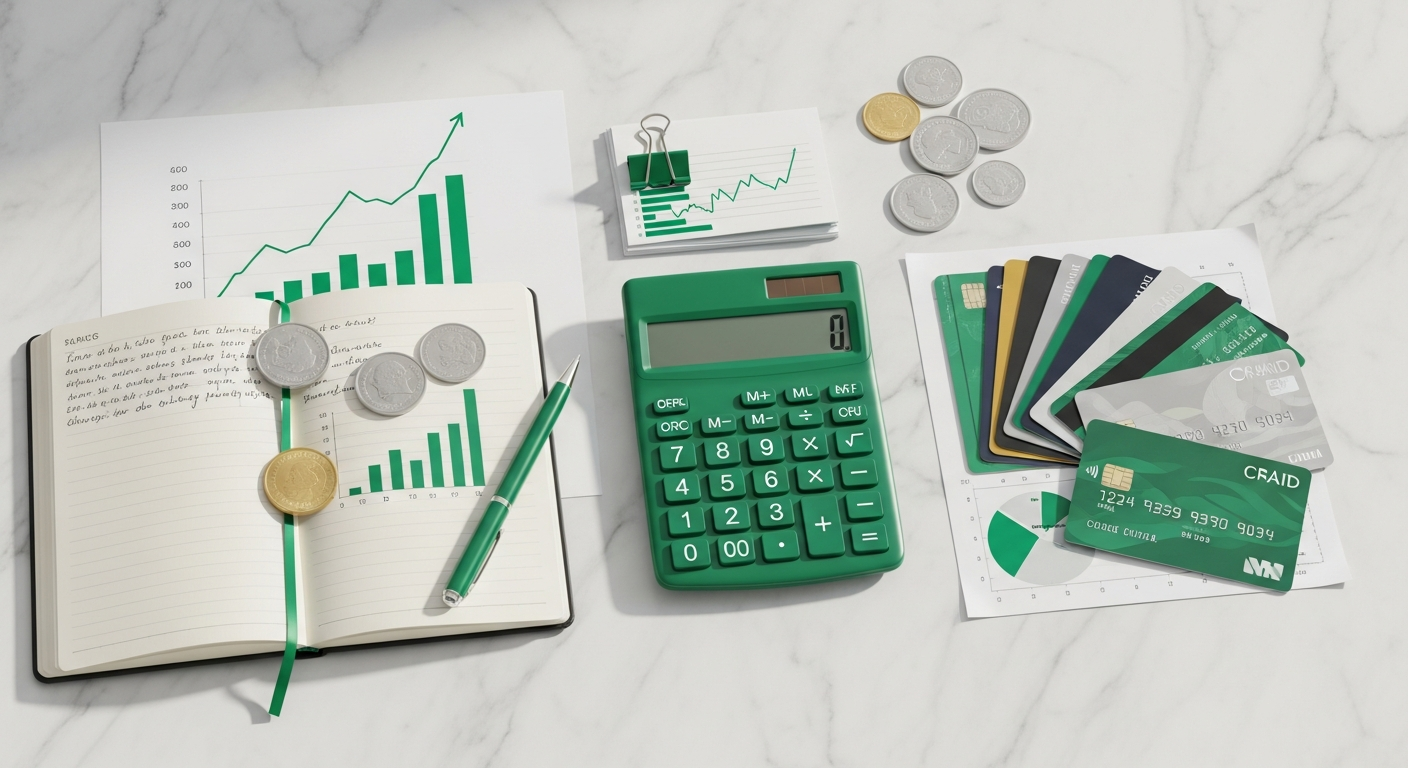
In the physical world, cash stuffing happens on “Payday Friday.” In the digital world, the process should be even more disciplined through automation. The goal is to ensure that by the time you wake up on payday, your money has already been “stuffed” into its respective categories.
Start by listing your non-negotiable fixed expenses (rent, insurance, utilities) and your variable “lifestyle” categories (dining out, hobbies, beauty).
* **The Direct Deposit Split:** Most employers allow you to split your direct deposit into multiple accounts. Direct a set percentage (e.g., 20%) straight into your “Emergency Fund” or “Long-term Savings” digital envelope before it even hits your main checking account.
* **Scheduled Transfers:** For the remaining funds, set up automated recurring transfers. If your “Groceries” envelope requires $600 a month, schedule a $300 transfer every bi-weekly payday.
* **The “Zero-Sum” Rule:** Just like the physical method, every single cent must have a home. If you have $50 left over after stuffing all your digital envelopes, assign it to a “Debt Snowball” bucket or a “Guilt-Free Splurge” bucket.
3. Managing Variable Spending with “Sinking Funds”
One of the greatest strengths of cash stuffing is the use of “Sinking Funds”—saving small amounts over time for large, infrequent expenses. In a digital environment, sinking funds are where you truly see the power of compound interest.
Consider these real-world digital sinking fund examples:
* **The Car Maintenance Bucket:** Instead of being hit with a $600 tire replacement bill, you “stuff” $50 a month into this digital envelope.
* **The Holiday/Gift Bucket:** Start in January by stuffing $40 a month. By December, you have a fully funded, stress-free holiday budget that has been sitting in a high-yield account, earning extra cash while you waited.
* **The Annual Subscription Bucket:** Total up your Amazon Prime, Netflix, and gym memberships. Divide by 12. Stuff that amount monthly so the annual renewals never feel like a “surprise” expense.
By using digital sinking funds, you eliminate the “financial whiplash” that occurs when a large bill hits your primary checking account and wipes out your balance.
4. The “Sting” Factor: How to Avoid Digital Overspending
The primary criticism of digital banking is that it’s “too easy” to spend. Swiping a card doesn’t feel the same as handing over a $100 bill. To modernize cash stuffing successfully, you must reintroduce “frictional spending.”
* **App Notifications as “Receipts”:** Turn on instant push notifications for every transaction. Seeing a notification pop up that says “$-85.00 from Dining Out Bucket” immediately after a meal provides the same psychological feedback as seeing an empty physical envelope.
* **The “Check-Before-You-Swipe” Rule:** Before making a purchase, you must open your banking app and look at the balance of that specific digital envelope. If the “Clothing” bucket says $12.00, you cannot buy the $40.00 shirt, even if your total bank balance is $5,000.
* **Manual Tracking Integration:** Many successful digital stuffers still use a physical or digital planner to manually write down their spending. This “double-entry” method forces you to acknowledge where the money went, bridging the gap between digital convenience and physical mindfulness.
5. Security, Rewards, and the “Digital Advantage”
Transitioning to a digital-first cash stuffing model offers protections that physical envelopes simply cannot match. If you lose a “Rent” envelope containing $1,500 in cash, that money is gone forever.
* **FDIC Insurance:** Your digital envelopes are protected by federal insurance up to $250,000.
* **Fraud Protection:** If your debit or credit card is compromised, you can freeze the card instantly from your phone.
* **Strategic Credit Card Usage:** Advanced users can “stuff” their digital envelopes but use a rewards credit card for the actual purchase to earn 2-3% cash back. They then immediately “pay off” the credit card using the funds from the dedicated digital envelope. This allows you to follow the cash stuffing discipline while essentially getting a 3% discount on your entire life through rewards points.
* **The Data Edge:** Digital banking provides year-end spending reports. You can see exactly how much you “stuffed” into your “Coffee” category over 12 months, allowing you to adjust your goals for the following year based on real data, not guesswork.
6. Advanced Modernization: AI and Predictive Stuffing
As we look toward the future of personal finance, the next phase of digital cash stuffing involves Artificial Intelligence. Many modern banking apps now feature “predictive budgeting.” These tools analyze your spending patterns from the past six months and suggest “stuffing” amounts for you.
For example, if the AI notices your electricity bill fluctuates between $100 and $180, it might suggest “stuffing” a flat $150 into a “Utilities Buffer” envelope each month to smooth out the volatility. Embracing these tools allows you to move from a *reactive* budget (dealing with bills as they come) to a *proactive* budget (preparing for bills before they exist). This shift is the ultimate goal of the cash stuffing philosophy.
***
FAQ: Transitioning to Digital Cash Stuffing
**Q: Is digital cash stuffing better than physical cash stuffing?**
A: “Better” is subjective, but digital is objectively more secure and profitable. While physical stuffing offers better tactile feedback for chronic overspenders, digital stuffing allows you to earn interest, automate your savings, and protect your funds against loss or theft.
**Q: Which banks are best for the digital envelope system?**
A: Look for neobanks and online-first institutions like Ally (known for “Buckets”), SoFi (known for “Vaults”), or Wealthfront. These institutions are designed specifically for users who want to categorize their savings without opening 20 different bank accounts.
**Q: How do I handle “stuffing” for shared expenses with a partner?**
A: Digital stuffing is actually superior for couples. You can have a “Joint Household” bucket that you both contribute to via automated transfers. This eliminates the need to “divvy up” physical cash or Venmo each other constantly for groceries and rent.
**Q: What if I accidentally spend from the wrong “envelope” or bucket?**
A: This is the “user error” of digital budgeting. Most apps allow you to move money between buckets instantly. If you overspend in “Dining Out,” you must “borrow” from another bucket (like “Entertainment”) to balance the books. This keeps the zero-based budget intact.
**Q: Can I still use physical cash for some things?**
A: Absolutely. Many people use a “Hybrid Method.” They use digital envelopes for 90% of their life but keep physical cash for high-temptation categories like “Fun Money” or “Personal Blow Money.” This gives you the tactile “stop” for your most difficult spending areas.
***
Conclusion: The New Standard for Financial Freedom
The transition from physical cash stuffing to a modernized digital system is more than just a trend—it’s a sophisticated strategy for building long-term wealth. By adopting this “Cash Stuffing 2.0” approach, you retain the psychological benefits of the envelope system—the intentionality, the boundary-setting, and the zero-based clarity—while shedding the risks and inefficiencies of physical currency.
In a world where inflation can erode the value of cash sitting in a drawer, and where digital security is paramount, moving your envelopes to a high-yield, automated digital platform is the smartest move you can make. The core of the method remains unchanged: **Give every dollar a job before you spend it.** Whether that job is recorded on a paper envelope or a high-speed banking server, the result is the same: financial peace of mind, a growing net worth, and a budget that finally works as hard as you do.
#