


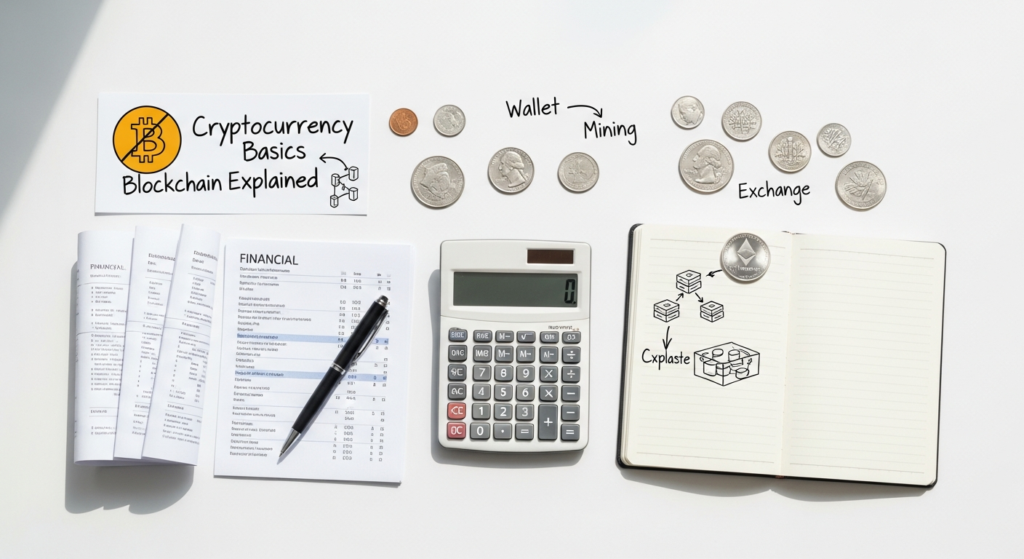
What Exactly is Cryptocurrency? A Digital Revolution Explained
At its core, cryptocurrency is a form of digital or virtual currency that uses cryptography for security. Unlike traditional currencies like the US dollar or Euro, which are issued and regulated by central banks and governments, cryptocurrencies are largely decentralized. This means they are not subject to government or financial institution oversight, operating instead on a technology known as a blockchain. Imagine a public ledger that records every transaction, distributed across a vast network of computers worldwide. This ledger is transparent, immutable, and constantly updated, forming the very backbone of how cryptocurrencies function.
The term “crypto” in cryptocurrency refers to the sophisticated encryption techniques used to secure transactions and control the creation of new units. These cryptographic methods make it extremely difficult to counterfeit or double-spend digital assets, fostering a high level of security and integrity within the system. Instead of physical coins or paper bills, cryptocurrencies exist purely as digital entries on this distributed ledger. Their value is derived from supply and demand, technological utility, and community consensus, rather than government decree.
The advent of cryptocurrency, spearheaded by Bitcoin in 2009, represented a radical departure from conventional finance. It promised a peer-to-peer electronic cash system that could operate without intermediaries, offering lower transaction fees, faster processing times, and greater financial inclusion for individuals worldwide. While the initial vision was primarily focused on payments, the ecosystem has since expanded dramatically, encompassing a vast array of digital assets, decentralized applications, and innovative financial instruments. Understanding this fundamental shift from centralized control to decentralized consensus is the first critical step in grasping the essence of cryptocurrency.
Diving Deeper: Key Concepts You Need to Know
To truly understand cryptocurrency, it’s essential to delve into the foundational concepts that power this revolutionary technology. These principles not only define how cryptocurrencies work but also highlight their unique characteristics compared to traditional financial systems.
Blockchain Technology: The Backbone of Crypto
The blockchain is arguably the most crucial innovation underlying cryptocurrency. Think of it as a continually growing list of records, called blocks, which are linked together using cryptography. Each block contains a timestamp and a link to the previous block, creating an unbroken chain of information. Once a transaction is recorded in a block and added to the blockchain, it becomes incredibly difficult to alter or remove, making the ledger transparent and tamper-proof. This distributed and immutable nature is what gives blockchain its immense security and trustworthiness, eliminating the need for a central authority to verify transactions.
Decentralization: Power to the People
One of cryptocurrency’s most attractive features is its decentralization. Unlike traditional banking, where a central entity (like a bank or government) controls all transactions and records, cryptocurrencies operate on a decentralized network. This means that no single entity has control over the entire system. Instead, thousands of computers across the globe, known as nodes, maintain and verify the blockchain. This distributed control enhances security, resilience, and resistance to censorship, as there’s no single point of failure that can be exploited or shut down.
Cryptography: Securing Your Digital Assets
Cryptography is the science of secure communication in the presence of adversaries, and it’s fundamental to cryptocurrency. It involves complex mathematical algorithms that encrypt and decrypt information, ensuring that transactions are secure and authentic. When you send cryptocurrency, sophisticated cryptographic techniques create digital signatures that verify your ownership and prevent fraud. This also ensures the integrity of the blockchain, making it virtually impossible for unauthorized parties to alter transaction records or forge new units of currency.
Consensus Mechanisms: How Transactions Are Verified
Since there’s no central authority, cryptocurrencies rely on consensus mechanisms to agree on the validity of transactions and the order in which new blocks are added to the blockchain. Two prominent examples are:
- Proof-of-Work (PoW): Used by Bitcoin, PoW requires participants (miners) to solve complex computational puzzles to validate transactions and add new blocks. This process is energy-intensive but highly secure.
- Proof-of-Stake (PoS): Increasingly popular, PoS allows participants (validators) to stake a portion of their cryptocurrency as collateral to validate transactions. Those who stake more have a higher chance of being chosen to validate, and they earn rewards for their participation. PoS is generally more energy-efficient than PoW.
Tokens vs. Coins: Understanding the Distinction
While often used interchangeably, there’s a subtle but important difference between “coins” and “tokens” in the crypto world:
- Coins: These are native to their own blockchain and serve as the primary medium of exchange within that network. Examples include Bitcoin (BTC) on the Bitcoin blockchain and Ether (ETH) on the Ethereum blockchain. Coins typically have monetary value and are used for transactions, paying network fees, and sometimes for governance.
- Tokens: These are built on top of existing blockchains (like Ethereum) and represent a wide range of assets or utilities. Tokens can represent anything from digital collectibles (NFTs) to voting rights in a decentralized autonomous organization (DAO), or even real-world assets. They leverage the security and infrastructure of the underlying blockchain but have their own distinct functions and values.
Grasping these core concepts will provide a solid foundation for understanding the diverse landscape of cryptocurrencies and their potential applications.
The Major Players: A Look at Top Cryptocurrencies
Bitcoin (BTC): The Pioneer
Launched in 2009 by an anonymous entity known as Satoshi Nakamoto, Bitcoin (BTC) is the original cryptocurrency and remains the largest by market capitalization. It was created with the vision of being a peer-to-peer electronic cash system, independent of government and financial institutions. Bitcoin introduced the concept of blockchain technology and proved that a decentralized digital currency could work. Its primary use case is often seen as a store of value, akin to digital gold, and a medium for secure, censorship-resistant transactions. Bitcoin’s scarcity (only 21 million units will ever be mined) and robust network security contribute to its enduring appeal.
Ethereum (ETH): Smart Contracts and Beyond
Ethereum (ETH) is the second-largest cryptocurrency by market capitalization and represents a significant evolution beyond Bitcoin. Launched in 2015 by Vitalik Buterin and co-founders, Ethereum is not just a cryptocurrency; it’s a decentralized platform that enables the creation of smart contracts and decentralized applications (dApps). Smart contracts are self-executing agreements with the terms directly written into code, allowing for complex, automated financial transactions and operations without intermediaries. Ether (ETH) is the native cryptocurrency of the Ethereum network, used to pay for transaction fees (gas) and to secure the network through staking. Ethereum’s robust ecosystem has become the foundation for countless other cryptocurrencies, NFTs, and the decentralized finance (DeFi) movement.
Stablecoins: Bridging the Gap
One of the significant challenges with cryptocurrencies like Bitcoin and Ethereum is their inherent volatility. This can make them less practical for everyday transactions or for investors seeking stability. Stablecoins are designed to address this by pegging their value to a stable asset, typically a fiat currency like the US dollar. This means that 1 stablecoin (e.g., USD Coin – USDC, Tether – USDT) aims to always be worth 1 US dollar. They achieve this stability through various mechanisms, such as being backed by reserves of fiat currency, commodities, or other cryptocurrencies. Stablecoins provide a bridge between the traditional financial system and the crypto world, offering a stable medium of exchange, a way to lock in profits without converting back to fiat, and a fundamental building block for many DeFi applications.
Altcoins: Exploring the Wider Ecosystem
The term “altcoin” is a portmanteau of “alternative coin” and refers to any cryptocurrency other than Bitcoin. This category encompasses thousands of different digital assets, each with its unique purpose, technology, and community. Altcoins vary widely in their market capitalization, liquidity, and potential. Some aim to improve upon Bitcoin’s technology (e.g., faster transactions, lower fees), while others focus on entirely different use cases, such as:
- Privacy Coins: (e.g., Monero, Zcash) designed for enhanced transaction anonymity.
- DeFi Tokens: (e.g., Aave, Uniswap) powering decentralized finance protocols.
- Gaming Tokens: (e.g., Axie Infinity, Decentraland) used within blockchain-based games and metaverses.
- Utility Tokens: Granting access to specific services or features within a decentralized application.
While altcoins offer immense innovation and potential for growth, they also carry higher risks due to their typically smaller market caps, less established networks, and greater susceptibility to market fluctuations. Thorough research is paramount before investing in any altcoin.
Getting Started: How to Buy, Store, and Manage Your Crypto
Once you understand the basics, the next logical step is to learn how to actually acquire and manage cryptocurrency. While it might seem daunting at first, the process has become significantly more user-friendly over the years.
Choosing a Cryptocurrency Exchange
The most common way to buy cryptocurrency is through a cryptocurrency exchange. These platforms act as intermediaries, allowing you to convert fiat currency (like USD or EUR) into digital assets. Exchanges can be broadly categorized:
- Centralized Exchanges (CEXs): These are the most popular and user-friendly for beginners (e.g., Coinbase, Binance, Kraken). They operate much like traditional stockbrokers, requiring you to create an account, complete identity verification (KYC – Know Your Customer), and deposit funds. CEXs offer a wide range of cryptocurrencies, provide intuitive interfaces, and often have customer support, but you don’t fully control your private keys (the digital codes that prove ownership of your crypto).
- Decentralized Exchanges (DEXs): These platforms allow peer-to-peer trading directly from your wallet, without an intermediary. While offering greater anonymity and control over your assets, DEXs (e.g., Uniswap, PancakeSwap) can be more complex for beginners and typically require you to already own some crypto to get started.
When choosing an exchange, consider factors like security measures, fees, available cryptocurrencies, ease of use, and customer support.
Understanding Crypto Wallets
Once you buy crypto, you need a secure place to store it. A crypto wallet is a software program or physical device that stores the public and private keys you need to send and receive cryptocurrencies. It’s crucial to understand that your crypto isn’t literally “in” the wallet; rather, the wallet provides access to your assets on the blockchain.
Wallets come in different forms:
- Hot Wallets: These are connected to the internet. Examples include web wallets (offered by exchanges), desktop wallets, and mobile wallets. They offer convenience for frequent transactions but are generally considered less secure than cold wallets due to their online connectivity.
- Cold Wallets (Hardware Wallets): These are physical devices that store your private keys offline (e.g., Ledger, Trezor). They are considered the most secure option for storing significant amounts of cryptocurrency, as they are impervious to online hacks. However, they are less convenient for day-to-day transactions.
For beginners, starting with the wallet provided by a reputable centralized exchange for small amounts is common. As your holdings grow, consider migrating a portion to a hardware wallet for enhanced security.
Making Your First Purchase
The steps to make your first purchase are generally straightforward on a CEX:
- Create an account: Sign up with your email and chosen password.
- Complete KYC: Provide personal identification documents (ID, proof of address) to verify your identity. This is a regulatory requirement for most centralized exchanges.
- Link a payment method: Connect your bank account, debit card, or credit card.
- Deposit funds: Transfer fiat currency to your exchange account.
- Place an order: Navigate to the “Buy” section, select the cryptocurrency you wish to purchase (e.g., Bitcoin, Ethereum), enter the amount, and confirm your order.
Your purchased crypto will then appear in your exchange wallet.
Security Best Practices
Security in the crypto space is paramount. Unlike traditional banks, there’s often no “undo” button for crypto transactions, and if your private keys are compromised, your funds could be lost forever. Always follow these best practices:
- Enable Two-Factor Authentication (2FA): This adds an extra layer of security, requiring a code from your phone in addition to your password.
- Use Strong, Unique Passwords: Never reuse passwords, and make them complex.
- Safeguard Your Seed Phrase/Recovery Phrase: If using a non-custodial wallet, you’ll receive a list of words (seed phrase). This is the master key to your funds. Write it down offline and store it in multiple secure, secret locations. Never share it with anyone.
- Be Wary of Phishing Scams: Always double-check URLs and sender emails. Scammers often impersonate legitimate platforms.
- Research Before Investing: Never invest in projects based solely on hype. Do your own due diligence.
- Start Small: Especially as a beginner, only invest what you can afford to lose.
By adhering to these practices, you significantly reduce your risk exposure in the crypto market.
The Risks and Rewards: What Every Beginner Should Know
Cryptocurrency offers exciting opportunities, but it’s essential to approach it with a clear understanding of both its potential rewards and inherent risks. A balanced perspective is crucial for making informed financial decisions.
Volatility: The Double-Edged Sword
One of the most defining characteristics of the cryptocurrency market is its extreme volatility. Prices can fluctuate wildly within short periods, sometimes by double-digit percentages in a single day. This volatility is driven by factors such as market sentiment, regulatory news, technological developments, macroeconomic trends, and the relatively smaller market caps of many digital assets compared to traditional markets. While high volatility presents the potential for significant gains, it also carries an equally high risk of substantial losses. Beginners must be prepared for these price swings and avoid making emotional decisions based on short-term market movements.
Regulatory Landscape: An Evolving Environment
The regulatory environment for cryptocurrencies is still evolving globally. Different countries and jurisdictions have varying approaches, ranging from outright bans to embracing crypto innovation. This uncertainty can create market instability and pose challenges for investors regarding taxation, compliance, and the long-term viability of certain projects. Staying informed about regulatory developments in your region is vital, as changes can significantly impact the value and legality of your crypto holdings.
Security Concerns: Hacks and Scams
Despite the cryptographic security of blockchain technology itself, the broader crypto ecosystem is not immune to security threats. Centralized exchanges can be targets for hackers, and individual investors can fall victim to various scams (e.g., phishing, fake ICOs, rug pulls). The decentralized nature of crypto means that if your assets are stolen due to your own negligence (e.g., losing your private keys, falling for a scam), recovery is often impossible. This underscores the importance of strict adherence to security best practices and diligent research into any project or platform you interact with.
Potential for Growth and Innovation
On the reward side, cryptocurrencies offer unparalleled potential for growth and innovation. Many believe that blockchain technology and digital assets will fundamentally reshape various industries, from finance and supply chains to gaming and digital identity. Early adoption of promising projects can lead to significant returns for investors. Furthermore, cryptocurrencies offer a level of financial autonomy and accessibility that is often not available in traditional systems, particularly for individuals in regions with unstable economies or limited access to banking services.
Diversification and Risk Management
Given the inherent risks, sound financial planning dictates that cryptocurrencies should be considered a high-risk, high-reward asset class. As such, they should only constitute a small portion of a well-diversified investment portfolio. It’s crucial to ensure your core financial health is robust before venturing into crypto. This means having an emergency fund, managing high-interest debt, and contributing to traditional retirement accounts. For instance, if you’re struggling with debt, you might want to consider proven strategies like the Snowball Vs Avalanche Debt Payoff Method to get your finances in order before allocating funds to speculative assets like crypto. A strong financial foundation, built through a clear understanding of How To Create A Monthly Budget, is paramount. Never invest money you can’t afford to lose, and always align your crypto investments with your overall financial goals and risk tolerance.
Integrating Crypto into Your Financial Strategy
For those who decide to venture into cryptocurrency, it’s not enough to simply buy and hold. Integrating crypto into a broader, well-thought-out financial strategy requires careful consideration of its role, potential returns, and how it aligns with your personal financial objectives.
Crypto as an Investment: Long-Term vs. Short-Term
Approaching cryptocurrency as an investment asset requires a clear strategy. Many experienced investors view cryptocurrencies like Bitcoin and Ethereum as long-term investments, holding them for years (a strategy known as “HODLing”) with the expectation that their value will appreciate significantly over time as adoption grows and the underlying technology matures. This strategy typically requires a high tolerance for volatility and patience to weather market downturns.
Conversely, short-term trading involves attempting to profit from frequent price fluctuations. This is a high-risk endeavor that demands extensive market knowledge, technical analysis skills, and a significant time commitment. For beginners, a long-term, buy-and-hold approach with a small, diversified portfolio of established cryptocurrencies is generally recommended over speculative short-term trading.
Passive Income Opportunities in Crypto for 2026
Beyond simply buying and selling, the crypto ecosystem offers several avenues for generating passive income, which can be attractive for those looking to diversify their income streams. These opportunities leverage the unique properties of blockchain technology and decentralized finance (DeFi).
- Staking: If you hold cryptocurrencies that use a Proof-of-Stake (PoS) consensus mechanism (like Ethereum 2.0, Cardano, Solana), you can “stake” your coins. This involves locking up your assets to help secure the network and validate transactions. In return, you earn rewards, similar to earning interest in a savings account, but often with higher yields.
- Lending: You can lend your crypto assets to others through decentralized lending platforms. Borrowers pay interest on these loans, which is then distributed to lenders. This can be a way to earn passive income on your idle crypto, but it comes with risks related to smart contract vulnerabilities and borrower default.
- Yield Farming: This advanced DeFi strategy involves moving crypto assets between different lending protocols, liquidity pools, and staking platforms to maximize returns. Yield farming can offer very high Annual Percentage Yields (APYs) but is complex, carries significant risks (e.g., impermanent loss, smart contract hacks), and is generally not recommended for beginners.
- Liquidity Provision: By providing liquidity to decentralized exchanges (DEXs), you can earn a share of the trading fees generated on those platforms. However, this also comes with the risk of “impermanent loss,” where the value of your staked assets might decrease relative to simply holding them.
Exploring Passive Income Ideas 2026 within the crypto space can be rewarding, but it’s crucial to understand the risks associated with each method. Always start with reputable platforms and understand how your funds are being used and secured.
The Role of Crypto in Personal Finance Planning
Integrating crypto into your personal finance plan should always be done within the context of your overall financial health and goals. It’s not a replacement for traditional financial planning but rather an additional asset class to consider. Before allocating funds to crypto, ensure you have a solid financial foundation:
- Emergency Fund: Have 3-6 months of living expenses saved in an easily accessible, liquid account.
- Debt Management: Prioritize paying off high-interest debt. Whether you prefer the Snowball Vs Avalanche Debt Payoff Method, tackling debt should come before significant speculative investments.
- Budgeting: A well-structured budget, as outlined in guides like How To Create A Monthly Budget, is essential. It helps you identify disposable income that can be allocated to investments, including crypto, without compromising your financial stability.
- Diversification: Cryptocurrencies should be a small part of a diversified portfolio that also includes traditional assets like stocks, bonds, and real estate.
- Long-Term Goals: Consider how crypto fits into your long-term wealth creation goals. Are you looking for capital appreciation, passive income, or simply exposure to an emerging technology?
Treat crypto investments as a thoughtful, calculated part of your financial journey, not a get-rich-quick scheme. Diligence, education, and a disciplined approach are your best allies.
Frequently Asked Questions
What is the absolute simplest definition of cryptocurrency?▾
How do I make money with crypto?▾
What is a blockchain in simple terms?▾
Is crypto safe?▾
How much cryptocurrency should I buy as a beginner?▾
What’s the difference between a crypto coin and a crypto token?▾
Recommended Resources
Learn more about this topic in How To Reduce Cart Abandonment Rate at E-ComProfits.
You might also enjoy Honey Vs Rakuten Cashback Comparison from Gold Points.