



Fintech Technology: Unlocking the Future of Personal Finance and Banking
Affiliate disclosure: This article may contain affiliate links. Recommendations are independent and editorially driven.
The financial landscape is undergoing a monumental transformation, driven primarily by the relentless march of fintech technology. Once a niche term understood by only a few, financial technology, or fintech, has become an ubiquitous force reshaping how individuals manage their money, interact with banks, invest for the future, and even access credit. From the simplicity of mobile payments to the complexity of artificial intelligence-driven wealth management, fintech technology is democratizing access to financial services, enhancing efficiency, and fostering unprecedented levels of personalization.
At its core, fintech technology represents the intersection of finance and cutting-edge technological innovation. It encompasses a vast array of digital tools, platforms, and applications designed to improve and automate the delivery and use of financial services. This revolution isn’t just about making existing processes digital; it’s about fundamentally rethinking them, breaking down barriers, and creating entirely new possibilities for consumers and businesses alike. For fin3go users, understanding this dynamic field is crucial for navigating the evolving world of personal finance, banking, credit, and investment opportunities in 2026 and beyond.
This comprehensive guide delves deep into the world of fintech technology, exploring its foundational principles, the powerful forces driving its rapid expansion, and the myriad applications that are changing our financial lives. We will examine the core technologies that underpin these innovations, weigh the profound benefits against potential challenges, and cast an eye toward the exciting trends poised to define its future. Whether you’re a seasoned investor, a small business owner, or simply someone looking to better manage their daily finances, a firm grasp of fintech technology is no longer optional—it’s essential for thriving in the modern economic era.
What is Fintech Technology? Defining the Revolution
To truly appreciate the impact of fintech technology, we must first establish a clear understanding of what it entails. Broadly speaking, fintech technology refers to any innovation that seeks to improve and automate the delivery and use of financial services. This isn’t merely about digitizing traditional financial processes; it’s about leveraging advanced technological capabilities to create more efficient, accessible, and user-friendly financial products and services that often bypass conventional intermediaries.
In essence, fintech technology challenges the status quo of traditional financial institutions by introducing disruptive innovations across various sectors. This disruption can manifest in numerous ways: from streamlining payment systems and facilitating easier access to credit, to empowering individuals with sophisticated investment tools and enhancing the security of financial transactions. The goal is often to provide a faster, cheaper, and more convenient alternative to conventional financial offerings, catering to the evolving demands of a digitally native population.
Early Innovations vs. Modern Landscape
While the term “fintech” gained prominence in the 21st century, the concept of applying technology to finance isn’t entirely new. Early forms of fintech technology can be traced back to the introduction of credit cards in the 1950s, ATMs in the 1960s, and electronic stock trading in the 1970s. The internet’s advent in the 1990s further catalyzed this evolution, bringing online banking and brokerage services to the forefront. These early innovations laid crucial groundwork, gradually shifting consumers and institutions towards digital financial interactions.
However, the modern fintech landscape, particularly since the 2008 financial crisis, represents a paradigm shift. This era is characterized by the widespread adoption of smartphones, the proliferation of big data, and the emergence of transformative technologies like artificial intelligence, machine learning, and blockchain. These advancements have allowed fintech companies to move beyond simply automating existing services to creating entirely new categories of financial products and business models. Today, fintech is less about incremental improvements and more about radical transformation, offering solutions that were once unimaginable or exclusive to high-net-worth individuals.
The Core Pillars of Fintech
The expansive realm of fintech technology is built upon several foundational pillars, each contributing to its transformative power:
- Digital-First Approach: Most fintech solutions are designed from the ground up for digital platforms, primarily mobile. This ensures convenience, accessibility, and a seamless user experience that often surpasses traditional brick-and-mortar offerings.
- Customer-Centricity: Fintech companies typically prioritize the end-user, focusing on intuitive interfaces, personalized services, and direct solutions to common financial pain points.
- Efficiency and Automation: By automating complex processes, fintech reduces human error, speeds up transactions, and lowers operational costs, benefits often passed on to consumers.
- Data-Driven Insights: Leveraging vast amounts of data, fintech firms employ analytics to understand consumer behavior, assess risk more accurately, and offer tailored products and advice.
- Disintermediation: Many fintech innovations aim to remove traditional intermediaries (like banks or brokers) from financial transactions, thereby reducing costs and increasing transparency.
- Accessibility and Inclusion: Fintech technology often targets underserved populations or those historically excluded by traditional financial systems, offering services that are more affordable and easier to access.
Understanding these pillars helps contextualize the diverse applications of fintech and appreciate how it is fundamentally altering our relationship with money and financial services. The rapid growth of this sector underscores its critical role in shaping the economic future for individuals and global markets alike.
The Driving Forces Behind Fintech Innovation


The explosion of fintech technology is not merely a spontaneous occurrence; it is the culmination of several powerful, interconnected forces converging to create an fertile environment for innovation. These drivers range from dramatic shifts in technological capability to evolving consumer demands and a changing regulatory landscape. Understanding these forces is key to grasping why fintech is not just a passing trend, but a fundamental reshaping of the financial industry.
Technological Advancements
At the heart of the fintech revolution are significant breakthroughs in core technologies that have become more powerful, accessible, and affordable. These advancements provide the bedrock upon which novel financial solutions are built:
- Ubiquitous Internet and Mobile Penetration: The widespread availability of high-speed internet and smartphones has created a massive addressable market for digital financial services. Mobile devices act as personal finance hubs, enabling transactions, investments, and banking on the go, anywhere in the world.
- Cloud Computing: Cloud infrastructure provides fintech startups with scalable, cost-effective computing resources, eliminating the need for expensive on-premise hardware. This agility allows them to develop, deploy, and scale applications rapidly, fostering innovation without prohibitive initial capital outlays.
- Artificial Intelligence (AI) and Machine Learning (ML): AI and ML algorithms are central to personalized finance, fraud detection, credit scoring, algorithmic trading, and customer service (chatbots). They enable fintech platforms to process vast datasets, identify patterns, and make intelligent, data-driven decisions at speeds and scales impossible for humans.
- Blockchain and Distributed Ledger Technology (DLT): Beyond cryptocurrencies, blockchain offers a secure, transparent, and immutable way to record transactions. Its potential for streamlining cross-border payments, supply chain finance, and creating new forms of digital assets is immense, promising greater efficiency and trust.
- Big Data Analytics: The ability to collect, process, and analyze massive volumes of financial and behavioral data allows fintech companies to gain deeper insights into customer needs, personalize product offerings, optimize risk models, and identify market opportunities.
- APIs (Application Programming Interfaces): APIs facilitate seamless communication and data exchange between different software applications. In fintech, they enable open banking initiatives, allowing third-party developers to build new services on top of existing financial infrastructure, fostering an ecosystem of interconnected solutions.
Evolving Consumer Expectations
Consumers in 2026 are increasingly digital-native, accustomed to instant gratification, personalized experiences, and seamless interactions in other aspects of their lives (e-commerce, social media). These expectations naturally extend to their financial services:
- Demand for Convenience and Speed: Long queues at banks or slow transaction processing times are no longer acceptable. Consumers expect instant access to funds, real-time transaction updates, and the ability to manage their finances 24/7 from their mobile devices.
- Personalization: Generic financial products are giving way to tailored solutions. Fintech leverages data to offer personalized advice, customized investment portfolios, and financial products that genuinely meet individual needs and preferences.
- Transparency and Control: There’s a growing desire for greater transparency regarding fees, interest rates, and the terms of financial products. Fintech platforms often provide clear, upfront information and empower users with greater control over their financial data and decisions.
- Accessibility: Fintech is breaking down geographical and socio-economic barriers, offering financial services to underserved populations who might not have access to traditional banking, fostering financial inclusion.
- Digital Engagement: Younger generations, in particular, prefer engaging with financial services through apps and online platforms, valuing intuitive design and digital customer support over physical branches.
Regulatory Sandboxes and Open Banking
While financial regulation is often seen as a barrier, some progressive regulatory environments have actively fostered fintech innovation:
- Regulatory Sandboxes: Many governments and financial authorities have introduced “regulatory sandboxes” – frameworks that allow fintech startups to test innovative products and services in a controlled environment with relaxed regulatory requirements. This reduces the burden of compliance and encourages experimentation.
- Open Banking Initiatives: Regulations like PSD2 in Europe have mandated “open banking,” requiring traditional banks to open up their customer data (with explicit consent) to third-party providers via APIs. This promotes competition, encourages innovation, and enables new services like account aggregation and payment initiation by non-bank entities. This trend is expanding globally, fostering a more interconnected financial ecosystem.
[INLINE IMAGE 1: place after second H2 | alt=”fintech technology concept illustration”]
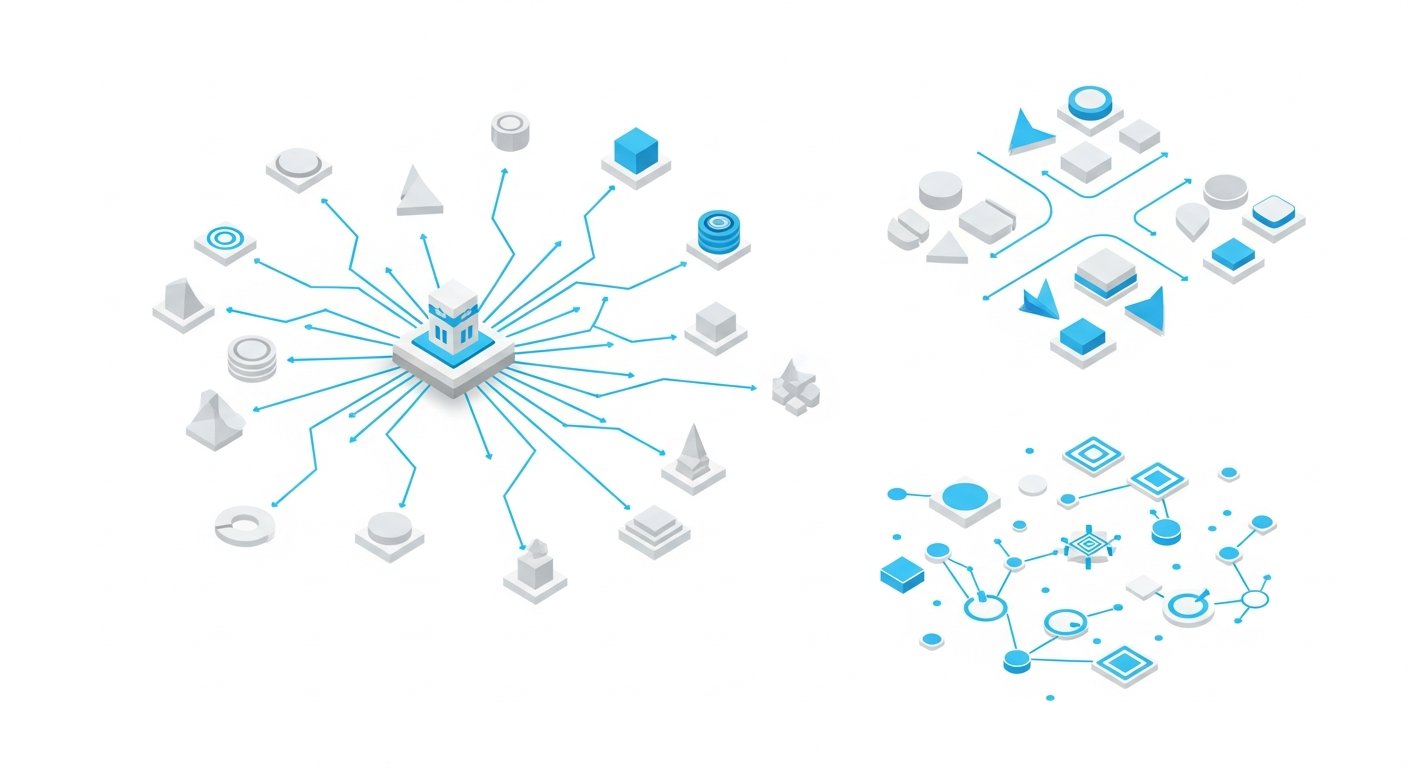
These combined forces create a powerful synergy, propelling fintech technology into every facet of our financial lives. As technology continues to evolve and consumer expectations intensify, the pace of innovation in fintech is only set to accelerate, promising an even more dynamic and user-centric financial future.
Key Categories and Applications of Fintech Technology
The vast landscape of fintech technology touches almost every aspect of financial services, offering innovative solutions across a multitude of categories. These applications are not merely digitizing existing services but fundamentally reimagining how financial needs are met. Understanding these diverse categories is crucial for appreciating the breadth and depth of the fintech revolution.
Digital Banking and Neo-banks
Perhaps one of the most visible applications of fintech technology is in the realm of banking. Digital banks, also known as neo-banks or challenger banks, operate exclusively online, often without physical branches. They leverage technology to offer a seamless, mobile-first banking experience characterized by easy account opening, real-time notifications, intelligent budgeting tools, and lower fees compared to traditional banks. Examples include Chime, Revolut, and N26, which have rapidly gained market share by focusing on customer experience and technological agility. These platforms often incorporate AI for personalized financial insights and robust security features.
Payments and Remittances
Fintech has revolutionized how we send and receive money. Mobile payment apps (e.g., Venmo, PayPal, Square Cash App) have made peer-to-peer (P2P) transfers instantaneous and ubiquitous. Contactless payments using NFC technology in smartphones and wearables have become standard. In the cross-border remittance space, fintech companies like Wise (formerly TransferWise) have drastically reduced fees and increased the speed of international money transfers by bypassing traditional SWIFT networks and leveraging local payment rails. The underlying fintech technology for these services often includes advanced encryption, real-time ledger updates, and sophisticated fraud detection algorithms.
Lending and Alternative Finance
The lending sector has seen significant disruption from fintech. Peer-to-peer (P2P) lending platforms (e.g., LendingClub, Prosper) directly connect borrowers with individual or institutional lenders, often at more competitive rates than traditional banks. AI and machine learning are employed for more accurate credit scoring, enabling lenders to assess risk using alternative data points beyond traditional credit scores, thereby expanding access to credit for a broader population. Additionally, crowdfunding platforms (e.g., Kickstarter, Indiegogo for equity crowdfunding) offer alternative ways for businesses and individuals to raise capital, bypassing traditional venture capitalists or banks.
Investment and Wealth Management (Robo-Advisors)
Fintech technology has democratized investing through robo-advisors. These platforms (e.g., Betterment, Wealthfront, Vanguard Digital Advisor) use algorithms to build and manage diversified investment portfolios tailored to an individual’s risk tolerance, financial goals, and time horizon. They offer low-cost, automated portfolio management, rebalancing, and tax-loss harvesting, making professional-grade investment advice accessible to everyday investors. Beyond robo-advisors, fintech also powers fractional investing apps, micro-investing platforms (e.g., Acorns), and advanced trading platforms with AI-powered analytics and execution capabilities.
Insurtech
Insurtech applies fintech technology principles to the insurance industry, aiming to make policies more personalized, accessible, and efficient. This includes AI-powered underwriting that analyzes vast amounts of data for more accurate risk assessment and pricing, mobile-first insurance apps for easy claims processing and policy management, and usage-based insurance (UBI) that tracks driving behavior or health data (with consent) to offer customized premiums. Examples include Lemonade, which uses AI to streamline the insurance process from quote to claim, and various platforms offering on-demand insurance for specific assets or events.
Regtech and Suptech
As financial technology evolves, so does the need for robust regulation and supervision. Regtech (Regulatory Technology) uses fintech technology to help financial institutions comply with regulations more efficiently and effectively. This includes AI-driven solutions for anti-money laundering (AML) and know-your-customer (KYC) checks, automated compliance monitoring, and real-time risk assessments. Suptech (Supervisory Technology) refers to the use of technology by regulatory bodies themselves to enhance their supervisory capabilities, such as using AI to analyze market data for early warning signs of systemic risk or to monitor financial institutions’ compliance automatically. These areas are crucial for maintaining stability and trust in the rapidly evolving financial ecosystem.
To learn more about how specific fintech applications can benefit your personal finances, consider exploring our guide to personal finance apps that leverage cutting-edge technology.
Cybersecurity in Finance
With the increasing digitalization of financial services, robust cybersecurity is paramount. Fintech technology is both a driver of new security challenges and the provider of advanced solutions. Technologies like multi-factor authentication, biometric verification (fingerprint, facial recognition), behavioral analytics for fraud detection, and advanced encryption protocols are standard in modern fintech. Distributed Ledger Technology (DLT) also offers inherent security benefits through its immutable and decentralized nature, making financial records more resilient to tampering. The continuous innovation in cybersecurity is a critical component ensuring the trust and safety of digital financial transactions.
These applications highlight how fintech technology is not a monolithic entity but a diverse and interconnected web of innovations. Each category addresses specific pain points and unlocks new opportunities, collectively transforming the financial industry and empowering consumers with greater control and access to their financial lives.
Core Technologies Powering Fintech Solutions
Beneath the sleek interfaces and seamless user experiences of fintech applications lies a sophisticated technological infrastructure. It is the advancement and strategic integration of these core technologies that empower fintech companies to disrupt traditional finance and deliver unprecedented value. Understanding these foundational elements provides insight into the immense capabilities and future potential of fintech technology.
Artificial Intelligence (AI) and Machine Learning (ML)
AI and ML are arguably the most transformative technologies underpinning modern fintech. They enable systems to learn from data, identify patterns, make predictions, and automate complex tasks, often without explicit programming. In fintech, AI and ML are applied across a vast spectrum:
- Personalized Financial Advice: AI algorithms analyze spending habits, income, and financial goals to offer tailored budgeting recommendations, investment strategies, and debt management plans.
- Fraud Detection and Prevention: ML models can rapidly analyze millions of transactions in real-time, identifying unusual patterns that indicate fraudulent activity far more effectively than human analysis.
- Credit Scoring and Risk Assessment: Beyond traditional credit scores, AI can incorporate alternative data points (e.g., utility payments, rental history, online behavior) to provide more nuanced and inclusive credit assessments, expanding access to loans for underserved populations.
- Algorithmic Trading: AI-powered algorithms execute trades at optimal times, analyze market sentiment, and identify arbitrage opportunities at speeds impossible for human traders.
- Customer Service: AI-driven chatbots and virtual assistants handle customer inquiries, provide instant support, and even guide users through complex financial processes, enhancing efficiency and availability.
The ability of AI to process vast amounts of data and derive actionable insights is central to the intelligence and responsiveness of today’s leading fintech solutions.
Blockchain and Distributed Ledger Technology (DLT)
While often associated with cryptocurrencies like Bitcoin, blockchain is a specific type of Distributed Ledger Technology (DLT) with far-reaching implications for financial services. DLTs are decentralized databases maintained by a network of participants, offering unparalleled security, transparency, and efficiency:
- Secure and Transparent Transactions: Each transaction on a blockchain is cryptographically linked to the previous one, forming an immutable chain. This inherent security makes it highly resistant to fraud and tampering, providing a verifiable record for all participants.
- Faster Cross-Border Payments: By eliminating intermediaries and reducing settlement times, blockchain technology can significantly speed up international remittances and lower associated costs.
- Supply Chain Finance: DLT can track goods and payments through complex supply chains, increasing transparency, reducing fraud, and enabling more efficient financing options for businesses.
- Smart Contracts: These self-executing contracts, built on blockchain, automatically enforce the terms of an agreement when predefined conditions are met. This has potential applications in insurance claims, loan agreements, and automated escrow services.
- Digital Assets and Tokenization: Blockchain enables the creation of digital assets and the tokenization of real-world assets (like real estate or art), allowing for fractional ownership and easier transferability.
Blockchain’s potential to create a more secure, efficient, and transparent financial infrastructure is a key long-term driver of fintech innovation.
Cloud Computing
Cloud computing provides the foundational infrastructure upon which most modern fintech solutions are built. Rather than owning and maintaining expensive physical servers, fintech companies leverage cloud providers (like AWS, Google Cloud, Azure) for scalable, on-demand computing resources:
- Scalability and Flexibility: Fintech platforms can easily scale their operations up or down based on demand, handling sudden spikes in user activity without performance degradation.
- Cost-Effectiveness: By paying only for the resources they consume, startups and established players alike can reduce operational costs and allocate capital more efficiently to innovation.
- Speed of Deployment: Cloud environments allow developers to rapidly prototype, test, and deploy new applications and features, accelerating time-to-market for innovative products.
- Global Reach: Cloud infrastructure enables fintech companies to serve customers across different geographies with low latency, facilitating global expansion.
- Enhanced Security and Disaster Recovery: Reputable cloud providers invest heavily in security and offer robust disaster recovery solutions, often exceeding what individual companies could achieve on their own.
Application Programming Interfaces (APIs) and Open Banking
APIs are sets of rules and protocols that allow different software applications to communicate with each other. In the context of fintech and open banking, APIs are revolutionary:
- Interoperability: APIs enable seamless data exchange between banks, fintech apps, and other third-party providers. This allows users to view all their bank accounts in a single app, for example.
- Innovation Ecosystem: By opening up access to financial data (with user consent), APIs foster an ecosystem where third-party developers can build new, innovative services on top of existing banking infrastructure.
- Embedded Finance: APIs are crucial for embedded finance, where financial services are seamlessly integrated into non-financial platforms (e.g., purchasing insurance at the point of sale for a new product, or getting a loan offer directly within an e-commerce checkout).
- Real-time Data Access: APIs facilitate instant access to financial information, powering real-time budgeting, spending analysis, and payment initiations.
Big Data Analytics
The sheer volume, velocity, and variety of data generated by digital financial interactions represent a goldmine for fintech. Big data analytics refers to the process of examining large and diverse datasets to uncover hidden patterns, correlations, and other insights:
- Personalized Product Development: Analyzing customer data helps fintech companies identify unmet needs and develop highly targeted products and services.
- Market Trends and Forecasting: Big data can predict market shifts, identify emerging opportunities, and help financial institutions make informed strategic decisions.
- Enhanced Customer Experience: By understanding user behavior, fintech platforms can optimize their interfaces, anticipate customer needs, and proactively offer relevant solutions.
- Operational Efficiency: Data analytics can pinpoint inefficiencies in internal processes, leading to cost savings and improved service delivery.
Biometrics and Advanced Security
Ensuring the security and integrity of financial transactions is paramount. Fintech technology leverages advanced security measures to protect users and data:
- Biometric Authentication: Fingerprint scans, facial recognition, and voice recognition offer a convenient and highly secure alternative to traditional passwords, significantly reducing the risk of unauthorized access.
- Multi-Factor Authentication (MFA): Combining multiple verification methods (e.g., password + one-time code + biometric) adds layers of security to sensitive transactions.
- Encryption: Robust encryption protocols protect data both in transit and at rest, making it unreadable to unauthorized parties.
- Behavioral Analytics: Monitoring user behavior for anomalies (e.g., logging in from an unusual location, making uncharacteristic transactions) helps detect and prevent fraud in real-time.
[INLINE IMAGE 2: place after fourth H2 | alt=”fintech technology comparison illustration”]
The synergy of these core technologies creates a powerful engine for fintech innovation. As these technologies continue to mature and integrate, the capabilities of fintech solutions will only expand, offering more sophisticated, secure, and personalized financial experiences.
Benefits of Embracing Fintech Technology for Consumers and Businesses
The widespread adoption of fintech technology is not simply a matter of convenience; it delivers tangible and often profound benefits for both individual consumers and businesses of all sizes. These advantages collectively contribute to a more efficient, accessible, and responsive financial ecosystem.
Enhanced Accessibility and Inclusion
One of the most significant benefits of fintech technology is its ability to break down traditional barriers to financial services. For consumers, this means:
- Global Access: Anyone with an internet connection and a smartphone can access banking, payment, and investment services, regardless of their physical proximity to a bank branch. This is particularly impactful in remote areas or developing economies.
- Financial Inclusion: Fintech extends services to the “unbanked” and “underbanked” populations who might lack traditional credit histories or sufficient funds for traditional bank accounts. Micro-lending platforms, mobile payment systems, and alternative credit scoring models enable these individuals to participate in the formal economy.
- Simplicity of Onboarding: Opening an account or applying for a loan often involves just a few taps on a smartphone, eliminating lengthy paperwork and in-person visits.
For businesses, enhanced accessibility translates into easier access to capital through alternative lending platforms and broader reach to customers globally via diverse payment solutions.
Improved Efficiency and Speed
Fintech technology thrives on automation and streamlined processes, leading to significant gains in efficiency:
- Instant Transactions: Mobile payments, P2P transfers, and real-time payment systems enable money to move almost instantly, rather than days.
- Automated Processes: AI-powered tools automate tasks like budgeting, expense tracking, portfolio rebalancing, and compliance checks, freeing up time for both individuals and financial professionals.
- Faster Lending Decisions: Machine learning algorithms can process loan applications and assess creditworthiness in minutes, providing quick access to funds when needed.
Businesses benefit from faster invoice processing, quicker access to working capital, and more efficient internal financial operations.
Cost Reduction
By leveraging technology to automate processes and reduce the need for physical infrastructure, fintech solutions often come with lower costs:
- Lower Fees: Digital banks and investment platforms typically have lower operating costs, allowing them to offer accounts with no monthly fees, lower transaction charges, and reduced investment management fees.
- Reduced Overheads for Businesses: Companies can save on transaction fees, international transfer costs, and the operational expenses associated with traditional financial management.
- Better Exchange Rates: Fintech remittance services often provide more favorable exchange rates and lower transfer fees for international payments compared to traditional banks.
These cost savings free up more money for saving, investing, or business growth.
Personalized Experiences
Harnessing the power of big data and AI, fintech technology delivers highly personalized financial experiences:
- Tailored Recommendations: Algorithms analyze spending patterns, financial goals, and risk tolerance to offer personalized budgeting advice, investment suggestions, and product recommendations.
- Customized Products: From insurance policies based on individual usage to loan products designed for specific circumstances, fintech allows for greater product customization.
- Proactive Insights: Fintech apps can proactively alert users to unusual spending, upcoming bills, or opportunities to save or invest, empowering better financial decision-making.
This level of personalization helps users feel more in control and better understood by their financial providers.
Greater Transparency and Security
Fintech innovations are also driving improvements in transparency and security:
- Clearer Fee Structures: Many fintech platforms pride themselves on transparent fee disclosures, avoiding hidden charges often found in traditional finance.
- Real-time Information: Users have instant access to their account balances, transaction histories, and investment performance, promoting greater financial awareness.
- Enhanced Security Features: Biometric authentication, multi-factor authentication, advanced encryption, and AI-driven fraud detection provide robust protection for financial data and transactions. Blockchain technology, in particular, offers an immutable and transparent record of transactions.
Innovation and Competition
The rise of fintech technology has ignited fierce competition across the financial sector:
- Traditional Banks Innovate: To keep pace with fintech challengers, established banks are investing heavily in their own digital transformation, leading to improved services for all customers.
- New Product Development: The competitive landscape constantly pushes companies to innovate, leading to a wider array of cutting-edge financial products and services.
- Market Efficiency: Increased competition drives down prices and improves service quality, ultimately benefiting consumers.
Overall, embracing fintech technology is not merely adopting new tools; it’s stepping into a more empowered and efficient financial future. From streamlining daily transactions to planning for long-term wealth, the benefits are undeniable and continue to expand.
Challenges and Risks in the Fintech Landscape
While the benefits of fintech technology are transformative, its rapid evolution also introduces a unique set of challenges and risks that consumers, businesses, and regulators must navigate carefully. A comprehensive understanding of these potential pitfalls is crucial for ensuring the sustainable and responsible growth of the fintech sector.
Regulatory Complexities
The speed of fintech innovation often outpaces the pace of regulatory development, creating a complex and sometimes ambiguous environment:
- Jurisdictional Fragmentation: Financial regulations vary significantly across countries and even within regions, posing challenges for global fintech companies seeking to expand. Compliance with diverse legal frameworks can be costly and complex.
- Regulatory Arbitrage: Some fintech firms may operate in regulatory gray areas, or choose jurisdictions with lighter oversight, potentially exposing consumers to risks.
- New Risk Categories: Traditional financial regulations were not designed for technologies like AI, blockchain, or novel digital assets. Regulators grapple with how to effectively supervise new models without stifling innovation.
- Consumer Protection: Ensuring adequate consumer protection in a rapidly changing digital landscape, especially for less tech-savvy users, is a constant challenge.
Striking the right balance between fostering innovation and safeguarding financial stability and consumer interests remains a primary concern for governments worldwide.
Data Security and Privacy Concerns
Fintech relies heavily on collecting, processing, and storing vast amounts of sensitive personal and financial data, making it a prime target for cybercriminals:
- Cyberattacks: Data breaches, hacking, phishing, and ransomware attacks are constant threats. A successful attack on a fintech platform could lead to financial losses, identity theft, and severe reputational damage.
- Privacy Violations: The extensive use of personal data for personalization raises privacy concerns. Users need to trust that their data will be handled responsibly, securely, and in compliance with regulations like GDPR or CCPA.
- Third-Party Risk: Many fintech services rely on a network of third-party providers (cloud services, data analytics firms). A vulnerability in any part of this chain can expose customer data.
- Ethical AI Concerns: The use of AI in credit scoring or financial advice raises questions about bias in algorithms, fairness, and transparency in decision-making processes.
Robust cybersecurity measures and transparent data governance policies are not merely good practice, but an absolute necessity for fintech companies.
Digital Divide and Financial Literacy
While fintech often promotes financial inclusion, it can also exacerbate existing inequalities if not managed thoughtfully:
- Access to Technology: Not everyone has consistent access to smartphones, reliable internet, or the digital literacy required to use complex fintech applications effectively. This “digital divide” can exclude certain populations.
- Financial Literacy Gap: The rapid pace of innovation means new products and services can be complex. Without adequate financial education, users may not fully understand the risks or benefits, leading to poor financial decisions.
- Exclusion of Less Tech-Savvy Individuals: Older demographics or individuals unfamiliar with digital interfaces might struggle to access or utilize fintech tools, potentially leaving them behind as traditional services diminish.
Systemic Risk and Interconnectedness
The increasing interconnectedness of the financial system through fintech applications, particularly via APIs and cloud services, introduces new forms of systemic risk:
- Concentration Risk: A significant portion of fintech operations relies on a few large cloud providers. A widespread outage or attack on one of these providers could have cascading effects across multiple fintech services and financial institutions.
- Contagion Risk: The tight integration of fintechs with traditional banks means a failure in one area could quickly spread, affecting the broader financial system.
- Lack of Redundancy: Some smaller fintechs may not have the robust disaster recovery and business continuity plans that larger, regulated institutions are required to maintain.
Competition with Traditional Institutions
While competition fosters innovation, it also presents challenges:
- Uneven Playing Field: Fintech startups often operate with less stringent regulatory burdens than established banks, which some argue creates an uneven competitive landscape.
- Trust and Brand Recognition: Traditional banks benefit from decades or centuries of established trust and brand recognition, which new fintechs must work hard to build.
- Resource Disparity: Large financial institutions have vast resources for lobbying, technology investment, and marketing that most startups cannot match.
Navigating these challenges requires continuous collaboration between fintech innovators, traditional financial institutions, regulators, and consumers to ensure a resilient, secure, and equitable financial future for all.
The Future of Fintech Technology: Trends to Watch in 2026 and Beyond
The trajectory of fintech technology is one of relentless innovation, driven by emerging technological capabilities and evolving societal needs. As we look towards 2026 and the years beyond, several key trends are poised to redefine the financial landscape, offering new opportunities and challenges. Staying abreast of these developments is essential for anyone engaged with personal finance and the broader economy.
Hyper-Personalization with AI
The current wave of AI in fintech is impressive, but the future promises hyper-personalization that goes far beyond current capabilities. Imagine financial services that not only recommend a budget but dynamically adjust it based on real-time spending, income fluctuations, and even emotional states detected through user interaction. AI will move towards predictive financial health management, anticipating potential financial difficulties before they arise and offering proactive solutions. This will include truly personalized investment portfolios that adapt instantly to market changes and individual life events, as well as credit products tailored to an individual’s unique cash flow patterns rather than just historical scores. The goal is an AI financial co-pilot that offers truly bespoke and anticipatory financial guidance.
Embedded Finance
Embedded finance is set to become pervasive. This trend involves integrating financial services seamlessly into non-financial platforms and everyday activities. Instead of going to a bank for a loan, you might be offered financing directly at the point of sale within an e-commerce platform, or insurance for a specific item as you add it to your cart. Businesses will increasingly embed payment processing, lending, and even banking functionalities directly into their core offerings, making financial transactions almost invisible. This makes financial services more convenient and contextually relevant, blurring the lines between commerce and finance. For fin3go users, this means financial decisions could be integrated into almost any purchasing decision, requiring a keen eye on terms and conditions.
Decentralized Finance (DeFi) Evolution
Decentralized Finance (DeFi), built on blockchain technology, aims to recreate traditional financial services (lending, borrowing, trading, insurance) using smart contracts without central intermediaries. While still in its nascent stages and facing significant regulatory hurdles, DeFi’s potential for increased transparency, efficiency, and censorship resistance is immense. In the coming years, we can expect DeFi to mature, potentially offering more user-friendly interfaces, greater stability, and clearer regulatory frameworks. Its long-term impact could involve democratizing access to complex financial instruments and creating a truly global, open financial system, though risks related to volatility, security vulnerabilities, and scalability remain.
Quantum Computing’s Potential Impact
While still a long-term prospect, quantum computing looms as a game-changer. Its ability to solve complex computational problems at speeds currently unimaginable could revolutionize areas like cryptographic security (both enhancing and potentially breaking current encryption methods), financial modeling (optimizing investment strategies, risk analysis), and drug discovery. For fintech, quantum computing could mean breakthroughs in fraud detection, ultra-fast algorithmic trading, and the development of entirely new, unbreakable encryption standards. However, it also presents a potential “quantum threat” to existing cryptographic systems, requiring financial institutions to develop “quantum-safe” solutions in the years to come.
Sustainable and Ethical Fintech (Green Fintech)
As environmental, social, and governance (ESG) factors gain increasing importance, fintech will play a crucial role in promoting sustainable finance. “Green fintech” will leverage technology to enable sustainable investments, carbon footprint tracking for individual spending, green lending products, and impact investing platforms. This trend will empower consumers to align their financial decisions with their values, making it easier to invest in environmentally friendly companies or manage personal finances in a sustainable way. We will see more apps providing transparency on the ethical impact of spending and investment choices.
For more insights on making smart financial choices in an ever-evolving market, consider exploring our articles on innovative investment strategies and how to choose a modern banking solution.
The Metaverse and Web3 in Finance
The emergence of the metaverse and Web3 technologies, characterized by decentralized virtual worlds and ownership of digital assets, presents a new frontier for fintech. We can anticipate financial services within the metaverse, including virtual payments, digital asset trading (NFTs, virtual real estate), metaverse banking services, and even avatar-based financial advisors. The integration of cryptocurrencies and blockchain will be central to these virtual economies, creating new avenues for financial transactions and wealth creation in digital spaces. While speculative, the long-term vision involves a fully immersive financial experience where digital and physical assets converge.
These trends highlight a future where financial services are more integrated into daily life, increasingly intelligent, highly personalized, and potentially decentralized. Navigating this future will require adaptability, continuous learning, and a discerning eye for both opportunities and risks presented by cutting-edge fintech technology.
Choosing the Right Fintech Solutions: A Practical Guide
With the dizzying array of fintech technology solutions available in 2026, selecting the right tools for your personal finance and business needs can feel overwhelming. This section provides a practical guide to evaluating and choosing fintech products and services that truly add value, rather than just complexity.
Assessing Your Needs
Fintech Technology: Unlocking the Future of Personal Finance and Banking
Affiliate disclosure: This article may contain affiliate links. Recommendations are independent and editorially driven.
The financial landscape is undergoing a monumental transformation, driven primarily by the relentless march of fintech technology. Once a niche term understood by only a few, financial technology, or fintech, has become an ubiquitous force reshaping how individuals manage their money, interact with banks, invest for the future, and even access credit. From the simplicity of mobile payments to the complexity of artificial intelligence-driven wealth management, fintech technology is democratizing access to financial services, enhancing efficiency, and fostering unprecedented levels of personalization.
At its core, fintech technology represents the intersection of finance and cutting-edge technological innovation. It encompasses a vast array of digital tools, platforms, and applications designed to improve and automate the delivery and use of financial services. This revolution isn’t just about making existing processes digital; it’s about fundamentally rethinking them, breaking down barriers, and creating entirely new possibilities for consumers and businesses alike. For fin3go users, understanding this dynamic field is crucial for navigating the evolving world of personal finance, banking, credit, and investment opportunities in 2026 and beyond.
This comprehensive guide delves deep into the world of fintech technology, exploring its foundational principles, the powerful forces driving its rapid expansion, and the myriad applications that are changing our financial lives. We will examine the core technologies that underpin these innovations, weigh the profound benefits against potential challenges, and cast an eye toward the exciting trends poised to define its future. Whether you’re a seasoned investor, a small business owner, or simply someone looking to better manage their daily finances, a firm grasp of fintech technology is no longer optional—it’s essential for thriving in the modern economic era.
What is Fintech Technology? Defining the Revolution
To truly appreciate the impact of fintech technology, we must first establish a clear understanding of what it entails. Broadly speaking, fintech technology refers to any innovation that seeks to improve and automate the delivery and use of financial services. This isn’t merely about digitizing traditional financial processes; it’s about leveraging advanced technological capabilities to create more efficient, accessible, and user-friendly financial products and services that often bypass conventional intermediaries.
In essence, fintech technology challenges the status quo of traditional financial institutions by introducing disruptive innovations across various sectors. This disruption can manifest in numerous ways: from streamlining payment systems and facilitating easier access to credit, to empowering individuals with sophisticated investment tools and enhancing the security of financial transactions. The goal is often to provide a faster, cheaper, and more convenient alternative to conventional financial offerings, catering to the evolving demands of a digitally native population.
Early Innovations vs. Modern Landscape
While the term “fintech” gained prominence in the 21st century, the concept of applying technology to finance isn’t entirely new. Early forms of fintech technology can be traced back to the introduction of credit cards in the 1950s, ATMs in the 1960s, and electronic stock trading in the 1970s. The internet’s advent in the 1990s further catalyzed this evolution, bringing online banking and brokerage services to the forefront. These early innovations laid crucial groundwork, gradually shifting consumers and institutions towards digital financial interactions.
However, the modern fintech landscape, particularly since the 2008 financial crisis, represents a paradigm shift. This era is characterized by the widespread adoption of smartphones, the proliferation of big data, and the emergence of transformative technologies like artificial intelligence, machine learning, and blockchain. These advancements have allowed fintech companies to move beyond simply automating existing services to creating entirely new categories of financial products and business models. Today, fintech is less about incremental improvements and more about radical transformation, offering solutions that were once unimaginable or exclusive to high-net-worth individuals.
The Core Pillars of Fintech
The expansive realm of fintech technology is built upon several foundational pillars, each contributing to its transformative power:
- Digital-First Approach: Most fintech solutions are designed from the ground up for digital platforms, primarily mobile. This ensures convenience, accessibility, and a seamless user experience that often surpasses traditional brick-and-mortar offerings.
- Customer-Centricity: Fintech companies typically prioritize the end-user, focusing on intuitive interfaces, personalized services, and direct solutions to common financial pain points.
- Efficiency and Automation: By automating complex processes, fintech reduces human error, speeds up transactions, and lowers operational costs, benefits often passed on to consumers.
- Data-Driven Insights: Leveraging vast amounts of data, fintech firms employ analytics to understand consumer behavior, assess risk more accurately, and offer tailored products and advice.
- Disintermediation: Many fintech innovations aim to remove traditional intermediaries (like banks or brokers) from financial transactions, thereby reducing costs and increasing transparency.
- Accessibility and Inclusion: Fintech technology often targets underserved populations or those historically excluded by traditional financial systems, offering services that are more affordable and easier to access.
Understanding these pillars helps contextualize the diverse applications of fintech and appreciate how it is fundamentally altering our relationship with money and financial services. The rapid growth of this sector underscores its critical role in shaping the economic future for individuals and global markets alike.
The Driving Forces Behind Fintech Innovation
The explosion of fintech technology is not merely a spontaneous occurrence; it is the culmination of several powerful, interconnected forces converging to create an fertile environment for innovation. These drivers range from dramatic shifts in technological capability to evolving consumer demands and a changing regulatory landscape. Understanding these forces is key to grasping why fintech is not just a passing trend, but a fundamental reshaping of the financial industry.
Technological Advancements
At the heart of the fintech revolution are significant breakthroughs in core technologies that have become more powerful, accessible, and affordable. These advancements provide the bedrock upon which novel financial solutions are built:
- Ubiquitous Internet and Mobile Penetration: The widespread availability of high-speed internet and smartphones has created a massive addressable market for digital financial services. Mobile devices act as personal finance hubs, enabling transactions, investments, and banking on the go, anywhere in the world.
- Cloud Computing: Cloud infrastructure provides fintech startups with scalable, cost-effective computing resources, eliminating the need for expensive on-premise hardware. This agility allows them to develop, deploy, and scale applications rapidly, fostering innovation without prohibitive initial capital outlays.
- Artificial Intelligence (AI) and Machine Learning (ML): AI and ML algorithms are central to personalized finance, fraud detection, credit scoring, algorithmic trading, and customer service (chatbots). They enable fintech platforms to process vast datasets, identify patterns, and make intelligent, data-driven decisions at speeds and scales impossible for humans.
- Blockchain and Distributed Ledger Technology (DLT): Beyond cryptocurrencies, blockchain offers a secure, transparent, and immutable way to record transactions. Its potential for streamlining cross-border payments, supply chain finance, and creating new forms of digital assets is immense, promising greater efficiency and trust.
- Big Data Analytics: The ability to collect, process, and analyze massive volumes of financial and behavioral data allows fintech companies to gain deeper insights into customer needs, personalize product offerings, optimize risk models, and identify market opportunities.
- APIs (Application Programming Interfaces): APIs facilitate seamless communication and data exchange between different software applications. In fintech, they enable open banking initiatives, allowing third-party developers to build new services on top of existing financial infrastructure, fostering an ecosystem of interconnected solutions.
Evolving Consumer Expectations
Consumers in 2026 are increasingly digital-native, accustomed to instant gratification, personalized experiences, and seamless interactions in other aspects of their lives (e-commerce, social media). These expectations naturally extend to their financial services:
- Demand for Convenience and Speed: Long queues at banks or slow transaction processing times are no longer acceptable. Consumers expect instant access to funds, real-time transaction updates, and the ability to manage their finances 24/7 from their mobile devices.
- Personalization: Generic financial products are giving way to tailored solutions. Fintech leverages data to offer personalized advice, customized investment portfolios, and financial products that genuinely meet individual needs and preferences.
- Transparency and Control: There’s a growing desire for greater transparency regarding fees, interest rates, and the terms of financial products. Fintech platforms often provide clear, upfront information and empower users with greater control over their financial data and decisions.
- Accessibility: Fintech is breaking down geographical and socio-economic barriers, offering financial services to underserved populations who might not have access to traditional banking, fostering financial inclusion.
- Digital Engagement: Younger generations, in particular, prefer engaging with financial services through apps and online platforms, valuing intuitive design and digital customer support over physical branches.
Regulatory Sandboxes and Open Banking
While financial regulation is often seen as a barrier, some progressive regulatory environments have actively fostered fintech innovation:
- Regulatory Sandboxes: Many governments and financial authorities have introduced “regulatory sandboxes” – frameworks that allow fintech startups to test innovative products and services in a controlled environment with relaxed regulatory requirements. This reduces the burden of compliance and encourages experimentation.
- Open Banking Initiatives: Regulations like PSD2 in Europe have mandated “open banking,” requiring traditional banks to open up their customer data (with explicit consent) to third-party providers via APIs. This promotes competition, encourages innovation, and enables new services like account aggregation and payment initiation by non-bank entities. This trend is expanding globally, fostering a more interconnected financial ecosystem.
[INLINE IMAGE 1: place after second H2 | alt=”fintech technology concept illustration”]
These combined forces create a powerful synergy, propelling fintech technology into every facet of our financial lives. As technology continues to evolve and consumer expectations intensify, the pace of innovation in fintech is only set to accelerate, promising an even more dynamic and user-centric financial future.
Key Categories and Applications of Fintech Technology
The vast landscape of fintech technology touches almost every aspect of financial services, offering innovative solutions across a multitude of categories. These applications are not merely digitizing existing services but fundamentally reimagining how financial needs are met. Understanding these diverse categories is crucial for appreciating the breadth and depth of the fintech revolution.
Digital Banking and Neo-banks
Perhaps one of the most visible applications of fintech technology is in the realm of banking. Digital banks, also known as neo-banks or challenger banks, operate exclusively online, often without physical branches. They leverage technology to offer a seamless, mobile-first banking experience characterized by easy account opening, real-time notifications, intelligent budgeting tools, and lower fees compared to traditional banks. Examples include Chime, Revolut, and N26, which have rapidly gained market share by focusing on customer experience and technological agility. These platforms often incorporate AI for personalized financial insights and robust security features.
Payments and Remittances
Fintech has revolutionized how we send and receive money. Mobile payment apps (e.g., Venmo, PayPal, Square Cash App) have made peer-to-peer (P2P) transfers instantaneous and ubiquitous. Contactless payments using NFC technology in smartphones and wearables have become standard. In the cross-border remittance space, fintech companies like Wise (formerly TransferWise) have drastically reduced fees and increased the speed of international money transfers by bypassing traditional SWIFT networks and leveraging local payment rails. The underlying fintech technology for these services often includes advanced encryption, real-time ledger updates, and sophisticated fraud detection algorithms.
Lending and Alternative Finance
The lending sector has seen significant disruption from fintech. Peer-to-peer (P2P) lending platforms (e.g., LendingClub, Prosper) directly connect borrowers with individual or institutional lenders, often at more competitive rates than traditional banks. AI and machine learning are employed for more accurate credit scoring, enabling lenders to assess risk using alternative data points beyond traditional credit scores, thereby expanding access to credit for a broader population. Additionally, crowdfunding platforms (e.g., Kickstarter, Indiegogo for equity crowdfunding) offer alternative ways for businesses and individuals to raise capital, bypassing traditional venture capitalists or banks.
Investment and Wealth Management (Robo-Advisors)
Fintech technology has democratized investing through robo-advisors. These platforms (e.g., Betterment, Wealthfront, Vanguard Digital Advisor) use algorithms to build and manage diversified investment portfolios tailored to an individual’s risk tolerance, financial goals, and time horizon. They offer low-cost, automated portfolio management, rebalancing, and tax-loss harvesting, making professional-grade investment advice accessible to everyday investors. Beyond robo-advisors, fintech also powers fractional investing apps, micro-investing platforms (e.g., Acorns), and advanced trading platforms with AI-powered analytics and execution capabilities.
Insurtech
Insurtech applies fintech technology principles to the insurance industry, aiming to make policies more personalized, accessible, and efficient. This includes AI-powered underwriting that analyzes vast amounts of data for more accurate risk assessment and pricing, mobile-first insurance apps for easy claims processing and policy management, and usage-based insurance (UBI) that tracks driving behavior or health data (with consent) to offer customized premiums. Examples include Lemonade, which uses AI to streamline the insurance process from quote to claim, and various platforms offering on-demand insurance for specific assets or events.
Regtech and Suptech
As financial technology evolves, so does the need for robust regulation and supervision. Regtech (Regulatory Technology) uses fintech technology to help financial institutions comply with regulations more efficiently and effectively. This includes AI-driven solutions for anti-money laundering (AML) and know-your-customer (KYC) checks, automated compliance monitoring, and real-time risk assessments. Suptech (Supervisory Technology) refers to the use of technology by regulatory bodies themselves to enhance their supervisory capabilities, such as using AI to analyze market data for early warning signs of systemic risk or to monitor financial institutions’ compliance automatically. These areas are crucial for maintaining stability and trust in the rapidly evolving financial ecosystem.
To learn more about how specific fintech applications can benefit your personal finances, consider exploring our guide to personal finance apps that leverage cutting-edge technology.
Cybersecurity in Finance
With the increasing digitalization of financial services, robust cybersecurity is paramount. Fintech technology is both a driver of new security challenges and the provider of advanced solutions. Technologies like multi-factor authentication, biometric verification (fingerprint, facial recognition), behavioral analytics for fraud detection, and advanced encryption protocols are standard in modern fintech. Distributed Ledger Technology (DLT) also offers inherent security benefits through its immutable and decentralized nature, making financial records more resilient to tampering. The continuous innovation in cybersecurity is a critical component ensuring the trust and safety of digital financial transactions.
These applications highlight how fintech technology is not a monolithic entity but a diverse and interconnected web of innovations. Each category addresses specific pain points and unlocks new opportunities, collectively transforming the financial industry and empowering consumers with greater control and access to their financial lives.
Core Technologies Powering Fintech Solutions
Beneath the sleek interfaces and seamless user experiences of fintech applications lies a sophisticated technological infrastructure. It is the advancement and strategic integration of these core technologies that empower fintech companies to disrupt traditional finance and deliver unprecedented value. Understanding these foundational elements provides insight into the immense capabilities and future potential of fintech technology.
Artificial Intelligence (AI) and Machine Learning (ML)
AI and ML are arguably the most transformative technologies underpinning modern fintech. They enable systems to learn from data, identify patterns, make predictions, and automate complex tasks, often without explicit programming. In fintech, AI and ML are applied across a vast spectrum:
- Personalized Financial Advice: AI algorithms analyze spending habits, income, and financial goals to offer tailored budgeting recommendations, investment strategies, and debt management plans.
- Fraud Detection and Prevention: ML models can rapidly analyze millions of transactions in real-time, identifying unusual patterns that indicate fraudulent activity far more effectively than human analysis.
- Credit Scoring and Risk Assessment: Beyond traditional credit scores, AI can incorporate alternative data points (e.g., utility payments, rental history, online behavior) to provide more nuanced and inclusive credit assessments, expanding access to loans for underserved populations.
- Algorithmic Trading: AI-powered algorithms execute trades at optimal times, analyze market sentiment, and identify arbitrage opportunities at speeds impossible for human traders.
- Customer Service: AI-driven chatbots and virtual assistants handle customer inquiries, provide instant support, and even guide users through complex financial processes, enhancing efficiency and availability.
The ability of AI to process vast amounts of data and derive actionable insights is central to the intelligence and responsiveness of today’s leading fintech solutions.
Blockchain and Distributed Ledger Technology (DLT)
While often associated with cryptocurrencies like Bitcoin, blockchain is a specific type of Distributed Ledger Technology (DLT) with far-reaching implications for financial services. DLTs are decentralized databases maintained by a network of participants, offering unparalleled security, transparency, and efficiency:
- Secure and Transparent Transactions: Each transaction on a blockchain is cryptographically linked to the previous one, forming an immutable chain. This inherent security makes it highly resistant to fraud and tampering, providing a verifiable record for all participants.
- Faster Cross-Border Payments: By eliminating intermediaries and reducing settlement times, blockchain technology can significantly speed up international remittances and lower associated costs.
- Supply Chain Finance: DLT can track goods and payments through complex supply chains, increasing transparency, reducing fraud, and enabling more efficient financing options for businesses.
- Smart Contracts: These self-executing contracts, built on blockchain, automatically enforce the terms of an agreement when predefined conditions are met. This has potential applications in insurance claims, loan agreements, and automated escrow services.
- Digital Assets and Tokenization: Blockchain enables the creation of digital assets and the tokenization of real-world assets (like real estate or art), allowing for fractional ownership and easier transferability.
Blockchain’s potential to create a more secure, efficient, and transparent financial infrastructure is a key long-term driver of fintech innovation.
Cloud Computing
Cloud computing provides the foundational infrastructure upon which most modern fintech solutions are built. Rather than owning and maintaining expensive physical servers, fintech companies leverage cloud providers (like AWS, Google Cloud, Azure) for scalable, on-demand computing resources:
- Scalability and Flexibility: Fintech platforms can easily scale their operations up or down based on demand, handling sudden spikes in user activity without performance degradation.
- Cost-Effectiveness: By paying only for the resources they consume, startups and established players alike can reduce operational costs and allocate capital more efficiently to innovation.
- Speed of Deployment: Cloud environments allow developers to rapidly prototype, test, and deploy new applications and features, accelerating time-to-market for innovative products.
- Global Reach: Cloud infrastructure enables fintech companies to serve customers across different geographies with low latency, facilitating global expansion.
- Enhanced Security and Disaster Recovery: Reputable cloud providers invest heavily in security and offer robust disaster recovery solutions, often exceeding what individual companies could achieve on their own.
Application Programming Interfaces (APIs) and Open Banking
APIs are sets of rules and protocols that allow different software applications to communicate with each other. In the context of fintech and open banking, APIs are revolutionary:
- Interoperability: APIs enable seamless data exchange between banks, fintech apps, and other third-party providers. This allows users to view all their bank accounts in a single app, for example.
- Innovation Ecosystem: By opening up access to financial data (with user consent), APIs foster an ecosystem where third-party developers can build new, innovative services on top of existing banking infrastructure.
- Embedded Finance: APIs are crucial for embedded finance, where financial services are seamlessly integrated into non-financial platforms (e.g., purchasing insurance at the point of sale for a new product, or getting a loan offer directly within an e-commerce checkout).
- Real-time Data Access: APIs facilitate instant access to financial information, powering real-time budgeting, spending analysis, and payment initiations.
Big Data Analytics
The sheer volume, velocity, and variety of data generated by digital financial interactions represent a goldmine for fintech. Big data analytics refers to the process of examining large and diverse datasets to uncover hidden patterns, correlations, and other insights:
- Personalized Product Development: Analyzing customer data helps fintech companies identify unmet needs and develop highly targeted products and services.
- Market Trends and Forecasting: Big data can predict market shifts, identify emerging opportunities, and help financial institutions make informed strategic decisions.
- Enhanced Customer Experience: By understanding user behavior, fintech platforms can optimize their interfaces, anticipate customer needs, and proactively offer relevant solutions.
- Operational Efficiency: Data analytics can pinpoint inefficiencies in internal processes, leading to cost savings and improved service delivery.
Biometrics and Advanced Security
Ensuring the security and integrity of financial transactions is paramount. Fintech technology leverages advanced security measures to protect users and data:
- Biometric Authentication: Fingerprint scans, facial recognition, and voice recognition offer a convenient and highly secure alternative to traditional passwords, significantly reducing the risk of unauthorized access.
- Multi-Factor Authentication (MFA): Combining multiple verification methods (e.g., password + one-time code + biometric) adds layers of security to sensitive transactions.
- Encryption: Robust encryption protocols protect data both in transit and at rest, making it unreadable to unauthorized parties.
- Behavioral Analytics: Monitoring user behavior for anomalies (e.g., logging in from an unusual location, making uncharacteristic transactions) helps detect and prevent fraud in real-time.
[INLINE IMAGE 2: place after fourth H2 | alt=”fintech technology comparison illustration”]
The synergy of these core technologies creates a powerful engine for fintech innovation. As these technologies continue to mature and integrate, the capabilities of fintech solutions will only expand, offering more sophisticated, secure, and personalized financial experiences.
Benefits of Embracing Fintech Technology for Consumers and Businesses
The widespread adoption of fintech technology is not simply a matter of convenience; it delivers tangible and often profound benefits for both individual consumers and businesses of all sizes. These advantages collectively contribute to a more efficient, accessible, and responsive financial ecosystem.
Enhanced Accessibility and Inclusion
One of the most significant benefits of fintech technology is its ability to break down traditional barriers to financial services. For consumers, this means:
- Global Access: Anyone with an internet connection and a smartphone can access banking, payment, and investment services, regardless of their physical proximity to a bank branch. This is particularly impactful in remote areas or developing economies.
- Financial Inclusion: Fintech extends services to the “unbanked” and “underbanked” populations who might lack traditional credit histories or sufficient funds for traditional bank accounts. Micro-lending platforms, mobile payment systems, and alternative credit scoring models enable these individuals to participate in the formal economy.
- Simplicity of Onboarding: Opening an account or applying for a loan often involves just a few taps on a smartphone, eliminating lengthy paperwork and in-person visits.
For businesses, enhanced accessibility translates into easier access to capital through alternative lending platforms and broader reach to customers globally via diverse payment solutions.
Improved Efficiency and Speed
Fintech technology thrives on automation and streamlined processes, leading to significant gains in efficiency:
- Instant Transactions: Mobile payments, P2P transfers, and real-time payment systems enable money to move almost instantly, rather than days.
- Automated Processes: AI-powered tools automate tasks like budgeting, expense tracking, portfolio rebalancing, and compliance checks, freeing up time for both individuals and financial professionals.
- Faster Lending Decisions: Machine learning algorithms can process loan applications and assess creditworthiness in minutes, providing quick access to funds when needed.
Businesses benefit from faster invoice processing, quicker access to working capital, and more efficient internal financial operations.
Cost Reduction
By leveraging technology to automate processes and reduce the need for physical infrastructure, fintech solutions often come with lower costs:
- Lower Fees: Digital banks and investment platforms typically have lower operating costs, allowing them to offer accounts with no monthly fees, lower transaction charges, and reduced investment management fees.
- Reduced Overheads for Businesses: Companies can save on transaction fees, international transfer costs, and the operational expenses associated with traditional financial management.
- Better Exchange Rates: Fintech remittance services often provide more favorable exchange rates and lower transfer fees for international payments compared to traditional banks.
These cost savings free up more money for saving, investing, or business growth.
Personalized Experiences
Harnessing the power of big data and AI, fintech technology delivers highly personalized financial experiences:
- Tailored Recommendations: Algorithms analyze spending patterns, financial goals, and risk tolerance to offer personalized budgeting advice, investment suggestions, and product recommendations.
- Customized Products: From insurance policies based on individual usage to loan products designed for specific circumstances, fintech allows for greater product customization.
- Proactive Insights: Fintech apps can proactively alert users to unusual spending, upcoming bills, or opportunities to save or invest, empowering better financial decision-making.
This level of personalization helps users feel more in control and better understood by their financial providers.
Greater Transparency and Security
Fintech innovations are also driving improvements in transparency and security:
- Clearer Fee Structures: Many fintech platforms pride themselves on transparent fee disclosures, avoiding hidden charges often found in traditional finance.
- Real-time Information: Users have instant access to their account balances, transaction histories, and investment performance, promoting greater financial awareness.
- Enhanced Security Features: Biometric authentication, multi-factor authentication, advanced encryption, and AI-driven fraud detection provide robust protection for financial data and transactions. Blockchain technology, in particular, offers an immutable and transparent record of transactions.
Innovation and Competition
The rise of fintech technology has ignited fierce competition across the financial sector:
- Traditional Banks Innovate: To keep pace with fintech challengers, established banks are investing heavily in their own digital transformation, leading to improved services for all customers.
- New Product Development: The competitive landscape constantly pushes companies to innovate, leading to a wider array of cutting-edge financial products and services.
- Market Efficiency: Increased competition drives down prices and improves service quality, ultimately benefiting consumers.
Overall, embracing fintech technology is not merely adopting new tools; it’s stepping into a more empowered and efficient financial future. From streamlining daily transactions to planning for long-term wealth, the benefits are undeniable and continue to expand.
Challenges and Risks in the Fintech Landscape
While the benefits of fintech technology are transformative, its rapid evolution also introduces a unique set of challenges and risks that consumers, businesses, and regulators must navigate carefully. A comprehensive understanding of these potential pitfalls is crucial for ensuring the sustainable and responsible growth of the fintech sector.
Regulatory Complexities
The speed of fintech innovation often outpaces the pace of regulatory development, creating a complex and sometimes ambiguous environment:
- Jurisdictional Fragmentation: Financial regulations vary significantly across countries and even within regions, posing challenges for global fintech companies seeking to expand. Compliance with diverse legal frameworks can be costly and complex.
- Regulatory Arbitrage: Some fintech firms may operate in regulatory gray areas, or choose jurisdictions with lighter oversight, potentially exposing consumers to risks.
- New Risk Categories: Traditional financial regulations were not designed for technologies like AI, blockchain, or novel digital assets. Regulators grapple with how to effectively supervise new models without stifling innovation.
- Consumer Protection: Ensuring adequate consumer protection in a rapidly changing digital landscape, especially for less tech-savvy users, is a constant challenge.
Striking the right balance between fostering innovation and safeguarding financial stability and consumer interests remains a primary concern for governments worldwide.
Data Security and Privacy Concerns
Fintech relies heavily on collecting, processing, and storing vast amounts of sensitive personal and financial data, making it a prime target for cybercriminals:
- Cyberattacks: Data breaches, hacking, phishing, and ransomware attacks are constant threats. A successful attack on a fintech platform could lead to financial losses, identity theft, and severe reputational damage.
- Privacy Violations: The extensive use of personal data for personalization raises privacy concerns. Users need to trust that their data will be handled responsibly, securely, and in compliance with regulations like GDPR or CCPA.
- Third-Party Risk: Many fintech services rely on a network of third-party providers (cloud services, data analytics firms). A vulnerability in any part of this chain can expose customer data.
- Ethical AI Concerns: The use of AI in credit scoring or financial advice raises questions about bias in algorithms, fairness, and transparency in decision-making processes.
Robust cybersecurity measures and transparent data governance policies are not merely good practice, but an absolute necessity for fintech companies.
Digital Divide and Financial Literacy
While fintech often promotes financial inclusion, it can also exacerbate existing inequalities if not managed thoughtfully:
- Access to Technology: Not everyone has consistent access to smartphones, reliable internet, or the digital literacy required to use complex fintech applications effectively. This “digital divide” can exclude certain populations.
- Financial Literacy Gap: The rapid pace of innovation means new products and services can be complex. Without adequate financial education, users may not fully understand the risks or benefits, leading to poor financial decisions.
- Exclusion of Less Tech-Savvy Individuals: Older demographics or individuals unfamiliar with digital interfaces might struggle to access or utilize fintech tools, potentially leaving them behind as traditional services diminish.
Systemic Risk and Interconnectedness
The increasing interconnectedness of the financial system through fintech applications, particularly via APIs and cloud services, introduces new forms of systemic risk:
- Concentration Risk: A significant portion of fintech operations relies on a few large cloud providers. A widespread outage or attack on one of these providers could have cascading effects across multiple fintech services and financial institutions.
- Contagion Risk: The tight integration of fintechs with traditional banks means a failure in one area could quickly spread, affecting the broader financial system.
- Lack of Redundancy: Some smaller fintechs may not have the robust disaster recovery and business continuity plans that larger, regulated institutions are required to maintain.
Competition with Traditional Institutions
While competition fosters innovation, it also presents challenges:
- Uneven Playing Field: Fintech startups often operate with less stringent regulatory burdens than established banks, which some argue creates an uneven competitive landscape.
- Trust and Brand Recognition: Traditional banks benefit from decades or centuries of established trust and brand recognition, which new fintechs must work hard to build.
- Resource Disparity: Large financial institutions have vast resources for lobbying, technology investment, and marketing that most startups cannot match.
Navigating these challenges requires continuous collaboration between fintech innovators, traditional financial institutions, regulators, and consumers to ensure a resilient, secure, and equitable financial future for all.
The Future of Fintech Technology: Trends to Watch in 2026 and Beyond
The trajectory of fintech technology is one of relentless innovation, driven by emerging technological capabilities and evolving societal needs. As we look towards 2026 and the years beyond, several key trends are poised to redefine the financial landscape, offering new opportunities and challenges. Staying abreast of these developments is essential for anyone engaged with personal finance and the broader economy.
Hyper-Personalization with AI
The current wave of AI in fintech is impressive, but the future promises hyper-personalization that goes far beyond current capabilities. Imagine financial services that not only recommend a budget but dynamically adjust it based on real-time spending, income fluctuations, and even emotional states detected through user interaction. AI will move towards predictive financial health management, anticipating potential financial difficulties before they arise and offering proactive solutions. This will include truly personalized investment portfolios that adapt instantly to market changes and individual life events, as well as credit products tailored to an individual’s unique cash flow patterns rather than just historical scores. The goal is an AI financial co-pilot that offers truly bespoke and anticipatory financial guidance.
Embedded Finance
Embedded finance is set to become pervasive. This trend involves integrating financial services seamlessly into non-financial platforms and everyday activities. Instead of going to a bank for a loan, you might be offered financing directly at the point of sale within an e-commerce platform, or insurance for a specific item as you add it to your cart. Businesses will increasingly embed payment processing, lending, and even banking functionalities directly into their core offerings, making financial transactions almost invisible. This makes financial services more convenient and contextually relevant, blurring the lines between commerce and finance. For fin3go users, this means financial decisions could be integrated into almost any purchasing decision, requiring a keen eye on terms and conditions.
Decentralized Finance (DeFi) Evolution
Decentralized Finance (DeFi), built on blockchain technology, aims to recreate traditional financial services (lending, borrowing, trading, insurance) using smart contracts without central intermediaries. While still in its nascent stages and facing significant regulatory hurdles, DeFi’s potential for increased transparency, efficiency, and censorship resistance is immense. In the coming years, we can expect DeFi to mature, potentially offering more user-friendly interfaces, greater stability, and clearer regulatory frameworks. Its long-term impact could involve democratizing access to complex financial instruments and creating a truly global, open financial system, though risks related to volatility, security vulnerabilities, and scalability remain.
Quantum Computing’s Potential Impact
While still a long-term prospect, quantum computing looms as a game-changer. Its ability to solve complex computational problems at speeds currently unimaginable could revolutionize areas like cryptographic security (both enhancing and potentially breaking current encryption methods), financial modeling (optimizing investment strategies, risk analysis), and drug discovery. For fintech, quantum computing could mean breakthroughs in fraud detection, ultra-fast algorithmic trading, and the development of entirely new, unbreakable encryption standards. However, it also presents a potential “quantum threat” to existing cryptographic systems, requiring financial institutions to develop “quantum-safe” solutions in the years to come.
Sustainable and Ethical Fintech (Green Fintech)
As environmental, social, and governance (ESG) factors gain increasing importance, fintech will play a crucial role in promoting sustainable finance. “Green fintech” will leverage technology to enable sustainable investments, carbon footprint tracking for individual spending, green lending products, and impact investing platforms. This trend will empower consumers to align their financial decisions with their values, making it easier to invest in environmentally friendly companies or manage personal finances in a sustainable way. We will see more apps providing transparency on the ethical impact of spending and investment choices.
For more insights on making smart financial choices in an ever-evolving market, consider exploring our articles on innovative investment strategies and how to choose a modern banking solution.
The Metaverse and Web3 in Finance
The emergence of the metaverse and Web3 technologies, characterized by decentralized virtual worlds and ownership of digital assets, presents a new frontier for fintech. We can anticipate financial services within the metaverse, including virtual payments, digital asset trading (NFTs, virtual real estate), metaverse banking services, and even avatar-based financial advisors. The integration of cryptocurrencies and blockchain will be central to these virtual economies, creating new avenues for financial transactions and wealth creation in digital spaces. While speculative, the long-term vision involves a fully immersive financial experience where digital and physical assets converge.
These trends highlight a future where financial services are more integrated into daily life, increasingly intelligent, highly personalized, and potentially decentralized. Navigating this future will require adaptability, continuous learning, and a discerning eye for both opportunities and risks presented by cutting-edge fintech technology.
Choosing the Right Fintech Solutions: A Practical Guide
With the dizzying array of fintech technology solutions available in 2026, selecting the right tools for your personal finance and business needs can feel overwhelming. This section provides a practical guide to evaluating and choosing fintech products and services that truly add value, rather than just complexity.