

The Vision of Generational Wealth: More Than Just Money
Generational wealth is often misunderstood as simply accumulating a large sum of money to pass down. While asset accumulation is undoubtedly a component, its true essence lies in the creation of a sustainable financial ecosystem that provides continuous benefits and opportunities for successive generations. It’s about building a foundation of financial literacy, instilling sound money management principles, and establishing systems that not only grow wealth but also protect it from common pitfalls.
For many, the journey to generational wealth begins with a fundamental shift in mindset. Instead of focusing solely on personal retirement or immediate needs, individuals start thinking in terms of decades, even centuries. This involves making financial decisions today that will yield benefits far into the future, fostering a legacy that can fund education, launch businesses, support philanthropic endeavors, and provide a safety net for challenging times. It’s a powerful commitment to breaking cycles of financial instability and creating a lineage of economic empowerment.
The vision also encompasses the transfer of knowledge and values. Money without wisdom can dissipate quickly. Therefore, teaching heirs about responsible stewardship, investment strategies, philanthropy, and the importance of continuous learning becomes just as critical as the assets themselves. Generational wealth, therefore, is a holistic concept encompassing financial assets, intellectual capital, and deeply ingrained values that collectively empower a family to achieve enduring prosperity.
Building the Bedrock: Financial Foundations and Debt Elimination
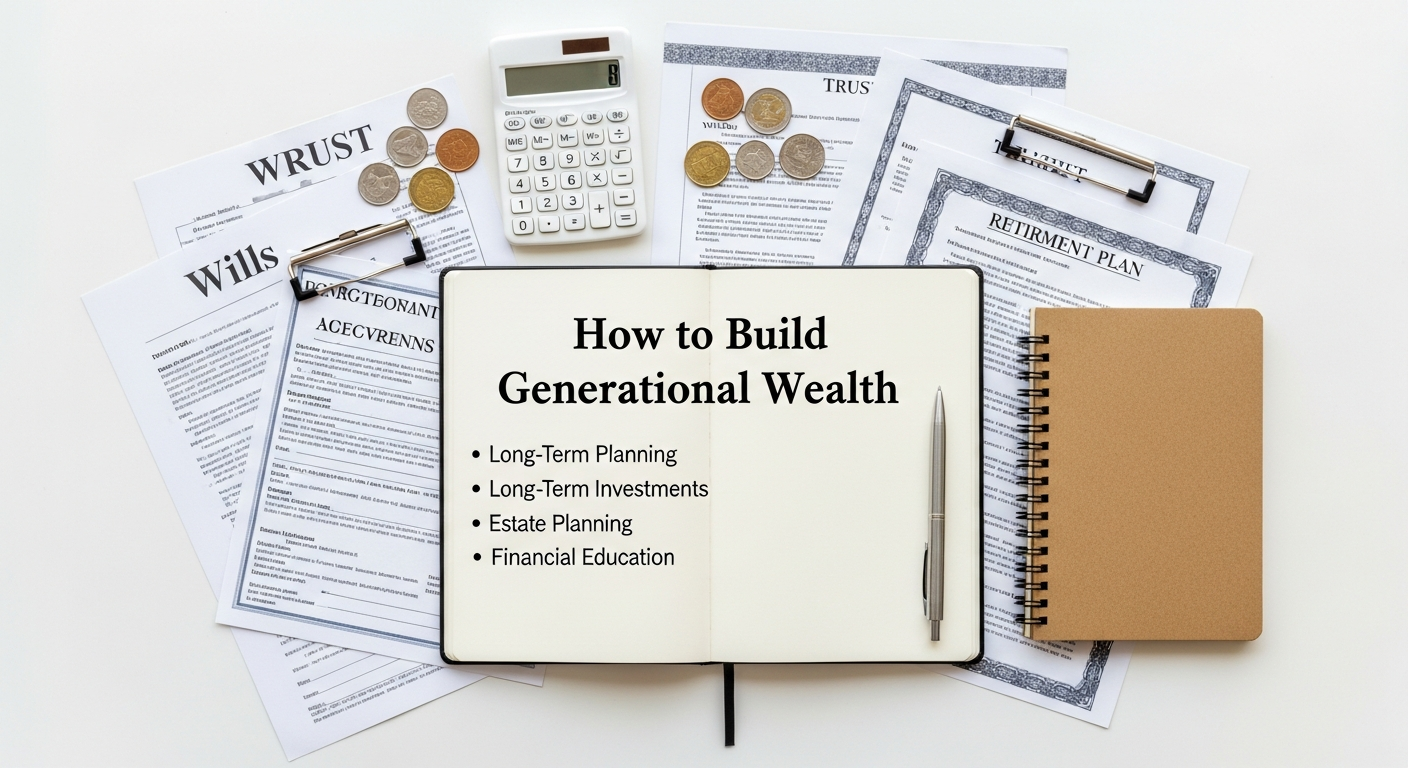
Before any significant wealth accumulation can occur, a strong financial foundation must be established. This bedrock involves disciplined money management, strategic debt reduction, and the creation of essential safety nets. Without these fundamentals, any attempts to build substantial wealth will be akin to constructing a skyscraper on shifting sand.
Mastering Your Cash Flow with a Robust Budget
The first and arguably most critical step in building any financial foundation is gaining absolute control over your cash flow. This means understanding precisely where every dollar comes from and, more importantly, where it goes. Creating and sticking to a detailed budget is non-negotiable. For a comprehensive guide, you should explore resources on How To Create A Monthly Budget, which typically advocates for tracking income and expenses, categorizing spending, and allocating funds towards savings, investments, and debt repayment. A well-crafted budget allows you to identify areas of unnecessary expenditure, redirect funds towards wealth-building activities, and ensure you are living within or, ideally, below your means.
- Track Everything: Use apps, spreadsheets, or pen and paper to meticulously record all income and outflows.
- Categorize Spending: Group expenses into categories like housing, transportation, food, entertainment, and debt payments.
- Set Financial Goals: Align your budget with your short-term and long-term financial objectives, including savings and investment targets.
- Regular Review: Budgets are not static; review and adjust yours regularly to reflect changes in income, expenses, or financial goals.
Establishing a Robust Emergency Fund
Life is unpredictable, and unexpected expenses can derail even the most carefully laid financial plans. An emergency fund acts as a crucial buffer, preventing you from incurring high-interest debt or liquidating long-term investments during crises. Typically, financial experts recommend saving at least three to six months’ worth of essential living expenses in an easily accessible, high-yield savings account. For those aiming for generational wealth, extending this to nine or twelve months can provide an even greater sense of security and resilience against economic downturns or personal emergencies.
Strategically Eliminating High-Interest Debt
Debt, especially high-interest consumer debt like credit card balances or personal loans, is a significant impediment to wealth creation. The interest payments on such debts can erode your income and prevent you from allocating funds towards investments. Eliminating this debt should be a top priority. When tackling multiple debts, two popular and effective strategies are the Snowball Vs Avalanche Debt Payoff Method.
- Debt Snowball Method: This approach focuses on psychological wins. You pay off debts in order from smallest balance to largest, regardless of interest rate, while making minimum payments on all other debts. Once the smallest is paid off, you roll the payment amount into the next smallest debt, creating a “snowball” effect. This method is highly motivating for those who need to see quick progress.
- Debt Avalanche Method: This method prioritizes financial efficiency. You pay off debts in order from highest interest rate to lowest, regardless of balance, while making minimum payments on all other debts. This approach saves you the most money in interest over time.
Choosing between the snowball and avalanche method depends on your personal motivation and financial personality. Regardless of the method chosen, the goal is to free up cash flow that can then be redirected towards savings and investments, accelerating your journey towards generational wealth.
Building and Maintaining Excellent Credit
A strong credit score is another cornerstone of financial stability and opportunity. It impacts your ability to secure favorable interest rates on mortgages, car loans, and even business financing. Good credit can also influence insurance premiums and rental applications. Consistently paying bills on time, keeping credit utilization low, and responsibly managing credit accounts are key practices that will serve you well not just personally, but also in securing better terms for future family investments or entrepreneurial ventures.
Strategic Investing: The Engine of Long-Term Growth
Harnessing the Power of Compound Interest
Compound interest is often referred to as the “eighth wonder of the world,” and for good reason. It’s the process where the interest you earn also earns interest, leading to exponential growth over time. The earlier you start investing, the more time your money has to compound, making early investment a cornerstone of generational wealth building. Even modest, consistent contributions can accumulate into substantial sums over several decades.
Diversification: Spreading Risk for Stability
A fundamental principle of successful investing is diversification. This involves spreading your investments across various asset classes, industries, and geographies to minimize risk. The adage “don’t put all your eggs in one basket” holds true. Diversification helps to cushion your portfolio against volatility in any single investment or market sector. A well-diversified portfolio is more resilient and better positioned for consistent, long-term growth.
Exploring Key Asset Classes
- Stocks: Represent ownership in a company. They offer the potential for high returns but also come with higher volatility. Investing in a diversified portfolio of individual stocks or, more commonly, through index funds or ETFs that track broad market indices, is a common strategy.
- Bonds: Essentially loans made to governments or corporations. Bonds are generally less volatile than stocks and provide a steady stream of income through interest payments, making them a good option for balancing a portfolio.
- Exchange-Traded Funds (ETFs) and Mutual Funds: These professionally managed funds allow you to invest in a basket of stocks, bonds, or other assets, providing instant diversification. They are excellent vehicles for long-term growth with managed risk.
- Real Estate: Investing in physical properties, whether residential or commercial, can provide both appreciation in value and rental income. Real estate can be a powerful wealth builder, offering tangible assets that tend to appreciate over the long run and provide inflation protection. This can range from direct property ownership to investing in Real Estate Investment Trusts (REITs), which are companies that own or finance income-producing real estate.
- Alternative Investments: For accredited investors, options like private equity, hedge funds, or even venture capital can offer higher returns, albeit with higher risk and less liquidity. However, for most individuals building generational wealth, focusing on more accessible and liquid asset classes is prudent in the initial stages.
Business Ownership and Entrepreneurship
For many, building generational wealth isn’t just about investing in existing markets; it’s about creating new value through entrepreneurship. Starting and scaling a successful business can generate significant wealth, provide greater control over income, and offer a direct path to creating assets that can be passed down. This path often requires substantial capital, risk, and dedication, but the potential rewards can be immense, offering not just financial gains but also a unique legacy of innovation and job creation. Careful planning, market research, and a robust business model are essential for success in this arena.
Cultivating Sustainable Income Streams: Beyond the Paycheck

While traditional employment provides a primary income, true financial independence and the acceleration of generational wealth often come from diversifying income sources, particularly through passive income. Passive income is money earned with minimal ongoing effort after the initial work or investment. It frees your time and provides financial resilience, reducing reliance on a single income stream.
Exploring Diverse Passive Income Avenues for 2026
The landscape of passive income continues to evolve, with digital opportunities becoming increasingly prominent. As we look towards 2026, the options for generating income with less active involvement are expanding. For a comprehensive look at what’s available, consider exploring resources on Passive Income Ideas 2026. These ideas often blend traditional investments with newer digital strategies, offering flexibility and scalability.
- Dividend-Paying Stocks and Funds: Investing in companies that regularly distribute a portion of their earnings to shareholders can provide a steady stream of income. Reinvesting these dividends can further accelerate wealth accumulation through compounding.
- Rental Real Estate: Owning properties that generate rental income is a classic passive income strategy. While it requires initial capital and some management, it can provide consistent cash flow, tax advantages, and potential property appreciation. This could include long-term rentals, vacation rentals, or even commercial properties.
- High-Yield Savings Accounts & Certificates of Deposit (CDs): While not offering explosive growth, these accounts provide a safe place for your money to earn interest with minimal risk, serving as a reliable component of a diversified passive income strategy, especially for emergency funds or short-term savings goals.
- Peer-to-Peer (P2P) Lending: Platforms that connect borrowers directly with investors can allow you to earn interest by lending money to individuals or small businesses. This carries higher risk but can offer attractive returns.
- Royalties from Intellectual Property: If you have creative talents, generating royalties from books, music, patents, or software can be a powerful passive income source. This involves upfront creative work but can yield ongoing income for years.
- Digital Products and Online Courses: Creating and selling digital products such as e-books, online courses, stock photos, or software can generate income long after the initial creation. Platforms like Gumroad, Teachable, or Shopify facilitate this.
- Affiliate Marketing: Promoting other companies’ products or services and earning a commission on sales made through your unique referral link. This often involves building a niche website or social media presence.
- Automated Online Businesses: Setting up e-commerce stores or dropshipping businesses that require minimal daily management after the initial setup can provide significant passive income.
The key to successful passive income generation is to choose streams that align with your interests, skills, and risk tolerance. It’s also vital to remember that “passive” doesn’t mean “no work.” Most passive income streams require significant upfront effort, investment, or expertise to establish before they start generating income with minimal maintenance.
Protecting Your Legacy: Estate Planning and Asset Preservation
Accumulating wealth is only half the battle; preserving it and ensuring its smooth transfer to the next generation is equally vital. Without proper estate planning, even substantial wealth can be eroded by taxes, legal fees, and family disputes. Estate planning is the process of arranging for the management and disposal of your estate during your lifetime and after your death, minimizing taxes and maximizing the value passed to your heirs.
The Cornerstone Documents: Wills and Trusts
- Last Will and Testament: A will is a legal document that outlines how your assets should be distributed after your death. It also allows you to name guardians for minor children and designate an executor to manage your estate. Without a will, your assets will be distributed according to state laws, which may not align with your wishes.
- Trusts: Trusts are more sophisticated tools that offer greater control and flexibility than wills. A trust allows you to transfer assets to a trustee (an individual or institution) who manages them for the benefit of your designated beneficiaries. Trusts can help avoid probate (the legal process of validating a will), reduce estate taxes, protect assets from creditors, and provide for beneficiaries with special needs or who may not be ready to manage a large inheritance. Common types include revocable living trusts and irrevocable trusts.
Life Insurance: Protecting Your Dependents and Estate
Life insurance is a critical component of generational wealth planning, especially for individuals with dependents. It provides a tax-free payout to your beneficiaries upon your death, which can be used to replace lost income, cover debts, fund children’s education, or even pay estate taxes. Term life insurance provides coverage for a specific period, while whole life or universal life insurance offers lifelong coverage and can accumulate cash value, serving as an asset within your estate.
Power of Attorney: Ensuring Continuity and Care
A Power of Attorney (POA) designates someone to make financial and/or healthcare decisions on your behalf if you become incapacitated. This ensures that your financial affairs can be managed, and your medical wishes respected, without the need for lengthy and costly court proceedings. There are typically two types: a durable financial POA and a healthcare POA (or advance directive).
Strategic Tax Planning
Taxes can significantly diminish the wealth you pass down. Proactive tax planning is essential to minimize estate taxes, gift taxes, and capital gains taxes. Strategies might include gifting assets during your lifetime (within annual and lifetime exclusion limits), utilizing various trust structures, and making charitable contributions. Consulting with an estate planning attorney and a tax advisor is crucial to developing a tax-efficient plan tailored to your specific situation and jurisdiction.
Business Succession Planning
For entrepreneurs, business succession planning is a vital part of protecting generational wealth. This involves developing a strategy for the smooth transfer of leadership and ownership of your business in the event of your retirement, incapacitation, or death. A well-executed plan ensures the business continues to thrive, preserving its value for your heirs and employees.
Financial Education for Heirs
Perhaps the most invaluable asset you can pass down is financial literacy. Educating your children and grandchildren about budgeting, saving, investing, debt management, and philanthropy will equip them to be responsible stewards of the wealth they inherit. This education ensures that the legacy you build is sustained and potentially grown by future generations, rather than squandered due to lack of knowledge or discipline.
Educating the Next Generation: The Transfer of Knowledge and Values
The true sustainability of generational wealth hinges not just on the financial assets passed down, but crucially on the financial intelligence, discipline, and values instilled in successive generations. Without this foundational knowledge, even the most substantial inheritance can be mismanaged and quickly depleted. Educating your heirs is an investment in the long-term prosperity and resilience of your family’s legacy.
Starting Early with Financial Literacy
Financial education should begin at an early age, tailored to the understanding of children and teenagers. Simple concepts like saving for a desired item, understanding the value of money, and differentiating between needs and wants can be introduced through allowances, chores, and practical examples. As children grow, these lessons can evolve to cover budgeting, basic investing concepts, and the importance of avoiding consumer debt.
- Involve them in budgeting discussions: Explain how household finances work and the choices that need to be made.
- Encourage saving: Provide opportunities for children to save their own money, perhaps for a specific goal, and teach them about interest.
- Introduce investing concepts: Explain how money can grow over time through investments, perhaps by gifting small amounts of stock or mutual funds.
- Teach responsible credit use: As they approach adulthood, discuss the importance of good credit and how to use credit cards responsibly.
Instilling Core Financial Values
Beyond technical skills, imparting strong financial values is paramount. These include:
- Delayed Gratification: The ability to forgo immediate pleasure for greater future rewards is a cornerstone of wealth building.
- Frugality and Prudence: Understanding the difference between necessary expenses and discretionary spending, and making wise choices with resources.
- Hard Work and Entrepreneurship: Teaching the value of earning money and the potential for creating one’s own opportunities.
- Stewardship and Responsibility: Emphasizing that wealth is a tool to be managed responsibly, not just for personal gain but for the benefit of family and community.
- Philanthropy and Giving Back: Fostering a spirit of generosity and teaching the importance of contributing to causes beyond oneself, instilling a sense of purpose beyond accumulation.
Practical Engagement and Mentorship
As heirs mature, involve them in more practical aspects of financial management. This could include:
- Mentorship: Provide guidance on investment decisions, business ventures, and career choices.
- Joint Financial Planning: Gradually involve them in discussions with financial advisors, estate planners, and tax professionals.
- Establishing Family Meetings: Create a forum for open communication about family finances, values, and the vision for generational wealth.
- Experiential Learning: Allow them to manage a portion of their own investment portfolio, with guidance, to learn from real-world experiences.
The goal is to empower the next generation with the confidence, knowledge, and values necessary to not only preserve but also grow the generational wealth, ensuring it continues to serve as a foundation for their success and the success of future generations.
Conclusion: A Journey of Intentionality and Patience
Building generational wealth is undeniably a monumental undertaking, demanding foresight, unwavering discipline, and an enduring commitment to long-term objectives. It is a journey that extends far beyond the lifespan of a single individual, envisioning a future where financial security and opportunity are the birthright of your descendants. This comprehensive process, as explored throughout this guide, encompasses meticulous financial planning, strategic investing, proactive estate management, and crucially, the diligent education of future generations.
The path begins with the fundamental steps of establishing a robust financial bedrock: mastering your cash flow through diligent budgeting, diligently paying down high-interest debt using methods like the Snowball or Avalanche, and fortifying your financial position with a substantial emergency fund. These foundational elements create the stability necessary to pivot towards growth.
From this stable base, strategic investing takes center stage, leveraging the transformative power of compound interest and judicious diversification across various asset classes, from stocks and bonds to real estate and entrepreneurial ventures. Simultaneously, cultivating diverse passive income streams, through strategies relevant to 2026 and beyond, acts as a powerful accelerator, reducing reliance on active income and providing additional capital for investment.
Frequently Asked Questions
Recommended Resources
Check out How To Read Stock Charts Basics on Trading Costs for a deeper dive.
Check out Marketing Automation Tools 2026 on Page Release for a deeper dive.