


Understanding Debt Collection and Your Rights
When you owe money, and those payments become past due, the original creditor may eventually turn your account over to a third party for collection. This is the realm of debt collection, and it’s essential to understand who you’re dealing with and the rules that govern their actions. Knowledge is your most powerful tool in this situation.
Who is a Debt Collector?
- Original Creditor: This is the company or individual to whom you initially owed the money (e.g., your credit card company, bank, hospital). They might attempt to collect the debt themselves for a period.
- Third-Party Debt Collector: An agency hired by the original creditor to collect the debt on their behalf. They usually work on commission.
- Debt Buyer: A company that has purchased your debt from the original creditor for a fraction of its face value. Once purchased, they own the debt and have the right to collect it.
The distinction matters because the laws governing how these entities can interact with you can differ slightly, though most fall under the umbrella of federal protection.
Your Rights Under the Fair Debt Collection Practices Act (FDCPA)
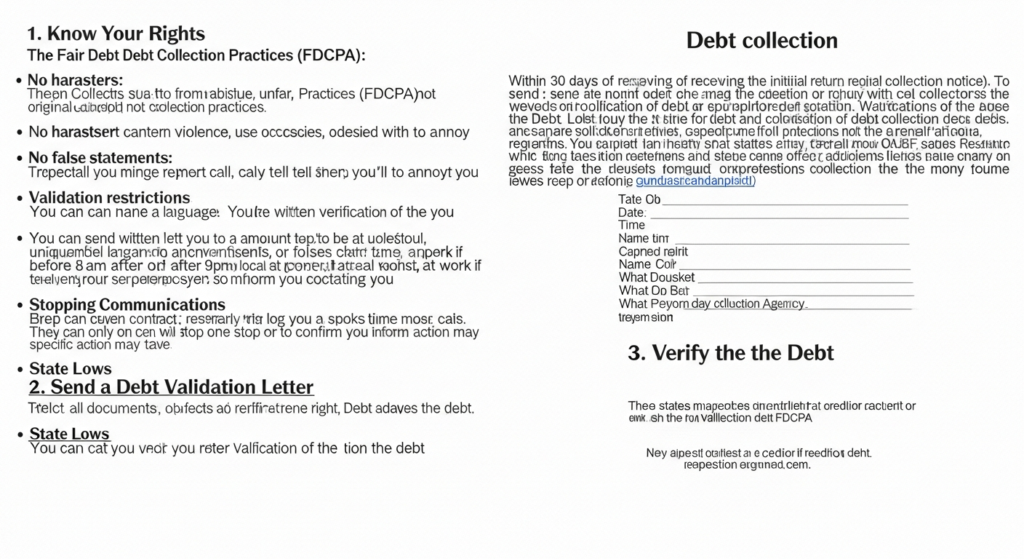
The FDCPA is a federal law that protects consumers from abusive, unfair, or deceptive debt collection practices. It applies to third-party debt collectors, debt buyers, and, in some cases, original creditors who regularly collect debts for others. Key provisions include:
- Prohibited Communication Tactics:
- Harassment: Collectors cannot harass, oppress, or abuse you or any third party. This includes using threats of violence, publishing lists of consumers who refuse to pay, or using obscene language.
- False Statements: They cannot lie about the amount you owe, pretend to be attorneys or government representatives, or falsely imply that you’ve committed a crime.
- Unfair Practices: They cannot try to collect interest or fees not authorized by the original agreement or law, deposit post-dated checks prematurely, or take your property unless legally permitted.
- Communication with Third Parties: Collectors can contact third parties (like relatives or employers) only to find out your location information. They cannot discuss your debt with anyone other than you, your spouse, your parents (if you’re a minor), your guardian, executor, or your attorney.
- Cease and Desist: You have the right to stop a collector from contacting you by sending a written “cease and desist” letter. Once received, they can only contact you to confirm they will stop or to notify you of specific legal actions.
- Debt Validation: Within five days of their initial contact, a collector must send you a written notice stating the amount of the debt, the name of the creditor, and your right to dispute the debt within 30 days. If you dispute the debt in writing within that 30-day period, the collector must stop collection efforts until they send you verification of the debt. This is a critical right.
The Statute of Limitations
Every state has a “statute of limitations” which sets a time limit for how long a creditor or debt collector can sue you to collect a debt. Once this period expires, the debt is considered “time-barred.” While the debt doesn’t disappear, and collectors can still try to collect it, they cannot successfully sue you in court for payment. Be extremely cautious, as making a payment or even acknowledging the debt can “re-age” the debt and restart the statute of limitations in some states. Always understand your state’s laws.
Initial Steps When Contacted by a Debt Collector

Receiving that first call or letter can be jarring, but how you respond in the initial stages can significantly impact the outcome. Don’t panic, and certainly, don’t ignore it. Taking proactive, informed steps is key.
1. Don’t Panic, Don’t Ignore
The worst thing you can do is let fear paralyze you into inaction or lead you to ignore the problem. Ignoring debt collectors won’t make the debt disappear; it often escalates the situation, potentially leading to lawsuits or more aggressive collection tactics. Confronting the issue head-on, even if it’s uncomfortable, is the first step toward resolution.
2. Verify the Debt (Debt Validation)
This is arguably the most crucial initial step. As mentioned under the FDCPA, you have the right to request debt validation. Send a written letter (certified mail, return receipt requested) within 30 days of their initial contact. This letter should ask for:
- The exact
Recommended Resources
For more on how to cope, see Crypto Investing Guide For Beginners 2026 on Trading Costs.
For more on how to cope, see How To Optimize Product Listings On Amazon on E-ComProfits.