


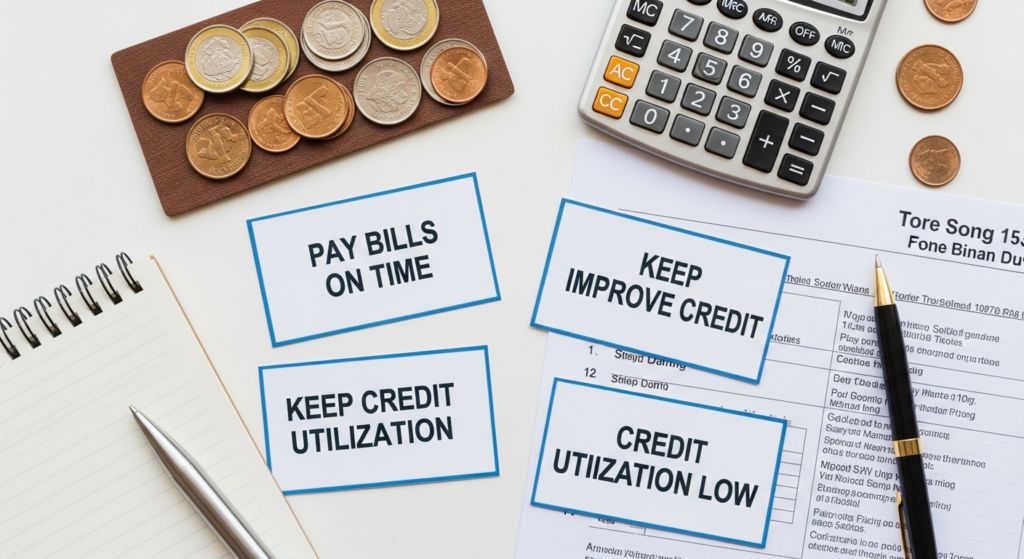
Understanding the Foundation: What Your Credit Score Really Means
Before embarking on a journey to improve your credit score, it’s crucial to understand what it is, why it matters, and the key factors that influence it. Your credit score is a numerical representation of your creditworthiness, essentially a lender’s assessment of your reliability in repaying debts. The two most common scoring models are FICO (Fair Isaac Corporation) and VantageScore, both ranging from 300 to 850, with higher scores indicating lower risk.
Why is this number so important? A good credit score can lead to lower interest rates on loans and credit cards, making borrowing significantly cheaper over time. It can influence your ability to rent an apartment, get approved for utilities without a security deposit, and even impact insurance premiums or employment opportunities. In essence, it’s a financial passport that dictates access to many essential services and opportunities.
Credit scores are calculated based on information in your credit report, which is compiled by three major credit bureaus: Experian, Equifax, and TransUnion. While the exact algorithms are proprietary, the primary factors influencing your FICO score are:
- Payment History (35%): This is the most crucial factor. Consistently paying your bills on time demonstrates reliability. Late payments, especially those 30, 60, or 90+ days past due, can severely damage your score.
- Amounts Owed / Credit Utilization (30%): This refers to the amount of credit you’re using compared to your total available credit. Keeping your credit utilization ratio low (ideally below 30%, and even better, below 10%) is vital for a good score. High utilization signals that you might be over-reliant on credit.
- Length of Credit History (15%): The longer your credit accounts have been open and in good standing, the better. This demonstrates a long track record of responsible borrowing.
- New Credit (10%): Applying for too much new credit in a short period can be seen as risky behavior. Each application typically results in a “hard inquiry” on your report, which can slightly lower your score temporarily.
- Credit Mix (10%): Having a healthy mix of different types of credit (e.g., credit cards, installment loans like mortgages or car loans) can positively influence your score, showing you can manage various forms of debt responsibly.
The first step in any credit improvement strategy is to know your starting point. You are entitled to a free copy of your credit report from each of the three major bureaus annually at annualcreditreport.com. Review these reports meticulously for any inaccuracies or fraudulent activity. Disputing errors promptly is a critical immediate action that can prevent significant score damage.
Immediate Impact: Quick Wins for Your Credit Score

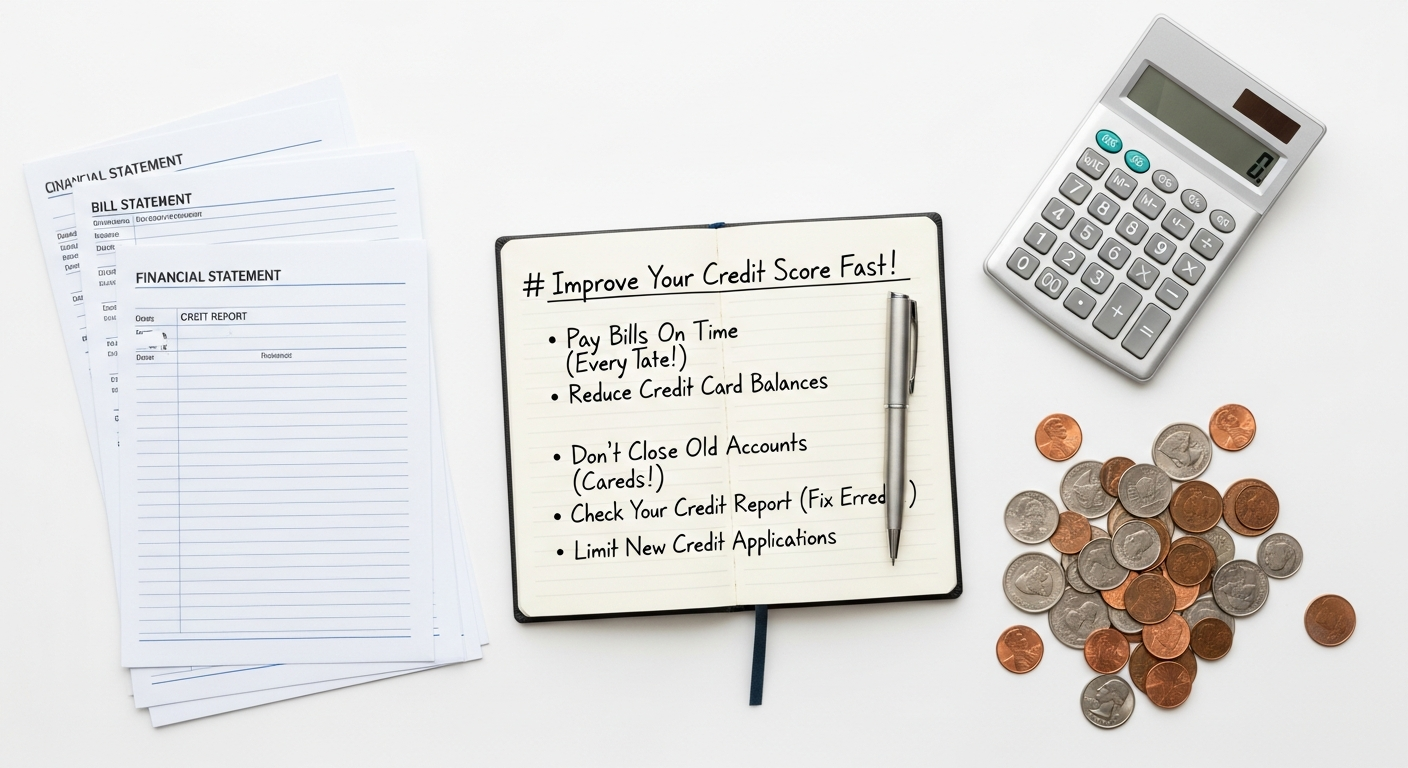
While substantial credit repair is a marathon, not a sprint, there are several powerful actions you can take right now that can lead to a noticeable improvement in your credit score relatively quickly. These strategies target the most heavily weighted factors and can show results within a few weeks to a few months.
Pay Your Bills On Time, Every Time
This cannot be stressed enough: payment history is the single most important factor (35%) in your FICO score. A single late payment reported to the credit bureaus (typically 30 days or more past due) can cause a significant drop in your score. To ensure timely payments:
- Automate Payments: Set up automatic payments for all your credit cards, loans, and other bills. This removes the risk of forgetting a due date.
- Set Reminders: Use calendar alerts, smartphone apps, or sticky notes to remind yourself a few days before each bill is due.
- Pay More Frequently: If possible, consider making bi-weekly payments or paying off your credit card balance before the statement closing date, not just the due date. This strategy not only helps you stay current but also impacts your credit utilization.
Drastically Reduce Your Credit Utilization Ratio
Your credit utilization ratio (CUR) is the second most influential factor (30%). It’s calculated by dividing your total outstanding credit card balances by your total available credit. Lenders prefer to see a low CUR, ideally below 30%. For example, if you have a total credit limit of $10,000 across all your cards, you should aim to keep your combined balance below $3,000. For an even greater boost, aim for below 10%.
To achieve this quickly:
- Pay Down Balances Aggressively: Focus on paying down the balances on your credit cards as much as possible. Even if you can’t pay them off entirely, reducing them significantly can have an immediate positive effect once the new, lower balance is reported to the credit bureaus.
- Pay Before the Statement Closing Date: Credit card companies typically report your balance to the credit bureaus on your statement closing date. By paying down your balance before this date, you ensure that a lower utilization is reported, which can quickly boost your score.
- Request a Credit Limit Increase: If you have a good payment history and a stable income, requesting a credit limit increase on an existing card can lower your utilization ratio (assuming you don’t then spend up to the new limit). Be aware this might involve a hard inquiry.
Become an Authorized User on a Responsible Account
If you have a trusted family member or partner with excellent credit and a long history of on-time payments and low utilization, they might be willing to add you as an authorized user on one of their credit card accounts. When this happens, their positive payment history and credit limit can sometimes be added to your credit report, effectively boosting your score. However, this strategy comes with risks: if the primary cardholder defaults or uses the card irresponsibly, it could negatively impact your score too. Choose your authorized user carefully.
Dispute Errors on Your Credit Report
As mentioned earlier, checking your credit report is paramount. Errors are surprisingly common and can drag down your score unfairly. These could include incorrect late payments, accounts that aren’t yours, or incorrect balances. The Fair Credit Reporting Act (FCRA) gives you the right to dispute inaccurate information with the credit bureaus. They are legally required to investigate your dispute within 30 days. Correcting even one significant error can lead to a rapid improvement in your score.
Strategic Debt Management: Taming Your Balances
Prioritize High-Interest Debt
From a purely financial perspective, tackling high-interest debt first saves you the most money in the long run. Credit cards, for example, often carry interest rates significantly higher than personal loans or mortgages. By focusing your extra payments on these accounts, you reduce the total interest paid and free up more capital sooner.
The Indispensable Role of a Budget
You can’t effectively reduce debt without first understanding where your money goes. This is where learning How To Create A Monthly Budget becomes indispensable. A budget provides a clear roadmap of your income and expenses, allowing you to identify areas where you can cut back and redirect funds towards debt repayment. Start by tracking every dollar for a month, then categorize your spending. Allocate specific amounts to different categories, ensuring that debt repayment is a priority. Tools like spreadsheets, budgeting apps, or even pen and paper can help you gain control over your finances, find “extra” money, and allocate it strategically to your highest-priority debts.
Snowball Vs. Avalanche Debt Payoff Method
For those serious about debt reduction, understanding the Snowball Vs Avalanche Debt Payoff Method is key. Both strategies are highly effective, but they cater to different psychological and financial preferences:
- Debt Avalanche Method: This method prioritizes paying off debts with the highest interest rates first, regardless of the balance. You make minimum payments on all other debts and direct any extra money towards the highest-interest debt. Once that debt is paid off, you roll the money you were paying on it into the next highest-interest debt. Financially, this is the most efficient method as it saves you the most money on interest over time.
- Debt Snowball Method: This method focuses on paying off debts with the smallest balances first, regardless of the interest rate. You make minimum payments on all other debts and direct any extra money towards the smallest debt. Once that debt is paid off, you take the money you were paying on it and add it to the minimum payment of the next smallest debt. Psychologically, this method provides quicker wins and builds momentum, which can be highly motivating for individuals who need encouragement to stay on track.
Both methods will ultimately reduce your overall debt, thereby lowering your credit utilization and improving your credit score. Choose the method that best aligns with your personality and financial discipline. The key is consistency and commitment.
Debt Consolidation and Refinancing (Use with Caution)
For some, debt consolidation or refinancing can be a viable strategy. This involves taking out a new loan (e.g., a personal loan with a lower interest rate) to pay off multiple existing debts, simplifying your payments and potentially reducing your interest burden. Similarly, refinancing existing loans (like a mortgage or car loan) can lower your monthly payments or interest rate. However, these options come with caveats:
- Don’t Close Old Accounts: If you consolidate credit card debt, resist the urge to immediately close the old credit card accounts. Keeping them open (especially if they have a long history) can help your credit utilization and length of credit history, as long as you don’t rack up new debt on them.
- Hard Inquiry: Applying for new loans involves a hard inquiry, which can temporarily ding your score.
- Risk of More Debt: Without addressing the underlying spending habits, consolidating debt can lead to accumulating new debt on the now-empty credit lines, putting you in a worse position.
Strategic debt management, underpinned by a robust budget and a chosen payoff method, forms the bedrock of sustainable credit score improvement. It’s a commitment that pays dividends for years to come.
Building a Pristine Payment History: Consistency is Key
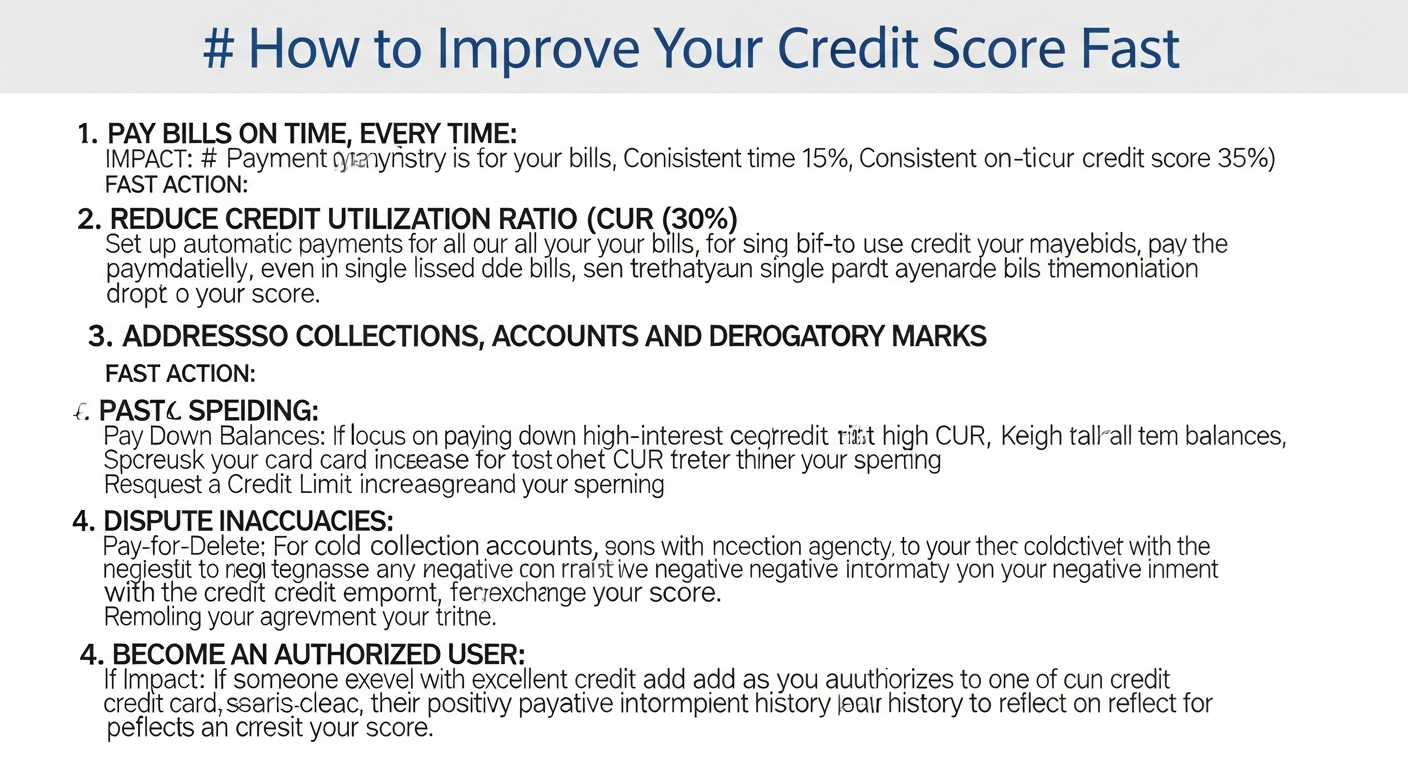
As we’ve established, your payment history accounts for a significant 35% of your FICO score. This means that consistently making on-time payments is not just a good habit; it’s the single most impactful action you can take to build and maintain an excellent credit score. Lenders view a long history of timely payments as a strong indicator of your reliability and ability to manage financial obligations.
Strategies for Unwavering Consistency
Achieving a pristine payment history requires discipline and proactive measures. Here are several strategies to ensure you never miss a payment:
- Automate Everything: The simplest and most effective way to avoid missed payments is to set up automatic payments for all your recurring bills. Most banks and creditors offer this service. You can set it to pay the minimum amount due or the full statement balance. Even if you only automate the minimum, it prevents late fees and negative marks on your credit report.
- Calendar Reminders: Supplement automated payments with calendar reminders. Set alerts a few days before the due date, giving you time to review the statement and ensure sufficient funds are in your account.
- Consolidate Due Dates: If possible, contact your creditors to inquire about changing your payment due dates to align them, perhaps all at the beginning or end of the month. This can simplify your financial management and reduce the chances of overlooking a bill.
- Pay More Than the Minimum: While paying the minimum prevents a late mark, consistently paying more than the minimum due reduces your principal balance faster. This, in turn, helps lower your credit utilization over time and saves you money on interest, indirectly contributing to a healthier credit profile.
- Establish a Payment Routine: Dedicate a specific day or two each month to review all your statements and confirm payments have been made or are scheduled. This routine reinforces good financial habits.
What if You’re Already Late?
If you’ve already missed a payment, act immediately. If you pay within a few days, the creditor might not report it as late to the credit bureaus. If it’s already past 30 days and reported, your score will likely take a hit. In such cases:
- Pay as Soon as Possible: Get current on your payments to prevent further damage and additional late fees.
- Contact the Creditor: Explain your situation and politely ask if they would be willing to remove the late payment mark from your credit report as a “goodwill gesture,” especially if you have an otherwise stellar payment history. There’s no guarantee, but it’s worth a try.
Remember, late payments can stay on your credit report for up to seven years. Therefore, prioritizing consistent, on-time payments is the bedrock upon which a strong and rapidly improving credit score is built. It demonstrates financial responsibility and significantly boosts your creditworthiness in the eyes of lenders.
Expanding Your Credit Horizons: Responsible Credit Building Tools
Sometimes, improving your credit score fast requires not just managing existing credit but also strategically adding new credit products to your profile. This is particularly true for individuals with a “thin file” (not much credit history) or those recovering from past financial difficulties. These tools are designed to help you demonstrate responsible credit behavior and diversify your credit mix, contributing to a more robust score.
Secured Credit Cards: A Stepping Stone
A secured credit card is an excellent tool for building or rebuilding credit, especially if you have a low score or no credit history. Unlike traditional credit cards, a secured card requires you to put down a cash deposit, which typically becomes your credit limit. For example, a $500 deposit usually means a $500 credit limit. Here’s how it works:
- Low Risk for Lenders: The deposit acts as collateral, making it less risky for the issuer.
- Reported to Bureaus: Your payment activity on a secured card is reported to the major credit bureaus, just like a regular credit card. This allows you to build a positive payment history.
- Transition to Unsecured: Many secured cards offer a path to transition to an unsecured card after a period of responsible use (typically 6-12 months), and your deposit may be returned.
To maximize its benefit, use your secured card for small, manageable purchases and pay the balance in full and on time every month. Keep your utilization low.
Credit Builder Loans: Build Credit While Saving
A credit builder loan is a unique financial product designed specifically to help you establish or improve your credit. Here’s the general process:
- The Loan is Held: You apply for a small loan (e.g., $500-$1,000), but instead of receiving the money upfront, the funds are held in a savings account or certificate of deposit (CD) by the lender.
- Make Payments: You make regular monthly payments on the loan over a set period (e.g., 6-24 months).
- Reports to Bureaus: Each payment is reported to the credit bureaus, building a positive payment history for you.
- Receive Funds: Once the loan is fully paid off, you receive the lump sum that was held in the savings account, minus any interest and fees.
This method allows you to build credit and save money simultaneously. It’s an excellent option for those who struggle with traditional credit cards or prefer a structured savings approach.
Experian Boost and UltraFICO: Leveraging Your Payment Data
In recent years, credit scoring models have evolved to include more diverse data points:
- Experian Boost: This free service allows Experian to connect to your bank account and identify eligible on-time utility and telecom payments (like cell phone, internet, and electricity bills). By adding these payments to your Experian credit file, it can potentially increase your FICO score, especially if you have a thin credit file or a low score.
- UltraFICO: Developed by FICO in partnership with Experian and Finicity, UltraFICO also leverages banking data. It analyzes factors like the age of your bank accounts, frequency of transactions, and consistent cash flow (avoiding overdrafts). This can provide an alternative way for lenders to assess creditworthiness, particularly for consumers with limited credit history.
These tools can offer a quick uplift by incorporating payment data that traditionally didn’t impact your credit score. They are particularly beneficial for those demonstrating responsible financial behavior outside of traditional credit products.
Responsible Use of New Credit
While opening new credit accounts can help diversify your credit mix and potentially increase your total available credit (thus lowering utilization), it’s crucial to do so judiciously. Each application for new credit typically results in a “hard inquiry” on your credit report, which can cause a slight, temporary dip in your score. Avoid opening multiple new accounts in a short period, as this can signal desperation to lenders and further negatively impact your score. Apply for new credit only when necessary and when you are confident you can manage the new payments responsibly.
By strategically utilizing these credit-building tools and committing to responsible financial habits, you can accelerate your journey toward a significantly improved credit score, opening doors to better financial opportunities.
Monitoring and Protecting Your Financial Future
Improving your credit score fast is an achievement, but sustaining that improvement and protecting your financial health requires ongoing vigilance. Regular monitoring and proactive protection against threats like identity theft are just as crucial as the steps you take to build your score. In an increasingly digital world, safeguarding your credit information is a non-negotiable aspect of financial responsibility.
Regular Credit Monitoring: Your Early Warning System
Think of credit monitoring as your financial radar. It alerts you to changes and activities on your credit report, allowing you to quickly identify and address potential issues. Many services, both free and paid, offer credit monitoring:
- Free Services: Many credit card companies, banks, and online platforms (like Credit Karma or Experian) offer free credit monitoring services that provide alerts when new accounts are opened, inquiries are made, or significant changes occur on your report.
- Paid Services: For more comprehensive protection, paid services often include identity theft insurance, dark web monitoring, and more detailed alerts.
The primary benefit of monitoring is early detection of errors or fraudulent activity. Catching these issues quickly means you can dispute them before they cause significant damage to your credit score or lead to financial losses. Remember to still get your free annual credit reports from annualcreditreport.com to review the full details from each bureau.
Identity Theft Protection: A Crucial Shield
Identity theft is a pervasive threat that can devastate your credit score and financial well-being. Thieves can open new accounts in your name, make fraudulent purchases, or even file false tax returns. Basic steps to protect yourself include:
- Strong Passwords: Use unique, complex passwords for all your online financial accounts and enable two-factor authentication whenever possible.
- Secure Wi-Fi: Avoid conducting financial transactions on public or unsecured Wi-Fi networks.
- Shred Documents: Securely shred any documents containing personal financial information before disposing of them.
- Be Wary of Phishing: Be skeptical of unsolicited emails, texts, or calls asking for personal information. Legitimate financial institutions rarely ask for sensitive data via these channels.
- Consider a Credit Freeze: If you’re particularly concerned or have been a victim of identity theft, you can place a freeze on your credit reports with each of the three major bureaus. This prevents new credit accounts from being opened in your name, although you’ll need to temporarily unfreeze it when applying for legitimate credit.
Avoiding Credit Repair Scams
When trying to improve your credit score fast, you might encounter companies promising quick fixes for a fee. Be extremely cautious of “credit repair” organizations that:
- Demand upfront payment before providing any services.
- Guarantee to remove negative information from your credit report (even if it’s accurate and verifiable).
- Advise you to create a “new” credit identity or use a false Social Security number.
- Don’t clearly explain your rights under the Fair Credit Reporting Act.
Most actions these companies claim to perform (disputing errors, negotiating with creditors) you can do yourself for free or with the help of non-profit credit counseling agencies. Focus on legitimate strategies and avoid falling victim to scams that can worsen your financial situation.
Understanding Hard vs. Soft Inquiries
Finally, understand the difference between hard and soft inquiries:
- Soft Inquiries: These occur when you check your own credit score, or when lenders pre-approve you for offers. They do not affect your credit score.
- Hard Inquiries: These happen when you apply for new credit (e.g., a credit card, loan, or mortgage). Each hard inquiry can cause a small, temporary dip in your score (typically 5-10 points) and remains on your report for two years. Limit your applications for new credit to only what is necessary.
By actively monitoring your credit, protecting your identity, and understanding the nuances of credit inquiries, you safeguard the progress you’ve made and ensure your credit score remains a strong asset in your financial toolkit for 2026 and beyond.
The Long Game: Sustaining Excellent Credit and Building Wealth for 2026 and Beyond
Improving your credit score quickly is an admirable and achievable goal, but it’s crucial to view it as a stepping stone towards broader financial prosperity. A high credit score isn’t an end in itself; rather, it’s a powerful enabler for long-term financial stability and, ultimately, wealth creation. The habits you cultivate to boost your score rapidly are the very same habits that will serve as the bedrock for your financial future in 2026 and well beyond.
Credit as a Gateway to Opportunity
Consider the myriad ways a consistently excellent credit score benefits you over the long haul:
- Lower Borrowing Costs: This is perhaps the most direct and impactful benefit. With a high score, you qualify for the lowest available interest rates on mortgages, car loans, personal loans, and credit cards. Over the lifetime of a large loan, these lower rates can translate into tens of thousands, if not hundreds of thousands, of dollars in savings. This saved money isn’t just theoretical; it’s capital that can be invested, saved, or used to acquire appreciating assets.
- Access to Premium Financial Products: Excellent credit opens the door to top-tier credit cards with generous rewards programs (cash back, travel points), sign-up bonuses, and exclusive perks. It also facilitates access to more favorable terms on lines of credit and other flexible financial instruments.
- Easier Approval Processes: Whether you’re applying for an apartment, setting up utilities, or even seeking certain types of employment, a strong credit score makes the approval process smoother and often eliminates the need for security deposits.
- Financial Flexibility in Emergencies: Should an unexpected financial challenge arise, a robust credit score ensures you have access to credit at reasonable rates, providing a crucial safety net.
Connecting Credit to Generational Wealth
Ultimately, a strong credit foundation isn’t just about personal convenience; it’s a critical component of How To Build Generational Wealth. Generational wealth isn’t solely about inherited money; it’s about establishing financial literacy, good habits, and strategic assets that can be passed down and benefit future generations. Here’s how credit plays a role:
- Asset Acquisition: Good credit enables families to purchase significant assets like homes, investment properties, or even start businesses with more favorable financing. These assets, when managed wisely, can appreciate in value and generate income, forming the core of a family’s wealth. For example, lower mortgage interest rates mean more of your monthly payment goes towards principal, building equity faster.
- Reduced Debt Burden: By minimizing interest payments through excellent credit, more of a family’s income can be directed towards savings, investments, and education for the next generation, rather than servicing expensive debt.
- Financial Education: Demonstrating and teaching responsible credit management to younger family members instills crucial financial literacy that can prevent future pitfalls and empower them to make sound financial decisions from an early age. Showing them the tangible benefits of a good score – how it enabled your home purchase or business loan – provides a powerful, real-world lesson.
- Estate Planning & Business Ventures: For those looking to establish trusts or foundations, or launch family businesses, a strong personal credit history can be foundational for securing initial capital and demonstrating financial stability to partners and investors.
The disciplined habits you adopt today – diligently paying bills on time, managing utilization, budgeting effectively (as outlined in How To Create A Monthly Budget), and strategically tackling debt (using methods like the Snowball Vs Avalanche Debt Payoff Method) – are investments in your future self and your family’s legacy. By committing to these practices, you are not merely fixing a number; you are laying down a robust financial groundwork that will continue to yield dividends, providing opportunities and stability for years to come, long into 2026 and beyond.
Frequently Asked Questions
How fast can I realistically improve my credit score?▾
Recommended Resources
For more on how to improve, see Price Comparison Tools Guide 2026 on Gold Points.
Check out Influencer Marketing For Small Brands on E-ComProfits for a deeper dive.