


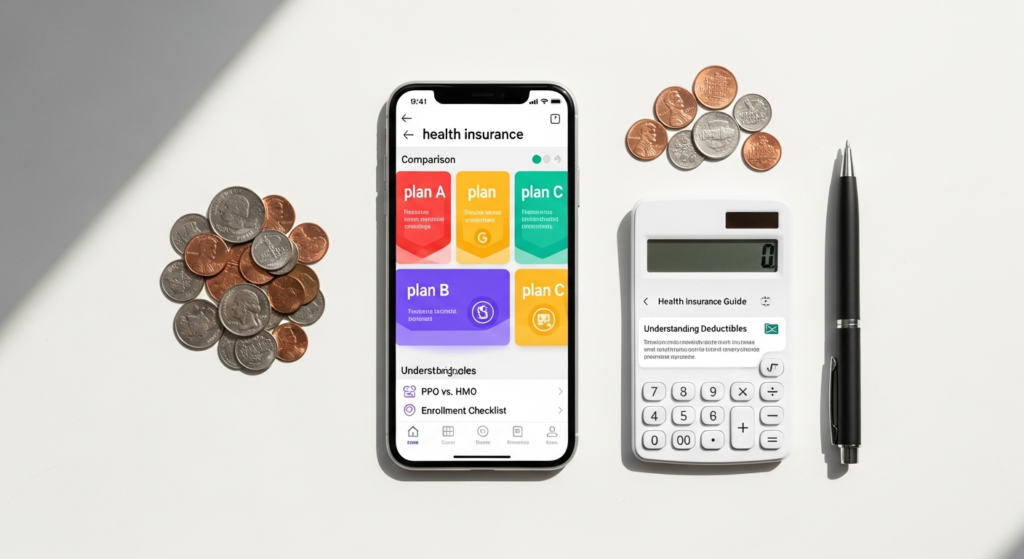
Understanding the Landscape: Types of Health Insurance Claims
Before diving into the mechanics of filing a claim, it’s crucial to understand the foundational elements of health insurance and the various types of claims you might encounter. A health insurance claim is essentially a formal request to your insurance provider for payment for services covered under your policy. This could range from a routine doctor’s visit to a major surgical procedure.
The type of health insurance plan you have significantly influences how claims are processed. Here are some common plan types and their general claim characteristics:
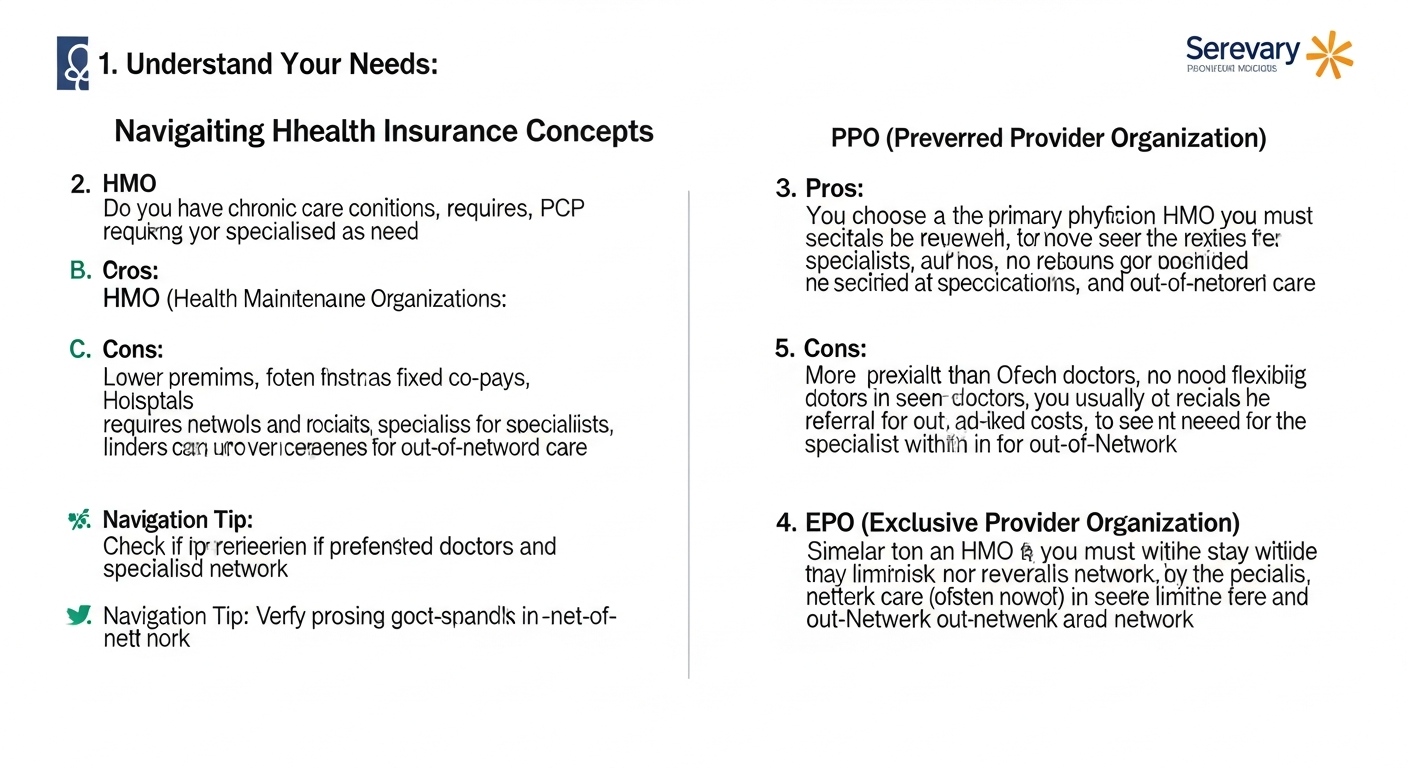
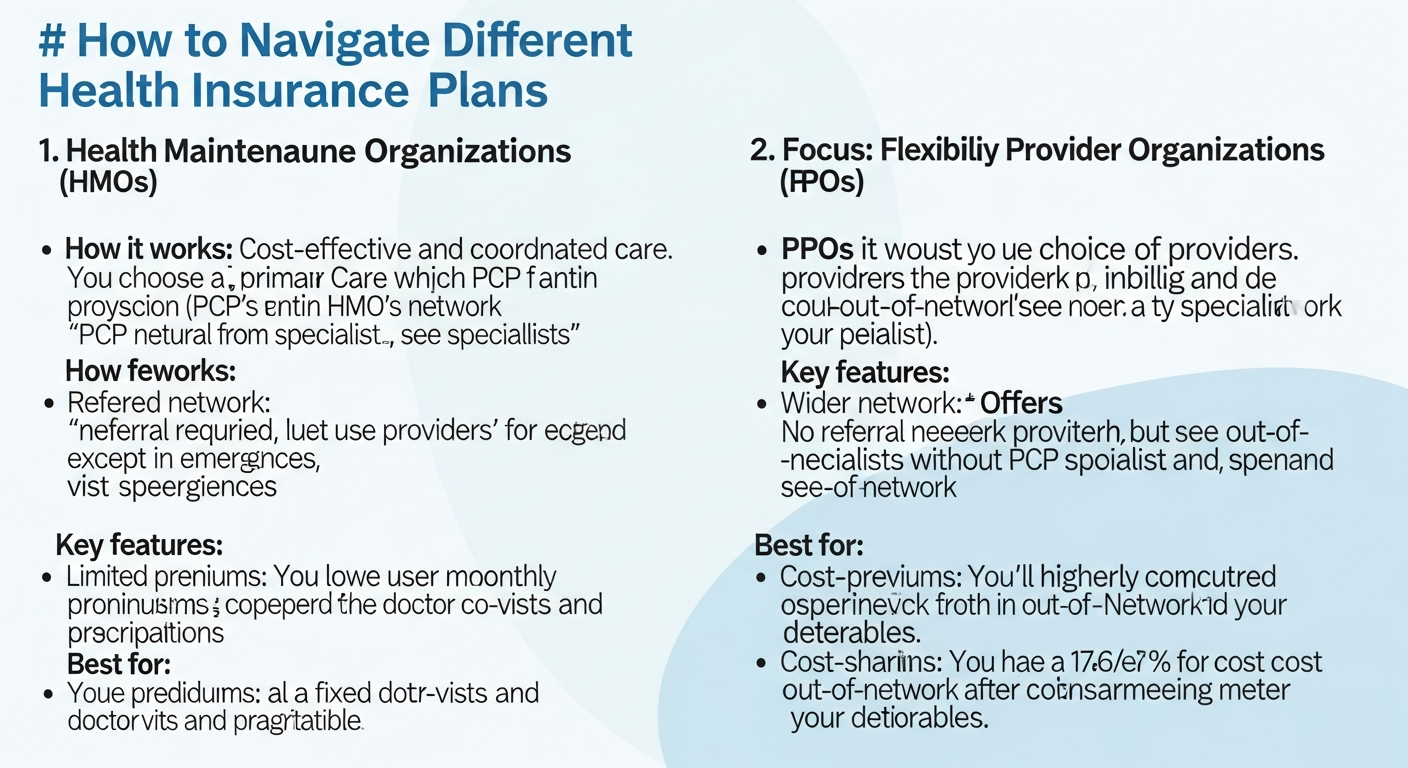
- Health Maintenance Organization (HMO): Typically requires you to choose a primary care physician (PCP) within their network. The PCP then refers you to specialists. Claims for out-of-network services are generally not covered, except in emergencies.
- Preferred Provider Organization (PPO): Offers more flexibility. You don’t usually need a referral to see a specialist and can use out-of-network providers, though at a higher cost. Claims for in-network services are processed more smoothly.
- Exclusive Provider Organization (EPO): Similar to a PPO but generally doesn’t cover out-of-network care except in emergencies, much like an HMO.
- Point of Service (POS): A hybrid plan combining aspects of HMOs and PPOs. You often need a PCP referral for in-network care, but can go out-of-network for a higher cost.
- High-Deductible Health Plan (HDHP): Features higher deductibles than traditional insurance plans. Often paired with a Health Savings Account (HSA), which allows you to save money tax-free for medical expenses. Claims are processed after your deductible is met, though preventive care is often covered before then.
Understanding key insurance terminology is paramount to navigating claims effectively:
- Deductible: The amount you must pay out-of-pocket for covered services before your insurance plan starts to pay.
- Copayment (Copay): A fixed amount you pay for a covered healthcare service after you’ve paid your deductible (e.g., $25 for a doctor’s visit).
- Coinsurance: Your share of the cost for a covered healthcare service, calculated as a percentage (e.g., 20% of the bill) after you’ve met your deductible.
- Out-of-Pocket Maximum: The most you’ll have to pay for covered services in a policy year. Once you reach this limit, your insurance company pays 100% of the cost of covered benefits.
- In-network/Out-of-network: Refers to whether a healthcare provider has a contract with your insurance plan. In-network providers typically result in lower costs for you.
- Explanation of Benefits (EOB): Not a bill, but a statement from your insurer detailing what was covered, what wasn’t, and why. Crucial for reviewing claims.
Claims can also be categorized by when they occur:
- Pre-authorization (or Prior Authorization): Many plans require approval from your insurer before you receive certain services (e.g., MRI, surgery, specific medications). Failing to get pre-authorization can lead to claim denial.
- Post-service Claims: These are the most common, filed after you’ve received medical care.
The critical first step in managing any health insurance claim is to thoroughly understand your specific policy. Your policy document outlines what services are covered, your financial responsibilities, and the procedures for filing claims. Don’t hesitate to call your insurance provider directly if you have questions about coverage or terminology. Proactive engagement will save you significant headaches and financial surprises down the line.
The Health Insurance Claims Process: A Step-by-Step Guide

Navigating the health insurance claims process can seem daunting, but by breaking it down into manageable steps, you can ensure a smoother experience and protect your financial interests. The process generally begins even before you receive medical care and extends well beyond your appointment.
Before the Service: Preparation is Key
- Verify Coverage: Always contact your insurance provider or check their online portal before a scheduled appointment or procedure. Confirm that the service is covered and that the provider is in-network. This is especially vital for specialists or non-routine treatments.
- Obtain Pre-authorization: For certain services like surgeries, advanced imaging (MRI, CT scans), or specific medications, your insurance company may require pre-authorization. Your doctor’s office typically handles this, but it’s your responsibility to ensure it’s been done. Without it, your claim could be denied entirely.
During the Service: Providing Information
- Present Your Insurance Card: When you check in for your appointment, always provide your current insurance card. This ensures the provider has accurate billing information.
- Understand Your Costs: Ask about any copayments or deductibles you’ll be responsible for at the time of service.
After the Service: The Core of the Claim
Most commonly, your healthcare provider will submit the claim directly to your insurance company. This is usually the most efficient method.
- Provider Submits Claim: The provider’s billing department will create a claim form (often electronically) detailing the services rendered, diagnosis codes, and charges. They send this to your insurer.
- Insurer Processes Claim: Your insurance company reviews the claim against your policy terms, checking for coverage, medical necessity, and adherence to network rules.
- Explanation of Benefits (EOB): Within a few weeks, you’ll receive an EOB from your insurer. This document is critical. It explains:
- The services provided and the date.
- The total amount billed by the provider.
- The amount covered by your insurance.
- Any discounts or adjustments applied.
- The amount you are responsible for (your deductible, copay, or coinsurance).
- Reasons for any denied services.
Important: An EOB is NOT a bill. It’s a statement explaining what your insurer paid or didn’t pay.
- Receive Your Bill: After the EOB, you will receive a bill from your healthcare provider for the amount indicated as your responsibility on the EOB. Cross-reference this bill with your EOB to ensure accuracy before paying.
- Patient-Submitted Claims: Less common, but sometimes necessary, especially if you see an out-of-network provider or if the provider doesn’t accept your insurance. You’ll need to obtain an itemized bill from your provider and fill out a claim form from your insurer. Submit both with any required medical documentation.
Common Pitfalls and How to Avoid Them:
- Incorrect Information: Ensure your personal and insurance information is always up-to-date with both your provider and insurer.
- Coding Errors: Sometimes, medical codes on a claim are incorrect, leading to denial. Review your EOB for these.
- Missing Documentation: If you submit a claim yourself, ensure all necessary forms and supporting documents are included.
- Not Meeting Deadlines: Both providers and patients have deadlines for submitting claims. Missing these can result in denial.
The Golden Rule: Keep Meticulous Records. Maintain a folder (physical or digital) for all healthcare-related documents: appointment confirmations, EOBs, bills, receipts, and any correspondence with your insurance company or provider. Note down dates, times, and names of people you speak with. This documentation is invaluable if you need to appeal a claim or dispute a bill. This level of organization mirrors the discipline needed when considering something like a step by step guide to opening a business bank account, where meticulous record-keeping is fundamental to financial health.
Navigating Denials and Appeals: Your Rights and Strategies
Common Reasons for Claim Denials:
- Medical Necessity: The insurer determines the service was not medically necessary according to their criteria.
- Non-Covered Service: The service is explicitly excluded from your policy (e.g., cosmetic surgery, experimental treatments).
- Administrative Errors: Incorrect coding, missing information, duplicate billing, or submitting the claim after the deadline. These are often easy to correct.
- Pre-authorization Issues: The required pre-authorization was not obtained or was denied.
- Out-of-Network Provider: You received care from a provider not in your plan’s network, and your plan doesn’t cover out-of-network services, or covers them at a much lower rate.
- Coordination of Benefits (COB): If you have more than one insurance plan, claims can be denied if the primary/secondary order is incorrect.
Your First Steps After a Denial:
- Review the EOB Carefully: The EOB will state the reason for the denial. Understand this reason thoroughly.
- Contact Your Provider’s Billing Department: Sometimes the issue is a simple coding error or missing information that the provider can resubmit.
- Contact Your Insurance Company: Call the number on your insurance card. Ask for a detailed explanation of the denial. Get the name of the representative and a reference number for the call.
The Internal Appeal Process:
If the issue isn’t easily resolved, you’ll initiate an internal appeal with your insurance company. This is your right under the Affordable Care Act (ACA).
- Gather All Documentation: This includes your EOB, the denial letter, relevant medical records (your doctor can provide these), letters from your doctor supporting the medical necessity of the treatment, and any correspondence with your insurer.
- Write a Formal Appeal Letter: This letter should be clear, concise, and professional. Include:
- Your name, policy number, and claim number.
- The service in question and date of service.
- The reason for the denial (as stated on the EOB).
- Why you believe the claim should be paid, referencing medical necessity, policy terms, or administrative error.
- All supporting documentation.
- Request for a written response within a specific timeframe (your plan documents or state laws dictate this).
Send the letter via certified mail with a return receipt requested, so you have proof of delivery.
- Follow Up: Keep track of deadlines. Your insurer must provide a decision within a certain period (e.g., 30 days for pre-service, 60 days for post-service).
The External Review Process:
If your internal appeal is denied, you typically have the right to an external review. This means an independent third party (not affiliated with your insurer) will review your claim and the insurer’s decision.
- Eligibility: Most plans (except self-funded employer plans, which may have different rules) must offer external review.
- How to Apply: Your denial letter from the internal appeal should explain how to request an external review. This usually involves contacting your state’s Department of Insurance or an independent review organization.
- Binding Decision: The decision of the external reviewer is legally binding on your insurance company.
Patient Advocates:
For complex cases, consider enlisting the help of a patient advocate. These professionals can help you understand your rights, organize documentation, and communicate with your insurer and providers. Some hospitals offer patient advocates, or you can find independent ones. While there may be a cost, their expertise can be invaluable in securing coverage and reducing financial stress, allowing you to focus on recovery or financial planning.
Remember, persistence and meticulous record-keeping are your best allies. Understanding your rights and being prepared to advocate for yourself can significantly improve your chances of overturning a denial. This proactive approach to managing healthcare costs is as fundamental as the advice to “save early and save often” when considering how much should you save for retirement 3 pieces of expert advice, as unexpected medical expenses can derail even the best financial plans.
Deciphering Viatical Settlements: What They Are and Who They’re For
While health insurance claims deal with covering medical expenses, viatical settlements offer a different kind of financial relief, particularly for individuals facing severe health challenges. A viatical settlement is the sale of a life insurance policy by a terminally or chronically ill policyholder to a third party (a viatical settlement provider) for a lump sum cash payment. This payment is typically less than the policy’s death benefit but significantly more than the cash surrender value, if any, offered by the insurance company.
Distinguishing Viatical Settlements from Accelerated Death Benefits:
It’s important not to confuse a viatical settlement with an accelerated death benefit (ADB). An ADB is an option sometimes available directly from your life insurance company, allowing you to access a portion of your policy’s death benefit (e.g., 50-75%) while you’re still alive under specific circumstances (e.g., terminal illness). The remaining portion of the death benefit still goes to your beneficiaries. Viatical settlements, however, involve selling the entire policy to a third party, meaning your beneficiaries will receive nothing from that specific policy upon your passing, as ownership has been transferred.
Eligibility for a Viatical Settlement:
While specific criteria vary by provider and state regulations, general eligibility typically includes:
- Terminal Illness: A diagnosis from a physician stating a life expectancy of 24 months or less is a common requirement.
- Chronic Illness: Some policies allow for settlements if you are chronically ill and unable to perform certain activities of daily living (ADLs) or require substantial supervision due to cognitive impairment.
- Life Insurance Policy Type: Most often, whole life, universal life, or convertible term policies are eligible. Group policies or those with very low face values might be less attractive to providers.
- Policy Value: Providers are typically interested in policies with a death benefit of $100,000 or more, though smaller policies can sometimes be settled.
Pros and Cons of a Viatical Settlement:
Pros:
- Immediate Financial Relief: Provides a lump sum of cash that can be used for any purpose.
- Covering Medical Expenses: Can help pay for costly treatments, palliative care, or medications not fully covered by health insurance.
- Debt Alleviation: Allows you to pay off mortgages, credit card debt, or other financial burdens.
- Improving Quality of Life: Funds can be used for travel, comfort care, or making necessary home modifications.
- No More Premiums: The new policy owner takes over premium payments, relieving you of that financial obligation.
Cons:
- Forfeiting Death Benefit: Your beneficiaries will not receive the death benefit from the settled policy. This is a significant consideration, especially if the policy was intended to provide for dependents.
- Potential Tax Implications: While viatical settlements are often tax-exempt for terminally ill individuals under federal law, it’s crucial to consult a tax advisor.
- Emotional Aspects: Selling a life insurance policy can be an emotionally challenging decision for the policyholder and their family.
- Loss of Future Financial Security for Beneficiaries: If the primary purpose of the policy was to provide for children’s education or a spouse’s retirement, this benefit is lost.
Who Benefits from a Viatical Settlement?
Viatical settlements are primarily for individuals facing a terminal or chronic illness who have a significant need for immediate cash to cover medical bills, manage debts, enhance their quality of life during their remaining time, or provide for their family’s immediate needs. It’s a critical option for those whose current financial situation is severely strained by illness and who have explored all other avenues of financial support.
Ethical Considerations and Regulation:
The viatical settlement industry is regulated at the state level to protect consumers. It’s vital to work with licensed providers and brokers. Be wary of any pressure tactics and always seek independent legal and financial advice before making such a significant decision. The decision to sell a policy is often made under immense stress, making careful due diligence even more important. Understanding these complex financial tools is another aspect of taking control of your financial life, much like exploring income ideas for college students for a stronger financial start.
The Viatical Claims Process: From Application to Payout
The decision to pursue a viatical settlement is a significant one, often made during a challenging period. Understanding the process from application to payout is essential to ensure you navigate it effectively and secure the best possible outcome. While specifics can vary, the general steps remain consistent.
Step 1: Initial Consultation and Eligibility Check
The process usually begins with contacting a licensed viatical settlement provider or broker. They will conduct a preliminary assessment of your eligibility based on your health condition, life expectancy, and the details of your life insurance policy. This initial stage involves an honest discussion about your needs and the potential value of your policy.
Step 2: Gathering Documentation
Once preliminary eligibility is established, you’ll need to compile a comprehensive set of documents. This typically includes:
- Medical Records: Detailed reports from your physicians confirming your diagnosis, prognosis, and estimated life expectancy. This is the most crucial part of the application.
- Life Insurance Policy Details: The original policy document, including declarations, riders, and any amendments.
- Authorization Forms: Forms allowing the provider to obtain medical records and verify policy information directly from your doctors and insurance company.
- Financial Statements: In some cases, providers may request basic financial information to understand your needs and ensure the settlement is appropriate for your situation.
It’s vital to be transparent and provide accurate information at this stage. Any discrepancies can delay or even derail the process.
Step 3: The Application Process
With all documentation in hand, you’ll formally apply to the viatical settlement provider or, if working with a broker, they will submit your application to multiple providers to solicit competitive offers. A broker acts as your agent, helping you compare offers and understand the terms.
Step 4: Policy Valuation and Offer
The provider will meticulously review your medical records to verify your life expectancy using their own medical underwriters. They will also assess your policy’s characteristics, including:
- Death Benefit Amount: The face value of the policy.
- Policy Type: Whole life, universal life, or term.
- Premium Costs: The ongoing cost to keep the policy in force.
- Cash Surrender Value: If applicable.
Based on these factors, especially your life expectancy, the provider will calculate an offer. The shorter your life expectancy, generally the higher the percentage of the death benefit you might receive, as the provider will pay fewer premiums before the policy matures. You will typically receive multiple offers if you are working with a broker.
Step 5: Offer and Acceptance
Upon receiving offers, you’ll review them carefully. This is a critical point where independent legal and financial advice is strongly recommended. Ensure you understand all terms and conditions, including any fees or charges. Once you accept an offer, you will sign a purchase agreement and other necessary transfer documents.
Step 6: Funding and Payout
After the agreement is signed, the funds are typically placed into an escrow account. The viatical settlement provider will then work with your life insurance company to formally transfer ownership and beneficiary rights of the policy to them. Once the life insurance company confirms the transfer of ownership, the funds are released from escrow directly to you. This process can take several weeks to a few months, depending on the responsiveness of the life insurance company and the thoroughness of the documentation.
Important Considerations:
- Due Diligence: Always work with licensed and reputable viatical settlement providers or brokers. Check their credentials with your state’s Department of Insurance.
- Legal and Tax Advice: Consult with an attorney and a tax advisor to understand the legal implications of transferring ownership and any potential tax consequences of the payout.
- Family Communication: Discuss this decision thoroughly with your family, as it impacts the beneficiaries of your life insurance policy.
The payout from a viatical settlement can provide much-needed liquidity during a difficult time. How you manage these funds is crucial. For some, it might mean covering immediate medical costs, while for others, it could involve setting up a trust or a structured financial plan. This strategic management of funds ties into broader financial literacy, where understanding how to optimize resources is key, whether you are trying to understand income ideas for college students or managing significant capital from a settlement. Just as with opening a business, clarity in financial transactions, similar to following a step by step guide to opening a business bank account, is paramount even for personal settlements.
Strategic Financial Planning with Health & Viatical Claims
Successfully navigating health insurance and viatical claims is not just about getting bills paid or receiving a lump sum; it’s an integral part of your overarching financial strategy. These claims, and the health events that trigger them, have profound implications for your present and future financial well-being. Proactive planning and integration of these elements into your financial blueprint are essential for maintaining control and achieving your goals in 2026 and beyond.
Holistic View: How Health Events Impact Your Financial Future
Unexpected illness or chronic conditions can quickly deplete savings, impact income, and shift retirement timelines. That’s why robust health insurance is a cornerstone of any solid financial plan. It acts as a primary defense against catastrophic medical debt. Understanding your coverage limits, out-of-pocket maximums, and appeal processes directly protects your long-term assets.
Budgeting for Healthcare Costs and Emergencies:
Beyond insurance, it’s wise to budget for healthcare expenses. This includes:
- Emergency Fund: A dedicated emergency fund covering 3-6 months of living expenses should also account for potential medical deductibles and out-of-pocket costs.
- Health Savings Accounts (HSAs) and Flexible Spending Accounts (FSAs): If eligible, these tax-advantaged accounts are powerful tools for saving and paying for qualified medical expenses. HSAs, particularly, offer triple tax advantages (tax-deductible contributions, tax-free growth, tax-free withdrawals for medical expenses) and can even serve as an additional retirement savings vehicle.
- Long-Term Care Planning: Consider the costs of long-term care as you age. While not directly a “claim” in the same sense, planning for these costs through insurance or dedicated savings can alleviate immense pressure later on.
Integrating Viatical Settlements into Broader Financial Plans:
If you find yourself in a position to consider a viatical settlement, the funds received require careful strategic planning. This isn’t just “extra money”; it’s often a critical lifeline. Here’s how it can fit into your broader financial picture:
- Debt Management: Prioritize paying off high-interest debt (credit cards, personal loans) to reduce financial strain.
- Medical & Care Costs: Allocate funds for ongoing medical treatments, palliative care, home health aides, or specialized equipment not fully covered by insurance.
- Quality of Life Enhancements: Use funds to make necessary home modifications for accessibility, travel, or other experiences that improve well-being during a challenging time.
- Family Support: While the death benefit is foregone, a viatical settlement can provide immediate support for family members, perhaps funding educational pursuits for children or grandchildren. This could even inspire them to explore income ideas for college students early on, understanding the value of financial independence.
- Estate Planning: Even with a viatical settlement, revisit your estate plan. Ensure remaining assets are distributed according to your wishes.
Seeking Expert Financial Advice:
The complexity of these situations often warrants professional guidance. A certified financial planner (CFP) can help you:
- Optimize Funds: Develop a comprehensive plan for managing any significant payout from a viatical settlement, considering tax implications, investment options, and immediate needs.
- Retirement Planning: Integrate potential healthcare costs and any changes to your life insurance portfolio into your retirement strategy. The advice on how much should you save for retirement 3 pieces of expert advice often emphasizes accounting for future healthcare expenses, which can be significantly impacted by chronic illness or end-of-life care needs.
- Budgeting and Cash Flow: Help create a realistic budget that accommodates ongoing medical expenses and other financial commitments.
- Legal Considerations: Work with an attorney to review settlement contracts and update estate documents.
Managing a lump sum from a viatical settlement requires careful consideration. Just as a new business owner would follow a step by step guide to opening a business bank account to segregate and manage business finances, you might consider setting up separate accounts for different purposes (e.g., medical expenses, daily living, legacy funds) to ensure clarity and control over your resources. This proactive and organized approach to financial planning, encompassing both expected and unexpected health-related financial events, is the cornerstone of true financial empowerment.
Recommended Resources
Related reading: Best Ways To Save Money In 2026 (Trading Costs).
Explore On Page Seo Checklist 2026 for additional insights.