

Understanding Your Spending Landscape: The Foundation of Financial Control
Before you can effectively reduce your monthly expenses, you must first understand them. This foundational step involves gaining absolute clarity on your income and outflow. Think of it as mapping your financial territory; you can’t navigate efficiently if you don’t know where you are starting from or where the major spending rivers flow.
The Power of a Monthly Budget: Your Financial GPS
The cornerstone of expense reduction is a robust budget. It’s not a restrictive straitjacket but rather a powerful financial GPS that guides your spending and saving decisions. Creating a monthly budget allows you to allocate your income intentionally, ensuring every dollar has a job. If you’re wondering how to create a monthly budget, start by listing all your sources of income. Then, meticulously categorize all your expenses into fixed (rent, mortgage, loan payments) and variable (groceries, entertainment, utilities). A popular method is the 50/30/20 rule, where 50% of your income goes to needs, 30% to wants, and 20% to savings and debt repayment. Alternatively, a zero-based budget ensures every dollar is assigned, leaving no room for guesswork. The key is to choose a method that resonates with you and stick to it consistently. By doing so, you transform vague financial anxieties into concrete, manageable numbers.
Tracking Every Dollar: Unmasking Spending Habits
Once your budget is in place, the next crucial step is rigorous expense tracking. This involves recording every single transaction, no matter how small. Many people are surprised to discover where their money truly goes once they start tracking diligently. That daily coffee, the impromptu online purchase, or the forgotten subscription can accumulate into significant sums over a month. Utilize modern fintech tools and apps that link directly to your bank accounts and credit cards, automatically categorizing transactions and providing real-time insights. Manual spreadsheets or even a simple notebook can also be effective if you prefer a hands-on approach. The goal is not just to record, but to analyze. Look for patterns: are there certain days you spend more? Are there categories where your spending consistently exceeds your budget? Identifying these patterns is the first step towards changing them and forms the bedrock of effective expense reduction.
Tackling Fixed Expenses: Big Wins Through Strategic Review
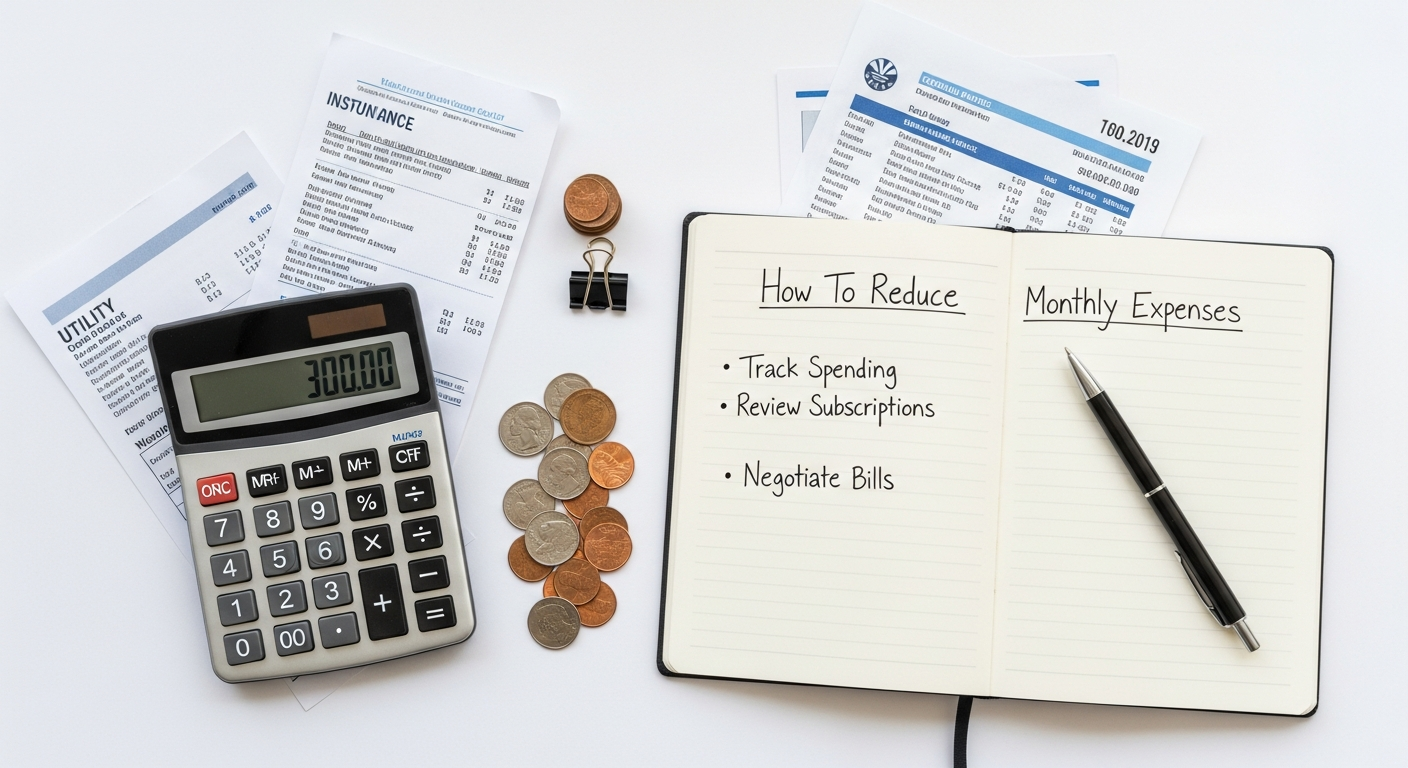
Fixed expenses, by their nature, seem immutable. However, with a strategic approach, many of these “set” costs can be reduced, leading to substantial monthly savings. These are often the biggest line items in your budget, so even a small percentage reduction can have a significant impact.
Housing Costs: Rent/Mortgage – Your Largest Outflow
For most individuals and families, housing represents the single largest monthly expense. Reviewing this area can yield considerable savings. If you own a home, consider whether refinancing your mortgage to a lower interest rate is viable, especially if rates have dropped since you initially secured your loan. Even a half-percentage point reduction can save thousands over the life of the loan. Explore options like bi-weekly payments to reduce interest paid over time. If you rent, don’t shy away from negotiating your rent upon lease renewal. Research comparable rents in your area to arm yourself with data. Consider smaller living spaces or, if feasible, explore options like house hacking by renting out a spare room. The financial impact of optimizing your housing costs cannot be overstated; it often provides the greatest leverage in your expense reduction efforts.
Insurance Premiums: A Closer Look at Your Coverage
Insurance is a necessary protection, but are you paying more than you need to? Regularly review your auto, home, health, and life insurance policies. Shop around for quotes from different providers at least once a year. Many insurers offer discounts for bundling multiple policies (e.g., home and auto), having certain safety features in your car, or maintaining a good driving record. Increasing your deductible can lower your monthly premiums, but ensure you have an adequate emergency fund to cover that higher deductible if an incident occurs. Don’t just auto-renew; actively engage with your insurance needs and market options. Technology has made it easier than ever to compare policies and find more competitive rates, making this a prime area for smart savings.
Debt Management: Interest Reduction Strategies
High-interest debt, particularly from credit cards, can be a major drain on your monthly budget, consuming a significant portion of your income in interest payments alone. Prioritizing the reduction of these debts is critical. Explore options like balance transfer credit cards with 0% introductory APRs, which can give you a window to pay down debt without accruing additional interest. Debt consolidation loans can merge multiple high-interest debts into a single payment with a lower overall interest rate. Additionally, don’t hesitate to contact your creditors directly to negotiate lower interest rates or more favorable payment plans, especially if you have a good payment history or are experiencing financial hardship. Every dollar saved on interest is a dollar that can be put towards principal, accelerating your debt freedom and freeing up more cash flow for other financial goals.
Optimizing Variable Expenses: Everyday Savings That Add Up
Food: Groceries vs. Dining Out – A Major Opportunity
Food expenses are often one of the easiest areas to trim. Dining out and ordering delivery services can quickly deplete your budget. Commit to meal planning and cooking at home more often. This involves creating a grocery list based on planned meals, checking pantry inventory, and sticking to your list at the supermarket. Look for sales, buy generic brands, and consider bulk purchasing for non-perishable items. Reducing food waste by properly storing food and creatively using leftovers also contributes significantly. Even small changes, like packing your lunch for work instead of buying it, can save hundreds of dollars each month. Utilize grocery store loyalty programs and cashback apps for additional savings. This category alone offers immense potential for reducing monthly expenses.
Transportation: Smarter Commuting and Vehicle Management
Your daily commute and other transportation needs can be costly. Evaluate your options: can you carpool, use public transportation, bike, or even walk for some errands? If you rely on a car, practice fuel-efficient driving habits, ensure your tires are properly inflated, and keep up with regular maintenance to prevent costly repairs. Review your auto insurance annually, as discussed earlier, and consider if you need premium features like roadside assistance if you already have a separate membership (e.g., AAA). For those considering a new vehicle by 2026, evaluate the total cost of ownership, including fuel efficiency, insurance, and maintenance, rather than just the purchase price.
Utilities: Energy-Saving Habits for Your Home
Utility bills for electricity, gas, and water can often be reduced with conscious effort. Simple habits like turning off lights when leaving a room, unplugging electronics (vampire drain), and adjusting your thermostat by a few degrees can make a difference. Invest in energy-efficient LED light bulbs, seal drafts around windows and doors, and consider smart thermostats that learn your habits and optimize energy usage. Take shorter showers, fix leaky faucets, and run dishwashers and washing machines only when full. Many utility companies offer free home energy audits that can pinpoint areas of inefficiency and suggest specific improvements, some of which may even qualify for rebates.
Entertainment & Subscriptions: The Digital Drain
In the digital age, subscription services have become ubiquitous, often accumulating without us realizing their collective cost. Conduct a thorough audit of all your subscriptions: streaming services, gym memberships, apps, software, and online publications. Cancel anything you don’t frequently use or can live without. Many services offer annual discounts if you commit for a longer period, or family plans that can be shared to reduce individual costs. Explore free alternatives for entertainment, such as your local library (which often offers free movie rentals, e-books, and even museum passes), free streaming services, or community events. Be ruthless in cutting the “nice-to-haves” that aren’t genuinely adding value to your life, especially if you’re serious about reducing monthly expenses.
Strategic Savings & Negotiation: Leveraging Your Financial Savvy
Reducing expenses isn’t just about cutting back; it’s also about actively seeking out better deals and utilizing smart strategies to maximize your savings. This involves a proactive approach to your finances, treating every bill as an opportunity for optimization.
The Art of Negotiation: Asking for Better Deals
One of the most overlooked yet effective strategies for reducing monthly expenses is simply to ask for a better deal. Many companies, especially in competitive industries like telecommunications, are often willing to negotiate to retain loyal customers. If you’re wondering how to negotiate bills and lower expenses, here’s a roadmap: research competitor pricing to arm yourself with leverage, be polite but firm, and clearly state your intention to reduce your bill or consider switching providers. This applies to cable, internet, cell phone plans, and even credit card interest rates. Call your service providers annually and ask if there are any new promotions or loyalty discounts you qualify for. You might be surprised by how much you can save with a simple phone call. Remember, the worst they can say is no, and the best-case scenario is hundreds of dollars back in your pocket over the course of a year.
Leveraging Technology for Savings: Fintech at Your Fingertips
The fintech revolution has brought an array of tools designed to help you save money effortlessly. Beyond budgeting apps, consider apps that automatically scan for coupons and deals when you shop online, or browser extensions that apply discount codes at checkout. Cashback apps and credit cards can provide a percentage back on your purchases, effectively reducing their cost. Price comparison websites ensure you’re getting the best deal on everything from flights to electronics. Some innovative fintech platforms even help you negotiate bills on your behalf or identify forgotten subscriptions. Embrace these technological aids; they are powerful allies in your quest to reduce monthly expenses without sacrificing convenience.
Mindset Shift: Needs vs. Wants – Cultivating Intentional Spending
Ultimately, a significant part of reducing expenses comes down to a fundamental shift in mindset. It’s about consciously differentiating between needs (housing, food, basic utilities) and wants (dining out, entertainment, designer clothes). While wants contribute to quality of life, understanding their impact on your budget is crucial. Practice delayed gratification: instead of impulse buying, wait 24-48 hours to decide if a purchase is truly necessary or if the desire will pass. Focus on value and experiences over material possessions. This intentional approach to spending helps you align your financial decisions with your broader financial goals, making expense reduction a natural outcome of a more mindful lifestyle rather than a burdensome chore.
Long-Term Financial Health and Wealth Building: The Ultimate Goal
Reducing monthly expenses isn’t just about immediate relief; it’s a critical component of building a robust financial future. Every dollar saved today is a dollar that can be put to work, growing over time and contributing to significant long-term wealth.
Emergency Funds: Your Financial Safety Net
Before embarking on aggressive investment strategies, ensure you have a solid emergency fund in place. This fund, typically 3-6 months’ worth of essential living expenses, acts as a crucial buffer against unexpected financial shocks like job loss, medical emergencies, or significant home repairs. By reducing your monthly expenses, you free up capital to build this fund faster. A fully funded emergency account provides immense peace of mind, preventing you from falling into high-interest debt when life inevitably throws a curveball. It’s the first step towards true financial resilience and a non-negotiable component of a healthy financial plan.
Investing for the Future: Accelerating Wealth Creation
Once your emergency fund is established and high-interest debt is under control, the money you save by reducing expenses can be strategically directed towards investments. This is where the magic of compounding truly begins to work in your favor. If you’re looking for guidance on how to build generational wealth, the principle starts here: invest consistently, early, and for the long term. Even modest monthly contributions, when invested wisely, can grow into substantial sums over decades. Explore options like employer-sponsored retirement plans (401(k)s), individual retirement accounts (IRAs), and diversified investment portfolios. The earlier you start, and the more you contribute (made possible by your expense reduction efforts), the greater your potential for significant wealth accumulation by 2026 and beyond. Fintech platforms have democratized investing, making it accessible even for beginners with small amounts.
The Compound Effect of Reduced Expenses: Small Changes, Big Impact
Perhaps the most powerful argument for diligently reducing your monthly expenses is the compound effect. Imagine saving just an extra $100 per month. Over a year, that’s $1,200. Invested at a conservative 7% annual return, that $1,200 could grow to over $2,400 in ten years, and over $5,000 in twenty years. Now, imagine if you save $500 per month. The numbers become truly transformative. Every dollar you prevent from leaving your pocket unnecessarily is a dollar you can save, invest, and compound, contributing exponentially to your future financial security and ultimately, your ability to build lasting wealth for yourself and your family. This is the profound truth that underlies the seemingly mundane task of cutting costs.
Practical Steps for Immediate Action: Starting Your Journey Today
The journey to reducing monthly expenses doesn’t have to be overwhelming. By breaking it down into manageable, actionable steps, you can begin to see results almost immediately and build momentum towards your financial goals.
The 30-Day Challenge: Kickstart Your Savings
For many, the biggest hurdle is simply getting started. A “30-Day No-Spend Challenge” or a focused reduction challenge can be incredibly effective. For one month, commit to only spending on absolute necessities. No dining out, no impulse purchases, no new clothes, and minimal entertainment spending. This exercise forces you to confront your spending habits, identify your true needs versus wants, and discover how resourceful you can be. It’s a temporary reset that often reveals surprising amounts of excess spending and builds confidence in your ability to control your finances. At the end of the 30 days, review your savings and identify which cuts you can realistically maintain long-term.
Automation for Success: Set It and Forget It
One of the most powerful strategies in personal finance is automation. Once you’ve identified areas for savings and established your budget, automate your financial actions. Set up automatic transfers from your checking account to your savings account and investment accounts immediately after payday. Automate bill payments to avoid late fees. Use budgeting apps that send alerts when you’re approaching spending limits in certain categories. By automating your savings and bill payments, you remove the need for constant willpower and decision-making, making it much easier to stick to your financial plan. This “set it and forget it” approach ensures that your hard-earned money is working for you, consistently building your financial future without daily effort.
Reducing monthly expenses is not a one-time event; it’s an ongoing process of review, adjustment, and continuous improvement. By embracing the strategies outlined in this guide, from meticulous budgeting and strategic negotiation to a mindful approach to spending and leveraging fintech innovations, you empower yourself to take charge of your financial destiny. Fin3go is committed to providing you with the knowledge and tools to navigate your financial journey with confidence, ensuring a more secure and prosperous future by 2026 and well beyond.
Frequently Asked Questions
Recommended Resources
Learn more about this topic in How To Start Investing With Little Money 2026 at Trading Costs.
Explore Taxes For Online Business Owners Guide for additional insights.