
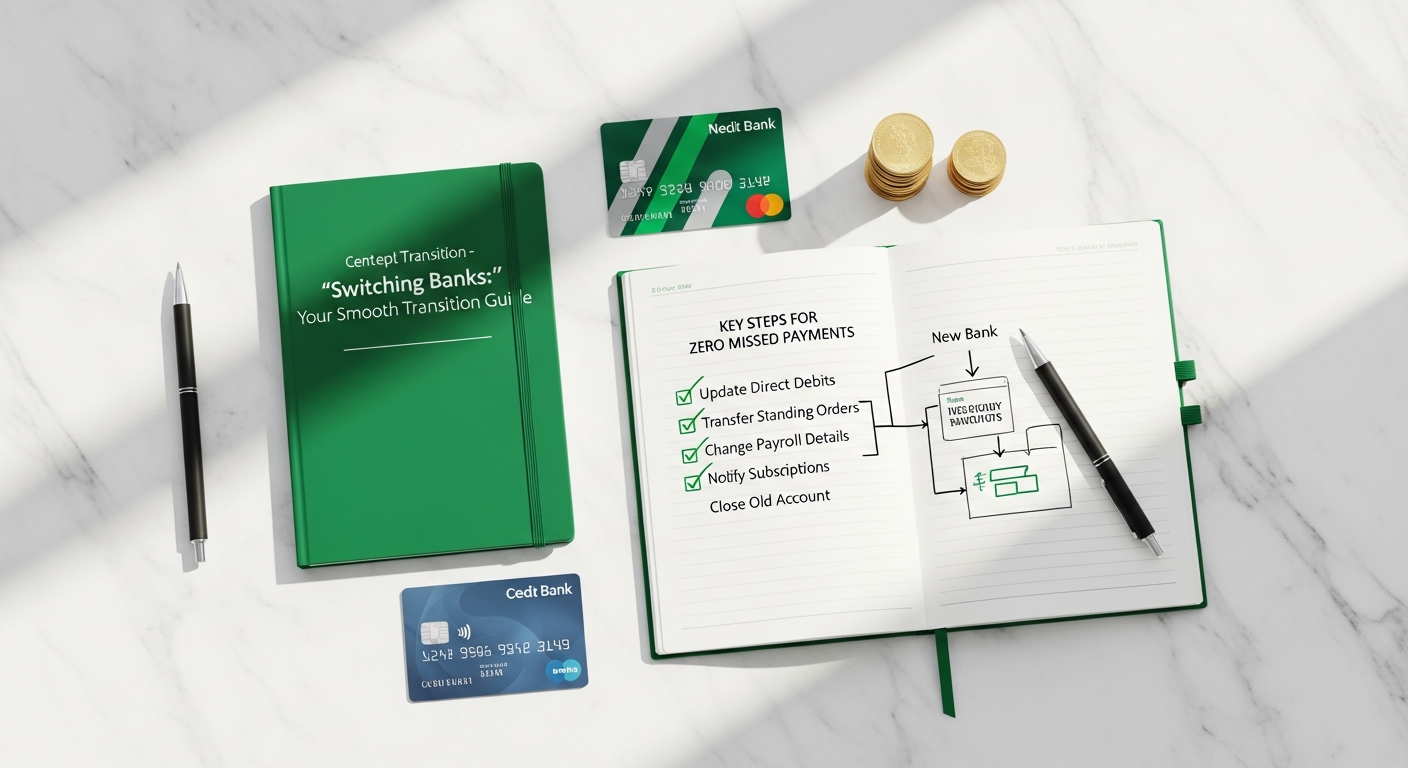
Switch Banks Seamlessly: Your 2026 Guide to Migrating Accounts Without Missing Automatic Payments
Why Consider Switching Banks in 2026?
The banking industry has undergone a seismic shift, particularly with the acceleration of digital transformation. If you haven’t reviewed your primary bank account in a few years, you might be missing out on significant advantages that could boost your financial well-being. Here’s why 2026 is an excellent time to re-evaluate your banking relationship:
- Better Interest Rates on Savings: Many traditional banks still offer abysmal interest rates on savings accounts. In contrast, online-only banks (neobanks) and credit unions often provide significantly higher Annual Percentage Yields (APYs), helping your emergency fund and savings grow much faster. With inflation constantly a consideration, maximizing your returns is paramount.
- Lower (or No) Fees: Hidden fees for monthly maintenance, overdrafts, ATM usage, or even minimum balance requirements can quietly erode your savings. A growing number of financial institutions, particularly neobanks, proudly offer fee-free checking and savings accounts, allowing you to keep more of your hard-earned money.
- Superior Digital Banking Experience: Fintech innovation means mobile apps are more powerful than ever. Look for banks that offer intuitive interfaces, robust budgeting tools, real-time transaction alerts, instant payment capabilities, and AI-powered insights into your spending habits. Features like early direct deposit, round-up savings, and seamless integration with popular payment apps are becoming standard.
- Enhanced Customer Service: While some traditional banks struggle with long wait times, many modern institutions, especially neobanks, prioritize responsive and personalized customer support through chat, email, and phone, often available 24/7.
- Access to Advanced Tools and Features:
- AI-Powered Budgeting: Many banks in 2026 are integrating AI to categorize spending, predict future expenses, and offer personalized financial advice, helping you stay on track.
- Security Enhancements: Advanced fraud detection, biometric authentication, and virtual card numbers are standard features designed to protect your finances in a digital world.
- Ethical and Sustainable Banking: For those who prioritize social responsibility, many institutions now offer transparent policies and invest in causes aligned with environmental, social, and governance (ESG) principles.
Ultimately, switching banks allows you to find an institution that truly serves your financial needs, offering better value, convenience, and technology.
The Myth of Complexity: Why People Hesitate (and How We’ll Solve It)
The primary barrier preventing most people from switching banks isn’t a lack of desire for better features or lower fees; it’s the perceived hassle and the fear of disrupting their financial ecosystem. The thought of potentially missing a rent payment, having a utility shut off, or incurring late fees because a crucial automatic payment didn’t go through is enough to keep many from making a beneficial move. The mental load of identifying every single recurring transaction and updating them individually can seem overwhelming.
However, this perceived complexity is largely a myth. While it does require a structured approach and attention to detail, the process itself is highly manageable. Financial technology and improved bank switching services have made it significantly easier than it was even a few years ago. Our goal at Fin3go is to equip you with a foolproof method, breaking down the bank switching process into clear, actionable steps that specifically address and mitigate the risks associated with automatic payments and direct deposits. You’ll learn how to create a comprehensive inventory of your financial obligations, set up a secure transition period, and update all necessary parties with confidence.
Phase 1: Preparation is Key – Your Bank Switching Checklist
1. Gather Your Financial Statements:
2. Create a Master List of Incoming Funds (Direct Deposits):
Identify every source of income that flows into your account. This is crucial for updating your new bank details with the correct entities.
- Employer Payroll: Note your employer’s HR or payroll department contact information.
- Government Benefits: Social Security, Veterans Affairs (VA) benefits, disability payments, tax refunds, etc. Keep account numbers and relevant agency contact info handy.
- Investment Income: Dividends, interest payments from brokerage accounts, etc.
- Other Regular Income: Freelance payments, rental income, alimony, child support, etc.
3. Compile a Comprehensive List of Outgoing Automatic Payments and Transfers:
This is the most critical step for avoiding disruptions. Scrutinize your bank statements and online banking portal for every recurring outflow.
- Bill Pay & Utilities: Electricity, gas, water, internet, phone, garbage, insurance premiums (car, home, life, health).
- Loan Payments: Mortgage, auto loans, student loans, personal loans, credit card payments (if automatically debited from your checking account).
- Subscriptions & Memberships: Streaming services (Netflix, Spotify, Hulu), gym memberships, software subscriptions (Microsoft 365, Adobe Creative Cloud), online newspaper subscriptions, cloud storage.
- Automatic Transfers: Transfers to savings accounts, investment accounts (e.g., automated IRA contributions), peer-to-peer payments (e.g., Venmo, PayPal, Cash App if linked to your bank), or transfers to other external accounts.
- Automated Clearing House (ACH) Debits: Any company authorized to directly pull funds from your account.
- Checks: While less common for automatic payments, ensure no recurring checks are issued from your account.
For each item on your outgoing list, note the following:
- Payer/Biller Name: The company or individual receiving the payment.
- Amount: The typical amount (or range) of the payment.
- Frequency: Weekly, bi-weekly, monthly, quarterly, annually.
- Due Date: When the payment is typically debited.
- Method of Payment: Direct debit (ACH), linked debit card, linked bank account number.
- Account Number/Login Info: Any relevant account numbers for that biller, or the login credentials for their online portal.
Pro Tip for 2026: Many modern personal finance apps and even some advanced online banking platforms now offer “subscription management” or “recurring payment” trackers. These AI-powered tools can often identify and list your recurring payments for you, cross-reference this with your manual list to ensure nothing is missed.
Phase 2: Opening Your New Account & The Transition Period
With your comprehensive lists in hand, you’re ready to initiate the switch.
1. Choose Your New Financial Home:
Based on your research and needs (better rates, lower fees, digital tools, customer service, specific features like early pay), select your new bank or neobank. Consider factors like:
- FDIC/NCUA Insurance: Ensure your deposits are protected (up to $250,000 per depositor, per institution).
- ATM Network Access: If you use cash frequently.
- Branch Access: If you prefer in-person services (less critical with neobanks).
- Specific Features: Unique budgeting tools, overdraft protection, credit-building features.
2. Open Your New Accounts:
Most banks, especially neobanks, allow you to open accounts entirely online in minutes. You’ll typically need your Social Security number, a government-issued ID, and an initial deposit. Once open, fund your new checking account with enough money to cover initial expenses and to act as a buffer during the transition.
3. The Overlap Strategy:
- During this period, keep enough funds in your old account to cover any remaining automatic payments that haven’t been switched yet.
- Periodically check both accounts to ensure all expected transactions are occurring.
Phase 3: Updating Direct Deposits and Automatic Payments
This is where your detailed lists come into play. Systematically go through each item and update your banking information.
1. Update Direct Deposits:
- Employer Payroll: Contact your HR or payroll department. They will provide a direct deposit form (or an online portal) where you’ll input your new bank’s routing and account numbers. Request that your entire paycheck be deposited into the new account. Allow at least one full pay cycle for this to take effect.
- Government Benefits:
- Social Security: You can update your direct deposit information online through your My Social Security account, by calling the SSA, or visiting a local office.
- VA Benefits: Update via the VA.gov website, by phone, or mail.
- Other Agencies: Visit the respective agency’s website or contact them directly for their specific procedure.
- Investment Income: Log into your brokerage or investment platform and update the linked bank account for deposits.
Verification: After your first expected direct deposit into the new account, verify that it landed successfully.
2. Update Automatic Payments and Transfers:
This requires going through each biller/service on your outgoing list. There are generally three ways to update them:
- Online Portal: For most services (utilities, streaming, credit cards, loans), log into their online account management portal. Navigate to the “Billing,” “Payments,” or “Account Settings” section and update your payment method to your new bank’s routing and account number (or your new debit card if that was your preferred method).
- Phone/Customer Service: For companies without an online portal, or if you prefer speaking to someone, call their customer service line. Have your new bank’s routing and account numbers ready.
- Mail/Form: Less common in 2026, but some smaller entities or older systems might require a physical form to be mailed.
Crucial Steps for Updating Payments:
- Start Early: Begin updating payments as soon as your new account is active. Aim to have everything switched before the next payment due date for each item.
- Prioritize: Tackle large, critical payments (mortgage, rent, auto loans, credit cards) first.
- Change Payment Method: If you had a debit card from your old bank linked to subscriptions, remember to update these with your new bank’s debit card number.
- Set Up New Automatic Transfers: Re-establish any automatic transfers you had (e.g., to savings accounts, investment accounts, or external accounts) within your new bank’s platform.
- Confirm and Monitor: After each update, note the date you made the change. For the first 1-2 billing cycles after updating, meticulously check your new bank statement to ensure all payments are successfully debited from the new account and your old account for any stragglers.
3. Consider Your Checks and Debit Card:
- New Checks: Order new checks for your new bank, even if you rarely use them.
- New Debit Card: Your new bank will issue a new debit card. Activate it immediately and update any linked services (e.g., mobile payment apps like Apple Pay or Google Pay).
Phase 4: Closing Your Old Account Responsibly
Once you are absolutely certain that all direct deposits have redirected to your new account and all automatic payments have successfully debited from it for at least one (ideally two) full billing cycles, you can proceed with closing your old account.
1. Verify Zero Balance:
Ensure there’s a zero balance in your old account. Transfer any remaining funds to your new account. If there’s a small amount left, some banks might issue a check for the remainder.
2. Review One Last Time:
Do a final check of your old account’s transaction history for any unexpected activity or forgotten payments that might still be linked. If you used external services that pulled from your old account (e.g., Venmo or PayPal direct bank links), ensure these are updated or disconnected.
3. Initiate Closure:
Contact your old bank to formally request account closure. This can often be done:
- In Person: Visit a branch.
- By Phone: Call their customer service line.
- In Writing: Send a signed letter (certified mail is recommended for proof of delivery).
Request a Confirmation: Always ask for written confirmation that your account has been closed and that there are no outstanding fees or obligations. Keep this record for your files.
4. Shred Old Materials:
Once confirmed closed, safely dispose of any old checks, debit cards, and sensitive documents associated with the old account.
Leveraging Technology: Neobanks and Fintech Tools for a Smoother Switch
The rise of fintech and neobanks in 2026 has brought forward innovative tools designed to simplify financial management, including the bank switching process:
- Built-in Switching Services: Some progressive banks and neobanks now offer integrated “switch kits” or even automated services that help identify and transfer your direct deposits and automatic payments. While these are convenient, always double-check their work against your manual lists.
- Financial Aggregation Apps: Tools like Mint, Personal Capital, or their 2026 successors can connect to all your financial accounts, providing a holistic view of your income and expenses. Many have features to identify recurring bills, making your initial inventory list much easier to compile.
- Budgeting Apps with Payment Tracking: Advanced budgeting applications often allow you to track upcoming bills and automatically categorize spending, which can be invaluable during the transition period to ensure all payments are accounted for.
- Virtual Card Numbers: Some banks and payment processors offer virtual card numbers for online subscriptions. Using these makes it incredibly easy to switch payment methods simply by canceling the old virtual number and issuing a new one tied to your new bank account, without directly interacting with each merchant.
Switching banks in 2026 doesn’t have to be a daunting task. By following a structured approach, meticulous preparation, and leveraging the digital tools available, you can seamlessly transition your finances to an institution that better serves your needs without the anxiety of missing critical payments. Empower yourself to make the best financial choices for your future – a better banking experience awaits!
FAQ: Common Questions About Switching Banks
How long does the entire bank switching process typically take?
The active switching period, from opening your new account to updating all direct deposits and automatic payments, usually takes about 2-4 weeks. However, we strongly recommend an overlap period of 1-2 full billing cycles (4-8 weeks) where both your old and new accounts remain active. This allows you to monitor all transactions and ensure everything has successfully transitioned before closing your old account. So, plan for a total monitoring period of roughly 1-2 months for complete peace of mind.
Do I have to tell my old bank I’m switching, or can I just let my account go dormant?
It’s always best practice to formally close your old bank account. Simply letting it go dormant can lead to several issues. Your old bank might still charge maintenance fees, potentially pushing your account into a negative balance and impacting your credit score. There’s also a risk of forgotten small recurring charges or old linked services still attempting to debit funds. By formally closing the account and obtaining written confirmation, you ensure all ties are severed and avoid any unexpected financial surprises down the line.
What should I do if I forget an automatic payment or direct deposit during the switch?
Despite careful planning, sometimes an obscure payment or deposit can be overlooked. The key is to act quickly. If you realize a direct deposit went to your old, now closed account, contact your employer or the paying entity immediately. They can usually re-issue the payment to your new account. If an automatic payment was missed from your old account, contact the biller (e.g., utility company, loan provider) immediately to make a manual payment and update your banking details. Explain the situation; many companies offer a grace period or can waive late fees if you rectify the issue promptly. Your overlap strategy (keeping both accounts open) is your best buffer against these minor oversights, as payments will simply debit from your old account until you’ve updated them.
Can I switch only my checking account and keep my savings account at my old bank?
Yes, absolutely. You are not required to move all of your accounts to a new institution simultaneously, or even at all. Many people choose to keep their savings or investment accounts separate, especially if they are getting good rates or have a long-standing relationship. You can simply open a new checking account at a different bank, keeping your existing savings account where it is. Just ensure that any automatic transfers between your checking and savings accounts are updated to reflect your new checking account information.