


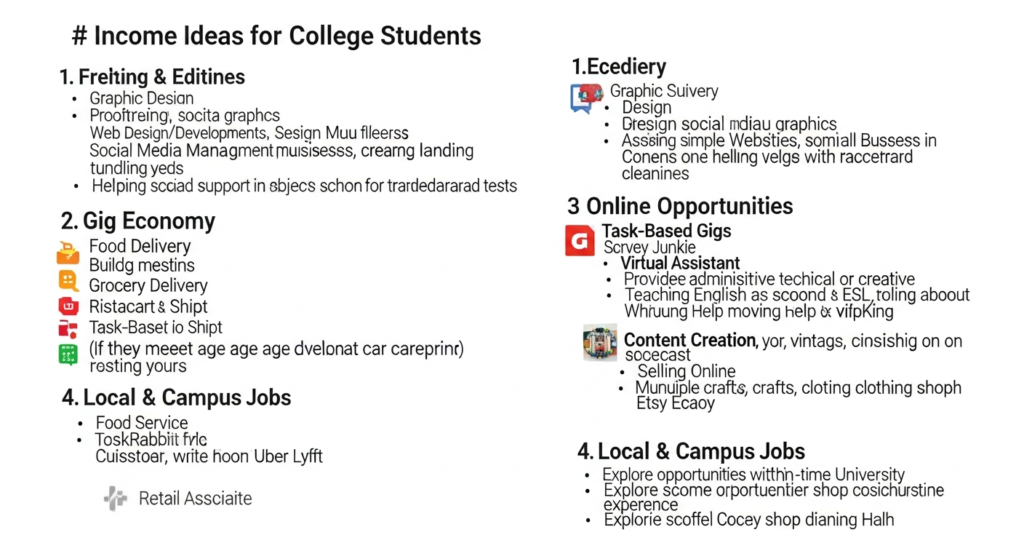
The Foundation: Traditional & Campus-Based Opportunities
While the digital age has opened up countless new avenues for income, traditional part-time jobs and campus-based roles remain excellent starting points for college students. They often offer a level of stability, a clear pay structure, and invaluable experience that can be listed on a resume. These roles are particularly beneficial for students seeking a predictable schedule and a tangible work environment.
-
On-Campus Jobs: Convenience and Community
Working on campus is arguably one of the most student-friendly options. These jobs understand the demands of academic life, often offering flexible hours that align with class schedules and exam periods. They also eliminate commute time, making it easier to balance work and studies.
- Library Assistant: Tasks can include shelving books, assisting patrons, and maintaining quiet study spaces. It’s often a calm environment, sometimes allowing for light studying during downtime.
- Peer Tutor/Writing Center Consultant: If you excel in a particular subject, tutoring can be a highly rewarding way to earn. You reinforce your own knowledge while helping classmates, and the hours are typically flexible and well-compensated.
- Resident Advisor (RA): While not always a direct hourly wage, RA positions often provide significant benefits like free or reduced housing, a meal plan, and a stipend. It requires strong leadership and interpersonal skills.
- Lab Assistant/Research Assistant: For students in STEM fields, these roles offer hands-on experience in your major, networking opportunities with professors, and a chance to contribute to academic research.
- Dining Hall Staff: Working in campus dining can offer consistent hours and sometimes even free meals during shifts. It’s a great way to meet new people and develop customer service skills.
- Gym/Recreation Center Staff: If you’re into fitness, working at the campus gym as a front desk attendant, lifeguard, or equipment manager can be a perfect fit.
-
Off-Campus Part-Time Roles: Broader Experience
Venturing off-campus can expose you to a wider range of industries and work environments. These jobs can be excellent for building a diverse skill set and expanding your professional network beyond the university gates.
- Retail Associate: Working in retail teaches valuable customer service, sales, and inventory management skills. Many stores offer flexible scheduling, especially around holidays.
- Food Service (Barista, Server, Host): Restaurants and cafes are always looking for reliable staff. These roles often come with tips, which can significantly boost your hourly wage, and provide fast-paced, practical experience.
- Administrative Assistant: Local businesses often need help with administrative tasks, data entry, and office management. This can be a great way to gain professional office experience.
- Bookkeeping Assistant: If you have an aptitude for numbers, assisting a small business with their bookkeeping can be a valuable skill-building opportunity, often with flexible hours.
Embracing the Gig Economy: Flexible Income on Your Terms

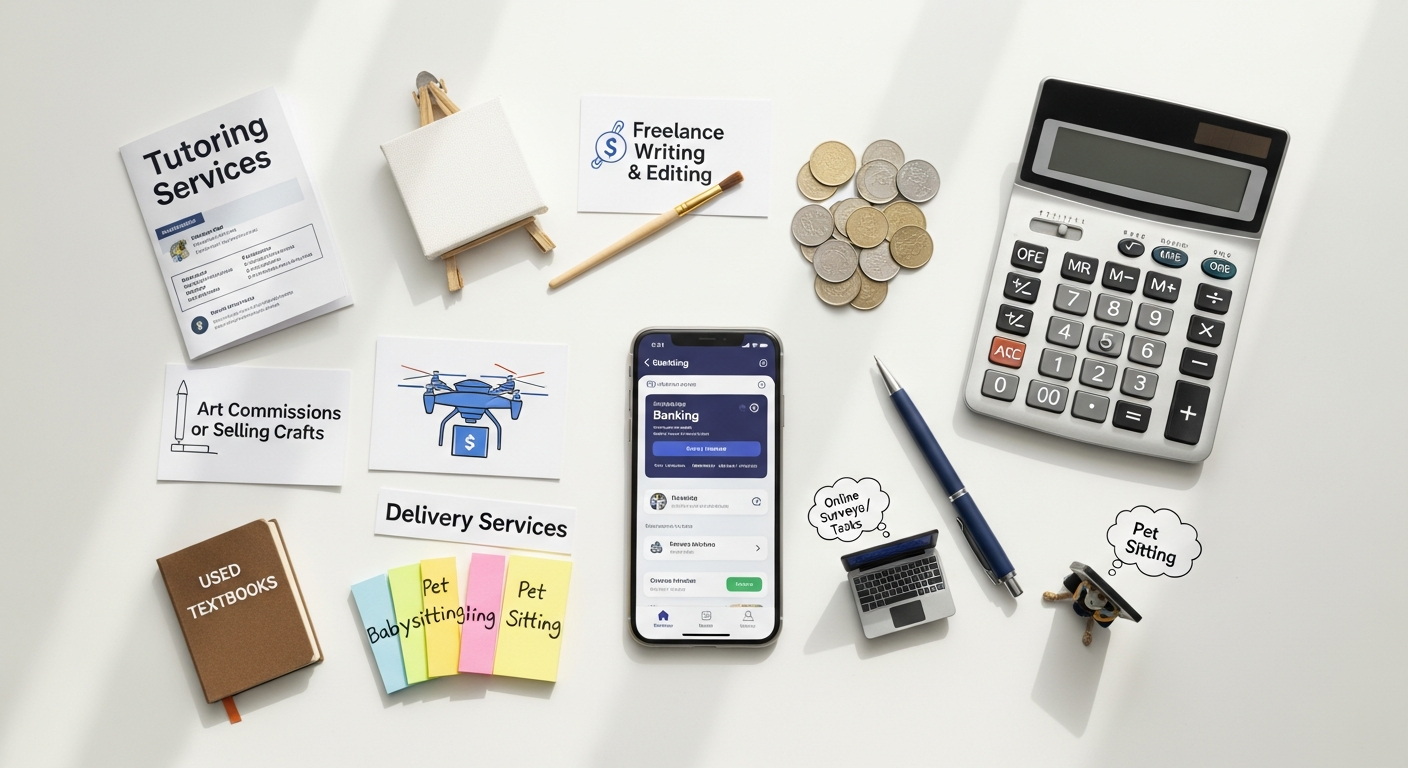
The rise of the gig economy has been a game-changer for college students, offering unparalleled flexibility and control over when and how they earn. These opportunities are perfect for those with unpredictable schedules, allowing you to pick up work between classes, on weekends, or during breaks. The beauty of the gig economy is its accessibility – often requiring minimal startup costs and leveraging assets you might already have, like a smartphone or a car.
-
Delivery Services: Drive & Deliver
If you have a reliable car (or even a bike in some urban areas) and a smartphone, delivery services offer one of the most straightforward ways to earn. You set your own hours and work as much or as little as you want.
- Food Delivery (DoorDash, Uber Eats, Grubhub): Sign up, log on when you’re available, and deliver food from local restaurants to customers. The pay includes a base fee, tips, and sometimes surge pricing during busy periods.
- Grocery Delivery (Instacart, Shipt): Similar to food delivery, but you’re typically shopping for and delivering groceries. This can be a bit more involved but often comes with higher earning potential per delivery.
- Package Delivery (Amazon Flex): Deliver Amazon packages using your own vehicle. This usually involves picking up a block of deliveries and completing them within a set timeframe.
-
Service-Based Gigs: Lending a Hand
For those who enjoy helping others or have practical skills, a variety of platforms connect you with people needing assistance.
- TaskRabbit: This platform allows you to offer various services, from furniture assembly and minor home repairs to cleaning, moving help, and even personal assisting. You set your rates and choose tasks that fit your skills and schedule.
- Pet Sitting & Dog Walking (Rover, Wag!): If you’re an animal lover, these apps connect you with pet owners needing care for their furry friends. It’s a fun and often lucrative way to earn, especially in residential areas near campus.
- Babysitting/Nannying (Care.com, Sittercity): Many families need reliable childcare, and college students are often seen as responsible and engaging caregivers. You can find one-off gigs or more regular arrangements.
- Tutoring & Academic Support (Chegg Tutors, Skooli): Beyond campus tutoring, online platforms allow you to tutor students from anywhere in the world in subjects you excel in. This offers immense flexibility and good hourly rates.
-
Ride-Sharing (Uber, Lyft): If You’re 21+
For students aged 21 or over with a clean driving record and a qualifying vehicle, ride-sharing can be a significant income source. The flexibility is unparalleled, allowing you to drive during peak hours for maximum earnings or simply when you have a free window.
Monetizing Your Mind: Online Ventures & Digital Skills
-
Freelancing: Your Skills, Your Clients
Freelancing allows you to offer your expertise to clients worldwide. Platforms make it easy to find gigs in almost any digital skill imaginable.
- Content Writing/Copywriting: Businesses constantly need blog posts, articles, website copy, and marketing materials. If you have strong writing skills, platforms like Upwork, Fiverr, and Contently can connect you with clients.
- Graphic Design: From logos and social media graphics to website layouts and marketing collateral, design skills are in high demand. Use tools like Canva or Adobe Creative Suite to create visually appealing content for clients.
- Web Development/Coding: If you know how to code, even basic HTML, CSS, or JavaScript, you can find freelance work building simple websites, landing pages, or assisting with larger development projects.
- Virtual Assistant (VA): Many entrepreneurs and small business owners need help with administrative tasks, email management, social media scheduling, research, and more. A VA role is flexible and can be done entirely remotely.
- Social Media Management: Businesses are always looking for help managing their social media presence. If you’re adept at platforms like Instagram, TikTok, Facebook, and Twitter, you can offer services creating content, scheduling posts, and engaging with followers.
-
Online Surveys & Micro-Tasks: Small Bucks, Easy Effort
While not a primary income stream, these options can provide supplemental cash for minimal effort, perfect for filling small gaps in your schedule.
- Paid Online Surveys (Survey Junkie, Swagbucks, branded surveys): Share your opinions on products and services for small cash rewards or gift cards. It won’t make you rich, but it’s easy money during downtime.
- Micro-Task Sites (Amazon Mechanical Turk): Perform small, repetitive tasks that computers struggle with, such as data validation, image tagging, or transcribing audio. Earnings per task are low, but they add up.
-
Content Creation & Influencer Marketing: Building Your Brand
If you have a passion for a niche, creating content can be a powerful way to earn, though it often takes time to build an audience.
- Blogging: Start a blog about a topic you’re passionate about. Monetize through advertising, affiliate marketing (promoting products and earning a commission), or selling your own digital products.
- YouTube/TikTok/Instagram: Create engaging video content. As your audience grows, you can earn through ad revenue, sponsorships, brand deals, and selling merchandise.
- Podcasting: Share your insights or interview interesting guests. Monetization comes from sponsorships, listener support, and selling related products.
-
E-commerce & Digital Products: Selling What You Create
For the entrepreneurial spirit, selling products online can be highly rewarding.
- Dropshipping: Sell products without holding inventory. When a customer places an order, you purchase the item from a third-party supplier who then ships it directly to the customer. This requires some marketing savvy but minimal upfront capital.
- Selling Digital Products: Create and sell digital goods like templates (for resumes, social media, planners), e-books, online courses, presets for photos, or custom fonts. Platforms like Etsy, Gumroad, and your own website can host these.
Skill-Building & Entrepreneurship: Turning Passions into Profit
Beyond traditional employment and purely online gigs, many college students can leverage existing skills or develop new ones to create their own service-based businesses. This entrepreneurial path offers the highest degree of flexibility and income potential, as you set your own rates and manage your client base. It’s about identifying a need in your community or online and positioning yourself as the solution.
-
Specialized Tutoring & Coaching: Beyond Academics
Your expertise isn’t limited to academic subjects. Consider what unique skills you possess that others might want to learn.
- Music Lessons: If you play an instrument, offer lessons to younger students or beginners. You can teach in person or virtually.
- Language Instruction: Are you fluent in another language? Offer conversational practice or formal lessons to non-native speakers.
- Coding Bootcamps/Workshops: If you have programming skills, organize small workshops or offer personalized coaching to teach others the basics of coding, app development, or web design.
- Fitness Coaching/Personal Training: For those with a passion for health and fitness, becoming a certified personal trainer can lead to a flexible and rewarding income helping others achieve their fitness goals.
-
Event & Project Management: Organized & Connected
If you’re highly organized and enjoy coordinating, these roles can be perfect.
- Event Planning Assistant: Local businesses, university departments, or individuals often need help planning small events, parties, or conferences. This involves logistics, vendor coordination, and marketing.
- Project Coordinator: Offer your organizational skills to small businesses or busy individuals who need help managing tasks, deadlines, and communications for various projects.
-
Creative Services: Artistic & Technical Talents
Harness your creative flair to offer services that people and businesses need.
- Photography/Videography: Offer services for events, portraits, product photography, or create video content for local businesses. Build a portfolio and market your skills through social media.
- Website Design & Maintenance: Beyond just coding, many small businesses need help designing aesthetically pleasing and functional websites. Offering ongoing maintenance packages can create recurring income.
- Voice-Over Artist: If you have a clear, engaging voice, you can offer voice-over services for explainer videos, commercials, audiobooks, or podcasts.
-
Practical Services: Filling Everyday Needs
Sometimes the simplest ideas address the biggest needs.
- Laundry Service: Offer wash-and-fold services to busy students or faculty, especially useful in dorms without in-unit laundry.
- Cleaning Service: Provide cleaning services for apartments, dorms, or local homes. You can charge by the hour or by the job.
- Tech Support/Computer Repair: If you’re good with computers, offer troubleshooting, virus removal, software installation, or minor hardware repairs to your peers or local residents.
- Car Detailing: Offer mobile car washing and detailing services. It requires minimal equipment and can be done on demand.
Strategic Financial Management: Making Your Earnings Work Harder
Earning money is just one part of the equation; managing it effectively is where true financial empowerment begins. As a college student, developing strong financial habits now will serve you well for the rest of your life. It’s not just about paying bills, but about building a foundation for future financial stability and growth. This section will guide you through practical steps to ensure your hard-earned money is working for you, not against you.
-
Budgeting: Your Financial Roadmap
The first step to financial control is knowing where your money goes. A budget isn’t about restriction; it’s about intentional spending and saving.
- Track Your Income and Expenses: Use a spreadsheet, a budgeting app (like Mint or YNAB), or even a simple notebook. List all your income sources and track every dollar you spend.
- Categorize Spending: Group your expenses (e.g., food, entertainment, transportation, academic supplies). This helps identify areas where you might be overspending.
- Set Financial Goals: Whether it’s saving for textbooks, a spring break trip, or building an emergency fund, having clear goals motivates you to stick to your budget.
- The 50/30/20 Rule: A popular guideline suggests allocating 50% of your after-tax income to needs, 30% to wants, and 20% to savings and debt repayment. Adjust this as necessary for your student budget.
-
Saving & Investing: Building for the Future
Even small amounts saved consistently can grow significantly over time, thanks to the power of compound interest. It’s never too early to start.
- Build an Emergency Fund: Aim to save at least a few hundred dollars for unexpected expenses like a car repair or a medical bill. This prevents you from going into debt when emergencies arise.
- High-Yield Savings Accounts: Once you have a steady income, consider opening a high-yield savings account. These accounts, often offered by online banks, pay significantly more interest than traditional savings accounts. This is where researching “Which online bank is right for you” becomes incredibly relevant, as online banks typically offer better interest rates and lower fees.
- Automate Savings: Set up automatic transfers from your checking account to your savings account each payday. “Set it and forget it” is a powerful strategy.
- Micro-Investing Apps: Apps like Acorns or Fidelity Go allow you to start investing with very small amounts, often by rounding up your purchases. While the “Risks and returns of mortgage backed securities” might be far too complex and high-risk for a college student’s initial investment strategy, understanding basic diversified investing through these apps is a great starting point for financial literacy.
-
Debt Management: Stay Ahead of the Curve
Avoiding unnecessary debt, especially high-interest consumer debt, is crucial for financial health.
- Credit Cards: If you decide to get a credit card to build credit, use it responsibly. Pay off the full balance every month to avoid interest charges and keep your credit score healthy. Look for student-friendly cards with low limits.
- Student Loans: Understand the terms of any student loans you take out. Borrow only what you need and be aware of interest accrual and repayment obligations post-graduation.
- Avoid Payday Loans: These loans come with extremely high-interest rates and can trap you in a cycle of debt. Always seek alternatives.
Beyond the Paycheck: Building Your Financial Future Now
While earning money to cover current expenses is essential, college is also a unique opportunity to lay the groundwork for a robust financial future. The skills you develop, the networks you build, and the financial habits you cultivate during these years will have a lasting impact long after you graduate. Think of your income-generating activities not just as a means to an end, but as stepping stones toward greater financial independence and career success in 2026 and beyond.
-
Skill Development & Resume Building
Every job, gig, or entrepreneurial venture you undertake as a student contributes to your skill set and strengthens your resume. Be intentional about choosing opportunities that align with your career aspirations or help you develop transferable skills.
- Identify Transferable Skills: Even a seemingly simple job like waiting tables builds customer service, problem-solving, and time management skills. Freelancing hones self-discipline, project management, and specialized technical abilities.
- Document Your Achievements: Keep a running list of your responsibilities, accomplishments, and skills gained in each role. Quantify your impact whenever possible (e.g., “Increased social media engagement by 15%”).
- Tailor Your Experiences: When applying for internships or post-graduation jobs, highlight the experiences and skills most relevant to the role.
-
Networking & Mentorship
Your college years are prime time for building a professional network that can open doors to future opportunities.
- Connect with Peers and Alumni: Your classmates and university alumni are valuable resources for job leads, advice, and potential collaborations.
- Engage with Employers: If you have an on-campus or part-time job, take the opportunity to learn from your supervisors and colleagues. They might offer mentorship or professional references.
- Attend Industry Events: Look for career fairs, workshops, or online webinars related to your field of interest. These are great places to meet professionals and learn about potential career paths.
-
Cultivating Financial Literacy
The lessons you learn about budgeting, saving, and smart spending now will pay dividends throughout your life. Financial literacy is a continuous journey, and college is an excellent starting point.
- Educate Yourself: Read articles (like those on Fin3go!), listen to podcasts, and take advantage of any financial literacy workshops offered by your university.
- Practice Good Habits: Consistently apply the budgeting and saving strategies discussed earlier. The more you practice, the more these habits become second nature.
- Plan for Post-Graduation: Start thinking about your financial needs after graduation. Will you have student loan payments? What will your first full-time salary look like? How will you continue to save and invest for long-term goals like buying a home or retirement, perhaps even considering more advanced concepts like understanding the “Risks and returns of mortgage backed securities” as you grow your portfolio?
FAQ Section: Your Questions Answered
Q1: How much money can a college student realistically expect to earn?
A1: The amount varies widely based on the type of work, hours committed, and location. For part-time jobs, expect to earn minimum wage or slightly above ($10-$20/hour). Gig economy work can fluctuate, but many drivers/deliverers report $15-$25/hour during peak times. Freelancing and skill-based services have the highest earning potential, with experienced individuals potentially earning $30-$100+ per hour, though it takes time to build a client base. Realistically, many students can comfortably earn $500-$1500+ per month, significantly covering living expenses and contributing to savings.
Q2: What are the best income ideas for students with very limited free time?
A2: For students with tight schedules, focus on highly flexible options. Online surveys and micro-tasks (like Amazon MTurk) can be done in short bursts. Gig economy delivery services (DoorDash, Uber Eats) allow you to log in and out as needed. On-campus jobs often have the most accommodating schedules, designed specifically for students. Consider skills-based freelancing where you can set your own deadlines for projects.
Q3: Do I need to report my income from these jobs for taxes?
A3: Yes, generally all income is taxable. For traditional W-2 jobs, your employer will handle some of this. For gig economy work (like Uber Eats, TaskRabbit) or freelancing, you are considered an independent contractor. If you earn over a certain threshold (typically $400 for self-employment income), you’ll need to report it and potentially pay self-employment taxes (Social Security and Medicare). It’s wise to set aside a portion of your earnings (e.g., 20-30%) for taxes. Consult with a tax professional or university financial advisor for specific guidance.
Q4: How can I balance earning money with my academic responsibilities?
A4: Effective time management is key. Prioritize your studies, and then allocate specific blocks of time for work. Look for jobs that offer maximum flexibility, allowing you to adjust your hours around your class schedule and exam periods. Avoid overcommitting. Consider roles that can be done during downtime, like online surveys, or those that leverage skills you’re already developing in your studies (like tutoring). Use a planner or digital calendar to keep track of both academic and work commitments.
Q5: Are there any risks associated with these income ideas that students should be aware of?
A5: Yes, some risks exist. For gig economy driving, there are car wear-and-tear costs and potential accidents. For all forms of independent contracting, income can be inconsistent, and you’re responsible for your own taxes and benefits. Online scams are also a risk; always vet opportunities thoroughly. Be mindful of personal safety, especially with in-person services. It’s important to understand these practical risks, similar to how one might consider the “Risks and returns of mortgage backed securities” in a much more advanced financial context – every earning method has its own set of considerations.
Q6: How can I manage my new income effectively as a college student?
A6: Start by creating a detailed budget to track your income and expenses. Open a separate savings account, preferably a high-yield one from an online bank, to automate savings transfers. Research “Which online bank is right for you” to find an account with low fees and good interest rates. Prioritize building an emergency fund. If you use a credit card, pay it off in full every month to avoid interest. Consider micro-investing apps to start growing your money long-term. Developing these habits now will empower your financial future well into 2026 and beyond.
Recommended Resources
Related reading: Ecommerce Business Insurance Guide (E-ComProfits).
Related reading: How To Get A Small Business Loan (AssetBar).