



Embarking on the journey of real estate investing can feel like navigating a complex maze, especially for those just starting out. The allure of passive income, long-term wealth appreciation, and tangible asset ownership is powerful, yet the initial steps can seem daunting. At Fin3go, we believe that informed decisions are the cornerstone of successful financial ventures. This comprehensive guide is meticulously crafted to demystify real estate investing for beginners, providing you with a robust foundation, actionable insights, and a clear roadmap to confidently make your first — and subsequent — investments. We’ll delve into various strategies, financial prerequisites, due diligence processes, and management considerations, ensuring you’re well-equipped to turn your real estate aspirations into tangible success by 2026 and beyond.
The Allure of Real Estate: Why Invest?
Real estate has long been a celebrated cornerstone of wealth creation, captivating investors across generations with its unique blend of tangible assets and diverse income streams. For the budding investor, understanding why real estate holds such a significant position in robust financial portfolios is the crucial first step. It’s more than just buying a property; it’s about leveraging a powerful asset class with multiple avenues for growth and stability.
The Compelling Benefits of Real Estate Investing
- Consistent Cash Flow (Passive Income): One of the most attractive aspects of real estate, particularly with rental properties, is the potential for steady monthly income. After covering mortgage payments, property taxes, insurance, and maintenance, the remaining rent often provides a predictable cash flow. This income stream can be a vital component of your financial independence, helping to cover living expenses or fund further investments.
- Appreciation: Historically, real estate tends to increase in value over the long term. While market fluctuations are inevitable, well-chosen properties in desirable locations often appreciate, meaning their market value grows over time. This capital appreciation contributes significantly to your overall net worth, offering substantial returns when you eventually sell.
- Tax Advantages: Real estate investors can benefit from several tax deductions, including mortgage interest, property taxes, operating expenses, and depreciation. Depreciation, in particular, allows investors to deduct a portion of the property’s value each year, even if the property is appreciating, effectively reducing taxable income. These advantages can significantly boost your net returns.
- Inflation Hedge: Real estate is often considered an excellent hedge against inflation. As the cost of living rises, so do property values and rental income. This means your asset’s value and your income stream tend to keep pace with or even outstrip inflation, preserving your purchasing power over time.
- Leverage: Real estate allows investors to control a large asset with a relatively small amount of their own capital through financing. By putting down a percentage of the property’s value and borrowing the rest, you can amplify your returns. If a property appreciates by 10%, that gain is on the full value of the property, not just your down payment.
- Diversification: Adding real estate to a portfolio primarily composed of stocks and bonds can help diversify your investments. Real estate often performs differently than traditional financial assets, providing a buffer during market downturns and reducing overall portfolio risk.
- Tangible Asset: Unlike stocks or bonds, real estate is a tangible asset you can see, touch, and even improve. This physical presence offers a sense of security and control that many investors find appealing. You have direct influence over its condition and potential for value enhancement.
Acknowledging the Risks: A Balanced Perspective
While the benefits are substantial, it’s crucial for beginners to approach real estate investing with a clear understanding of its inherent risks. No investment is without its downsides, and real estate is no exception.
- Illiquidity: Real estate is not a liquid asset. Converting a property into cash can take months, unlike selling stocks or bonds which can be done almost instantly. This means you need to have accessible funds for emergencies or unexpected expenses.
- Capital Intensive: Investing in real estate typically requires a significant upfront capital outlay for down payments, closing costs, and initial renovations. This barrier to entry can be substantial for many beginners.
- Management Demands: Direct ownership, especially of rental properties, can be time-consuming. Landlord responsibilities include tenant screening, lease management, maintenance, and addressing issues. While property managers can alleviate this, they come at a cost.
- Market Fluctuations: Property values are subject to economic cycles, local market conditions, and interest rate changes. There’s no guarantee that a property will always appreciate, and downturns can lead to losses or periods of stagnant growth.
- Vacancy Risk: For rental properties, periods without tenants mean no rental income, yet expenses like mortgages, taxes, and insurance continue. High vacancy rates can severely impact cash flow and profitability.
- Unexpected Expenses: Properties require ongoing maintenance and repairs. Furnaces break, roofs leak, and appliances fail. Budgeting for these unforeseen costs is critical to avoid financial strain.
By understanding both the profound advantages and the potential pitfalls, beginners can develop a more realistic and strategic approach to real estate investing, laying the groundwork for sustainable success.
Laying the Financial Foundation for Real Estate Success

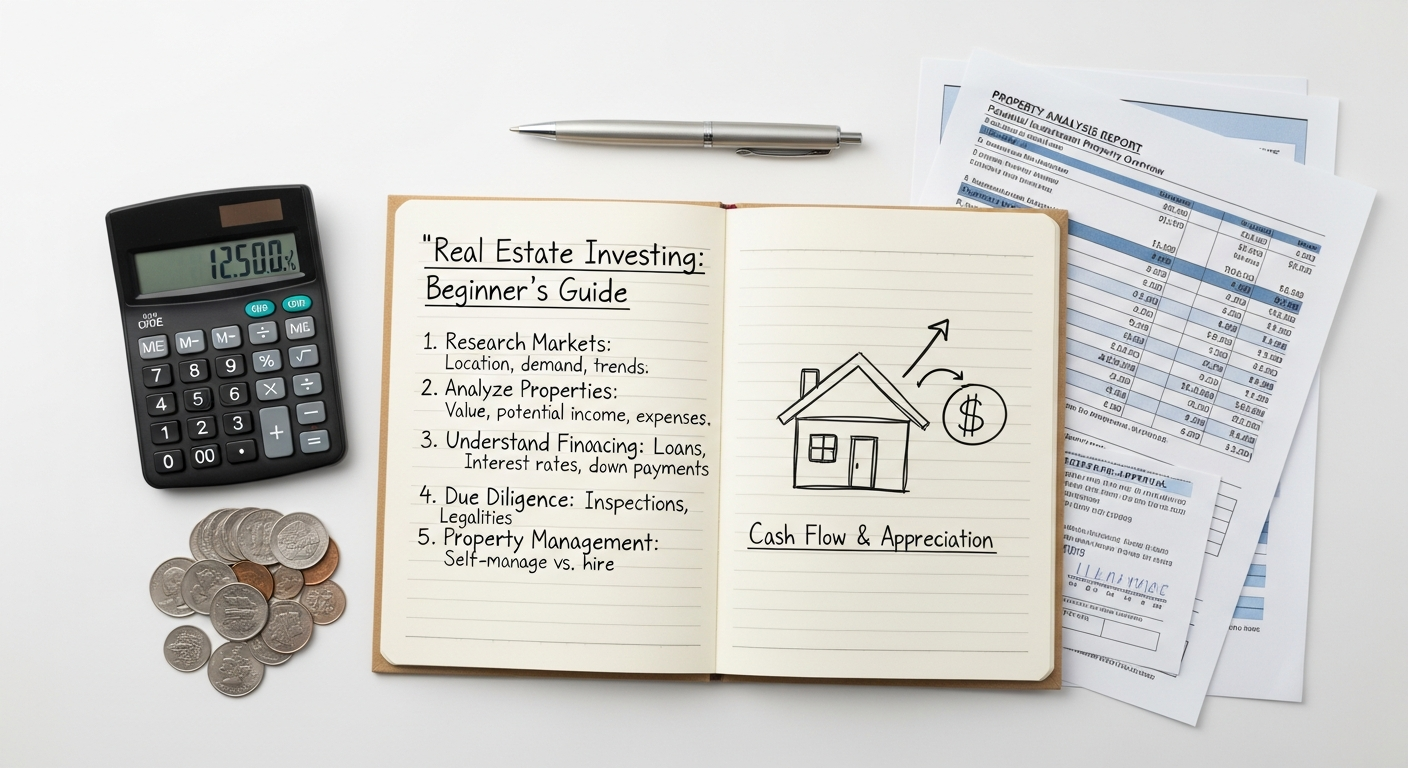
Before you even begin scouting for properties or exploring investment strategies, the most critical step for any aspiring real estate investor is to solidify their personal financial foundation. A robust financial footing not only makes you a more attractive borrower but also provides the resilience needed to weather the inevitable ups and downs of property ownership. This isn’t just about saving money; it’s about cultivating disciplined financial habits that will serve you throughout your investing journey.
Mastering Your Personal Finances: The Non-Negotiables
Investing in real estate is a significant financial commitment. It demands more than just a down payment; it requires ongoing capital for maintenance, vacancies, and unexpected repairs. Therefore, a deep understanding and control of your personal finances are paramount.
1. Creating a Comprehensive Monthly Budget: The bedrock of any sound financial strategy is a detailed budget. Before you consider taking on a mortgage, you must have a clear picture of your current income and expenses. This process involves tracking every dollar coming in and going out, categorizing expenditures, and identifying areas where you can save. Fin3go’s guide on How To Create A Monthly Budget is an invaluable resource for establishing this vital financial discipline. A well-structured budget will reveal your discretionary income, allowing you to realistically determine how much you can allocate towards saving for a down payment, covering closing costs, and building an emergency fund specifically for your future investment properties. It also helps you understand your debt-to-income ratio, a key metric lenders evaluate.
2. Aggressively Tackling High-Interest Debt: High-interest debt, such as credit card balances or personal loans, acts as an anchor on your financial progress. The interest payments drain your cash flow and significantly impede your ability to save for investment opportunities. Prioritizing the elimination of this debt is a strategic move that frees up capital and improves your financial health. You might consider strategies like the Snowball Vs Avalanche Debt Payoff Method. The Debt Avalanche method, which focuses on paying off debts with the highest interest rates first, can save you more money over time, while the Debt Snowball method provides psychological wins by tackling smaller debts first. Whichever method you choose, reducing your debt load will enhance your creditworthiness and lower your overall financial risk, making you a more appealing candidate for investment property financing.
3. Building a Substantial Emergency Fund: Beyond your personal emergency fund, aspiring real estate investors should build a separate, robust fund specifically for potential investment properties. This fund should ideally cover at least 3-6 months of property-related expenses (mortgage, taxes, insurance, utilities, potential repairs) per property. Real estate is prone to unexpected costs—a sudden roof repair, a prolonged vacancy, or a major appliance breakdown can quickly deplete your reserves. Having an adequate emergency fund prevents you from going into debt or having to sell an asset prematurely during a crisis, safeguarding your investment.
4. Optimizing Your Credit Score: Your credit score is a critical determinant of your ability to secure favorable financing terms for an investment property. Lenders use it to assess your reliability as a borrower. A higher credit score (generally above 720 for investment properties) can unlock lower interest rates, reducing your monthly mortgage payments and saving you tens of thousands of dollars over the life of the loan. Focus on paying bills on time, keeping credit utilization low, and correcting any errors on your credit report. It’s a marathon, not a sprint, but the rewards are substantial.
5. Saving for a Down Payment and Closing Costs: Investment properties typically require a larger down payment than primary residences, often 20-25% of the purchase price. Additionally, closing costs, which include loan origination fees, appraisal fees, title insurance, and legal fees, can add another 2-5% of the purchase price. These are significant sums that require disciplined saving. Your budget will guide how quickly you can accumulate these funds. Consider automating savings transfers to a dedicated investment fund to stay on track.
By meticulously addressing these financial prerequisites, you not only prepare yourself for the financial demands of real estate but also build a foundation of discipline and preparedness that will be invaluable throughout your entire investment career. This financial readiness empowers you to seize opportunities confidently and mitigate risks effectively as you venture into the real estate market.
Demystifying Real Estate Investment Strategies for Beginners
The world of real estate investing is far from monolithic; it offers a diverse array of strategies, each suited to different capital levels, risk tolerances, time commitments, and financial goals. For beginners, understanding these distinct avenues is crucial for choosing the path that aligns best with their resources and aspirations. Let’s explore some of the most accessible and popular strategies.
Direct Ownership Strategies: Hands-On Investment
Direct ownership involves purchasing and managing physical properties. This approach offers significant control and the potential for higher returns but also demands more time and effort.
-
Rental Properties (Residential & Commercial):
This is arguably the most traditional entry point for many real estate investors. It involves purchasing a property—be it a single-family home, a multi-family duplex, or even a small commercial unit—and renting it out to tenants for a monthly fee. The goal is to generate positive cash flow (rent received minus expenses) and benefit from long-term appreciation.
- Residential Rentals: These include single-family homes, condominiums, townhouses, and multi-unit buildings (duplexes, triplexes, small apartment complexes). They are popular due to consistent demand for housing and relative simplicity in management compared to commercial properties.
- Pros: Steady cash flow, potential for significant appreciation, tax benefits, leverage, direct control over the asset.
- Cons: Requires substantial upfront capital (down payment, closing costs), ongoing management responsibilities (tenant screening, maintenance, repairs), vacancy risk, potential for difficult tenants.
- Commercial Rentals: This involves renting out properties for business purposes, such as office spaces, retail storefronts, or industrial warehouses.
- Pros: Often longer lease terms (reducing vacancy risk), potentially higher rental income, tenants often responsible for more expenses (triple net leases).
- Cons: Higher entry costs, more complex leases and regulations, market fluctuations tied to business cycles, specialized knowledge required.
Consideration: Being a landlord can be a significant time commitment. Investors must decide whether to self-manage or hire a property management company, which will reduce cash flow but free up time.
- Residential Rentals: These include single-family homes, condominiums, townhouses, and multi-unit buildings (duplexes, triplexes, small apartment complexes). They are popular due to consistent demand for housing and relative simplicity in management compared to commercial properties.
-
House Flipping:
This strategy involves purchasing undervalued properties, renovating them to increase their market value, and then selling them quickly for a profit. It’s a high-risk, high-reward strategy that demands specific skills and market knowledge.
- Pros: Potential for significant profits in a short period, hands-on control over property improvements.
- Cons: High capital requirements, market timing is critical, unexpected renovation costs can erode profits, requires project management skills, potential for losses if the market shifts or renovations go over budget/time.
Consideration: Success in flipping heavily relies on accurately estimating renovation costs, understanding local market demand, and efficient project execution. It’s often not recommended for absolute beginners unless partnered with experienced individuals.
-
Wholesaling:
Wholesaling involves finding undervalued properties (often distressed), putting them under contract, and then assigning that contract to another investor (the “end buyer”) for a fee, without ever taking ownership of the property yourself. Essentially, you act as a middleman.
- Pros: Requires very little capital, relatively low risk (you don’t own the property), faster turnaround than flipping.
- Cons: Requires excellent negotiation and marketing skills to find deals and buyers, income can be inconsistent, legal complexities (assignment clauses, licensing requirements).
Consideration: Wholesaling is more about sales and networking than property management or renovation. It’s a viable strategy for those who excel at finding motivated sellers and savvy buyers.
Indirect Ownership Strategies: Passive & Accessible Investment
For those with less capital, less time, or a desire for more passive involvement, indirect real estate investments offer excellent alternatives.
-
Real Estate Investment Trusts (REITs):
REITs are companies that own, operate, or finance income-producing real estate across a range of property sectors. They are publicly traded on major stock exchanges, similar to stocks, allowing investors to buy shares in a portfolio of real estate assets without having to purchase or manage properties themselves.
- Pros: High liquidity (can be bought and sold like stocks), diversification across many properties/sectors, professional management, typically pay high dividends (must distribute at least 90% of their taxable income to shareholders annually), low entry barrier.
- Cons: No direct control over properties, subject to stock market fluctuations, dividends taxed as ordinary income (unless held in a tax-advantaged account).
Consideration: REITs are an excellent way to gain exposure to real estate with a small investment and minimal effort, making them ideal for beginners or those seeking diversification.
-
Real Estate Crowdfunding:
Real estate crowdfunding platforms allow multiple investors to pool their money to invest in larger real estate projects (e.g., commercial developments, multi-family acquisitions) that would otherwise be inaccessible. Investors can participate with relatively small amounts of capital.
- Pros: Lower entry points than direct ownership, access to institutional-quality projects, passive income potential, diversification across multiple projects.
- Cons: Less liquidity than REITs (investments are often locked in for several years), fees can reduce returns, reliance on the platform and project sponsors, not all platforms are regulated equally.
Consideration: Crowdfunding offers a middle ground between direct ownership and REITs, providing more direct project exposure than REITs but less hands-on responsibility than direct property ownership. Due diligence on the platform and specific projects is paramount.
Each of these strategies presents a distinct pathway into real estate investing. As a beginner, it’s wise to start with a strategy that matches your current financial capacity, risk tolerance, and available time. Many investors begin with a more passive approach like REITs or a single residential rental property before gradually expanding into more complex or capital-intensive ventures as their experience and resources grow.
The Essential Due Diligence: Research Before You Leap
In real estate, the adage “location, location, location” is often cited, but equally important is “research, research, research.” Due diligence is the meticulous investigative process undertaken before committing to an investment. It’s your shield against costly mistakes and your compass guiding you toward profitable opportunities. For beginners, this phase is non-negotiable and should be executed with thoroughness and patience.
Comprehensive Market Research: Understanding the Ecosystem
Before even looking at specific properties, you need to understand the broader market you’re considering. This macro-level analysis helps you identify areas with growth potential and avoid those in decline.
- Economic Indicators: Examine local job growth, unemployment rates, major employer presence (and stability), and overall economic diversity. A strong, diverse economy typically translates to higher demand for housing and commercial spaces.
- Population Trends: Look at population growth, demographic shifts (e.g., increasing young professionals, retirees), and household formation rates. Growing populations generally drive demand for rentals and home purchases.
- Rental Demand & Vacancy Rates: For rental properties, research average rental prices for comparable properties, historical rent increases, and current vacancy rates. Low vacancy rates and rising rents indicate a healthy rental market.
- Future Development & Infrastructure: Investigate planned infrastructure projects (new roads, public transport), commercial developments (shopping centers, business parks), and zoning changes. These can significantly impact property values and desirability.
- School Districts & Amenities: For residential properties, the quality of local schools, proximity to parks, hospitals, shopping, and entertainment centers can greatly influence property values and tenant appeal.
Property-Specific Analysis: Digging into the Details
Once you’ve identified a promising market, the focus shifts to evaluating individual properties. This micro-level analysis is where you assess the property’s potential and identify any red flags.
- Location Within the Market: Even within a strong market, specific neighborhoods can perform differently. Consider street appeal, noise levels, crime rates, and proximity to desirable features like public transport, parks, and retail.
- Property Condition & Age: Conduct a thorough visual inspection. Note the age of major systems (roof, HVAC, plumbing, electrical) and estimate potential repair or renovation costs. A professional home inspection is absolutely essential and non-negotiable, even for new construction.
- Comparable Sales (Comps): Analyze recent sales prices and rental rates of similar properties in the immediate vicinity. This helps you determine a fair purchase price and potential rental income. Real estate agents are invaluable for this.
- Financial Projections: This is where you crunch the numbers.
- Cash Flow Analysis: Project all potential income (rent) and expenses (mortgage, taxes, insurance, maintenance, utilities, vacancy allowance, property management fees). Ensure the property can generate positive cash flow.
- Return on Investment (ROI): Calculate your potential return on the capital invested.
- Capitalization Rate (Cap Rate): For income-producing properties, the cap rate (Net Operating Income / Property Value) helps compare the relative value of different properties.
- Legal & Regulatory Review:
- Zoning Laws: Understand how the property is zoned (residential, commercial, multi-use) and ensure your intended use is permitted.
- Permits: Verify that any past renovations had the necessary permits. Lack of permits can lead to costly fines or forced demolition.
- Environmental Hazards: Check for potential issues like lead paint, asbestos, radon, or flood risk.
- Easements & Encumbrances: Understand any rights others may have over the property (e.g., utility easements) or liens against it. A title search is critical.
Professional Assistance: Don’t Go It Alone
For beginners, assembling a trusted team of professionals is paramount during the due diligence phase:
- Experienced Real Estate Agent: Look for an agent specializing in investment properties who knows the local market inside out. They can help with comps, market insights, and negotiation.
- Home Inspector: A certified inspector will uncover hidden defects and provide a detailed report on the property’s condition.
- Appraiser: An independent appraisal ensures the property’s value justifies the purchase price and protects the lender.
- Real Estate Attorney: Essential for reviewing contracts, ensuring legal compliance, and navigating closing processes.
- Accountant/Tax Advisor: To understand the tax implications of your investment, depreciation strategies, and ensure compliance.
- Contractors/General Handyman: Get quotes for any necessary repairs or renovations identified during inspection to accurately budget costs.
By diligently performing this research, you transform uncertainty into informed confidence. It allows you to identify truly promising opportunities, accurately forecast potential returns, and mitigate risks, setting the stage for a successful acquisition by 2026.
Securing Your Investment: Financing Options Explained
Once you’ve identified a promising property and completed your due diligence, the next hurdle for many beginners is securing the necessary capital. Financing an investment property differs significantly from financing a primary residence, often requiring higher down payments and having different eligibility criteria. Understanding the various financing options available is key to making your investment dream a reality.
Traditional Financing: The Most Common Route
Most real estate investors will start by exploring traditional mortgage options through banks, credit unions, and mortgage brokers.
-
Conventional Loans:
These are the most common type of financing for investment properties. They are not insured or guaranteed by a government agency. For investment properties, lenders typically require a larger down payment (often 20-25%, sometimes more) compared to owner-occupied homes (as low as 3-5%). Interest rates on investment property loans are also generally higher than those for primary residences, reflecting the higher perceived risk to the lender.
- Pros: Widely available, flexible terms, competitive rates for well-qualified borrowers.
- Cons: Higher down payment requirements, stricter credit score criteria, generally higher interest rates than primary residence loans.
-
Portfolio Loans:
Some banks keep the loans they originate on their own balance sheets rather than selling them on the secondary market. These “portfolio loans” can sometimes offer more flexible underwriting criteria, especially for experienced investors with multiple properties, or for properties that don’t fit conventional guidelines.
- Pros: More flexibility in terms and conditions, potential for approval when conventional loans are challenging.
- Cons: Less common, may have higher interest rates or fees, not all banks offer them.
-
Hard Money Loans:
These are short-term, asset-based loans typically provided by private lenders or companies. They are often used for house flipping projects where speed and access to capital are paramount, and the property itself serves as collateral rather than the borrower’s creditworthiness alone.
- Pros: Fast approval and funding, less stringent credit requirements, focus on property value.
- Cons: Very high interest rates (often 10-18% or more), short repayment terms (6-24 months), high origination fees.
Consideration: Hard money loans are generally not suitable for long-term rental properties due to their high cost. They are best reserved for experienced flippers who can execute renovations and sell quickly.
Creative Financing Strategies: Thinking Outside the Box
For beginners with limited capital or unique situations, exploring creative financing can open doors that traditional lenders might close.
-
Seller Financing (Owner Financing):
In this scenario, the seller of the property acts as the bank, providing a loan to the buyer. The buyer makes payments directly to the seller, often with a negotiated down payment, interest rate, and term. This can be particularly useful in slower markets or for unique properties.
- Pros: More flexible terms, potentially lower closing costs, faster closing, can be easier to qualify for.
- Cons: Less common, seller may require a higher interest rate or larger down payment, may involve a balloon payment at the end of the term.
-
Private Money Lenders:
These are individuals or groups who lend money for real estate investments, often friends, family, or professional private investors. Terms are negotiated directly and can be very flexible.
- Pros: Flexible terms, potentially lower interest rates than hard money, faster funding.
- Cons: Requires a strong network, can strain personal relationships if issues arise, still requires a compelling deal.
-
Partnerships:
Pooling resources with one or more partners can significantly reduce the individual capital requirement. One partner might provide the capital, while another brings expertise in property management or renovations. A clear, legally binding partnership agreement is essential.
- Pros: Shares financial burden and risk, combines diverse skill sets, allows access to larger or more complex deals.
- Cons: Requires clear communication and trust, potential for disputes if roles and responsibilities aren’t well-defined.
-
Home Equity Line of Credit (HELOC) or Home Equity Loan:
If you own your primary residence and have significant equity, you can tap into it to fund an investment property. A HELOC provides a revolving line of credit, while a home equity loan offers a lump sum.
- Pros: Often lower interest rates than other investment loans, easier approval if you have strong equity.
- Cons: Your primary residence acts as collateral, putting it at risk if the investment property fails, adds another layer of debt.
Key Considerations for Financing
- Debt-to-Income (DTI) Ratio: Lenders scrutinize your DTI to ensure you can handle the new mortgage payments. Keep your personal debts low.
- Credit Score: A strong credit score is paramount for securing the best rates and terms on any loan.
- Cash Reserves: Lenders often require you to show proof of cash reserves (typically 3-6 months of mortgage payments) for investment properties, demonstrating your ability to cover expenses during vacancies or unexpected repairs.
- Loan-to-Value (LTV) Ratio: This is the percentage of the property’s value that the loan covers. Investment properties generally have lower LTVs (meaning higher down payments) than owner-occupied homes.
Navigating the financing landscape requires patience, research, and often a willingness to explore multiple avenues. By understanding these options, beginners can strategically secure the capital needed to acquire their first investment property and commence their journey towards building a real estate portfolio.
From Purchase to Prosperity: Managing and Scaling Your Real Estate Portfolio
Acquiring your first investment property is a significant milestone, but it’s merely the beginning of your journey. True prosperity in real estate comes from effective management, strategic growth, and a long-term vision. For beginners, understanding these post-acquisition phases is crucial for maximizing returns, minimizing headaches, and ultimately building lasting wealth.
Effective Property Management: The Engine of Your Investment
Once you own a property, whether it’s a single-family rental or a multi-unit building, proactive management is key to its success. This involves a range of responsibilities that directly impact your cash flow and property value.
- Tenant Acquisition & Screening: Finding reliable, responsible tenants is paramount. This involves advertising vacancies effectively, conducting thorough background checks (credit, criminal, eviction history), verifying employment and income, and checking references. A bad tenant can quickly erode profits and create significant stress.
- Lease Agreements: A comprehensive, legally sound lease agreement is your primary protection. It should clearly outline rent amount, due dates, late fees, security deposit terms, maintenance responsibilities, pet policies, and rules for property use. Consult with a real estate attorney to ensure your lease complies with local landlord-tenant laws.
- Rent Collection: Establish clear, consistent systems for collecting rent. This could involve online payment portals, direct deposit, or traditional checks. Promptly address late payments and understand local eviction processes if necessary.
- Maintenance & Repairs: Properties require ongoing upkeep. Budget for routine maintenance (landscaping, HVAC servicing) and be prepared for unexpected repairs (plumbing issues, appliance breakdowns). Responding to tenant maintenance requests promptly and efficiently helps retain good tenants and preserves your property’s value.
- Financial Tracking: Meticulously track all income and expenses. This is essential for understanding your property’s profitability, preparing for taxes, and making informed decisions about future investments. Utilize accounting software or spreadsheets to keep organized records.
- Self-Management vs. Professional Property Management:
- Self-Management: Offers full control and saves on management fees, but demands significant time, effort, and responsiveness. Best for local investors with a few properties and a good understanding of landlord-tenant law.
- Professional Property Management: A third-party company handles all aspects of property management for a fee (typically 8-12% of gross monthly rent). Ideal for out-of-state investors, those with multiple properties, or individuals who prefer
Recommended Resources
Related reading: How To Make Money While You Sleep (Trading Costs).
For more on real estate investing, see How To Increase Website Traffic 2026 on Page Release.