


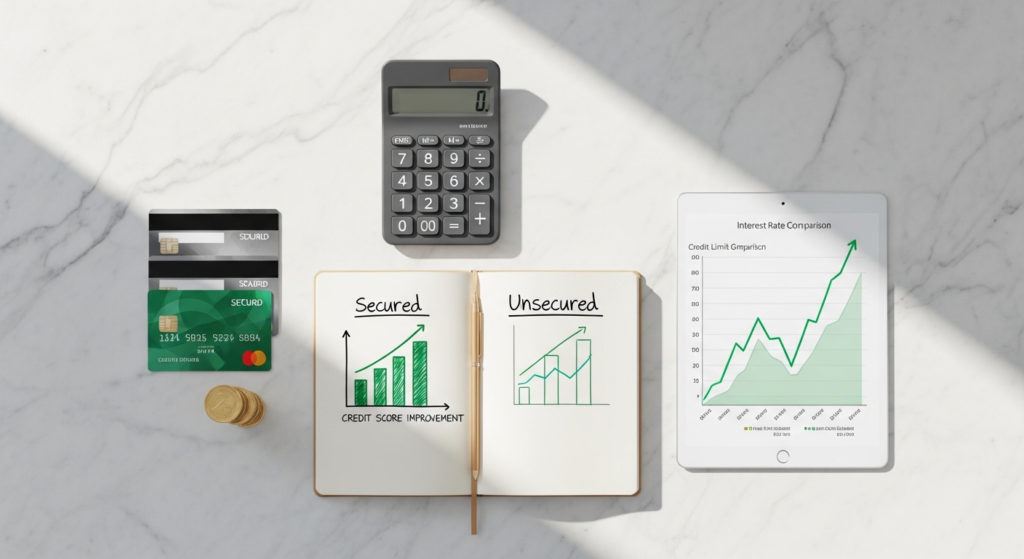
Secured vs. Unsecured Credit Cards: Your Definitive Fin3go Guide to Building Credit in 2026
Understanding the Credit Card Landscape: A 2026 Overview
The ability to access credit is a cornerstone of modern financial life. In 2026, a strong credit history and a healthy credit score are not just luxuries; they are necessities that unlock opportunities, influence loan approvals for homes and cars, impact insurance premiums, and even play a role in housing and employment background checks. Essentially, your credit score is a numerical representation of your financial trustworthiness.
Credit cards are often the first step many take to establish or improve their credit. They offer convenience, security for purchases, and, most importantly, a mechanism to demonstrate responsible financial behavior. However, not all credit cards are created equal. They generally fall into two broad categories: secured and unsecured. The primary distinction lies in whether they require a cash deposit as collateral, which directly impacts who can qualify for them and how they function. As we continue to see digital banking solutions evolve and interest rates fluctuate in 2026, the core principles of credit building through these card types remain timelessly relevant. Understanding which type best suits your current financial standing is the first critical step toward achieving your credit goals.
What is a Secured Credit Card? The Foundation of Credit Building
A secured credit card is precisely what its name implies: it’s “secured” by a cash deposit you provide to the issuer. This deposit acts as collateral, significantly reducing the risk for the lender. For most secured cards, your credit limit is typically equal to the amount of your deposit, although some issuers might offer a slightly higher limit. For example, if you deposit $300, your credit limit will often be $300.
How Secured Credit Cards Work:
- Deposit Required: You submit a refundable cash deposit to the credit card issuer, usually ranging from $100 to $500, though some may require more.
- Credit Limit: Your deposit generally becomes your credit limit.
- Usage: You use the card just like a regular unsecured credit card for purchases.
- Payment: You receive a monthly statement and are expected to make payments on time. Paying your balance in full each month is ideal.
- Building Credit: The issuer reports your payment activity (good or bad) to the major credit bureaus (Experian, Equifax, TransUnion). This is the key mechanism for building your credit history.
- Deposit Refund: Once you’ve demonstrated responsible usage over a period (typically 6-18 months) and either close the account in good standing or “graduate” to an unsecured card, your deposit is refunded.
Pros of Secured Credit Cards:
- Easier Approval: They are much easier to qualify for, even if you have no credit history or a poor credit score. This makes them an excellent entry point for credit building.
- Credit Building: They are specifically designed to help you establish or rebuild credit, as your activity is reported to credit bureaus.
- Financial Discipline: The lower credit limit tied to your deposit encourages responsible spending and helps prevent overspending.
- Refundable Deposit: The deposit isn’t a fee; you get it back once you transition away from the card responsibly.
Cons of Secured Credit Cards:
- Requires Upfront Cash: Not everyone has spare cash for a security deposit.
- Lower Credit Limits: Limits are typically low, restricting purchasing power for larger expenses.
- Higher APRs and Fees: Some secured cards may come with higher annual percentage rates (APRs) and annual fees, though competitive options exist in 2026.
- Fewer Rewards: Most secured cards offer limited or no rewards programs compared to unsecured cards.
In essence, a secured credit card is a training wheel for your credit journey. It allows you to prove your creditworthiness to lenders without them taking on significant risk, laying a solid foundation for future financial opportunities.
What is an Unsecured Credit Card? The Next Step in Your Financial Journey
How Unsecured Credit Cards Work:
- No Deposit: The most significant difference is the absence of a security deposit.
- Creditworthiness Based: Approval and your initial credit limit are determined by your credit profile. Applicants with higher credit scores and incomes generally qualify for better terms and higher limits.
- Usage: You use the card for purchases, subject to your assigned credit limit.
- Payment: You receive a monthly statement and are responsible for making at least the minimum payment by the due date.
- Building Credit: Like secured cards, your payment history is reported to credit bureaus, further shaping your credit score.
- Variety of Benefits: Unsecured cards often come with a wide array of perks, from cash back and travel miles to extended warranties and purchase protection, especially for those with excellent credit.
Pros of Unsecured Credit Cards:
- No Deposit Required: You don’t need to tie up your cash in a security deposit.
- Higher Credit Limits: For those with good credit, unsecured cards can offer significantly higher credit limits, providing more purchasing power and a better credit utilization ratio (which positively impacts your score).
- Rewards and Benefits: Many unsecured cards offer attractive rewards programs (cash back, travel points, airline miles) and other perks, providing tangible value back to the cardholder.
- Lower Interest Rates: Cardholders with excellent credit can often qualify for competitive, lower APRs, making carrying a balance less costly if necessary.
- Perception: Successfully managing an unsecured card signals a higher level of financial responsibility to lenders.
Cons of Unsecured Credit Cards:
- Harder to Qualify: Approval requires a decent to excellent credit score and a stable income, making them inaccessible for those with poor or no credit history.
- Risk of Debt: Without a deposit holding you accountable, and with higher limits, there’s a greater risk of accumulating debt if not managed responsibly.
- Annual Fees: Premium rewards cards often come with annual fees, though many basic unsecured cards are fee-free.
- High APRs for Some: If you have fair credit and qualify for an unsecured card, the APR might still be high, making interest charges significant if you carry a balance.
Unsecured credit cards represent a significant step forward in your financial journey, offering more flexibility, greater potential for rewards, and higher credit limits. However, they demand a strong foundation of creditworthiness and a commitment to responsible financial management.
Key Differences: Security, Eligibility, and Your Credit Journey
Understanding the fundamental distinctions between secured and unsecured credit cards is crucial for making the right choice. Here’s a breakdown of their primary differences:
| Feature | Secured Credit Card | Unsecured Credit Card |
|---|---|---|
| Security Requirement | Requires a cash security deposit, typically refundable. | No security deposit required. |
| Eligibility/Approval | Easier to qualify for; ideal for no credit or poor credit. | Requires good to excellent credit history and score. |
| Credit Limit | Typically equals your deposit amount; generally lower. | Determined by creditworthiness; often higher. |
| Rewards Programs | Limited or no rewards (e.g., cash back, travel points). | Wide range of rewards and benefits, depending on the card. |
| Fees & APRs | Can have annual fees and higher APRs, but competitive options exist. | Vary widely; premium cards have annual fees, lower APRs for excellent credit. |
| Purpose | Primarily for building or rebuilding credit history. | Everyday spending, rewards, emergencies, and continued credit growth. |
| Deposit Refund | Refunded upon responsible account closure or graduation to unsecured. | N/A (no deposit). |
Both types of cards report your payment activity to the major credit bureaus, which is the mechanism by which they impact your credit score. This means that responsible use of either card can build positive credit history, while late payments or defaulting can severely damage it. The choice between them hinges on your current credit standing and immediate financial goals. A secured card is your entry ticket, a foundational tool for proving your reliability. An unsecured card is a testament to established reliability, offering more freedom and benefits.
Who Should Choose a Secured Credit Card?
A secured credit card is specifically designed for individuals who need to build a credit history from scratch or repair a damaged one. If any of the following scenarios describe your current situation in 2026, a secured credit card is likely your best starting point:
- You have no credit history: This is common for young adults, students, or individuals new to the country who haven’t had previous loans or credit accounts. Without a credit history, lenders have no data to assess your risk, making it difficult to qualify for unsecured products. A secured card provides that essential first step.
- You have a poor credit score: If past financial missteps, such as late payments, defaults, or bankruptcy, have damaged your credit score, unsecured lenders will likely view you as too high a risk. A secured card offers a second chance, allowing you to demonstrate renewed responsibility and begin the process of rebuilding your credit.
- You’re looking to establish good financial habits: The lower credit limits and the requirement of a deposit on secured cards can be excellent for fostering financial discipline. They provide a practical way to learn about on-time payments, managing a balance, and understanding credit utilization without the higher risk associated with larger, unsecured credit lines.
- You’ve been denied for unsecured cards: If you’ve applied for traditional credit cards and been rejected, a secured card is often the next logical step. It signals that while you may not yet meet the criteria for unsecured credit, you are committed to improving your creditworthiness.
For these individuals, a secured credit card isn’t just a spending tool; it’s a strategic investment in their financial future. By consistently making on-time payments and keeping your credit utilization low (ideally below 30% of your limit), you can effectively use a secured card to positively influence your credit score and open doors to better financial products down the line. Remember, Fin3go advocates for responsible credit usage as the bedrock of long-term financial health.
Who Should Choose an Unsecured Credit Card?
If you already possess a solid financial foundation and a positive credit history, an unsecured credit card is likely the appropriate choice for you. These cards are rewards for past financial responsibility and tools for leveraging your credit for greater benefits. Consider an unsecured card if:
- You have a good to excellent credit score: Generally, a FICO score of 670 or higher opens the door to a wide array of unsecured credit cards. With excellent credit (740+), you’ll have access to the most premium cards with the best rates and richest rewards.
- You’re seeking rewards and benefits: Unsecured cards often come packed with perks. If you travel frequently, a travel rewards card can earn you free flights or hotel stays. If you prefer simplicity, a cash-back card can return a percentage of your spending. Other benefits might include extended warranties, purchase protection, or rental car insurance.
- You need a higher credit limit: For significant purchases, emergencies, or simply better managing your credit utilization (which benefits your credit score), a higher credit limit can be advantageous. Unsecured cards, based on your income and credit profile, typically offer much higher limits than secured cards.
- You want to avoid tying up cash: Without the need for a security deposit, your cash remains liquid and available for other investments, savings, or emergencies.
- You’ve successfully built credit with a secured card: If you started with a secured card and have consistently managed it well for 6-18 months, you’re likely ready to graduate to an unsecured product. This signifies growth in your credit journey.
Choosing an unsecured credit card allows you to maximize the benefits of your strong credit profile. However, it’s vital to continue practicing responsible credit habits. Even with an unsecured card, late payments and high credit utilization can quickly diminish the credit score you’ve worked hard to build. In 2026, the market for unsecured cards is highly competitive, so take the time to compare APRs, annual fees, and reward structures to find the card that best fits your spending habits and financial goals.
Making the Switch: Graduating from Secured to Unsecured
One of the most satisfying milestones in your credit journey is graduating from a secured credit card to an unsecured one. This transition signifies that you’ve successfully demonstrated financial responsibility and are now trusted by lenders to manage credit without collateral. Here’s how you can make that switch:
1. Consistent On-Time Payments: This is the absolute bedrock. For 6 to 12 months (or more), ensure every single payment is made on or before the due date. Payment history is the most significant factor in your credit score, accounting for 35% of your FICO score. Missed payments will derail your progress.
2. Keep Credit Utilization Low: Aim to keep your spending below 30% of your credit limit, ideally even lower (10% is excellent). If you have a $300 limit, try not to carry a balance over $90. High utilization signals that you might be over-reliant on credit and can negatively impact your score.
3. Monitor Your Credit Score: Regularly check your credit score using free tools available from various providers or directly from Fin3go’s recommended resources. Watch for an upward trend in your score, which indicates you’re making progress. A FICO score in the “good” range (670-739) is often a good benchmark for unsecured card eligibility.
4. Inquire About Graduation Programs: Some secured credit card issuers offer “graduation programs.” After a period of responsible use, they may automatically review your account and convert it to an unsecured card, refunding your deposit. If your issuer doesn’t have an automatic program, call customer service after 6-12 months to inquire about your options for upgrading or applying for one of their unsecured products.
5. Apply for an Unsecured Card: If your current secured card doesn’t offer a graduation path, or if you find a more attractive unsecured card from a different issuer, you can apply for a new unsecured card once your credit score has improved sufficiently. Be mindful of applying for too many cards in a short period, as each hard inquiry can temporarily dip your score.
The journey from a secured to an unsecured credit card is a testament to your growing financial acumen. It’s a clear signal to lenders that you are a reliable borrower, paving the way for better interest rates on loans, mortgages, and more favorable financial terms across the board in 2026 and beyond.
Choosing between a secured and an unsecured credit card isn’t about one being inherently “better” than the other; it’s about identifying which tool best suits your current financial standing and goals. If you’re starting fresh or rebuilding, a secured card offers a safe, effective pathway to establish positive credit. If you have a strong credit history, an unsecured card can provide greater flexibility, higher limits, and valuable rewards. Regardless of your choice, the fundamental principles of credit management—making on-time payments, keeping utilization low, and monitoring your credit—remain paramount for long-term financial health and leveraging credit as a powerful asset in 2026. Empower yourself with knowledge, make informed decisions, and watch your financial future thrive with Fin3go.