


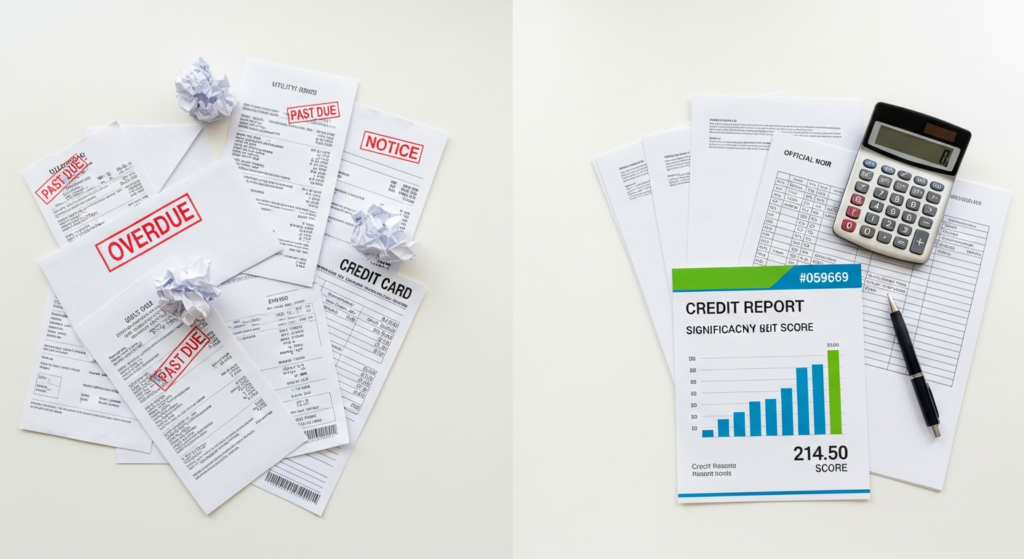
Top Credit Repair Services: Reviews and How They Work
What is Credit Repair and How Does It Work?
Credit repair is the process of improving your creditworthiness by identifying and disputing inaccurate, outdated, or questionable information on your credit reports with the three major credit bureaus: Experian, Equifax, and TransUnion. It also involves strategizing to build positive credit history and managing existing debt more effectively.
The foundation of credit repair lies in your legal rights under the Fair Credit Reporting Act (FCRA). This federal law grants you the right to accuracy, fairness, and privacy of information in your credit files. If an item on your report is inaccurate, incomplete, or unverifiable, you have the right to have it corrected or removed. Credit repair services act as your advocate in this process, leveraging their expertise to navigate the often-complex dispute procedures.
Here’s a breakdown of how the process generally works:
- Credit Report Analysis: The first step involves thoroughly reviewing your credit reports from all three bureaus. Professionals scrutinize every entry for errors, inconsistencies, or questionable items that could be negatively impacting your FICO score. Common issues include incorrect account balances, duplicate accounts, accounts not belonging to you (identity theft), late payments reported inaccurately, or collection accounts that are past their legal reporting period.
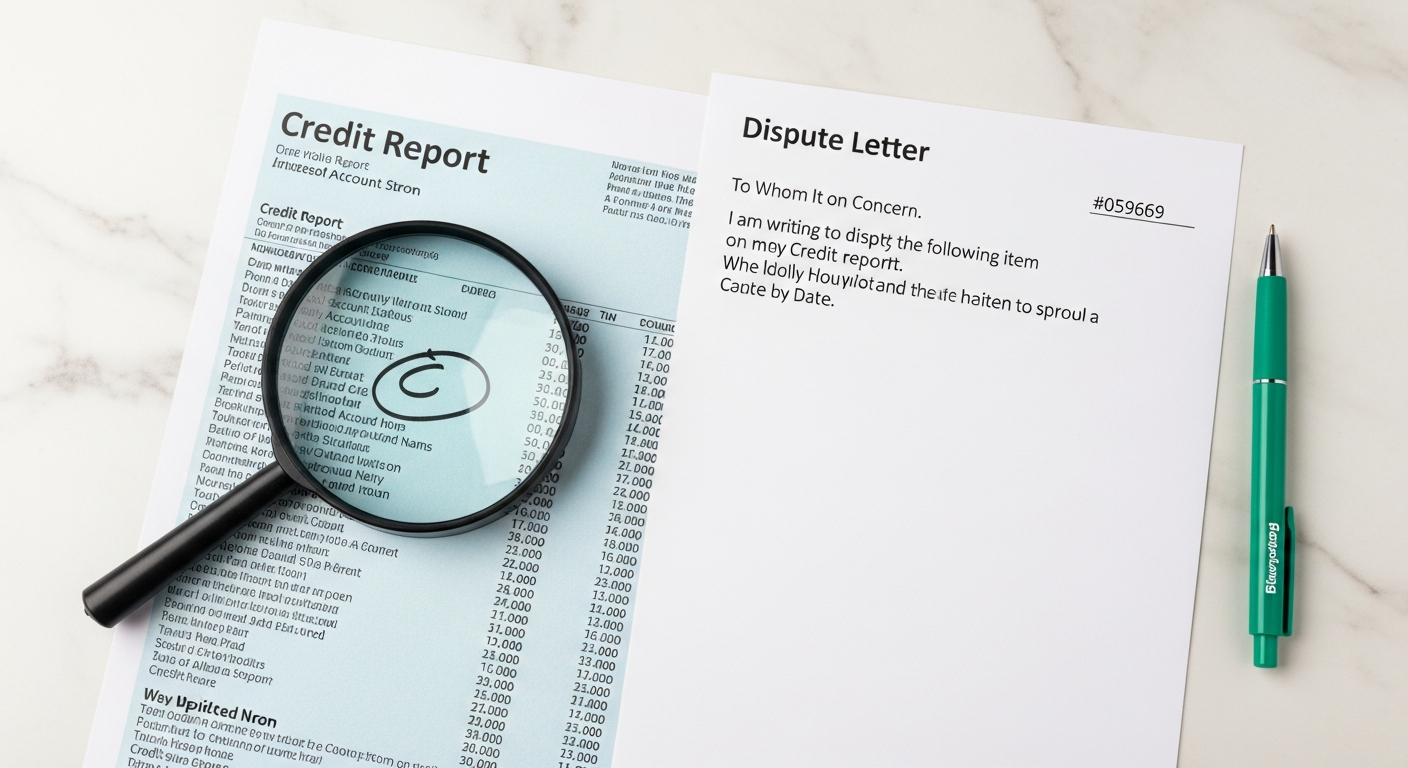
- Dispute Initiation: Once problematic items are identified, the credit repair service drafts and sends formal dispute letters to the credit bureaus and, in some cases, directly to the creditors. These letters articulate why an item should be investigated and potentially removed or corrected. The FCRA mandates that credit bureaus investigate disputed items within a specific timeframe (usually 30-45 days).
- Follow-Up and Negotiation: After disputes are submitted, the service monitors the progress of the investigations. If an item is found to be inaccurate, incomplete, or unverifiable, it must be removed or updated. If a dispute is denied, the service may resubmit with additional evidence or pursue other strategies, such as sending goodwill letters to creditors for legitimate late payments or cease and desist letters to collection agencies.
- Credit Building Guidance: Beyond disputing negative items, effective credit repair often includes advice on how to build positive credit. This can involve recommendations for secured credit cards, credit builder loans, or strategies for managing existing credit lines to improve your credit utilization ratio.
It’s important to understand that credit repair services cannot remove legitimate, accurate negative information from your report before its legally mandated reporting period ends. Their power lies in challenging items that are false, incomplete, or unverifiable. For instance, a bankruptcy might stay on your report for up to 10 years, and late payments for 7 years, regardless of repair efforts, unless there was an error in reporting them.
Practical Tip: Before engaging any service, always obtain your free annual credit reports from AnnualCreditReport.com. This gives you a baseline understanding of your credit situation and helps you identify potential areas for repair.
Key Factors to Consider When Choosing a Credit Repair Service

Selecting the right credit repair service is a critical decision that can significantly impact your financial future. With numerous providers in the market, it’s essential to evaluate them based on specific criteria to ensure you choose a reputable and effective partner. Here are the key factors to consider during your search:
-
Reputation and Transparency:
A trustworthy service will have a strong reputation, backed by positive customer reviews on independent platforms like the Better Business Bureau (BBB), Trustpilot, and ConsumerAffairs. Look for companies with high ratings and transparent business practices. They should clearly outline their services, fees, and what you can realistically expect.
-
Pricing Structure and Fees:
Credit repair services typically charge monthly fees, often ranging from $70 to $150, and some may have an initial setup or first-work fee. Be wary of services that demand large upfront payments for work not yet performed, as this is a red flag and potentially a violation of the Credit Repair Organizations Act (CROA). Look for clear, tiered pricing plans that explain what services are included at each level. Some offer money-back guarantees, which can provide peace of mind.
-
Services Offered:
Beyond basic dispute resolution, consider what additional services are included. Many top-tier services offer:
- Aggressive dispute options (e.g., cease and desist letters, goodwill letters).
- Credit monitoring (often from all three bureaus).
- FICO score tracking and analysis.
- Identity theft protection.
- Personalized financial coaching or credit education.
- Online client portal for tracking progress.
Tailor your choice to the specific level of support you need.
-
Customer Support and Communication:
Effective communication is crucial. How will you communicate with your case manager? Is there a dedicated point of contact, or will you speak to different representatives each time? Look for services that offer accessible customer support via phone, email, and live chat, with clear communication about your case’s progress and regular updates on disputes.
-
Legal Compliance and Guarantees:
Ensure the company operates in full compliance with the Credit Repair Organizations Act (CROA), which protects consumers from unfair and deceptive practices by credit repair organizations. CROA mandates that services cannot charge you until they’ve completed the agreed-upon work and gives you the right to cancel your contract within three business days. Be extremely skeptical of any service that “guarantees” specific score increases or promises to remove legitimate negative items. Realistic expectations and ethical practices are key.
-
Contract Terms and Cancellation Policy:
Read the service agreement carefully. Understand the contract length, cancellation policy, and any hidden fees. Many reputable services offer month-to-month contracts, allowing you flexibility, while others may require a longer commitment. The ability to cancel without penalty is a significant advantage.
Practical Tip: Create a checklist of your specific needs and priorities before you begin researching. This will help you systematically compare services and ensure you don’t overlook features important to you.
Top Credit Repair Services: In-Depth Reviews
Choosing a reliable credit repair service can be daunting, but a thorough credit repair services review can illuminate the best options available. We’ve evaluated several leading providers based on their services, pricing, reputation, and customer support to help you make an informed decision.
1. Lexington Law Firm
- Overview: Lexington Law Firm is one of the oldest and largest credit repair companies in the industry, distinguishing itself by employing actual lawyers and paralegals to handle disputes. This legal backing can be a significant advantage when dealing with complex cases or persistent creditors. They have a long-standing reputation and extensive experience in navigating credit laws.
- Services: Lexington Law offers three main service tiers, each building upon the previous one.
- Concord Standard: Focuses on challenging questionable items with credit bureaus. Includes basic dispute letters, inquiry challenges, and credit alerts.
- Concord Premier: Adds creditor interventions (cease and desist, goodwill letters), FICO score tracking, and report watch.
- Premier Plus: The most comprehensive plan, including all previous features plus identity theft protection, personal finance tools, and a dedicated paralegal team.
They are particularly effective at disputing a wide range of negative items, from bankruptcies and charge-offs to late payments and collections.
- Pricing Structure:
- Concord Standard: Approximately $99.95/month.
- Concord Premier: Approximately $119.95/month.
- Premier Plus: Approximately $139.95/month.
There is generally a first-work fee equivalent to the monthly service fee, which is charged after the initial services are rendered. They offer discounts for couples and military personnel.
- Pros:
- Legal expertise: Their team of lawyers and paralegals provides a strong legal edge in disputes.
- Long track record: Over two decades of experience and a high volume of successful removals.
- Comprehensive services: Offers extensive features, especially in higher tiers, including identity protection and FICO score analysis.
- Dedicated client portal: Easy to track progress and communicate with your legal team.
- Cons:
- Higher cost: Generally more expensive than some competitors, especially for their top-tier plan.
- Setup fee: The initial setup fee can be a barrier for some.
- Ideal For: Individuals with significant, complex credit report issues, particularly those who value the backing of a legal team to challenge difficult items or handle identity theft concerns.
2. Credit Saint
- Overview: Credit Saint consistently receives high marks for its aggressive approach to credit repair and excellent customer service. They are known for offering a 90-day money-back guarantee, which demonstrates confidence in their ability to deliver results. They focus heavily on personalized strategies and proactive communication.
- Services: Credit Saint offers three distinct packages, each designed to address different levels of credit repair needs:
- Credit Polish: Entry-level, focuses on disputes with the three credit bureaus for up to 5 negative items per cycle.
- Credit Remodel: The most popular plan, includes disputes with bureaus and creditors, challenges on late payments and collection accounts, and a focus on aggressive follow-up.
- Credit Ultimate: Their premium plan, offering everything in Remodel plus cease & desist letters, unlimited disputes, credit monitoring, and Experian monitoring with FICO scores.
They provide ongoing credit analysis and recommendations for building new positive credit.
- Pricing Structure:
- Credit Polish: Approximately $79.99/month (first-work fee of $99).
- Credit Remodel: Approximately $99.99/month (first-work fee of $99).
- Credit Ultimate: Approximately $119.99/month (first-work fee of $195).
Their 90-day money-back guarantee is a significant benefit.
- Pros:
- Money-back guarantee: The 90-day guarantee provides confidence and reduces risk for new clients.
- Aggressive dispute methods: Known for persistent follow-up and challenging difficult items.
- Excellent customer service: Highly rated for responsive and personalized support.
- Customized approach: Tailors strategies based on individual credit profiles.
- Cons:
- Higher initial fees for premium plans.
- Services might be overkill for those with only minor credit report issues.
- Ideal For: Individuals looking for a highly personalized and aggressive credit repair strategy, especially those with several negative items and who appreciate the security of a money-back guarantee.
3. Sky Blue Credit Repair
- Overview: Sky Blue Credit Repair stands out for its straightforward pricing, flexible month-to-month service, and a strong focus on effective dispute resolution. They pride themselves on a simplified process and personalized advice. They’ve been in business for over 15 years and maintain a very positive reputation.
- Services: Sky Blue offers a single, comprehensive service plan that includes:
- Disputes for up to 15 items per 35-day cycle (5 per bureau).
- Proactive credit rebuilding advice.
- Challenge letters for difficult items.
- Score analysis and recommendations.
- Unlimited disputes and “re-disputes” for items that reappear.
- Optional cease and desist letters to creditors.
They emphasize a “max dispute” strategy, attempting to dispute as many items as possible within legal limits each month.
- Pricing Structure:
- Approximately $79/month.
- Initial setup fee of $79.
They offer a 90-day money-back guarantee and a couples discount. Their month-to-month service means you’re not locked into a long-term contract.
- Pros:
- Simple, transparent pricing: One clear plan, no confusing tiers.
- Month-to-month service: Flexibility to cancel anytime without penalty.
- Excellent dispute volume: Disputes up to 15 items every 35 days.
- 90-day money-back guarantee: A strong assurance of their service quality.
- Personalized advice: Focus on both removing negatives and building positives.
- Cons:
- Lacks advanced features like identity theft protection or credit monitoring integrated into their service (though they will guide you to external solutions).
- May not have the “legal firm” advantage of Lexington Law for highly complex cases.
- Ideal For: Consumers looking for an affordable, flexible, and effective credit repair service with a straightforward approach and a strong focus on maximizing dispute efforts each month. Great for those who value transparency and flexibility.
4. Ovation Credit Services
- Overview: Ovation Credit Services emphasizes a personalized approach with two distinct packages designed to cater to different needs. They have a strong focus on customer communication and offer a range of additional financial tools and resources. Established in 2004, they have built a solid reputation for ethical and effective practices.
- Services: Ovation offers two primary service plans:
- Essentials: Includes basic dispute services to all three bureaus, goodwill letter requests, debt validation, financial management tools, and unlimited dispute letters.
- Essentials Plus: Builds on the Essentials plan by adding cease and desist letters, unlimited creditor intervention letters, a personalized finance & debt analysis, and a TransUnion credit monitoring service.
They provide a dedicated case advisor and a robust online client portal for tracking progress.
- Pricing Structure:
- Essentials: Approximately $79/month.
- Essentials Plus: Approximately $109/month.
Initial setup fee of $89 applies to both plans. They offer discounts for couples, seniors, and military personnel, as well as a discount if you switch from another credit repair company.
- Pros:
- Personalized approach: Dedicated case advisor and customized strategies.
- Transparent pricing with discounts available.
- Strong customer support: Highly rated for responsive communication.
- Good range of services, including financial analysis and credit monitoring in premium plan.
- A+ rating with the BBB.
- Cons:
- No explicit money-back guarantee advertised, though satisfaction is generally high.
- Initial setup fee can be a consideration.
- Ideal For: Individuals seeking a personalized approach with dedicated support and a good balance of dispute services and financial education, especially those who can take advantage of their various discount programs.
5. The Credit Pros
- Overview: The Credit Pros combines traditional credit repair with credit monitoring and identity theft protection, positioning themselves as a comprehensive financial wellness provider. They leverage proprietary technology and a team of certified FICO professionals to offer a robust service. They pride themselves on a tech-forward approach to credit repair.
- Services: The Credit Pros offers three main packages:
- Money Management: Focuses on credit monitoring (TransUnion), FICO score alerts, and identity theft protection, rather than active credit repair disputes. This is more of a credit monitoring service.
- Credit Repair: The core credit repair package, offering dispute services with all three bureaus, cease and desist letters, debt validation, and goodwill letters. It also includes TransUnion credit monitoring and identity theft protection.
- Success: Their premium package, adding a credit builder product, access to a legal network for identity theft restoration, and enhanced financial coaching.
They use a “Credit Repair Cloud” system for client management, which allows for efficient processing of disputes.
- Pricing Structure:
- Money Management: Approximately $49/month (plus $19 initial charge).
- Credit Repair: Approximately $119/month (plus $119 initial charge).
- Success: Approximately $149/month (plus $149 initial charge).
They do not offer a money-back guarantee but provide a “cancellation guarantee” which allows you to cancel at any time.
- Pros:
- Comprehensive approach: Integrates credit repair with monitoring and identity theft protection.
- Tech-driven: Utilizes advanced technology for efficient dispute management.
- Certified professionals: Their team includes certified FICO professionals.
- Credit builder options in higher tiers.
- Offers a free consultation to assess your needs.
- Cons:
- Higher price point, especially for the comprehensive “Success” package.
- No traditional money-back guarantee.
- The entry-level plan doesn’t include active credit repair.
- Ideal For: Consumers looking for an all-in-one solution that combines active credit repair with robust credit monitoring and identity theft protection, and who are comfortable with a more technology-driven process.
Practical Tip: When reviewing these services, don’t just look at the monthly fee. Factor in any initial setup fees, the length of their money-back guarantee (if offered), and the specific services included in the tier that best suits your needs. A cheaper plan might seem appealing, but if it doesn’t offer the specific dispute mechanisms you require, it might not be the most effective choice in the long run.
The Credit Repair Process: What to Expect Step-by-Step

-
Initial Consultation and Onboarding:
Your journey usually begins with a free consultation. During this phase, a credit repair specialist will review your credit situation, discuss your goals, and explain how their service can help. You’ll sign a service agreement and potentially provide a limited power of attorney, allowing the company to communicate with credit bureaus and creditors on your behalf. You’ll typically grant them access to pull your credit reports.
Example: Sarah, burdened by a collection account from three years ago and several inaccurate late payment marks, starts with a consultation. The specialist outlines a plan to dispute these items, estimates a typical timeline, and explains the monthly fees and terms.
-
Credit Report Analysis and Strategy Development:
Once onboarded, the service will pull your latest credit reports from all three major bureaus (Experian, Equifax, TransUnion). Their team will meticulously analyze every entry, identifying negative items that are inaccurate, incomplete, unverifiable, or outdated. Based on this analysis, they’ll develop a personalized strategy for challenging these items.
Example: Sarah’s reports are analyzed, revealing not only the collection account but also an incorrectly reported 60-day late payment on a student loan that she’d actually paid on time. The strategy involves disputing both the collection account’s accuracy and the student loan’s late payment.
-
Dispute Initiation and Submission:
This is where the active repair begins. The service drafts and sends formal dispute letters to the credit bureaus for each questionable item. They might also send letters directly to creditors (e.g., debt validation letters to collection agencies, goodwill letters to original creditors). These letters are typically sent via certified mail to ensure proof of receipt.
Example: Lexington Law drafts and mails dispute letters for Sarah’s collection account, challenging its legitimacy, and for the student loan late payment, providing proof of on-time payment from her bank statements.
-
Bureau Investigations and Updates:
Upon receiving a dispute, credit bureaus have generally 30 days (sometimes up to 45 days, depending on circumstances) to investigate the claim. They contact the original creditor to verify the information. If the creditor cannot verify the item, or if the bureau finds the information to be inaccurate or incomplete, the item must be removed or corrected from your report.
Example: After 30 days, Experian informs Sarah that the student loan servicer could not verify the 60-day late payment, and it has been removed from her report. The collection agency, however, verified their claim with TransUnion.
-
Monitoring, Follow-Up, and Re-Disputes:
The credit repair service continuously monitors your credit reports for updates and changes. If an item is removed, great! If an item is verified and remains, or if a removed item reappears, the service may initiate a new dispute with additional evidence or a different legal angle (a “re-dispute”). They’ll also provide you with regular updates on your case’s progress.
Example: Seeing the collection account verified, Sarah’s credit repair service sends a “debt validation” letter directly to the collection agency, demanding proof of the debt’s legitimacy. They also prepare another dispute for TransUnion, focusing on the age of the debt.
-
Credit Building Guidance:
Beyond disputes, reputable services offer advice on proactive steps you can take to build positive credit. This includes recommendations on payment history, credit utilization, types of credit, and length of credit history.
Example: The service advises Sarah to open a secured credit card to establish new positive credit, keep her credit utilization below 30% on existing cards, and ensure all future payments are made on time.
DIY vs. Professional Credit Repair: Pros and Cons
DIY Credit Repair
-
Pros:
- Cost-Effective: The most significant advantage is saving money. You only pay for postage for dispute letters and potentially for a credit monitoring service.
- Full Control: You have complete control over every step of the process, from which items to dispute to the wording of your letters.
- Learning Experience: You’ll gain valuable knowledge about credit laws, reporting procedures, and how your credit score is calculated, which can empower you for future financial management.
- Privacy: You don’t need to share sensitive personal and financial information with a third party.
-
Cons:
- Time-Consuming: Researching laws, drafting letters, tracking disputes, and following up can take a significant amount of time and effort, especially if you have numerous errors.
- Complexity: The process can be intricate. Understanding FCRA, Fair Debt Collection Practices Act (FDCPA), and other consumer protection laws, as well as knowing the best strategies for different types of errors, requires dedication.
- Emotional Toll: Dealing with credit bureaus and persistent creditors can be frustrating and stressful for individuals.
- Limited Leverage: As an individual, you may have less leverage or knowledge compared to a professional firm that deals with these entities daily and employs legal experts.
- Potential for Mistakes: Errors in drafting letters or following up can prolong the process or even weaken your case.
- Ideal For: Individuals with only a few simple errors on their credit report, those with ample time and a strong desire to learn the process, and those on a very tight budget.
Professional Credit Repair
-
Pros:
- Expertise and Experience: Professionals are well-versed in credit laws, dispute tactics, and communication protocols with credit bureaus and creditors. They know the most effective ways to challenge negative items.
- Time-Saving: They handle all the legwork – identifying errors, drafting letters, sending certified mail, and following up – freeing up your time.
- Legal Leverage: Many firms employ attorneys or paralegals, providing a legal advantage, especially in complex cases or when dealing with unresponsive creditors.
- Structured Process: They follow a systematic approach, ensuring all necessary steps are taken efficiently and correctly.
- Emotional Buffer: They act as an intermediary, shielding you from direct, potentially stressful interactions with creditors and collection agencies.
- Added Services: Many services offer credit monitoring, identity theft protection, and financial counseling as part of their packages.
-
Cons:
- Cost: This is the primary drawback, with monthly fees and potential setup costs adding up over several months.
- Less Control: While you’re kept informed, the professionals manage the process, meaning you have less direct control over every specific action.
- Potential for Scams: The industry has its share of less reputable companies. Careful vetting is crucial.
- No Guaranteed Results: Reputable services will not guarantee specific score increases or the removal of legitimate, accurate items.
- Ideal For: Individuals with numerous complex negative items, those who lack the time or inclination for DIY efforts, people who feel overwhelmed by the process, or those seeking additional features like credit monitoring and identity theft protection.
Practical Tip: Start by getting your free credit reports. If you find only a few minor, obvious errors, try disputing them yourself first. If the issues are extensive, complicated, or you find the process too time-consuming, then professional assistance is likely a worthwhile investment.
Red Flags to Watch Out For in Credit Repair Services
-
Demanding Upfront Payment Before Services Are Rendered:
This is arguably the biggest red flag and a violation of the Credit Repair Organizations Act (CROA). CROA explicitly states that credit repair organizations cannot charge or receive any payment until they have fully completed the services they promised to perform. Legitimate companies typically charge a small initial “first-work fee” only after they have performed some work (e.g., initial analysis and sending dispute letters), followed by monthly payments.
-
Guaranteeing Specific Results or Score Increases:
No legitimate credit repair service can guarantee a specific outcome or a certain number of points on your credit score. Many factors influence credit scores, and results vary greatly depending on individual circumstances and the accuracy of the negative items. Any company promising a “300-point increase in 30 days” is almost certainly a scam.
-
Advising You to Create a “New” Credit Identity:
Beware of services that suggest tactics like obtaining a new Employer Identification Number (EIN) or using a “Credit Privacy Number” (CPN) or “Secondary Credit Number” (SCN) in place of your Social Security Number (SSN). These are fraudulent practices, illegal, and can lead to serious legal consequences, including fines and imprisonment, under federal law.
-
Encouraging You to Dispute Accurate Information:
A reputable credit repair service will only dispute information that is inaccurate, incomplete, or unverifiable. If a company tells you to dispute legitimate debts you owe, even if they are accurately reported, they are encouraging fraudulent behavior. While some will send “debt validation” letters to collections, this is different from falsely claiming you don’t owe a debt.
-
Lack of Transparency Regarding Fees or Processes:
All fees, including initial and monthly charges, should be clearly stated and easy to understand before you sign any contract. Be suspicious if a company is vague about their pricing, uses confusing language, or attempts to rush you into signing without explaining the terms. Similarly, they should be able to clearly explain their process for disputing items and what you can expect.
-
Pressuring You into Signing a Contract Immediately:
High-pressure sales tactics are a common sign of a scam. Reputable companies will give you time to read their contract, ask questions, and make an informed decision without undue pressure. CROA also gives you a three-business-day right to cancel a contract without penalty.
-
No Physical Address or Poor Communication:
A legitimate company should have a verifiable physical address, accessible customer service (phone, email, online portal), and provide regular updates on your case. If communication is consistently poor, or if the company seems to operate out of thin air, exercise caution.
Practical Tip: Always do your homework. Check the company’s standing with the Better Business Bureau (BBB), read reviews on independent consumer sites, and search for any complaints filed against them with the Consumer Financial Protection Bureau (CFPB) or your state’s Attorney General’s office.
Maximizing Your Credit Repair Success
While professional credit repair services can be highly effective in removing negative items, their efforts are most impactful when combined with proactive steps you take to manage your finances. Credit repair isn’t just about deleting old mistakes; it’s about building a solid foundation for future financial health. Here’s how you can maximize your success:
-
Maintain Flawless Payment History:
This is the single most important factor in your credit score, accounting for 35% of your FICO score. Ensure all your bills—credit cards, loans, utilities, rent, and even subscription services—are paid on time, every time. Set up automatic payments or calendar reminders to avoid accidental late payments. Even as a credit repair service works on old items, new late payments will severely undermine their efforts.
Actionable Tip: Set up payment reminders on your phone or use autopay features for recurring bills. Prioritize making at least the minimum payment on all accounts.
-
Keep Credit Utilization Low:
Your credit utilization ratio (how much credit you’re using compared to your total available credit) accounts for 30% of your FICO score. Aim to keep this ratio below 30% across all your credit cards, and ideally even lower, around 10%. For example, if you have a credit card with a $1,000 limit, try not to carry a balance over $300.
Actionable Tip: Pay down credit card balances aggressively, even making multiple payments within a billing cycle. Consider paying off large purchases before your statement closes.
-
Avoid Opening Too Many New Credit Accounts:
While building positive credit is important, opening too many new accounts in a short period can lower your score due to multiple hard inquiries and a younger average age of accounts. Each hard inquiry can ding your score by a few points and stays on your report for two years.
Actionable Tip: Only apply for credit when absolutely necessary. Space out applications by at least six months. If you need a new card, research options for pre-qualification which often involves a soft inquiry that doesn’t hurt your score.
-
Diversify Your Credit Mix (Responsibly):
Having a healthy mix of credit types (e.g., revolving credit like credit cards and installment loans like mortgages or car loans) can positively impact your score, accounting for 10% of your FICO score. However, this doesn’t mean taking on debt you don’t need. Focus on responsible management of the credit you have.
Actionable Tip: If you only have credit cards, consider a small, manageable credit-builder loan or a secured loan from a local credit union, but only if you can comfortably afford the payments.
-
Regularly Monitor Your Credit Reports and Scores:
Even with a professional service, it’s crucial for you to stay engaged. Regularly check your credit reports for new errors, accounts opened in your name without your knowledge, or items that reappear after being removed. Use free services like Credit Karma, Credit Sesame, or your bank’s credit monitoring tools.
Actionable Tip: Sign up for free credit monitoring services that offer alerts for changes to your report. Pull your full reports from AnnualCreditReport.com at least once a year.
-
Be Patient and Consistent:
Credit repair takes time. It’s a marathon, not a sprint. While some improvements might be seen within a month or two, significant, lasting changes typically take 3-6 months, or even longer for very complex cases. Consistency in your positive financial habits during this period is paramount.
Actionable Tip: Set realistic expectations. Understand that legitimate negative items cannot be magically erased. Focus on consistent, positive financial behavior, and trust the process.
By actively participating in your credit repair journey and adopting sound financial habits, you significantly enhance the effectiveness of any professional service you hire. The combination of expert dispute resolution and your commitment to responsible credit management will pave the fastest path to an improved credit score and a more secure financial future.
Conclusion
Navigating the path to a healthier financial future often hinges on the strength of your credit. A comprehensive credit repair services review reveals that while the process can be complex, engaging a reputable professional service can provide the expertise and leverage needed to effectively challenge inaccuracies and remove derogatory marks from your credit reports. From the legal backing of firms like Lexington Law to the aggressive dispute strategies of Credit Saint, and the flexible, transparent approach of Sky Blue Credit, there are tailored solutions to fit diverse needs and budgets.
Choosing the right partner means carefully weighing factors like pricing, service offerings, customer support, and, crucially, avoiding red flags that indicate potential scams. Remember, no legitimate service can guarantee a specific score increase or remove accurate negative information. However, a trustworthy credit repair company can significantly streamline the process, save you time, and increase your chances of successful deletions.
Ultimately, credit repair is a partnership. While professionals handle the intricate dispute process, your commitment to sound financial habits—paying bills on time, keeping utilization low, and monitoring your reports—is essential for maximizing success and building long-term creditworthiness. Take the time to research, compare, and select a service that aligns with your goals, and embark on your journey to financial freedom with confidence.
Next Step: Review the services detailed in this article, visit their official websites for the most current pricing and offerings, and schedule a free consultation to discuss your specific credit repair needs. Taking this first step is a powerful move toward improving your credit and unlocking new financial opportunities.
Frequently Asked Questions
What exactly is credit repair?▾
How long does credit repair typically take?▾
Can I repair my credit myself, or do I need a professional service?▾
What types of items can credit repair services help remove?▾
What should I avoid when looking for a credit repair service?▾