


What is a Neobank? Your Comprehensive Guide to Digital-First Banking
Affiliate disclosure: This article may contain affiliate links. Recommendations are independent and editorially driven.
The financial landscape is in constant flux, driven by technological advancements and evolving consumer expectations. In this dynamic environment, a revolutionary concept has emerged, fundamentally changing how millions manage their money: the neobank. But what is a neobank, and why are these digital-first institutions making such a significant impact?
Neobanks represent a fundamental shift away from the traditional brick-and-mortar banking model. They are financial technology (fintech) companies that operate exclusively online, typically through a highly intuitive mobile app, providing a suite of banking services without a single physical branch. This digital-native approach allows them to leverage cutting-edge technology to offer innovative features, often at lower costs, and with a focus on exceptional user experience.
For many, the question of “what is a neobank?” is quickly followed by curiosity about their benefits, security, and how they stack up against established financial institutions. As we delve into this comprehensive guide, we’ll demystify the world of neobanks, exploring their core definitions, distinguishing features, advantages, potential drawbacks, and what the future holds for these fascinating entities. Whether you’re a digital native seeking seamless financial management or simply exploring alternatives to your current bank, understanding neobanks is crucial in navigating the modern personal finance ecosystem.
Understanding the Core Concept: What Exactly Defines a Neobank?
At its heart, a neobank is a financial institution built from the ground up to operate solely in the digital realm. Unlike traditional banks that have adapted their legacy systems to include online and mobile services, neobanks were conceived with a digital-first, mobile-centric philosophy. This foundational difference informs every aspect of their operation, from customer acquisition to service delivery and product development.
The Digital-First Philosophy
The “digital-first” philosophy of neobanks means that all their services and interactions are designed primarily for digital channels, predominantly mobile applications. This isn’t just about offering an app; it’s about engineering the entire banking experience to be seamless, intuitive, and efficient on a smartphone or web browser. This approach allows for rapid innovation, continuous updates, and a highly personalized user experience that legacy systems often struggle to match.
This digital-first mindset extends to every touchpoint. Account opening, transaction monitoring, customer support, and even dispute resolution are typically handled within the app, minimizing the need for phone calls, paperwork, or in-person visits. It caters directly to a generation accustomed to on-demand services and instant gratification.
Lack of Physical Branches
Perhaps the most salient characteristic that answers “what is a neobank?” for many is the complete absence of physical branches. This is a deliberate strategic choice that underpins many of their operational advantages. By eliminating the massive overhead associated with maintaining a network of brick-and-mortar locations – rent, utilities, staffing, security – neobanks can significantly reduce their operating costs.
These cost savings are often passed on to customers in the form of lower fees, higher interest rates on deposits, or innovative value-added services. While some traditionalists might view the lack of physical branches as a drawback, neobanks argue that for the vast majority of daily banking needs, a well-designed app and responsive digital support are more than sufficient, if not superior, to traditional branch visits.
Focus on User Experience and Technology
Neobanks place an unparalleled emphasis on user experience (UX) and leveraging cutting-edge technology. Their platforms are often lauded for their clean interfaces, ease of navigation, and speed. They integrate modern technologies like artificial intelligence (AI) for personalized insights, machine learning for fraud detection, and robust cloud infrastructure for scalability and reliability.
Features such as real-time transaction notifications, spending analytics, budgeting tools, and easy-to-set savings goals are standard offerings. This technological prowess allows neobanks to offer a level of convenience and insight into personal finances that often surpasses what is available from older, more established institutions. They are not merely banks with an app; they are technology companies that happen to offer banking services.
Regulatory Frameworks and Licensing
A crucial aspect of understanding what is a neobank involves their regulatory status. Neobanks can typically be categorized into two main types based on their licensing:
- Fully Licensed Banks: Some neobanks obtain a full banking license, allowing them to operate as independent banks, holding customer deposits directly and offering a full suite of services. These are subject to the same stringent regulations and deposit insurance schemes (like FDIC in the US or FSCS in the UK) as traditional banks.
- Fintechs Partnering with Licensed Banks: Many neobanks, particularly in their early stages, operate by partnering with existing, fully licensed traditional banks. In this model, the neobank provides the front-end user experience, app, and customer service, while the licensed partner bank holds the deposits and handles the underlying banking infrastructure. This allows them to offer banking services without directly acquiring a banking license themselves, often benefiting from the partner bank’s regulatory compliance and deposit insurance.
Regardless of their specific licensing model, reputable neobanks ensure that customer funds are protected by the relevant deposit insurance schemes, providing a critical layer of security and trust for their users. This distinction is vital for consumers to understand when choosing a digital banking partner.
Neobanks vs. Traditional Banks: A Paradigm Shift in Finance

To truly grasp what is a neobank, it’s essential to contrast them with the traditional banking model. The differences are not merely superficial but represent a fundamental divergence in operational philosophy, technological adoption, and customer approach. This comparison highlights why neobanks are often seen as disruptive forces in the financial industry.
Operational Costs and Fee Structures
One of the most significant distinctions lies in operational costs. Traditional banks carry substantial expenses associated with their vast branch networks, legacy IT systems, and extensive human resources. These costs are often passed on to customers through various fees, including monthly maintenance fees, overdraft fees, ATM fees, and foreign transaction fees.
Neobanks, with their purely digital presence and lean operational models, have significantly lower overheads. This allows them to offer accounts with minimal or no monthly fees, fewer transaction charges, and sometimes even higher interest rates on savings. The transparent and often fee-free structure is a major draw for consumers weary of hidden charges from conventional banks.
Technology and Innovation Adoption
Traditional banks are often hampered by complex, decades-old IT infrastructures that are expensive and challenging to update. While many have invested heavily in digital transformation, their efforts are often constrained by the need to integrate new technologies with existing legacy systems. This can slow down the adoption of cutting-edge features and limit the speed of innovation.
Neobanks, born in the digital age, operate on modern, cloud-native platforms. This agility enables them to rapidly develop and deploy new features, integrate with other fintech services via APIs, and quickly respond to market demands and customer feedback. Their technology stacks are designed for scalability, security, and continuous improvement, offering a far more dynamic banking experience.
[INLINE IMAGE 1: place after second H2 | alt=”what is a neobank concept illustration”]
Customer Service and Accessibility
Customer service in traditional banks often involves visiting a branch, making a phone call, or navigating complex automated menus. While these channels remain important, they can be time-consuming and lack the immediacy that modern consumers expect.
Neobanks prioritize accessible, digital-first customer support. This typically includes in-app chat with human agents (sometimes AI-powered for initial queries), email support, and often robust self-help sections within the app. The focus is on quick, efficient resolution of issues, available anytime, anywhere. This 24/7 digital accessibility aligns perfectly with the lifestyles of today’s always-on consumers.
Product Offerings and Specialization
Traditional banks typically offer a broad spectrum of financial products, from checking and savings accounts to mortgages, personal loans, investment services, and business banking. They aim to be a one-stop shop for all financial needs, often leveraging their physical presence to foster long-term relationships.
While some neobanks are expanding their offerings, many initially focus on a narrower range of products, excelling in specific areas like everyday spending, budgeting, or international transfers. Their specialization allows them to build superior user experiences and features within those niches. However, for more complex financial products like mortgages or specialized investment vehicles, consumers might still need to turn to traditional banks or specialized lenders, though this gap is rapidly closing as neobanks mature.
The Rise of Challenger Banks: Distinguishing Nuances
As the digital banking landscape evolves, terms like “neobank” and “challenger bank” are often used interchangeably, leading to some confusion. While there’s significant overlap, understanding the subtle distinctions can further clarify what is a neobank and its place in the broader fintech ecosystem.
Neobank vs. Challenger Bank: Is There a Difference?
The distinction primarily hinges on historical context and regulatory status, particularly regarding licensing:
- Challenger Bank: This term broadly refers to any relatively new bank (often digital-first) that challenges the dominance of traditional, established banks. Historically, many challenger banks emerged with a full banking license from the outset or acquired one early in their development. They aim to compete directly with traditional banks across a broader range of services.
- Neobank: More specifically, a neobank refers to a fintech company that operates entirely online and typically does not have a traditional banking license of its own, at least initially. Instead, it partners with an existing licensed bank to provide banking services. Over time, some neobanks may mature into challenger banks by acquiring their own licenses.
In essence, all neobanks are challenger banks (because they challenge the status quo), but not all challenger banks are neobanks (some challenger banks have traditional licenses and might even have limited physical presence). The key differentiator for a pure neobank remains its digital-only model and its reliance on partnerships for deposit insurance and regulatory compliance, at least initially.
The Spectrum of Licensing
The licensing journey is a critical aspect separating various digital banks. Some entities, often referred to as challenger banks, go through the rigorous process of obtaining a full banking charter. This allows them to operate entirely independently, manage their own risk, and have direct access to central banking facilities.
Many neobanks, conversely, opt for a “banking-as-a-service” (BaaS) model. They build their innovative front-end applications and user experiences on top of the infrastructure provided by a licensed partner bank. This allows them to launch quickly and focus on customer experience without the immense regulatory burden and capital requirements of a full banking license. The partner bank holds the deposits, ensures compliance, and provides the necessary regulatory backing, including deposit insurance. This collaborative model is a defining characteristic for many companies when defining what is a neobank today.
Market Positioning and Target Demographics
Both neobanks and challenger banks aim to disrupt the financial industry, but they often target slightly different segments or enter the market with varying strategies:
- Neobanks frequently start by targeting specific niches: tech-savvy millennials and Gen Z, freelancers, small businesses, or international travelers. Their initial offerings are typically streamlined, focused on excellent user experience, low fees, and innovative budgeting tools. They leverage digital channels for marketing and customer acquisition.
- Challenger Banks (especially those with full licenses) might aim for a broader market appeal, eventually looking to offer a more comprehensive suite of products comparable to traditional banks, including loans and mortgages. Their branding might still be modern and digital-first, but their long-term vision might be to become a full-service alternative rather than just a specialized digital platform.
Ultimately, for the end-user, the practical distinction between a neobank and a challenger bank might be minimal if both offer a similar digital experience and secure, insured accounts. However, understanding their underlying operational and regulatory models helps in appreciating their unique strengths and strategic trajectories.
Key Features and Benefits That Attract Millions

The burgeoning popularity of neobanks isn’t just a trend; it’s a testament to the tangible benefits and innovative features they offer that address pain points often experienced with traditional banking. When asking “what is a neobank?”, their distinctive advantages are often at the forefront of the answer.
Intuitive Mobile Apps and User Experience
At the core of the neobank appeal is an exceptionally well-designed mobile application. These apps are built with the user in mind, prioritizing ease of use, clear navigation, and aesthetic appeal. Account opening can often be completed in minutes, directly from a smartphone, requiring minimal paperwork.
The UX is streamlined, making everyday banking tasks like checking balances, transferring funds, or paying bills simple and quick. This focus on intuitive design reduces friction, making financial management less of a chore and more of an integrated part of daily digital life. Many users report a significant improvement in their banking experience after switching to a neobank due to the superior app design.
Lower Fees and Potentially Higher Interest Rates
As discussed, the absence of physical branches and legacy infrastructure allows neobanks to operate with significantly lower overheads. This efficiency often translates into direct financial benefits for customers:
- No Monthly Maintenance Fees: A common frustration with traditional banks, monthly fees are rare or easily avoidable with most neobanks.
- Reduced ATM Fees: Many neobanks offer fee-free ATM withdrawals within extensive networks or reimburse foreign ATM fees.
- Lower Foreign Transaction Fees: Ideal for travelers, many neobanks boast highly competitive exchange rates and minimal or no fees for international card usage.
- Potentially Higher Interest Rates: With fewer operational costs, some neobanks are able to offer more attractive interest rates on savings accounts compared to their traditional counterparts, making them an excellent option for growing your money.
Advanced Budgeting and Financial Management Tools
Neobanks go beyond simple transaction tracking. They integrate sophisticated tools designed to help users manage their money more effectively. These often include:
- Spending Categorization: Transactions are automatically categorized (e.g., groceries, transport, entertainment) providing clear insights into spending habits.
- Budgeting Features: Users can set spending limits for various categories and receive alerts if they’re approaching or exceeding their budget.
- Savings Goals: Easy creation of multiple savings “pots” or “goals” for specific purposes (e.g., a down payment, vacation, emergency fund) with automated transfers.
- Financial Insights: AI-powered analytics can offer personalized advice, identify recurring subscriptions, and highlight areas for potential savings.
These integrated tools empower users to take control of their financial health directly from their banking app, eliminating the need for separate budgeting software.
Instant Notifications and Real-Time Transactions
One of the most appreciated features of neobanks is their ability to provide instant notifications for every transaction – whether it’s a purchase, a deposit, or a withdrawal. This real-time transparency offers immediate awareness of account activity, which is crucial for monitoring spending and promptly detecting any unauthorized transactions. This instant feedback loop is a core component of modern digital financial management, enhancing security and user control. Fintech apps are designed around this instantaneous experience.
Global Accessibility and Multi-Currency Options
For individuals who travel frequently, live abroad, or engage in international business, neobanks often provide superior solutions. Many offer multi-currency accounts, highly competitive foreign exchange rates, and fee-free international transfers. Their cards are typically accepted globally, and the in-app management of currency conversion makes cross-border transactions significantly easier and more cost-effective than with traditional banks.
Enhanced Security and Fraud Protection
Despite being digital, neobanks prioritize security with robust measures. This includes:
- Advanced Encryption: All data and transactions are secured with industry-standard encryption protocols.
- Biometric Authentication: Login and transaction authorization often leverage fingerprint or facial recognition for added security.
- Virtual Cards: Many offer virtual debit cards for online purchases, adding an extra layer of protection by not exposing your primary card details.
- Instant Card Freezing/Unfreezing: Users can instantly freeze and unfreeze their debit cards directly from the app if it’s lost or stolen, providing immediate control over their funds.
- Real-time Fraud Monitoring: Leveraging AI and machine learning, neobanks often have sophisticated systems for detecting and flagging suspicious activity.
Coupled with deposit insurance (from their own license or a partner bank), neobanks provide a secure environment for managing finances. This proactive approach to mobile banking security is crucial for user trust.
[INLINE IMAGE 2: place after fourth H2 | alt=”what is a neobank comparison illustration”]
Potential Drawbacks and Considerations Before You Switch
While the advantages of neobanks are compelling, a balanced understanding of “what is a neobank” also requires an honest look at their potential limitations. Before making a full switch, it’s wise to consider whether these drawbacks might impact your specific financial needs and preferences.
Absence of Physical Branches and In-Person Support
The primary benefit of cost savings from a branchless model can also be its most significant drawback for some users. If you frequently need to:
- Deposit large amounts of cash or checks in person.
- Discuss complex financial matters face-to-face with an advisor.
- Require notarized documents or other services typically handled at a branch.
- Prefer the reassurance of speaking to someone in person for sensitive issues.
Then a purely digital banking experience might feel limiting. While neobanks offer robust digital support, it may not replicate the comfort or perceived efficiency of an in-person interaction for everyone.
Limited Complex Financial Products (e.g., Mortgages, Loans)
While neobanks excel at everyday banking, savings, and budgeting, many still have a more limited product portfolio compared to large traditional banks. It’s less common to find a neobank offering:
- Mortgages: Complex, long-term loans that often require extensive documentation and personalized advice.
- Auto Loans: Though some are starting to offer personal loans, dedicated auto loan products are less prevalent.
- Complex Investment Services: While they might offer basic investment options or integrations, advanced wealth management or brokerage services are typically not their core focus.
- Specialized Business Banking: While many offer excellent small business accounts, highly specialized services for larger corporations might be absent.
As neobanks mature, they are expanding into these areas, but for now, individuals requiring a full suite of complex financial products might need to maintain relationships with traditional institutions or explore other specialized fintech providers.
Reliance on Technology and Internet Connectivity
Since neobanks operate exclusively through digital channels, access to a reliable smartphone, internet connection, and familiarity with digital interfaces are prerequisites. If you are not tech-savvy, or frequently find yourself in areas with poor internet connectivity, managing your money with a neobank could become challenging.
Furthermore, while security is paramount for neobanks, any system is susceptible to technological glitches or cyber threats. A complete reliance on digital channels means that a technical outage could temporarily disrupt access to your funds or services, though such occurrences are rare and typically short-lived.
Trust and Brand Recognition Concerns for Some Users
For decades, traditional banks have built trust through their physical presence, long operational histories, and widespread brand recognition. For some consumers, particularly older generations or those less familiar with fintech, the relatively newer status of neobanks might raise questions about their reliability and longevity.
While reputable neobanks are fully regulated and offer deposit insurance, overcoming this ingrained perception of trust can be a hurdle for wider adoption. It requires users to feel comfortable entrusting their money to an entity that exists primarily on their phone screen.
Deposit Insurance: Ensuring Your Funds Are Safe
It is crucial to verify the deposit insurance status of any neobank you consider. As mentioned earlier, reputable neobanks, whether they hold their own banking license or partner with a licensed bank, ensure that customer deposits are protected by government-backed insurance schemes:
- In the United States, this is typically the Federal Deposit Insurance Corporation (FDIC), which insures deposits up to $250,000 per depositor, per insured bank, for each account ownership category.
- In the UK, it’s the Financial Services Compensation Scheme (FSCS), which protects up to £85,000.
- Similar schemes exist in other jurisdictions.
Always confirm that your chosen neobank explicitly states its deposit insurance coverage and under which institution (itself or a partner bank) your funds are held. This transparency is vital for consumer confidence and security.
How Neobanks Operate: Technology, Partnerships, and Regulation
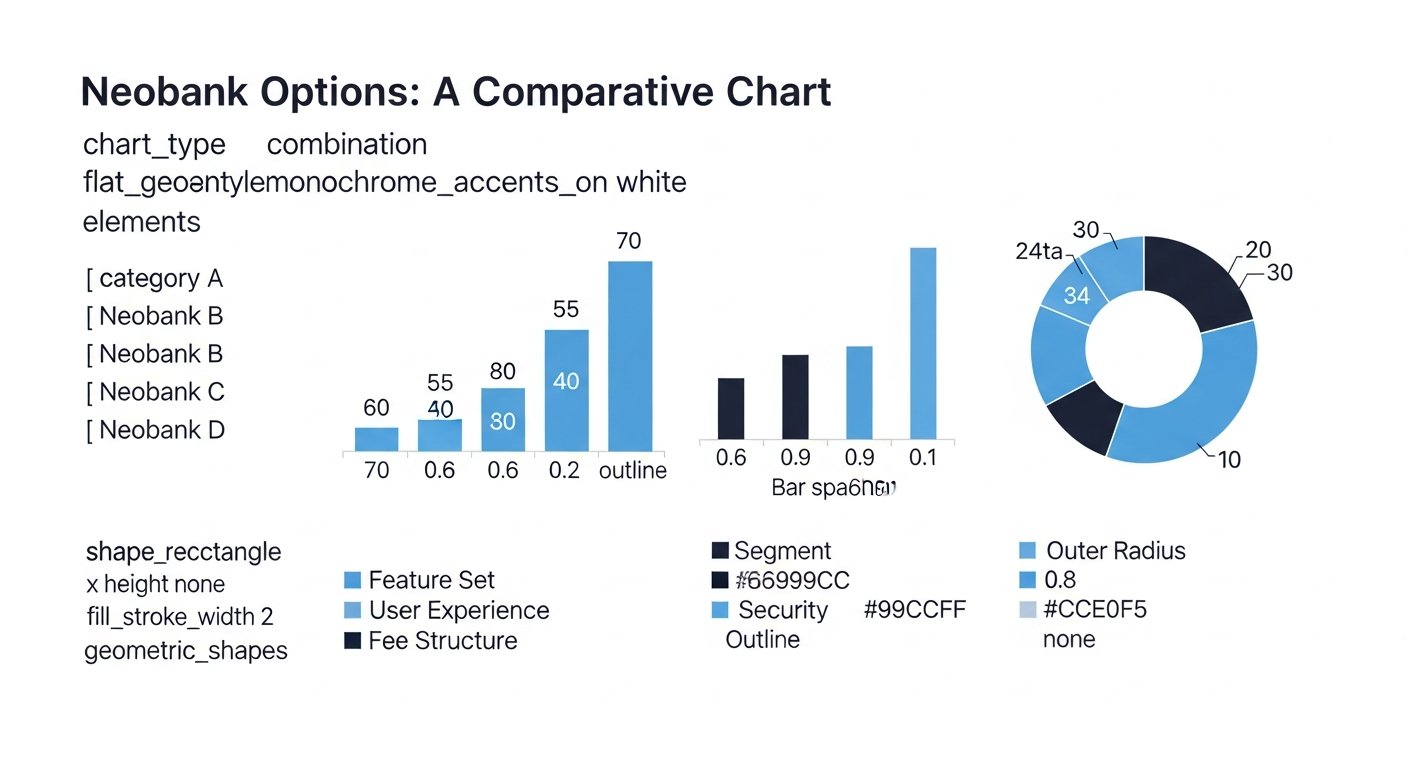
Understanding the inner workings of neobanks provides valuable insight into their capabilities and operational efficiencies. The answer to “what is a neobank?” is deeply rooted in its technological foundation, strategic alliances, and the regulatory environment it navigates.
Cloud-Based Infrastructure and APIs
Unlike traditional banks that often rely on decades-old, on-premise mainframe systems, neobanks are built on modern, cloud-native architectures. This means their entire IT infrastructure resides in the cloud (e.g., Amazon Web Services, Google Cloud, Microsoft Azure). Key advantages of this approach include:
- Scalability: Cloud infrastructure allows neobanks to easily scale their operations up or down based on demand, handling millions of transactions without significant hardware investments.
- Cost-Efficiency: Pay-as-you-go models reduce capital expenditure and allow for more efficient resource allocation.
- Resilience and Disaster Recovery: Cloud providers offer robust backup and recovery solutions, ensuring high availability and data protection.
- Speed of Innovation: Developers can rapidly deploy new features and updates, fostering continuous improvement and quick adaptation to market changes.
Furthermore, neobanks heavily leverage Application Programming Interfaces (APIs). APIs allow different software systems to communicate and share data securely. This enables neobanks to:
- Integrate Third-Party Services: Easily connect with other fintech tools for budgeting, investments, or payment processing.
- Offer Open Banking Features: Comply with open banking regulations, allowing customers to securely share their financial data with authorized third parties for better financial management.
This API-first approach creates a flexible, interconnected ecosystem that benefits both the neobank and its users.
Strategic Partnerships with Traditional Financial Institutions
As touched upon earlier, many neobanks operate through strategic partnerships. For those without a full banking license, partnering with an established, licensed bank is crucial. This collaboration involves:
- Deposit Holding: The partner bank holds customer deposits, ensuring they are insured by the relevant government scheme (e.g., FDIC in the US).
- Regulatory Compliance: The partner bank ensures that all banking activities adhere to strict financial regulations, acting as the regulated entity.
- Payment Processing: Access to payment networks (Visa, Mastercard, ACH) is often facilitated through the partner bank.
- Back-Office Operations: Some complex back-office functions might be managed by the partner bank, allowing the neobank to focus on customer-facing technology.
This “banking-as-a-service” model is mutually beneficial: neobanks gain regulatory coverage and infrastructure without the immense cost and time of obtaining a license, while partner banks can tap into new customer segments and demonstrate innovation without building new front-end technology themselves. These partnerships are critical for the legitimacy and operational capacity of many neobanks.
Navigating Regulatory Landscapes Globally
The regulatory environment for neobanks varies significantly across different countries and regions. Regulators are keen to foster innovation while simultaneously ensuring consumer protection and financial stability. Key aspects include:
- Licensing Requirements: Different jurisdictions have varying thresholds and processes for obtaining full banking licenses or specialized fintech licenses.
- Anti-Money Laundering (AML) & Know Your Customer (KYC): Neobanks must implement robust procedures to verify customer identities and monitor transactions to prevent illicit activities, often leveraging digital identity verification tools.
- Consumer Protection Laws: Adherence to regulations concerning fair lending practices, data privacy (e.g., GDPR), and dispute resolution is mandatory.
- Open Banking Mandates: In regions like Europe and the UK, open banking initiatives drive greater data sharing and competition, which neobanks are often well-positioned to leverage.
Neobanks invest heavily in compliance teams and technology to navigate this complex regulatory maze, often employing AI and machine learning to automate and enhance their compliance efforts. This commitment to regulatory adherence is a key factor in building trust and ensuring long-term viability.
Data Security and Privacy Protocols
Given their purely digital nature, neobanks place immense importance on data security and privacy. They implement multi-layered security protocols:
- End-to-End Encryption: All communications and data storage are encrypted to protect sensitive information.
- Multi-Factor Authentication (MFA): Beyond passwords, MFA (e.g., biometrics, one-time passcodes) adds significant security to account access.
- Continuous Monitoring: Real-time security monitoring systems detect and alert suspicious activities, leveraging AI for advanced threat detection.
- Data Minimization: Neobanks often adhere to principles of data minimization, collecting only the necessary data to provide services and enhance security.
- Regular Audits and Penetration Testing: Independent security audits and ethical hacking (penetration testing) are routinely conducted to identify and patch vulnerabilities.
Their reliance on cloud infrastructure also means they benefit from the advanced security measures implemented by major cloud providers. For users concerned about personal finance tools and data privacy, understanding these robust security practices is essential.
Who Are Neobanks Best For? Identifying Your Ideal User Profile
While the concept of what is a neobank appeals to a broad audience, certain demographics and financial behaviors align particularly well with their offerings. Identifying if you fit these profiles can help you determine if a neobank is the right choice for your banking needs.
Digital Natives and Tech-Savvy Individuals
The most obvious beneficiaries are individuals who are comfortable and proficient with technology, particularly mobile apps. If you manage much of your life from your smartphone – from ordering food to connecting with friends – then a neobank’s intuitive, app-centric interface will feel natural and empowering. You’ll appreciate the seamless experience, instant notifications, and integrated financial tools that are designed for a digital lifestyle.
This group includes younger generations (millennials, Gen Z) who have grown up with smartphones and expect their banking services to be as responsive and user-friendly as any other app they use daily.
Freelancers and Gig Economy Workers
For those in the gig economy or working as freelancers, managing irregular income and expenses can be challenging. Neobanks often provide features that are particularly beneficial:
- Easy Expense Tracking: Automated categorization helps separate business and personal expenses.
- Savings Pots for Taxes: Many offer sub-accounts or “pots” where a portion of income can be automatically set aside for estimated taxes.
- Invoicing Integration: Some neobanks integrate with invoicing software, simplifying payment receipt and tracking.
- Low Fees: Reducing banking fees can significantly impact the bottom line for self-employed individuals.
The flexibility and instant insights offered by neobanks can be a game-changer for independent workers seeking better financial organization.
Frequent Travelers and Expats
Individuals who frequently travel internationally or live as expatriates find neobanks exceptionally appealing due to their global focus:
- Low or No Foreign Transaction Fees: A major saving compared to traditional banks.
- Favorable Exchange Rates: Often close to the interbank rate, minimizing costs when spending in different currencies.
- Multi-Currency Accounts: Some neobanks allow users to hold and manage funds in multiple currencies, simplifying international money management.
- Global ATM Access: Widespread acceptance and often fee reimbursements for international ATM withdrawals.
For those living a borderless life, neobanks remove many of the financial frictions associated with international transactions.
Individuals Seeking Cost Savings and Budgeting Tools
If you’re looking to minimize banking fees, maximize your savings, and gain better control over your spending, a neobank could be an excellent fit. The combination of:
- Fee-free accounts.
- Potentially higher interest rates on savings.
- Advanced budgeting and spending analytics.
- Automated savings features.
Makes them ideal for anyone focused on improving their financial health, reducing unnecessary costs, and diligently tracking where their money goes. These features support sound financial planning and discipline.
Small Businesses and Startups
Many neobanks have also carved out a niche in the small business banking sector. Startups and small enterprises often share similar needs to individual digital natives: efficiency, low fees, easy integration with other software, and a user-friendly interface. Neobanks can offer:
- Streamlined account opening processes.
- Integrated expense management.
- Easier payroll solutions.
- Transparent fee structures.
This allows small business owners to focus on growing their business rather than grappling with complex, time-consuming banking procedures.
Ultimately, if you prioritize convenience, low costs, advanced digital tools, and a seamless mobile experience, a neobank is highly likely to meet and even exceed your banking expectations.
Top Neobanks and Their Offerings: A Comparative Look
The neobank landscape is vibrant and competitive, with numerous players offering distinct features and catering to different market segments. While specific offerings evolve rapidly, understanding some prominent examples can help illustrate the diversity and innovation within this space. This section answers “what is a neobank?” by showing it in action through real-world examples.
Key Players in the Neobank Landscape
Globally, several neobanks have gained significant traction, each with its unique selling propositions:
- Chime (US): Known for early payday access, fee-free overdrafts (SpotMe), and a strong focus on everyday banking for a broad consumer base. It partners with established banks for FDIC insurance.
- Revolut (UK/Global): Offers multi-currency accounts, international money transfers, budgeting tools, and even crypto trading. Revolut has acquired a banking license in some European countries but often operates under an e-money license elsewhere, partnering for deposit protection.
- Monzo (UK): Another prominent UK player emphasizing budgeting, spending insights, and a community-driven approach to product development. Monzo holds a full UK banking license.
- N26 (Europe/US): A popular European neobank providing a streamlined mobile banking experience, multi-currency options, and spending insights. N26 holds a full European banking license.
- Varo Bank (US): One of the few US neobanks to obtain a full national bank charter, meaning it’s a direct bank and FDIC insured on its own. Offers high-yield savings, cash advance features, and credit-building tools.
These examples represent just a fraction of the innovative neobanks operating worldwide, each vying for a share of the evolving digital finance market. Their individual offerings continuously expand, reflecting the dynamic nature of the fintech sector.
Choosing the Right Neobank for Your Needs
With so many options, selecting the best neobank requires careful consideration of your personal financial habits and priorities. Here’s a comparative table to illustrate how different offerings might stack up:
| Feature/Bank | Neobank A (e.g., focused on budgeting) | Neobank B (e.g., focused on global travel) | Neobank C (e.g., focused on high yield savings) | Traditional Bank (for comparison) | |||||||||
|---|---|---|---|---|---|---|---|---|---|---|---|---|---|
| Monthly Fees | $0 | $0 (premium tiers available for extra features) | $0 | Typically $5-$15 (often waivable) | |||||||||
| ATM Network | 5What is a Neobank? Your Comprehensive Guide to Digital-First BankingAffiliate disclosure: This article may contain affiliate links. Recommendations are independent and editorially driven. The financial landscape is in constant flux, driven by technological advancements and evolving consumer expectations. In this dynamic environment, a revolutionary concept has emerged, fundamentally changing how millions manage their money: the neobank. But what is a neobank, and why are these digital-first institutions making such a significant impact? Neobanks represent a fundamental shift away from the traditional brick-and-mortar banking model. They are financial technology (fintech) companies that operate exclusively online, typically through a highly intuitive mobile app, providing a suite of banking services without a single physical branch. This digital-native approach allows them to leverage cutting-edge technology to offer innovative features, often at lower costs, and with a focus on exceptional user experience. For many, the question of “what is a neobank?” is quickly followed by curiosity about their benefits, security, and how they stack up against established financial institutions. As we delve into this comprehensive guide, we’ll demystify the world of neobanks, exploring their core definitions, distinguishing features, advantages, potential drawbacks, and what the future holds for these fascinating entities. Whether you’re a digital native seeking seamless financial management or simply exploring alternatives to your current bank, understanding neobanks is crucial in navigating the modern personal finance ecosystem. Understanding the Core Concept: What Exactly Defines a Neobank?At its heart, a neobank is a financial institution built from the ground up to operate solely in the digital realm. Unlike traditional banks that have adapted their legacy systems to include online and mobile services, neobanks were conceived with a digital-first, mobile-centric philosophy. This foundational difference informs every aspect of their operation, from customer acquisition to service delivery and product development. The Digital-First PhilosophyThe “digital-first” philosophy of neobanks means that all their services and interactions are designed primarily for digital channels, predominantly mobile applications. This isn’t just about offering an app; it’s about engineering the entire banking experience to be seamless, intuitive, and efficient on a smartphone or web browser. This approach allows for rapid innovation, continuous updates, and a highly personalized user experience that legacy systems often struggle to match. This digital-first mindset extends to every touchpoint. Account opening, transaction monitoring, customer support, and even dispute resolution are typically handled within the app, minimizing the need for phone calls, paperwork, or in-person visits. It caters directly to a generation accustomed to on-demand services and instant gratification. Lack of Physical BranchesPerhaps the most salient characteristic that answers “what is a neobank?” for many is the complete absence of physical branches. This is a deliberate strategic choice that underpins many of their operational advantages. By eliminating the massive overhead associated with maintaining a network of brick-and-mortar locations – rent, utilities, staffing, security – neobanks can significantly reduce their operating costs. These cost savings are often passed on to customers in the form of lower fees, higher interest rates on deposits, or innovative value-added services. While some traditionalists might view the lack of physical branches as a drawback, neobanks argue that for the vast majority of daily banking needs, a well-designed app and responsive digital support are more than sufficient, if not superior, to traditional branch visits. Focus on User Experience and TechnologyNeobanks place an unparalleled emphasis on user experience (UX) and leveraging cutting-edge technology. Their platforms are often lauded for their clean interfaces, ease of navigation, and speed. They integrate modern technologies like artificial intelligence (AI) for personalized insights, machine learning for fraud detection, and robust cloud infrastructure for scalability and reliability. Features such as real-time transaction notifications, spending analytics, budgeting tools, and easy-to-set savings goals are standard offerings. This technological prowess allows neobanks to offer a level of convenience and insight into personal finances that often surpasses what is available from older, more established institutions. They are not merely banks with an app; they are technology companies that happen to offer banking services. Regulatory Frameworks and LicensingA crucial aspect of understanding what is a neobank involves their regulatory status. Neobanks can typically be categorized into two main types based on their licensing:
Regardless of their specific licensing model, reputable neobanks ensure that customer funds are protected by the relevant deposit insurance schemes, providing a critical layer of security and trust for their users. This distinction is vital for consumers to understand when choosing a digital banking partner. Neobanks vs. Traditional Banks: A Paradigm Shift in FinanceTo truly grasp what is a neobank, it’s essential to contrast them with the traditional banking model. The differences are not merely superficial but represent a fundamental divergence in operational philosophy, technological adoption, and customer approach. This comparison highlights why neobanks are often seen as disruptive forces in the financial industry. Operational Costs and Fee StructuresOne of the most significant distinctions lies in operational costs. Traditional banks carry substantial expenses associated with their vast branch networks, legacy IT systems, and extensive human resources. These costs are often passed on to customers through various fees, including monthly maintenance fees, overdraft fees, ATM fees, and foreign transaction fees. Neobanks, with their purely digital presence and lean operational models, have significantly lower overheads. This allows them to offer accounts with minimal or no monthly fees, fewer transaction charges, and sometimes even higher interest rates on savings. The transparent and often fee-free structure is a major draw for consumers weary of hidden charges from conventional banks. Technology and Innovation AdoptionTraditional banks are often hampered by complex, decades-old IT infrastructures that are expensive and challenging to update. While many have invested heavily in digital transformation, their efforts are often constrained by the need to integrate new technologies with existing legacy systems. This can slow down the adoption of cutting-edge features and limit the speed of innovation. Neobanks, born in the digital age, operate on modern, cloud-native platforms. This agility enables them to rapidly develop and deploy new features, integrate with other fintech services via APIs, and quickly respond to market demands and customer feedback. Their technology stacks are designed for scalability, security, and continuous improvement, offering a far more dynamic banking experience. [INLINE IMAGE 1: place after second H2 | alt=”what is a neobank concept illustration”] Customer Service and AccessibilityCustomer service in traditional banks often involves visiting a branch, making a phone call, or navigating complex automated menus. While these channels remain important, they can be time-consuming and lack the immediacy that modern consumers expect. Neobanks prioritize accessible, digital-first customer support. This typically includes in-app chat with human agents (sometimes AI-powered for initial queries), email support, and often robust self-help sections within the app. The focus is on quick, efficient resolution of issues, available anytime, anywhere. This 24/7 digital accessibility aligns perfectly with the lifestyles of today’s always-on consumers. Product Offerings and SpecializationTraditional banks typically offer a broad spectrum of financial products, from checking and savings accounts to mortgages, personal loans, investment services, and business banking. They aim to be a one-stop shop for all financial needs, often leveraging their physical presence to foster long-term relationships. While some neobanks are expanding their offerings, many initially focus on a narrower range of products, excelling in specific areas like everyday spending, budgeting, or international transfers. Their specialization allows them to build superior user experiences and features within those niches. However, for more complex financial products like mortgages or specialized investment vehicles, consumers might still need to turn to traditional banks or specialized lenders, though this gap is rapidly closing as neobanks mature. The Rise of Challenger Banks: Distinguishing NuancesAs the digital banking landscape evolves, terms like “neobank” and “challenger bank” are often used interchangeably, leading to some confusion. While there’s significant overlap, understanding the subtle distinctions can further clarify what is a neobank and its place in the broader fintech ecosystem. Neobank vs. Challenger Bank: Is There a Difference?The distinction primarily hinges on historical context and regulatory status, particularly regarding licensing:
In essence, all neobanks are challenger banks (because they challenge the status quo), but not all challenger banks are neobanks (some challenger banks have traditional licenses and might even have limited physical presence). The key differentiator for a pure neobank remains its digital-only model and its reliance on partnerships for deposit insurance and regulatory compliance, at least initially. The Spectrum of LicensingThe licensing journey is a critical aspect separating various digital banks. Some entities, often referred to as challenger banks, go through the rigorous process of obtaining a full banking charter. This allows them to operate entirely independently, manage their own risk, and have direct access to central banking facilities. Many neobanks, conversely, opt for a “banking-as-a-service” (BaaS) model. They build their innovative front-end applications and user experiences on top of the infrastructure provided by a licensed partner bank. This allows them to launch quickly and focus on customer experience without the immense regulatory burden and capital requirements of a full banking license. The partner bank holds the deposits, ensures compliance, and provides the necessary regulatory backing, including deposit insurance. This collaborative model is a defining characteristic for many companies when defining what is a neobank today. Market Positioning and Target DemographicsBoth neobanks and challenger banks aim to disrupt the financial industry, but they often target slightly different segments or enter the market with varying strategies:
Ultimately, for the end-user, the practical distinction between a neobank and a challenger bank might be minimal if both offer a similar digital experience and secure, insured accounts. However, understanding their underlying operational and regulatory models helps in appreciating their unique strengths and strategic trajectories. Key Features and Benefits That Attract MillionsThe burgeoning popularity of neobanks isn’t just a trend; it’s a testament to the tangible benefits and innovative features they offer that address pain points often experienced with traditional banking. When asking “what is a neobank?”, their distinctive advantages are often at the forefront of the answer. Intuitive Mobile Apps and User ExperienceAt the core of the neobank appeal is an exceptionally well-designed mobile application. These apps are built with the user in mind, prioritizing ease of use, clear navigation, and aesthetic appeal. Account opening can often be completed in minutes, directly from a smartphone, requiring minimal paperwork. The UX is streamlined, making everyday banking tasks like checking balances, transferring funds, or paying bills simple and quick. This focus on intuitive design reduces friction, making financial management less of a chore and more of an integrated part of daily digital life. Many users report a significant improvement in their banking experience after switching to a neobank due to the superior app design. Lower Fees and Potentially Higher Interest RatesAs discussed, the absence of physical branches and legacy infrastructure allows neobanks to operate with significantly lower overheads. This efficiency often translates into direct financial benefits for customers:
Advanced Budgeting and Financial Management ToolsNeobanks go beyond simple transaction tracking. They integrate sophisticated tools designed to help users manage their money more effectively. These often include:
These integrated tools empower users to take control of their financial health directly from their banking app, eliminating the need for separate budgeting software. Instant Notifications and Real-Time TransactionsOne of the most appreciated features of neobanks is their ability to provide instant notifications for every transaction – whether it’s a purchase, a deposit, or a withdrawal. This real-time transparency offers immediate awareness of account activity, which is crucial for monitoring spending and promptly detecting any unauthorized transactions. This instant feedback loop is a core component of modern digital financial management, enhancing security and user control. Fintech apps are designed around this instantaneous experience. Global Accessibility and Multi-Currency OptionsFor individuals who travel frequently, live abroad, or engage in international business, neobanks often provide superior solutions. Many offer multi-currency accounts, highly competitive foreign exchange rates, and fee-free international transfers. Their cards are typically accepted globally, and the in-app management of currency conversion makes cross-border transactions significantly easier and more cost-effective than with traditional banks. Enhanced Security and Fraud ProtectionDespite being digital, neobanks prioritize security with robust measures. This includes:
Coupled with deposit insurance (from their own license or a partner bank), neobanks provide a secure environment for managing finances. This proactive approach to mobile banking security is crucial for user trust. [INLINE IMAGE 2: place after fourth H2 | alt=”what is a neobank comparison illustration”] Potential Drawbacks and Considerations Before You SwitchWhile the advantages of neobanks are compelling, a balanced understanding of “what is a neobank” also requires an honest look at their potential limitations. Before making a full switch, it’s wise to consider whether these drawbacks might impact your specific financial needs and preferences. Absence of Physical Branches and In-Person SupportThe primary benefit of cost savings from a branchless model can also be its most significant drawback for some users. If you frequently need to:
Then a purely digital banking experience might feel limiting. While neobanks offer robust digital support, it may not replicate the comfort or perceived efficiency of an in-person interaction for everyone. Limited Complex Financial Products (e.g., Mortgages, Loans)While neobanks excel at everyday banking, savings, and budgeting, many still have a more limited product portfolio compared to large traditional banks. It’s less common to find a neobank offering:
As neobanks mature, they are expanding into these areas, but for now, individuals requiring a full suite of complex financial products might need to maintain relationships with traditional institutions or explore other specialized fintech providers. Reliance on Technology and Internet ConnectivitySince neobanks operate exclusively through digital channels, access to a reliable smartphone, internet connection, and familiarity with digital interfaces are prerequisites. If you are not tech-savvy, or frequently find yourself in areas with poor internet connectivity, managing your money with a neobank could become challenging. Furthermore, while security is paramount for neobanks, any system is susceptible to technological glitches or cyber threats. A complete reliance on digital channels means that a technical outage could temporarily disrupt access to your funds or services, though such occurrences are rare and typically short-lived. Trust and Brand Recognition Concerns for Some UsersFor decades, traditional banks have built trust through their physical presence, long operational histories, and widespread brand recognition. For some consumers, particularly older generations or those less familiar with fintech, the relatively newer status of neobanks might raise questions about their reliability and longevity. While reputable neobanks are fully regulated and offer deposit insurance, overcoming this ingrained perception of trust can be a hurdle for wider adoption. It requires users to feel comfortable entrusting their money to an entity that exists primarily on their phone screen. Deposit Insurance: Ensuring Your Funds Are SafeIt is crucial to verify the deposit insurance status of any neobank you consider. As mentioned earlier, reputable neobanks, whether they hold their own banking license or partner with a licensed bank, ensure that customer deposits are protected by government-backed insurance schemes:
Always confirm that your chosen neobank explicitly states its deposit insurance coverage and under which institution (itself or a partner bank) your funds are held. This transparency is vital for consumer confidence and security. How Neobanks Operate: Technology, Partnerships, and RegulationUnderstanding the inner workings of neobanks provides valuable insight into their capabilities and operational efficiencies. The answer to “what is a neobank?” is deeply rooted in its technological foundation, strategic alliances, and the regulatory environment it navigates. Cloud-Based Infrastructure and APIsUnlike traditional banks that often rely on decades-old, on-premise mainframe systems, neobanks are built on modern, cloud-native architectures. This means their entire IT infrastructure resides in the cloud (e.g., Amazon Web Services, Google Cloud, Microsoft Azure). Key advantages of this approach include:
Furthermore, neobanks heavily leverage Application Programming Interfaces (APIs). APIs allow different software systems to communicate and share data securely. This enables neobanks to:
This API-first approach creates a flexible, interconnected ecosystem that benefits both the neobank and its users. Strategic Partnerships with Traditional Financial InstitutionsAs touched upon earlier, many neobanks operate through strategic partnerships. For those without a full banking license, partnering with an established, licensed bank is crucial. This collaboration involves:
This “banking-as-a-service” model is mutually beneficial: neobanks gain regulatory coverage and infrastructure without the immense cost and time of obtaining a license, while partner banks can tap into new customer segments and demonstrate innovation without building new front-end technology themselves. These partnerships are critical for the legitimacy and operational capacity of many neobanks. Navigating Regulatory Landscapes GloballyThe regulatory environment for neobanks varies significantly across different countries and regions. Regulators are keen to foster innovation while simultaneously ensuring consumer protection and financial stability. Key aspects include:
Neobanks invest heavily in compliance teams and technology to navigate this complex regulatory maze, often employing AI and machine learning to automate and enhance their compliance efforts. This commitment to regulatory adherence is a key factor in building trust and ensuring long-term viability. Data Security and Privacy ProtocolsGiven their purely digital nature, neobanks place immense importance on data security and privacy. They implement multi-layered security protocols:
Their reliance on cloud infrastructure also means they benefit from the advanced security measures implemented by major cloud providers. For users concerned about personal finance tools and data privacy, understanding these robust security practices is essential. Who Are Neobanks Best For? Identifying Your Ideal User ProfileWhile the concept of what is a neobank appeals to a broad audience, certain demographics and financial behaviors align particularly well with their offerings. Identifying if you fit these profiles can help you determine if a neobank is the right choice for your banking needs. Digital Natives and Tech-Savvy IndividualsThe most obvious beneficiaries are individuals who are comfortable and proficient with technology, particularly mobile apps. If you manage much of your life from your smartphone – from ordering food to connecting with friends – then a neobank’s intuitive, app-centric interface will feel natural and empowering. You’ll appreciate the seamless experience, instant notifications, and integrated financial tools that are designed for a digital lifestyle. This group includes younger generations (millennials, Gen Z) who have grown up with smartphones and expect their banking services to be as responsive and user-friendly as any other app they use daily. Freelancers and Gig Economy WorkersFor those in the gig economy or working as freelancers, managing irregular income and expenses can be challenging. Neobanks often provide features that are particularly beneficial:
The flexibility and instant insights offered by neobanks can be a game-changer for independent workers seeking better financial organization. Frequent Travelers and ExpatsIndividuals who frequently travel internationally or live as expatriates find neobanks exceptionally appealing due to their global focus:
For those living a borderless life, neobanks remove many of the financial frictions associated with international transactions. Individuals Seeking Cost Savings and Budgeting ToolsIf you’re looking to minimize banking fees, maximize your savings, and gain better control over your spending, a neobank could be an excellent fit. The combination of:
Makes them ideal for anyone focused on improving their financial health, reducing unnecessary costs, and diligently tracking where their money goes. These features support sound financial planning and discipline. Small Businesses and StartupsMany neobanks have also carved out a niche in the small business banking sector. Startups and small enterprises often share similar needs to individual digital natives: efficiency, low fees, easy integration with other software, and a user-friendly interface. Neobanks can offer:
This allows small business owners to focus on growing their business rather than grappling with complex, time-consuming banking procedures. Ultimately, if you prioritize convenience, low costs, advanced digital tools, and a seamless mobile experience, a neobank is highly likely to meet and even exceed your banking expectations. Top Neobanks and Their Offerings: A Comparative LookThe neobank landscape is vibrant and competitive, with numerous players offering distinct features and catering to different market segments. While specific offerings evolve rapidly, understanding some prominent examples can help illustrate the diversity and innovation within this space. This section answers “what is a neobank?” by showing it in action through real-world examples. Key Players in the Neobank LandscapeGlobally, several neobanks have gained significant traction, each with its unique selling propositions:
These examples represent just a fraction of the innovative neobanks operating worldwide, each vying for a share of the evolving digital finance market. Their individual offerings continuously expand, reflecting the dynamic nature of the fintech sector. Choosing the Right Neobank for Your NeedsWith so many options, selecting the best neobank requires careful consideration of your personal financial habits and priorities. Here’s a comparative table to illustrate how different offerings might stack up:
|