

What Is Fintech? A Complete Guide to Financial Technology
Affiliate disclosure: This article may contain affiliate links. Recommendations are independent and editorially driven.
The term “fintech” has permeated conversations about money, technology, and the future of finance. But what exactly is fintech, and why has it become such a powerful force in everyday personal finance? Essentially, fintech, a portmanteau of “financial” and “technology,” refers to any innovation in software, applications, or technology designed to improve, automate, or digitally deliver financial services. It encompasses a vast array of digital tools and platforms that streamline traditional financial processes, making them more efficient, accessible, and often more affordable for consumers and businesses alike.
Historically, financial services were the exclusive domain of established institutions like banks and credit unions. Transactions were often slow, expensive, and required physical presence. The rise of sophisticated technology, however, has democratized access to financial tools and reshaped how we manage our money. From mobile banking apps and digital payment systems to online investment platforms and cryptocurrency, fintech is fundamentally altering the global financial landscape. This comprehensive guide will explore the core concepts of fintech, its historical evolution, how it functions, its myriad applications, and the benefits and risks it presents to consumers and the broader economy.
The Evolution of Fintech: From Mainframes to Mobile-First
While the term “fintech” might seem like a recent invention, the intersection of finance and technology has a long history. Early forms of fintech can be traced back decades, far before the smartphone era. Understanding this evolution helps contextualize its current significance.
Pre-Digital Era Innovations (1950s-1980s)
- Credit Cards (1950s): The introduction of credit cards like Diners Club and BankAmericard (now Visa) revolutionized payments by digitizing transactions at the point of sale, reducing the need for physical cash.
- ATMs (1960s): Automated Teller Machines provided consumers with unprecedented access to their funds outside of traditional bank hours, a pivotal step towards self-service banking.
- Electronic Stock Trading (1970s): Early electronic trading systems began to automate stock market transactions, laying the groundwork for today’s high-speed exchanges.
- SWIFT (1973): The Society for Worldwide Interbank Financial Telecommunication (SWIFT) was established, creating a global network for secure interbank messaging and international payment instructions. This was a crucial, albeit behind-the-scenes, step in digitizing cross-border financial communication.
The Internet Age and Dot-Com Boom (1990s-Early 2000s)
The advent of the internet vastly accelerated fintech development. Online banking became a reality, allowing customers to view account balances, transfer funds, and pay bills from their personal computers.
- Online Banking: Early pioneers like Wells Fargo launched rudimentary online banking services, providing a glimpse into a future where banking was no longer confined to brick-and-mortar branches.
- Electronic Payment Processors: Companies like PayPal emerged, offering consumers and businesses an easy way to send and receive money online without direct bank transfers, especially for e-commerce.
- Discount Brokerages: Online platforms like E*TRADE made stock investing more accessible to individual investors by offering lower fees and self-service options, bypassing traditional full-service brokers.
The Smartphone Revolution and Web 2.0 (Mid-2000s-2010s)
The launch of the iPhone in 2007 and the subsequent explosion of mobile apps transformed the financial landscape. This period saw the true birth of what many now recognize as modern fintech, characterized by mobile-first experiences, user-centric design, and integration with everyday life.
- Mobile Banking Apps: Banks developed sophisticated apps mirroring and often exceeding the functionality of their desktop counterparts, bringing banking directly to users’ pockets.
- Peer-to-Peer (P2P) Payments: Services like Venmo and Cash App (initially Square Cash) popularized instant money transfers between individuals, often with social elements.
- Robo-Advisors: Automated investment platforms like Betterment and Wealthfront began offering algorithmic portfolio management at a fraction of the cost of traditional financial advisors.
- Crowdfunding Platforms: Kickstarter and Indiegogo demonstrated the power of collective funding for projects and businesses, bypassing traditional venture capital or bank loans.
The Present and Future: AI, Blockchain, and Embedded Finance (2020s and Beyond)
Today, fintech continues its rapid evolution, driven by advancements in artificial intelligence (AI), machine learning (blockchain), data analytics, and cloud computing. The focus is increasingly on hyper-personalization, seamless integration (embedded finance), and leveraging distributed ledger technologies.
- Neobanks and Challenger Banks: Digital-only banks like Chime, Monzo, and Revolut offer entirely app-based banking experiences, often with lower fees and innovative features.
- Blockchain and Cryptocurrencies: Bitcoin and other cryptocurrencies introduced decentralized, secure digital assets, spurring innovations in decentralized finance (DeFi) and tokenization.
- Open Banking and APIs: Regulatory initiatives (like PSD2 in Europe) and technological advancements have led to ‘open banking,’ where secure APIs (Application Programming Interfaces) allow third-party developers to build financial services on top of existing bank data (with user consent).
- Embedded Finance: Financial services are increasingly integrated directly into non-financial platforms, such as buy now, pay later (BNPL) options at online checkouts or insurance offerings within ride-sharing apps.
[INLINE IMAGE 1: place after second H2 | alt=”A smartphone displaying mobile banking interfaces alongside digital payment icons.”]
How Does Fintech Work? The Underlying Mechanics
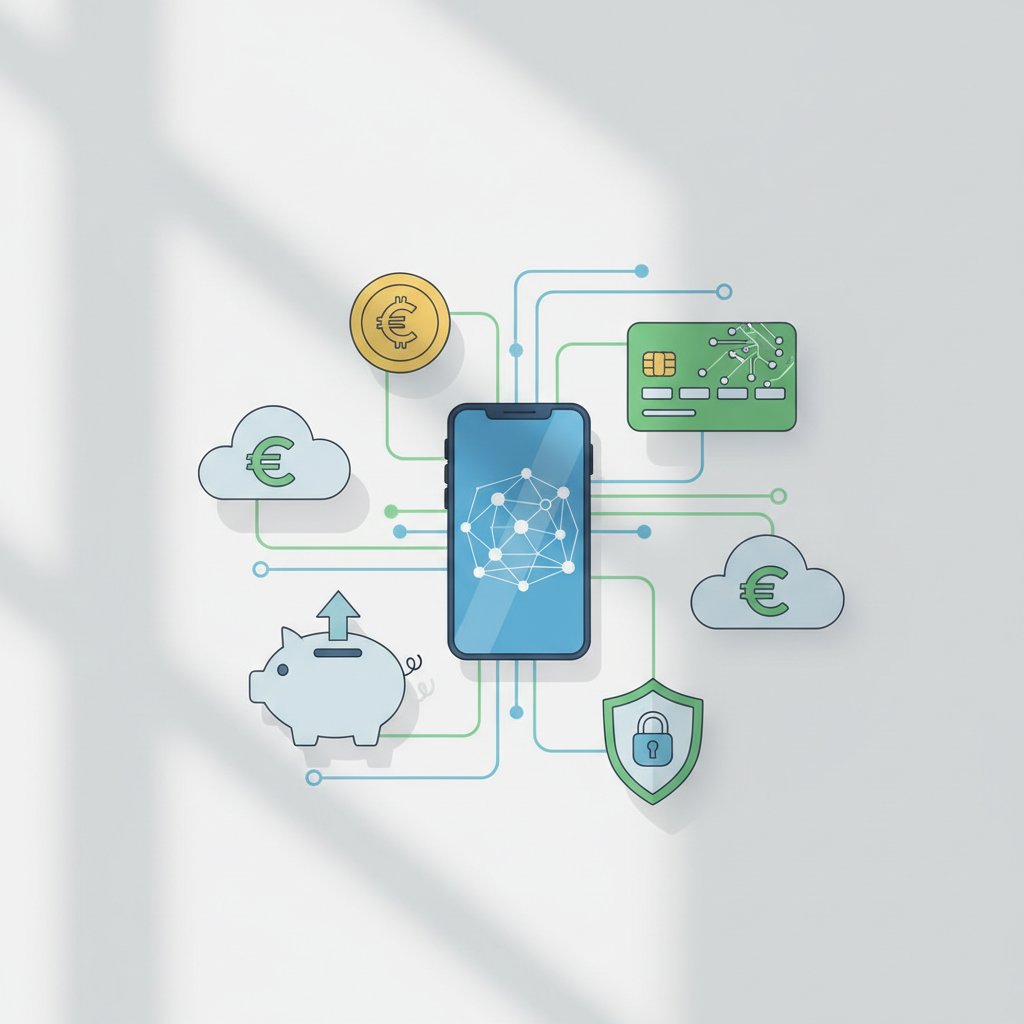
The magic of fintech isn’t just in the apps we see; it’s powered by a sophisticated technological stack working behind the scenes. Understanding these core components helps demystify how fintech services deliver efficiency and innovation.
Application Programming Interfaces (APIs)
APIs are the backbone of modern fintech. Think of them as digital connectors that allow different software applications to talk to each other. For instance, when you link your budgeting app to your bank account, an API facilitates the secure exchange of your transaction data (with your explicit permission). APIs enable:
- Seamless Integration: Connecting various financial services, such as a payment gateway to an e-commerce platform, or a loan application to a credit scoring agency.
- Open Banking: Allowing third-party providers authorized access to financial data from banks, fostering competition and innovation in services like personalized financial advice or aggregated account views.
- Faster Development: Developers can leverage existing APIs instead of building every function from scratch, accelerating the creation of new fintech products.
Data Analytics and Artificial Intelligence (AI)
Fintech thrives on data – lots of it. From transaction histories to credit scores, behavioral patterns to market trends, data is the fuel. AI and machine learning (ML) algorithms then transform this raw data into actionable insights and automated processes.
- Personalized Services: AI analyzes user data to offer tailored financial advice, personalized investment strategies, or customized insurance policies.
- Fraud Detection: ML models can identify anomalous transaction patterns in real-time, significantly improving the detection and prevention of financial fraud.
- Credit Scoring: Alternative data sources (beyond traditional credit reports) combined with AI allow for more nuanced credit assessments, potentially expanding financial inclusion.
- Robo-Advisors: AI-driven algorithms manage investment portfolios based on predefined risk tolerances and financial goals, automating asset allocation and rebalancing.
Cloud Computing
Cloud computing provides the flexible, scalable, and cost-effective infrastructure that fintech companies need to operate. Instead of owning and maintaining expensive physical servers, fintech firms can host their applications and data on remote servers managed by cloud providers (like Amazon Web Services, Microsoft Azure, or Google Cloud Platform).
- Scalability: Fintech services can quickly scale up or down to meet fluctuating demand, from handling a few transactions to processing millions during peak times.
- Cost Efficiency: Reduces the need for large capital expenditures on IT infrastructure, allowing startups to innovate more rapidly.
- Global Reach: Cloud data centers around the world enable fintech services to operate seamlessly across different geographies.
- Security: Reputable cloud providers invest heavily in security measures, often exceeding what individual companies can afford, though data privacy remains a shared responsibility.
Blockchain and Distributed Ledger Technology (DLT)
Blockchain, the underlying technology behind cryptocurrencies like Bitcoin, is a type of Distributed Ledger Technology (DLT). It creates a decentralized, immutable, and transparent record of transactions across a network of computers.
- Cryptocurrencies: Digital assets designed to work as a medium of exchange using cryptography to secure transactions and control the creation of new units.
- Smart Contracts: Self-executing contracts with the terms of the agreement directly written into code. They can automate processes like escrow or insurance claims once predefined conditions are met.
- Supply Chain Finance: Blockchain can provide transparent and verifiable records for supply chain transactions, improving efficiency and reducing fraud in trade finance.
- Digital Identity: Could offer more secure and user-controlled digital identity solutions, reducing reliance on centralized identity providers.
Cybersecurity Protocols
Given the sensitive nature of financial data, robust cybersecurity is paramount in fintech. This involves a multi-layered approach to protecting data from unauthorized access, breaches, and cyberattacks.
- Encryption: Scrambling data to prevent unauthorized reading, both in transit (e.g., HTTPS for websites) and at rest (stored databases).
- Multi-Factor Authentication (MFA): Requiring more than one method of verification (e.g., password plus a code from your phone) to access accounts.
- Regulatory Compliance: Adhering to strict data protection regulations like GDPR (Europe) and CCPA (California) or industry standards like PCI DSS for payment card data.
- Threat Detection: Employing AI and behavioral analytics to identify and neutralize potential threats in real-time.
The Benefits and Risks of Fintech
Fintech offers a compelling vision for the future of finance, replete with advantages for consumers and businesses alike. However, like any rapidly evolving technology, it also introduces a new set of challenges and considerations. It’s crucial to weigh both sides to fully understand its impact.
Benefits of Fintech
-
Increased Accessibility and Financial Inclusion
Democratization of Services: Fintech has lowered barriers to entry for many financial services. People who traditionally lacked access to banks (the ‘unbanked’ or ‘underbanked’) can now open digital accounts, send money, or access micro-loans via mobile phones, particularly in developing economies.
Broader Investment Access: Robo-advisors and fractional share trading platforms allow individuals with smaller capital to invest in diversified portfolios or popular stocks, democratizing wealth building.
-
Enhanced Efficiency and Speed
Instant Transactions: P2P payment apps and real-time payment networks enable money transfers that settle in seconds, not days, significantly improving personal and business cash flow.
Streamlined Processes: Digital loan applications, automated underwriting, and instant credit checks reduce approval times from weeks to minutes or hours.
-
Lower Costs and Fees
Reduced Overheads: Digital-only banks (neobanks) and online lenders have significantly lower operating costs compared to traditional institutions with extensive branch networks. These savings are often passed on to customers through lower fees or even fee-free services.
Competitive Pricing: The rise of fintech has spurred competition, forcing traditional players to innovate and often reduce their own fees or improve their digital offerings.
-
Improved User Experience and Personalization
Intuitive Interfaces: Fintech applications are often designed with a strong focus on user experience (UX), offering intuitive and aesthetically pleasing interfaces.
Tailored Products: Leveraging AI and data analytics, fintech companies can offer highly personalized financial advice, investment recommendations, and product offerings that align with individual spending habits and financial goals.
Convenience: Managing finances anytime, anywhere, directly from a smartphone or computer, adds unparalleled convenience to daily life.
-
Innovation and New Service Offerings
New Business Models: Fintech has birthed entirely new categories of financial services, from BNPL solutions to sophisticated wealth management tools based on behavioral economics.
Data-Driven Insights: Budgeting apps provide detailed insights into spending patterns, helping users make more informed financial decisions.
Risks of Fintech
-
Cybersecurity Threats and Data Breaches
Attractive Targets: Fintech companies handle vast amounts of sensitive personal and financial data, making them prime targets for cyber criminals.
Vulnerability: While many fintechs invest heavily in security, a single vulnerability or successful attack can lead to widespread data breaches, identity theft, and significant financial losses for users.
-
Regulatory Ambiguity and Gaps
Rapid Innovation vs. Slow Regulation: The pace of fintech innovation often outstrips the ability of regulators to create comprehensive frameworks. This can lead to grey areas, inconsistent consumer protections, or regulatory arbitrage.
Consumer Protection: Lack of clear regulation may leave consumers exposed in areas like dispute resolution, data privacy, or ensuring the solvency of certain fintech platforms.
-
Financial Stability Concerns
Systemic Risk: As fintech becomes more integrated into the broader financial system, a failure in a major fintech player or a widespread cyber attack could potentially have ripple effects across the economy.
Liquidity Risks: Some newer financial products or investment platforms might pose liquidity risks if assets cannot be easily converted to cash.
-
Data Privacy and Ethical AI Concerns
Pervasive Data Collection: While data analytics enable personalization, the sheer volume of personal data collected raises concerns about how this data is stored, shared, and utilized.
Algorithmic Bias: AI models, if poorly designed or trained on biased data, can perpetuate or even amplify existing biases in areas like credit scoring, loan approvals, or insurance rates, leading to discriminatory outcomes.
Lack of Transparency: The “black box” nature of some AI algorithms can make it difficult to understand how decisions are made, impacting fairness and accountability.
-
Digital Divide and Exclusion
Internet Access Dependence: Fintech services require access to smartphones, internet connectivity, and digital literacy. This can exacerbate the digital divide, excluding those who lack these resources, particularly the elderly or low-income populations.
Customer Service: While efficient, reliance on chatbots and online support can be frustrating for users who prefer human interaction, especially for complex issues or during crises.
[INLINE IMAGE 2: place after fourth H2 | alt=”A stylized illustration showing various fintech applications like mobile banking, cryptocurrency, and online investing, alongside traditional financial symbols, with arrows indicating comparative features.”]
Key Areas and Examples of Fintech Applications
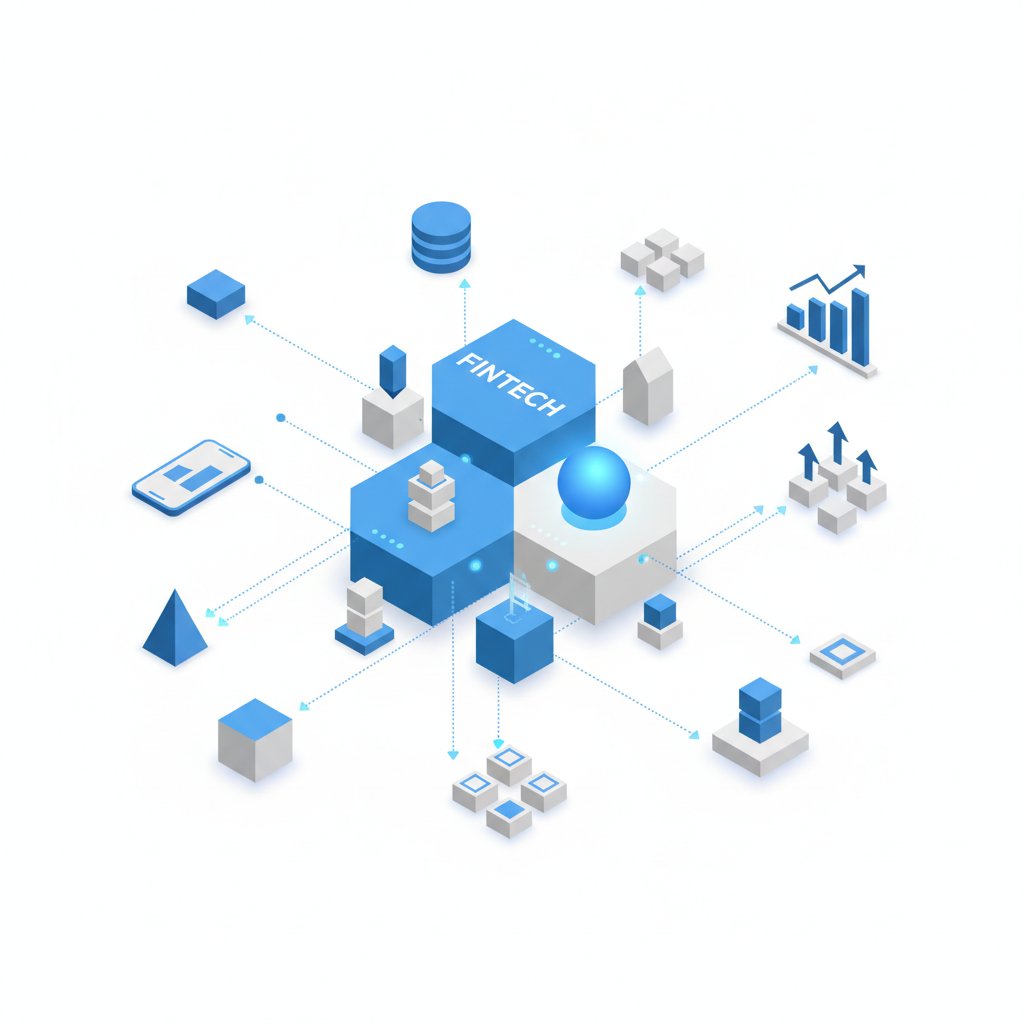
Fintech isn’t a monolithic entity; it’s a vast ecosystem of diverse products and services, each addressing a specific need within the financial world. Here’s a breakdown of the most prominent areas of fintech application, complete with real-world examples.
Digital Payments and Wallets
This is perhaps the most visible and widely adopted segment of fintech, transforming how we spend and transfer money.
- Mobile Payment Apps: Apple Pay, Google Pay, and Samsung Pay allow users to make secure, contactless payments using their smartphones or smartwatches at point-of-sale terminals.
- Peer-to-Peer (P2P) Transfers: Venmo, Cash App, and Zelle enable individuals to send and receive money instantly from their mobile devices, often linking directly to bank accounts.
- Digital Wallets: Platforms like PayPal store payment information – credit cards, debit cards, bank accounts – allowing for one-click online purchases without repeatedly entering details.
- Cross-Border Payments: Companies like Wise (formerly TransferWise) offer lower fees and better exchange rates for international money transfers compared to traditional banks.
Banking and Lending
Fintech is reimagining traditional banking models, often with a focus on convenience, transparency, and personalization.
- Neobanks/Challenger Banks: Digital-only banks like Chime, Monzo, N26, and Revolut operate entirely online or via mobile apps, offering checking accounts, savings accounts, and debit cards without physical branches. They often provide advanced budgeting tools, early paycheck access, and travel benefits.
- Online Lenders: Companies such as Upstart, LendingClub, and Prosper use alternative data and AI-driven underwriting to offer personal loans, student loan refinancing, and small business loans, often with faster approval processes than traditional banks.
- Buy Now, Pay Later (BNPL): Services like Affirm, Klarna, and Afterpay allow consumers to split purchases into interest-free installments, a rapidly growing payment option at online and in-store checkouts.
Investment and Wealth Management
Fintech has democratized investing, making it more accessible and affordable for a broader range of investors.
- Robo-Advisors: Platforms like Betterment and Wealthfront use algorithms to automatically manage investment portfolios based on a user’s risk tolerance, financial goals, and time horizon. They offer diversified portfolios at a lower cost than human advisors.
- Fractional Share Investing: Apps like Robinhood and M1 Finance allow users to buy tiny fractions of expensive stocks, making investing in blue-chip companies accessible to those with limited capital.
- Social Trading: Platforms like eToro enable users to copy the trades of successful investors, fostering a community-driven approach to investing.
- Impact Investing Platforms: Companies focused on socially responsible investing (SRI) use fintech to help users invest in companies aligned with their environmental, social, and governance (ESG) values.
Blockchain and Cryptocurrency
This frontier of fintech explores decentralized finance and digital assets, with significant implications for global monetary systems and data security.
- Cryptocurrency Exchanges: Platforms like Coinbase, Binance, and Kraken allow users to buy, sell, and trade various cryptocurrencies (Bitcoin, Ethereum, etc.).
- Decentralized Finance (DeFi): An umbrella term for financial applications built on blockchain, often without intermediaries. This includes decentralized exchanges (DEXs), lending platforms (e.g., Aave, Compound), and yield farming protocols.
- Non-Fungible Tokens (NFTs): Unique digital assets stored on a blockchain, representing ownership of digital or physical items, from art to collectibles.
- Stablecoins: Cryptocurrencies pegged to a stable asset like the US dollar (e.g., USDT, USDC) to reduce volatility and facilitate transactions.
Insurtech (Insurance Technology)
Insurtech applies technology to streamline and innovate the insurance industry, from underwriting to claims processing.
- Personalized Insurance: Companies like Lemonade use AI and behavioral data to offer highly personalized insurance policies for renters, homeowners, and pets, often with instant quotes and claims processing.
- Telematics Insurance: Usage-based auto insurance models where devices in cars (or smartphone apps) monitor driving behavior, potentially leading to lower premiums for safe drivers.
- P2P Insurance: Models where groups of policyholders pool premiums, and claims are paid from the pool, with any surplus returned to members.
Regtech (Regulatory Technology)
Regtech leverages technology, primarily AI and big data, to help financial institutions comply with complex regulatory requirements more efficiently and effectively.
- Anti-Money Laundering (AML) and Know Your Customer (KYC): AI-powered solutions automate identity verification and transaction monitoring to detect and prevent illicit financial activities.
- Compliance Reporting: Automating the generation of regulatory reports, reducing manual effort and potential errors.
- Risk Management: Using data analytics to identify and mitigate financial risks in real-time.
Personal Financial Management (PFM)
These tools empower individuals to better track, manage, and understand their personal finances.
- Budgeting Apps: Mint, YNAB (You Need A Budget), and Personal Capital aggregate financial data from various sources (bank accounts, credit cards) to help users track spending, create budgets, and set financial goals.
- Robo-Retirement Planning: Services that automate contributions and investments for retirement accounts like IRAs and 401(k)s.
- Credit Monitoring: Apps that provide users with their credit scores, reports, and alerts for any suspicious activity.
Explore top personal finance apps on fin3go.
Fintech vs. Traditional Banking
The rise of fintech has opened a new front in the financial services industry, often challenging the established dominance of traditional banks. Understanding the distinctions between these two approaches is key to grasping the ongoing transformation.
Key Differences Illustrated
| Feature | Fintech (e.g., Neobank, Fintech App) | Traditional Bank (e.g., Major Commercial Bank) |
|---|---|---|
| Business Model | Digital-first; focus on niche services or full digital experience. Lower overheads. | Branch-centric; diversified services (deposits, loans, investments, wealth management). High overheads. |
| Technology Stack | Modern, cloud-native, API-driven, agile development. | Legacy systems, often mainframe-based, complex integration, slower development cycles. |
| User Experience | Mobile-first design, intuitive interfaces, high personalization, seamless digital journey. | Often designed around physical interactions, less intuitive digital platforms, digital services may vary. |
| Cost & Fees | Often lower or zero fees, competitive exchange rates, transparent pricing due to lower operating costs. | Higher fees for various services (monthly maintenance, overdraft, international transfers), often less transparent structures. |
| Accessibility | 24/7 digital access globally, often appeals to younger, tech-savvy demographics and the unbanked. | Limited branch hours, geographical constraints, appealing to those who prefer in-person service. |
| Customer Service | Predominantly digital (chatbots, in-app support, email), some offer phone support. Scalable but can lack human touch. | Multi-channel (in-person at branches, phone, online). Offers human interaction for complex issues. |
| Regulatory Landscape | Varies widely; some are regulated as banks (if chartered), others as money transmitters or tech companies, potentially leading to regulatory gaps. | Highly regulated (central banks, financial authorities), extensive consumer protection frameworks due to systemic importance. |
| Innovation Pace | Rapid iteration, quick deployment of new features, open to disruptive technologies like AI and blockchain. | Slower innovation due to legacy systems, regulatory burden, and risk aversion. Often acquires or partners with fintechs. |
The Blurring Lines: Convergence and Collaboration
While often presented as rivals, the relationship between fintech and traditional banking is increasingly characterized by convergence and collaboration. Recognizing the strengths of each, both sectors are evolving:
- Bank-Fintech Partnerships: Traditional banks are partnering with fintech companies to leverage their technology and agility. This could involve using a fintech’s API for faster loan processing or integrating a fintech’s budgeting tools into their mobile banking app.
- Acquisitions: Larger traditional banks acquire successful fintechs to gain market share, innovative technology, and a younger customer base.
- In-House Innovation: Banks are investing heavily in their own digital transformation, building internal innovation labs, and developing their own competing fintech products.
- Embedded Finance by Banks: Banks are increasingly placing their financial products directly into non-financial platforms, showing an adoption of fintech’s “distribution-first” mindset.
Ultimately, the financial landscape of the future will likely be a hybrid model, where traditional banks adopt more fintech characteristics and fintechs increasingly mature into regulated, institutional players, offering consumers the best of both worlds.
The Regulatory Landscape of Fintech
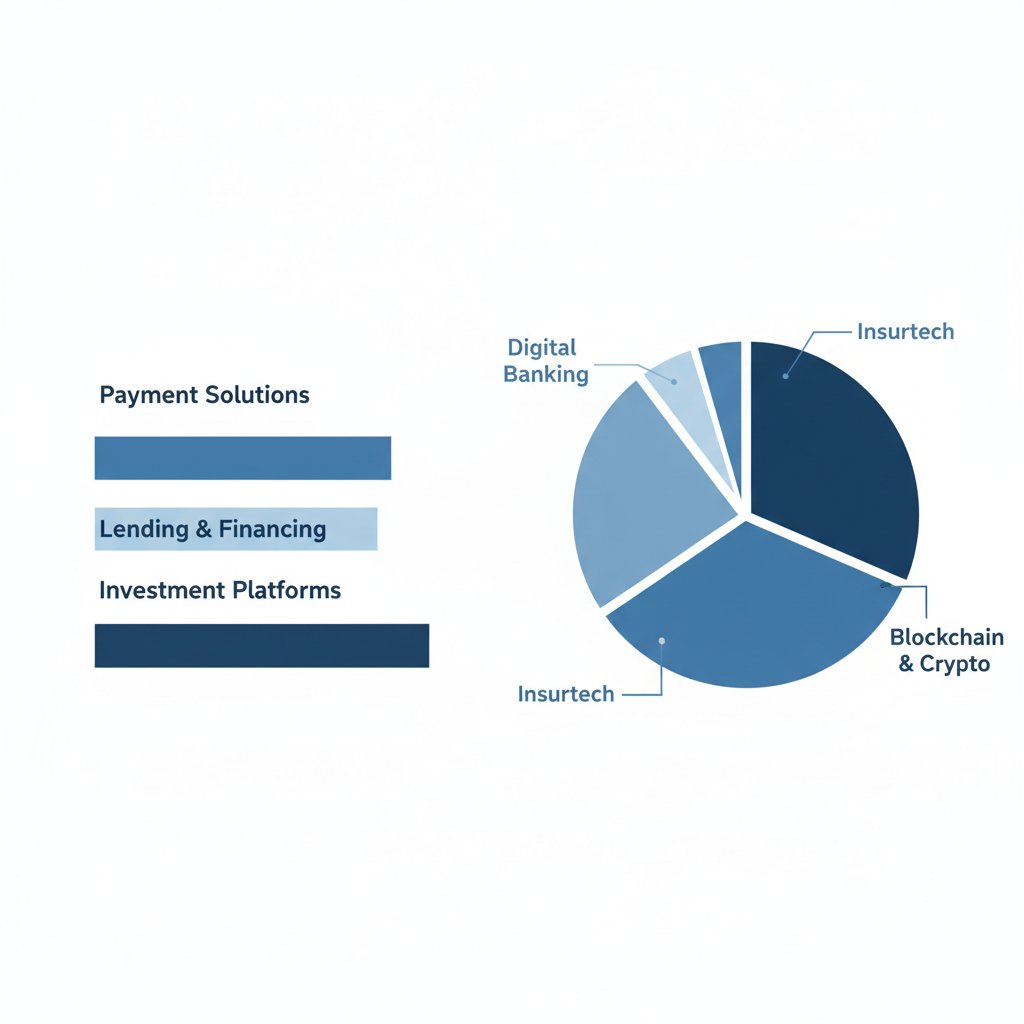
The rapid growth and diverse nature of fintech pose unique challenges for regulators worldwide. Ensuring consumer protection, maintaining financial stability, and fostering innovation are competing priorities. The regulatory frameworks are as varied as the fintech applications themselves.
Challenges in Regulation
- Fragmented Oversight: Fintech services often cross traditional regulatory boundaries. A single fintech might offer payments, lending, and investment features, each of which could fall under the purview of different agencies (e.g., banking regulators, securities commissions, consumer protection bureaus).
- Innovation vs. Regulation: Regulators struggle to keep pace with the speed of technological innovation. By the time a regulation is drafted for a new technology, the technology may have already evolved, or new innovations emerged.
- Cross-Border Operations: Many fintechs operate globally, making it challenging to apply national regulations consistently, leading to “regulatory arbitrage” where companies seek out jurisdictions with more favorable rules.
- Data Privacy and Security: The collection and processing of vast amounts of personal financial data by fintechs necessitate robust data protection laws and cybersecurity oversight.
Key Regulatory Approaches
- “Sandbox” Environments: Many countries have introduced “regulatory sandboxes” that allow fintech companies to test innovative products and services in a controlled environment with regulatory supervision. This enables regulators to observe new technologies firsthand and develop appropriate rules without stifling innovation.
- Licensing and Authorization: Depending on the services offered, fintech companies may need to obtain specific licenses, such as money transmitter licenses, lending licenses, or even full banking charters (for neobanks).
- Consumer Protection Laws: Existing consumer protection laws (e.g., truthful advertising, fair lending practices) are generally applied to fintech, but specific guidance may be issued for digital products.
- Anti-Money Laundering (AML) and Know Your Customer (KYC): These regulations are universal and require fintechs to verify customer identities and monitor transactions to prevent financial crimes, similar to traditional banks.
- Open Banking Regulations: Initiatives like the Payments Services Directive 2 (PSD2) in Europe mandate that banks open up customer data (with consent) to authorized third-party fintechs via APIs, fostering competition and innovation.
Major Regulatory Bodies (Examples)
- United States:
- Office of the Comptroller of the Currency (OCC): Considers national bank charters for fintechs.
- Consumer Financial Protection Bureau (CFPB): Protects consumers in the financial marketplace.
- Securities and Exchange Commission (SEC): Regulates investment-related fintechs (e.g., robo-advisors, security token offerings).
- State Regulators: Many fintech activities, particularly lending and money transmission, are regulated at the state level.
- European Union:
- European Banking Authority (EBA): Develops common rules and supervisory practices across the EU.
- National Central Banks and Financial Supervisory Authorities: Implement and enforce regulations in individual member states.
- GDPR (General Data Protection Regulation): A landmark data privacy law that heavily impacts any fintech operating with EU citizen data.
- United Kingdom:
- Financial Conduct Authority (FCA): A leading global regulator for fintech, known for its regulatory sandbox approach.
Learn more about Regtech and its role in compliance.
The Future of Fintech
The trajectory of fintech is one of continuous innovation and deeper integration into our daily lives. As technology advances and user expectations evolve, several key trends are poised to shape the future of financial services.
Hyper-Personalization Driven by AI and Machine Learning
Expect even more sophisticated AI models to deliver highly tailored financial experiences. This could include:
- Predictive Financial Advice: AI analyzing spending habits, income, and life events to proactively suggest savings strategies, investment adjustments, or insurance needs before customers even realize them.
- Dynamic Pricing: Insurance premiums or loan rates adjusting in real-time based on behavioral data (with consent).
- Contextual Offers: Financial products or services being offered precisely when and where they’re most relevant (e.g., a BNPL option appearing for a large expense, or a travel insurance offer when booking a flight).
Embedded Finance and Seamless Integration
The trend of embedding financial services directly into non-financial platforms will only accelerate. The goal is to make financial transactions and services invisible and integrated into everyday activities:
- Invisible Payments: Subscriptions that automatically renew without conscious effort, or ride-sharing apps that handle payments without requiring a separate “pay now” step.
- Finance at the Point of Need: Mortgage applications embedded within real estate platforms, or small business loans offered directly within accounting software.
- “Fintech-as-a-Service” (FaaS): Non-financial companies will increasingly leverage FaaS platforms to offer their own branded financial products without building the infrastructure themselves.
Blockchain and Decentralized Finance (DeFi) Maturation
While still nascent, blockchain and DeFi are expected to play a more significant role:
- Institutional Adoption of Digital Assets: More traditional financial institutions are likely to engage with tokenized assets, stablecoins, and even central bank digital currencies (CBDCs).
- Enhanced Transparency and Efficiency: Blockchain could streamline back-office operations for banks, improve cross-border payments, and provide more transparent record-keeping.
- DeFi Security and Regulation: As DeFi grows, expect increased focus on security audits, consumer protection, and regulatory frameworks to bring more mainstream acceptance.
Sustainability and Green Fintech
There’s a growing demand for financial products that align with environmental and social values:
- ESG Investing Tools: Fintech platforms making it easier for individuals to invest in companies with strong environmental, social, and governance practices.
- Carbon Footprint Tracking: Apps that calculate users’ carbon impact based on their spending, offering suggestions for more sustainable choices.
- Green Lending: Financial products that incentivize eco-friendly behaviors, such as lower interest rates for electric vehicle loans or energy-efficient home improvements.
Increased Focus on Financial Wellness and Education
As financial lives become more complex, fintech will play a crucial role in empowering individuals:
- Gamified Financial Education: Apps making learning about finance engaging and interactive.
- Proactive Debt Management: AI-powered tools that help users optimize debt repayment strategies or prevent overdrafts.
- Mental Health & Finance Integration: Services acknowledging the psychological aspects of money, offering support for financial anxiety or compulsive spending.
The future of fintech isn’t just about faster transactions; it’s about building a more inclusive, efficient, secure, and personalized financial ecosystem that truly serves the needs of individuals and businesses in an increasingly digital world.
Conclusion
Fintech represents a profound paradigm shift in the world of financial services. From its early roots in electronic transactions to the sophisticated AI-driven platforms and blockchain innovations of today, it has consistently pushed the boundaries of what is possible with money. We’ve explored the core question of what fintech is, unpacked its intricate technological underpinnings, examined the myriad benefits and inherent risks, and surveyed its diverse applications across banking, payments, investing, and more. The journey of fintech is far from over. As it continues to evolve, driven by advancements in AI, machine learning, and continued digital integration, it promises a future where financial services are more accessible, efficient, personalized, and seamlessly embedded into our daily lives. For consumers, this means more control, better insights, and a wider array of choices than ever before. For businesses, it offers new avenues for growth, efficiency, and customer engagement. Understanding this dynamic landscape is not just for industry insiders; it’s crucial for anyone seeking to navigate their personal finances and the economy of the future.
Frequently Asked Questions
Q1: Is fintech safe?
A1: Fintech companies generally employ robust security measures, including encryption, multi-factor authentication, and fraud detection AI, similar to or sometimes exceeding traditional banks. However, like any digital service, they are susceptible to cyber threats. The safety also depends heavily on the specific fintech provider, their regulatory compliance, and your own cybersecurity practices (e.g., strong passwords, avoiding phishing scams). Many, especially those operating as regulated banks (neobanks), offer FDIC or equivalent deposit insurance.
Q2: What is the difference between fintech and open banking?
A2: Fintech is the broad term for any technology that enhances financial services. Open banking is a regulatory and technological framework that enables secure, consented sharing of customer financial data between banks and approved third-party fintech providers via APIs. So, open banking is a specific enabler or type of fintech that facilitates greater collaboration, competition, and new services within the broader fintech ecosystem. Fintech existed before open banking, but open banking has significantly accelerated certain types of fintech innovation.
Q3: How do fintech companies make money?
A3: Fintech companies employ various business models. Common methods include transaction fees (e.g., payment processing fees, foreign exchange fees), subscription fees for premium features, interest on loans, interchange fees from debit/credit cards, charging for premium data insights, or charging other businesses for their “fintech-as-a-service” platforms. Some also earn through advertising or referral fees for connecting users with other financial products.
Q4: Will fintech replace traditional banks?
A4: While fintech poses a significant challenge to traditional banks, it’s unlikely to fully replace them in the near future. Instead, a hybrid model is emerging. Fintechs excel in user experience, specific niche services, and technological agility, while traditional banks offer stability, deep capital reserves, extensive regulatory compliance, and trust built over decades. Many traditional banks are now partnering with or acquiring fintechs, and conversely, some fintechs are seeking banking licenses. The future will likely see a convergence, with traditional banks adopting more fintech features and fintechs becoming more regulated and institutionalized.
Q5: What are some current trends in fintech?
A5: Major current trends include hyper-personalization powered by AI and machine learning, deeper integration of financial services into non-financial platforms (embedded finance), the maturation and increasing adoption of blockchain and decentralized finance (DeFi), a growing focus on sustainability and green fintech, and enhanced tools for financial wellness and education. Expect continued innovation around user experience, fraud prevention, and cross-border transactions.
What Is Fintech? A Complete Guide to Financial Technology
Affiliate disclosure: This article may contain affiliate links. Recommendations are independent and editorially driven.
The term “fintech” has permeated conversations about money, technology, and the future of finance. But what exactly is fintech, and why has it become such a powerful force in everyday personal finance? Essentially, fintech, a portmanteau of “financial” and “technology,” refers to any innovation in software, applications, or technology designed to improve, automate, or digitally deliver financial services. It encompasses a vast array of digital tools and platforms that streamline traditional financial processes, making them more efficient, accessible, and often more affordable for consumers and businesses alike.
Historically, financial services were the exclusive domain of established institutions like banks and credit unions. Transactions were often slow, expensive, and required physical presence. The rise of sophisticated technology, however, has democratized access to financial tools and reshaped how we manage our money. From mobile banking apps and digital payment systems to online investment platforms and cryptocurrency, fintech is fundamentally altering the global financial landscape. This comprehensive guide will explore the core concepts of fintech, its historical evolution, how it functions, its myriad applications, and the benefits and risks it presents to consumers and the broader economy.
The Evolution of Fintech: From Mainframes to Mobile-First
While the term “fintech” might seem like a recent invention, the intersection of finance and technology has a long history. Early forms of fintech can be traced back decades, far before the smartphone era. Understanding this evolution helps contextualize its current significance.
Pre-Digital Era Innovations (1950s-1980s)
- Credit Cards (1950s): The introduction of credit cards like Diners Club and BankAmericard (now Visa) revolutionized payments by digitizing transactions at the point of sale, reducing the need for physical cash.
- ATMs (1960s): Automated Teller Machines provided consumers with unprecedented access to their funds outside of traditional bank hours, a pivotal step towards self-service banking.
- Electronic Stock Trading (1970s): Early electronic trading systems began to automate stock market transactions, laying the groundwork for today’s high-speed exchanges.
- SWIFT (1973): The Society for Worldwide Interbank Financial Telecommunication (SWIFT) was established, creating a global network for secure interbank messaging and international payment instructions. This was a crucial, albeit behind-the-scenes, step in digitizing cross-border financial communication.
The Internet Age and Dot-Com Boom (1990s-Early 2000s)
The advent of the internet vastly accelerated fintech development. Online banking became a reality, allowing customers to view account balances, transfer funds, and pay bills from their personal computers.
- Online Banking: Early pioneers like Wells Fargo launched rudimentary online banking services, providing a glimpse into a future where banking was no longer confined to brick-and-mortar branches.
- Electronic Payment Processors: Companies like PayPal emerged, offering consumers and businesses an easy way to send and receive money online without direct bank transfers, especially for e-commerce.
- Discount Brokerages: Online platforms like E*TRADE made stock investing more accessible to individual investors by offering lower fees and self-service options, bypassing traditional full-service brokers.
The Smartphone Revolution and Web 2.0 (Mid-2000s-2010s)
The launch of the iPhone in 2007 and the subsequent explosion of mobile apps transformed the financial landscape. This period saw the true birth of what many now recognize as modern fintech, characterized by mobile-first experiences, user-centric design, and integration with everyday life.
- Mobile Banking Apps: Banks developed sophisticated apps mirroring and often exceeding the functionality of their desktop counterparts, bringing banking directly to users’ pockets.
- Peer-to-Peer (P2P) Payments: Services like Venmo and Cash App (initially Square Cash) popularized instant money transfers between individuals, often with social elements.
- Robo-Advisors: Automated investment platforms like Betterment and Wealthfront began offering algorithmic portfolio management at a fraction of the cost of traditional financial advisors.
- Crowdfunding Platforms: Kickstarter and Indiegogo demonstrated the power of collective funding for projects and businesses, bypassing traditional venture capital or bank loans.
The Present and Future: AI, Blockchain, and Embedded Finance (2020s and Beyond)
Today, fintech continues its rapid evolution, driven by advancements in artificial intelligence (AI), machine learning (blockchain), data analytics, and cloud computing. The focus is increasingly on hyper-personalization, seamless integration (embedded finance), and leveraging distributed ledger technologies.
- Neobanks and Challenger Banks: Digital-only banks like Chime, Monzo, and Revolut offer entirely app-based banking experiences, often with lower fees and innovative features.
- Blockchain and Cryptocurrencies: Bitcoin and other cryptocurrencies introduced decentralized, secure digital assets, spurring innovations in decentralized finance (DeFi) and tokenization.
- Open Banking and APIs: Regulatory initiatives (like PSD2 in Europe) and technological advancements have led to ‘open banking,’ where secure APIs (Application Programming Interfaces) allow third-party developers to build financial services on top of existing bank data (with user consent).
- Embedded Finance: Financial services are increasingly integrated directly into non-financial platforms, such as buy now, pay later (BNPL) options at online checkouts or insurance offerings within ride-sharing apps.
[INLINE IMAGE 1: place after second H2 | alt=”A smartphone displaying mobile banking interfaces alongside digital payment icons.”]
How Does Fintech Work? The Underlying Mechanics
The magic of fintech isn’t just in the apps we see; it’s powered by a sophisticated technological stack working behind the scenes. Understanding these core components helps demystify how fintech services deliver efficiency and innovation.
Application Programming Interfaces (APIs)
APIs are the backbone of modern fintech. Think of them as digital connectors that allow different software applications to talk to each other. For instance, when you link your budgeting app to your bank account, an API facilitates the secure exchange of your transaction data (with your explicit permission). APIs enable:
- Seamless Integration: Connecting various financial services, such as a payment gateway to an e-commerce platform, or a loan application to a credit scoring agency.
- Open Banking: Allowing third-party providers authorized access to financial data from banks, fostering competition and innovation in services like personalized financial advice or aggregated account views.
- Faster Development: Developers can leverage existing APIs instead of building every function from scratch, accelerating the creation of new fintech products.
Data Analytics and Artificial Intelligence (AI)
Fintech thrives on data – lots of it. From transaction histories to credit scores, behavioral patterns to market trends, data is the fuel. AI and machine learning (ML) algorithms then transform this raw data into actionable insights and automated processes.
- Personalized Services: AI analyzes user data to offer tailored financial advice, personalized investment strategies, or customized insurance policies.
- Fraud Detection: ML models can identify anomalous transaction patterns in real-time, significantly improving the detection and prevention of financial fraud.
- Credit Scoring: Alternative data sources (beyond traditional credit reports) combined with AI allow for more nuanced credit assessments, potentially expanding financial inclusion.
- Robo-Advisors: AI-driven algorithms manage investment portfolios based on predefined risk tolerances and financial goals, automating asset allocation and rebalancing.
Cloud Computing
Cloud computing provides the flexible, scalable, and cost-effective infrastructure that fintech companies need to operate. Instead of owning and maintaining expensive physical servers, fintech firms can host their applications and data on remote servers managed by cloud providers (like Amazon Web Services, Microsoft Azure, or Google Cloud Platform).
- Scalability: Fintech services can quickly scale up or down to meet fluctuating demand, from handling a few transactions to processing millions during peak times.
- Cost Efficiency: Reduces the need for large capital expenditures on IT infrastructure, allowing startups to innovate more rapidly.
- Global Reach: Cloud data centers around the world enable fintech services to operate seamlessly across different geographies.
- Security: Reputable cloud providers invest heavily in security measures, often exceeding what individual companies can afford, though data privacy remains a shared responsibility.
Blockchain and Distributed Ledger Technology (DLT)
Blockchain, the underlying technology behind cryptocurrencies like Bitcoin, is a type of Distributed Ledger Technology (DLT). It creates a decentralized, immutable, and transparent record of transactions across a network of computers.
- Cryptocurrencies: Digital assets designed to work as a medium of exchange using cryptography to secure transactions and control the creation of new units.
- Smart Contracts: Self-executing contracts with the terms of the agreement directly written into code. They can automate processes like escrow or insurance claims once predefined conditions are met.
- Supply Chain Finance: Blockchain can provide transparent and verifiable records for supply chain transactions, improving efficiency and reducing fraud in trade finance.
- Digital Identity: Could offer more secure and user-controlled digital identity solutions, reducing reliance on centralized identity providers.
Cybersecurity Protocols
Given the sensitive nature of financial data, robust cybersecurity is paramount in fintech. This involves a multi-layered approach to protecting data from unauthorized access, breaches, and cyberattacks.
- Encryption: Scrambling data to prevent unauthorized reading, both in transit (e.g., HTTPS for websites) and at rest (stored databases).
- Multi-Factor Authentication (MFA): Requiring more than one method of verification (e.g., password plus a code from your phone) to access accounts.
- Regulatory Compliance: Adhering to strict data protection regulations like GDPR (Europe) and CCPA (California) or industry standards like PCI DSS for payment card data.
- Threat Detection: Employing AI and behavioral analytics to identify and neutralize potential threats in real-time.
The Benefits and Risks of Fintech
Fintech offers a compelling vision for the future of finance, replete with advantages for consumers and businesses alike. However, like any rapidly evolving technology, it also introduces a new set of challenges and considerations. It’s crucial to weigh both sides to fully understand its impact.
Benefits of Fintech
-
Increased Accessibility and Financial Inclusion
Democratization of Services: Fintech has lowered barriers to entry for many financial services. People who traditionally lacked access to banks (the ‘unbanked’ or ‘underbanked’) can now open digital accounts, send money, or access micro-loans via mobile phones, particularly in developing economies.
Broader Investment Access: Robo-advisors and fractional share trading platforms allow individuals with smaller capital to invest in diversified portfolios or popular stocks, democratizing wealth building.
-
Enhanced Efficiency and Speed
Instant Transactions: P2P payment apps and real-time payment networks enable money transfers that settle in seconds, not days, significantly improving personal and business cash flow.
Streamlined Processes: Digital loan applications, automated underwriting, and instant credit checks reduce approval times from weeks to minutes or hours.
-
Lower Costs and Fees
Reduced Overheads: Digital-only banks (neobanks) and online lenders have significantly lower operating costs compared to traditional institutions with extensive branch networks. These savings are often passed on to customers through lower fees or even fee-free services.
Competitive Pricing: The rise of fintech has spurred competition, forcing traditional players to innovate and often reduce their own fees or improve their digital offerings.
-
Improved User Experience and Personalization
Intuitive Interfaces: Fintech applications are often designed with a strong focus on user experience (UX), offering intuitive and aesthetically pleasing interfaces.
Tailored Products: Leveraging AI and data analytics, fintech companies can offer highly personalized financial advice, investment recommendations, and product offerings that align with individual spending habits and financial goals.
Convenience: Managing finances anytime, anywhere, directly from a smartphone or computer, adds unparalleled convenience to daily life.
-
Innovation and New Service Offerings
New Business Models: Fintech has birthed entirely new categories of financial services, from BNPL solutions to sophisticated wealth management tools based on behavioral economics.
Data-Driven Insights: Budgeting apps provide detailed insights into spending patterns, helping users make more informed financial decisions.
Risks of Fintech
-
Cybersecurity Threats and Data Breaches
Attractive Targets: Fintech companies handle vast amounts of sensitive personal and financial data, making them prime targets for cyber criminals.
Vulnerability: While many fintechs invest heavily in security, a single vulnerability or successful attack can lead to widespread data breaches, identity theft, and significant financial losses for users.
-
Regulatory Ambiguity and Gaps
Rapid Innovation vs. Slow Regulation: The pace of fintech innovation often outstrips the ability of regulators to create comprehensive frameworks. This can lead to grey areas, inconsistent consumer protections, or regulatory arbitrage.
Consumer Protection: Lack of clear regulation may leave consumers exposed in areas like dispute resolution, data privacy, or ensuring the solvency of certain fintech platforms.
-
Financial Stability Concerns
Systemic Risk: As fintech becomes more integrated into the broader financial system, a failure in a major fintech player or a widespread cyber attack could potentially have ripple effects across the economy.
Liquidity Risks: Some newer financial products or investment platforms might pose liquidity risks if assets cannot be easily converted to cash.
-
Data Privacy and Ethical AI Concerns
Pervasive Data Collection: While data analytics enable personalization, the sheer volume of personal data collected raises concerns about how this data is stored, shared, and utilized.
Algorithmic Bias: AI models, if poorly designed or trained on biased data, can perpetuate or even amplify existing biases in areas like credit scoring, loan approvals, or insurance rates, leading to discriminatory outcomes.
Lack of Transparency: The “black box” nature of some AI algorithms can make it difficult to understand how decisions are made, impacting fairness and accountability.
-
Digital Divide and Exclusion
Internet Access Dependence: Fintech services require access to smartphones, internet connectivity, and digital literacy. This can exacerbate the digital divide, excluding those who lack these resources, particularly the elderly or low-income populations.
Customer Service: While efficient, reliance on chatbots and online support can be frustrating for users who prefer human interaction, especially for complex issues or during crises.
[INLINE IMAGE 2: place after fourth H2 | alt=”A stylized illustration showing various fintech applications like mobile banking, cryptocurrency, and online investing, alongside traditional financial symbols, with arrows indicating comparative features.”]
Key Areas and Examples of Fintech Applications
Fintech isn’t a monolithic entity; it’s a vast ecosystem of diverse products and services, each addressing a specific need within the financial world. Here’s a breakdown of the most prominent areas of fintech application, complete with real-world examples.
Digital Payments and Wallets
This is perhaps the most visible and widely adopted segment of fintech, transforming how we spend and transfer money.
- Mobile Payment Apps: Apple Pay, Google Pay, and Samsung Pay allow users to make secure, contactless payments using their smartphones or smartwatches at point-of-sale terminals.
- Peer-to-Peer (P2P) Transfers: Venmo, Cash App, and Zelle enable individuals to send and receive money instantly from their mobile devices, often linking directly to bank accounts.
- Digital Wallets: Platforms like PayPal store payment information – credit cards, debit cards, bank accounts – allowing for one-click online purchases without repeatedly entering details.
- Cross-Border Payments: Companies like Wise (formerly TransferWise) offer lower fees and better exchange rates for international money transfers compared to traditional banks.
Banking and Lending
Fintech is reimagining traditional banking models, often with a focus on convenience, transparency, and personalization.
- Neobanks/Challenger Banks: Digital-only banks like Chime, Monzo, N26, and Revolut operate entirely online or via mobile apps, offering checking accounts, savings accounts, and debit cards without physical branches. They often provide advanced budgeting tools, early paycheck access, and travel benefits.
- Online Lenders: Companies such as Upstart, LendingClub, and Prosper use alternative data and AI-driven underwriting to offer personal loans, student loan refinancing, and small business loans, often with faster approval processes than traditional banks.
- Buy Now, Pay Later (BNPL): Services like Affirm, Klarna, and Afterpay allow consumers to split purchases into interest-free installments, a rapidly growing payment option at online and in-store checkouts.
Investment and Wealth Management
Fintech has democratized investing, making it more accessible and affordable for a broader range of investors.
- Robo-Advisors: Platforms like Betterment and Wealthfront use algorithms to automatically manage investment portfolios based on a user’s risk tolerance, financial goals, and time horizon. They offer diversified portfolios at a lower cost than human advisors.
- Fractional Share Investing: Apps like Robinhood and M1 Finance allow users to buy tiny fractions of expensive stocks, making investing in blue-chip companies accessible to those with limited capital.
- Social Trading: Platforms like eToro enable users to copy the trades of successful investors, fostering a community-driven approach to investing.
- Impact Investing Platforms: Companies focused on socially responsible investing (SRI) use fintech to help users invest in companies aligned with their environmental, social, and governance (ESG) values.
Blockchain and Cryptocurrency
This frontier of fintech explores decentralized finance and digital assets, with significant implications for global monetary systems and data security.
- Cryptocurrency Exchanges: Platforms like Coinbase, Binance, and Kraken allow users to buy, sell, and trade various cryptocurrencies (Bitcoin, Ethereum, etc.).
- Decentralized Finance (DeFi): An umbrella term for financial applications built on blockchain, often without intermediaries. This includes decentralized exchanges (DEXs), lending platforms (e.g., Aave, Compound), and yield farming protocols.
- Non-Fungible Tokens (NFTs): Unique digital assets stored on a blockchain, representing ownership of digital or physical items, from art to collectibles.
- Stablecoins: Cryptocurrencies pegged to a stable asset like the US dollar (e.g., USDT, USDC) to reduce volatility and facilitate transactions.
Insurtech (Insurance Technology)
Insurtech applies technology to streamline and innovate the insurance industry, from underwriting to claims processing.
- Personalized Insurance: Companies like Lemonade use AI and behavioral data to offer highly personalized insurance policies for renters, homeowners, and pets, often with instant quotes and claims processing.
- Telematics Insurance: Usage-based auto insurance models where devices in cars (or smartphone apps) monitor driving behavior, potentially leading to lower premiums for safe drivers.
- P2P Insurance: Models where groups of policyholders pool premiums, and claims are paid from the pool, with any surplus returned to members.
Regtech (Regulatory Technology)
Regtech leverages technology, primarily AI and big data, to help financial institutions comply with complex regulatory requirements more efficiently and effectively.
- Anti-Money Laundering (AML) and Know Your Customer (KYC): AI-powered solutions automate identity verification and transaction monitoring to detect and prevent illicit financial activities.
- Compliance Reporting: Automating the generation of regulatory reports, reducing manual effort and potential errors.
- Risk Management: Using data analytics to identify and mitigate financial risks in real-time.
Personal Financial Management (PFM)
These tools empower individuals to better track, manage, and understand their personal finances.
- Budgeting Apps: Mint, YNAB (You Need A Budget), and Personal Capital aggregate financial data from various sources (bank accounts, credit cards) to help users track spending, create budgets, and set financial goals.
- Robo-Retirement Planning: Services that automate contributions and investments for retirement accounts like IRAs and 401(k)s.
- Credit Monitoring: Apps that provide users with their credit scores, reports, and alerts for any suspicious activity.
Explore top personal finance apps on fin3go.
Fintech vs. Traditional Banking
The rise of fintech has opened a new front in the financial services industry, often challenging the established dominance of traditional banks. Understanding the distinctions between these two approaches is key to grasping the ongoing transformation.
Key Differences Illustrated
| Feature | Fintech (e.g., Neobank, Fintech App) | Traditional Bank (e.g., Major Commercial Bank) |
|---|---|---|
| Business Model | Digital-first; focus on niche services or full digital experience. Lower overheads. | Branch-centric; diversified services (deposits, loans, investments, wealth management). High overheads. |
| Technology Stack | Modern, cloud-native, API-driven, agile development. | Legacy systems, often mainframe-based, complex integration, slower development cycles. |
| User Experience | Mobile-first design, intuitive interfaces, high personalization, seamless digital journey. | Often designed around physical interactions, less intuitive digital platforms, digital services may vary. |
| Cost & Fees | Often lower or zero fees, competitive exchange rates, transparent pricing due to lower operating costs. | Higher fees for various services (monthly maintenance, overdraft, international transfers), often less transparent structures. |
| Accessibility | 24/7 digital access globally, often appeals to younger, tech-savvy demographics and the unbanked. | Limited branch hours, geographical constraints, appealing to those who prefer in-person service. |
| Customer Service | Predominantly digital (chatbots, in-app support, email), some offer phone support. Scalable but can lack human touch. | Multi-channel (in-person at branches, phone, online). Offers human interaction for complex issues. |
| Regulatory Landscape | Varies widely; some are regulated as banks (if chartered), others as money transmitters or tech companies, potentially leading to regulatory gaps. | Highly regulated (central banks, financial authorities), extensive consumer protection frameworks due to systemic importance. |
| Innovation Pace | Rapid iteration, quick deployment of new features, open to disruptive technologies like AI and blockchain. | Slower innovation due to legacy systems, regulatory burden, and risk aversion. Often acquires or partners with fintechs. |
The Blurring Lines: Convergence and Collaboration
While often presented as rivals, the relationship between fintech and traditional banking is increasingly characterized by convergence and collaboration. Recognizing the strengths of each, both sectors are evolving:
- Bank-Fintech Partnerships: Traditional banks are partnering with fintech companies to leverage their technology and agility. This could involve using a fintech’s API for faster loan processing or integrating a fintech’s budgeting tools into their mobile banking app.
- Acquisitions: Larger traditional banks acquire successful fintechs to gain market share, innovative technology, and a younger customer base.
- In-House Innovation: Banks are investing heavily in their own digital transformation, building internal innovation labs, and developing their own competing fintech products.
- Embedded Finance by Banks: Banks are increasingly placing their financial products directly into non-financial platforms, showing an adoption of fintech’s “distribution-first” mindset.
Ultimately, the financial landscape of the future will likely be a hybrid model, where traditional banks adopt more fintech characteristics and fintechs increasingly mature into regulated, institutional players, offering consumers the best of both worlds.
The Regulatory Landscape of Fintech
The rapid growth and diverse nature of fintech pose unique challenges for regulators worldwide. Ensuring consumer protection, maintaining financial stability, and fostering innovation are competing priorities. The regulatory frameworks are as varied as the fintech applications themselves.
Challenges in Regulation
- Fragmented Oversight: Fintech services often cross traditional regulatory boundaries. A single fintech might offer payments, lending, and investment features, each of which could fall under the purview of different agencies (e.g., banking regulators, securities commissions, consumer protection bureaus).
- Innovation vs. Regulation: Regulators struggle to keep pace with the speed of technological innovation. By the time a regulation is drafted for a new technology, the technology may have already evolved, or new innovations emerged.
- Cross-Border Operations: Many fintechs operate globally, making it challenging to apply national regulations consistently, leading to “regulatory arbitrage” where companies seek out jurisdictions with more favorable rules.
- Data Privacy and Security: The collection and processing of vast amounts of personal financial data by fintechs necessitate robust data protection laws and cybersecurity oversight.
Key Regulatory Approaches
- “Sandbox” Environments: Many countries have introduced “regulatory sandboxes” that allow fintech companies to test innovative products and services in a controlled environment with regulatory supervision. This enables regulators to observe new technologies firsthand and develop appropriate rules without stifling innovation.
- Licensing and Authorization: Depending on the services offered, fintech companies may need to obtain specific licenses, such as money transmitter licenses, lending licenses, or even full banking charters (for neobanks).
- Consumer Protection Laws: Existing consumer protection laws (e.g., truthful advertising, fair lending practices) are generally applied to fintech, but specific guidance may be issued for digital products.
- Anti-Money Laundering (AML) and Know Your Customer (KYC): These regulations are universal and require fintechs to verify customer identities and monitor transactions to prevent financial crimes, similar to traditional banks.
- Open Banking Regulations: Initiatives like the Payments Services Directive 2 (PSD2) in Europe mandate that banks open up customer data (with consent) to authorized third-party fintechs via APIs, fostering competition and innovation.
Major Regulatory Bodies (Examples)
- United States:
- Office of the Comptroller of the Currency (OCC): Considers national bank charters for fintechs.
- Consumer Financial Protection Bureau (CFPB): Protects consumers in the financial marketplace.
- Securities and Exchange Commission (SEC): Regulates investment-related fintechs (e.g., robo-advisors, security token offerings).
- State Regulators: Many fintech activities, particularly lending and money transmission, are regulated at the state level.
- European Union:
- European Banking Authority (EBA): Develops common rules and supervisory practices across the EU.
- National Central Banks and Financial Supervisory Authorities: Implement and enforce regulations in individual member states.
- GDPR (General Data Protection Regulation): A landmark data privacy law that heavily impacts any fintech operating with EU citizen data.
- United Kingdom:
- Financial Conduct Authority (FCA): A leading global regulator for fintech, known for its regulatory sandbox approach.
Learn more about Regtech and its role in compliance.
The Future of Fintech
The trajectory of fintech is one of continuous innovation and deeper integration into our daily lives. As technology advances and user expectations evolve, several key trends are poised to shape the future of financial services.
Hyper-Personalization Driven by AI and Machine Learning
Expect even more sophisticated AI models to deliver highly tailored financial experiences. This could include:
- Predictive Financial Advice: AI analyzing spending habits, income, and life events to proactively suggest savings strategies, investment adjustments, or insurance needs before customers even realize them.
- Dynamic Pricing: Insurance premiums or loan rates adjusting in real-time based on behavioral data (with consent).
- Contextual Offers: Financial products or services being offered precisely when and where they’re most relevant (e.g., a BNPL option appearing for a large expense, or a travel insurance offer when booking a flight).
Embedded Finance and Seamless Integration
The trend of embedding financial services directly into non-financial platforms will only accelerate. The goal is to make financial transactions and services invisible and integrated into everyday activities:
- Invisible Payments: Subscriptions that automatically renew without conscious effort, or ride-sharing apps that handle payments without requiring a separate “pay now” step.
- Finance at the Point of Need: Mortgage applications embedded within real estate platforms, or small business loans offered directly within accounting software.
- “Fintech-as-a-Service” (FaaS): Non-financial companies will increasingly leverage FaaS platforms to offer their own branded financial products without building the infrastructure themselves.
Blockchain and Decentralized Finance (DeFi) Maturation
While still nascent, blockchain and DeFi are expected to play a more significant role:
- Institutional Adoption of Digital Assets: More traditional financial institutions are likely to engage with tokenized assets, stablecoins, and even central bank digital currencies (CBDCs).
- Enhanced Transparency and Efficiency: Blockchain could streamline back-office operations for banks, improve cross-border payments, and provide more transparent record-keeping.
- DeFi Security and Regulation: As DeFi grows, expect increased focus on security audits, consumer protection, and regulatory frameworks to bring more mainstream acceptance.
Sustainability and Green Fintech
There’s a growing demand for financial products that align with environmental and social values:
- ESG Investing Tools: Fintech platforms making it easier for individuals to invest in companies with strong environmental, social, and governance practices.
- Carbon Footprint Tracking: Apps that calculate users’ carbon impact based on their spending, offering suggestions for more sustainable choices.
- Green Lending: Financial products that incentivize eco-friendly behaviors, such as lower interest rates for electric vehicle loans or energy-efficient home improvements.
Increased Focus on Financial Wellness and Education
As financial lives become more complex, fintech will play a crucial role in empowering individuals:
- Gamified Financial Education: Apps making learning about finance engaging and interactive.
- Proactive Debt Management: AI-powered tools that help users optimize debt repayment strategies or prevent overdrafts.
- Mental Health & Finance Integration: Services acknowledging the psychological aspects of money, offering support for financial anxiety or compulsive spending.
The future of fintech isn’t just about faster transactions; it’s about building a more inclusive, efficient, secure, and personalized financial ecosystem that truly serves the needs of individuals and businesses in an increasingly digital world.
Conclusion
Fintech represents a profound paradigm shift in the world of financial services. From its early roots in electronic transactions to the sophisticated AI-driven platforms and blockchain innovations of today, it has consistently pushed the boundaries of what is possible with money. We’ve explored the core question of what fintech is, unpacked its intricate technological underpinnings, examined the myriad benefits and inherent risks, and surveyed its diverse applications across banking, payments, investing, and more. The journey of fintech is far from over. As it continues to evolve, driven by advancements in AI, machine learning, and continued digital integration, it promises a future where financial services are more accessible, efficient, personalized, and seamlessly embedded into our daily lives. For consumers, this means more control, better insights, and a wider array of choices than ever before. For businesses, it offers new avenues for growth, efficiency, and customer engagement. Understanding this dynamic landscape is not just for industry insiders; it’s crucial for anyone seeking to navigate their personal finances and the economy of the future.
Frequently Asked Questions
Q1: Is fintech safe?
A1: Fintech companies generally employ robust security measures, including encryption, multi-factor authentication, and fraud detection AI, similar to or sometimes exceeding traditional banks. However, like any digital service, they are susceptible to cyber threats. The safety also depends heavily on the specific fintech provider, their regulatory compliance, and your own cybersecurity practices (e.g., strong passwords, avoiding phishing scams). Many, especially those operating as regulated banks (neobanks), offer FDIC or equivalent deposit insurance.
Q2: What is the difference between fintech and open banking?
A2: Fintech is the broad term for any technology that enhances financial services. Open banking is a regulatory and technological framework that enables secure, consented sharing of customer financial data between banks and approved third-party fintech providers via APIs. So, open banking is a specific enabler or type of fintech that facilitates greater collaboration, competition, and new services within the broader fintech ecosystem. Fintech existed before open banking, but open banking has significantly accelerated certain types of fintech innovation.
Q3: How do fintech companies make money?
A3: Fintech companies employ various business models. Common methods include transaction fees (e.g., payment processing fees, foreign exchange fees), subscription fees for premium features, interest on loans, interchange fees from debit/credit cards, charging for premium data insights, or charging other businesses for their “fintech-as-a-service” platforms. Some also earn through advertising or referral fees for connecting users with other financial products.
Q4: Will fintech replace traditional banks?
A4: While fintech poses a significant challenge to traditional banks, it’s unlikely to fully replace them in the near future. Instead, a hybrid model is emerging. Fintechs excel in user experience, specific niche services, and technological agility, while traditional banks offer stability, deep capital reserves, extensive regulatory compliance, and trust built over decades. Many traditional banks are now partnering with or acquiring fintechs, and conversely, some fintechs are seeking banking licenses. The future will likely see a convergence, with traditional banks adopting more fintech features and fintechs becoming more regulated and institutionalized.
Q5: What are some current trends in fintech?
A5: Major current trends include hyper-personalization powered by AI and machine learning, deeper integration of financial services into non-financial platforms (embedded finance), the maturation and increasing adoption of blockchain and decentralized finance (DeFi), a growing focus on sustainability and green fintech, and enhanced tools for financial wellness and education. Expect continued innovation around user experience, fraud prevention, and cross-border transactions.