


html
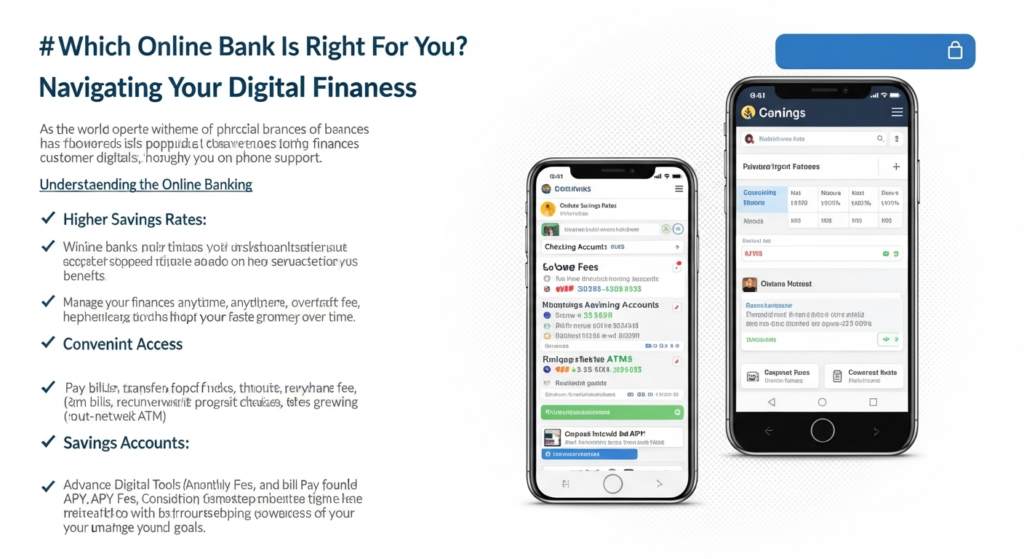
The financial landscape is evolving at an unprecedented pace, and at the heart of this transformation is the rise of online banks. Gone are the days when a brick-and-mortar branch was a necessity for managing your money. Today, digital-first institutions offer unparalleled convenience, often better interest rates, and innovative tools right at your fingertips. But with so many options vying for your attention, how do you determine which online bank is the perfect fit for your unique financial journey in 2026? This comprehensive guide from Fin3go will empower you to navigate the digital banking world, assess your needs, and confidently choose the best online bank to help you achieve your financial goals.
The Digital Revolution in Banking: Why Online is the Future
For decades, traditional banks with their expansive networks of physical branches dominated the financial sector. However, the internet and advancements in financial technology (Fintech) have ushered in a new era. Online banks, unburdened by the overhead costs of maintaining physical locations, can pass those savings onto their customers in several compelling ways. This fundamental difference creates a distinct advantage that savvy consumers are increasingly leveraging.
- Higher Interest Rates: One of the most significant benefits of online banks is their ability to offer substantially higher interest rates on savings accounts and, sometimes, even checking accounts. Without the need to pay for rent, utilities, and staff for hundreds of branches, online banks can afford to be more generous with the returns they offer on your deposits. This means your money works harder for you, growing faster over time, which is a crucial element for anyone serious about building wealth.
- Lower Fees: Traditional banks are notorious for their myriad fees—monthly maintenance fees, ATM fees, overdraft fees, foreign transaction fees, and more. Online banks often boast a minimalist fee structure, with many offering checking and savings accounts with no monthly fees, no minimum balance requirements, and even free access to extensive ATM networks. This can translate into significant savings annually, freeing up more of your hard-earned cash for investing or pursuing other financial goals.
- Unparalleled Convenience: Imagine managing your entire financial life from the comfort of your couch, your commute, or even while traveling abroad. Online banks provide 24/7 access to your accounts via robust mobile apps and user-friendly websites. You can deposit checks by simply snapping a photo, transfer funds instantly, pay bills, and monitor your spending habits—all without stepping foot in a branch. This level of accessibility is especially beneficial for individuals with busy schedules or those living in remote areas.
- Innovative Technology and Tools: Online banks are often at the forefront of financial innovation. They invest heavily in cutting-edge technology, offering intuitive mobile apps, advanced budgeting tools, spending trackers, automatic savings features, and personalized financial insights. These tools can help you better understand your money, identify areas for improvement, and automate your path to financial success.
- Accessibility: For college students juggling classes and perhaps exploring various income ideas for college students, an online bank offers the flexibility to manage their finances without needing to find a branch near campus or during limited banking hours. Similarly, for entrepreneurs diving into online business ideas you can start with no money, the ease of setting up accounts and managing transactions remotely is a game-changer.
Key Features to Look for in an Online Bank

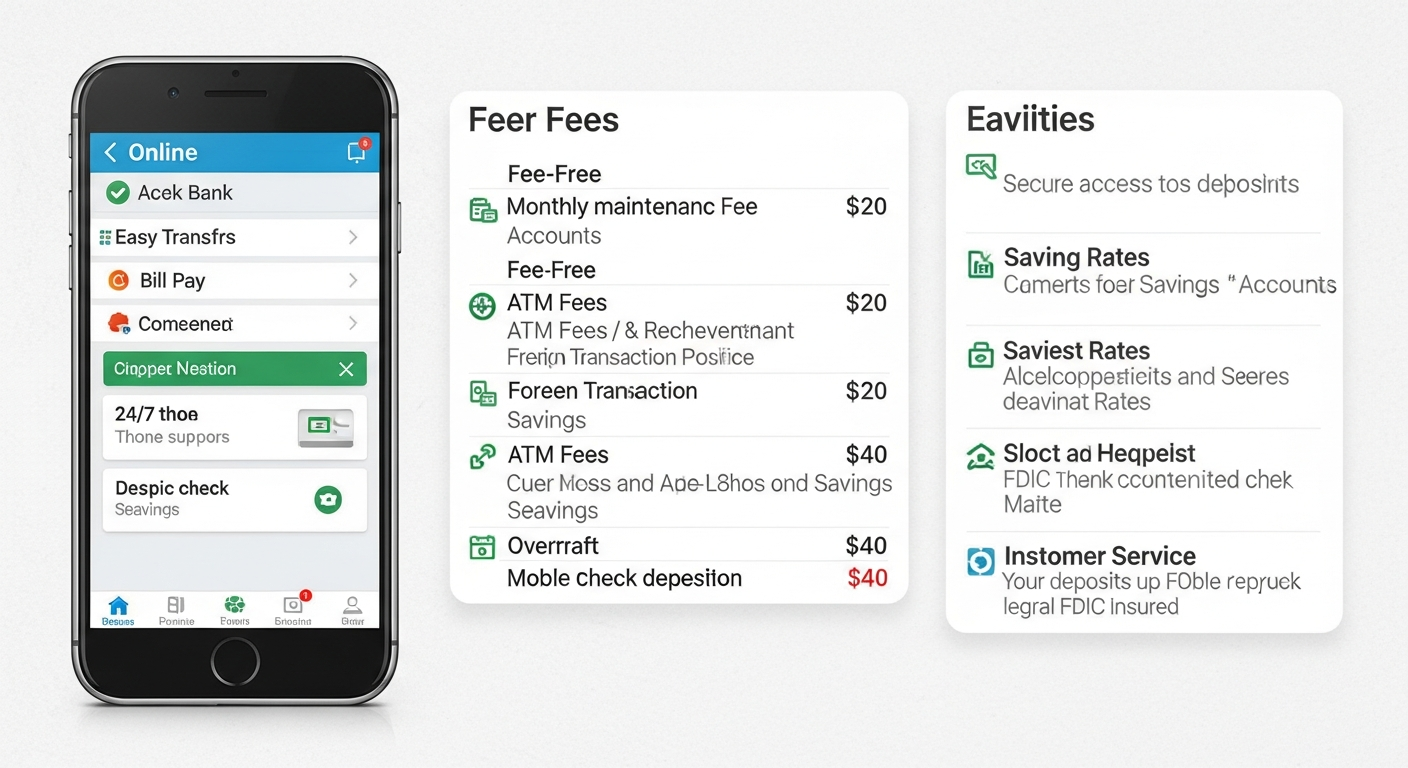
Choosing an online bank isn’t just about finding the highest interest rate. It’s about finding a partner that aligns with your financial habits and needs. Here are the critical features to scrutinize:
- Interest Rates (APY) on Savings and Checking: This is often the primary draw. Compare the Annual Percentage Yield (APY) offered on savings accounts. Even small differences can add up significantly over time. Some online banks also offer competitive APYs on checking balances, which can be a nice bonus.
- Fee Structure: A truly great online bank should have minimal to no fees. Look out for:
- Monthly Maintenance Fees: Ideally, none, or easily waivable.
- ATM Fees: Does the bank offer fee-free access to a wide network of ATMs? Do they reimburse third-party ATM fees?
- Overdraft Fees: Some online banks offer innovative solutions to prevent overdrafts or charge significantly lower fees.
- Foreign Transaction Fees: Crucial for travelers.
- ATM Access: Since there are no physical branches, ATM access is paramount. Look for banks that partner with large, fee-free ATM networks (like Allpoint or MoneyPass) or offer reimbursements for out-of-network ATM fees.
- Mobile App Functionality and User Experience: A clunky app can quickly negate the convenience factor. Test out the app’s features (if possible, through screenshots or reviews) for ease of use, mobile check deposit, bill pay, transfers, budgeting tools, and biometric login options. A seamless user experience is vital for daily banking.
- Customer Service: While online banks excel at digital interactions, robust customer support is still essential. Look for 24/7 access via phone, chat, or email. Check reviews regarding response times and helpfulness.
- Security and FDIC Insurance: Your money’s safety should be non-negotiable. Ensure the bank is FDIC-insured (Federal Deposit Insurance Corporation), meaning your deposits are protected up to $250,000 per depositor, per insured bank, for each account ownership category. Additionally, verify their security measures like two-factor authentication, encryption, and fraud monitoring.
- Cash Deposit Options: How can you deposit cash? Some online banks partner with retailers (like Green Dot or participating drugstores) for cash deposits, while others may require money orders or transfers from other accounts. This is a key consideration if you frequently handle cash.
- Additional Services: Do they offer features like early direct deposit, budgeting tools, savings goals, credit cards, personal loans, or even investment accounts? These integrated services can simplify your financial life.
Understanding Your Banking Needs: A Self-Assessment
Before you dive into comparing banks, take a moment to understand your own financial habits and priorities. This self-assessment will narrow down your options considerably.
- What is your primary use for the account?
- Everyday Spending (Checking): Do you need frequent access to funds, bill pay, and a debit card? Look for excellent checking features, easy transfers, and ATM access.
- Saving for Goals (Savings): Are you focused on growing your emergency fund, down payment, or retirement nest egg? Prioritize high APYs and perhaps automated savings tools.
- Combination (Checking & Savings): Many people need both, seeking an online bank that offers competitive rates and robust features for both account types, often under the same roof.
- Business Banking: If you’re pursuing online business ideas you can start with no money, you’ll need a bank that can handle business transactions, potentially offer integrations with accounting software, and provide business checking and savings options, separate from your personal finances.
- How often do you handle cash? If you frequently receive or need to deposit cash, you’ll need an online bank with convenient cash deposit options, whether through retail partners or alternative methods. If cash is rare for you, this concern diminishes.
- What is your typical transaction volume? Do you make many small transactions, or fewer, larger ones? Some accounts might have transaction limits or charge fees after a certain number.
- How tech-savvy are you? While all online banks require some level of digital comfort, some interfaces are more intuitive than others. Look for an app and website that feel natural to you.
- What are your long-term financial goals? Are you looking for a bank that can grow with you, potentially offering investment options, credit products, or financial planning tools down the line? For those interested in more complex investment strategies, like understanding the risks and returns of mortgage backed securities, an online bank with an integrated brokerage platform or seamless integration with third-party investment services might be beneficial, even if the bank itself doesn’t offer MBS directly.
- Do you travel frequently, especially internationally? If so, look for banks with no foreign transaction fees and robust international transfer capabilities.
Top Contenders in the Online Banking Space (Categorically Speaking)
While Fin3go doesn’t endorse specific banks, we can categorize the types of online banks you’ll encounter, each excelling in different areas. Understanding these categories will help you match them to your self-assessment.
-
High-Yield Savings Specialists:
These banks prioritize offering some of the highest APYs on savings accounts, making them ideal for individuals focused on growing their emergency funds, down payments, or other substantial savings goals. They often have minimalist checking account features, or no checking accounts at all, focusing purely on maximizing your savings returns. They are perfect for parking money you don’t need immediate access to but want to see grow steadily. Many also offer tools for setting up multiple savings goals within one account.
-
All-in-One Digital Banks:
These institutions aim to be your primary bank, offering a comprehensive suite of services including high-yield checking, competitive savings rates, robust mobile apps, extensive ATM networks, and often integrated budgeting and financial planning tools. They are designed for convenience and to replace your traditional bank entirely, providing a holistic digital banking experience. They often excel in user experience and feature-rich apps, making daily financial management seamless.
-
Challenger Banks (Neobanks):
These are often newer, technology-driven banks that aim to disrupt traditional banking with innovative features and a fresh approach. They might focus on specific demographics (e.g., freelancers, Gen Z) or specific pain points (e.g., eliminating overdraft fees, early direct deposit). While some are FDIC-insured through partner banks, others operate differently. Their strength lies in their cutting-edge apps, personalized insights, and often unique financial products. They are excellent for those who are early adopters of technology and appreciate novel features.
-
Investment-Integrated Banks:
Some online banks are either part of a larger brokerage firm or offer seamless integration with investment platforms. These are ideal for individuals looking to consolidate their banking and investing activities under one roof. While they may not offer direct access to every complex investment vehicle, such as mortgage backed securities (which are typically for more sophisticated investors), they often provide easy access to stocks, ETFs, and mutual funds. This integration simplifies transfers between banking and investment accounts and offers a unified view of your financial portfolio. They are perfect for those who want to automate their savings and investing routine.
Beyond Basic Banking: Advanced Considerations
As your financial journey progresses, your banking needs might extend beyond simple checking and savings. Online banks are increasingly offering advanced features that can further streamline your financial life.
- Budgeting Tools and Expense Tracking: Many online banks now integrate sophisticated budgeting tools directly into their platforms. These tools automatically categorize your spending, help you set budgets for different categories, and provide visual breakdowns of your financial habits. This can be incredibly empowering, giving you a clear picture of where your money goes each month and helping you identify areas for savings.
- Automated Savings Features: Tired of manually transferring money to your savings? Look for online banks that offer automated savings features, such as round-ups (where transactions are rounded up to the nearest dollar, and the difference is transferred to savings) or scheduled transfers. These “set it and forget it” options can significantly boost your savings without conscious effort.
- Credit Products (Credit Cards, Personal Loans): While many online banks started with just checking and savings, an increasing number now offer their own branded credit cards or personal loans. If you prefer to keep all your financial products with one institution, this can be a convenient option. Always compare interest rates and terms carefully.
- Investment Platforms and Robo-Advisors: As mentioned, some online banks are integrating basic investment capabilities or partnering with robo-advisors. This allows you to easily move money from your checking or savings into an investment account, where it can be managed automatically according to your risk tolerance and goals. While these platforms typically focus on broad market investments like ETFs and mutual funds, they provide an accessible entry point into investing. For those interested in more niche or complex assets, like delving into the risks and returns of mortgage backed securities, a specialized brokerage firm will still be the appropriate avenue. However, for everyday investing and wealth building, integrated online banking solutions are becoming incredibly powerful.
- International Transfer Capabilities: For those with international ties, frequent travelers, or individuals involved in global online business, the ability to send and receive money internationally quickly and cost-effectively is crucial. Some online banks offer competitive exchange rates and lower fees for international wire transfers compared to traditional banks.
- Integration with Third-Party Apps: A robust online bank should play well with others. Look for institutions that easily integrate with popular budgeting apps (like Mint, YNAB), payment apps (Venmo, PayPal), and even tax software. This interoperability creates a seamless ecosystem for managing your entire financial life.
Making the Switch: A Step-by-Step Guide
Once you’ve identified the online bank that seems right for you, making the switch can feel daunting, but it’s a straightforward process if you follow these steps carefully:
- Thorough Research and Comparison: Revisit your self-assessment. Compare your top 2-3 online bank choices based on all the features discussed above. Read recent reviews, paying attention to customer service experiences and app reliability.
- Open Your New Account: The application process for an online bank is typically quick and entirely digital. You’ll usually need to provide personal information (name, address, Social Security number) and sometimes upload a photo of your ID. Fund the account with a small initial deposit, often via an electronic transfer from your old bank.
- Set Up Direct Deposit: Once your new account is active, update your direct deposit information with your employer, government benefits provider, or any other source of recurring income. This ensures your paychecks go directly to your new bank. For college students managing income from various income ideas for college students, setting up direct deposits for part-time jobs or freelance payments is crucial.
- Update Automatic Payments and Subscriptions: This is a critical step. Go through your bank statements for the past few months and list all recurring payments (utilities, rent/mortgage, streaming services, gym memberships, loan payments, etc.). Update these with your new bank account or debit card details. Don’t forget any small business expenses if you’re exploring online business ideas you can start with no money and have recurring software subscriptions or hosting fees.
- Transfer Remaining Funds: Once you’re confident all direct deposits and automatic payments have been successfully transitioned, transfer the bulk of your remaining funds from your old bank to your new online bank. Keep a small buffer in your old account for a few weeks, just in case a payment was missed.
- Close Your Old Account: After a few weeks of verifying that everything is running smoothly with your new online bank, you can officially close your old account. Contact your old bank to ensure all accounts are closed and you receive a confirmation in writing. Be aware of any minimum balance requirements or closing fees your old bank might have.
The transition might take a few weeks, but the long-term benefits of enhanced convenience, lower fees, and potentially higher returns on your savings are well worth the effort. By taking control of this process, you are actively empowering your financial future in 2026.
Special Considerations for Specific Demographics
Different life stages and professional paths come with unique financial needs. Online banks often cater to these specific requirements, making them an even better fit for certain individuals.
-
For College Students:
Students often have limited income, fluctuating expenses, and a need for flexibility. Online banks are often ideal due to:
- No Monthly Fees/Low Minimums: Crucial for those with limited funds.
- Robust Mobile Apps: Essential for managing money on the go between classes or while working a side hustle.
- Budgeting Tools: Helps manage newfound income from income ideas for college students, track spending, and avoid common pitfalls.
- Early Direct Deposit: Access to funds sooner, which can be a lifesaver.
- Student-Specific Perks: Some banks offer student checking accounts with tailored benefits.
-
For Small Business Owners & Freelancers:
Entrepreneurs, especially those starting online business ideas you can start with no money, need clear separation between personal and business finances. Online banks offer:
- Dedicated Business Accounts: Essential for tax purposes and financial clarity.
- Low-Cost Transactions: Minimized fees on deposits and transfers, crucial for managing business expenses.
- Integration with Accounting Software: Many online business banks seamlessly connect with QuickBooks, Xero, etc., simplifying bookkeeping.
- Virtual Cards: For managing subscriptions or empowering employees with spending limits.
-
For Frequent Travelers:
Whether for leisure or business, travelers benefit immensely from online banks that understand their global needs:
- No Foreign Transaction Fees: A significant saving compared to traditional banks.
- Fee-Free ATM Access Worldwide: Many online banks offer extensive global ATM networks or reimburse international ATM fees.
- Strong Security Features: Fraud monitoring and easy card freezing/unfreezing via the app are vital when abroad.
- Multi-Currency Accounts: Some advanced platforms offer the ability to hold and transact in multiple currencies.
Frequently Asked Questions About Online Banking
Is my money safe with an online bank?
Absolutely. As long as the online bank is FDIC-insured (Federal Deposit Insurance Corporation), your deposits are protected up to $250,000 per depositor, per insured bank, for each account ownership category. Most reputable online banks proudly display their FDIC insurance. Additionally, online banks typically employ robust security measures like data encryption, two-factor authentication, and fraud monitoring to protect your personal and financial information.
How do I deposit cash with an online bank?
Since online banks don’t have physical branches, cash deposits are handled differently. Common methods include:
- Retail Partnerships: Many online banks partner with major retail chains (e.g., Green Dot network at Walmart, CVS, Walgreens) where you can deposit cash directly to your account for a small fee.
- Money Orders: You can purchase a money order with cash and then deposit it via mobile check deposit.
- Bank Transfers: Transfer cash from a traditional bank account (if you still maintain one) to your online bank account.
If you regularly deal with cash, it’s crucial to verify your chosen online bank’s cash deposit options.
What about ATM access with an online bank?
Online banks typically provide excellent ATM access. Many partner with extensive fee-free ATM networks like Allpoint or MoneyPass, which have tens of thousands of locations nationwide. Some online banks even go a step further by reimbursing all or a portion of out-of-network ATM fees. Always check the bank’s ATM policy and network coverage before opening an account.
Are online banks good for international travel?
Yes, many are excellent for international travel. A significant advantage of several online banks is their lack of foreign transaction fees, which can save you a lot of money compared to traditional banks that often charge 1-3% on every international purchase. Look for banks that also offer fee-free international ATM withdrawals or reimbursements, and robust mobile app features for managing your account on the go.
Can I get a loan or credit card from an online bank?
Increasingly, yes. While many online banks initially focused on checking and savings, a growing number now offer their own credit cards, personal loans, or even mortgages. The application processes are typically streamlined and fully digital. It’s always wise to compare the interest rates, fees, and terms of these products with offerings from traditional banks and other lenders to ensure you’re getting the best deal.
What if I need in-person help or have a complex issue?
While online banks don’t have physical branches, they invest heavily in digital customer support. You can typically reach them via:
- Phone: Many offer 24/7 phone support.
- Live Chat: Often available directly through their website or mobile app.
- Email: For less urgent inquiries.
- Secure Messaging: Within the app for sensitive questions.
For complex issues, their support teams are trained to handle a wide range of inquiries remotely. Review customer service ratings to gauge their responsiveness and helpfulness before committing.