


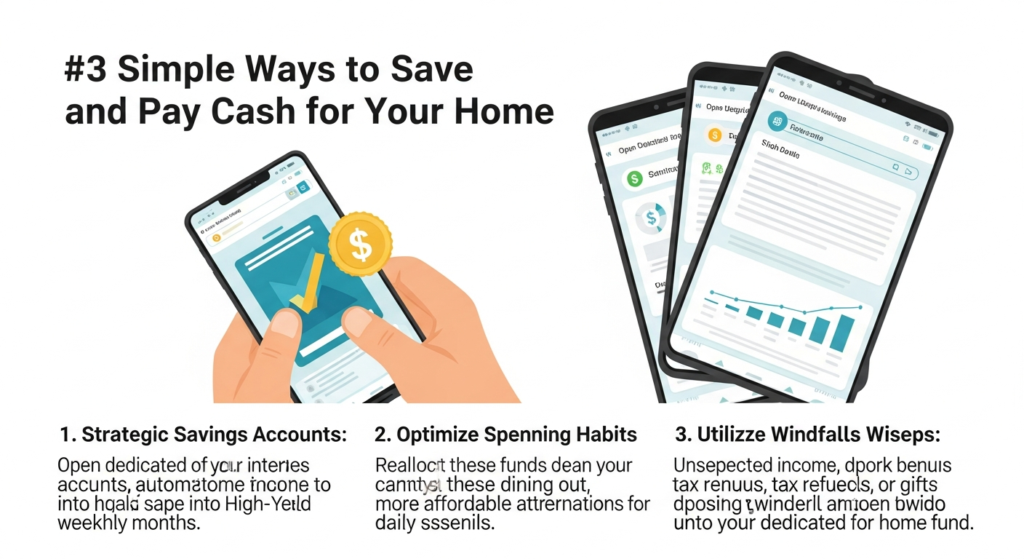
The Allure of an All-Cash Home Purchase: Why Debt-Free Living is the Ultimate Goal
Imagine waking up every morning in 2026, knowing that the roof over your head is truly yours. No monthly mortgage payment looming, no interest accruing, and no financial institution dictating terms. This isn’t just a romantic notion; it’s a powerful financial advantage that offers unparalleled freedom and peace of mind. The allure of an all-cash home purchase stems from a multitude of benefits that extend far beyond simply avoiding a monthly bill.
Firstly, the most obvious and significant advantage is the elimination of interest payments. Over the life of a typical 30-year mortgage, homeowners often pay back 1.5 to 2 times the original principal amount due to interest. By paying cash, you instantly save tens, if not hundreds, of thousands of dollars that would otherwise vanish into the lender’s coffers. This capital remains in your pocket, free to be invested, saved, or utilized for other life goals. Think about what you could do with an extra $200,000 or $300,000 over three decades – that’s a significant boost to your retirement savings or an incredible legacy to pass on.
Secondly, an all-cash offer provides immense leverage in a competitive housing market. Sellers often prioritize cash buyers because they represent a quicker, more secure closing with fewer contingencies. There’s no risk of a mortgage falling through, no lengthy underwriting process, and often, a faster transaction overall. This can give you an edge, allowing you to negotiate a better price or secure a property that might otherwise go to a higher-bidding financed buyer. In a seller’s market, a cash offer can be the golden ticket to securing your dream home.
Beyond the transactional benefits, the psychological and emotional advantages are profound. Owning your home outright offers an unmatched sense of financial security. You are insulated from interest rate fluctuations, economic downturns, and the stress of a major recurring debt. This freedom allows for greater flexibility in career choices, retirement planning, and overall lifestyle. For instance, if you’re planning for retirement, having no mortgage payment significantly reduces your living expenses, making your nest egg stretch further. It empowers you to take calculated risks, pursue passions, or simply enjoy a less financially burdened life. This ultimate control over one of your largest assets is truly empowering, aligning perfectly with Fin3go’s philosophy of taking command of your personal finances.
It’s important to dispel the myth that paying cash for a home is only for the super-rich. While it requires discipline and strategic planning, many middle-income individuals and families have achieved this goal by understanding and implementing the principles we’re about to discuss. It’s about making conscious financial choices, prioritizing savings, and sometimes, creatively leveraging resources. The journey to a debt-free home is a marathon, not a sprint, but the finish line offers a financial reward that is truly life-changing.
Way 1: Aggressive Savings and Strategic Budgeting

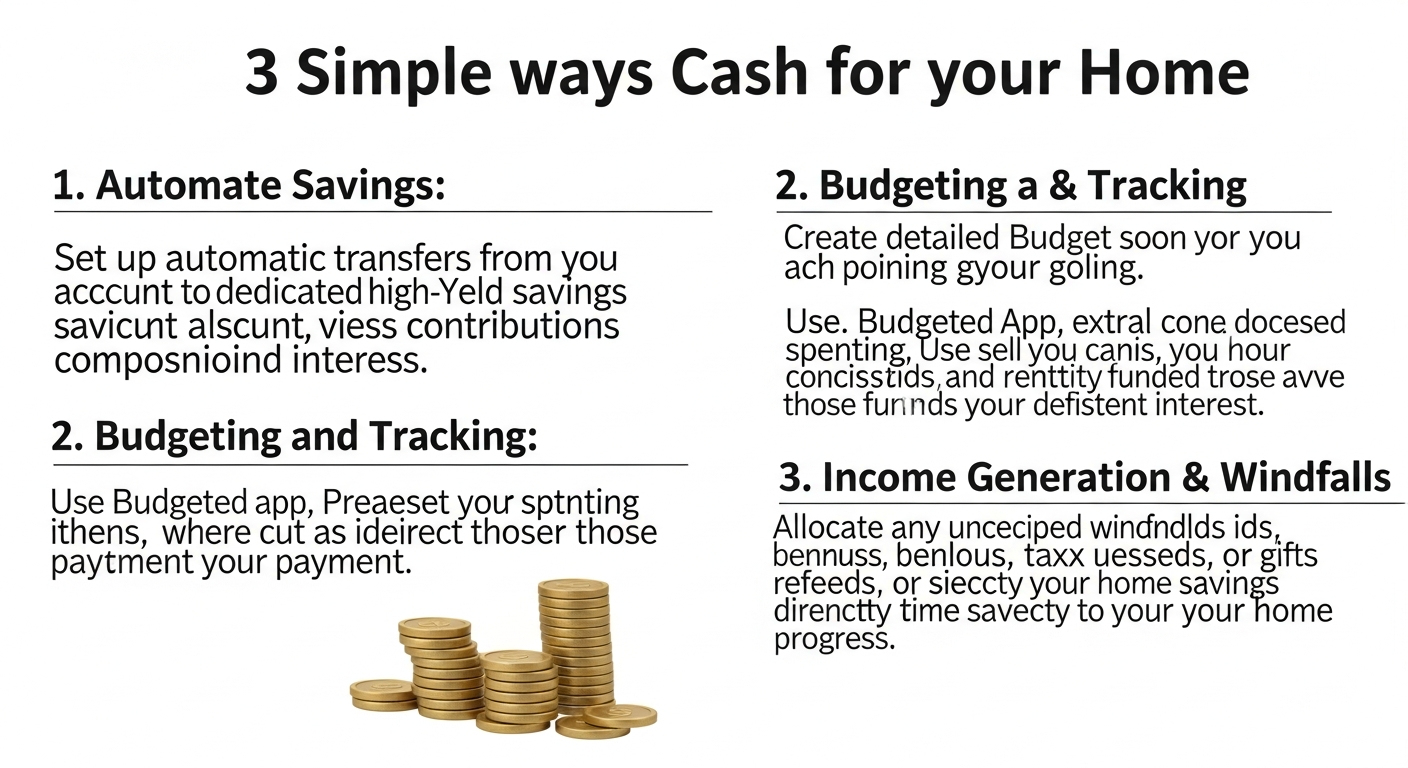
The most straightforward, albeit often the most challenging, path to paying cash for a home is through aggressive savings and meticulous budgeting. This method requires discipline, sacrifice, and a clear vision of your financial objective. It’s about systematically accumulating wealth until you have the full purchase price of your desired home. This isn’t just about saving a bit more each month; it’s about transforming your financial habits to prioritize this monumental goal.
The first step is to create a detailed, realistic budget that identifies every dollar coming in and going out. Fin3go advocates for budgeting methods like zero-based budgeting, where every dollar is assigned a job, or adapting the 50/30/20 rule to be more aggressive, perhaps a 50/20/30 split where 30% goes directly to savings. The goal is to maximize your savings rate, pushing it well beyond the typical 10-15%. For some, this might mean saving 40%, 50%, or even more of their income. This requires a forensic examination of your expenses to identify areas where you can cut back significantly.
Consider the “big rocks” of your spending. Housing (if you’re currently renting or have a smaller mortgage), transportation, and food are often the largest categories. Can you downsize your current living situation, even temporarily, to reduce rent? Can you sell an expensive car and opt for a more economical one, or rely more on public transport or cycling? Meal prepping, eating out less, and being more conscious of grocery spending can free up hundreds of dollars each month. Beyond the big rocks, scrutinize smaller, recurring expenses: subscription services you don’t use, daily coffee habits, impulse purchases, and entertainment costs. Every dollar saved is a dollar closer to your cash home purchase.
Automation is your best friend in aggressive saving. Set up automatic transfers from your checking account to a dedicated high-yield savings account immediately after payday. Treat this transfer as a non-negotiable bill. By automating your savings, you remove the temptation to spend the money and ensure consistent progress towards your goal. When considering which online bank is right for you, prioritize those offering competitive interest rates on savings accounts and robust tools for setting up recurring transfers and tracking your progress. These banks can help your money work harder for you while you’re busy saving.
It’s crucial to distinguish between saving for an emergency fund and saving for a home. Before you aggressively save for a down payment, ensure you have a fully funded emergency fund – typically 3-6 months of living expenses – in a separate, easily accessible account. This safety net prevents you from derailing your home savings goal if an unexpected expense arises. Once your emergency fund is robust, all additional savings can be channeled towards your home.
Finally, set clear, measurable, and time-bound goals. If you want to buy a $400,000 home in five years, you know you need to save $80,000 per year, or approximately $6,667 per month. Breaking down the large goal into smaller, manageable monthly targets makes it less daunting and provides a clear roadmap. Regular reviews of your budget and progress will keep you motivated and on track, allowing you to adjust your strategy as needed. This meticulous approach to saving is the bedrock of a cash home purchase, demonstrating true financial mastery.
Way 2: Leveraging Existing Assets for a Cash Advantage
One of the most common ways to leverage existing assets is by selling investments. If you have a diversified portfolio of stocks, bonds, mutual funds, or exchange-traded funds (ETFs) that have appreciated significantly, selling a portion or all of these holdings can provide a substantial chunk of cash. Before doing so, it’s crucial to understand the tax implications of capital gains. Long-term capital gains (assets held for over a year) are typically taxed at lower rates than short-term gains. Consult with a financial advisor and a tax professional to determine the most tax-efficient way to liquidate your investments. They can help you understand your cost basis, potential tax liabilities, and strategies like tax-loss harvesting if applicable. While selling investments means sacrificing future growth, the immediate benefit of a debt-free home might outweigh that for some, especially if the alternative is a high-interest mortgage.
Another powerful asset to leverage is an existing property. If you already own a home with significant equity, you have several options. You could sell your current home and use the proceeds to purchase your new home outright. This often involves careful timing – either selling your current home before buying the new one (which might require temporary housing) or using a bridge loan to cover the gap. Alternatively, if you’re downsizing or moving to a lower-cost area, the equity from your larger or more expensive home can easily cover the full price of a smaller or more affordable new residence. For those who own multiple properties, selling an investment property can also free up substantial capital, though again, tax implications for rental properties (like depreciation recapture) need to be carefully considered.
Inheritances or significant gifts are another source of cash that can be leveraged. While these are often unexpected, they can provide a unique opportunity to achieve a cash home purchase. Managing such windfalls wisely is key. Instead of spending it on depreciating assets, channeling a substantial portion (or all) into a home purchase can transform a temporary financial boost into a lasting asset that provides security and builds equity. Seek professional advice on managing inheritances, especially concerning tax liabilities and how to integrate them into your overall financial plan, including how to plan for retirement with this new capital.
Finally, while generally not recommended without extreme caution, some individuals consider cashing out retirement accounts like 401(k)s or IRAs. This option comes with significant penalties (usually a 10% early withdrawal penalty if under 59.5 years old) and immediate income tax liabilities, plus the immense opportunity cost of lost compound growth for your retirement. This should be considered a last resort, only after consulting with a financial advisor who can help you weigh the severe drawbacks against the benefits of an immediate cash home purchase. For most, preserving retirement savings is paramount, and other methods should be exhausted first. However, in very specific circumstances, such as a dire emergency or a strategic move that fundamentally alters your retirement needs (e.g., moving to a country with a much lower cost of living), it might be discussed. Always remember that your retirement security is a long-term game.
Way 3: Income Acceleration and Side Hustles
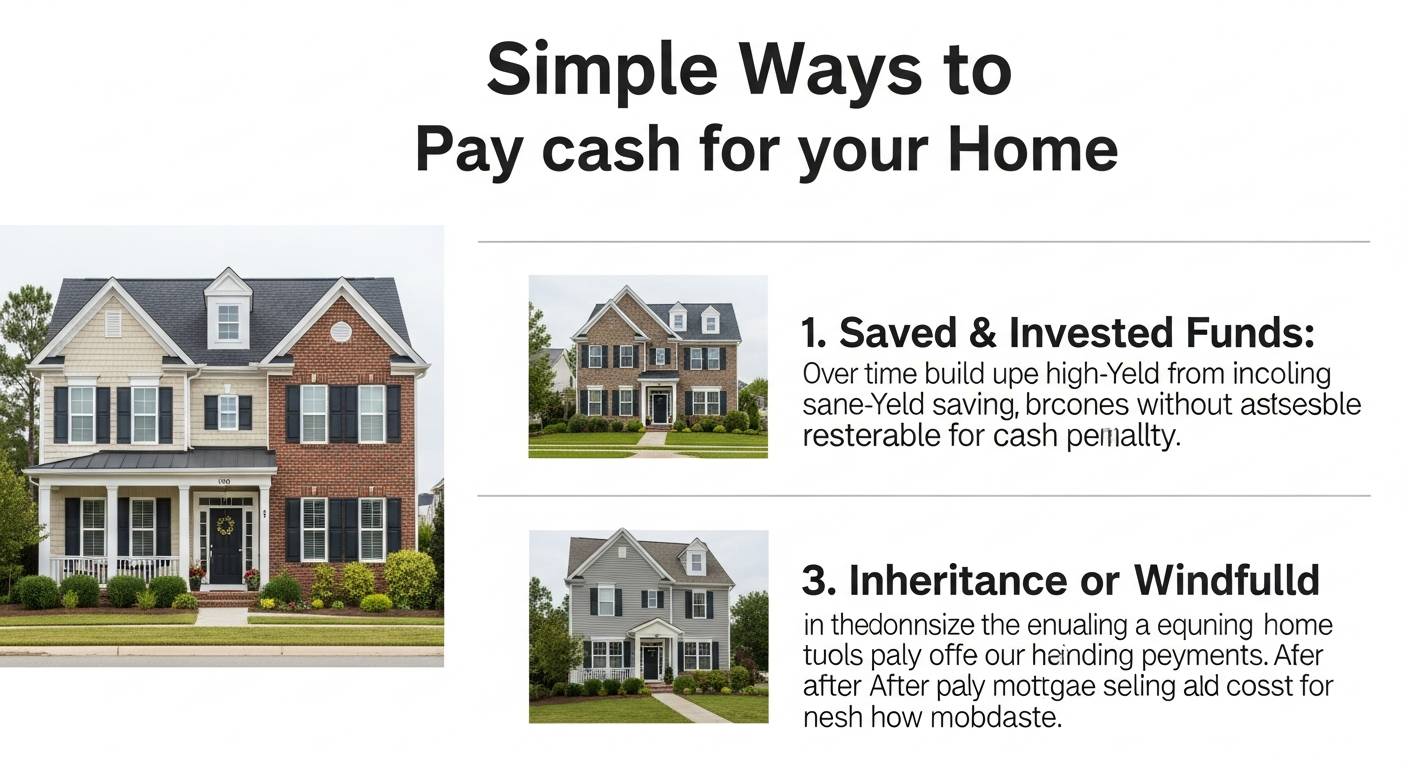
Beyond cutting expenses and leveraging existing assets, actively increasing your income is a powerful and often overlooked strategy for accumulating the cash needed to buy a home. This isn’t just about earning more; it’s about strategically channeling that additional income directly towards your home savings goal. Income acceleration can take many forms, from optimizing your current employment to venturing into entrepreneurial endeavors.
The most direct way to increase your income from your primary job is to ask for a raise. Document your achievements, responsibilities, and market value, then confidently negotiate for higher compensation. If a raise isn’t immediately possible, explore opportunities for promotion within your current company or consider changing jobs to a role that offers significantly higher pay. Investing in new skills, certifications, or advanced degrees can also make you more valuable in the job market, leading to higher earning potential. Every extra dollar earned, especially if it’s new income not already allocated to living expenses, can be directly funneled into your home fund, dramatically shortening your savings timeline.
Side hustles have become an incredibly popular and effective way to accelerate savings. The gig economy offers a vast array of opportunities to earn extra income outside of your regular 9-to-5. This could include freelancing in your area of expertise (writing, graphic design, web development, consulting), offering services like dog walking, tutoring, ridesharing, or food delivery, or even selling handmade goods or reselling items online. The beauty of a side hustle is that often, the income generated is “extra” and can be entirely dedicated to your home savings, rather than just covering existing expenses. Even an extra $500-$1,000 per month can translate to $6,000-$12,000 per year, making a significant dent in your goal over a few years.
For those with an entrepreneurial spirit, starting a small business or an online venture can provide an even greater income boost. This could range from an e-commerce store, a local service business, or a digital product. While this path often requires more time and initial investment, the potential for income growth is significantly higher than with a typical side hustle. If you’re considering this route, Fin3go’s a step by step guide to opening a business bank account will be an invaluable resource to ensure you set up your finances correctly from the start, separating personal and business funds, which is crucial for financial clarity and legal protection.
Finally, exploring passive income streams can also contribute to your cash fund. While often requiring initial investment or effort, passive income can continue to generate money with minimal ongoing involvement. This might include dividend-paying stocks, royalties from creative works, or income from a rental property if you already own one. For example, if you have a spare room, short-term rentals through platforms like Airbnb could provide a steady stream of income. The key is to find sustainable ways to increase your cash flow and then rigorously direct that additional income towards your home purchase goal. By combining diligent saving, smart asset management, and proactive income generation, you create a powerful financial engine dedicated to making your debt-free home a reality.
The Tactical Advantages of Paying Cash Beyond the Price Tag
While the immediate financial benefits of paying cash for a home – avoiding interest and potentially negotiating a lower purchase price – are compelling, the tactical advantages extend much further. These often-overlooked benefits can significantly enhance your home-buying experience and provide a stronger foundation for your financial future. Understanding these advantages can solidify your resolve and provide additional motivation on your journey to a cash purchase.
One of the most significant tactical advantages is the speed and simplicity of the closing process. When you pay cash, you eliminate the entire mortgage underwriting process, which can be lengthy, complex, and fraught with potential delays or rejections. This means fewer documents to provide, no appraisal required by a lender (though you should still get one for your own peace of mind), and no waiting for loan approval. Cash deals can often close in a matter of days or weeks, compared to the typical 30-60 days for financed transactions. This speed is incredibly appealing to sellers, especially those who need to move quickly, making your offer highly attractive.
Furthermore, an all-cash offer typically comes with fewer contingencies. A financed offer usually includes a financing contingency, meaning the deal is conditional on the buyer securing a mortgage. If the loan falls through, the buyer can often walk away without penalty. A cash offer, by contrast, removes this risk for the seller, making it a “cleaner” offer. This reduction in risk can be so valuable to sellers that they might even accept a slightly lower cash offer over a higher financed one, knowing the deal is more likely to close without complications. This gives you, the cash buyer, considerable bargaining power.
Beyond the transaction itself, paying cash significantly reduces your ongoing housing costs. Aside from property taxes, insurance, and maintenance, you have no principal and interest payment. This dramatically lowers your monthly expenses, freeing up a substantial portion of your income. This financial flexibility can be life-changing. It means you can save more for retirement, invest more aggressively, travel, pursue educational goals, or simply have a larger buffer for unexpected expenses. This newfound disposable income can be a powerful accelerator for other financial goals, fitting perfectly with a comprehensive strategy for how to plan for retirement, as it directly impacts your required income in your golden years.
Another subtle but powerful advantage is the psychological freedom from debt. The absence of a mortgage payment can reduce stress, improve mental well-being, and provide a profound sense of security. You own your home outright, which means no bank has a claim on your property. This can provide immense peace of mind during economic uncertainties, job changes, or other life transitions. It also gives you more control over your equity; you can tap into it through a cash-out refinance if needed, but you’re not obligated to do so, unlike a traditional mortgage. This position of strength and autonomy is a core tenet of financial empowerment that Fin3go champions.
Finally, paying cash simplifies your financial life. You have one less major bill to track, one less debt to manage, and one less financial obligation impacting your credit score (though not having a mortgage might affect your credit mix, it typically doesn’t negatively impact a strong score). This simplification allows you to focus your financial energy on other wealth-building activities, making your overall financial strategy more streamlined and effective. The tactical advantages of a cash purchase are not just about saving money; they’re about gaining control, peace of mind, and unparalleled financial freedom.
Preparing for Your Cash Purchase in 2026 and Beyond
Achieving the goal of paying cash for a home is a monumental accomplishment, but the journey doesn’t end when you have the funds. Proper preparation for the actual purchase process is just as crucial to ensure a smooth, secure, and advantageous transaction. As you aim for your 2026 home purchase, understanding the practical steps involved will empower you to navigate the market confidently.
The first step in preparation, once your funds are accumulating, is to get a financial health check-up. This means reviewing your entire financial picture with a professional. Work with a trusted financial advisor who understands your goals. They can help you confirm that liquidating assets for a cash purchase aligns with your broader financial plan, especially concerning long-term investments and how to plan for retirement. They can also help you understand the tax implications of transferring large sums of money or selling investments, ensuring you’re prepared for any tax liabilities in advance.
Next, you need to understand the local real estate market you’re targeting. Research property values, inventory levels, and recent sales trends. Work with an experienced real estate agent who specializes in cash transactions and understands how to leverage your unique buying position. A good agent will be invaluable in identifying suitable properties, negotiating effectively, and guiding you through the local specificities of the closing process. They can help you assess fair market value, ensuring you don’t overpay, even with cash in hand.
A critical component of a cash purchase is demonstrating “proof of funds.” When you make an offer, sellers and their agents will require verification that you actually have the cash available. This usually involves providing recent bank statements (with sensitive account numbers redacted), a letter from your bank or financial institution verifying the funds, or a statement from your investment brokerage. Ensure these documents are readily available and up-to-date, as delays in providing proof of funds can weaken your offer’s appeal.
Even though you’re paying cash and a lender won’t require it, it is absolutely paramount to conduct thorough due diligence. This includes ordering a professional home inspection to uncover any hidden defects or costly repairs. A property appraisal, while not strictly necessary for a cash deal, is highly recommended to confirm that the purchase price aligns with the home’s market value. Skipping these steps to save a few hundred dollars could cost you tens of thousands in unforeseen repairs or overpayment. Remember, you are your own underwriter when paying cash, so you must perform all the checks a bank would.
Engage a real estate attorney. While an agent can handle much of the transaction, an attorney will review all contracts, titles, and closing documents to protect your interests. They ensure the title is clear, there are no liens against the property, and all legal aspects of the transfer are handled correctly. This legal oversight is particularly important for cash transactions, where the traditional lender’s legal safeguards are absent. For those who might have started a side hustle or business to accumulate funds, remember that proper financial separation and legal advice, as outlined in a step by step guide to opening a business bank account, can also extend to how you manage your personal wealth for large purchases.
Finally, be prepared for closing costs. While you won’t have lender-specific fees, you will still incur costs such as title insurance, escrow fees, property transfer taxes, recording fees, and potentially agent commissions (if you’re paying your buyer’s agent directly, though this is usually covered by the seller). Factor these into your total budget; they can amount to 1-3% of the purchase price. Having these funds ready will prevent any last-minute financial surprises. By meticulously planning each of these steps, you transform your cash reserves into the keys to your new, debt-free home, solidifying your financial independence for 2026 and beyond.
Frequently Asked Questions
Is paying cash for a home always the best financial decision?▾
How long does it typically take to save enough cash for a home?▾
Do I still need an appraisal and inspection if I pay cash?▾
What documents do I need to prove I have cash funds?▾
Can I get a mortgage after paying cash if I change my mind or need liquidity?▾
What are the tax implications of selling investments for a cash purchase?▾
Recommended Resources
You might also enjoy How Much Should I Have In Emergency Fund from Trading Costs.
You might also enjoy What Is A 401K And How Does It Work from AssetBar.