








Retirement Planning Guide: Secure Your Future with Smart Personal Finance & Fintech
Embarking on the journey towards financial independence in retirement is a pivotal step for everyone. This definitive retirement planning guide is designed to demystify the process, offering a comprehensive roadmap for securing your financial future. Retirement planning, at its core, involves making strategic financial decisions today to ensure you maintain your desired lifestyle tomorrow, long after your working years conclude. It’s a critical process, especially in an era of increasing longevity and escalating living costs. Without a well-defined plan, individuals risk facing financial instability during a phase of life meant for relaxation and enjoyment. This guide, authored by Dr. Alex Chen, CFP®, draws on principles of sound personal finance and leverages cutting-edge Fintech Management solutions, providing the expert insights you need to build a robust retirement portfolio, optimize your savings, and confidently navigate your golden years.
Why is a Retirement Planning Guide Essential for Your Financial Future?
The concept of a secure retirement, where one can pursue passions without financial constraint, is a universal aspiration. Yet, achieving this vision requires proactive and diligent planning. The necessity of comprehensive retirement planning is underpinned by several critical factors that impact individuals across all age groups and income levels. Understanding these drivers is the first step toward motivating effective action.
One primary reason is increasing life expectancy. People are living longer, healthier lives, which means retirement can span 20, 30, or even more years. This extended period necessitates a larger savings pool than previous generations required, making the investment horizon a crucial attribute of effective planning. Furthermore, the rising costs of living, inflation, and particularly healthcare expenses, can significantly erode retirement savings if not adequately accounted for. A strategic approach helps you project these future costs and build sufficient reserves. Personal finance management for retirement savers, therefore, requires foresight into these long-term trends.
Moreover, the shift from traditional pension plans to individual-driven retirement accounts places greater responsibility on individuals to manage their own wealth growth. This guide recognizes this paradigm shift, empowering you with the knowledge to make informed decisions. Retirement planning isn’t merely about saving money; it’s about strategically investing it, understanding risk tolerance, and setting realistic retirement goals that align with your envisioned lifestyle. Ignoring this crucial aspect can lead to financial stress, reduced quality of life in later years, and dependency on external support. By embracing proactive planning now, you secure not just your own future, but also potentially ease the burden on future generations. This robust framework, continuously processed through smart personal finance strategies and innovative fintech tools, ensures your preparedness for whatever economic landscape lies ahead.

Understanding Your Retirement Goals and Timeline for Effective Planning

Before you can build an effective retirement plan, you must first define what retirement looks like for you. This foundational step involves setting clear, achievable retirement goals and establishing a realistic timeline. These personal parameters will dictate the aggressiveness of your savings, your investment horizon, and the types of strategies you employ.
What are your desired retirement goals and lifestyle?
Your retirement goals are highly personal and should reflect your aspirations. Do you dream of extensive world travel, or do you envision a quiet life at home pursuing hobbies? Will you relocate to a warmer climate, or stay near family? These choices directly influence the income you’ll need in retirement. Consider aspects like:
- Desired income: Will you need 70%, 80%, or even 100% of your pre-retirement income to maintain your lifestyle? This percentage is a critical attribute to define.
- Housing: Do you plan to pay off your mortgage before retirement, or will housing costs be an ongoing expense?
- Travel and hobbies: Factor in costs for leisure activities, which can range from modest to significant.
- Healthcare: Though difficult to predict precisely, acknowledge that healthcare costs are likely to increase with age.
- Legacy planning: Do you wish to leave an inheritance or support family members?
Once you have a clear picture, you can quantify these goals into a tangible financial target, allowing you to work backward to determine necessary savings rates and investment returns.
How does your current age and investment horizon impact your retirement plan?
Your current age and the number of years you have until retirement directly influence your investment horizon. A longer horizon (e.g., starting in your 20s or 30s) generally allows for:
- Greater risk tolerance: You have more time to recover from market downturns, enabling you to allocate more to growth-oriented assets like stocks.
- Power of compound interest: Even modest contributions can grow significantly over decades. This exponential growth is a core principle of wealth building.
- Flexibility: More time provides a buffer for unexpected financial challenges or adjustments to your plan.
Conversely, if you’re closer to retirement, your investment horizon is shorter, necessitating a different approach:
- Lower risk tolerance: Preservation of capital becomes more critical, often leading to a higher allocation to less volatile assets.
- Increased savings rate: You’ll likely need to save a larger percentage of your income to catch up.
- Focused strategies: Prioritizing high-impact actions like maximizing employer match and reducing high-interest debt.
Understanding these dynamics is paramount for tailoring your personal finance management strategy to your specific life stage.
Key Retirement Savings Vehicles: 401(k), IRA, HSA, and More
Building on the foundational principles of setting retirement goals, let’s now explore the specific investment vehicles that can help you achieve them. The landscape of retirement savings offers a variety of account types, each with unique tax advantages, contribution limits, and withdrawal rules. Choosing the right combination of these accounts, a crucial aspect of Personal Finance & Fintech Management, is vital for optimizing your tax efficiency and maximizing your wealth growth.
What are the primary employer-sponsored retirement plans?
Employer-sponsored plans are often the cornerstone of retirement savings for many individuals, largely due to the potential for employer matching contributions, which essentially provide free money. These plans encourage consistent saving through payroll deductions.
- 401(k): This is one of the most popular employer-sponsored plans. Contributions are typically made pre-tax, reducing your current taxable income. Investments grow tax-deferred until retirement, when withdrawals are taxed as ordinary income. Many employers offer a matching contribution, which is a powerful incentive to participate. For 2026, the contribution limit is expected to be substantial, allowing for significant tax-advantaged savings. [Source: IRS]
- 403(b): Similar to a 401(k), but typically offered to employees of public schools and certain tax-exempt organizations. It shares many of the same tax advantages and contribution limits.
- SEP IRA (Simplified Employee Pension): Primarily for self-employed individuals and small business owners. Employers (including self-employed individuals) can contribute a significant percentage of an employee’s (or their own) compensation, with higher limits than traditional IRAs, all tax-deductible.
Each of these accounts comes with specific eligibility criteria, contribution limits (which are adjusted annually by the IRS), and withdrawal rules that must be understood to avoid penalties.
What is a Roth IRA and how does it differ from a Traditional IRA?
Individual Retirement Arrangements (IRAs) offer a flexible way for individuals to save for retirement, independent of an employer-sponsored plan. They come in two primary forms: Traditional and Roth, each with distinct tax treatments that appeal to different income levels and tax planning strategies.
- Traditional IRA: Contributions may be tax-deductible in the current year, depending on your income and whether you’re covered by an employer-sponsored plan. Investments grow tax-deferred, and withdrawals in retirement are taxed as ordinary income.
- Roth IRA: Contributions are made with after-tax dollars, meaning they are not tax-deductible. The significant advantage of a Roth IRA is that qualified withdrawals in retirement are completely tax-free. This makes it particularly attractive if you anticipate being in a higher tax bracket in retirement than you are today. Roth IRAs also have income limitations for direct contributions.
Both Traditional and Roth IRAs have combined contribution limits (e.g., up to $7,000 for 2026, plus catch-up contributions for those aged 50 and over), but the choice between them often hinges on your current versus future tax expectations. Understanding these distinctions is crucial for tax-efficient wealth growth.
Why consider a Health Savings Account (HSA) for retirement planning?
Often overlooked as a retirement vehicle, the Health Savings Account (HSA) offers a unique “triple tax advantage” that can make it an incredibly powerful tool for retirement savings, especially for healthcare costs in later life.
- Tax-deductible contributions: Contributions are made with pre-tax dollars (or are tax-deductible if made post-tax).
- Tax-free growth: Investments within an HSA grow tax-free.
- Tax-free withdrawals: Qualified withdrawals for eligible medical expenses are tax-free.
To be eligible for an HSA, you must be enrolled in a High-Deductible Health Plan (HDHP). While primarily designed for healthcare expenses, after age 65, an HSA essentially functions like a Traditional IRA, allowing withdrawals for any purpose, albeit taxed as ordinary income if not for qualified medical expenses. This flexibility and tax efficiency make it an indispensable part of a comprehensive retirement planning strategy.
The following table provides a concise comparison of these key retirement account types:
| Account Type | Contribution Limit (2026 est.) | Tax Treatment (Contributions) | Tax Treatment (Growth) | Tax Treatment (Withdrawals) | Employer Match Potential | Eligibility/Income Limits | Best For |
|---|---|---|---|---|---|---|---|
| 401(k) | ~$24,000 (+$7,500 catch-up) | Pre-tax (traditional) or After-tax (Roth) | Tax-deferred | Taxable (traditional), Tax-free (Roth) | Yes | Employer-sponsored plan | Maximizing employer match; high earners |
| Traditional IRA | ~$7,000 (+$1,000 catch-up) | Potentially deductible | Tax-deferred | Taxable | No | No income limit for contribution, but for deduction | Tax deduction; those expecting lower retirement tax bracket |
| Roth IRA | ~$7,000 (+$1,000 catch-up) | After-tax | Tax-free | Tax-free (qualified) | No | Income limitations apply | Tax-free withdrawals; those expecting higher retirement tax bracket |
| SEP IRA | Up to 25% of compensation, max ~$69,000 | Pre-tax (deductible) | Tax-deferred | Taxable | N/A (employer/self-employed contributions) | Self-employed/small business owners | Self-employed individuals with high income |
| 403(b) | ~$24,000 (+$7,500 catch-up) | Pre-tax (traditional) or After-tax (Roth) | Tax-deferred | Taxable (traditional), Tax-free (Roth) | Sometimes | Employees of public schools/non-profits | Public sector/non-profit employees |
| HSA | ~$4,300 (individual), ~$8,500 (family) (+$1,000 catch-up) | Pre-tax/Deductible | Tax-free | Tax-free (qualified medical expenses) | No | High-Deductible Health Plan (HDHP) enrollment | Triple tax advantage for healthcare savings; versatile after 65 |
Developing a Robust Investment Strategy for Your Retirement Planning Guide

Once you’ve established your retirement goals and selected the appropriate savings vehicles, the next crucial step in your retirement planning guide is to develop a robust investment strategy. This involves intelligent asset allocation, diversification, and consistent risk management, all tailored to your individual risk tolerance and investment horizon. A well-constructed strategy is fundamental for achieving long-term wealth growth and weathering market fluctuations.
What is asset allocation and how does it relate to your risk tolerance?
Asset allocation is the process of dividing your investment portfolio among different asset categories, such as stocks, bonds, and cash equivalents. The primary goal is to balance risk and reward based on your individual risk tolerance and investment horizon. Your risk tolerance, a key attribute, is your emotional and financial ability to handle fluctuations in the value of your investments.
- Aggressive Allocation: Typically higher proportion of stocks (e.g., 80-100%). Suitable for younger investors with a long investment horizon and high risk tolerance, aiming for maximum growth.
- Moderate Allocation: A balanced mix of stocks and bonds (e.g., 60% stocks, 40% bonds). Appropriate for those with a medium investment horizon and moderate risk tolerance, seeking growth with some capital preservation.
- Conservative Allocation: A higher proportion of bonds and cash equivalents (e.g., 30-40% stocks, 60-70% bonds/cash). Best for those nearing retirement or with a low risk tolerance, prioritizing capital preservation and income generation.
A common rule of thumb is to subtract your age from 110 or 120 to determine the percentage of your portfolio that should be allocated to stocks. [Source: Investopedia] However, this is a simplified approach, and a more nuanced understanding of your personal financial situation is always recommended. Regular rebalancing ensures your portfolio maintains its target allocation over time.
Why is diversification crucial for mitigating investment risk in retirement?
Diversification is the strategy of spreading your investments across various assets, industries, and geographies to reduce overall risk. The principle behind diversification is that different assets perform differently under various market conditions. By not putting all your eggs in one basket, you can minimize the impact of poor performance from any single investment. Effective diversification involves:
- Asset Class Diversification: Investing in stocks, bonds, real estate, and potentially alternative assets.
- Sector/Industry Diversification: Within stocks, investing across different sectors (e.g., technology, healthcare, consumer staples) to avoid over-reliance on one industry’s performance.
- Geographic Diversification: Spreading investments across different countries and regions to reduce exposure to specific national economic downturns.
- Company Diversification: Holding multiple individual stocks or, more practically, using broad market index funds or ETFs to gain exposure to hundreds or thousands of companies.
While diversification cannot guarantee profits or protect against all losses, it is a fundamental risk management strategy that smooths out portfolio returns over the long term, making your retirement plan more resilient.
How does inflation impact your retirement savings and what can you do about it?
Inflation, the rate at which the general level of prices for goods and services is rising, poses a significant threat to your retirement savings. What seems like a substantial sum today can have considerably less purchasing power in the future. For example, a 3% annual inflation rate means that something costing $100 today will cost approximately $180 in 20 years. This erosion of purchasing power is a critical attribute to consider in your long-term planning.
To combat inflation, your investment strategy must aim for returns that outpace it. This typically means including growth-oriented assets in your portfolio, such as:
- Stocks: Historically, equities have provided returns that significantly outpace inflation over long periods.
- Real Estate: Property values and rental income often increase with inflation.
- Treasury Inflation-Protected Securities (TIPS): Government bonds specifically designed to protect against inflation, with their principal value adjusted based on the Consumer Price Index (CPI).
Regularly reviewing your portfolio’s performance relative to inflation, and making adjustments to maintain its purchasing power, is a crucial component of effective personal finance management for retirement.

Leveraging Fintech Tools for Enhanced Retirement Planning
While traditional investment strategies form the bedrock of retirement savings, modern Personal Finance & Fintech Management tools offer innovative ways to optimize your plan. These technological advancements provide unprecedented access to automated investing, personalized advice, and comprehensive financial tracking, making the complex task of retirement planning more accessible and efficient for everyone. Integrating fintech tools can significantly enhance the efficiency and effectiveness of your personal finance management.
How can AI-powered robo-advisors simplify your investment decisions?
Robo-advisors are digital platforms that use algorithms to provide automated, low-cost investment management. They are an excellent example of how AI-driven advice can simplify complex financial decisions, particularly for retirement savers who might be new to investing or prefer a hands-off approach. Key attributes of robo-advisors include:
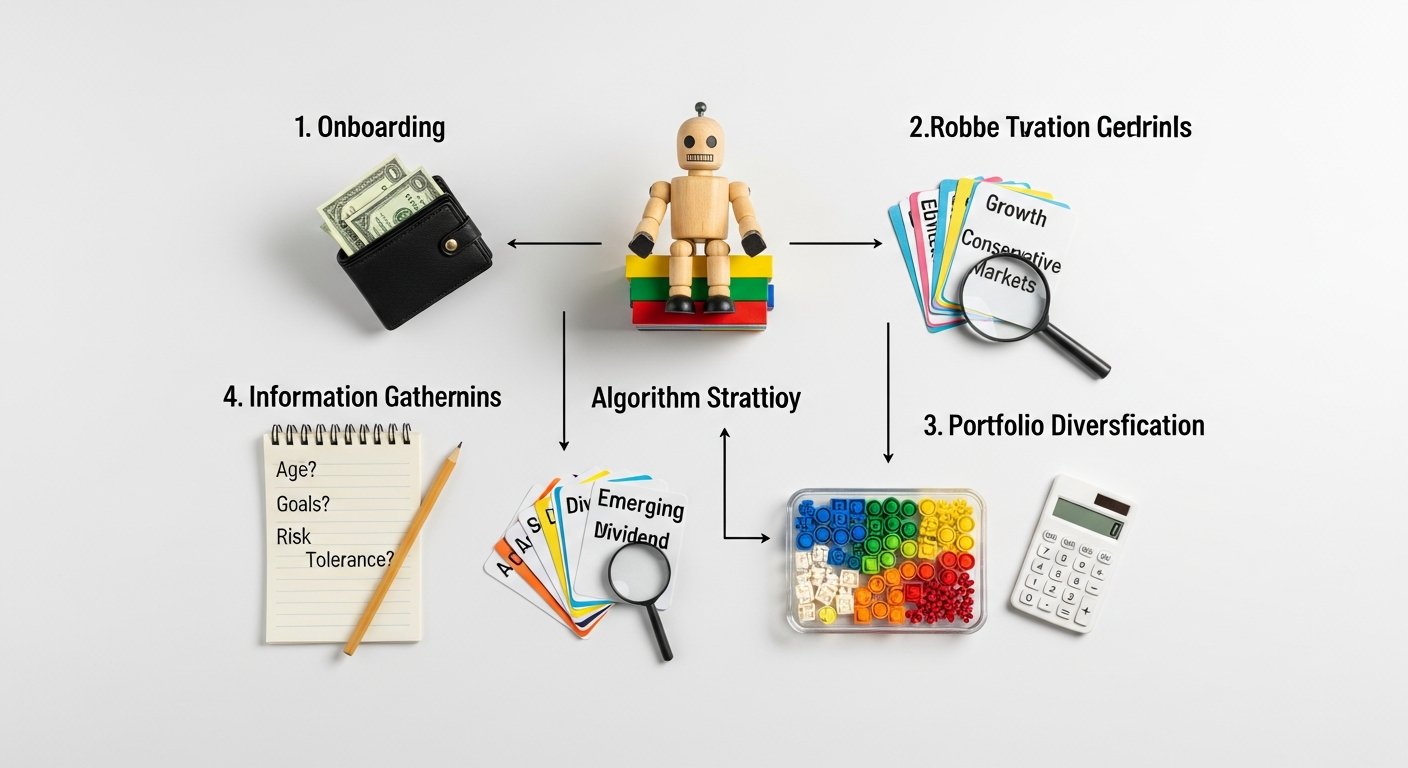
- Automated Investing: Based on your input (risk tolerance, investment horizon, goals), robo-advisors construct and manage a diversified portfolio of ETFs and mutual funds.
- Personalized Financial Advice: While automated, many offer goal-based planning, projecting how likely you are to reach your retirement goals and suggesting adjustments.
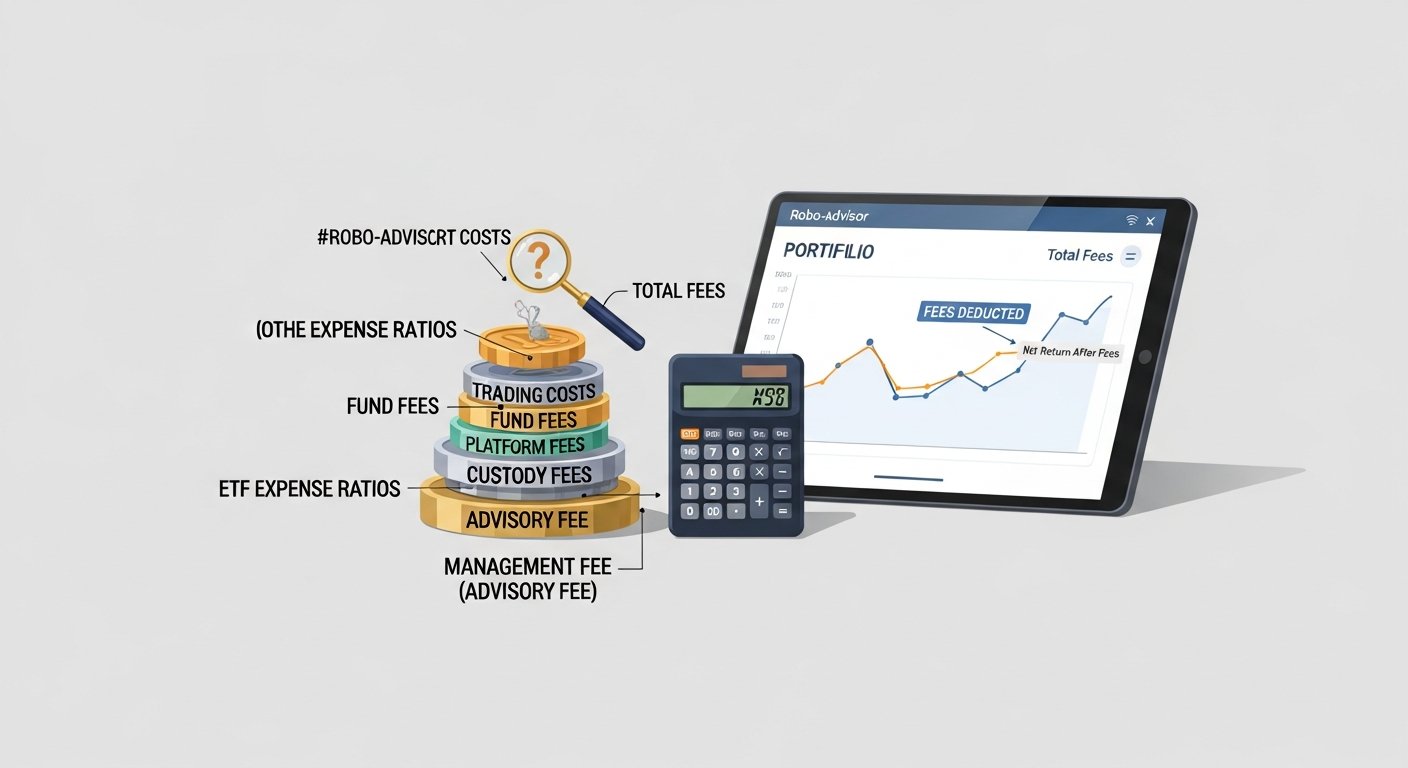
- Low Management Fees: Significantly lower than traditional human financial advisors, often ranging from 0.25% to 0.50% of assets under management.
- Automatic Rebalancing: Portfolios are regularly rebalanced to maintain the target asset allocation, ensuring consistent risk management.
- Tax-Loss Harvesting: Some advanced robo-advisors offer automated tax-loss harvesting, which can reduce your tax liability.
Examples of leading robo-advisors include Vanguard Digital Advisor, Fidelity Go, and Betterment. These platforms make sophisticated investment strategies accessible, lowering the barrier to entry for effective wealth growth.
What are the benefits of using budgeting apps and investment platforms for goal tracking in retirement?
Beyond automated investing, fintech offers a suite of tools for granular personal finance management, critical for effective retirement planning. Budgeting apps and comprehensive investment platforms allow for meticulous tracking and goal setting, ensuring you stay on course.
- Budgeting Apps (e.g., YNAB, Mint): These tools help you categorize expenses, monitor spending habits, and identify areas where you can save more. By providing a clear picture of your cash flow, they enable you to allocate more funds towards retirement savings. Key attributes include expense categorization, budget tracking, and bill reminders.
- Investment Platforms with Planning Tools (e.g., M1 Finance, Personal Capital): Many investment platforms now integrate robust financial planning features. They allow you to aggregate all your financial accounts (bank accounts, investment accounts, credit cards) in one place. This provides a holistic view of your net worth, tracks your investment performance, and offers projections for your retirement goals. Key features include portfolio tracking, net worth calculation, and retirement calculators.
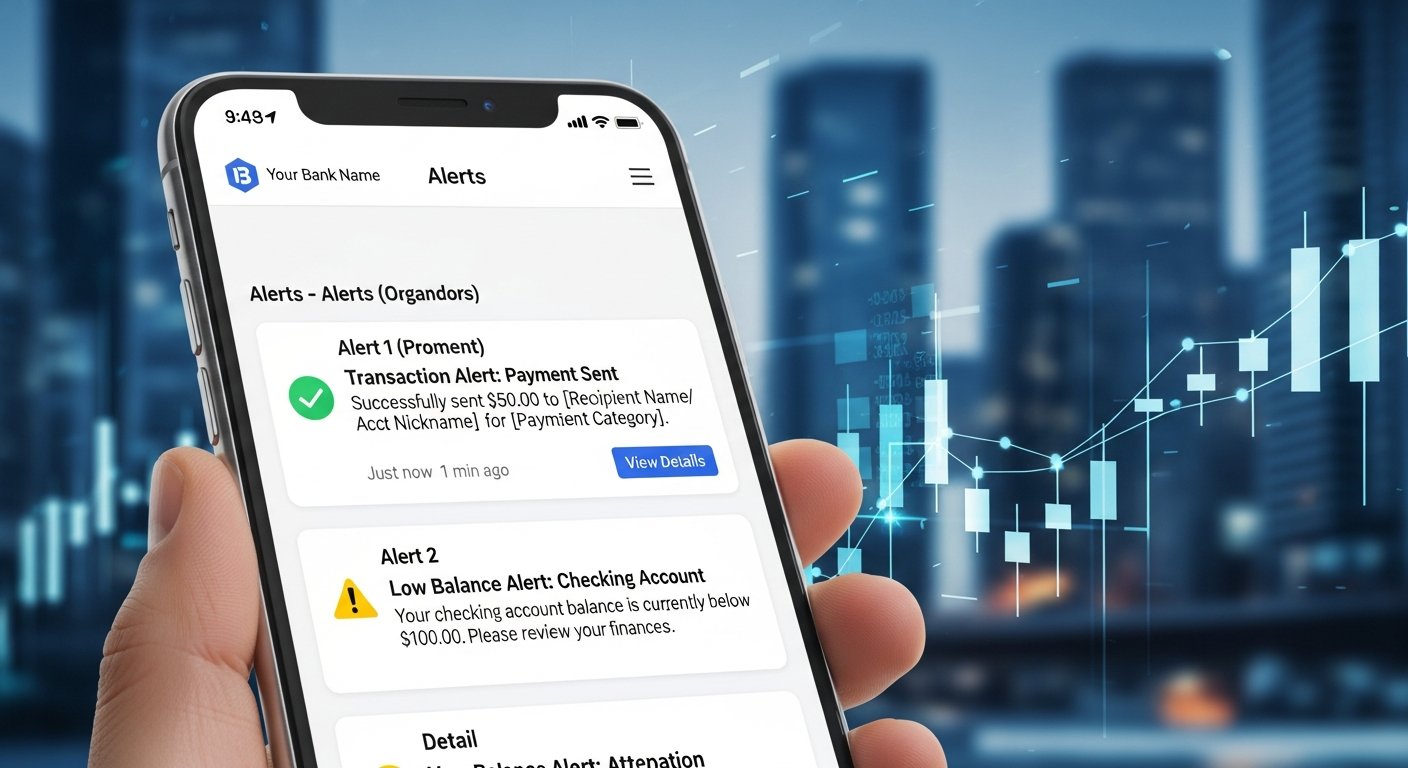
The synergy between these tools empowers users with comprehensive data security and intuitive user interfaces, making it easier to monitor progress towards specific retirement goals and make informed financial decisions.
Here’s a comparison of some popular fintech tools that can aid in your retirement planning journey:
| Tool Category | Example Tools | Key Features | Typical Fees | Target User/Best For |
|---|---|---|---|---|
| Robo-Advisors | Betterment, Wealthfront, Fidelity Go, Vanguard Digital Advisor | Automated investing, portfolio rebalancing, tax-loss harvesting, goal tracking, diversified portfolios. | 0.25% – 0.50% AUM | Beginner investors, hands-off approach, cost-conscious, goal-oriented savers. |
| Budgeting & Expense Trackers | YNAB (You Need A Budget), Mint, PocketGuard | Expense categorization, budget creation, net worth tracking, bill reminders, debt payoff planning. | Free – ~$15/month | Individuals seeking better control over spending, debt reduction, detailed financial overview. |
| Investment Platforms with Planning Tools | M1 Finance, Schwab Intelligent Portfolios, Personal Capital | Automated investing (M1), comprehensive financial planning, investment analysis, advisor access (Schwab), cash flow tracking, financial aggregators. | Free – low AUM fees (M1, Schwab), Free (Personal Capital for tracking) | DIY investors, those wanting integrated banking/investing, high-net-worth individuals needing aggregation. |
| Financial Aggregators | Personal Capital, Quicken, Empower | Consolidated view of all financial accounts, net worth tracking, retirement planners, fee analysis. | Free (Personal Capital for basic features) – ~$50-$100+/year | Individuals with multiple accounts, complex financial situations, seeking holistic overview. |
Common Retirement Planning Mistakes to Avoid in Your Journey
While this retirement planning guide provides a framework for success, it’s equally important to be aware of common pitfalls that can derail even the best-laid plans. Avoiding these mistakes is a critical component of risk management and ensures your journey toward financial independence remains on track. These antonyms of “guide” highlight areas where vigilance is key.
What are the dangers of starting retirement planning too late or saving too little?
One of the most pervasive and damaging retirement planning mistakes is procrastination. The danger of starting too late or saving too little stems directly from the incredible power of compound interest. When you delay, you lose valuable years where your money could be growing exponentially. This forces you to save a significantly higher amount later in life to catch up, often requiring unrealistic savings rates.
- Missed Compound Growth: A $10,000 investment growing at 7% annually for 40 years becomes over $150,000. The same $10,000 invested for 20 years becomes only around $38,000. The difference is staggering.
- Increased Pressure: Starting late means having to contribute a larger percentage of your current income, which can strain your budget and reduce your quality of life in the present.
- Limited Investment Horizon: A shorter timeline often necessitates a more conservative asset allocation, potentially limiting your overall growth potential.
The message is clear: the earliest you begin, even with small contributions, the better. Even a small amount saved consistently from an early age can lead to substantial wealth growth.
Why is ignoring inflation and healthcare costs a significant risk in retirement planning?
As previously discussed, inflation systematically erodes the purchasing power of your money over time. Failing to account for this in your retirement projections means you’ll likely underestimate the actual amount of money you’ll need. Similarly, underestimating healthcare costs in retirement is a critical oversight. Medicare covers many expenses, but it doesn’t cover everything, and supplemental insurance, deductibles, co-pays, and long-term care can add up quickly.
- Eroded Purchasing Power: If your investments only match or barely exceed inflation, your standard of living in retirement will decline.
- Unexpected Medical Bills: A significant portion of retirement income can be consumed by out-of-pocket healthcare expenses. Fidelity estimates that a couple retiring at age 65 in 2026 may need approximately $165,000 to cover healthcare expenses throughout retirement. [Source: Fidelity]
- Lack of Long-Term Care Planning: Long-term care is expensive and not typically covered by health insurance. Ignoring this potential cost can devastate retirement savings.
A realistic assessment of these future expenses, and integrating them into your overall financial plan, is essential for a truly secure retirement. This often means allocating a portion of your portfolio to growth assets that can outpace inflation and exploring options like Health Savings Accounts (HSAs) or long-term care insurance.
What are the tax implications of early withdrawals and how can they be avoided?
Retirement accounts are designed for long-term savings, and withdrawing funds before age 59½ typically incurs significant penalties and taxes. Understanding these withdrawal rules, another critical attribute, is vital to protect your savings.
- 10% Early Withdrawal Penalty: Most pre-tax retirement accounts (401(k), Traditional IRA) are subject to a 10% penalty on withdrawals made before age 59½, in addition to regular income taxes.
- Taxable Income: Any pre-tax contributions and tax-deferred growth withdrawn early are taxed as ordinary income. Even Roth IRA earnings, though typically tax-free in retirement, can be subject to taxes and penalties if withdrawn prematurely (before the five-year rule is met or age 59½).
- Exceptions to Penalties: There are some exceptions, such as withdrawals for qualified higher education expenses, first-time home purchases (up to $10,000 for IRAs), substantial unreimbursed medical expenses, or due to disability. However, these are specific and should be carefully reviewed.
To avoid these detrimental consequences, prioritize building an emergency fund separate from your retirement accounts. This provides a financial buffer for unexpected events, preventing the need to tap into your long-term savings prematurely. Consistent personal finance management, including disciplined saving for emergencies, directly supports your retirement success.
Navigating Retirement Planning in a Changing Economic Landscape
The journey of retirement planning is not static; it unfolds within a dynamic economic environment. Factors like market volatility, evolving government policies, and global economic shifts can all influence your path to financial independence. This section of the retirement planning guide addresses how to manage these external variables, ensuring your plan remains resilient and adaptable amidst change.
How does market volatility impact your investment strategy for retirement?
Market volatility, characterized by sharp upswings and downturns in asset prices, is an inherent aspect of investing. While it can be unsettling, particularly for those nearing retirement, understanding its impact and having a strategy to navigate it is crucial for long-term success. The investment horizon, and its relation to market cycles, is a key attribute here.
- Long-Term Perspective: For investors with a long investment horizon, market downturns can be viewed as opportunities to buy assets at lower prices, contributing to higher long-term returns through dollar-cost averaging.
- Short-Term Concerns: For those closer to or in retirement, significant market drops can directly impact the value of their portfolio, potentially disrupting withdrawal strategies.
- Strategic Rebalancing: Regular rebalancing helps to manage risk by selling assets that have performed well (and now represent a larger portion of the portfolio) and buying assets that have underperformed, bringing the portfolio back to its target asset allocation.
Emotional reactions to market swings often lead to poor financial decisions. Maintaining a disciplined investment strategy, based on your risk tolerance and long-term goals, is paramount. Fintech tools like robo-advisors can help automate this discipline, preventing emotional decisions during volatile periods.
What role does Social Security play in your retirement income?
Social Security remains a foundational pillar of retirement income for most Americans, though its role has evolved. It’s designed to be a safety net, providing a reliable income stream, but typically not enough to cover all retirement expenses on its own. Understanding its benefits and optimal claiming strategies is crucial for integrating it into your overall retirement plan.
- Benefit Calculation: Your Social Security benefit is based on your highest 35 years of earnings.
- Full Retirement Age (FRA): This is the age at which you’re entitled to 100% of your primary insurance amount (PIA). It ranges from 66 to 67, depending on your birth year. Claiming before your FRA results in reduced benefits, while delaying beyond your FRA (up to age 70) results in increased benefits (known as delayed retirement credits).
- Optimal Claiming Strategy: The decision of when to claim Social Security is highly personal and depends on factors like your health, other income sources, and spouse’s benefits. For many, delaying benefits can significantly increase their monthly payment, providing a larger, inflation-adjusted income stream.
While Social Security provides a valuable base, it’s essential to plan for it to supplement, not replace, your personal savings and investment income. Integrating it strategically into your withdrawal strategies ensures a more robust retirement.
Crafting Your Retirement Withdrawal Strategy
Transitioning from accumulation to distribution is a pivotal phase in your retirement journey. A well-thought-out withdrawal strategy is as critical as your savings plan, ensuring your assets last throughout your retirement while minimizing taxes. This crucial aspect of personal finance management for retirees focuses on maintaining your financial independence.
What are safe withdrawal rates and how can they be applied in retirement?
The concept of a “safe withdrawal rate” aims to determine how much you can withdraw from your retirement portfolio each year without running out of money. The most widely cited guideline is the “4% Rule,” which suggests that withdrawing 4% of your initial portfolio value (adjusted for inflation each subsequent year) provides a high probability that your money will last for 30 years or more. [Source: Investopedia]
- The 4% Rule: If you have $1,000,000 saved, the rule suggests you could withdraw $40,000 in your first year of retirement, then adjust that amount annually for inflation.
- Flexibility is Key: While the 4% rule provides a good starting point, it’s not a rigid mandate. Economic conditions, market performance, and personal needs can necessitate flexibility. Some strategies include dynamic withdrawals, where you adjust your withdrawal rate based on market returns.
- Impact of Longevity Risk: With people living longer, some advisors suggest a slightly lower initial withdrawal rate (e.g., 3.5%) to account for increased longevity risk.
Understanding and applying a safe withdrawal rate is fundamental to managing your retirement assets sustainably, ensuring your income lasts as long as you do.
How can you optimize tax-efficient withdrawals from different account types?
Your retirement portfolio likely consists of various account types—taxable brokerage accounts, tax-deferred accounts (401(k), Traditional IRA), and tax-free accounts (Roth IRA, HSA). Optimizing the sequence of withdrawals from these accounts can significantly reduce your tax burden throughout retirement, maximizing your wealth growth. This is a key aspect of tax-efficient withdrawals.
- Taxable Accounts First (if applicable): Withdraw from taxable brokerage accounts first, especially long-term capital gains, which are often taxed at lower rates than ordinary income. This allows your tax-advantaged accounts to continue growing.
- Tax-Deferred Accounts Second: Once taxable accounts are drawn down, tap into your tax-deferred accounts (401(k), Traditional IRA). These withdrawals are taxed as ordinary income, so careful management of the withdrawal amount can help you stay within lower tax brackets.
- Tax-Free Accounts Last: Save your Roth IRA and HSA (for non-medical expenses after age 65) withdrawals for last. These accounts provide tax-free income, which can be invaluable later in retirement or for covering unexpected expenses without incurring a tax liability.
This strategy, often referred to as “tax-bucket” planning, helps manage your annual taxable income, potentially reducing your overall tax bill in retirement. For those considering early retirement, understanding the “Rule of 55” for 401(k) withdrawals or the “Substantially Equal Periodic Payments” (SEPP) rule for IRAs can provide penalty-free access to funds before age 59½, though these have strict requirements.
Conclusion: Your Path to a Secure Retirement with fin3go
Navigating the complexities of retirement planning requires dedication, foresight, and access to reliable resources. This ultimate retirement planning guide has provided a comprehensive framework, from setting clear goals and understanding diverse investment vehicles to leveraging cutting-edge fintech tools and mitigating common risks. By integrating sound personal finance principles with innovative Fintech Management solutions, you are empowered to build a resilient financial future.
Remember, retirement planning is not a one-time event but an ongoing process that requires regular review and adjustment. As your life circumstances evolve and the economic landscape shifts, so too should your financial strategy. Fin3go is committed to being your trusted partner on this journey, offering expert insights and innovative tools to help you achieve your wealth growth objectives. By taking deliberate action today, you are laying the groundwork for a future where financial independence allows you to live out your retirement dreams with confidence and peace of mind.