
The Best Robo-Advisors of 2026: Revolutionize Your Investment Strategy with AI
Affiliate disclosure: This article may contain affiliate links. Recommendations are independent and editorially driven.
In the dynamic world of personal finance, the evolution of technology has profoundly reshaped how individuals manage their investments and plan for their financial future. Among the most transformative innovations are robo-advisors – automated, algorithm-driven platforms that provide sophisticated portfolio management services typically reserved for high-net-worth clients, now accessible to everyone. For those seeking efficiency, lower costs, and expert-level portfolio construction without the complexity, understanding the best robo-advisors available in 2026 is paramount.
Gone are the days when comprehensive financial planning required hefty fees and in-person meetings. Robo-advisors leverage artificial intelligence and advanced algorithms to build, manage, and rebalance investment portfolios based on your financial goals, risk tolerance, and time horizon. This democratization of wealth management has opened doors for millions, from novice investors just starting their journey to seasoned individuals looking for a hands-off, optimized approach.
At fin3go, we understand that navigating the myriad of options can be daunting. That’s why we’ve meticulously researched and analyzed the leading platforms to bring you an in-depth guide to the best robo-advisors of 2026. Our aim is to equip you with the knowledge needed to make an informed decision, ensuring your chosen platform aligns perfectly with your investment philosophy and personal circumstances. Whether you prioritize low fees, advanced features like tax-loss harvesting, or access to human financial advisors, this comprehensive guide will illuminate your path to smarter, automated investing.
What is a Robo-Advisor and How Does it Work?
To truly appreciate the value proposition of the best robo-advisors, it’s essential to understand their fundamental nature and operational mechanics. A robo-advisor is essentially a digital platform that provides automated, algorithm-driven financial planning services with little to no human supervision. These services range from simple portfolio management to comprehensive financial goal planning.
Defining Robo-Advisors
At its core, a robo-advisor is an online wealth management service that uses algorithms to automatically manage your investments. Unlike traditional financial advisors, who are human and require direct interaction, robo-advisors streamline the entire investment process. They ask you a series of questions about your financial situation, investment goals (e.g., retirement, buying a home, saving for college), risk tolerance, and time horizon. Based on your responses, the algorithm constructs a diversified investment portfolio, typically consisting of low-cost exchange-traded funds (ETFs) and sometimes mutual funds.
The beauty of robo-advisors lies in their accessibility and simplicity. They demystify investing, making it understandable and actionable for individuals who might otherwise feel intimidated by the stock market or the jargon often associated with traditional wealth management.
The Mechanics: Algorithms, Portfolios, and Rebalancing
The operational framework of a robo-advisor is built upon sophisticated algorithms designed to mimic the decision-making process of a human financial expert. Here’s a breakdown of how they typically work:
- Initial Assessment: You start by completing an online questionnaire. This covers your age, income, existing assets, liabilities, investment objectives, and how comfortable you are with market fluctuations.
- Portfolio Construction: Based on your profile, the algorithm recommends a suitable asset allocation. For example, a younger investor with a high-risk tolerance might be allocated a portfolio with a higher percentage of equities (stocks), while someone closer to retirement with a lower risk tolerance might have a higher allocation to fixed-income investments (bonds). These portfolios are usually constructed using a basket of diversified, low-cost ETFs that cover various asset classes, geographies, and industries.
- Automatic Rebalancing: Markets are constantly shifting, causing your portfolio’s original asset allocation to drift. Robo-advisors automatically monitor your portfolio and rebalance it periodically to maintain your target asset allocation. If stocks have performed exceptionally well, the system might sell some stocks and buy bonds to bring the portfolio back into balance. This disciplined approach helps manage risk and ensures your portfolio remains aligned with your initial strategy.
- Tax-Loss Harvesting (Optional): Many advanced robo-advisors offer tax-loss harvesting. This strategy involves selling investments at a loss to offset capital gains and, potentially, a limited amount of ordinary income, thereby reducing your tax liability. The algorithm automatically identifies opportunities to execute this strategy.
- Dividend Reinvestment: Dividends earned from your investments are typically automatically reinvested back into your portfolio, further compounding your returns over time.
Key Benefits of Robo-Advisory
The rise of robo-advisors is due to several compelling benefits they offer, particularly to modern investors:
- Lower Fees: One of the most significant advantages is cost. Robo-advisors typically charge a fraction of what traditional financial advisors do. While human advisors might charge 1% or more of assets under management (AUM), robo-advisors often charge between 0.25% and 0.50% AUM, with some even offering free options for basic services.
- Accessibility: With lower minimum investment requirements (some as low as $0 or $5), robo-advisors make professional-grade investing accessible to a broader demographic, including young investors and those with smaller account balances.
- Automation and Convenience: Once set up, your investments are managed automatically. This “set it and forget it” approach saves time and removes the emotional component from investing, which can often lead to poor decisions.
- Diversification: Robo-advisors inherently promote diversification by constructing portfolios with a mix of asset classes, reducing single-asset risk.
- Disciplined Investing: The automated rebalancing and tax-loss harvesting features ensure a disciplined investment approach, adhering to your long-term strategy regardless of market volatility.
- Transparency: Most platforms offer clear reporting and dashboards, allowing you to easily track your portfolio’s performance and understand its composition.
Why Choose a Robo-Advisor Over Traditional Financial Advisors?

The decision between a robo-advisor and a traditional human financial advisor hinges on several factors, including cost, complexity of your financial situation, and your preference for human interaction. For many, especially those who are just starting out or have relatively straightforward financial needs, the advantages of robo-advisors are compelling.
Cost-Effectiveness
This is arguably the most significant differentiator. Traditional financial advisors, while offering personalized, in-depth advice, come at a premium. Their fees, often 1% or more of assets under management (AUM), can significantly eat into your long-term returns. For an investor with $500,000, a 1% fee amounts to $5,000 annually. Over decades, this difference can accumulate to hundreds of thousands of dollars.
Robo-advisors, with their automated systems and lower overhead, can charge substantially less. Management fees typically range from 0.25% to 0.50% of AUM. Some, particularly those focused on basic investment solutions, even offer free services up to a certain asset level. This cost saving is a powerful advantage, allowing more of your money to stay invested and grow over time, making them a top choice for those looking for the best robo-advisors for value.
Accessibility and Convenience
Traditional advisors often have high minimum investment requirements, sometimes starting at $100,000 or even $500,000. This effectively gates off a large portion of the population from professional wealth management. Robo-advisors, by contrast, are highly accessible. Many have no minimums or very low minimums (e.g., $500 or even $0), allowing virtually anyone to start investing professionally.
Furthermore, robo-advisors offer unparalleled convenience. You can set up an account, link your bank, and start investing from your couch, at any time of day. All portfolio adjustments, rebalancing, and reporting are handled digitally, through intuitive dashboards and mobile apps. This ease of use makes them incredibly attractive to busy professionals and digital natives.
Objectivity and Automation
Human emotions can often be an investor’s worst enemy. Fear and greed can lead to panic selling during downturns or chasing hot stocks during bull markets, often resulting in suboptimal outcomes. Robo-advisors remove this emotional element entirely. Their algorithms are programmed to follow a disciplined investment strategy, regardless of market volatility.
The automation extends beyond just buying and selling. Features like automatic rebalancing ensure your portfolio maintains its target asset allocation, and tax-loss harvesting is executed systematically to optimize tax efficiency. This objective, automated approach ensures consistency and helps investors stick to their long-term financial plans without succumbing to impulsive decisions.
For Whom Are Robo-Advisors Best Suited?
Robo-advisors are an excellent fit for several types of investors:
- Beginner Investors: Those new to investing can benefit from the simplified setup, diversified portfolios, and educational resources.
- Cost-Conscious Investors: Individuals who want professional management without the high fees associated with human advisors.
- Hands-Off Investors: People who prefer a “set it and forget it” approach and don’t want to actively manage their portfolios.
- Goal-Oriented Savers: Individuals saving for specific goals like retirement, a down payment, or college, who appreciate tools for tracking progress.
- Young Investors: With low minimums and digital accessibility, they are perfect for building long-term wealth from an early age.
- Investors with Straightforward Needs: If your financial situation isn’t overly complex (e.g., no intricate estate planning or unique tax situations), a robo-advisor can be highly effective.
While traditional advisors remain invaluable for those with complex financial scenarios, substantial assets, or a strong preference for personal, nuanced advice, robo-advisors offer a powerful, efficient, and affordable alternative that is increasingly becoming the default choice for a broad spectrum of investors.
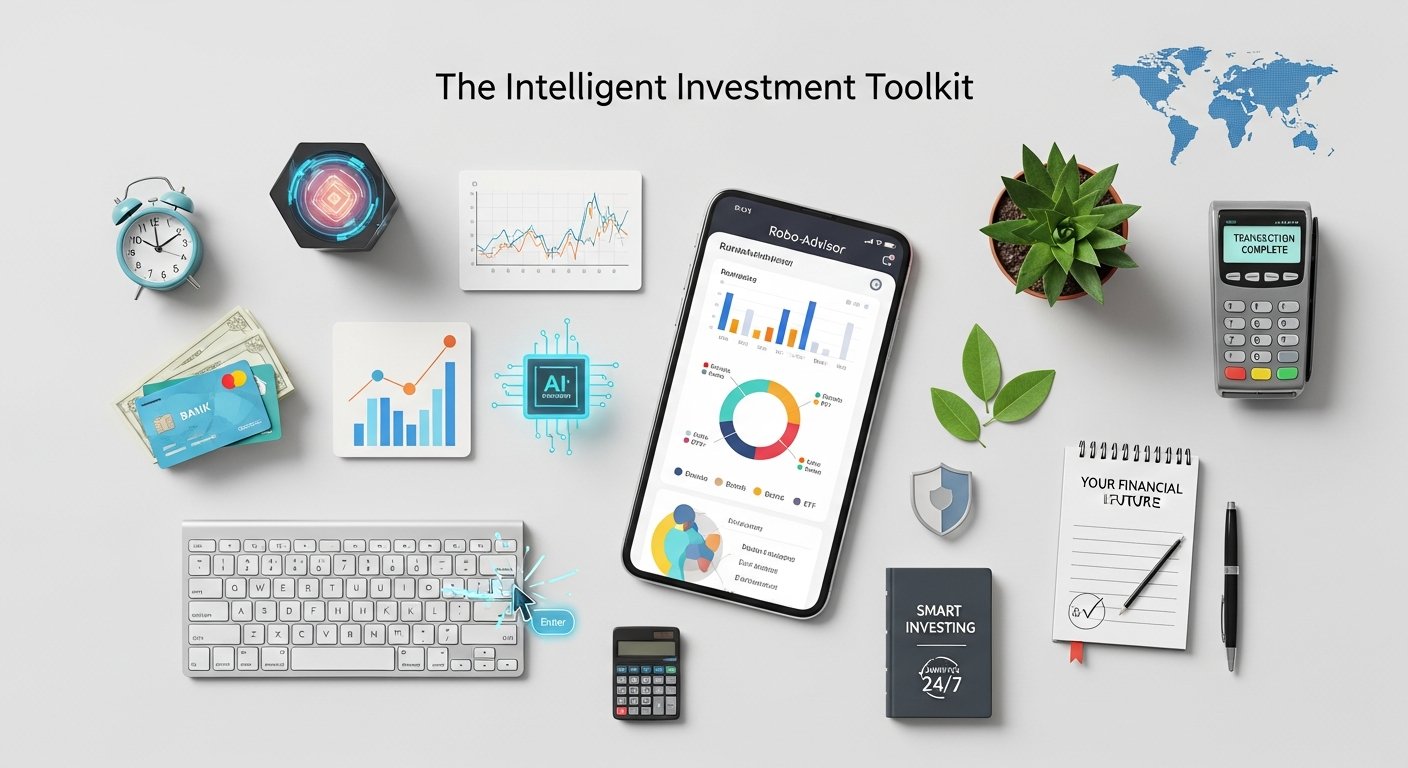
[INLINE IMAGE 1: place after second H2 | alt=”best robo-advisors concept illustration”]
Key Factors to Consider When Selecting the Best Robo-Advisor
Choosing the best robo-advisor isn’t a one-size-fits-all decision. The optimal platform for you will depend on your specific financial situation, investment goals, and personal preferences. To help you navigate the options, here are the critical factors you should meticulously evaluate.
Fees and Expense Ratios
This is often the first consideration for many, and rightly so. Robo-advisor fees typically come in two forms:
- Management Fees: This is the annual percentage of your assets under management (AUM) charged by the robo-advisor. They generally range from 0% (for very basic services or small balances) to 0.50% for comprehensive services. Some hybrid models with human advisor access might go slightly higher.
- Expense Ratios of Underlying ETFs: Since most robo-advisors invest in low-cost ETFs, you’ll also pay the expense ratios charged by those ETFs. While these are usually very low (often below 0.10%), they are an additional cost to consider. Always look at the total cost of ownership.
Compare these fees across platforms. A difference of 0.10% might seem small, but it compounds significantly over decades.
Minimum Investment Requirements
The entry barrier varies widely. Some of the best robo-advisors, like Schwab Intelligent Portfolios, have no minimums for their basic digital service, while others might require $500 (Betterment, Wealthfront) or even $3,000 for premium features (Vanguard Digital Advisor). Consider your current savings and how much you plan to invest initially and over time.
Investment Philosophy and Portfolio Options
Not all robo-advisors are created equal in terms of their investment approach:
- Passive vs. Active: Most robo-advisors employ a passive indexing strategy, investing in diversified ETFs that track broad market indexes. Some may incorporate actively managed funds or strategies.
- Asset Classes: What types of investments do they include? Equities (U.S. and international), fixed income (U.S. and international bonds), real estate (REITs), commodities, and even cryptocurrency are becoming more common.
- Socially Responsible Investing (SRI): If aligning your investments with your values is important, look for platforms offering SRI portfolios, which invest in companies meeting specific environmental, social, and governance (ESG) criteria.
- Thematic Investing: Some platforms offer specialized portfolios focused on specific trends or sectors, like clean energy or disruptive technology.
Account Types Supported
Ensure the robo-advisor supports the type of account you need. Common options include:
- Taxable Brokerage Accounts: Individual, Joint, Trust accounts.
- Retirement Accounts: Traditional IRA, Roth IRA, SEP IRA, SIMPLE IRA, 401(k) rollovers.
- Educational Accounts: 529 plans (less common but offered by some).
If you have multiple account types or complex needs, verify that the platform can accommodate them.
Human Advisor Access
While the core appeal of robo-advisors is automation, many now offer hybrid models that blend digital convenience with human expertise. These “hybrid robo-advisors” might provide:
- On-demand access: The ability to schedule calls with a Certified Financial Planner (CFP) for specific questions.
- Dedicated advisor: For higher account balances, you might get a dedicated human advisor.
- Comprehensive financial planning: Beyond just investments, these advisors might help with budgeting, debt management, and estate planning.
These services usually come with higher fees, but for those who want a safety net or occasional guidance, they can be an excellent middle ground.
Features and Tools
Beyond basic portfolio management, consider the additional features that enhance your investing experience:
- Tax-Loss Harvesting: An automated strategy that sells investments at a loss to offset capital gains and reduce your tax bill. This is a significant differentiator and can save you substantial money.
- Goal Planning Tools: Interactive dashboards and calculators to help you plan for specific financial goals (retirement, home down payment, etc.) and track your progress.
- Budgeting Tools: Some platforms integrate with budgeting apps or offer their own.
- Financial Education: Access to articles, videos, and webinars to improve your financial literacy.
- Mobile App: The quality and functionality of the mobile app can significantly impact your user experience.
Security and Regulation
Entrusting your money to an online platform requires confidence in its security. Ensure the robo-advisor is registered with the SEC and that your accounts are protected by SIPC (Securities Investor Protection Corporation), which covers up to $500,000 per customer in case the brokerage fails (though it doesn’t protect against market losses). Look for features like two-factor authentication, data encryption, and robust cybersecurity protocols.
By carefully evaluating these factors against your personal financial landscape, you can pinpoint the best robo-advisors that truly cater to your unique needs, helping you achieve your financial aspirations efficiently and securely.
Learn more about investment fees and how they impact your returns.
Top Robo-Advisors of 2026: A Detailed Breakdown

The market for robo-advisors has matured significantly, offering a diverse range of platforms catering to various investor profiles. In 2026, several key players continue to dominate, while innovative newcomers are carving out their niches. Here, we delve into some of the best robo-advisors, highlighting their strengths and what makes them stand out.
Best for Low Fees & Basic Investing: Charles Schwab Intelligent Portfolios
Charles Schwab Intelligent Portfolios stands out for its remarkably low-cost approach. For its core digital service, it charges a 0% advisory fee, making it one of the most attractive options for cost-conscious investors. The portfolios are primarily constructed using Schwab and third-party ETFs, which do have their own expense ratios (typically low). The service includes automatic rebalancing and tax-loss harvesting for taxable accounts. It’s ideal for investors who prioritize cost savings and a hands-off approach without direct human interaction.
Best for Comprehensive Financial Planning & Tax Efficiency: Wealthfront
Wealthfront is renowned for its sophisticated automation and robust suite of features, particularly its advanced tax-loss harvesting capabilities (including “smart beta” and “stock-level tax-loss harvesting” for larger portfolios). Beyond basic investing, Wealthfront offers extensive financial planning tools, including paths for retirement, homeownership, and college savings. It also provides a high-yield cash account and portfolio line of credit. Its fees are competitive, typically 0.25% AUM, making it an excellent choice for investors seeking powerful automation, tax optimization, and integrated financial tools, especially those with growing assets.
Best for Personalized Guidance & Hybrid Approach: Betterment Premium
Betterment has long been a pioneer in the robo-advisor space, offering a clean interface and robust goal-based planning. While its Digital plan (0.25% AUM) is excellent for basic investing, its Premium plan (0.40% AUM) truly shines for those needing more personalized support. Betterment Premium offers unlimited phone and email access to a team of Certified Financial Planners (CFPs) for more comprehensive financial advice on topics like retirement, debt management, and real estate. This hybrid model strikes an excellent balance between automation and human expertise, making it one of the best robo-advisors for those who want both.
Best for Established Investors & Vanguard Fans: Vanguard Digital Advisor
Vanguard, a long-standing leader in low-cost investing, brings its philosophy to the robo-advisor market with Vanguard Digital Advisor. This service uses Vanguard’s own low-cost ETFs and offers personalized financial plans for retirement and other goals. It’s particularly appealing to existing Vanguard clients or those who appreciate Vanguard’s ethos of low costs and broad market index investing. The fees are competitive, often around 0.15% AUM for balances over $5,000, with no advisory fee for the first $5,000 invested. It offers a solid, no-frills, cost-effective option for goal-oriented investors.
Best for Micro-Investing & Budgeting Integration: Acorns
Acorns takes a unique approach to investing, focusing on micro-investing by rounding up everyday purchases and investing the spare change. It’s designed to make investing accessible to everyone, especially those just starting or who struggle with saving. Acorns offers diversified portfolios of ETFs, automatic rebalancing, and options for retirement (Acorns Later) and kids’ accounts (Acorns Early). While its flat monthly fees can be proportionally higher for very small balances, it’s an excellent tool for building investing habits and integrating saving directly into daily spending. It stands out as one of the best robo-advisors for beginners and those building capital incrementally.
Best for High-Net-Worth Individuals & Complex Needs: Fidelity Go (Premium)
Fidelity Go offers a tiered service. Its basic digital-only plan is free for balances under $25,000 and 0.35% AUM above that, which is competitive. However, for higher-net-worth individuals or those with more complex financial lives, Fidelity Personalized Planning & Advice (which integrates Fidelity Go with a dedicated human advisor) offers a comprehensive solution. This service has a higher minimum and a 0.50% AUM fee but provides in-depth planning, estate considerations, and personalized guidance from a Fidelity advisor. It provides the best of both worlds for those needing a more hands-on approach with robust digital tools.
Choosing among these top contenders requires weighing your priorities. Do you value the absolute lowest fees, advanced tax strategies, human advice, or a beginner-friendly micro-investing approach? The table below provides a quick comparison to help you narrow down your choices.
| Robo-Advisor | Minimum Investment | Annual Fee (AUM) | Human Advisor Access | Key Features | Best For |
|---|---|---|---|---|---|
| Charles Schwab Intelligent Portfolios | $0 | 0% (plus ETF fees) | Optional (Paid Upgrade) | Automated rebalancing, Tax-loss harvesting, Wide range of ETFs | Cost-conscious investors, hands-off approach |
| Wealthfront | $500 | 0.25% | Limited (digital-first) | Advanced tax-loss harvesting, Financial planning tools, High-yield cash account | Growth-focused investors, tax optimization |
| Betterment Digital | $0 | 0.25% | No (Digital Plan) | Goal-based planning, Tax-loss harvesting, Intuitive interface | Beginners, goal-oriented savers |
| Betterment Premium | $100,000 | 0.40% | Unlimited access to CFPs | Comprehensive financial advice, Tax-loss harvesting, Advanced planning | Hybrid advice, personalized guidance |
| Vanguard Digital Advisor | $3,000 | ~0.15% (for >$5k; first $5k free) | Limited (coaching calls) | Vanguard’s low-cost ETFs, Goal-focused planning, Retirement advice | Vanguard loyalists, cost-effective retirement planning |
| Acorns | $0 (round-ups) | $3-$9/month (flat fee) | No | Micro-investing, Round-ups, Retirement accounts (Later), Kids accounts (Early) | Beginners, micro-savers, building habits |
| Fidelity Go | $0 (for >$0) | 0.35% (>$25k, <$25k is free) | Optional (Paid Upgrade to Fidelity Personalized Planning) | Zero advisory fees for balances under $25k, broadly diversified portfolios | Fidelity customers, hands-off investing for smaller balances |
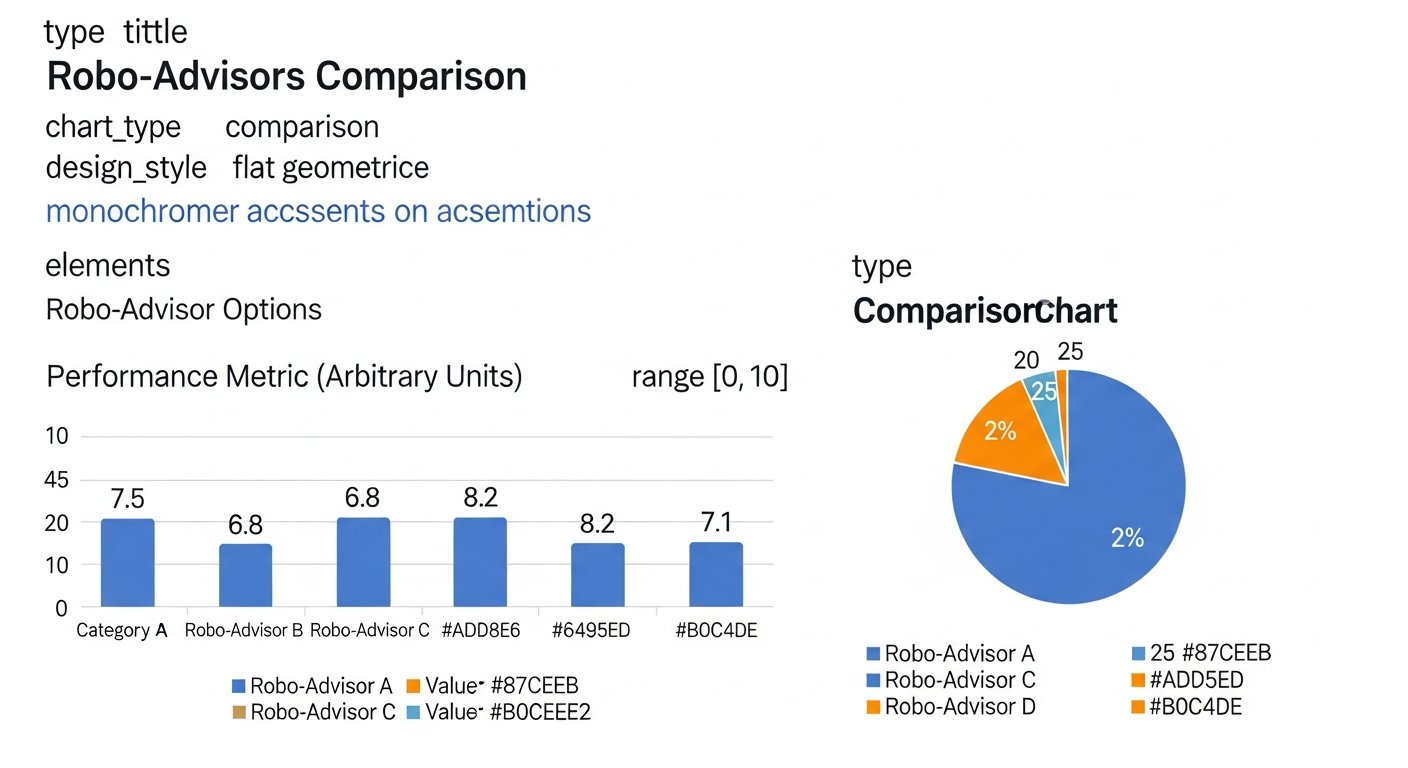
[INLINE IMAGE 2: place after fourth H2 | alt=”best robo-advisors comparison illustration”]
Advanced Features and Differentiators in Robo-Advisory
While the core offering of portfolio management is consistent across robo-advisors, the leading platforms distinguish themselves through a suite of advanced features designed to enhance returns, reduce taxes, and provide a more holistic financial planning experience. Understanding these differentiators is key to selecting the best robo-advisors for your specific needs.
Tax-Loss Harvesting
This is arguably one of the most powerful and sought-after features in the robo-advisory space, particularly for investors with taxable brokerage accounts. Tax-loss harvesting involves systematically selling investments that have lost value to offset capital gains and, in some cases, a limited amount of ordinary income. By strategically realizing losses, investors can reduce their current tax bill without significantly altering their overall investment strategy, as the algorithms immediately reinvest the proceeds into a similar, but not identical, asset to maintain diversification and asset allocation.
Platforms like Wealthfront and Betterment are renowned for their sophisticated tax-loss harvesting algorithms, which can lead to significant tax savings over time, potentially offsetting a substantial portion of their management fees. For example, Wealthfront’s “daily tax-loss harvesting” aims to capture losses more frequently, while its “stock-level tax-loss harvesting” goes even further for larger accounts, replacing individual stocks that are down with similar ones.
Portfolio Rebalancing and Drift
All reputable robo-advisors offer automatic portfolio rebalancing, but the frequency and methodology can vary. Rebalancing ensures your portfolio’s asset allocation stays aligned with your target risk profile. Without rebalancing, market fluctuations can cause your portfolio to “drift” from its original allocation – for instance, a strong stock market could lead to an over-allocation in equities, increasing your risk beyond your comfort level.
Robo-advisors typically rebalance when an asset class deviates by a certain percentage from its target (e.g., 5%), or on a fixed schedule (e.g., quarterly, annually). The best robo-advisors will optimize this process to be tax-efficient, especially in taxable accounts, to avoid triggering unnecessary capital gains taxes during the rebalance.
Goal-Based Planning Tools
Beyond simply managing a portfolio, many robo-advisors excel at helping you plan for specific financial goals. These tools often include:
- Retirement Calculators: Projecting how much you need to save to retire comfortably and tracking your progress.
- Education Planning: Estimating college costs and creating strategies for 529 plans or other savings vehicles.
- Major Purchase Goals: Saving for a down payment on a home, a car, or another significant expenditure.
- Monte Carlo Simulations: Running thousands of market simulations to estimate the probability of reaching your goals under various economic conditions, providing a more robust forecast than simple linear projections.
Betterment and Wealthfront, for instance, offer highly intuitive interfaces for setting and tracking multiple financial goals, allowing you to prioritize and allocate funds efficiently across different objectives.
Cryptocurrency and Alternative Investments
As the investment landscape evolves, some robo-advisors are beginning to integrate alternative assets. While not universally available, a few platforms are now offering access to:
- Cryptocurrency Exposure: Allowing a small percentage of your portfolio to be allocated to Bitcoin or Ethereum, often through Grayscale trusts or similar vehicles, rather than direct ownership. This enables diversified exposure within your automated portfolio.
- Real Estate Investment Trusts (REITs): Already common, but some platforms offer more specialized REITs or direct real estate exposure.
- Thematic ETFs: Portfolios focused on specific sectors like clean energy, artificial intelligence, or cloud computing, catering to investors interested in particular trends.
This expansion into alternatives demonstrates the continued innovation within the robo-advisory sector, providing more sophisticated options for those looking to diversify beyond traditional stocks and bonds.
Access to Certified Financial Planners (CFPs)
The “hybrid” model, combining automation with human advice, is a significant differentiator. While pure robo-advisors are budget-friendly, many investors appreciate the option to consult with a human expert for complex life events or questions that an algorithm cannot address. These services vary:
- On-demand consultations: You can schedule a call with a CFP for specific questions or a portfolio review (e.g., Betterment Premium, Vanguard Digital Advisor’s coaching calls).
- Dedicated advisors: For higher account balances, some platforms (e.g., Fidelity Personalized Planning & Advice) assign a dedicated financial advisor who offers ongoing, personalized guidance.
These hybrid offerings bridge the gap between low-cost automation and comprehensive human-led financial planning, providing a valuable option for investors whose needs evolve beyond basic portfolio management. For many, this access to expertise makes these offerings among the best robo-advisors available.
Explore our guide to understanding ETF expense ratios.
The Future of Robo-Advisors: Trends to Watch in 2026 and Beyond
The landscape of financial technology is in constant flux, and robo-advisors are at the forefront of this evolution. As we look to 2026 and beyond, several key trends are poised to shape the future of automated investing, making these platforms even more sophisticated, personalized, and integrated into our financial lives.
AI and Machine Learning Advancements
The foundational technology of robo-advisors is artificial intelligence and machine learning. As these fields continue to advance, we can expect robo-advisors to become even smarter and more adaptive. Future enhancements might include:
- Predictive Analytics: Algorithms could become better at predicting individual investor behavior based on market conditions, offering proactive advice to prevent emotional decision-making.
- Hyper-Personalization: Moving beyond just risk tolerance, AI could analyze spending habits, income fluctuations, and psychological biases to offer truly bespoke financial strategies.
- Dynamic Risk Assessment: Instead of static risk questionnaires, AI might continuously assess your financial health and external economic factors to dynamically adjust your portfolio’s risk level in real-time.
- Enhanced Market Analysis: AI could process vast amounts of data, including news sentiment and macroeconomic indicators, to refine asset allocation strategies with greater precision.
Personalization at Scale
While current robo-advisors offer personalized portfolios based on a questionnaire, the future promises an even deeper level of individualization. We’re seeing a shift from generic models to highly tailored experiences:
- Life Event Planning: Robo-advisors will likely integrate more seamlessly with life’s major milestones, automatically adjusting plans for marriage, parenthood, career changes, or inheritances.
- Custom Portfolio Construction: Beyond standard ETF portfolios, investors might have more granular control, choosing specific asset classes, sectors, or even individual stocks and bonds they wish to include or exclude, while still benefiting from automation.
- Behavioral Finance Integration: Tools that actively help investors overcome cognitive biases, such as loss aversion or overconfidence, through nudges and personalized insights.
Integration with Broader Financial Ecosystems
The siloed nature of financial products is diminishing. Future robo-advisors will likely integrate more deeply with other financial services, creating a unified financial hub:
- Banking and Spending: Seamless links between checking/savings accounts, credit cards, and investment portfolios, allowing for automatic savings transfers, bill payments, and spending analysis.
- Debt Management: Integration with loan services to help optimize debt repayment strategies alongside investment growth.
- Insurance and Estate Planning: Offering automated recommendations for insurance coverage (life, disability, long-term care) and simplified tools for basic estate planning, like wills and trusts.
- Health Savings Accounts (HSAs): More robust integration and investment options for these powerful triple-tax-advantaged accounts.
This holistic approach will enable robo-advisors to become central to an individual’s entire financial life, not just their investments.
The Blurring Lines Between Robo and Human Advice
The distinction between purely automated and traditional human-advised services is becoming increasingly blurred. The “hybrid” model, where human advisors are available for consultation or complex planning, is likely to become the standard for the best robo-advisors, especially as clients’ wealth grows.
- Tiered Service Models: More platforms will offer a spectrum of services, from fully digital to comprehensive human-led advice, with pricing adjusted accordingly.
- Augmented Advisors: Human financial advisors will increasingly use AI-powered tools to enhance their advice, making them more efficient and effective, and allowing them to serve more clients with higher quality insights.
- Gamification and Education: The platforms will likely incorporate more interactive educational content and gamified elements to encourage better financial habits and deeper understanding.
These trends suggest a future where robo-advisors offer even more tailored, integrated, and intelligent financial guidance, solidifying their role as indispensable tools for wealth management in 2026 and beyond.
Understand the basics of creating a robust financial plan.
Navigating Risks and Limitations of Robo-Advisors
While the benefits of robo-advisors are substantial, it’s crucial to approach them with a balanced perspective, acknowledging their inherent risks and limitations. No investment tool is perfect, and understanding where robo-advisors might fall short will help you make a more informed decision and manage expectations.
Lack of Emotional Intelligence in Complex Scenarios
Algorithms are designed to follow predefined rules and logic. They excel at quantitative analysis and consistent execution but fundamentally lack emotional intelligence. This can be a significant limitation in complex life scenarios where human empathy, discretion, and nuanced understanding are paramount:
- Behavioral Coaching: A human advisor can provide behavioral coaching, helping you stay disciplined during market downturns or advising against impulsive decisions driven by fear or greed. An algorithm simply executes.
- Unforeseen Life Events: Major life changes such as divorce, significant health issues, losing a job, or inheriting a large sum often require delicate handling and personalized advice that goes beyond portfolio rebalancing.
- Family Dynamics: Navigating wealth transfer within families, philanthropic goals, or complex estate planning often involves intricate personal relationships and legal considerations that an algorithm cannot address.
While hybrid models attempt to mitigate this by offering human access, the core automated service remains limited in its ability to understand and respond to the human element of finance.
Limited Customization for Unique Needs
Robo-advisors typically offer pre-designed portfolios based on modern portfolio theory, consisting of diversified ETFs. While this is excellent for broad market exposure and diversification, it might not suit every investor’s unique
The Best Robo-Advisors of 2026: Revolutionize Your Investment Strategy with AI
Affiliate disclosure: This article may contain affiliate links. Recommendations are independent and editorially driven.
In the dynamic world of personal finance, the evolution of technology has profoundly reshaped how individuals manage their investments and plan for their financial future. Among the most transformative innovations are robo-advisors – automated, algorithm-driven platforms that provide sophisticated portfolio management services typically reserved for high-net-worth clients, now accessible to everyone. For those seeking efficiency, lower costs, and expert-level portfolio construction without the complexity, understanding the best robo-advisors available in 2026 is paramount.
Gone are the days when comprehensive financial planning required hefty fees and in-person meetings. Robo-advisors leverage artificial intelligence and advanced algorithms to build, manage, and rebalance investment portfolios based on your financial goals, risk tolerance, and time horizon. This democratization of wealth management has opened doors for millions, from novice investors just starting their journey to seasoned individuals looking for a hands-off, optimized approach.
At fin3go, we understand that navigating the myriad of options can be daunting. That’s why we’ve meticulously researched and analyzed the leading platforms to bring you an in-depth guide to the best robo-advisors of 2026. Our aim is to equip you with the knowledge needed to make an informed decision, ensuring your chosen platform aligns perfectly with your investment philosophy and personal circumstances. Whether you prioritize low fees, advanced features like tax-loss harvesting, or access to human financial advisors, this comprehensive guide will illuminate your path to smarter, automated investing.
What is a Robo-Advisor and How Does it Work?
To truly appreciate the value proposition of the best robo-advisors, it’s essential to understand their fundamental nature and operational mechanics. A robo-advisor is essentially a digital platform that provides automated, algorithm-driven financial planning services with little to no human supervision. These services range from simple portfolio management to comprehensive financial goal planning.
Defining Robo-Advisors
At its core, a robo-advisor is an online wealth management service that uses algorithms to automatically manage your investments. Unlike traditional financial advisors, who are human and require direct interaction, robo-advisors streamline the entire investment process. They ask you a series of questions about your financial situation, investment goals (e.g., retirement, buying a home, saving for college), risk tolerance, and time horizon. Based on your responses, the algorithm constructs a diversified investment portfolio, typically consisting of low-cost exchange-traded funds (ETFs) and sometimes mutual funds.
The beauty of robo-advisors lies in their accessibility and simplicity. They demystify investing, making it understandable and actionable for individuals who might otherwise feel intimidated by the stock market or the jargon often associated with traditional wealth management.
The Mechanics: Algorithms, Portfolios, and Rebalancing
The operational framework of a robo-advisor is built upon sophisticated algorithms designed to mimic the decision-making process of a human financial expert. Here’s a breakdown of how they typically work:
- Initial Assessment: You start by completing an online questionnaire. This covers your age, income, existing assets, liabilities, investment objectives, and how comfortable you are with market fluctuations.
- Portfolio Construction: Based on your profile, the algorithm recommends a suitable asset allocation. For example, a younger investor with a high-risk tolerance might be allocated a portfolio with a higher percentage of equities (stocks), while someone closer to retirement with a lower risk tolerance might have a higher allocation to fixed-income investments (bonds). These portfolios are usually constructed using a basket of diversified, low-cost ETFs that cover various asset classes, geographies, and industries.
- Automatic Rebalancing: Markets are constantly shifting, causing your portfolio’s original asset allocation to drift. Robo-advisors automatically monitor your portfolio and rebalance it periodically to maintain your target asset allocation. If stocks have performed exceptionally well, the system might sell some stocks and buy bonds to bring the portfolio back into balance. This disciplined approach helps manage risk and ensures your portfolio remains aligned with your initial strategy.
- Tax-Loss Harvesting (Optional): Many advanced robo-advisors offer tax-loss harvesting. This strategy involves selling investments at a loss to offset capital gains and, potentially, a limited amount of ordinary income, thereby reducing your tax liability. The algorithm automatically identifies opportunities to execute this strategy.
- Dividend Reinvestment: Dividends earned from your investments are typically automatically reinvested back into your portfolio, further compounding your returns over time.
Key Benefits of Robo-Advisory
The rise of robo-advisors is due to several compelling benefits they offer, particularly to modern investors:
- Lower Fees: One of the most significant advantages is cost. Robo-advisors typically charge a fraction of what traditional financial advisors do. While human advisors might charge 1% or more of assets under management (AUM), robo-advisors often charge between 0.25% and 0.50% AUM, with some even offering free options for basic services.
- Accessibility: With lower minimum investment requirements (some as low as $0 or $5), robo-advisors make professional-grade investing accessible to a broader demographic, including young investors and those with smaller account balances.
- Automation and Convenience: Once set up, your investments are managed automatically. This “set it and forget it” approach saves time and removes the emotional component from investing, which can often lead to poor decisions.
- Diversification: Robo-advisors inherently promote diversification by constructing portfolios with a mix of asset classes, reducing single-asset risk.
- Disciplined Investing: The automated rebalancing and tax-loss harvesting features ensure a disciplined investment approach, adhering to your long-term strategy regardless of market volatility.
- Transparency: Most platforms offer clear reporting and dashboards, allowing you to easily track your portfolio’s performance and understand its composition.
Why Choose a Robo-Advisor Over Traditional Financial Advisors?
The decision between a robo-advisor and a traditional human financial advisor hinges on several factors, including cost, complexity of your financial situation, and your preference for human interaction. For many, especially those who are just starting out or have relatively straightforward financial needs, the advantages of robo-advisors are compelling.
Cost-Effectiveness
This is arguably the most significant differentiator. Traditional financial advisors, while offering personalized, in-depth advice, come at a premium. Their fees, often 1% or more of assets under management (AUM), can significantly eat into your long-term returns. For an investor with $500,000, a 1% fee amounts to $5,000 annually. Over decades, this difference can accumulate to hundreds of thousands of dollars.
Robo-advisors, with their automated systems and lower overhead, can charge substantially less. Management fees typically range from 0.25% to 0.50% of AUM. Some, particularly those focused on basic investment solutions, even offer free services up to a certain asset level. This cost saving is a powerful advantage, allowing more of your money to stay invested and grow over time, making them a top choice for those looking for the best robo-advisors for value.
Accessibility and Convenience
Traditional advisors often have high minimum investment requirements, sometimes starting at $100,000 or even $500,000. This effectively gates off a large portion of the population from professional wealth management. Robo-advisors, by contrast, are highly accessible. Many have no minimums or very low minimums (e.g., $500 or even $0), allowing virtually anyone to start investing professionally.
Furthermore, robo-advisors offer unparalleled convenience. You can set up an account, link your bank, and start investing from your couch, at any time of day. All portfolio adjustments, rebalancing, and reporting are handled digitally, through intuitive dashboards and mobile apps. This ease of use makes them incredibly attractive to busy professionals and digital natives.
Objectivity and Automation
Human emotions can often be an investor’s worst enemy. Fear and greed can lead to panic selling during downturns or chasing hot stocks during bull markets, often resulting in suboptimal outcomes. Robo-advisors remove this emotional element entirely. Their algorithms are programmed to follow a disciplined investment strategy, regardless of market volatility.
The automation extends beyond just buying and selling. Features like automatic rebalancing ensure your portfolio maintains its target asset allocation, and tax-loss harvesting is executed systematically to optimize tax efficiency. This objective, automated approach ensures consistency and helps investors stick to their long-term financial plans without succumbing to impulsive decisions.
For Whom Are Robo-Advisors Best Suited?
Robo-advisors are an excellent fit for several types of investors:
- Beginner Investors: Those new to investing can benefit from the simplified setup, diversified portfolios, and educational resources.
- Cost-Conscious Investors: Individuals who want professional management without the high fees associated with human advisors.
- Hands-Off Investors: People who prefer a “set it and forget it” approach and don’t want to actively manage their portfolios.
- Goal-Oriented Savers: Individuals saving for specific goals like retirement, a down payment, or college, who appreciate tools for tracking progress.
- Young Investors: With low minimums and digital accessibility, they are perfect for building long-term wealth from an early age.
- Investors with Straightforward Needs: If your financial situation isn’t overly complex (e.g., no intricate estate planning or unique tax situations), a robo-advisor can be highly effective.
While traditional advisors remain invaluable for those with complex financial scenarios, substantial assets, or a strong preference for personal, nuanced advice, robo-advisors offer a powerful, efficient, and affordable alternative that is increasingly becoming the default choice for a broad spectrum of investors.
[INLINE IMAGE 1: place after second H2 | alt=”best robo-advisors concept illustration”]
Key Factors to Consider When Selecting the Best Robo-Advisor
Choosing the best robo-advisor isn’t a one-size-fits-all decision. The optimal platform for you will depend on your specific financial situation, investment goals, and personal preferences. To help you navigate the options, here are the critical factors you should meticulously evaluate.
Fees and Expense Ratios
This is often the first consideration for many, and rightly so. Robo-advisor fees typically come in two forms:
- Management Fees: This is the annual percentage of your assets under management (AUM) charged by the robo-advisor. They generally range from 0% (for very basic services or small balances) to 0.50% for comprehensive services. Some hybrid models with human advisor access might go slightly higher.
- Expense Ratios of Underlying ETFs: Since most robo-advisors invest in low-cost ETFs, you’ll also pay the expense ratios charged by those ETFs. While these are usually very low (often below 0.10%), they are an additional cost to consider. Always look at the total cost of ownership.
Compare these fees across platforms. A difference of 0.10% might seem small, but it compounds significantly over decades.
Minimum Investment Requirements
The entry barrier varies widely. Some of the best robo-advisors, like Schwab Intelligent Portfolios, have no minimums for their basic digital service, while others might require $500 (Betterment, Wealthfront) or even $3,000 for premium features (Vanguard Digital Advisor). Consider your current savings and how much you plan to invest initially and over time.
Investment Philosophy and Portfolio Options
Not all robo-advisors are created equal in terms of their investment approach:
- Passive vs. Active: Most robo-advisors employ a passive indexing strategy, investing in diversified ETFs that track broad market indexes. Some may incorporate actively managed funds or strategies.
- Asset Classes: What types of investments do they include? Equities (U.S. and international), fixed income (U.S. and international bonds), real estate (REITs), commodities, and even cryptocurrency are becoming more common.
- Socially Responsible Investing (SRI): If aligning your investments with your values is important, look for platforms offering SRI portfolios, which invest in companies meeting specific environmental, social, and governance (ESG) criteria.
- Thematic Investing: Some platforms offer specialized portfolios focused on specific trends or sectors, like clean energy or disruptive technology.
Account Types Supported
Ensure the robo-advisor supports the type of account you need. Common options include:
- Taxable Brokerage Accounts: Individual, Joint, Trust accounts.
- Retirement Accounts: Traditional IRA, Roth IRA, SEP IRA, SIMPLE IRA, 401(k) rollovers.
- Educational Accounts: 529 plans (less common but offered by some).
If you have multiple account types or complex needs, verify that the platform can accommodate them.
Human Advisor Access
While the core appeal of robo-advisors is automation, many now offer hybrid models that blend digital convenience with human expertise. These “hybrid robo-advisors” might provide:
- On-demand access: The ability to schedule calls with a Certified Financial Planner (CFP) for specific questions.
- Dedicated advisor: For higher account balances, you might get a dedicated human advisor.
- Comprehensive financial planning: Beyond just investments, these advisors might help with budgeting, debt management, and estate planning.
These services usually come with higher fees, but for those who want a safety net or occasional guidance, they can be an excellent middle ground.
Features and Tools
Beyond basic portfolio management, consider the additional features that enhance your investing experience:
- Tax-Loss Harvesting: An automated strategy that sells investments at a loss to offset capital gains and reduce your tax bill. This is a significant differentiator and can save you substantial money.
- Goal Planning Tools: Interactive dashboards and calculators to help you plan for specific financial goals (retirement, home down payment, etc.) and track your progress.
- Budgeting Tools: Some platforms integrate with budgeting apps or offer their own.
- Financial Education: Access to articles, videos, and webinars to improve your financial literacy.
- Mobile App: The quality and functionality of the mobile app can significantly impact your user experience.
Security and Regulation
Entrusting your money to an online platform requires confidence in its security. Ensure the robo-advisor is registered with the SEC and that your accounts are protected by SIPC (Securities Investor Protection Corporation), which covers up to $500,000 per customer in case the brokerage fails (though it doesn’t protect against market losses). Look for features like two-factor authentication, data encryption, and robust cybersecurity protocols.
By carefully evaluating these factors against your personal financial landscape, you can pinpoint the best robo-advisors that truly cater to your unique needs, helping you achieve your financial aspirations efficiently and securely.
Learn more about investment fees and how they impact your returns.
Top Robo-Advisors of 2026: A Detailed Breakdown
The market for robo-advisors has matured significantly, offering a diverse range of platforms catering to various investor profiles. In 2026, several key players continue to dominate, while innovative newcomers are carving out their niches. Here, we delve into some of the best robo-advisors, highlighting their strengths and what makes them stand out.
Best for Low Fees & Basic Investing: Charles Schwab Intelligent Portfolios
Charles Schwab Intelligent Portfolios stands out for its remarkably low-cost approach. For its core digital service, it charges a 0% advisory fee, making it one of the most attractive options for cost-conscious investors. The portfolios are primarily constructed using Schwab and third-party ETFs, which do have their own expense ratios (typically low). The service includes automatic rebalancing and tax-loss harvesting for taxable accounts. It’s ideal for investors who prioritize cost savings and a hands-off approach without direct human interaction.
Best for Comprehensive Financial Planning & Tax Efficiency: Wealthfront
Wealthfront is renowned for its sophisticated automation and robust suite of features, particularly its advanced tax-loss harvesting capabilities (including “smart beta” and “stock-level tax-loss harvesting” for larger portfolios). Beyond basic investing, Wealthfront offers extensive financial planning tools, including paths for retirement, homeownership, and college savings. It also provides a high-yield cash account and portfolio line of credit. Its fees are competitive, typically 0.25% AUM, making it an excellent choice for investors seeking powerful automation, tax optimization, and integrated financial tools, especially those with growing assets.
Best for Personalized Guidance & Hybrid Approach: Betterment Premium
Betterment has long been a pioneer in the robo-advisor space, offering a clean interface and robust goal-based planning. While its Digital plan (0.25% AUM) is excellent for basic investing, its Premium plan (0.40% AUM) truly shines for those needing more personalized support. Betterment Premium offers unlimited phone and email access to a team of Certified Financial Planners (CFPs) for more comprehensive financial advice on topics like retirement, debt management, and real estate. This hybrid model strikes an excellent balance between automation and human expertise, making it one of the best robo-advisors for those who want both.
Best for Established Investors & Vanguard Fans: Vanguard Digital Advisor
Vanguard, a long-standing leader in low-cost investing, brings its philosophy to the robo-advisor market with Vanguard Digital Advisor. This service uses Vanguard’s own low-cost ETFs and offers personalized financial plans for retirement and other goals. It’s particularly appealing to existing Vanguard clients or those who appreciate Vanguard’s ethos of low costs and broad market index investing. The fees are competitive, often around 0.15% AUM for balances over $5,000, with no advisory fee for the first $5,000 invested. It offers a solid, no-frills, cost-effective option for goal-oriented investors.
Best for Micro-Investing & Budgeting Integration: Acorns
Acorns takes a unique approach to investing, focusing on micro-investing by rounding up everyday purchases and investing the spare change. It’s designed to make investing accessible to everyone, especially those just starting or who struggle with saving. Acorns offers diversified portfolios of ETFs, automatic rebalancing, and options for retirement (Acorns Later) and kids’ accounts (Acorns Early). While its flat monthly fees can be proportionally higher for very small balances, it’s an excellent tool for building investing habits and integrating saving directly into daily spending. It stands out as one of the best robo-advisors for beginners and those building capital incrementally.
Best for High-Net-Worth Individuals & Complex Needs: Fidelity Go (Premium)
Fidelity Go offers a tiered service. Its basic digital-only plan is free for balances under $25,000 and 0.35% AUM above that, which is competitive. However, for higher-net-worth individuals or those with more complex financial lives, Fidelity Personalized Planning & Advice (which integrates Fidelity Go with a dedicated human advisor) offers a comprehensive solution. This service has a higher minimum and a 0.50% AUM fee but provides in-depth planning, estate considerations, and personalized guidance from a Fidelity advisor. It provides the best of both worlds for those needing a more hands-on approach with robust digital tools.
Choosing among these top contenders requires weighing your priorities. Do you value the absolute lowest fees, advanced tax strategies, human advice, or a beginner-friendly micro-investing approach? The table below provides a quick comparison to help you narrow down your choices.
| Robo-Advisor | Minimum Investment | Annual Fee (AUM) | Human Advisor Access | Key Features | Best For |
|---|---|---|---|---|---|
| Charles Schwab Intelligent Portfolios | $0 | 0% (plus ETF fees) | Optional (Paid Upgrade) | Automated rebalancing, Tax-loss harvesting, Wide range of ETFs | Cost-conscious investors, hands-off approach |
| Wealthfront | $500 | 0.25% | Limited (digital-first) | Advanced tax-loss harvesting, Financial planning tools, High-yield cash account | Growth-focused investors, tax optimization |
| Betterment Digital | $0 | 0.25% | No (Digital Plan) | Goal-based planning, Tax-loss harvesting, Intuitive interface | Beginners, goal-oriented savers |
| Betterment Premium | $100,000 | 0.40% | Unlimited access to CFPs | Comprehensive financial advice, Tax-loss harvesting, Advanced planning | Hybrid advice, personalized guidance |
| Vanguard Digital Advisor | $3,000 | ~0.15% (for >$5k; first $5k free) | Limited (coaching calls) | Vanguard’s low-cost ETFs, Goal-focused planning, Retirement advice | Vanguard loyalists, cost-effective retirement planning |
| Acorns | $0 (round-ups) | $3-$9/month (flat fee) | No | Micro-investing, Round-ups, Retirement accounts (Later), Kids accounts (Early) | Beginners, micro-savers, building habits |
| Fidelity Go | $0 (for >$0) | 0.35% (>$25k, <$25k is free) | Optional (Paid Upgrade to Fidelity Personalized Planning) | Zero advisory fees for balances under $25k, broadly diversified portfolios | Fidelity customers, hands-off investing for smaller balances |
[INLINE IMAGE 2: place after fourth H2 | alt=”best robo-advisors comparison illustration”]
Advanced Features and Differentiators in Robo-Advisory
While the core offering of portfolio management is consistent across robo-advisors, the leading platforms distinguish themselves through a suite of advanced features designed to enhance returns, reduce taxes, and provide a more holistic financial planning experience. Understanding these differentiators is key to selecting the best robo-advisors for your specific needs.
Tax-Loss Harvesting
This is arguably one of the most powerful and sought-after features in the robo-advisory space, particularly for investors with taxable brokerage accounts. Tax-loss harvesting involves systematically selling investments that have lost value to offset capital gains and, in some cases, a limited amount of ordinary income. By strategically realizing losses, investors can reduce their current tax bill without significantly altering their overall investment strategy, as the algorithms immediately reinvest the proceeds into a similar, but not identical, asset to maintain diversification and asset allocation.
Platforms like Wealthfront and Betterment are renowned for their sophisticated tax-loss harvesting algorithms, which can lead to significant tax savings over time, potentially offsetting a substantial portion of their management fees. For example, Wealthfront’s “daily tax-loss harvesting” aims to capture losses more frequently, while its “stock-level tax-loss harvesting” goes even further for larger accounts, replacing individual stocks that are down with similar ones.
Portfolio Rebalancing and Drift
All reputable robo-advisors offer automatic portfolio rebalancing, but the frequency and methodology can vary. Rebalancing ensures your portfolio’s asset allocation stays aligned with your target risk profile. Without rebalancing, market fluctuations can cause your portfolio to “drift” from its original allocation – for instance, a strong stock market could lead to an over-allocation in equities, increasing your risk beyond your comfort level.
Robo-advisors typically rebalance when an asset class deviates by a certain percentage from its target (e.g., 5%), or on a fixed schedule (e.g., quarterly, annually). The best robo-advisors will optimize this process to be tax-efficient, especially in taxable accounts, to avoid triggering unnecessary capital gains taxes during the rebalance.
Goal-Based Planning Tools
Beyond simply managing a portfolio, many robo-advisors excel at helping you plan for specific financial goals. These tools often include:
- Retirement Calculators: Projecting how much you need to save to retire comfortably and tracking your progress.
- Education Planning: Estimating college costs and creating strategies for 529 plans or other savings vehicles.
- Major Purchase Goals: Saving for a down payment on a home, a car, or another significant expenditure.
- Monte Carlo Simulations: Running thousands of market simulations to estimate the probability of reaching your goals under various economic conditions, providing a more robust forecast than simple linear projections.
Betterment and Wealthfront, for instance, offer highly intuitive interfaces for setting and tracking multiple financial goals, allowing you to prioritize and allocate funds efficiently across different objectives.
Cryptocurrency and Alternative Investments
As the investment landscape evolves, some robo-advisors are beginning to integrate alternative assets. While not universally available, a few platforms are now offering access to:
- Cryptocurrency Exposure: Allowing a small percentage of your portfolio to be allocated to Bitcoin or Ethereum, often through Grayscale trusts or similar vehicles, rather than direct ownership. This enables diversified exposure within your automated portfolio.
- Real Estate Investment Trusts (REITs): Already common, but some platforms offer more specialized REITs or direct real estate exposure.
- Thematic ETFs: Portfolios focused on specific sectors like clean energy, artificial intelligence, or cloud computing, catering to investors interested in particular trends.
This expansion into alternatives demonstrates the continued innovation within the robo-advisory sector, providing more sophisticated options for those looking to diversify beyond traditional stocks and bonds.
Access to Certified Financial Planners (CFPs)
The “hybrid” model, combining automation with human advice, is a significant differentiator. While pure robo-advisors are budget-friendly, many investors appreciate the option to consult with a human expert for complex life events or questions that an algorithm cannot address. These services vary:
- On-demand consultations: You can schedule a call with a CFP for specific questions or a portfolio review (e.g., Betterment Premium, Vanguard Digital Advisor’s coaching calls).
- Dedicated advisors: For higher account balances, some platforms (e.g., Fidelity Personalized Planning & Advice) assign a dedicated financial advisor who offers ongoing, personalized guidance.
These hybrid offerings bridge the gap between low-cost automation and comprehensive human-led financial planning, providing a valuable option for investors whose needs evolve beyond basic portfolio management. For many, this access to expertise makes these offerings among the best robo-advisors available.
Explore our guide to understanding ETF expense ratios.
The Future of Robo-Advisors: Trends to Watch in 2026 and Beyond
The landscape of financial technology is in constant flux, and robo-advisors are at the forefront of this evolution. As we look to 2026 and beyond, several key trends are poised to shape the future of automated investing, making these platforms even more sophisticated, personalized, and integrated into our financial lives.
AI and Machine Learning Advancements
The foundational technology of robo-advisors is artificial intelligence and machine learning. As these fields continue to advance, we can expect robo-advisors to become even smarter and more adaptive. Future enhancements might include:
- Predictive Analytics: Algorithms could become better at predicting individual investor behavior based on market conditions, offering proactive advice to prevent emotional decision-making.
- Hyper-Personalization: Moving beyond just risk tolerance, AI could analyze spending habits, income fluctuations, and psychological biases to offer truly bespoke financial strategies.
- Dynamic Risk Assessment: Instead of static risk questionnaires, AI might continuously assess your financial health and external economic factors to dynamically adjust your portfolio’s risk level in real-time.
- Enhanced Market Analysis: AI could process vast amounts of data, including news sentiment and macroeconomic indicators, to refine asset allocation strategies with greater precision.
Personalization at Scale
While current robo-advisors offer personalized portfolios based on a questionnaire, the future promises an even deeper level of individualization. We’re seeing a shift from generic models to highly tailored experiences:
- Life Event Planning: Robo-advisors will likely integrate more seamlessly with life’s major milestones, automatically adjusting plans for marriage, parenthood, career changes, or inheritances.
- Custom Portfolio Construction: Beyond standard ETF portfolios, investors might have more granular control, choosing specific asset classes, sectors, or even individual stocks and bonds they wish to include or exclude, while still benefiting from automation.
- Behavioral Finance Integration: Tools that actively help investors overcome cognitive biases, such as loss aversion or overconfidence, through nudges and personalized insights.
Integration with Broader Financial Ecosystems
The siloed nature of financial products is diminishing. Future robo-advisors will likely integrate more deeply with other financial services, creating a unified financial hub:
- Banking and Spending: Seamless links between checking/savings accounts, credit cards, and investment portfolios, allowing for automatic savings transfers, bill payments, and spending analysis.
- Debt Management: Integration with loan services to help optimize debt repayment strategies alongside investment growth.
- Insurance and Estate Planning: Offering automated recommendations for insurance coverage (life, disability, long-term care) and simplified tools for basic estate planning, like wills and trusts.
- Health Savings Accounts (HSAs): More robust integration and investment options for these powerful triple-tax-advantaged accounts.
This holistic approach will enable robo-advisors to become central to an individual’s entire financial life, not just their investments.
The Blurring Lines Between Robo and Human Advice
The distinction between purely automated and traditional human-advised services is becoming increasingly blurred. The “hybrid” model, where human advisors are available for consultation or complex planning, is likely to become the standard for the best robo-advisors, especially as clients’ wealth grows.
- Tiered Service Models: More platforms will offer a spectrum of services, from fully digital to comprehensive human-led advice, with pricing adjusted accordingly.
- Augmented Advisors: Human financial advisors will increasingly use AI-powered tools to enhance their advice, making them more efficient and effective, and allowing them to serve more clients with higher quality insights.
- Gamification and Education: The platforms will likely incorporate more interactive educational content and gamified elements to encourage better financial habits and deeper understanding.
These trends suggest a future where robo-advisors offer even more tailored, integrated, and intelligent financial guidance, solidifying their role as indispensable tools for wealth management in 2026 and beyond.
Understand the basics of creating a robust financial plan.
Navigating Risks and Limitations of Robo-Advisors
While the benefits of robo-advisors are substantial, it’s crucial to approach them with a balanced perspective, acknowledging their inherent risks and limitations. No investment tool is perfect, and understanding where robo-advisors might fall short will help you make a more informed decision and manage expectations.
Lack of Emotional Intelligence in Complex Scenarios
Algorithms are designed to follow predefined rules and logic. They excel at quantitative analysis and consistent execution but fundamentally lack emotional intelligence. This can be a significant limitation in complex life scenarios where human empathy, discretion, and nuanced understanding are paramount:
- Behavioral Coaching: A human advisor can provide behavioral coaching, helping you stay disciplined during market downturns or advising against impulsive decisions driven by fear or greed. An algorithm simply executes.
- Unforeseen Life Events: Major life changes such as divorce, significant health issues, losing a job, or inheriting a large sum often require delicate handling and personalized advice that goes beyond portfolio rebalancing.
- Family Dynamics: Navigating wealth transfer within families, philanthropic goals, or complex estate planning often involves intricate personal relationships and legal considerations that an algorithm cannot address.
While hybrid models attempt to mitigate this by offering human access, the core automated service remains limited in its ability to understand and respond to the human element of finance.
Limited Customization for Unique Needs
Robo-advisors typically offer pre-designed portfolios based on modern portfolio theory, consisting of diversified ETFs. While this is excellent for broad market exposure and diversification, it might not suit every investor’s unique