






In an increasingly complex financial landscape, mastering your money is no longer a luxury but a necessity. As we step into 2026, the tools available to help us achieve financial serenity have evolved dramatically. Gone are the days of tedious spreadsheets and manual expense tracking; today’s best budgeting apps for 2026 offer powerful, intuitive solutions that transform the daunting task of money management into an empowering journey. Whether you’re aiming to eradicate debt, boost your savings, invest wisely, or simply gain a clearer picture of where your money goes, the right budgeting app can be your most valuable ally. This comprehensive guide from Fin3go will navigate the cutting edge of personal finance technology, revealing the top budgeting apps for 2026 designed to help you not just track, but truly thrive financially.

The Evolving Landscape of Personal Finance: Why Budgeting Apps Are Essential for 2026

The dawn of 2026 presents a unique set of financial challenges and opportunities. Economic shifts, technological advancements, and a growing emphasis on long-term financial security mean that a proactive, informed approach to money management is more critical than ever. In this dynamic environment, relying on memory or outdated methods to manage your finances is akin to navigating a complex city without a GPS.

Budgeting apps have emerged as indispensable tools, bridging the gap between aspiration and achievement. They provide real-time insights, automate tedious tasks, and offer personalized guidance that traditional methods simply cannot match. For anyone serious about their financial future, integrating a robust budgeting app into their daily routine is no longer an option but a strategic imperative.

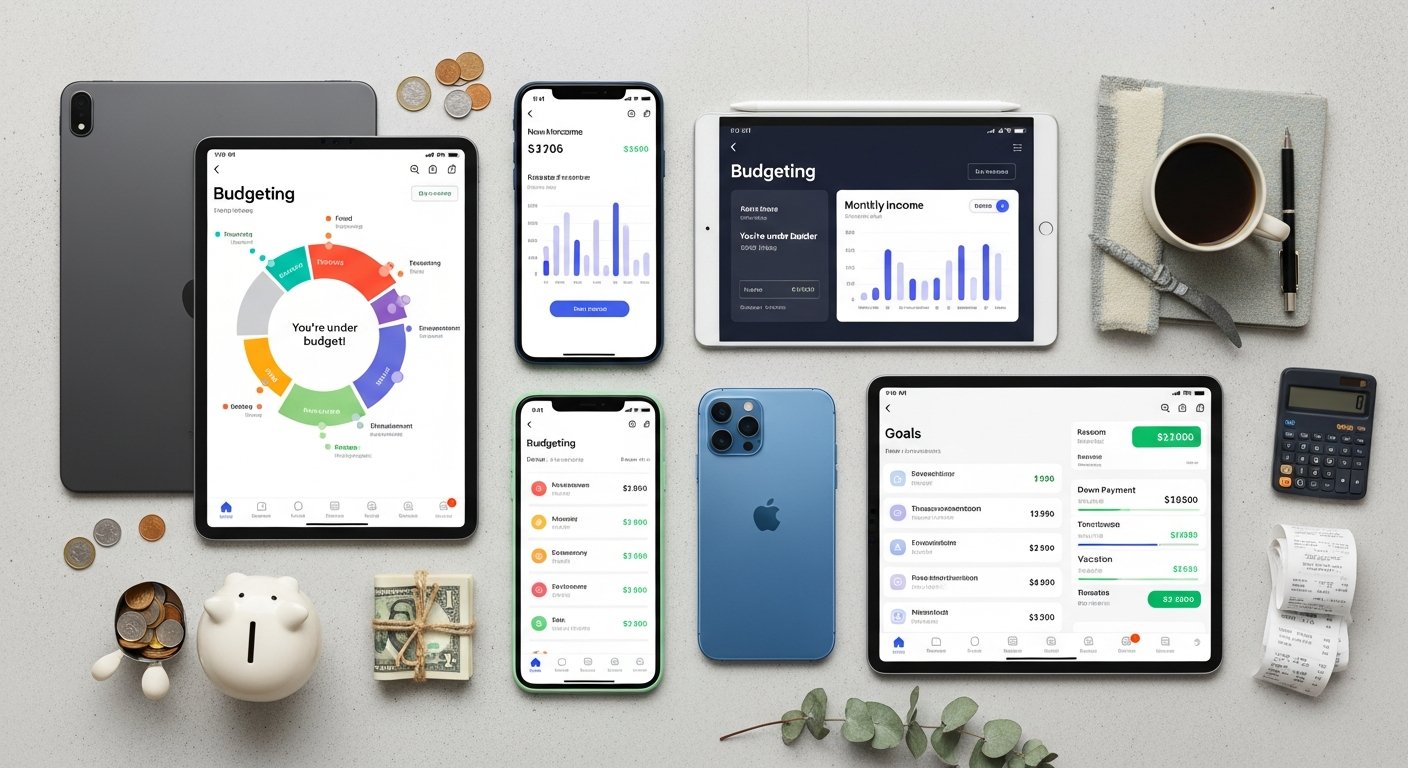
One of the foundational steps in this journey is understanding How To Create A Monthly Budget. While the core principles remain constant – allocating income to expenses, savings, and debt repayment – apps revolutionize the execution. They automate the categorization of transactions, provide visual representations of your spending, and send alerts when you’re approaching budget limits. This automation frees up mental energy, allowing you to focus on strategic financial decisions rather than mundane data entry. Moreover, the best apps offer customizable budgeting frameworks, whether you prefer a zero-based budget, the 50/30/20 rule, or something entirely unique to your circumstances, making the creation and adherence to a monthly budget significantly more manageable and effective.

Key Features to Prioritize When Choosing a Budgeting App

Best Budgeting Apps 2026

With an ever-expanding market of budgeting apps, distinguishing between a good tool and an exceptional one requires a clear understanding of essential features. As you evaluate your options for 2026, consider the following functionalities that elevate an app from mere expense tracking to a comprehensive financial command center:

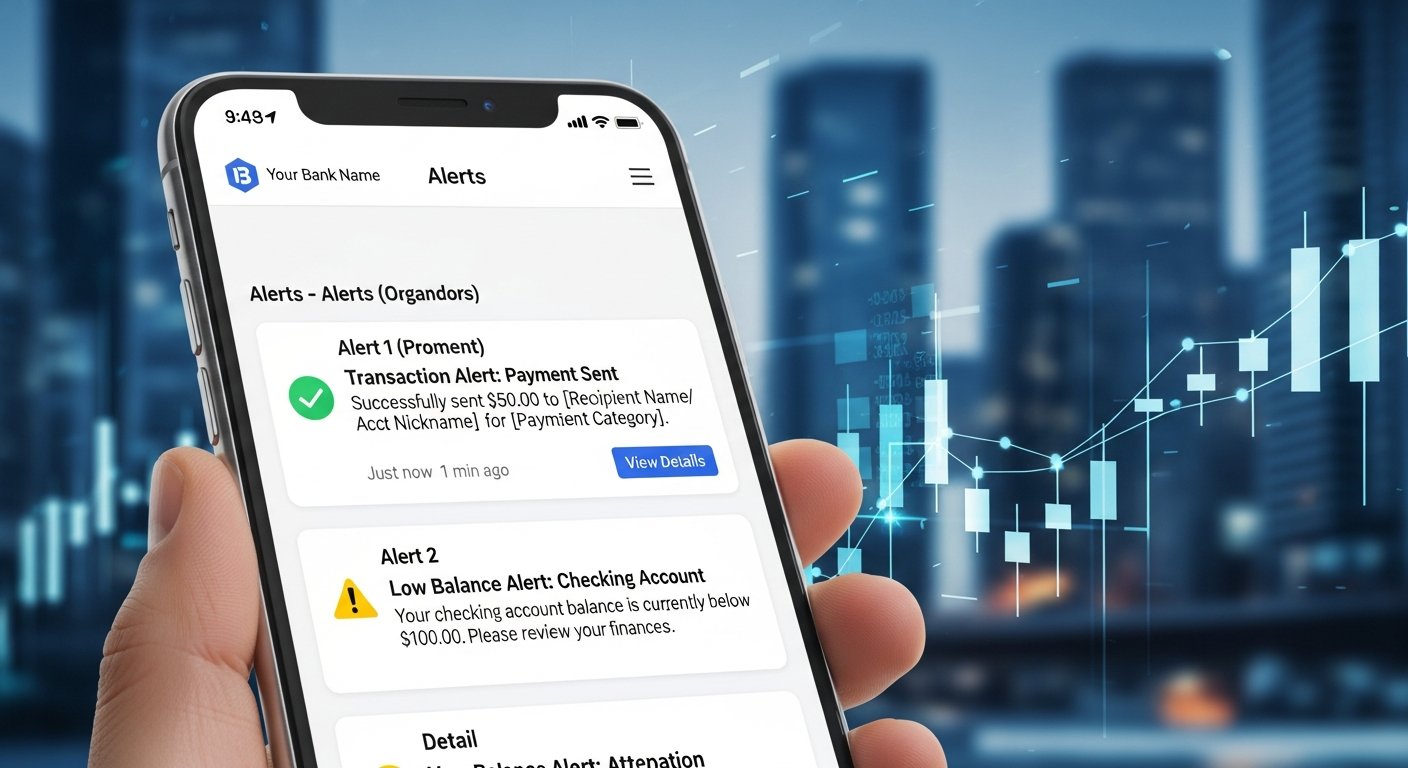
  • Automated Bank & Credit Card Syncing: This is arguably the most critical feature. The ability to securely link all your financial accounts (checking, savings, credit cards, investments) means transactions are automatically imported and categorized, eliminating manual data entry and providing a real-time snapshot of your finances. Look for robust security protocols, including bank-level encryption.
  • Customizable Budget Categories: A good app allows you to create and adjust spending categories to reflect your unique lifestyle and financial goals. Generic categories might not capture the nuances of your spending, leading to inaccuracies. The flexibility to add subcategories and set specific limits for each is invaluable.
  • Goal Tracking: Whether you’re saving for a down payment, a vacation, retirement, or paying off a specific debt, an app with goal-tracking capabilities helps you visualize progress and stay motivated. Look for features that allow you to set target dates, track contributions, and receive encouragement.
  • Robust Reporting & Analytics: Beyond just tracking, the best apps offer insightful reports that break down your spending patterns, net worth changes, and cash flow. Visualizations like charts and graphs can make complex financial data easy to understand, helping you identify areas for improvement and celebrate successes.
  • Bill Tracking & Reminders: Never miss a payment again. Apps that track upcoming bills, notify you of due dates, and even highlight subscription services you might have forgotten about can save you money on late fees and unwanted renewals. This feature is particularly useful when considering How To Negotiate Bills And Lower Expenses, as it provides a clear overview of your recurring costs.
  • Net Worth Tracking: For a holistic view of your financial health, an app that aggregates all your assets (bank accounts, investments, real estate) and liabilities (loans, mortgages) to calculate your net worth is crucial. This feature is fundamental for those focused on long-term financial growth and understanding their progress toward objectives like How To Build Generational Wealth.
  • User Interface & Ease of Use: Even the most feature-rich app is useless if it’s too complicated to navigate. An intuitive, clean interface with a shallow learning curve encourages consistent use, which is key to successful budgeting.
  • Security & Privacy: Given the sensitive nature of financial data, prioritize apps with strong security measures, including multi-factor authentication, data encryption, and transparent privacy policies.
  • Accessibility: Ensure the app is available on your preferred devices (iOS, Android, web) and offers consistent functionality across platforms.

Fin3go’s Top Picks: The Best Budgeting Apps for 2026

💡 Pro Tip

After extensive research and analysis of features, user experience, and financial impact, Fin3go presents its curated list of the top budgeting apps poised to dominate in 2026. These selections cater to a range of financial philosophies and user needs, ensuring there’s an ideal companion for everyone.

You Need A Budget (YNAB)

  • Description: YNAB is built on a “zero-based budgeting” philosophy, where every dollar is given a job. It encourages proactive money management, forcing you to allocate all your income to expenses, savings, or debt repayment before the month begins.
  • Key Features:
    • Zero-based budgeting framework.
    • Automated bank syncing.
    • Detailed reporting and spending insights.
    • Goal tracking (e.g., “Age your money”).
    • Robust educational resources and community support.
    • Mobile and web accessibility.
  • Pros: Highly effective for changing financial habits, excellent for gaining complete control over your money, strong community and learning materials.
  • Cons: Steep learning curve initially, requires consistent commitment, subscription fee might be a barrier for some.
  • Pricing: Subscription-based, typically offering a free trial.
  • Target User: Individuals or couples serious about fundamentally changing their financial behavior, willing to commit to a proactive budgeting method.

Mint

  • Description: A long-standing leader in the free budgeting app space, Mint offers a comprehensive overview of your financial life. It aggregates all your accounts, tracks spending, creates budgets, and monitors your net worth.
  • Key Features:
    • Free to use.
    • Automated syncing for bank accounts, credit cards, loans, and investments.
    • Customizable budgets with spending alerts.
    • Bill tracking and reminders.
    • Credit score monitoring.
    • Net worth tracking.
    • Investment tracking (basic).
  • Pros: Completely free, comprehensive financial overview, easy to set up, good for beginners, strong bill tracking.
  • Cons: Can be prone to syncing errors, less granular control over budgeting compared to YNAB, ads can be intrusive, customer support can be slow.
  • Pricing: Free (ad-supported), with premium options for ad-free experience and advanced features.
  • Target User: Beginners to budgeting, those looking for a free, comprehensive overview of their finances, and individuals who want basic budget tracking and bill reminders.

Empower (formerly Personal Capital)

  • Description: While Empower offers budgeting features, its true strength lies in its robust investment tracking and financial planning tools. It provides a holistic view of your financial health, combining spending, saving, and investing into one dashboard.
  • Key Features:
    • Excellent net worth tracker.
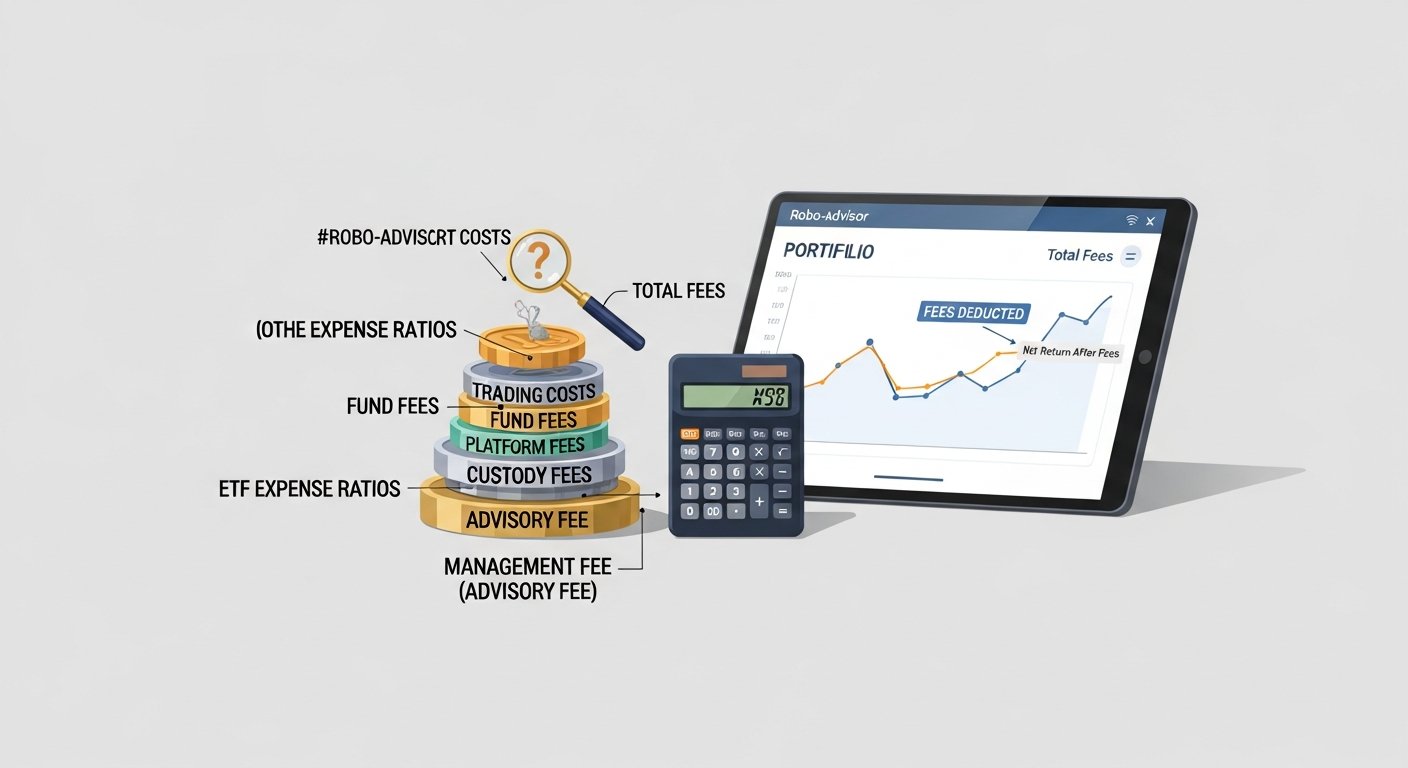
    • Investment performance analysis (fees, asset allocation, portfolio review).
    • Retirement planner and education planner.
    • Cash flow tracking and basic budgeting.
    • Fee analyzer for investments.
    • Access to financial advisors for those with higher asset thresholds.
  • Pros: Best-in-class for investment tracking and financial planning, free for the core tools, insightful analytics for long-term wealth building.
  • Cons: Budgeting features are secondary and less robust than dedicated budgeting apps, can receive calls from financial advisors for paid services.
  • Pricing: Core tools are free; paid advisory services are available for those who meet asset minimums.
  • Target User: Investors, individuals focused on long-term financial planning and How To Build Generational Wealth, and those with a diverse portfolio who want detailed insights into their investments.

Rocket Money (formerly Truebill)

  • Description: Rocket Money excels at helping users identify and cancel unwanted subscriptions, negotiate bills, and track spending to find savings opportunities. It’s designed to put money back in your pocket by optimizing your recurring expenses.
  • Key Features:
    • Subscription management and cancellation assistance.
    • Bill negotiation service (negotiates on your behalf for a fee).
    • Automated savings feature.
    • Budgeting tools with spending insights.
    • Net worth tracking.
    • Credit score tracking.
  • Pros: Exceptionally good at identifying and canceling subscriptions, effective bill negotiation service, can save users significant money on recurring expenses.
  • Cons: Free version has limitations, bill negotiation comes with a success fee (percentage of savings), budgeting features are decent but not as deep as dedicated apps.
  • Pricing: Freemium model with a premium subscription unlocking advanced features like custom categories, unlimited budgets, and faster customer support. Bill negotiation is a separate service charge.
  • Target User: Anyone looking to cut down on unnecessary expenses, streamline their subscriptions, and master How To Negotiate Bills And Lower Expenses.

Monarch Money

  • Description: A newer entrant to the premium budgeting app space, Monarch Money aims to be a modern, ad-free alternative to traditional personal finance software. It offers a clean interface and robust tools for budgeting, goal setting, and net worth tracking.
  • Key Features:
    • Modern, intuitive user interface.
    • Automated bank and investment syncing.
    • Customizable budgets with rollovers.
    • Goal tracking (e.g., debt payoff, savings goals).
    • Net worth tracking.
    • Collaborative features for household budgeting.
    • Access to financial planning tools.
  • Pros: Ad-free experience, sleek design, strong features for collaborative budgeting, active development with new features regularly added.
  • Cons: Subscription-only (no free tier), some features still maturing compared to more established players, may require a bit of setup.
  • Pricing: Subscription-based, with a free trial available.
  • Target User: Individuals or couples looking for a modern, ad-free, comprehensive budgeting solution, willing to pay for a premium experience, and those who appreciate a clean design.

Simplifi by Quicken

  • Description: Simplifi is Quicken’s modern, cloud-based offering, designed for simplicity and speed. It provides real-time insights into spending, helps track subscriptions, and offers powerful cash flow and net worth reporting.
  • Key Features:
    • Real-time spending tracking and categorization.
    • Customizable spending plans (budgets).
    • Subscription and bill tracking.
    • Cash flow projections.
    • Net worth tracking.
    • Investment performance monitoring.
    • Savings goals.
  • Pros: User-friendly interface, strong reporting features, robust customer support from a well-established company, good for both budgeting and investment overview.
  • Cons: Subscription fee, some users might find it less granular than Quicken Classic or YNAB for detailed budgeting.
  • Pricing: Subscription-based, often with promotional rates for new users.
  • Target User: Individuals looking for a balance between comprehensive features and ease of use, those familiar with Quicken’s ecosystem, and users who want a strong overview of both their spending and investments.

Beyond the App: Maximizing Your Financial Potential in 2026

Best Budgeting Apps 2026

While the best budgeting apps for 2026 provide unparalleled tools, they are ultimately just that – tools. True financial mastery comes from combining these powerful applications with sound financial principles and proactive strategies. Think of your budgeting app as the engine, but you are the driver, setting the course and navigating the journey.

How To Create A Monthly Budget (and Stick To It)

Even with an app, understanding the fundamental principles of budgeting is crucial. A monthly budget isn’t about restriction; it’s about intentionality. Start by understanding your income and fixed expenses. Then, use your chosen app to track variable spending. Consider methods like:

  • Zero-Based Budgeting: As championed by YNAB, this involves assigning every dollar of your income to a specific category (spending, saving, debt) until you reach zero. It ensures no money is left unaccounted for.
  • 50/30/20 Rule: Allocate 50% of your after-tax income to needs, 30% to wants, and 20% to savings and debt repayment. Apps like Mint and Simplifi can help you visualize if you’re adhering to these percentages.
  • Envelope System (Digital): Many apps allow you to create “envelopes” or categories with specific limits, mimicking the physical cash envelope system. Once an envelope is empty, you stop spending in that category for the month.

Consistency is key. Review your budget regularly, adjust categories as needed, and don’t be afraid to make mistakes. The goal is progress, not perfection.

How To Negotiate Bills And Lower Expenses

Budgeting apps are excellent at revealing where your money goes, but what happens when you identify areas where costs are simply too high? This is where proactive expense reduction comes in. Apps like Rocket Money specifically assist with this, but you can also take direct action:

  • Review Recurring Subscriptions: Use your app’s subscription tracker to identify services you no longer use or need. Cancel them immediately.
  • Call Your Service Providers: Many companies (internet, cable, phone, insurance) are willing to negotiate rates, especially if you’re a long-time customer or threaten to switch providers. Do your research on competitor pricing before you call.
  • Shop Around: Regularly compare prices for insurance, utilities, and even groceries. Loyalty can sometimes be expensive.
  • Identify Wasteful Spending: Your app’s spending reports can highlight categories where you consistently overspend. Is it dining out? Impulse purchases? Address these areas consciously.

Every dollar saved through negotiation or expense reduction is a dollar that can be redirected towards your financial goals.

How To Build Generational Wealth

Budgeting is not just about managing today’s money; it’s the bedrock for tomorrow’s prosperity and the foundation for How To Build Generational Wealth. This long-term vision requires a strategic approach that extends beyond monthly spending. Your budgeting app plays a crucial role by providing the data and discipline needed to fund these ambitious goals:

  • Consistent Saving & Investing: Budgeting ensures you have surplus funds to consistently invest. Set up automated transfers from your checking account to investment accounts, treating these as non-negotiable “expenses” in your budget. Apps like Empower excel at tracking these investments.
  • Debt Elimination: High-interest debt erodes wealth. Use your budget to accelerate debt payoff, freeing up more capital for investments.
  • Financial Education: Continuously learn about investing, estate planning, and tax-efficient strategies. Your app provides the data; your knowledge helps you interpret it and make informed decisions.
  • Diversification: As your wealth grows, use tools like Empower to monitor and diversify your investment portfolio, mitigating risk and optimizing returns.
  • Estate Planning: Beyond accumulating assets, generational wealth involves planning for their transfer. This includes wills, trusts, and discussions with family members about financial literacy.

By consistently managing your budget, negotiating expenses, and strategically investing, you lay the groundwork not just for your own financial security, but for a lasting legacy that benefits future generations.

Choosing Your Ideal Budgeting Companion for 2026

The “best” budgeting app is ultimately the one that best fits your individual needs, financial habits, and long-term goals. As you navigate the options for 2026, consider these questions:

  • What is your primary financial goal? Is it aggressive debt payoff (YNAB)? Comprehensive overview (Mint)? Investment tracking (Empower)? Expense reduction (Rocket Money)?
  • What is your comfort level with a learning curve? Are you willing to invest time to master a powerful system like YNAB, or do you prefer something more intuitive and ready-to-use like Mint or Simplifi?
  • Are you willing to pay for an app? Free apps offer significant value, but paid options often provide a more robust, ad-free experience with superior customer support and advanced features.
  • How complex are your finances? Do you have multiple investment accounts, properties, or income streams that require sophisticated tracking, or are your needs simpler?
  • Do you need collaborative features? If you’re budgeting with a partner, look for apps like Monarch Money or YNAB that support joint financial management.

Take advantage of free trials where available. Experiment with a few options to see which interface resonates with you and which features genuinely enhance your financial routine. The most powerful app is the one you actually use consistently.

Conclusion

As we navigate 2026, the imperative to manage our finances effectively has never been clearer. The evolution of budgeting apps has transformed personal finance from a chore into an accessible, empowering journey. From the disciplined approach of You Need A Budget to the comprehensive overview of Mint, the investment prowess of Empower, the expense-slashing capabilities of Rocket Money, the modern design of Monarch Money, and the balanced approach of Simplifi, there’s a powerful digital assistant ready to elevate your financial life.

Remember, these apps are catalysts, not magic bullets. They provide the data, the insights, and the structure, but your commitment to understanding How To Create A Monthly Budget, proactively addressing How To Negotiate Bills And Lower Expenses, and strategically planning for How To Build Generational Wealth is what truly drives success. By embracing the right tools and combining them with disciplined action, you can transform your financial aspirations into tangible realities, securing a prosperous future for yourself and generations to come. Choose your companion wisely, stay consistent, and unlock your full financial potential in 2026 and beyond.

Frequently Asked Questions

Are free budgeting apps sufficient for most users in 2026?
For many users, especially beginners, free budgeting apps like Mint offer robust features for tracking expenses, setting basic budgets, and monitoring accounts. However, paid apps often provide a deeper level of customization, more advanced financial planning tools, an ad-free experience, and superior customer support, which can be invaluable for those with complex finances or specific financial goals.
How secure are budgeting apps with my financial data?
The best budgeting apps use bank-level security measures, including 256-bit encryption, multi-factor authentication, and read-only access to your accounts (meaning they cannot move money). They are regulated and audited to ensure data protection. Always choose reputable apps and verify their security policies before linking your accounts.
Can budgeting apps help me save for long-term goals like retirement or a home?
Absolutely. Most top budgeting apps include goal-tracking features that allow you to set specific savings targets, allocate funds towards them, and monitor your progress over time. Apps like Empower (formerly Personal Capital) further excel in integrating these savings goals with broader investment and retirement planning strategies, crucial for building generational wealth.
What if I struggle to stick to a budget, even with an app?
Budgeting apps make the process easier, but consistency is still key. If you struggle, try a different budgeting method (e.g., zero-based vs. 50/30/20), adjust your budget categories to be more realistic, or focus on one small change at a time. Many apps, like YNAB, offer extensive educational resources and communities to help users develop better financial habits. Remember, a budget is a living document, not a rigid prison.
Can budgeting apps help me negotiate bills and lower my expenses?
Yes, some apps are specifically designed for this. Rocket Money (formerly Truebill) is a prime example, offering features to identify unwanted subscriptions, track recurring bills, and even negotiate service rates on your behalf. Even general budgeting apps can help by clearly highlighting where your money is going, enabling you to identify areas for potential negotiation or reduction.
Do I need multiple budgeting apps, or is one sufficient?
For most people, one comprehensive budgeting app is sufficient to manage their finances effectively. Using multiple apps can lead to duplicated efforts and confusion. However, some users might combine a dedicated budgeting app (like YNAB) with a specialized investment tracker (like Empower) if they have very specific and advanced needs in both areas.