







50 30 20 Budget Rule Guide – Simplify Your Finances with Fin3go


50 30 20 Budget Rule Guide

Welcome to Fin3go, your trusted source for practical financial literacy. Budgeting might sound intimidating, but what if there was a simple, highly effective framework that could transform your financial habits without feeling restrictive? Enter the 50/30/20 Budget Rule. This guide will break down this popular method, empowering you to take control of your money, achieve your financial goals, and build a more secure future, all while still enjoying life.

Understanding the 50/30/20 Budget Rule

The 50/30/20 budget rule is a straightforward financial guideline that suggests you allocate your after-tax income (or net income) into three main categories. It’s a popular and flexible approach designed to simplify your financial planning, making it easier to manage your money without getting bogged down in minute details of every single expense.

The three core components are:

  • 50% for Needs: This portion of your income covers essential expenses that you absolutely cannot live without.
  • 30% for Wants: This category is for discretionary spending that improves your quality of life but isn’t strictly necessary for survival.
  • 20% for Savings & Debt Repayment: This crucial segment is dedicated to building your future wealth, creating financial security, and reducing outstanding debts.

Popularized by Senator Elizabeth Warren and her daughter Amelia Warren Tyagi in their book, “All Your Worth: The Ultimate Lifetime Money Plan,” this rule isn’t about rigid deprivation. Instead, it offers a common-sense approach to personal finance, making it accessible for anyone looking to manage their money better. Its beauty lies in its simplicity and adaptability, providing a clear roadmap without demanding meticulous expense tracking for every single dollar spent.

The 50%: Your Essential Needs

The largest portion of your income, 50%, should be dedicated to your needs. These are the non-negotiable, foundational expenses that are absolutely vital for your survival and basic functioning. Without these, your daily life would be severely impacted, and your ability to live safely and securely would be compromised. It’s crucial to accurately distinguish needs from wants, as this forms the bedrock of a successful and sustainable budget.

Common examples of needs typically include:

  • Housing: Your rent or mortgage payments, property taxes, and essential home insurance premiums.
  • Utilities: Bills for electricity, gas, water, and trash collection. In today’s world, basic internet access is also widely considered an essential utility.
  • Groceries: The cost of food and basic household supplies necessary for sustenance and maintaining a clean living environment.
  • Transportation: Expenses like car payments, car insurance, gas, public transport fares, and essential vehicle maintenance that allow you to get to work or run critical errands.
  • Healthcare: Health insurance premiums, essential prescriptions, and necessary medical co-pays.
  • Minimum Debt Payments: The absolute minimum required payments on essential debts such as student loans, car loans, and credit card debt. While the goal is to pay more, the minimum itself is a need to avoid penalties and negative credit impact.
💰 Money Tip

If your needs consistently exceed 50% of your take-home pay, it’s a strong signal to re-evaluate these core expenses. This might involve looking for a more affordable living situation, exploring ways to reduce utility consumption, refinancing loans, or finding cheaper transportation options. Remember, the goal here is to cover your essentials comfortably, leaving sufficient room for your wants and future financial growth.

The 30%: Your Discretionary Wants

This is where the flexibility and enjoyment come into play! 30% of your after-tax income is allocated to your wants. These are the expenses that enhance your lifestyle, bring you joy, and provide comfort, but aren’t strictly necessary for survival or basic functioning. This category offers significant flexibility and is often where people can find the most immediate savings when budget adjustments are needed.

Examples of wants typically include:

  • Entertainment: Subscriptions to streaming services, movie tickets, concerts, sporting events, and funds for your hobbies.
  • Dining Out: Restaurant meals, coffee shop visits, takeout, and meal delivery services.
  • Travel & Vacations: Funds set aside for trips, weekend getaways, and leisure travel.
  • Shopping: New clothes (beyond basic necessities), electronics, gadgets, home decor, and other non-essential retail purchases.
  • Personal Care & Wellness: Salon services, spa treatments, gym memberships (if not medically essential), and premium toiletries.
  • Non-Essential Subscriptions: Fancy meal kits, extra apps, specialty magazines, or luxury services.

The 30% for wants is crucial for maintaining a balanced life and preventing burnout from overly strict budgeting. It allows you to enjoy life’s pleasures while still being financially responsible. The key is mindful spending: differentiating between what you truly value and what might just be impulsive purchases. If you find yourself consistently overspending in this category, it’s a great place to look for cuts or creative alternatives without feeling deprived. Small adjustments here can make a big difference in meeting your 50/30/20 targets.

The 20%: Your Savings & Debt Repayment

This 20% slice of your budget is arguably the most critical for building long-term financial security and achieving true financial freedom. This portion is dedicated to savings and extra debt repayment, laying the groundwork for your future and actively reducing the burden of past financial obligations. This category empowers you to move beyond simply surviving paycheck to paycheck and start truly thriving.

This category typically includes:

  • Emergency Fund: Building a safety net of 3-6 months’ worth of living expenses to cover unexpected events like job loss, medical emergencies, or significant home/car repairs. This is often the first and most critical priority within this 20%.
  • Retirement Savings: Contributions to tax-advantaged accounts like a 401(k) (especially if there’s an employer match), IRA, or Roth IRA, securing your financial future for your later years.
  • Large Purchase Savings: Actively saving for significant financial goals such as a down payment on a house or car, a child’s education, starting a business, or other large, planned expenses.
  • High-Interest Debt Repayment: Paying more than the minimum on credit cards, personal loans, or any other debts with high-interest rates. Accelerating these payments can save you a significant amount in interest over time and free up future cash flow.

Prioritizing this 20% ensures that you’re not just living for today but actively investing in a more stable and prosperous tomorrow. Automating these transfers is highly recommended. By setting up recurring deposits to your savings and extra payments to your debts immediately after you get paid, you ensure these crucial steps happen before you even have a chance to spend the money elsewhere.

Implementing the 50/30/20 Rule: A Step-by-Step Guide

Ready to put the 50/30/20 rule into action and transform your financial habits? Here’s a practical, step-by-step guide to get you started:

  1. Calculate Your After-Tax Income (Net Income): Your starting point is the total amount of money you actually have available to spend. This is your gross income minus taxes, health insurance premiums, and any pre-tax retirement contributions.
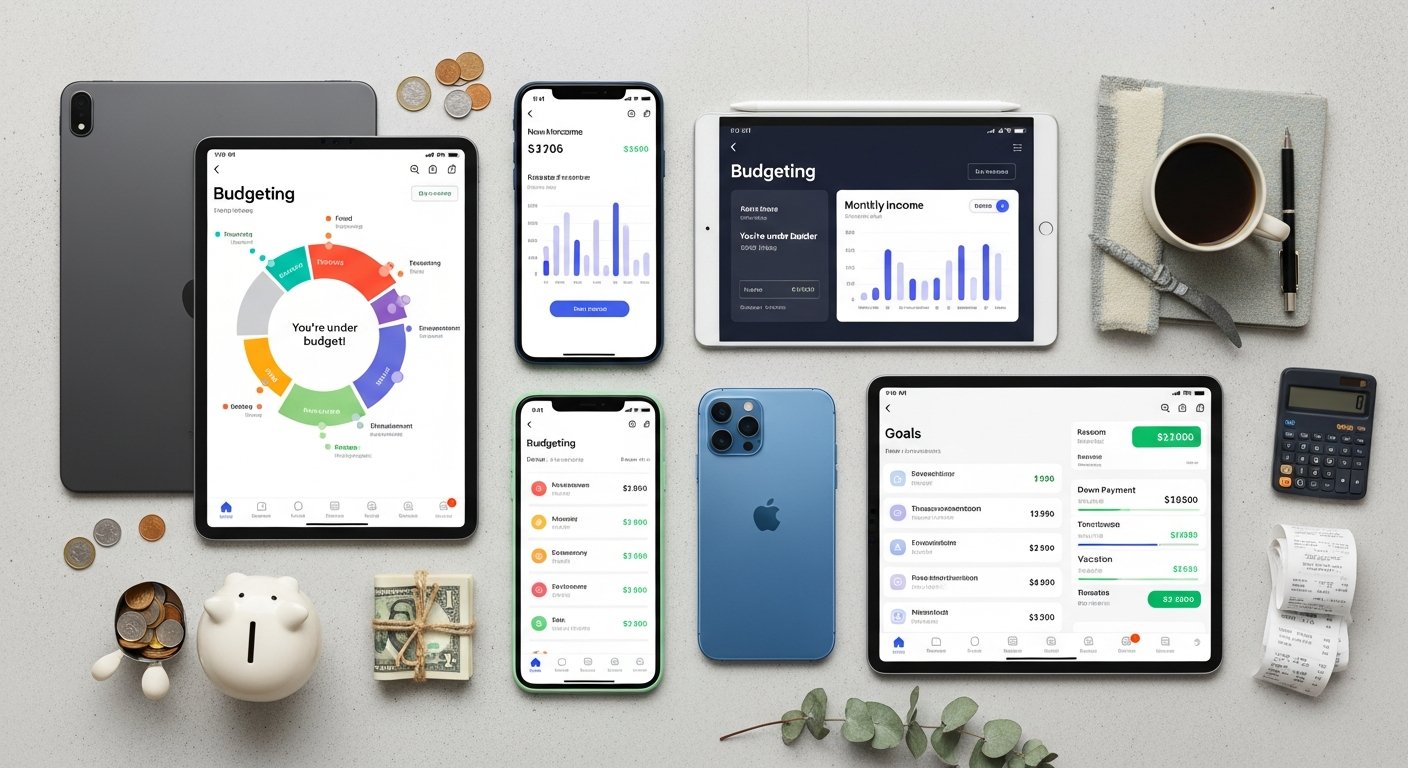
  2. Track Your Spending (Initially): For a month or two, simply observe where your money is currently going. Use a budgeting app, a simple spreadsheet, or even a notebook. This honest assessment will give you a realistic baseline of your current habits before you make any changes.
  3. Categorize Your Expenses: Go through your tracked spending and assign each expense to one of the three buckets: Needs (50%), Wants (30%), or Savings & Debt Repayment (20%). Be honest with yourself about what truly constitutes a need versus a want. For example, a basic cell phone plan is a need, but the latest smartphone upgrade might be a want.
  4. Adjust and Align Your Spending: Compare your current spending percentages to the 50/30/20 targets.
    • If your “Needs” are over 50%, explore strategies to reduce them (e.g., negotiating bills, finding cheaper insurance, reducing utility usage, or considering housing alternatives).
    • If your “Wants” are over 30%, identify areas where you can cut back (e.g., fewer restaurant meals, canceling unused subscriptions, delaying non-essential purchases, finding free entertainment).
    • If your “Savings & Debt Repayment” is below 20%, make it a priority to increase this allocation. Look to reallocate funds from your “Wants” category first, or even from “Needs” if you’ve found ways to reduce them significantly.
  5. Automate Your Savings and Payments: This is a game-changer. Set up automatic transfers from your checking account to your various savings accounts (emergency fund, retirement, specific goals) immediately after you get paid. Similarly, set up automatic payments for your debt, especially if you’re paying more than the minimum.
  6. Review and Adapt Regularly: Your financial situation isn’t static. Life changes, income fluctuates, and goals evolve. Review your budget regularly – monthly or quarterly – to ensure it still aligns with your current income, expenses, and financial objectives. The 50/30/20 rule is a flexible guide, not a rigid law, allowing you to adapt as needed.

Don’t get discouraged if you don’t hit the perfect percentages right away. The goal is progress, not perfection. Small, consistent steps will lead to significant financial improvement and greater peace of mind.

Beyond the Basics: Tips for Success and Flexibility

While the 50/30/20 rule provides an excellent starting point for personal finance, remember that it’s a guideline, not a strict commandment. Here are some advanced tips and considerations to ensure its success in your unique financial journey and maximize its benefits:

  • It’s Okay to Adjust Temporarily: Life is dynamic. You might have a temporary period of higher “Needs” (e.g., unexpected medical bills or a temporary job loss) or a focused period of aggressive “Debt Repayment” where you temporarily shift more money from “Wants” or even “Needs” (if possible). The beauty of this rule is its adaptability. You could temporarily go 60/20/20 or 50/20/30 depending on your immediate, critical financial goals.
  • Prioritize Your Emergency Fund: Before aggressively tackling long-term savings or high-interest debt, aim to build a foundational emergency fund. This cushion provides immense peace of mind and prevents new debt when unforeseen circumstances inevitably arise. Aim for at least 3-6 months of essential living expenses.
  • The Power of Automation (Again!): We mentioned it before, but its importance bears repeating. “Set it and forget it!” Automating your savings and debt payments removes the willpower factor and ensures your financial goals are consistently met without constant effort. Make it a non-negotiable part of your financial routine.
  • Revisit “Needs” Regularly: What was once a “need” might become a “want” over time, or vice-versa. Regularly question your essential expenses. Could you find cheaper insurance? Negotiate lower bills for internet or phone service? Cook more at home? Even small reductions in your 50% category can free up significant funds for savings and wants.
  • Celebrate Small Wins: Budgeting and financial planning can feel like a marathon, not a sprint. Acknowledge your progress, no matter how small. Did you stick to your “Wants” budget this month? Great! Did you increase your savings by a small percentage? Fantastic! Positive reinforcement keeps you motivated and engaged in your financial journey.
  • Seek Professional Financial Advice if Needed: If you find your needs consistently exceed 50% and you’re struggling to make ends meet, or if you have complex financial situations, it might be beneficial to seek advice from a qualified financial advisor. They can offer personalized strategies tailored to your specific circumstances and goals.

The 50/30/20 budget rule is a powerful tool designed to simplify your financial life. It helps you categorize your spending, prioritize your financial goals, and ultimately achieve greater financial stability and freedom. By consistently applying its principles, you can gain clarity and confidence in managing your money effectively and build the future you envision.

The 50/30/20 budget rule provides a clear, actionable framework for managing your income effectively. By allocating 50% to essential needs, 30% to discretionary wants, and 20% to vital savings and debt repayment, you create a balanced financial plan that addresses both present necessities and future ambitions. This flexible and easy-to-understand approach empowers you to build financial security, reduce stress, and work steadily towards your long-term money goals, making financial literacy accessible and achievable for everyone.