








Understanding the Diverse Types of Fintech: A Comprehensive Guide to Financial Technology Innovations

Affiliate disclosure: This article may contain affiliate links. Recommendations are independent and editorially driven.

The financial landscape is in a constant state of evolution, driven by technological advancements that are reshaping how we manage our money, invest, lend, and even interact with traditional banking systems. This revolution is powered by “fintech,” a portmanteau of “financial technology,” which encompasses a vast array of innovations designed to make financial services more accessible, efficient, and user-friendly. From the simplest mobile payment apps to complex artificial intelligence algorithms driving investment decisions, the types of fintech are incredibly diverse and continue to expand at a rapid pace.

For individuals, fintech offers unparalleled convenience, allowing us to bank from our smartphones, invest with micro-deposits, and manage budgets with automated tools. For businesses, it provides streamlined operations, enhanced security, and new avenues for growth and customer engagement. As we navigate 2026, understanding the various facets of fintech is not just about staying current; it’s about leveraging these powerful tools to improve our financial lives and capitalize on future opportunities.

This comprehensive guide will delve into the core types of fintech, exploring their functionalities, benefits, challenges, and the transformative impact they have on both personal finance and the global economy. Whether you’re a consumer seeking better financial tools, an entrepreneur looking to innovate, or simply curious about the future of money, this article will equip you with a deeper understanding of the fintech revolution.

The Foundational Pillars: Core Types of Fintech Reshaping Financial Services

At its heart, fintech aims to disrupt or enhance traditional financial services using technology. While the industry constantly innovates, several foundational pillars form the bedrock of the fintech ecosystem. These categories often overlap, but each addresses distinct pain points and offers unique solutions.

Digital Banking and Neobanks

Perhaps one of the most visible types of fintech, digital banking represents a complete rethinking of traditional banking services. Neobanks, or challenger banks, are financial institutions that operate exclusively online, without physical branches. They leverage technology to offer a seamless, mobile-first experience, often with lower fees, higher interest rates on deposits, and superior customer service compared to their legacy counterparts.

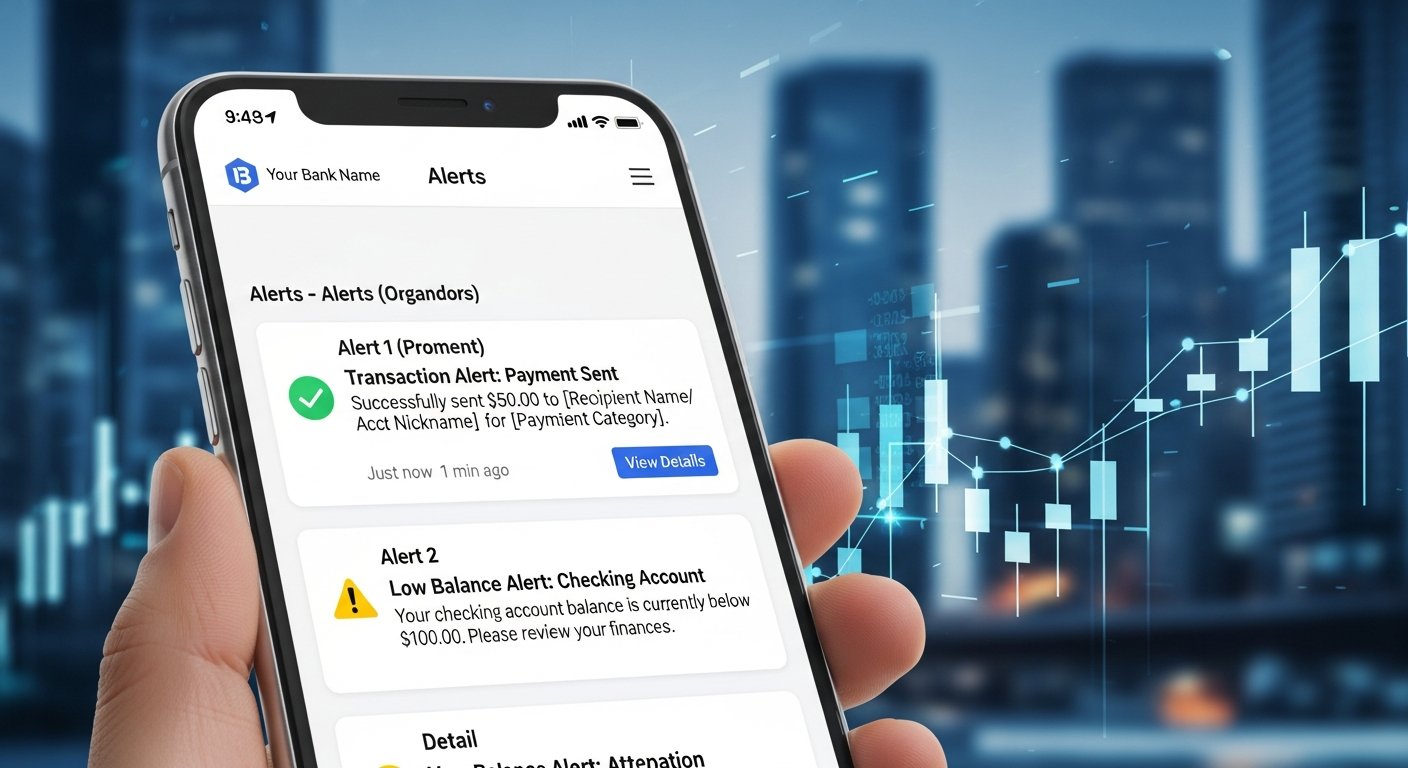
  • Key Features: Mobile-first interfaces, instant account opening, real-time transaction notifications, budgeting tools, virtual cards, integrated savings features.
  • Benefits: Convenience, accessibility, lower operating costs translated into better terms for customers, innovative features, faster service.
  • Examples: Chime, N26, Revolut, Monzo. These platforms have gained significant traction by focusing on user experience and addressing the needs of younger, tech-savvy generations and underserved populations.

Payments and Remittances

The way money moves has been fundamentally transformed by fintech. Payment fintech streamlines transactions, making them faster, cheaper, and more secure, whether it’s paying for goods online, splitting a dinner bill, or sending money across borders.

  • Mobile Payments: Apps like Apple Pay, Google Pay, and Samsung Pay allow users to make secure payments using their smartphones, often leveraging NFC technology. QR code payments are also gaining significant ground globally.
  • Peer-to-Peer (P2P) Payments: Services such as Venmo, Zelle, and PayPal enable individuals to send and receive money from each other instantly, simplifying personal transactions.
  • Cross-Border Remittances: Companies like Wise (formerly TransferWise) and Remitly have disrupted traditional remittance services by offering significantly lower fees and better exchange rates for international money transfers, often using innovative backend payment rails.
  • Payment Gateways and Processors: Stripe, Square, and Adyen provide businesses with the tools to accept various forms of digital payments, from online card transactions to in-person point-of-sale solutions.

Lending and Alternative Finance

Fintech has democratized access to credit and capital, moving beyond the traditional bank-centric model. These types of fintech offer new ways for individuals and businesses to borrow and lend money.

  • Peer-to-Peer (P2P) Lending: Platforms like LendingClub and Prosper connect individual borrowers directly with individual investors, cutting out traditional banking intermediaries and potentially offering better rates for both parties.
  • Crowdfunding: Websites such as Kickstarter and Indiegogo allow entrepreneurs and creators to raise capital from a large number of small investors or donors. Equity crowdfunding platforms (e.g., SeedInvest, StartEngine) enable individuals to invest in startups in exchange for equity.
  • Online Lenders: Companies like SoFi and Rocket Loans offer personal loans, student loan refinancing, and mortgages through entirely online processes, often using advanced algorithms to assess creditworthiness more efficiently than traditional banks.
  • Buy Now, Pay Later (BNPL): Services like Affirm, Klarna, and Afterpay allow consumers to pay for purchases in interest-free installments, often at the point of sale, providing a flexible alternative to credit cards.

[INLINE IMAGE 1: place after second H2 | alt=”types of fintech concept illustration”]

Revolutionizing Personal Finance: Fintech for the Everyday User

types of fintech - photo 2 illustration

Beyond banking and payments, fintech has deeply integrated into the fabric of personal financial management, offering tools that empower individuals to take greater control over their money, investments, and financial future. These types of fintech are designed to be intuitive, accessible, and highly personalized.

Personal Financial Management (PFM) and Budgeting Apps

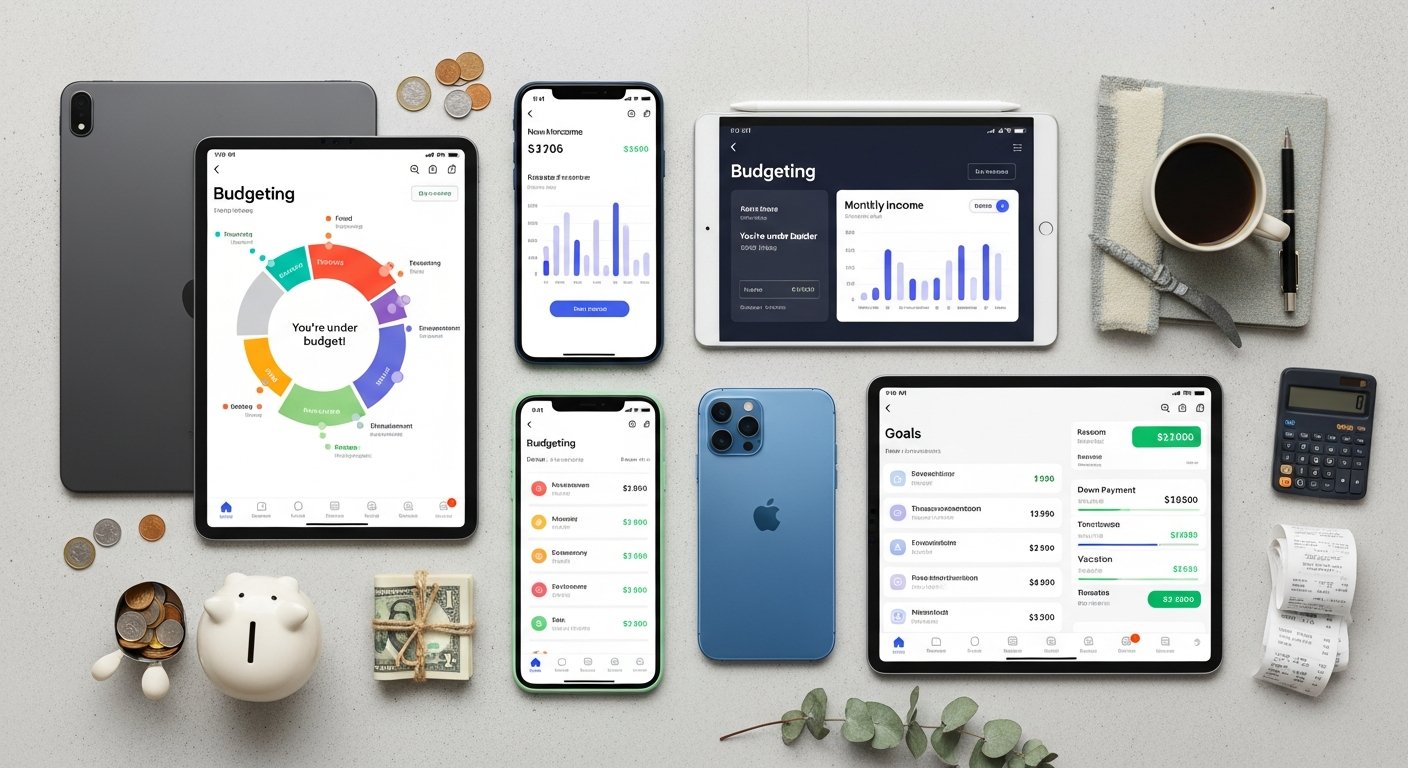
PFM tools are designed to help individuals track their spending, create budgets, manage debt, and set financial goals. They aggregate financial data from various accounts into a single dashboard, providing a holistic view of one’s financial health.

  • Aggregation: Apps like Mint and Personal Capital (now Empower Personal Dashboard) connect to bank accounts, credit cards, investments, and loans to pull all financial data into one place.
  • Budgeting: Many PFM apps offer automated budgeting features, categorizing transactions and alerting users when they’re nearing budget limits.
  • Goal Setting: Users can set financial goals, such as saving for a down payment or retirement, and track their progress over time.
  • Expense Tracking: Detailed insights into spending patterns help users identify areas for saving.

Robo-Advisors and Digital Investment Platforms

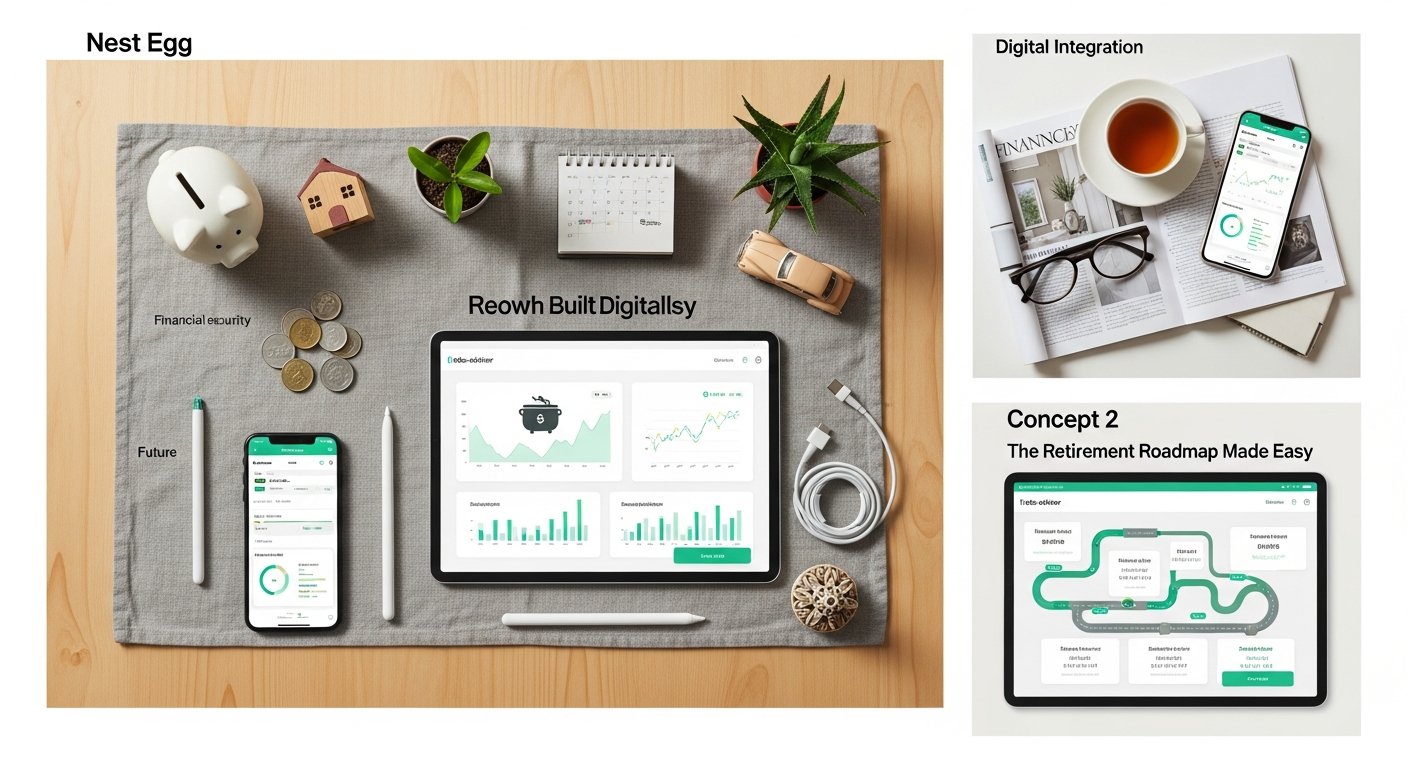
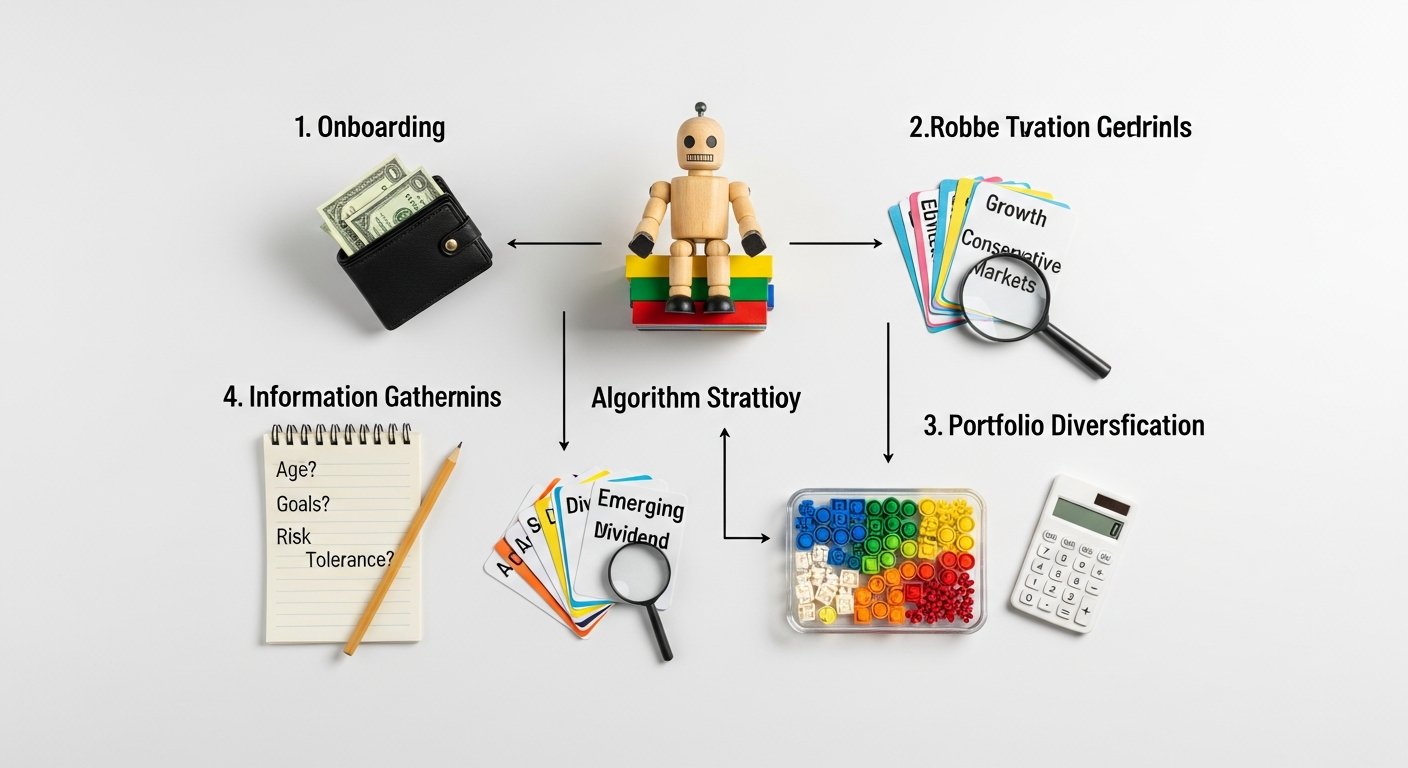
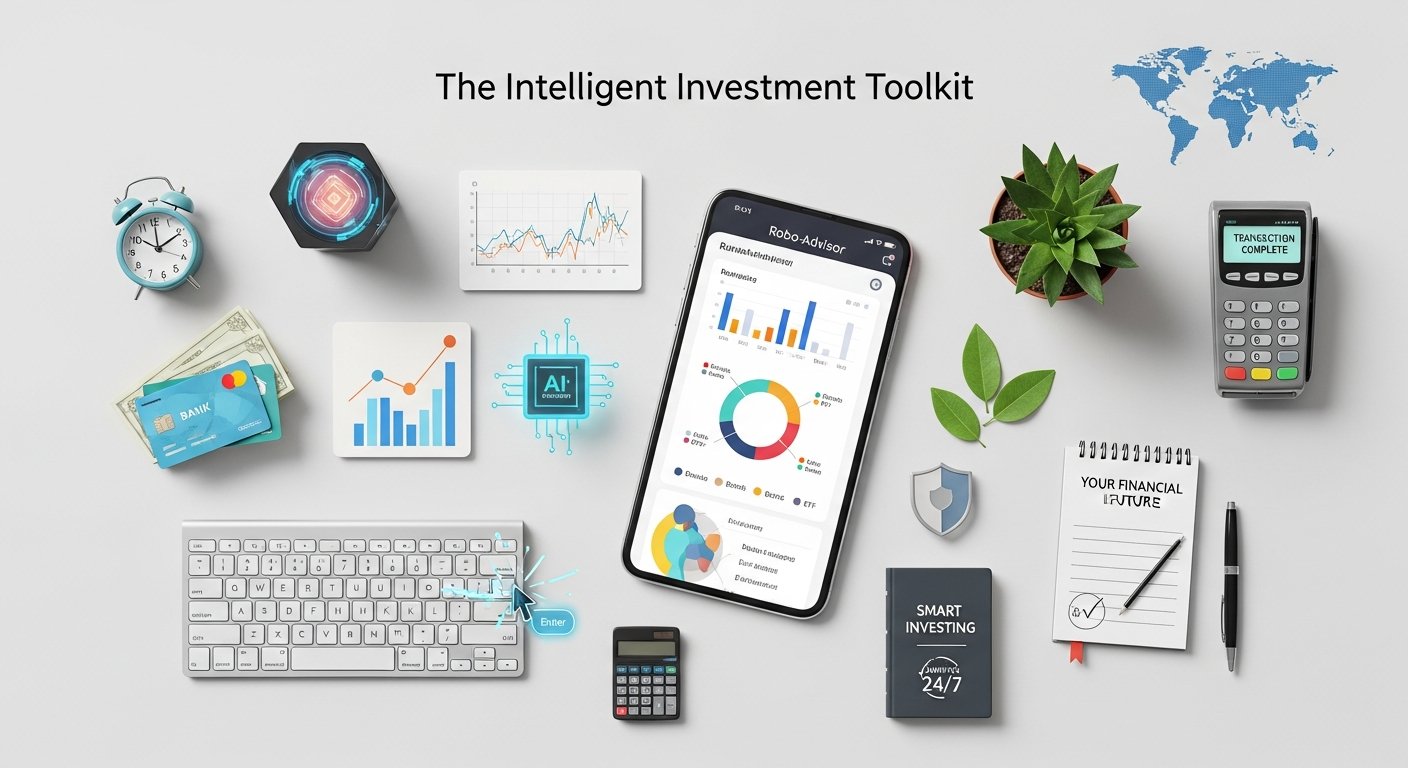
Investing, once the domain of elite wealth managers, has been democratized by robo-advisors. These types of fintech use algorithms to provide automated, low-cost investment management services tailored to an individual’s financial goals and risk tolerance.

  • Automated Portfolio Management: Robo-advisors build and manage diversified portfolios of ETFs (Exchange Traded Funds) and mutual funds based on user inputs.
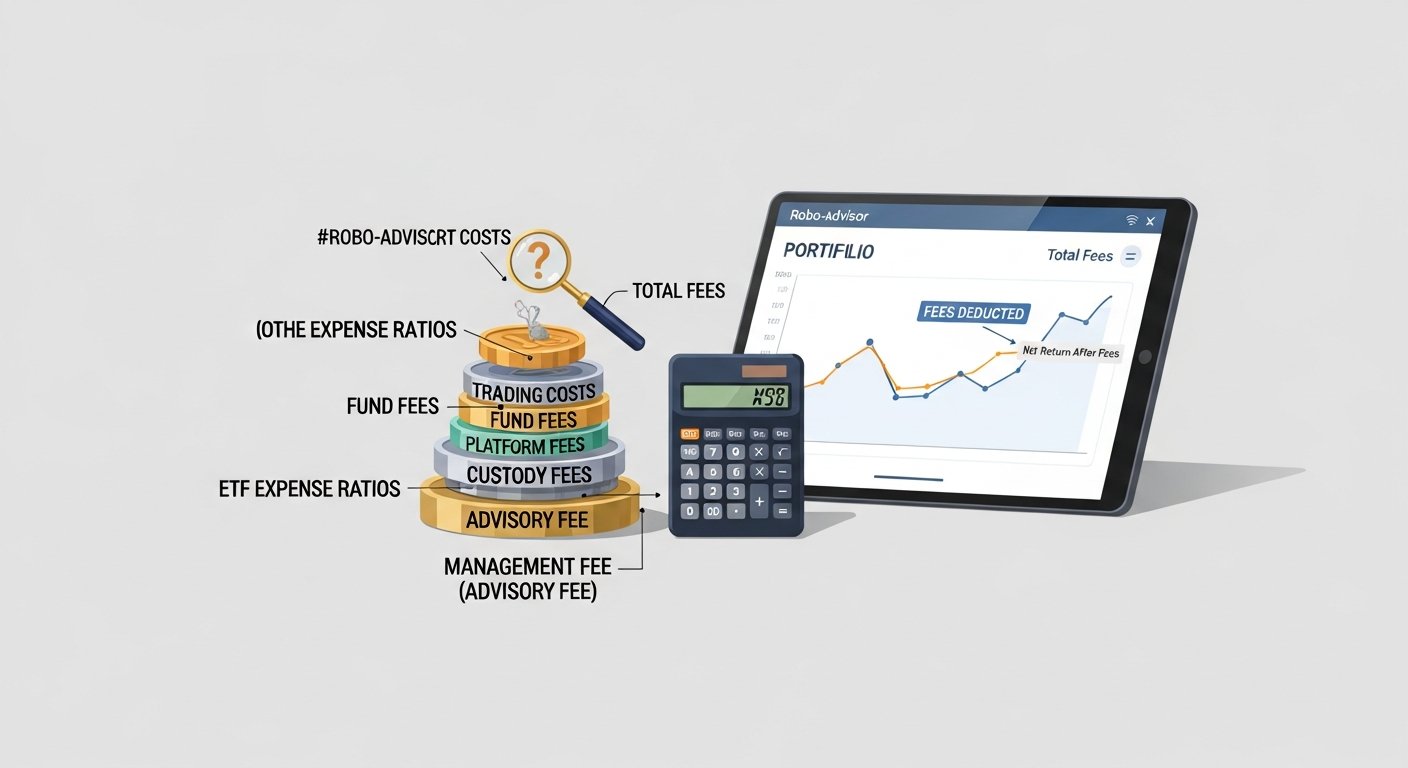
  • Low Fees: Significantly lower management fees compared to traditional human financial advisors.
  • Accessibility: Low minimum investment requirements make investing accessible to a wider audience.
  • Features: Automatic rebalancing, tax-loss harvesting, goal-based planning.
  • Examples: Betterment, Wealthfront, Schwab Intelligent Portfolios. Some platforms, like Fidelity Go, integrate robo-advisory services into traditional brokerage offerings.

Learn more about how robo-advisors compare to traditional financial advisors.

Insurtech: Innovating the Insurance Industry

Insurtech applies technological innovation to the insurance sector, aiming to make policies more personalized, accessible, and efficient. It impacts everything from policy underwriting to claims processing and customer engagement.

  • Personalized Policies: Usage-based insurance (UBI) for auto, where premiums are based on actual driving behavior tracked by telematics devices or smartphone apps.
  • Digital-First Insurers: Companies like Lemonade leverage AI and behavioral economics to offer renters, homeowners, and pet insurance with rapid sign-up and claims processing.
  • Blockchain for Claims: Exploring blockchain for transparent and automated claims processing.
  • IoT Integration: Smart home devices (e.g., connected smoke detectors, water leak sensors) can reduce risks, potentially lowering premiums for homeowners.

Empowering Businesses: Fintech Solutions for Enterprises

Fintech isn’t just for consumers; it’s a powerful catalyst for businesses of all sizes, from startups to large corporations. These enterprise-focused types of fintech enhance operational efficiency, improve financial decision-making, and create new revenue streams.

Business Banking and Lending Solutions

Traditional business banking can be cumbersome. Fintech offers streamlined alternatives designed specifically for the needs of modern enterprises.

  • Digital Business Banking: Neobanks like Mercury, Novo, and Brex focus on small and medium-sized businesses (SMBs) and startups, offering integrated banking services, expense management, and payment processing.
  • Alternative Business Lending: Platforms such as Kabbage (now part of American Express) and OnDeck provide fast, flexible loans and lines of credit to businesses that might not qualify for traditional bank loans, often leveraging data analytics for credit assessment.
  • Invoice Financing and Factoring: Fintech solutions that allow businesses to get immediate cash by selling their outstanding invoices, improving cash flow.

Regtech: Navigating Regulatory Compliance with Technology

Regulatory technology, or Regtech, uses advanced technologies like AI, machine learning, and blockchain to help financial institutions comply with complex and ever-changing regulatory requirements more efficiently and cost-effectively.

  • Automated Compliance: Tools that automate AML (Anti-Money Laundering) checks, KYC (Know Your Customer) processes, and sanctions screening.
  • Regulatory Reporting: Software that helps generate accurate and timely reports for regulatory bodies, reducing manual errors and saving time.
  • Risk Management: AI-driven systems that monitor transactions and behaviors to identify potential fraud, market manipulation, or other compliance breaches in real-time.
  • Benefits: Reduced compliance costs, increased accuracy, faster adaptation to new regulations, enhanced security.

Wealth Management and Asset Management Tech

While robo-advisors cater to individual investors, the broader wealth and asset management sector also benefits significantly from fintech. These tools help professional managers handle larger portfolios, complex strategies, and client relationships more effectively.

  • Portfolio Management Systems: Advanced software for tracking assets, performance reporting, and rebalancing large and complex portfolios.
  • AI and Machine Learning for Insights: Algorithms that analyze vast amounts of market data to identify trends, optimize trading strategies, and predict market movements.
  • Client Relationship Management (CRM): Integrated platforms specifically designed for wealth managers to manage client interactions, financial plans, and communication.
  • Sustainable and ESG Investing Tools: Fintech platforms that help investors identify and allocate capital to companies that meet specific environmental, social, and governance (ESG) criteria.

[INLINE IMAGE 2: place after fourth H2 | alt=”types of fintech comparison illustration”]

Explore the impact of AI on financial technology.

Emerging Frontiers: Advanced Types of Fintech Driving Future Innovation

types of fintech - infographic 4 illustration

The fintech landscape is not static; it’s constantly evolving with new technologies and innovative applications. These emerging types of fintech are pushing the boundaries of what’s possible, promising even more profound changes in the years to come.

Blockchain and Cryptocurrency

Perhaps the most talked-about disruptive force, blockchain technology and its application in cryptocurrencies are fundamental shifts in how value is recorded, transferred, and secured.

  • Cryptocurrencies: Digital or virtual currencies like Bitcoin and Ethereum that use cryptography for security and operate on decentralized networks. They offer alternatives to traditional fiat currencies and provide a new asset class for investment.
  • Decentralized Finance (DeFi): An umbrella term for financial applications built on blockchain technology, operating without central intermediaries. DeFi protocols enable lending, borrowing, trading, and insurance using smart contracts.
  • Central Bank Digital Currencies (CBDCs): Many central banks globally are exploring or piloting their own digital currencies, aiming to combine the benefits of digital assets with the stability and trust of government-backed money.
  • Tokenization of Assets: Representing real-world assets (e.g., real estate, art, stocks) as digital tokens on a blockchain, enabling fractional ownership, increased liquidity, and easier transfer.
  • Smart Contracts: Self-executing contracts with the terms of the agreement directly written into code, automatically enforcing agreements without intermediaries.

Artificial Intelligence (AI) and Machine Learning (ML)

AI and ML are not just components but often the core engine behind many advanced fintech solutions, enabling unprecedented levels of personalization, automation, and predictive power.

  • Fraud Detection: AI algorithms can analyze vast datasets of transactions in real-time to identify anomalous patterns indicative of fraud, significantly reducing financial crime.
  • Credit Scoring: ML models can assess creditworthiness using non-traditional data points, expanding access to credit for underserved populations and offering more precise risk assessments.
  • Personalized Financial Advice: AI-powered tools can analyze an individual’s financial behavior, goals, and risk profile to offer highly personalized recommendations for saving, spending, and investing.
  • Algorithmic Trading: AI drives sophisticated trading strategies, executing trades at high speeds based on complex market analysis, often outperforming human traders.
  • Customer Service: AI-powered chatbots and virtual assistants provide 24/7 customer support, answering queries, performing basic transactions, and routing complex issues to human agents.

Embedded Finance

Embedded finance refers to the seamless integration of financial services into non-financial platforms or products, making financial transactions virtually invisible to the end-user.

  • Contextual Payments: Booking a ride on a ride-sharing app and having the payment processed automatically without separate action.
  • Integrated Lending: A software platform for small businesses offering an instant line of credit based on their transaction history within that platform.
  • Insurance at Point of Sale: Buying travel insurance directly within an airline booking website.
  • Benefits: Enhanced user experience, new revenue streams for non-financial companies, increased convenience.

Green Fintech and ESG Solutions

As environmental, social, and governance (ESG) factors become increasingly critical, a new category of fintech is emerging to support sustainable finance.

  • ESG Data and Analytics: Platforms that provide granular data and analysis on companies’ ESG performance, helping investors make socially responsible choices.
  • Carbon Footprint Tracking: Apps that help individuals and businesses track their carbon emissions from spending and suggest ways to reduce them or offset them.
  • Sustainable Investment Platforms: Fintech solutions dedicated to investing in green bonds, renewable energy projects, or companies with strong ESG ratings.
  • Impact Investing: Platforms connecting investors with opportunities that generate both financial returns and positive social or environmental impact.

The Symbiotic Relationship: Fintech’s Impact on Traditional Finance

The rise of fintech initially sparked fears of widespread disruption for traditional banks and financial institutions. However, the reality has proven to be more nuanced, evolving into a complex interplay of competition, collaboration, and co-evolution.

Disruption and Competition

Early fintech players directly challenged traditional banks by offering niche services that were faster, cheaper, or more user-friendly. Neobanks, P2P lenders, and mobile payment apps eroded market share in specific areas, forcing incumbents to reassess their strategies. This competition has driven innovation across the entire financial sector, leading to better services for consumers and businesses alike.

  • Customer Expectations: Fintech raised the bar for customer experience, pushing traditional banks to improve their digital offerings, mobile apps, and online services.
  • Cost Efficiency: By operating with leaner structures and leveraging technology, fintech often demonstrated lower operational costs, pressuring traditional institutions to become more efficient.
  • Niche Markets: Fintech companies effectively targeted underserved markets or specific demographic segments that traditional banks had overlooked.

Collaboration and Partnership (Bank-Fintech Synergy)

Recognizing the strengths of fintech (agility, innovation, tech expertise) and their own advantages (trust, regulatory expertise, large customer bases, capital), many traditional institutions have shifted from a purely competitive stance to one of collaboration. This synergy allows both parties to benefit.

  • APIs (Application Programming Interfaces): Banks are increasingly opening up their APIs, allowing fintech companies to integrate banking services directly into their platforms, creating new products and services.
  • Strategic Investments and Acquisitions: Traditional banks invest in or acquire promising fintech startups to gain access to new technologies, talent, and customer segments.
  • White-Label Solutions: Fintech companies provide their technology as a service to traditional banks, allowing banks to offer cutting-edge features without building them from scratch.
  • Joint Ventures: Banks and fintechs form partnerships to launch new products or explore new markets, leveraging each other’s expertise.

Challenges for Traditional Banks and Their Response

Despite collaboration, traditional banks face significant challenges in adapting to the fintech era:

  • Legacy Systems: Old, complex IT infrastructure makes rapid innovation difficult and expensive.
  • Regulatory Burden: Traditional banks operate under heavier regulatory scrutiny, which can slow down product development.
  • Cultural Inertia: Large, established organizations can struggle with cultural shifts required for agile development and digital-first thinking.

In response, many traditional banks have launched their own digital initiatives, created innovation labs, invested heavily in digital transformation, and adopted agile methodologies. They are increasingly behaving more like tech companies, focusing on user experience and data-driven insights.

Discover how traditional banks are evolving in the digital age.

Benefits and Challenges Across Fintech Sectors

types of fintech - chart 6 illustration

While fintech offers immense potential, its diverse applications come with a unique set of advantages and hurdles for users, businesses, and regulators.

Key Benefits of Fintech

The overarching goal of fintech is to improve financial services, and it achieves this through several key benefits:

  • Increased Accessibility: Fintech lowers barriers to entry for financial services, reaching unbanked and underbanked populations and providing services to those traditionally ignored by conventional finance.
  • Enhanced Efficiency: Automation and digital processes reduce manual labor, speed up transactions, and streamline operations for both consumers and businesses.
  • Cost Reduction: Lower overheads (e.g., no physical branches) often translate to lower fees and better interest rates for customers, and reduced operational costs for providers.
  • Improved Customer Experience: Intuitive mobile apps, personalized services, and 24/7 access lead to more convenient and user-friendly financial interactions.
  • Personalization: Data analytics and AI enable highly tailored products and services, from individualized investment advice to customized insurance policies.
  • Innovation and Competition: Fintech drives innovation across the financial sector, fostering a competitive environment that pushes all players to improve.
  • Transparency: Blockchain-based fintech solutions, in particular, offer unprecedented transparency in transactions and record-keeping.

Challenges and Risks in the Fintech Landscape

Despite its promise, the rapid growth and evolution of fintech also present significant challenges:

  • Security Concerns: With more financial data moving online, the risk of cyberattacks, data breaches, and identity theft increases. Protecting sensitive financial information is paramount.
  • Regulatory Uncertainty: The pace of fintech innovation often outstrips the ability of regulators to create comprehensive frameworks, leading to legal gray areas and potential risks for consumers and stability.
  • Data Privacy: Fintech companies collect vast amounts of personal financial data, raising concerns about how this data is stored, used, and shared.
  • Interoperability: The fragmented nature of the fintech ecosystem can lead to issues with different platforms and services interacting seamlessly, creating silos.
  • Financial Inclusion Gaps: While fintech aims to be inclusive, a digital divide persists, where segments of the population lack access to necessary technology or digital literacy.
  • Consumer Protection: The rapid innovation can make it difficult for consumers to understand the risks associated with new products, and for regulators to ensure adequate protections are in place.
  • Systemic Risk: The interconnectedness of fintech with traditional finance, and the potential for new types of financial instruments or market behaviors, could introduce new systemic risks to the broader financial system if not properly managed.

Addressing these challenges requires a collaborative effort between fintech innovators, traditional financial institutions, regulators, and consumers to build a secure, inclusive, and stable financial future.

Choosing the Right Fintech: A Guide for Consumers and Businesses

With such a diverse array of types of fintech available, selecting the right tools can be daunting. Here’s a guide to help navigate the choices for both individuals and enterprises.

For Individuals and Personal Finance

  1. Identify Your Needs: Are you looking to save more, invest smarter, manage debt, or simply streamline your daily banking? Your specific goals will dictate the type of fintech solution you need.
  2. Assess Fees and Costs: While many fintechs boast low fees, always read the fine print. Look for hidden charges, subscription fees, or unfavorable exchange rates.
  3. Security and Privacy: Prioritize fintech providers that employ robust security measures (e.g., encryption, multi-factor authentication) and have clear data privacy policies. Check for FDIC or SIPC insurance for banking and investment products.
  4. User Experience: A good fintech app should be intuitive, easy to use, and reliable. Read reviews and consider trials if available.
  5. Customer Support: How accessible is their customer service? Do they offer 24/7 support via chat, phone, or email?
  6. Integration: Does the fintech solution integrate well with other financial tools you use, such as budgeting apps or tax software?
  7. Reputation and Reviews: Research the company’s track record, read user reviews, and check for any regulatory actions or complaints.

For Businesses and Enterprises

  1. Align with Business Strategy: How does the fintech solution support your overall business objectives – whether it’s improving cash flow, streamlining operations, enhancing customer experience, or expanding into new markets?
  2. Scalability: Can the solution grow with your business? Will it be able to handle increased transaction volumes or new functionalities as your needs evolve?
  3. Integration with Existing Systems: How well does the fintech solution integrate with your current ERP, accounting software, or CRM systems? API capabilities are crucial here.
  4. Compliance and Regulatory Adherence: Ensure the fintech provider meets all industry-specific regulations and data compliance standards relevant to your business (e.g., PCI DSS for payments, GDPR for data privacy).
  5. Security and Risk Management: For business-critical financial operations, robust cybersecurity, fraud prevention, and disaster recovery protocols are non-negotiable.
  6. Vendor Support and Service Level Agreements (SLAs): What kind of technical support is offered? What are the guarantees for uptime and issue resolution?
  7. Cost-Benefit Analysis: Calculate not just the direct costs but also the potential savings in operational efficiency, reduced errors, and improved decision-making.

Here’s a comparison table to illustrate some key differences across various fintech types:

Fintech Type Primary Benefit Typical User/Customer Key Features Considerations/Challenges
Neobanks (Digital Banking) Convenience, Lower Fees Individuals, SMBs Mobile-first, instant notifications, budgeting tools Lack of physical branches, internet reliance, newer institutions
P2P Payments Instant Transfers, Ease of Use Individuals, Small groups Quick money transfers between people, bill splitting Transaction limits, potential for scams, varying fee structures
Robo-Advisors Automated, Low-Cost Investing Beginner Investors, Cost-Conscious Investors Algorithm-driven portfolios, automatic rebalancing, tax-loss harvesting Limited human interaction, less suitable for complex financial situations
Crowdfunding Access to Capital/Products Startups, Creators, Donors, Early Adopters Fundraising from many individuals, pre-ordering products High competition, project failure risk, regulatory complexities for equity crowdfunding
Regtech Automated Compliance, Risk Mgmt Financial Institutions, Large Enterprises AI for AML/KYC, automated reporting, real-time fraud detection Integration complexity, cost of implementation, continuous adaptation to regulations
Blockchain/DeFi Decentralization, Transparency Tech-savvy Individuals, Developers, Institutions Cryptocurrency, smart contracts, decentralized applications (dApps) Volatility, regulatory uncertainty, technical complexity, security vulnerabilities

The Future Landscape of Fintech: Trends and Predictions for 2026 and Beyond

The trajectory of fintech is one of continuous innovation and deeper integration into daily life. As we look towards 2026 and beyond, several key trends are set to define the next phase of financial technology.

Hyper-Personalization Driven by AI

AI’s role will intensify, moving beyond simple recommendations to truly hyper-personalized financial experiences. Imagine an AI that not only suggests investment strategies but also anticipates your future financial needs based on life events, behavioral patterns, and market shifts, proactively offering tailored solutions before you even realize you need them. This will include dynamic budgeting, predictive cash flow management, and even proactive credit solutions.

Ubiquitous Embedded Finance

Financial services will become increasingly invisible and context-aware. The line between financial and non-financial services will blur further. We will see more instances where financial transactions or credit offerings are seamlessly integrated into every digital interaction – from healthcare platforms offering instant payment plans to e-commerce sites providing personalized insurance for high-value purchases at checkout. This will make finance less of a separate task and more an inherent part of the user journey.

The Maturation and Mainstreaming of Blockchain and DeFi

While still in its nascent stages for mainstream adoption, blockchain technology, particularly in the form of tokenization and decentralized finance (DeFi), is poised for significant growth. Regulatory clarity will be a major catalyst, leading to more institutional involvement and a wider array of user-friendly DeFi applications. Central Bank Digital Currencies (CBDCs) will likely advance significantly, potentially altering payment systems globally and offering new tools for monetary policy.

Focus on Financial Wellness and Inclusivity

Fintech will increasingly shift its focus from transactional efficiency to broader financial wellness. This includes tools that actively help users improve their financial literacy, manage stress related to money, and achieve long-term financial security. Moreover, fintech will continue to play a crucial role in closing financial inclusion gaps, providing access to essential services for marginalized communities through innovative mobile and digital solutions.

Enhanced Security and Privacy Solutions

As cyber threats grow more sophisticated, fintech security will evolve dramatically. Expect advanced biometric authentication, quantum-resistant cryptography, and AI-driven threat detection to become standard. Privacy-enhancing technologies, such as federated learning and zero-knowledge proofs, will allow for data utilization without compromising individual privacy, addressing critical user concerns and regulatory demands.

Global Expansion and Cross-Border Harmonization

Fintech innovations will increasingly cross national borders, driving demand for more standardized regulatory frameworks and interoperable payment systems. Emerging markets, with large unbanked populations and high mobile penetration, will continue to be fertile ground for fintech adoption, leapfrofrogging traditional financial infrastructures.

Green Fintech and ESG Integration

The push for sustainable finance will embed ESG considerations into more fintech products. From investment platforms that prioritize ethical companies to tools that help consumers track and offset their carbon footprint through their spending, green fintech will become a significant force, aligning financial decisions with environmental and social impact goals.

The future of fintech is not merely about new technologies; it’s about a fundamental transformation in how value is created, exchanged, and managed. It promises a financial world that is more efficient, equitable, and attuned to the individual and collective needs of society. Staying informed about these types of fintech and embracing their potential will be key to thriving in the financial landscape of tomorrow.

Conclusion: Navigating the Diverse World of Fintech

The rapid expansion and diversification of financial technology have irrevocably transformed the global financial landscape. From the convenience of digital banking and mobile payments to the sophisticated algorithms driving robo-advisors and the groundbreaking decentralization offered by blockchain, the types of fintech are vast and continue to evolve at an astonishing pace. These innovations are not just making financial services more efficient and accessible; they are fundamentally redefining our relationship with money, banking, and investment.

For individuals, fintech offers unprecedented control over personal finances, empowering us to budget smarter, invest with greater ease, and manage our money on the go. For businesses, it provides vital tools for streamlined operations, enhanced compliance, and new pathways for growth and customer engagement. While challenges related to security, regulation, and data privacy remain pertinent, the benefits of greater financial inclusion, efficiency, and personalization are undeniable.

As we move into 2026 and beyond, the trends suggest an even more integrated and intelligent financial ecosystem. Hyper-personalization, embedded finance, the maturation of blockchain, and a strong emphasis on financial wellness and sustainability will continue to shape the industry. Understanding these diverse types of fintech is crucial for anyone looking to navigate this dynamic environment successfully, whether as a consumer seeking better tools, an entrepreneur building the next big innovation, or an institution adapting to a rapidly changing world.

The fintech revolution is far from over; it’s merely entering its next exciting phase. By embracing innovation and critically evaluating new solutions, we can all contribute to and benefit from a more intelligent, inclusive, and effective financial future.

Frequently Asked Questions

Q1: What are the main categories of fintech?

A1: The main categories of fintech include digital banking (neobanks), payments and remittances, lending and alternative finance (P2P lending, crowdfunding), personal financial management (budgeting apps), investment technology (robo-advisors), insurtech, regtech (regulatory technology), and emerging technologies like blockchain/cryptocurrency, AI/ML in finance, and embedded finance.

Q2: How does fintech benefit the average consumer?

A2: Fintech benefits the average consumer by offering increased accessibility to financial services, lower fees compared to traditional institutions, enhanced efficiency through digital processes, improved customer experience via user-friendly apps, and personalized financial advice. It empowers individuals to manage their money more effectively, save more, and invest easily.

Q3: What is the role of AI in fintech?

A3: Artificial Intelligence (AI) plays a crucial role in fintech by enabling advanced fraud detection, more accurate credit scoring using diverse data, hyper-personalized financial advice, algorithmic trading strategies, and 24/7 customer service through chatbots. AI enhances automation, predictive analytics, and efficiency across nearly all types of fintech services.

Q4: Are fintech companies secure?

A4: Most reputable fintech companies employ robust security measures such as advanced encryption, multi-factor authentication, and fraud detection systems to protect user data and funds. However, like any digital service, risks exist. It’s crucial for users to choose providers with strong security protocols, read privacy policies, and ensure their banking or investment accounts are insured (e.g., FDIC or SIPC) where applicable.

Q5: What is embedded finance and why is it important?

A5: Embedded finance refers to the seamless integration of financial services into non-financial platforms or products, making financial transactions virtually invisible to the end-user. For example, applying for a loan directly within an e-commerce checkout or getting insurance as part of booking travel. It’s important because it creates a more convenient user experience, generates new revenue streams for non-financial companies, and further democratizes access to financial services by placing them directly where they are needed.


Understanding the Diverse Types of Fintech: A Comprehensive Guide to Financial Technology Innovations

Affiliate disclosure: This article may contain affiliate links. Recommendations are independent and editorially driven.

The financial landscape is in a constant state of evolution, driven by technological advancements that are reshaping how we manage our money, invest, lend, and even interact with traditional banking systems. This revolution is powered by “fintech,” a portmanteau of “financial technology,” which encompasses a vast array of innovations designed to make financial services more accessible, efficient, and user-friendly. From the simplest mobile payment apps to complex artificial intelligence algorithms driving investment decisions, the types of fintech are incredibly diverse and continue to expand at a rapid pace.

For individuals, fintech offers unparalleled convenience, allowing us to bank from our smartphones, invest with micro-deposits, and manage budgets with automated tools. For businesses, it provides streamlined operations, enhanced security, and new avenues for growth and customer engagement. As we navigate 2026, understanding the various facets of fintech is not just about staying current; it’s about leveraging these powerful tools to improve our financial lives and capitalize on future opportunities.

This comprehensive guide will delve into the core types of fintech, exploring their functionalities, benefits, challenges, and the transformative impact they have on both personal finance and the global economy. Whether you’re a consumer seeking better financial tools, an entrepreneur looking to innovate, or simply curious about the future of money, this article will equip you with a deeper understanding of the fintech revolution.

The Foundational Pillars: Core Types of Fintech Reshaping Financial Services

At its heart, fintech aims to disrupt or enhance traditional financial services using technology. While the industry constantly innovates, several foundational pillars form the bedrock of the fintech ecosystem. These categories often overlap, but each addresses distinct pain points and offers unique solutions.

Digital Banking and Neobanks

Perhaps one of the most visible types of fintech, digital banking represents a complete rethinking of traditional banking services. Neobanks, or challenger banks, are financial institutions that operate exclusively online, without physical branches. They leverage technology to offer a seamless, mobile-first experience, often with lower fees, higher interest rates on deposits, and superior customer service compared to their legacy counterparts.

  • Key Features: Mobile-first interfaces, instant account opening, real-time transaction notifications, budgeting tools, virtual cards, integrated savings features.
  • Benefits: Convenience, accessibility, lower operating costs translated into better terms for customers, innovative features, faster service.
  • Examples: Chime, N26, Revolut, Monzo. These platforms have gained significant traction by focusing on user experience and addressing the needs of younger, tech-savvy generations and underserved populations.

Payments and Remittances

The way money moves has been fundamentally transformed by fintech. Payment fintech streamlines transactions, making them faster, cheaper, and more secure, whether it’s paying for goods online, splitting a dinner bill, or sending money across borders.

  • Mobile Payments: Apps like Apple Pay, Google Pay, and Samsung Pay allow users to make secure payments using their smartphones, often leveraging NFC technology. QR code payments are also gaining significant ground globally.
  • Peer-to-Peer (P2P) Payments: Services such as Venmo, Zelle, and PayPal enable individuals to send and receive money from each other instantly, simplifying personal transactions.
  • Cross-Border Remittances: Companies like Wise (formerly TransferWise) and Remitly have disrupted traditional remittance services by offering significantly lower fees and better exchange rates for international money transfers, often using innovative backend payment rails.
  • Payment Gateways and Processors: Stripe, Square, and Adyen provide businesses with the tools to accept various forms of digital payments, from online card transactions to in-person point-of-sale solutions.

Lending and Alternative Finance

Fintech has democratized access to credit and capital, moving beyond the traditional bank-centric model. These types of fintech offer new ways for individuals and businesses to borrow and lend money.

  • Peer-to-Peer (P2P) Lending: Platforms like LendingClub and Prosper connect individual borrowers directly with individual investors, cutting out traditional banking intermediaries and potentially offering better rates for both parties.
  • Crowdfunding: Websites such as Kickstarter and Indiegogo allow entrepreneurs and creators to raise capital from a large number of small investors or donors. Equity crowdfunding platforms (e.g., SeedInvest, StartEngine) enable individuals to invest in startups in exchange for equity.
  • Online Lenders: Companies like SoFi and Rocket Loans offer personal loans, student loan refinancing, and mortgages through entirely online processes, often using advanced algorithms to assess creditworthiness more efficiently than traditional banks.
  • Buy Now, Pay Later (BNPL): Services like Affirm, Klarna, and Afterpay allow consumers to pay for purchases in interest-free installments, often at the point of sale, providing a flexible alternative to credit cards.

[INLINE IMAGE 1: place after second H2 | alt=”types of fintech concept illustration”]

Revolutionizing Personal Finance: Fintech for the Everyday User

Beyond banking and payments, fintech has deeply integrated into the fabric of personal financial management, offering tools that empower individuals to take greater control over their money, investments, and financial future. These types of fintech are designed to be intuitive, accessible, and highly personalized.

Personal Financial Management (PFM) and Budgeting Apps

PFM tools are designed to help individuals track their spending, create budgets, manage debt, and set financial goals. They aggregate financial data from various accounts into a single dashboard, providing a holistic view of one’s financial health.

  • Aggregation: Apps like Mint and Personal Capital (now Empower Personal Dashboard) connect to bank accounts, credit cards, investments, and loans to pull all financial data into one place.
  • Budgeting: Many PFM apps offer automated budgeting features, categorizing transactions and alerting users when they’re nearing budget limits.
  • Goal Setting: Users can set financial goals, such as saving for a down payment or retirement, and track their progress over time.
  • Expense Tracking: Detailed insights into spending patterns help users identify areas for saving.

Robo-Advisors and Digital Investment Platforms

Investing, once the domain of elite wealth managers, has been democratized by robo-advisors. These types of fintech use algorithms to provide automated, low-cost investment management services tailored to an individual’s financial goals and risk tolerance.

  • Automated Portfolio Management: Robo-advisors build and manage diversified portfolios of ETFs (Exchange Traded Funds) and mutual funds based on user inputs.
  • Low Fees: Significantly lower management fees compared to traditional human financial advisors.
  • Accessibility: Low minimum investment requirements make investing accessible to a wider audience.
  • Features: Automatic rebalancing, tax-loss harvesting, goal-based planning.
  • Examples: Betterment, Wealthfront, Schwab Intelligent Portfolios. Some platforms, like Fidelity Go, integrate robo-advisory services into traditional brokerage offerings.

Learn more about how robo-advisors compare to traditional financial advisors.

Insurtech: Innovating the Insurance Industry

Insurtech applies technological innovation to the insurance sector, aiming to make policies more personalized, accessible, and efficient. It impacts everything from policy underwriting to claims processing and customer engagement.

  • Personalized Policies: Usage-based insurance (UBI) for auto, where premiums are based on actual driving behavior tracked by telematics devices or smartphone apps.
  • Digital-First Insurers: Companies like Lemonade leverage AI and behavioral economics to offer renters, homeowners, and pet insurance with rapid sign-up and claims processing.
  • Blockchain for Claims: Exploring blockchain for transparent and automated claims processing.
  • IoT Integration: Smart home devices (e.g., connected smoke detectors, water leak sensors) can reduce risks, potentially lowering premiums for homeowners.

Empowering Businesses: Fintech Solutions for Enterprises

Fintech isn’t just for consumers; it’s a powerful catalyst for businesses of all sizes, from startups to large corporations. These enterprise-focused types of fintech enhance operational efficiency, improve financial decision-making, and create new revenue streams.

Business Banking and Lending Solutions

Traditional business banking can be cumbersome. Fintech offers streamlined alternatives designed specifically for the needs of modern enterprises.

  • Digital Business Banking: Neobanks like Mercury, Novo, and Brex focus on small and medium-sized businesses (SMBs) and startups, offering integrated banking services, expense management, and payment processing.
  • Alternative Business Lending: Platforms such as Kabbage (now part of American Express) and OnDeck provide fast, flexible loans and lines of credit to businesses that might not qualify for traditional bank loans, often leveraging data analytics for credit assessment.
  • Invoice Financing and Factoring: Fintech solutions that allow businesses to get immediate cash by selling their outstanding invoices, improving cash flow.

Regtech: Navigating Regulatory Compliance with Technology

Regulatory technology, or Regtech, uses advanced technologies like AI, machine learning, and blockchain to help financial institutions comply with complex and ever-changing regulatory requirements more efficiently and cost-effectively.

  • Automated Compliance: Tools that automate AML (Anti-Money Laundering) checks, KYC (Know Your Customer) processes, and sanctions screening.
  • Regulatory Reporting: Software that helps generate accurate and timely reports for regulatory bodies, reducing manual errors and saving time.
  • Risk Management: AI-driven systems that monitor transactions and behaviors to identify potential fraud, market manipulation, or other compliance breaches in real-time.
  • Benefits: Reduced compliance costs, increased accuracy, faster adaptation to new regulations, enhanced security.

Wealth Management and Asset Management Tech

While robo-advisors cater to individual investors, the broader wealth and asset management sector also benefits significantly from fintech. These tools help professional managers handle larger portfolios, complex strategies, and client relationships more effectively.

  • Portfolio Management Systems: Advanced software for tracking assets, performance reporting, and rebalancing large and complex portfolios.
  • AI and Machine Learning for Insights: Algorithms that analyze vast amounts of market data to identify trends, optimize trading strategies, and predict market movements.
  • Client Relationship Management (CRM): Integrated platforms specifically designed for wealth managers to manage client interactions, financial plans, and communication.
  • Sustainable and ESG Investing Tools: Fintech platforms that help investors identify and allocate capital to companies that meet specific environmental, social, and governance (ESG) criteria.

[INLINE IMAGE 2: place after fourth H2 | alt=”types of fintech comparison illustration”]

Explore the impact of AI on financial technology.

Emerging Frontiers: Advanced Types of Fintech Driving Future Innovation

The fintech landscape is not static; it’s constantly evolving with new technologies and innovative applications. These emerging types of fintech are pushing the boundaries of what’s possible, promising even more profound changes in the years to come.

Blockchain and Cryptocurrency

Perhaps the most talked-about disruptive force, blockchain technology and its application in cryptocurrencies are fundamental shifts in how value is recorded, transferred, and secured.

  • Cryptocurrencies: Digital or virtual currencies like Bitcoin and Ethereum that use cryptography for security and operate on decentralized networks. They offer alternatives to traditional fiat currencies and provide a new asset class for investment.
  • Decentralized Finance (DeFi): An umbrella term for financial applications built on blockchain technology, operating without central intermediaries. DeFi protocols enable lending, borrowing, trading, and insurance using smart contracts.
  • Central Bank Digital Currencies (CBDCs): Many central banks globally are exploring or piloting their own digital currencies, aiming to combine the benefits of digital assets with the stability and trust of government-backed money.
  • Tokenization of Assets: Representing real-world assets (e.g., real estate, art, stocks) as digital tokens on a blockchain, enabling fractional ownership, increased liquidity, and easier transfer.
  • Smart Contracts: Self-executing contracts with the terms of the agreement directly written into code, automatically enforcing agreements without intermediaries.

Artificial Intelligence (AI) and Machine Learning (ML)

AI and ML are not just components but often the core engine behind many advanced fintech solutions, enabling unprecedented levels of personalization, automation, and predictive power.

  • Fraud Detection: AI algorithms can analyze vast datasets of transactions in real-time to identify anomalous patterns indicative of fraud, significantly reducing financial crime.
  • Credit Scoring: ML models can assess creditworthiness using non-traditional data points, expanding access to credit for underserved populations and offering more precise risk assessments.
  • Personalized Financial Advice: AI-powered tools can analyze an individual’s financial behavior, goals, and risk profile to offer highly personalized recommendations for saving, spending, and investing.
  • Algorithmic Trading: AI drives sophisticated trading strategies, executing trades at high speeds based on complex market analysis, often outperforming human traders.
  • Customer Service: AI-powered chatbots and virtual assistants provide 24/7 customer support, answering queries, performing basic transactions, and routing complex issues to human agents.

Embedded Finance

Embedded finance refers to the seamless integration of financial services into non-financial platforms or products, making financial transactions virtually invisible to the end-user.

  • Contextual Payments: Booking a ride on a ride-sharing app and having the payment processed automatically without separate action.
  • Integrated Lending: A software platform for small businesses offering an instant line of credit based on their transaction history within that platform.
  • Insurance at Point of Sale: Buying travel insurance directly within an airline booking website.
  • Benefits: Enhanced user experience, new revenue streams for non-financial companies, increased convenience.

Green Fintech and ESG Solutions

As environmental, social, and governance (ESG) factors become increasingly critical, a new category of fintech is emerging to support sustainable finance.

  • ESG Data and Analytics: Platforms that provide granular data and analysis on companies’ ESG performance, helping investors make socially responsible choices.
  • Carbon Footprint Tracking: Apps that help individuals and businesses track their carbon emissions from spending and suggest ways to reduce them or offset them.
  • Sustainable Investment Platforms: Fintech solutions dedicated to investing in green bonds, renewable energy projects, or companies with strong ESG ratings.
  • Impact Investing: Platforms connecting investors with opportunities that generate both financial returns and positive social or environmental impact.

The Symbiotic Relationship: Fintech’s Impact on Traditional Finance

The rise of fintech initially sparked fears of widespread disruption for traditional banks and financial institutions. However, the reality has proven to be more nuanced, evolving into a complex interplay of competition, collaboration, and co-evolution.

Disruption and Competition

Early fintech players directly challenged traditional banks by offering niche services that were faster, cheaper, or more user-friendly. Neobanks, P2P lenders, and mobile payment apps eroded market share in specific areas, forcing incumbents to reassess their strategies. This competition has driven innovation across the entire financial sector, leading to better services for consumers and businesses alike.

  • Customer Expectations: Fintech raised the bar for customer experience, pushing traditional banks to improve their digital offerings, mobile apps, and online services.
  • Cost Efficiency: By operating with leaner structures and leveraging technology, fintech often demonstrated lower operational costs, pressuring traditional institutions to become more efficient.
  • Niche Markets: Fintech companies effectively targeted underserved markets or specific demographic segments that traditional banks had overlooked.

Collaboration and Partnership (Bank-Fintech Synergy)

Recognizing the strengths of fintech (agility, innovation, tech expertise) and their own advantages (trust, regulatory expertise, large customer bases, capital), many traditional institutions have shifted from a purely competitive stance to one of collaboration. This synergy allows both parties to benefit.

  • APIs (Application Programming Interfaces): Banks are increasingly opening up their APIs, allowing fintech companies to integrate banking services directly into their platforms, creating new products and services.
  • Strategic Investments and Acquisitions: Traditional banks invest in or acquire promising fintech startups to gain access to new technologies, talent, and customer segments.
  • White-Label Solutions: Fintech companies provide their technology as a service to traditional banks, allowing banks to offer cutting-edge features without building them from scratch.
  • Joint Ventures: Banks and fintechs form partnerships to launch new products or explore new markets, leveraging each other’s expertise.

Challenges for Traditional Banks and Their Response

Despite collaboration, traditional banks face significant challenges in adapting to the fintech era:

  • Legacy Systems: Old, complex IT infrastructure makes rapid innovation difficult and expensive.
  • Regulatory Burden: Traditional banks operate under heavier regulatory scrutiny, which can slow down product development.
  • Cultural Inertia: Large, established organizations can struggle with cultural shifts required for agile development and digital-first thinking.

In response, many traditional banks have launched their own digital initiatives, created innovation labs, invested heavily in digital transformation, and adopted agile methodologies. They are increasingly behaving more like tech companies, focusing on user experience and data-driven insights.

Discover how traditional banks are evolving in the digital age.

Benefits and Challenges Across Fintech Sectors

While fintech offers immense potential, its diverse applications come with a unique set of advantages and hurdles for users, businesses, and regulators.

Key Benefits of Fintech

The overarching goal of fintech is to improve financial services, and it achieves this through several key benefits:

  • Increased Accessibility: Fintech lowers barriers to entry for financial services, reaching unbanked and underbanked populations and providing services to those traditionally ignored by conventional finance.
  • Enhanced Efficiency: Automation and digital processes reduce manual labor, speed up transactions, and streamline operations for both consumers and businesses.
  • Cost Reduction: Lower overheads (e.g., no physical branches) often translate to lower fees and better interest rates for customers, and reduced operational costs for providers.
  • Improved Customer Experience: Intuitive mobile apps, personalized services, and 24/7 access lead to more convenient and user-friendly financial interactions.
  • Personalization: Data analytics and AI enable highly tailored products and services, from individualized investment advice to customized insurance policies.
  • Innovation and Competition: Fintech drives innovation across the financial sector, fostering a competitive environment that pushes all players to improve.
  • Transparency: Blockchain-based fintech solutions, in particular, offer unprecedented transparency in transactions and record-keeping.

Challenges and Risks in the Fintech Landscape

Despite its promise, the rapid growth and evolution of fintech also present significant challenges:

  • Security Concerns: With more financial data moving online, the risk of cyberattacks, data breaches, and identity theft increases. Protecting sensitive financial information is paramount.
  • Regulatory Uncertainty: The pace of fintech innovation often outstrips the ability of regulators to create comprehensive frameworks, leading to legal gray areas and potential risks for consumers and stability.
  • Data Privacy: Fintech companies collect vast amounts of personal financial data, raising concerns about how this data is stored, used, and shared.
  • Interoperability: The fragmented nature of the fintech ecosystem can lead to issues with different platforms and services interacting seamlessly, creating silos.
  • Financial Inclusion Gaps: While fintech aims to be inclusive, a digital divide persists, where segments of the population lack access to necessary technology or digital literacy.
  • Consumer Protection: The rapid innovation can make it difficult for consumers to understand the risks associated with new products, and for regulators to ensure adequate protections are in place.
  • Systemic Risk: The interconnectedness of fintech with traditional finance, and the potential for new types of financial instruments or market behaviors, could introduce new systemic risks to the broader financial system if not properly managed.

Addressing these challenges requires a collaborative effort between fintech innovators, traditional financial institutions, regulators, and consumers to build a secure, inclusive, and stable financial future.

Choosing the Right Fintech: A Guide for Consumers and Businesses

With such a diverse array of types of fintech available, selecting the right tools can be daunting. Here’s a guide to help navigate the choices for both individuals and enterprises.

For Individuals and Personal Finance

  1. Identify Your Needs: Are you looking to save more, invest smarter, manage debt, or simply streamline your daily banking? Your specific goals will dictate the type of fintech solution you need.
  2. Assess Fees and Costs: While many fintechs boast low fees, always read the fine print. Look for hidden charges, subscription fees, or unfavorable exchange rates.
  3. Security and Privacy: Prioritize fintech providers that employ robust security measures (e.g., encryption, multi-factor authentication) and have clear data privacy policies. Check for FDIC or SIPC insurance for banking and investment products.
  4. User Experience: A good fintech app should be intuitive, easy to use, and reliable. Read reviews and consider trials if available.
  5. Customer Support: How accessible is their customer service? Do they offer 24/7 support via chat, phone, or email?
  6. Integration: Does the fintech solution integrate well with other financial tools you use, such as budgeting apps or tax software?
  7. Reputation and Reviews: Research the company’s track record, read user reviews, and check for any regulatory actions or complaints.

For Businesses and Enterprises

  1. Align with Business Strategy: How does the fintech solution support your overall business objectives – whether it’s improving cash flow, streamlining operations, enhancing customer experience, or expanding into new markets?
  2. Scalability: Can the solution grow with your business? Will it be able to handle increased transaction volumes or new functionalities as your needs evolve?
  3. Integration with Existing Systems: How well does the fintech solution integrate with your current ERP, accounting software, or CRM systems? API capabilities are crucial here.
  4. Compliance and Regulatory Adherence: Ensure the fintech provider meets all industry-specific regulations and data compliance standards relevant to your business (e.g., PCI DSS for payments, GDPR for data privacy).
  5. Security and Risk Management: For business-critical financial operations, robust cybersecurity, fraud prevention, and disaster recovery protocols are non-negotiable.
  6. Vendor Support and Service Level Agreements (SLAs): What kind of technical support is offered? What are the guarantees for uptime and issue resolution?
  7. Cost-Benefit Analysis: Calculate not just the direct costs but also the potential savings in operational efficiency, reduced errors, and improved decision-making.

Here’s a comparison table to illustrate some key differences across various fintech types:

Fintech Type Primary Benefit Typical User/Customer Key Features Considerations/Challenges
Neobanks (Digital Banking) Convenience, Lower Fees Individuals, SMBs Mobile-first, instant notifications, budgeting tools Lack of physical branches, internet reliance, newer institutions
P2P Payments Instant Transfers, Ease of Use Individuals, Small groups Quick money transfers between people, bill splitting Transaction limits, potential for scams, varying fee structures
Robo-Advisors Automated, Low-Cost Investing Beginner Investors, Cost-Conscious Investors Algorithm-driven portfolios, automatic rebalancing, tax-loss harvesting Limited human interaction, less suitable for complex financial situations
Crowdfunding Access to Capital/Products Startups, Creators, Donors, Early Adopters Fundraising from many individuals, pre-ordering products High competition, project failure risk, regulatory complexities for equity crowdfunding
Regtech Automated Compliance, Risk Mgmt Financial Institutions, Large Enterprises AI for AML/KYC, automated reporting, real-time fraud detection Integration complexity, cost of implementation, continuous adaptation to regulations
Blockchain/DeFi Decentralization, Transparency Tech-savvy Individuals, Developers, Institutions Cryptocurrency, smart contracts, decentralized applications (dApps) Volatility, regulatory uncertainty, technical complexity, security vulnerabilities

The Future Landscape of Fintech: Trends and Predictions for 2026 and Beyond

The trajectory of fintech is one of continuous innovation and deeper integration into daily life. As we look towards 2026 and beyond, several key trends are set to define the next phase of financial technology.

Hyper-Personalization Driven by AI

AI’s role will intensify, moving beyond simple recommendations to truly hyper-personalized financial experiences. Imagine an AI that not only suggests investment strategies but also anticipates your future financial needs based on life events, behavioral patterns, and market shifts, proactively offering tailored solutions before you even realize you need them. This will include dynamic budgeting, predictive cash flow management, and even proactive credit solutions.

Ubiquitous Embedded Finance

Financial services will become increasingly invisible and context-aware. The line between financial and non-financial services will blur further. We will see more instances where financial transactions or credit offerings are seamlessly integrated into every digital interaction – from healthcare platforms offering instant payment plans to e-commerce sites providing personalized insurance for high-value purchases at checkout. This will make finance less of a separate task and more an inherent part of the user journey.

The Maturation and Mainstreaming of Blockchain and DeFi

While still in its nascent stages for mainstream adoption, blockchain technology, particularly in the form of tokenization and decentralized finance (DeFi), is poised for significant growth. Regulatory clarity will be a major catalyst, leading to more institutional involvement and a wider array of user-friendly DeFi applications. Central Bank Digital Currencies (CBDCs) will likely advance significantly, potentially altering payment systems globally and offering new tools for monetary policy.

Focus on Financial Wellness and Inclusivity

Fintech will increasingly shift its focus from transactional efficiency to broader financial wellness. This includes tools that actively help users improve their financial literacy, manage stress related to money, and achieve long-term financial security. Moreover, fintech will continue to play a crucial role in closing financial inclusion gaps, providing access to essential services for marginalized communities through innovative mobile and digital solutions.

Enhanced Security and Privacy Solutions

As cyber threats grow more sophisticated, fintech security will evolve dramatically. Expect advanced biometric authentication, quantum-resistant cryptography, and AI-driven threat detection to become standard. Privacy-enhancing technologies, such as federated learning and zero-knowledge proofs, will allow for data utilization without compromising individual privacy, addressing critical user concerns and regulatory demands.

Global Expansion and Cross-Border Harmonization

Fintech innovations will increasingly cross national borders, driving demand for more standardized regulatory frameworks and interoperable payment systems. Emerging markets, with large unbanked populations and high mobile penetration, will continue to be fertile ground for fintech adoption, leapfrofrogging traditional financial infrastructures.

Green Fintech and ESG Integration

The push for sustainable finance will embed ESG considerations into more fintech products. From investment platforms that prioritize ethical companies to tools that help consumers track and offset their carbon footprint through their spending, green fintech will become a significant force, aligning financial decisions with environmental and social impact goals.

The future of fintech is not merely about new technologies; it’s about a fundamental transformation in how value is created, exchanged, and managed. It promises a financial world that is more efficient, equitable, and attuned to the individual and collective needs of society. Staying informed about these types of fintech and embracing their potential will be key to thriving in the financial landscape of tomorrow.

Conclusion: Navigating the Diverse World of Fintech

The rapid expansion and diversification of financial technology have irrevocably transformed the global financial landscape. From the convenience of digital banking and mobile payments to the sophisticated algorithms driving robo-advisors and the groundbreaking decentralization offered by blockchain, the types of fintech are vast and continue to evolve at an astonishing pace. These innovations are not just making financial services more efficient and accessible; they are fundamentally redefining our relationship with money, banking, and investment.

For individuals, fintech offers unprecedented control over personal finances, empowering us to budget smarter, invest with greater ease, and manage our money on the go. For businesses, it provides vital tools for streamlined operations, enhanced compliance, and new pathways for growth and customer engagement. While challenges related to security, regulation, and data privacy remain pertinent, the benefits of greater financial inclusion, efficiency, and personalization are undeniable.

As we move into 2026 and beyond, the trends suggest an even more integrated and intelligent financial ecosystem. Hyper-personalization, embedded finance, the maturation of blockchain, and a strong emphasis on financial wellness and sustainability will continue to shape the industry. Understanding these diverse types of fintech is crucial for anyone looking to navigate this dynamic environment successfully, whether as a consumer seeking better tools, an entrepreneur building the next big innovation, or an institution adapting to a rapidly changing world.

The fintech revolution is far from over; it’s merely entering its next exciting phase. By embracing innovation and critically evaluating new solutions, we can all contribute to and benefit from a more intelligent, inclusive, and effective financial future.

Frequently Asked Questions

Q1: What are the main categories of fintech?

A1: The main categories of fintech include digital banking (neobanks), payments and remittances, lending and alternative finance (P2P lending, crowdfunding), personal financial management (budgeting apps), investment technology (robo-advisors), insurtech, regtech (regulatory technology), and emerging technologies like blockchain/cryptocurrency, AI/ML in finance, and embedded finance.

Q2: How does fintech benefit the average consumer?

A2: Fintech benefits the average consumer by offering increased accessibility to financial services, lower fees compared to traditional institutions, enhanced efficiency through digital processes, improved customer experience via user-friendly apps, and personalized financial advice. It empowers individuals to manage their money more effectively, save more, and invest easily.

Q3: What is the role of AI in fintech?

A3: Artificial Intelligence (AI) plays a crucial role in fintech by enabling advanced fraud detection, more accurate credit scoring using diverse data, hyper-personalized financial advice, algorithmic trading strategies, and 24/7 customer service through chatbots. AI enhances automation, predictive analytics, and efficiency across nearly all types of fintech services.

Q4: Are fintech companies secure?

A4: Most reputable fintech companies employ robust security measures such as advanced encryption, multi-factor authentication, and fraud detection systems to protect user data and funds. However, like any digital service, risks exist. It’s crucial for users to choose providers with strong security protocols, read privacy policies, and ensure their banking or investment accounts are insured (e.g., FDIC or SIPC) where applicable.

Q5: What is embedded finance and why is it important?

A5: Embedded finance refers to the seamless integration of financial services into non-financial platforms or products, making financial transactions virtually invisible to the end-user. For example, applying for a loan directly within an e-commerce checkout or getting insurance as part of booking travel. It’s important because it creates a more convenient user experience, generates new revenue streams for non-financial companies, and further democratizes access to financial services by placing them directly where they are needed.