









Master Your Money in 2026: The Definitive Guide to AI Budget Planners & Smart Money Apps
In this comprehensive guide, we’ll explore why AI is the game-changer for financial wellness, what features to prioritize in 2026’s top apps, and how to harness these powerful tools to achieve your financial goals with unprecedented ease and insight. Whether you’re a seasoned investor, a meticulous saver, or someone just starting their financial journey, the right AI-powered app can transform your relationship with money from a burden to a powerful ally.
The Dawn of Intelligent Financial Management: Why AI is Revolutionizing Budgeting
Traditional budgeting methods, while foundational, often fall short in today’s fast-paced digital economy. Manual spreadsheets and basic tracking apps require significant time and discipline, leading to fatigue and inconsistency. This is where artificial intelligence steps in, not just as an upgrade, but as a complete paradigm shift. By leveraging machine learning, predictive analytics, and sophisticated algorithms, AI budget planners move beyond simple categorization to offer genuine financial foresight and personalized guidance.
Imagine an app that doesn’t just show you where your money went last month, but predicts your spending patterns for next month, identifies potential overspending before it happens, and offers real-time, actionable advice tailored specifically to your financial habits and goals. This is the promise of AI in personal finance. These smart tools can analyze vast amounts of transactional data in mere seconds, identify subtle trends that humans might miss, and even learn from your financial behavior to refine its recommendations over time. The result is a proactive, dynamic financial assistant that works tirelessly to keep you on track, identify savings opportunities, and help you make smarter financial decisions without the constant manual effort.
The core of this revolution lies in AI’s ability to process complexity and deliver simplicity. It takes the myriad data points of your financial life – income, expenses, investments, debts – and distills them into clear, actionable insights. This frees up your mental energy, reduces financial stress, and empowers you to gain a deeper understanding of your financial health, ultimately accelerating your journey towards financial freedom. Welcome to the future of money management, where your budget isn’t just a ledger, but a living, intelligent roadmap.
Why AI is Revolutionizing Personal Finance: Beyond Basic Budgeting
Firstly, Predictive Analytics is a cornerstone of this revolution. Instead of merely reflecting past spending, AI algorithms can forecast your future cash flow with surprising accuracy. By analyzing historical data, recurring bills, and even external factors like inflation or seasonal spending, these apps can predict potential shortfalls or surpluses, allowing you to adjust your spending or saving strategies proactively. This foresight is invaluable for avoiding overdrafts, planning for large expenses, and optimizing your savings schedule.
Secondly, Hyper-Personalized Insights and Behavioral Nudging are changing financial habits for the better. AI doesn’t just offer generic advice; it learns your unique spending psychology. It can identify patterns like “Friday impulse purchases” or “subscription creep” and offer gentle, timely nudges or alternative suggestions tailored to your specific situation. This might involve an alert before you make a purchase that exceeds your budget category, or a suggestion to set aside a small amount automatically when you receive a bonus. These subtle, data-driven interventions are designed to encourage healthier financial behaviors without feeling restrictive.
Thirdly, Automated Categorization and Reconciliation eliminate the most tedious aspects of budgeting. Gone are the days of manually tagging every transaction. Advanced AI can accurately categorize expenses from your connected accounts, often learning from your corrections to become even more precise over time. Some apps even go a step further, automatically reconciling statements and flagging any discrepancies, saving you hours of administrative work and providing a clear, accurate snapshot of your finances.
Finally, Dynamic Goal-Based Planning and Scenario Analysis turn financial aspirations into achievable plans. Whether you’re saving for a down payment, paying off student loans, or planning for retirement, AI apps can create dynamic financial pathways. They can automatically adjust your savings targets or debt repayment schedules based on changes in your income or spending, ensuring you stay on track. Furthermore, sophisticated AI can run “what-if” scenarios, showing you the long-term impact of major financial decisions – like taking on a new loan or increasing investments – allowing you to make informed choices with a clearer understanding of the potential outcomes. This holistic, intelligent approach empowers users to move beyond merely tracking money to truly mastering their financial destiny.
Essential Features to Look for in a 2026 AI Budget App
As the market for AI budget planners and money apps continues to mature in 2026, distinguishing between basic tools and truly transformative financial assistants becomes crucial. To make an informed choice, savvy users should look for a suite of advanced features that harness the full power of artificial intelligence. Here’s what sets the best apps apart:
-
Seamless, Real-Time Data Synchronization & Aggregation: The foundation of any powerful AI budget app is its ability to securely connect to all your financial accounts – banks, credit cards, investment platforms, loans, and even digital wallets – and aggregate this data in real-time. Look for apps that offer robust, bank-level encryption (e.g., 256-bit AES) and comply with leading financial security standards. This continuous, accurate data flow is essential for AI to provide up-to-the-minute insights and predictions.
-
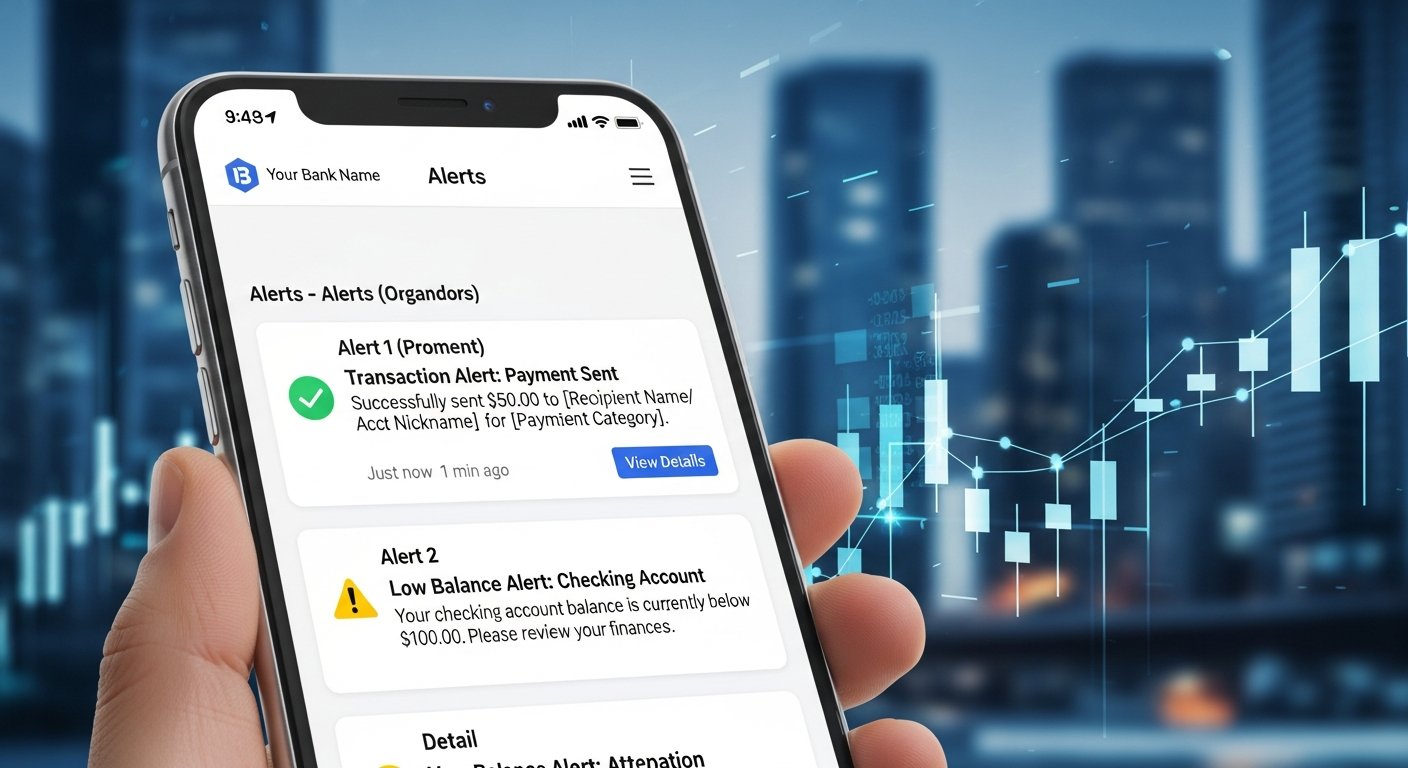
Hyper-Personalized & Proactive Financial Insights: Beyond generic budget templates, the best AI apps offer insights tailored precisely to your unique spending habits, income fluctuations, and financial goals. This means notifications like, “You’re projected to exceed your dining out budget by $50 this week based on current spending,” rather than just a monthly summary. Proactive alerts about upcoming bills, potential overdrafts, or even opportunities to save on subscriptions you rarely use are invaluable.
-
Advanced Predictive Analytics & Cash Flow Forecasting: A leading AI budget planner shouldn’t just show you what happened; it should predict what will happen. Look for features that forecast your cash flow for weeks or months ahead, helping you anticipate financial pinch points and plan accordingly. This includes projecting your balance at the end of the month, suggesting optimal times for large purchases, or estimating how long it will take to reach a specific savings goal based on current input.
-
Intelligent Goal-Based Planning with Dynamic Adjustments: Whether it’s saving for a down payment, paying off debt, or building an emergency fund, the app should allow you to set clear goals. The AI should then dynamically adjust your recommended contributions based on real-time income and spending, offering alternative paths or celebrating milestones to keep you motivated. It should break down large goals into manageable, actionable steps.
-
Smart Spending Optimization & Anomaly Detection: The best AI apps don’t just categorize; they optimize. They can identify opportunities to cut unnecessary spending, negotiate better rates on recurring bills, or even suggest cheaper alternatives for common purchases. Furthermore, robust anomaly detection can flag unusual transactions, potential fraud, or subscriptions you might have forgotten, adding an extra layer of security and savings.
-
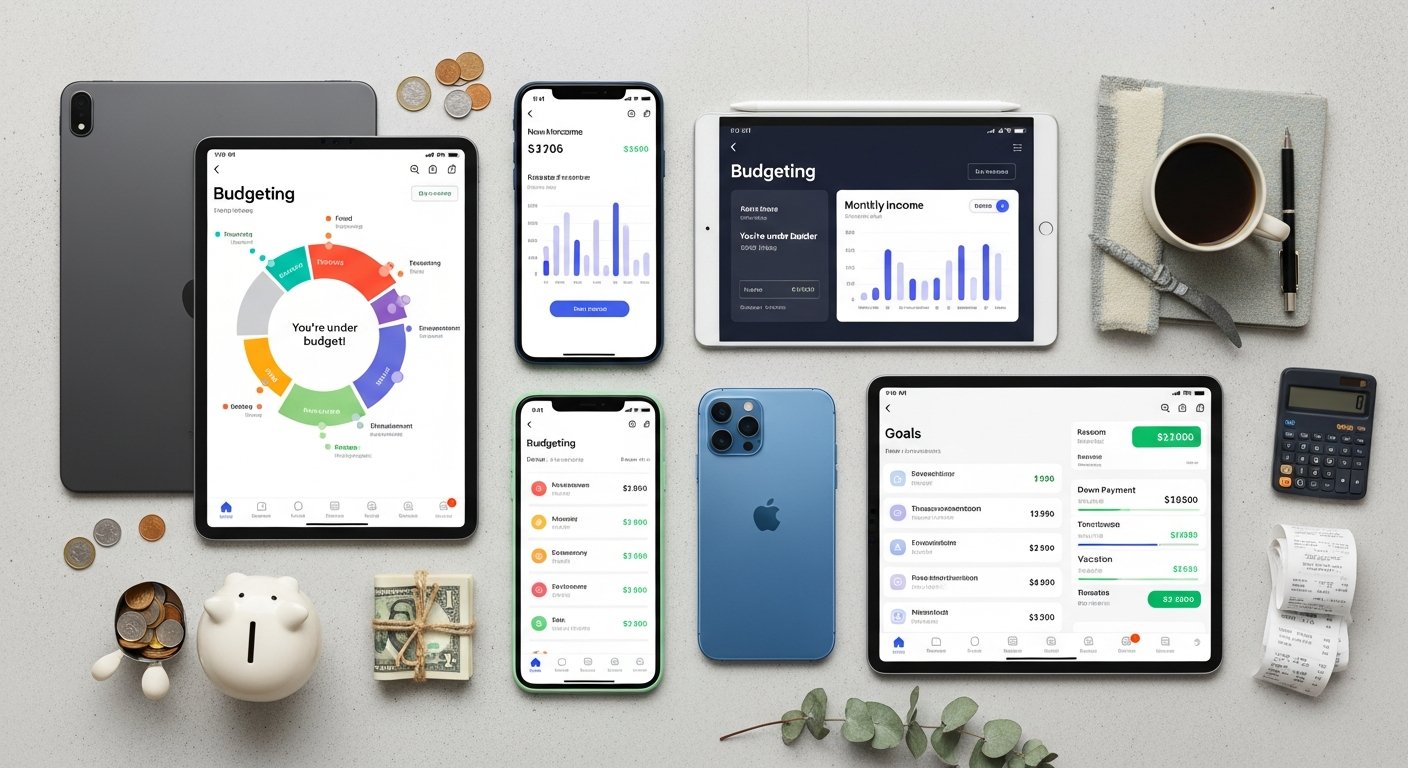
Intuitive User Experience (UX) & Actionable Interface: Powerful AI means little if the interface is complex and difficult to navigate. Look for clean, visually appealing designs that present complex data in easily digestible graphs and summaries. The best apps guide you to take action, not just observe. Features like voice commands, customizable dashboards, and accessible reports enhance usability.
-
Robust Security, Privacy Controls & Ethical AI Practices: Given the sensitive nature of financial data, unparalleled security is non-negotiable. Ensure the app uses multi-factor authentication, data encryption both in transit and at rest, and has clear, transparent privacy policies. Furthermore, as AI evolves, inquire about the app’s commitment to ethical AI practices, ensuring your data is used responsibly and for your benefit, not exploitation.
By prioritizing these features, you can select an AI budget planner that truly acts as a sophisticated financial co-pilot, guiding you towards your financial aspirations with intelligence and ease.
Spotlight on Emerging AI Budget Planners & Smart Money Apps for 2026 (Conceptual Examples)
As we look ahead to 2026, the landscape of AI budget planners is characterized by innovation, specialization, and an even deeper integration into our daily lives. While specific product names may evolve, the conceptual archetypes of these advanced apps highlight the cutting-edge features users can expect. Here’s a glimpse at the types of intelligent financial tools that are defining the future:
The “Financial Forecaster” – Your Predictive Financial Co-Pilot
This category of AI app focuses heavily on predictive analytics to give users an unparalleled view of their financial future. The Financial Forecaster doesn’t just track your spending; it simulates various financial scenarios based on your current habits, planned large purchases, and even external economic indicators. Imagine getting an alert saying, “Based on your spending patterns and upcoming bills, your discretionary income for next month is projected to be $X. Consider delaying that large purchase by two weeks to maintain your emergency fund goal.” These apps excel at visualizing future cash flow, identifying potential financial pinch points well in advance, and helping you optimize savings for specific future events like a child’s education or a major home renovation. Their strength lies in empowering users to make proactive decisions, eliminating financial surprises and fostering long-term stability.
The “Behavioral Nudge” – Your Personal Financial Coach
Moving beyond mere data presentation, the Behavioral Nudge apps are designed with a deep understanding of human psychology. These AI-powered tools act as a compassionate financial coach, using gentle nudges and positive reinforcement to guide you towards better habits. They learn your unique spending triggers – perhaps you tend to overspend on online shopping after a stressful day – and offer timely, encouraging interventions. This could be a notification like, “Remember your saving goal for that vacation? How about a mindful pause before clicking ‘checkout’?” or “You’ve been consistent with your debt payments this month – keep up the great work!” Some even incorporate gamification, setting challenges and rewarding progress, making the journey to financial wellness engaging and less daunting. Their primary goal is to help you build sustainable financial habits that stick, transforming your relationship with money one positive choice at a time.
The “Wealth Optimizer” – Connecting Budgeting to Growth
These advanced AI budget planners bridge the gap between day-to-day spending and long-term wealth building. The Wealth Optimizer integrates your budgeting, saving, and investment goals into a cohesive strategy. It can analyze your discretionary income and suggest optimal allocations for investments, debt repayment, or specific savings accounts. For instance, if you have extra cash at the end of the month, the AI might suggest splitting it between an emergency fund top-up and an index fund contribution, based on your risk profile and financial goals. Some even offer basic automated portfolio rebalancing suggestions (within the scope of managing savings for investment), or dynamic debt repayment strategies that prioritize high-interest debts while maintaining minimum payments on others. This archetype empowers users to see their entire financial ecosystem, making informed decisions that not only manage spending but actively grow their wealth.
The “Hyper-Personalized Advisor” – Your Contextual Financial Assistant
The Hyper-Personalized Advisor takes customization to an unprecedented level by integrating with various aspects of your digital life (with explicit user consent and robust privacy controls, of course). Imagine an app that knows you’re about to travel and proactively suggests adjusting your travel budget, or one that flags a potential double charge for a subscription based on your calendar events. These apps use sophisticated AI to understand your lifestyle and provide highly contextual financial advice. For example, if you frequently commute, it might suggest optimizing fuel costs or public transport passes based on your routes. While treading carefully on privacy, these apps aim to offer seamless, ultra-relevant financial guidance that feels less like a separate tool and more like an integrated part of your daily decision-making, helping you save money and make better choices throughout your day.
These conceptual apps highlight the exciting trajectory of AI in personal finance. They are becoming not just tools, but intelligent partners, offering levels of insight, prediction, and personalized guidance that were unimaginable just a few years ago. Choosing the right one will depend on your specific needs, but the overarching trend is clear: smarter, more intuitive, and ultimately more effective financial management for everyone.
Choosing the Right AI Budget Planner for Your Financial Journey
With an increasing number of sophisticated AI budget planners entering the market, selecting the one that best fits your individual needs and financial goals can seem daunting. Here’s a practical guide to help you navigate the options and make an informed decision:
-
Identify Your Core Financial Needs and Goals: Before you even look at apps, clarify what you want to achieve. Are you primarily focused on debt reduction (credit cards, student loans)? Are you trying to save aggressively for a specific goal (house down payment, retirement, travel)? Do you simply want better visibility into your spending, or are you aiming for comprehensive wealth optimization? Different AI apps excel in different areas. An app that’s great for debt management might not be the best for complex investment tracking, and vice-versa.
-
Assess the Level of AI Sophistication You Require: Do you need basic automated categorization and spending alerts, or are you looking for deep predictive analytics, behavioral nudges, and scenario planning? If you’re new to budgeting, a simpler, more intuitive app might be a better starting point. If you have complex financial situations or aggressive goals, a more advanced AI with robust forecasting capabilities will be more beneficial. Don’t pay for features you won’t use, but don’t undersell yourself either.
-
Prioritize Security and Privacy: This is non-negotiable. Ensure any app you consider employs bank-level encryption (e.g., 256-bit AES), multi-factor authentication, and adheres to stringent data privacy regulations (like GDPR or CCPA). Read their privacy policy carefully to understand how your data is collected, used, and shared. Look for transparency and a strong track record in data protection. Your financial data is incredibly sensitive, so trust is paramount.
-
Evaluate User Experience (UX) and Interface: A powerful AI is only as good as its usability. The app should be intuitive, easy to navigate, and visually appealing. Complex financial data should be presented in clear, digestible graphs and summaries, not overwhelming spreadsheets. A smooth UX will encourage consistent engagement, which is key to long-term financial success. Look for features like customizable dashboards, easy transaction search, and clear reporting.
-
Consider Integration Capabilities: Does the app seamlessly connect with all your necessary financial accounts – banks, credit cards, mortgage providers, investment platforms, and even popular payment apps? Some apps offer integration with other financial tools or even tax software, which can streamline your financial life significantly. Ensure it supports the institutions you use.
-
Understand the Cost and Value Proposition: Many AI budgeting apps offer free versions with basic features and premium subscriptions for advanced functionalities. Evaluate whether the premium features justify the cost. Will the extra predictive power, deeper insights, or specialized tools genuinely help you save more money or achieve your goals faster than the free version? Look for trial periods to test the full feature set before committing.
-
Read Reviews and Seek Recommendations: While your needs are unique, reading reviews from other users can provide valuable insights into an app’s reliability, customer support, and actual performance. Look for recent reviews, especially for apps that claim “AI” features, as these technologies evolve rapidly.
By carefully considering these factors, you can select an AI budget planner that not only automates your financial tracking but truly empowers you to make smarter decisions and accelerates your path to financial wellness in 2026 and beyond.
Maximizing Your Financial Wellness with AI
Adopting an AI budget planner is a significant step towards modernizing your personal finance, but simply downloading an app isn’t enough. To truly unlock the full potential of these intelligent tools and maximize your financial wellness, active engagement and a strategic approach are key. Here’s how to get the most out of your AI financial assistant:
-
Connect All Your Financial Accounts Securely: The more comprehensive the data your AI app has access to, the more accurate and insightful its recommendations will be. Link all your bank accounts, credit cards, investment portfolios, loans, and even recurring subscriptions. This holistic view allows the AI to understand your entire financial ecosystem and provide truly integrated advice.
-
Set Clear, Measurable Financial Goals: AI performs best when it has clear objectives. Whether it’s saving for a down payment, paying off a specific debt, or building an emergency fund, define your goals within the app. The AI can then dynamically adjust its advice and track your progress, providing motivation and actionable steps to reach those milestones faster.
-
Engage Actively with Insights and Recommendations: Don’t treat your AI budget planner as a passive observer. Pay attention to the alerts, insights, and recommendations it provides. If it flags an unusual expense, investigate it. If it suggests an opportunity to save, consider acting on it. The more you interact with its intelligence, the more it learns and the more valuable it becomes.
-
Regularly Review and Adjust Your Budget: While AI automates much of the process, your financial situation and goals can change. Dedicate a few minutes each week or month to review the app’s summaries, compare actual spending to projections, and make any necessary adjustments to your budget categories or goals. This ensures the AI is always working with the most current understanding of your finances.
-
Be Patient and Allow the AI to Learn: Artificial intelligence thrives on data. It will take some time for the app to learn your unique spending habits, income fluctuations, and financial patterns. In the initial weeks, you might need to correct some categorization or refine your preferences. The more data it processes and the more feedback you provide, the smarter and more personalized its insights will become.
-
Automate Where Possible, but Remain in Control: Utilize features like automated savings transfers, bill pay reminders, and recurring budget allocations. Automation reduces manual effort and minimizes the risk of human error. However, always retain control and review automated actions periodically. The AI is a tool to empower you, not to take over completely.
-
Utilize Scenario Planning for Major Decisions: For significant financial decisions, leverage the AI’s scenario planning features. Want to know the impact of buying a new car on your savings goals? Or how accelerating mortgage payments affects your retirement timeline? The AI can run these “what-if” analyses, providing data-driven insights to help you make informed choices.
By actively engaging with your AI budget planner and implementing these strategies, you transform it from a mere budgeting tool into a powerful, personalized financial partner that helps you achieve greater financial clarity, control, and ultimately, a stronger sense of financial wellness.
The Road Ahead: AI and the Future of Personal Finance
As we navigate further into 2026 and beyond, the integration of AI into personal finance is not slowing down; it’s accelerating and diversifying. The current generation of AI budget planners and money apps represents just the beginning of what’s possible, paving the way for a future where managing your money is not only effortless but deeply integrated into the fabric of your daily life.
One prominent trend on the horizon is deeper contextual integration. Imagine AI that goes beyond just your financial accounts, connecting securely (with your explicit permission) to your calendar, travel plans, shopping lists, and even health goals. This would allow for hyper-personalized financial advice like, “You have a business trip next week; here’s your updated travel budget projection,” or “Your smart fridge indicates you’re low on groceries, perhaps consider adjusting your dining out budget for the next few days.” The goal is to make financial decisions more natural and less isolated, presenting options in the moment they are most relevant.
Another area of immense growth is proactive financial education and literacy. AI will move beyond just tracking and advising, becoming a personalized educator. It could identify gaps in your financial knowledge based on your transactions and goals, then offer bite-sized, relevant educational content, interactive simulations, or even connect you to tailored financial coaching. This democratizes access to sophisticated financial understanding, helping users not just manage money, but truly master it.
Voice-activated AI and natural language processing will also become more sophisticated, making interaction with your finances as simple as having a conversation. Asking your smart speaker, “Hey AI, how much can I safely spend on entertainment this weekend?” and getting an intelligent, data-backed answer will become commonplace, blurring the lines between digital assistant and financial advisor.
Furthermore, the future will likely see enhanced ethical AI in finance, with greater transparency in algorithms, stronger user control over data, and a focus on financial inclusion. As these technologies become more powerful, the commitment to responsible and equitable use will be paramount, ensuring that AI serves to uplift financial wellness for all, not just a select few.
In essence, AI is transforming personal finance from a realm of reactive tracking to one of proactive, intelligent optimization. It’s shifting the burden from manual labor to smart automation, empowering individuals with unprecedented insight and control. The AI budget planners of 2026 are just a precursor to a future where your financial well-being is intrinsically supported by a sophisticated, ever-learning digital partner, making financial freedom not just a dream, but an increasingly attainable reality.