








Unlock Savings: Best Balance Transfer Credit Cards for 2026 Revealed – Fin3go


Unlock Savings: Best Balance Transfer Credit Cards for 2026 Revealed

As we look ahead to 2026, many of us are setting new financial goals, and for a significant number, that includes tackling high-interest credit card debt. The good news? Balance transfer credit cards continue to be one of the most powerful tools in your arsenal for doing just that. At Fin3go, your trusted source for financial literacy, we believe in empowering you with the knowledge to make smart decisions. This comprehensive guide will delve into what makes the best balance transfer credit cards for 2026, how to find them, and how to use them effectively to shave years and thousands of dollars off your debt repayment journey.

Imagine a world where your credit card payments go entirely towards your principal balance, not just the interest. That’s the core promise of a balance transfer card, offering a crucial window of opportunity – typically a 0% introductory Annual Percentage Rate (APR) – to get ahead. Whether you’re planning to consolidate multiple debts, reduce the burden of a single high-APR card, or simply seeking a fresh start for the new financial year, understanding the landscape of 2026’s best balance transfer offers is your first step towards financial freedom.

What is a Balance Transfer and Why Is It Your 2026 Debt Solution?

A balance transfer is a process where you move debt from one or more existing credit cards (typically those with high interest rates) to a new credit card, often one that offers a 0% introductory APR for a set period. This introductory period can range anywhere from 6 to 21 months, providing a critical window where every dollar you pay goes directly towards reducing your principal debt, rather than being eaten up by interest charges.

The “why” is simple: saving money. If you’re carrying a balance on a credit card with an APR of 18% or higher, a significant portion of your minimum payment is likely just covering the interest. This makes it incredibly difficult to pay off your debt, trapping you in a cycle that feels endless. By moving that balance to a 0% APR card, you effectively pause the interest clock. This allows you to accelerate your repayment, pay down your debt faster, and potentially save hundreds or even thousands of dollars in interest over the life of your debt.

For 2026, a balance transfer remains a cornerstone strategy for proactive financial management. Economic shifts and personal circumstances can lead to accumulating debt, and having a clear, actionable plan is vital. A balance transfer is not just about moving debt; it’s about gaining control, building momentum, and setting yourself up for a stronger financial future by eliminating one of the biggest roadblocks to wealth accumulation: high-interest consumer debt.

Key Features to Prioritize in 2026 Balance Transfer Cards

Money Tip

When searching for the perfect balance transfer credit card for 2026, not all offers are created equal. It’s crucial to look beyond the flashy headlines and understand the intricate details. Here are the paramount features to prioritize:

1. The 0% APR Introductory Period

This is arguably the most critical feature. The longer the 0% APR period, the more time you have to pay down your debt interest-free. In 2026, expect to see offers ranging from 12 to 21 months. Aim for the longest period you can realistically manage to pay off your entire transferred balance. A longer period gives you more breathing room and reduces pressure, but remember, the goal is to eliminate the debt before the standard APR kicks in.

2. The Balance Transfer Fee

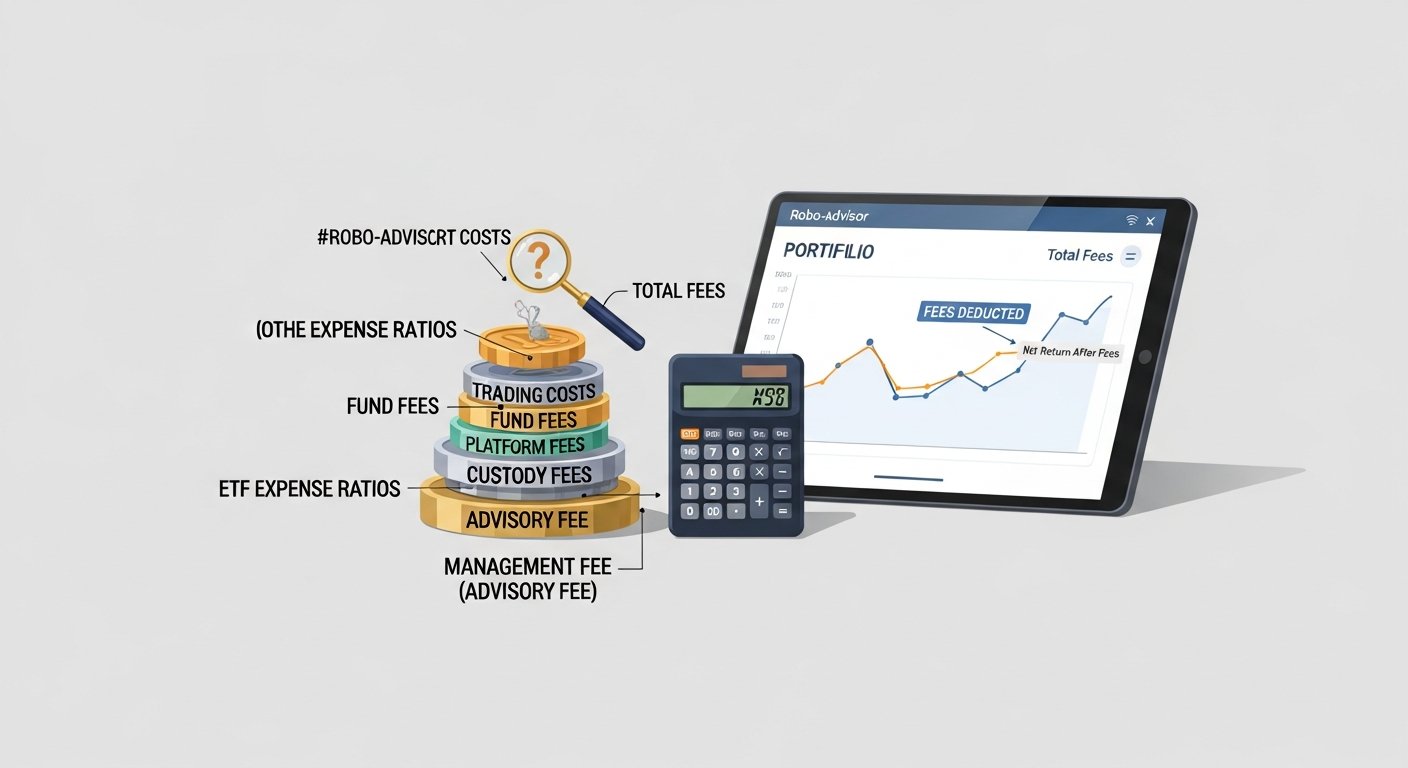
Most balance transfer cards charge a fee, typically 3% to 5% of the amount transferred. While a 0% introductory APR sounds appealing, a high transfer fee can eat into your savings. For example, a 5% fee on a $10,000 transfer is $500 right off the bat. Some rare cards occasionally offer no transfer fee, but these are often harder to qualify for or come with shorter 0% APR periods. Do the math: calculate if the interest savings outweigh the transfer fee. Sometimes, paying a 3% fee for an 18-month 0% APR period is far more beneficial than continuing to pay 20% interest on your existing card.

3. The Regular APR After the Introductory Period

While the focus is on the 0% APR, it’s vital to know what the standard APR will be once the introductory period ends. If you don’t manage to pay off your entire balance within the promotional window, any remaining balance will accrue interest at this new, higher rate. This rate can be quite high, often reflecting your creditworthiness. Ensure you understand this rate and factor it into your repayment plan, aiming to never have to pay it.

4. Credit Score Requirements

Balance transfer cards, especially those with the longest 0% APR periods and lowest fees, typically require good to excellent credit (FICO scores generally above 670). Before applying, check your credit score. Applying for cards you’re unlikely to be approved for can result in hard inquiries on your credit report, which can temporarily ding your score. Many issuers provide pre-qualification tools that let you see if you’re likely to be approved without a hard inquiry.

5. Card Perks and Rewards (Secondary Consideration)

While not the primary goal of a balance transfer card, some cards may offer modest rewards on new purchases or sign-up bonuses. Be very cautious with these. The primary purpose of a balance transfer card is debt elimination. Using it for new purchases, even for rewards, can counteract your debt payoff efforts and lead to new debt. If you are extremely disciplined, a small perk might be a nice bonus, but never let it distract from your main objective.

6. Transfer Limits and Deadlines

Check the maximum amount you can transfer to the new card, as it often has a limit that might not cover all your existing debt. Also, be aware of any deadlines for completing the balance transfer, which typically fall within the first 60-90 days of account opening.

Top Picks: What to Seek in Best Balance Transfer Credit Cards for 2026

As Fin3go operates as a financial literacy site and cannot predict specific card offerings for 2026 with absolute certainty, we will highlight the categories and features you should actively seek out from major issuers when 2026 specific offers become available. Think of these as archetypes of the best options you’ll encounter:

1. The “Longest 0% APR” Champion

Look for cards offering 0% APR periods extending up to 20-21 months on balance transfers. These are ideal for individuals with larger balances who need maximum time to pay down their debt. While these might come with a standard 3-5% transfer fee, the extended interest-free window provides unparalleled savings potential. These cards typically require excellent credit scores (740+ FICO) and a strong credit history.

2. The “Low/No Transfer Fee” Specialist

Occasionally, some issuers will offer cards with a reduced transfer fee (e.g., 0-2%) or even no transfer fee at all. These are gold standard if you can find them and qualify. They are particularly advantageous for smaller balances where a 3-5% fee might negate a significant portion of the interest savings, or for those who simply want to avoid any upfront costs. Be mindful that these cards might offer slightly shorter 0% APR periods (e.g., 12-15 months) compared to their fee-charging counterparts. Again, excellent credit will be key.

3. The “Good Credit” Contender (for FICO 670-739)

For those with solid but not perfect credit, there will be cards specifically designed to help. These might offer slightly shorter 0% APR periods (12-18 months) and potentially a 3-5% transfer fee, but they are more accessible than the top-tier “excellent credit only” options. Look for cards from reputable banks and credit unions that clearly state they cater to “good” credit profiles. These cards are excellent stepping stones to improving your credit while eliminating debt.

4. The “Consolidation Powerhouse”

If you’re juggling multiple credit card debts, seek out cards with high credit limits that can accommodate all your transferred balances. These cards often come with competitive 0% APR periods and a standard transfer fee. The primary benefit here is simplifying your financial life by consolidating several payments into one, making it easier to track your progress and avoid missed payments. Always ensure the new card’s credit limit is sufficient to cover your total desired transfer amount.

5. The “Bonus Perks” Balance Transfer

Rarely, you might find a balance transfer card that also offers a small sign-up bonus (e.g., $100-$200 back after spending a certain amount) or modest rewards on new purchases. While the primary goal is debt elimination, if you are exceptionally disciplined and certain you will not make new purchases that hinder your debt payoff, these can offer a slight additional benefit. However, Fin3go strongly advises extreme caution here; the risk of accumulating new debt often outweighs the minor reward. Stick to your debt payoff plan.

When 2026 arrives, actively compare offers from major banks (Chase, Citi, Discover, Bank of America, Capital One, Wells Fargo) and reputable credit unions. Utilize comparison websites, but always cross-reference directly with the issuer’s official website to ensure the most current and accurate terms. Read the fine print meticulously before applying.

Navigating the 2026 Balance Transfer Application Process

Once you’ve identified a promising balance transfer card for 2026, the application process is straightforward but requires attention to detail. Here’s a step-by-step guide:

1. Check Your Credit Score

Before applying, obtain your current credit score (e.g., FICO Score) from services like Experian, Equifax, or TransUnion, or often through your existing credit card issuer. Knowing your score helps you gauge your likelihood of approval for specific cards and avoid unnecessary hard inquiries that temporarily ding your credit score. Many card issuers also offer pre-qualification tools that let you check for offers without impacting your score.

2. Gather Necessary Information

Be prepared with your personal details (name, address, Social Security Number), income information, and details of the credit card(s) you wish to transfer balances from (issuer name, account number, balance amount). You will need to specify the exact amount you wish to transfer.

3. Apply Strategically

Apply for one card at a time to minimize the impact of multiple hard inquiries on your credit report. If you’re approved, proceed with the transfer. If denied, understand the reason before applying elsewhere.

4. Initiate the Balance Transfer

During the application process, or shortly after approval, you will be prompted to provide the details of the accounts from which you wish to transfer a balance. Ensure these details are accurate. It’s crucial to request the transfer within the introductory period’s specified timeframe (often within the first 60-90 days of account opening) to qualify for the 0% APR.

5. Understand the Timing

Balance transfers are not instant. They can take anywhere from a few days to a few weeks (typically 7-21 business days) to process. Continue making minimum payments on your old credit card(s) until you confirm the transfer is complete and the balance is reflected on your new card. Missing a payment on your old card while waiting for the transfer could incur late fees and negatively impact your credit score.

6. Monitor Your Accounts

Once the transfer is complete, confirm the balance is correctly reflected on your new card and that your old card now shows a reduced or zero balance. Carefully review the terms and conditions for your new card, noting the exact end date of the 0% APR period and the standard APR that will apply afterward.

By approaching the application process with diligence and understanding, you can smoothly transition your high-interest debt onto a more manageable path for 2026.

Maximizing Your Balance Transfer Strategy for 2026

Getting a balance transfer card is just the first step. To truly succeed and leverage this tool for financial freedom in 2026, you need a robust strategy. Here’s how to maximize your balance transfer:

1. Create a Realistic Repayment Plan

The 0% APR period is finite. Divide your total transferred balance by the number of months in your promotional period to determine the monthly payment required to pay off the debt entirely before interest kicks in. For example, if you transfer $5,000 to a card with an 18-month 0% APR, you need to pay at least $277.78 each month ($5,000 / 18) to clear the debt. Factor this into your budget and commit to it.

2. Aggressively Pay Down the Balance

Don’t just make the minimum payment. If you can afford to pay more than your calculated monthly amount, do so. Every extra dollar you pay during the 0% APR period is a dollar that doesn’t accrue interest. This accelerated repayment strategy significantly reduces your overall debt faster.

3. Resist the Urge for New Debt

This is paramount. Your new balance transfer card is for paying off existing debt, not for new spending. Avoid using the card for purchases, as this can confuse your payment allocation (payments might go to new purchases first) and undermine your debt-free goal. Ideally, keep the card solely for the transferred balance. If you must use a credit card for everyday spending, use a different card and pay it off in full each month.

4. Set Up Automatic Payments

Automate your monthly payments to at least the minimum required amount (or your calculated accelerated payment) to avoid missed payments. Missing payments can trigger penalties, including forfeiture of your 0% APR introductory rate, which would be disastrous for your strategy.

5. Close Old Accounts Strategically (Optional)

Once your balances are successfully transferred, consider whether to keep your old high-interest credit card accounts open or close them. Closing accounts can sometimes negatively impact your credit utilization ratio and average age of accounts. However, if you struggle with impulse spending, closing accounts can eliminate temptation. A balanced approach might be to keep older accounts open with zero balances, but cut up the physical cards.

6. Monitor Your Progress

Regularly check your statements and your credit report. Ensure the payments are being applied correctly and that your balance is decreasing as planned. This proactive monitoring keeps you motivated and allows you to catch any discrepancies early.

By implementing these strategies, your 2026 balance transfer won’t just be a temporary fix; it will be a launchpad to a more secure and debt-free financial future.

Potential Pitfalls and How to Avoid Them in 2026

While balance transfers are powerful tools, they come with potential traps. Being aware of these pitfalls is crucial for a successful debt consolidation strategy in 2026:

1. Missing Payments During the 0% APR Period

This is perhaps the biggest danger. Many balance transfer offers state that if you miss even one payment, you could forfeit the introductory 0% APR. Your interest rate could then immediately jump to the standard (and often high) APR. To avoid this, set up automatic payments for at least the minimum due, or better yet, your calculated payoff amount. Mark your calendar with payment due dates.

2. Accumulating New Debt

The temptation to use your newly “freed up” credit on your old cards or to spend on your new balance transfer card can be strong. However, doing so completely undermines the purpose of the balance transfer and can land you in deeper debt. Treat your new card strictly as a debt repayment vehicle, and if necessary, freeze or cut up your old cards to remove temptation.

3. Not Paying Off the Balance Before the 0% APR Ends

If you have a remaining balance when the promotional period expires, you’ll start accruing interest at the card’s standard, often high, purchase APR. For many cards, this isn’t deferred interest, meaning interest doesn’t retroactively apply to the original balance. However, the interest on the remaining balance can still be significant. Plan your payments meticulously to ensure a zero balance by the end date.

4. Underestimating the Balance Transfer Fee

While a 3-5% fee might seem small, it can add up. On a $10,000 transfer, a 5% fee is $500. Always factor this fee into your calculations to ensure the interest savings truly outweigh this upfront cost. Don’t let the excitement of 0% APR blind you to the initial expense.

5. Balance Transfer Limits

Your new credit card may have a credit limit that isn’t high enough to transfer all your existing debt. Be aware of this before applying. You might need to transfer only a portion of your debt or apply for another balance transfer card if you have exceptionally high debt. Some cards also have a cap on the total amount you can transfer.

6. Deferred Interest on Store Cards or Certain Promos

While most traditional bank balance transfer cards don’t use deferred interest, some store credit cards or specific promotional offers (like “no interest if paid in full by X date”) do. With deferred interest, if you don’t pay off the entire promotional balance by the deadline, all the interest from the original purchase date is retroactively charged. This is different from a standard balance transfer card where interest only applies to the remaining balance after the 0% period. Always read the fine print carefully to understand which type of interest applies.

By being vigilant and strategic, you can successfully navigate these common pitfalls and make your 2026 balance transfer a truly beneficial financial move.

Planning Ahead: Why Start Your 2026 Balance Transfer Search Now?

While 2026 might seem a little ways off, embracing a proactive approach to your financial health, especially regarding debt management, is always advantageous. Here’s why starting your balance transfer search and preparation now, with 2026 in mind, is a smart strategy:

1. Optimize Your Credit Score

The best balance transfer offers, particularly those with the longest 0% APR periods and lowest fees, are typically reserved for individuals with good to excellent credit. By looking ahead, you give yourself ample time to improve your credit score. This could involve paying down other small debts, ensuring all your bills are paid on time, disputing any inaccuracies on your credit report, or simply waiting for negative marks to age off. A higher credit score increases your chances of approval for the most favorable terms.

2. Research and Compare Thoroughly

Financial products and market offerings can shift. Having a longer planning horizon allows you to meticulously research and compare various balance transfer options as they become available closer to 2026. You can track trends, understand different issuer strategies, and wait for potentially superior offers. This prevents rushed decisions and ensures you select the card best aligned with your specific debt and financial goals.

3. Understand Your Debt Landscape

Use this time to get a clear picture of your current debt. Catalog all your credit card balances, their respective APRs, and minimum payments. This comprehensive view will help you determine the total amount you need to transfer and calculate a realistic payoff plan for the 0% APR period, once you secure a card. Knowing your numbers empowers you to make an informed decision.

4. Prepare Your Budget

Before committing to a balance transfer, you need to ensure you can afford the aggressive payments required to pay down the debt within the 0% APR window. Use the pre-2026 period to refine your budget, identify areas where you can cut expenses, and potentially increase your income. This preparation will make it much easier to stick to your repayment plan once the balance transfer is complete.

5. Avoid Rushed Decisions Under Pressure

Waiting until debt becomes overwhelming often leads to desperate, less-than-optimal financial choices. Planning for 2026 allows you to approach the balance transfer with a calm, calculated mindset, ensuring you read all the fine print, understand the fees, and choose the most effective path forward without the pressure of imminent high-interest payments.

At Fin3go, we advocate for proactive financial health. By starting your balance transfer strategy now for 2026, you’re not just moving debt; you’re intentionally building a foundation for a stronger, more stable financial future. Empower yourself with knowledge and preparation, and make 2026 the year you truly conquer your credit card debt.

Frequently Asked Questions

Is a balance transfer right for me in 2026?
balance transfer is an excellent strategy if you have existing high-interest credit card debt, a good to excellent credit score (typically FICO 670+), and a disciplined plan to pay off the transferred balance during the 0% APR introductory period. It’s not a good fit if you tend to accrue new debt quickly, have a poor credit score, or cannot commit to a strict repayment schedule. The key is to eliminate the debt, not just move it.
How long does a balance transfer typically take to process?
Once your new balance transfer credit card is approved and you initiate the transfer, it typically takes anywhere from 7 to 21 business days for the transfer to fully process and for the balance to appear on your new statement and disappear from your old card. It’s crucial to continue making minimum payments on your old card(s) until you receive confirmation that the transfer is complete to avoid late fees and protect your credit score.
Can I transfer a balance from one credit card to another with the same issuer?
Generally, no. Most credit card issuers do not allow you to transfer a balance from one of their cards to another card they also issue. The primary purpose of a balance transfer card is to entice new customers by helping them consolidate debt from other financial institutions. You’ll typically need to apply for a balance transfer card from a different bank or credit union than your current high-interest cards.
What happens if I don’t pay off my entire balance during the 0% APR period?
If you have a remaining balance when the 0% APR introductory period expires, that remaining balance will start accruing interest at the card’s standard purchase APR. This rate can be quite high, often between 18% and 25% or more, depending on your creditworthiness. Unlike some store card promotions, most traditional balance transfer cards do not retroactively charge interest on the entire original balance; interest only applies to the remaining balance after the promotional period ends. However, paying interest again defeats the primary purpose of the balance transfer, so aim for a zero balance by the deadline.