





Unmasking the Silent Siphon: Your Definitive Guide to Avoiding Hidden Fees in Online Banking

In a world increasingly reliant on digital solutions, online banking has emerged as a beacon of convenience, efficiency, and often, cost-effectiveness. The promise of managing your money anytime, anywhere, without the hassle of brick-and-mortar branches, is incredibly appealing. Yet, beneath the polished interfaces and seamless transactions lies a complex ecosystem where various charges, sometimes subtle, sometimes significant, can silently siphon away your hard-earned cash. These are the **hidden fees in online banking** – the unwelcome surprises that can chip away at your savings and undermine your financial goals.

For the savvy personal finance reader, understanding and actively **avoiding banking fees** isn’t just about saving a few dollars; it’s about optimizing your financial health, ensuring transparency, and ultimately, making your money work harder for you. This comprehensive guide will equip you with the knowledge to identify common online banking fees, provide practical strategies to circumvent them, and highlight innovative fintech solutions that are reshaping the landscape of fee-free banking. We’ll delve into security considerations, offer real-world examples, and arm you with immediate, actionable tips to safeguard your finances from these silent saboteurs.

#

Decoding the Common Culprits: What Hidden Fees Lurk in Online Banking?

The journey to fee-free banking begins with a thorough understanding of the charges that often go unnoticed. While many online-only banks pride themselves on their fee-transparent models, not all financial institutions play by the same rules. Even those with seemingly “free” accounts can have a labyrinth of conditions and circumstances that trigger unexpected costs.

Let’s break down the most prevalent hidden fees you might encounter:

**1. Monthly Maintenance (or Service) Fees:**
This is perhaps the most common fee structure in traditional banking, often disguised as a necessary cost for managing your account. Many brick-and-mortar banks charge a monthly fee (e.g., $10-$15) for checking accounts. While numerous online banks have eliminated this entirely, some legacy banks with online offerings still impose it.

* **The Catch:** Often, these fees *can* be waived if you meet certain criteria, such as maintaining a minimum daily balance (e.g., $1,500), having a qualifying direct deposit (e.g., $500/month), or conducting a minimum number of debit card transactions. If you fail to meet these specific requirements, the fee kicks in automatically.
* **Example:** Bank of America’s Advantage Plus checking account has a $12 monthly fee, waivable with a $250+ direct deposit or a minimum daily balance of $1,500.

**2. ATM Fees:**
The convenience of withdrawing cash anytime comes at a potential cost, especially if you venture outside your bank’s preferred network.

* **Out-of-Network ATM Fees:** When you use an ATM not affiliated with your bank, you typically face two charges: one from the ATM owner (e.g., $3-$5) and another “non-network” fee from your own bank (e.g., $2.50-$3.50). These can quickly add up.
* **Foreign ATM Fees:** If you travel internationally, using ATMs can incur even higher fees due to currency conversion charges on top of the standard out-of-network fees.
* **Example:** A quick $20 withdrawal from a third-party ATM could cost you $6-$8 in fees, meaning you effectively paid 30-40% to access your own money!

**3. Overdraft (OD) and Non-Sufficient Funds (NSF) Fees:**
These are among the most contentious and costly fees in banking, designed to penalize you for spending more money than you have in your account.

* **Overdraft Fees:** If your bank allows a transaction to go through when you don’t have enough funds, they’ll often hit you with an overdraft fee (e.g., $30-$35 per transaction). Some banks may charge multiple OD fees in a single day, turning a minor oversight into a significant financial burden.
* **Non-Sufficient Funds (NSF) Fees:** If your bank *declines* a transaction due to insufficient funds (e.g., a bounced check or rejected ACH payment), they may still charge you an NSF fee, sometimes the same amount as an overdraft fee.
* **The Trigger:** Automated bill payments, debit card purchases, and checks are common culprits. Even small transactions can trigger a large fee.

**4. Foreign Transaction Fees:**
A crucial consideration for international travelers or those making purchases from foreign merchants online.

* **The Charge:** Most banks charge a percentage (typically 1-3%) of the transaction amount for purchases made in a foreign currency or processed by a foreign bank, even if the purchase is in USD.
* **Example:** A $1,000 hotel stay abroad could incur a $30 foreign transaction fee, eroding your travel budget.

**5. Inactivity Fees:**
While less common with major online banks today, some institutions (especially credit unions or smaller regional banks) may charge a fee if your account remains dormant for an extended period (e.g., 6-12 months). This is often an attempt to close out inactive accounts that cost them money to maintain.

**6. Wire Transfer Fees:**
The ability to send money quickly across different banks is valuable, but it rarely comes free.

* **Incoming/Outgoing Wires:** Banks typically charge for both sending (e.g., $25-$35 for domestic, $40-$50 for international) and sometimes even receiving (e.g., $15-$20) wire transfers.
* **The Alternative:** Services like Zelle, Venmo, and PayPal offer free peer-to-peer transfers, but they don’t handle traditional bank wires.

**7. Paper Statement Fees:**
In an effort to promote digital banking and reduce operational costs, some banks charge a nominal fee (e.g., $3-$5) for mailing physical bank statements.

**8. Expedited Bill Pay/Card Replacement Fees:**
While standard bill pay is usually free, if you need to send an expedited payment or get a replacement debit card rushed to you, banks may charge an additional fee for the express service.

**Pro Tip:** Always scrutinize the “Fees” or “Pricing” section of your bank’s website and review the account disclosure agreement when opening a new account. These documents contain the official list of all potential charges. Don’t be afraid to ask customer service for clarification.

#

Proactive Strategies to Shield Your Wallet: How to Effectively Avoid Online Banking Fees

Identifying the fees is the first step; actively avoiding them is the critical next. By implementing smart banking habits and choosing the right financial partners, you can dramatically reduce, or even eliminate, the impact of these charges on your finances.

**1. Choose the Right Account and Bank: Embrace Fee-Free Champions**
This is arguably the most impactful strategy. Many online-only banks and challenger banks (fintechs) have built their models around offering truly fee-free checking accounts, often with competitive interest rates on savings.

* **Seek Out No-Monthly-Fee Accounts:** Prioritize banks that explicitly state “no monthly maintenance fees” with no strings attached.
* **Examples of No-Fee Banks:**
* **Ally Bank:** Known for its fee-free checking and high-yield savings accounts, no monthly maintenance fees, and ATM fee reimbursements (up to $10 per statement cycle).
* **Discover Bank:** Offers cash back checking with no monthly fees, no fees for insufficient funds, and a large network of fee-free ATMs.
* **Charles Schwab Bank:** Excellent for travelers, offering checking accounts with no monthly fees and unlimited ATM fee rebates worldwide.
* **Capital One 360:** Offers various checking and savings accounts with no monthly fees and a vast network of fee-free ATMs.
* **Chime:** A popular challenger bank that offers fee-free checking, early access to direct deposit, and a large network of fee-free ATMs (via MoneyPass). They pride themselves on a “no hidden fees” policy, including no overdraft fees if you opt into their SpotMe® service (up to limits).
* **SoFi Money:** Combines checking and savings features with no monthly fees, no overdraft fees (with direct deposit), and ATM fee reimbursements.
* **Leverage High-Yield Savings Accounts (HYSAs):** While primarily for saving, many HYSAs come with no monthly fees and offer significantly higher interest rates than traditional savings accounts, further offsetting any potential minimal fees you might incur elsewhere.

**2. Master Your Minimums and Direct Deposits: Meet Waiver Requirements**
If you prefer to stick with a traditional bank that has maintenance fees, ensure you consistently meet the conditions to waive them.

* **Automate Direct Deposit:** Set up your paycheck or benefits to be directly deposited into your account. Many banks waive fees for minimum direct deposit amounts (e.g., $500 or $1,000 per month).
* **Maintain Minimum Balances:** If your bank offers fee waivers for maintaining a certain balance, make sure you don’t dip below it. Use alerts to notify you if your balance approaches the threshold.
* **Consolidate Accounts:** Sometimes, having multiple accounts (checking, savings, credit card, mortgage) with the same institution can lead to fee waivers for premium relationships.

**3. Be Smart with ATMs: Avoid Out-of-Network Charges**
Cash is becoming less common, but when you need it, make sure you access it strategically.

* **Stick to Your Bank’s Network:** Locate your bank’s in-network ATMs using their mobile app or website before you need cash.
* **Utilize ATM Fee Reimbursements:** Banks like Ally Bank, Charles Schwab Bank, and SoFi Money will reimburse ATM fees from *any* ATM worldwide, making them excellent choices for those who frequently use cash or travel.
* **Get Cash Back at Stores:** Many grocery stores, pharmacies, and retailers offer cash back with a debit card purchase. This is often a completely free way to get small amounts of cash.
* **Plan Ahead:** Try to anticipate your cash needs and withdraw larger amounts less frequently from fee-free sources, rather than making multiple small, fee-incurring withdrawals.

**4. Eliminate Overdrafts: Proactive Spending Management**
Overdraft fees are easily avoidable with careful planning and utilizing available tools.

* **Opt Out of Overdraft Protection:** Many banks allow you to opt out of overdraft services for debit card transactions. This means your card will be declined if you don’t have enough funds, saving you the fee. (Be aware this doesn’t always apply to checks or ACH payments, which might still incur NSF fees.)
* **Link Accounts:** Link your checking account to a savings account or a line of credit. If you overdraw, funds will be automatically transferred from the linked account to cover the transaction, often for a smaller (or no) fee than a standard overdraft fee.
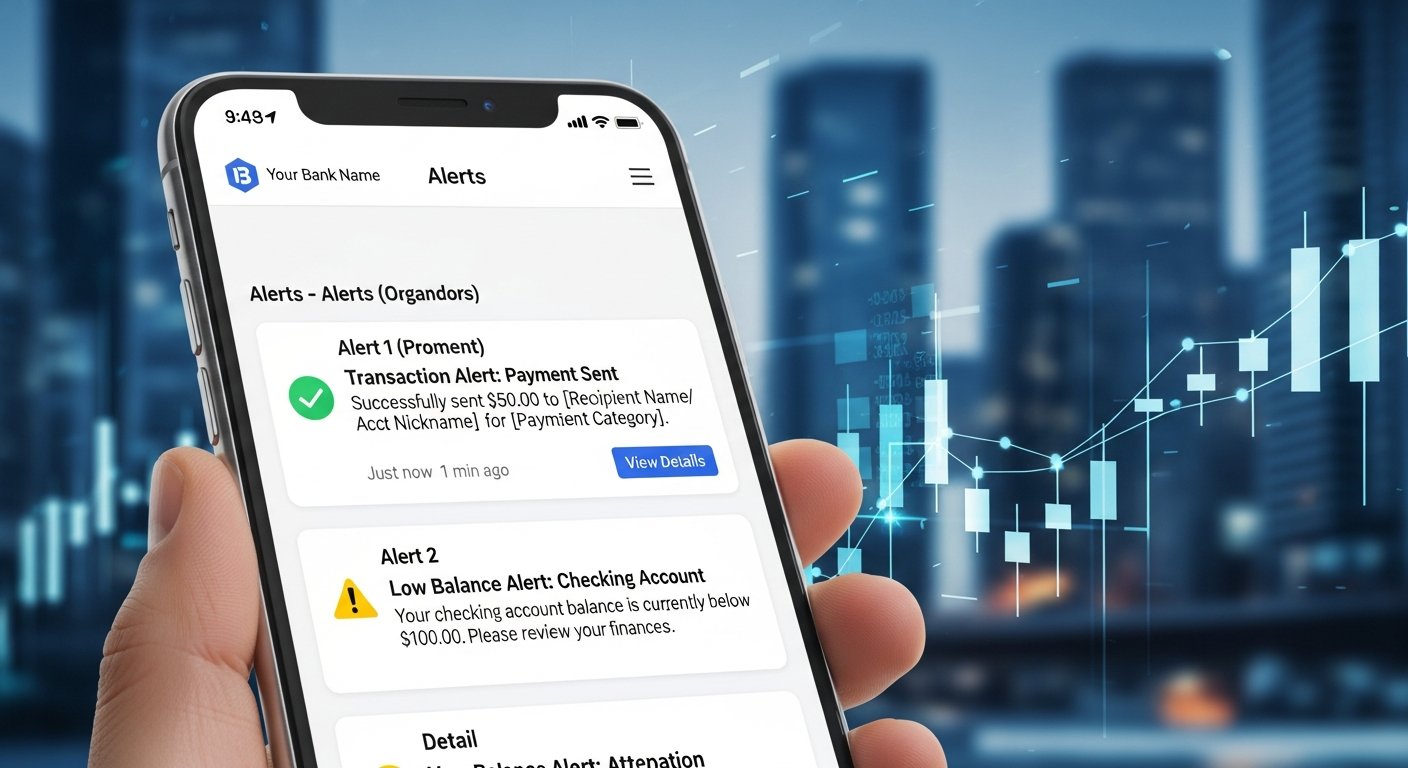
* **Set Up Balance Alerts:** Use your bank’s mobile app or online portal to set up low-balance alerts via text or email.
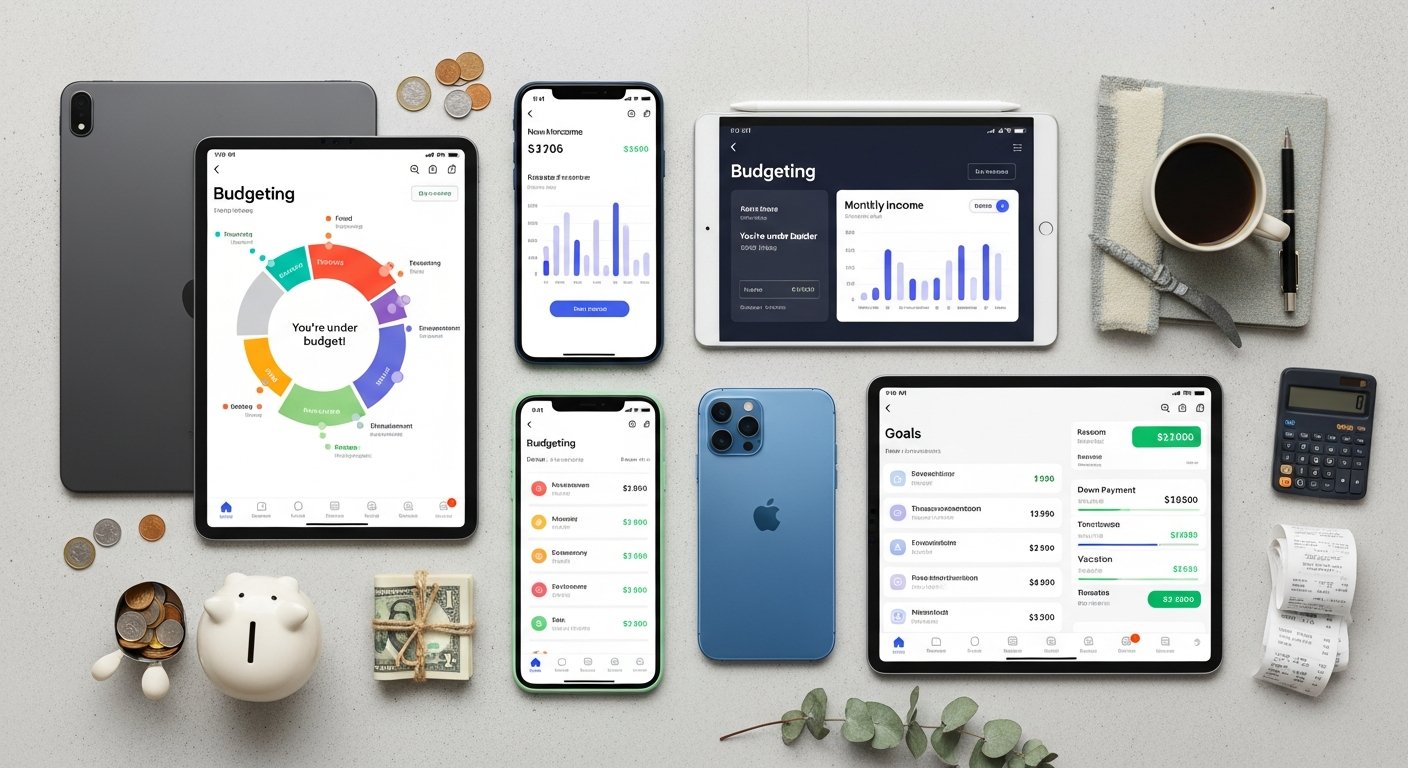
* **Monitor Spending with Budgeting Apps:** Tools like Mint, YNAB (You Need a Budget), or your bank’s built-in budgeting features can help you track your spending in real-time and prevent overspending.
* **Utilize “SpotMe” or Similar Services:** Fintechs like Chime offer services that allow you to overdraw your account up to a certain limit without fees, provided you have direct deposit.

**5. Conquer Foreign Transaction Fees: Travel Smart**
For international travelers or online shoppers, special cards and services can save you a bundle.

* **Use a Travel-Friendly Debit/Credit Card:** Look for credit cards (like Capital One cards, Chase Sapphire Preferred) or debit cards (Charles Schwab Bank, Ally Bank) that advertise “no foreign transaction fees.”
* **Consider Multi-Currency Accounts/Cards:** Services like Wise (formerly TransferWise) or Revolut offer multi-currency accounts and debit cards that allow you to hold and spend in different currencies with minimal conversion fees, often at the mid-market exchange rate.
* **Withdraw Local Currency Strategically:** When traveling, use a no-foreign-transaction-fee debit card to withdraw larger sums from local ATMs (in local currency) to reduce the number of transactions, even if your bank reimburses ATM fees. Avoid exchanging cash at airport kiosks as their rates are notoriously poor.

**6. Opt for Digital Statements and Services:**
Embrace the digital age to avoid fees for physical documents.

* **Go Paperless:** Elect to receive e-statements and notifications electronically. This is usually the default for many online banks and helps the environment too.
* **Utilize Free Bill Pay:** Most online banks offer free online bill pay services. Schedule payments in advance to avoid any expedited fees.

**7. Leverage Free Transfer Services:**
For sending money to friends, family, or even to your own accounts at different banks, bypass wire transfers when possible.

* **Use Zelle:** Many major banks integrate Zelle directly into their apps for instant, free transfers to other Zelle users.
* **Explore Venmo, PayPal, Cash App:** For peer-to-peer payments, these apps are widely used and generally free for standard transfers. (Be mindful of fees for instant transfers or credit card payments).
* **ACH Transfers:** For larger transfers between your own accounts at different banks, standard ACH transfers are usually free, though they can take 1-3 business days.

**Actionable Advice:** Review your bank statement monthly. Look for any fees you don’t recognize or understand. If you spot a charge, research it, and if it seems unjust or avoidable, contact your bank. Sometimes, they may even reverse a fee as a goodwill gesture, especially if you’re a good customer or it’s a first-time offense.

#

Beyond Fees: Security, Convenience, and the Future of Fee-Free Banking

While avoiding fees is paramount, it’s equally important to consider the broader aspects of online banking: security, convenience, and how these models are shaping the future of finance.

**Security and Safety Considerations:**
The shift to online-only banking often raises questions about security. It’s crucial to understand that reputable online banks and fintechs operate under the same stringent regulations as traditional banks.

* **FDIC Insurance:** Ensure your online bank is FDIC-insured. This means your deposits (up to $250,000 per depositor, per institution) are protected by the U.S. government in case the bank fails. Most major online-only banks (Ally, Discover, Schwab) and reputable fintechs (Chime, SoFi, Varo) are FDIC-insured, often through partner banks.
* **Robust Encryption:** Online banking platforms use advanced encryption technologies (e.g., SSL/TLS) to protect your data during transmission.
* **Fraud Protection:** Online banks offer similar fraud monitoring and zero-liability policies for unauthorized transactions as traditional banks.
* **Multi-Factor Authentication (MFA):** Always enable MFA for an extra layer of security when logging into your accounts.
* **Mobile Security:** Be cautious about using public Wi-Fi for banking and keep your banking apps updated.

**Convenience and Digital Tools:**
The allure of online banking extends far beyond fee avoidance. Its digital nature offers unparalleled convenience.

* **Mobile Apps:** Feature-rich mobile apps allow you to manage accounts, deposit checks (mobile deposit), pay bills, transfer funds, set alerts, and even budget on the go.
* **24/7 Access:** No more waiting for bank branches to open. Your bank is always accessible.
* **Instant Transfers:** Services like Zelle offer real-time money transfers, a massive leap from traditional methods.
* **Integrated Budgeting:** Many platforms offer built-in tools or seamless integration with popular budgeting apps, providing a holistic view of your finances.

**The Future of Fee-Free Banking:**
The trend is clear: consumer demand for transparency and lower costs is driving innovation in the banking sector. Fintech companies, unburdened by legacy infrastructure, have led the charge in offering truly fee-free models, often compensating through other revenue streams (e.g., interchange fees from debit card transactions, interest on deposits not paid out, or premium services).

Traditional banks are increasingly feeling the pressure to adapt, leading to more fee-waivable accounts and, in some cases, entirely fee-free options. This competition is excellent news for consumers, as it forces all players to offer more competitive and transparent products. The future points towards a banking landscape where basic financial services are expected to be free, with fees reserved only for niche or premium services.

#

Frequently Asked Questions (FAQ)

**Q1: Are all online banks truly fee-free?**
A: No, not all online banks are completely fee-free. While many online-only banks and challenger banks (fintechs) have made “no fees” a core part of their offering, it’s essential to read the fine print. Some online offerings from traditional banks might still have monthly maintenance fees that are waivable under certain conditions. Always check for specific fees like out-of-network ATM fees, foreign transaction fees, or wire transfer fees.

**Q2: Is it safe to bank with a completely fee-free online bank?**
A: Yes, absolutely, provided the bank is reputable and FDIC-insured. “Fee-free” does not equate to “unsafe.” Online banks adhere to the same security standards and regulations as traditional banks, including robust encryption, fraud protection, and multi-factor authentication. Always confirm that your chosen online bank is FDIC-insured to protect your deposits up to $250,000.

**Q3: What’s the best online bank for avoiding fees?**
A: The “best” depends on your specific needs, but several consistently rank high for fee transparency and avoidance:
* **Ally Bank:** Excellent for general fee-free banking, high-yield savings, and ATM fee reimbursements.
* **Charles Schwab Bank:** Ideal for travelers due to unlimited worldwide ATM fee rebates and no foreign transaction fees.
* **Discover Bank:** Offers cash back checking with no monthly fees or NSF fees.
* **Chime/SoFi Money:** Popular fintech options known for fee-free checking, early direct deposit, and no overdraft fees (under certain conditions).
Evaluate your banking habits (e.g., how often you use ATMs, travel internationally, or risk overdrafts) to determine which features are most important to you.

**Q4: Can I really avoid *all* banking fees?**
A: With careful selection and proactive management, you can largely avoid most common banking fees. Monthly maintenance fees, ATM fees, overdrafts, and foreign transaction fees are almost entirely avoidable with the right bank and habits. However, some specific services, like international wire transfers, expedited card replacements, or certain niche services, might still incur a charge even with the most fee-friendly banks. The goal is to eliminate the vast majority of recurring and high-impact fees.

#

Conclusion: Take Control of Your Banking Costs

The landscape of online banking offers unprecedented convenience and, increasingly, the opportunity for truly fee-free financial management. By understanding the common hidden fees that can erode your savings, and by adopting proactive strategies, you empower yourself to make informed decisions about where and how you bank.

The key takeaways are clear:
* **Vigilance is Key:** Always read the fine print and scrutinize your bank statements.
* **Choose Wisely:** Opt for online banks and fintech solutions known for their transparent, fee-free models.
* **Be Proactive:** Implement smart habits like meeting waiver requirements, using in-network ATMs, setting up alerts, and leveraging free digital transfer services.

Don’t let hidden fees be the silent siphon that diminishes your financial progress. Take control, leverage the power of modern banking solutions, and ensure your money stays where it belongs – in your pocket. It’s time to demand transparency and experience the true value of fee-free banking. Review your current banking setup today, and start your journey towards a more cost-effective financial future.

Frequently Asked Questions

How can I avoid monthly service fees often charged by online banks?
Many online accounts waive monthly fees if you meet certain criteria, such as maintaining a minimum daily balance or setting up a regular direct deposit. Always review the account’s terms and conditions to understand fee waiver requirements before opening.
What’s the best strategy to prevent unexpected ATM fees from online-only banks?
To avoid ATM fees, prioritize using ATMs within your bank’s designated network or those that are part of a broader fee-free network. Alternatively, you can often get cash back for free when making purchases at many grocery or retail stores.
How can I protect myself from incurring overdraft fees with my online checking account?
A key step is to monitor your account balance frequently to ensure sufficient funds before making transactions. Consider opting out of overdraft protection if you prefer a transaction to be declined rather than incurring a fee, or link your checking account to a savings account for automatic transfers.
Are there ways to send money without paying high wire transfer or transaction fees?
For domestic transfers, utilize free options like ACH transfers or peer-to-peer payment services, which are typically free for standard transfers. When sending money internationally, look for online services that offer competitive exchange rates and transparent, lower fees compared to traditional wire transfers.