The Pulse of Your Money: Best Banks with In-App Transaction Notifications 2026
In the fast-evolving landscape of personal finance, managing your money effectively is no longer just about balancing a checkbook or logging into online banking once a week. By 2026, the demand for instant, intelligent, and secure financial oversight has become paramount. At the heart of this modern money management lies the power of in-app transaction notifications – an indispensable tool for security, budgeting, and overall financial peace of mind.
Imagine a world where every dollar spent, every deposit received, and every potential fraudulent activity is instantly communicated to you, not through a vague email or a delayed SMS, but directly within your secure banking application. This isn’t a futuristic fantasy; it’s the present standard that leading banks and fintechs are not only meeting but exceeding. As we look ahead to 2026, the best banks will be those that offer not just real-time alerts, but highly customizable, insightful, and actionable notifications that empower you to stay in absolute control of your finances.
For personal finance readers, understanding which institutions excel in this critical area is key to choosing a banking partner that truly supports your financial goals. This comprehensive guide will explore why in-app transaction notifications are more vital than ever, what features define the “best” in 2026, and provide specific recommendations for banks and fintechs leading the charge in delivering superior financial transparency and security.
#
The Indispensable Edge of Real-Time Notifications in 2026: More Than Just an Alert
By 2026, the idea of waiting days for a transaction to clear, or only discovering an unauthorized charge on your monthly statement, feels like a relic of a bygone era. Real-time in-app transaction notifications have transitioned from a premium feature to a fundamental expectation, driven by an increased need for financial security, proactive budgeting, and immediate control over our money.
1. Unparalleled Security and Fraud Prevention:
The primary and most critical benefit of instant notifications is enhanced security. In an age where digital fraud is increasingly sophisticated, a real-time alert acts as your personal financial watchdog. If an unauthorized transaction occurs, whether it’s a stolen card, a compromised account, or an accidental double-charge, you’ll know instantly. This immediate awareness allows you to flag suspicious activity, freeze your card, or contact your bank within minutes, significantly limiting potential losses and minimizing the time fraudsters have to exploit your account. By 2026, advanced AI and machine learning integrated into banking apps will further refine these fraud alerts, distinguishing between unusual spending patterns and actual malicious activity with greater accuracy.
2. Precision Budgeting and Spending Control:
Effective budgeting relies on accurate, up-to-date information. In-app notifications provide this on a granular level. Every purchase, every bill payment, every subscription renewal can trigger an alert, helping you track your spending as it happens. This real-time visibility allows you to:
* Stay within budget: See exactly how much you’re spending in specific categories (e.g., dining, groceries) and adjust on the fly to avoid overspending.
* Identify hidden costs: Quickly spot recurring subscriptions you forgot about or small “drip” charges that can add up.
* Track specific goals: Monitor progress towards savings goals or debt repayment by seeing deposits and payments reflected instantly.
* Categorize on the go: Many advanced apps allow you to categorize transactions directly from the notification or within the app, streamlining your financial reconciliation.
3. Enhanced Convenience and Peace of Mind:
Beyond security and budgeting, the sheer convenience of real-time alerts cannot be overstated. Waiting for a direct deposit, confirming a bill payment, or ensuring a check has cleared can cause anxiety. Instant notifications alleviate this by providing immediate confirmation. Knowing your money is where it should be, when it should be, offers a profound sense of financial peace. For businesses or individuals relying on frequent transactions, this real-time pulse on cash flow is invaluable for operational efficiency and planning. By 2026, these notifications will often come with richer context, such as merchant logos, maps of transaction locations, and even options to split bills directly from the alert.
4. Proactive Financial Management:
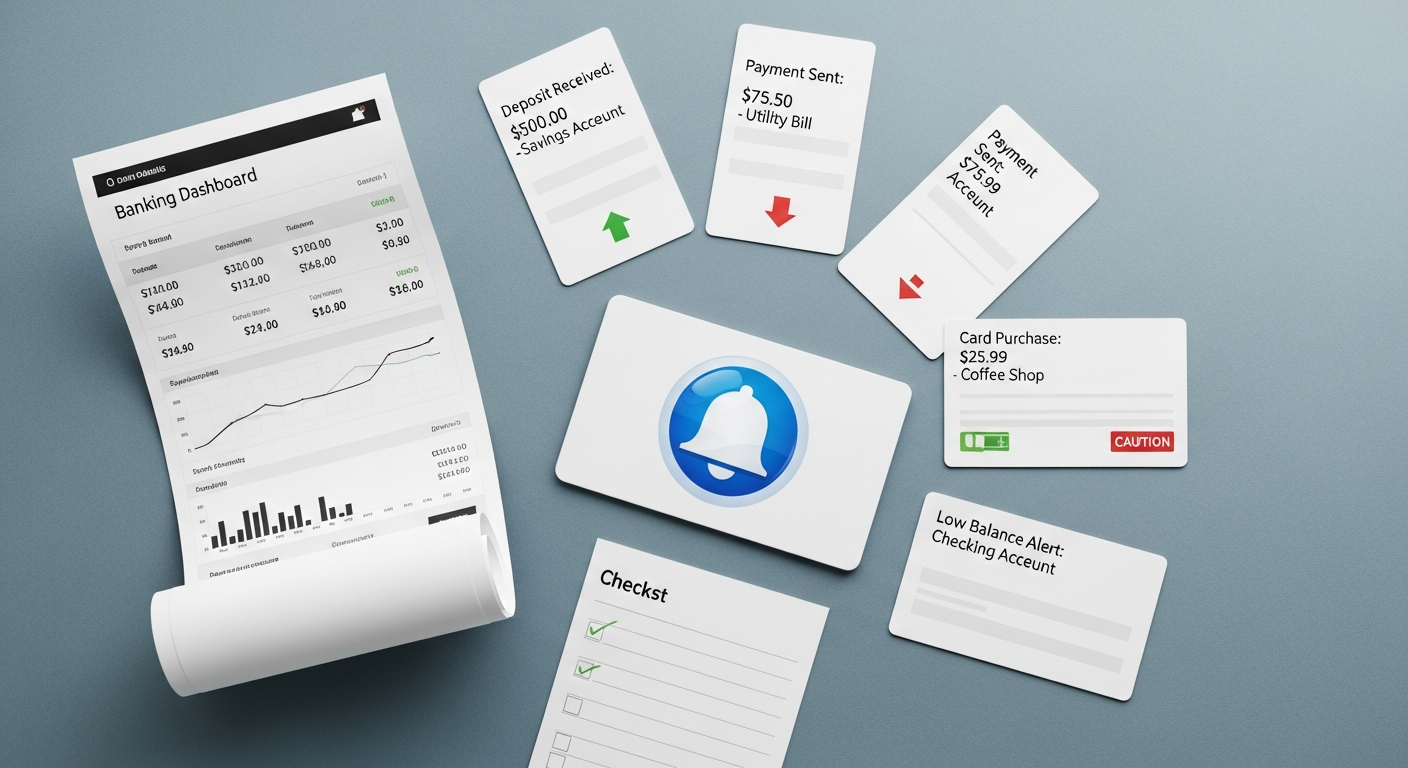
In 2026, the best banking apps aren’t just reporting; they’re advising. Notifications can move beyond simple transaction alerts to proactively inform you about:
* Low balance warnings
* Impending bill due dates
* Large deposits or withdrawals
* Unusual spending patterns (e.g., “You spent X% more on dining this month than last”)
* ATM withdrawal limits reached
* Account activity from specific users (for joint accounts)
This shift towards intelligent, context-aware notifications transforms passive reporting into active, personalized financial guidance, helping you make smarter money decisions without having to constantly check your accounts.
#
What Defines the “Best” Banking App for Notifications by 2026? Key Features & Criteria
Choosing a bank based on its notification capabilities requires looking beyond just “sending alerts.” By 2026, a truly superior banking app for transaction notifications will incorporate a suite of advanced features designed for ultimate user control, security, and insight.
1. Granular Customization and Control:
This is perhaps the most crucial feature. The “best” apps allow you to tailor notifications precisely to your needs, avoiding alert fatigue while ensuring you receive critical information. Look for:
* Transaction Amount Thresholds: Set alerts only for transactions above a certain dollar amount (e.g., “Notify me only for purchases over $50”).
* Merchant Categories: Receive alerts for specific types of merchants (e.g., “Alert me for all online purchases,” or “Notify me only for gas station transactions”).
* Specific Transaction Types: Differentiate between debit card purchases, ATM withdrawals, online transfers (ACH), bill pay, check deposits, direct deposits, and even Zelle payments.
* Low Balance Alerts: Crucial for avoiding overdrafts, these alerts inform you when your balance dips below a predetermined threshold.
* Large Deposit/Withdrawal Alerts: Get notified when significant funds enter or leave your account.
* Debit/Credit Card Activity: Separate alerts for different cards, including credit card utilization alerts or approaching credit limits.
* Geographic Alerts: Some advanced apps can flag transactions occurring outside your usual spending area or if your card is used in a different location from your mobile device.
2. True Real-Time Delivery:
“Real-time” can be a loose term. The best apps deliver push notifications to your mobile device instantly, often within seconds of a transaction being authorized, not when it fully settles. This immediate feedback loop is vital for fraud detection and on-the-go budgeting. Any noticeable delay diminishes the notification’s value, especially for security.
3. Actionable Insights and Contextual Information:
A mere alert of “$25 spent” isn’t enough. Superior notifications provide rich context and pathways to action:
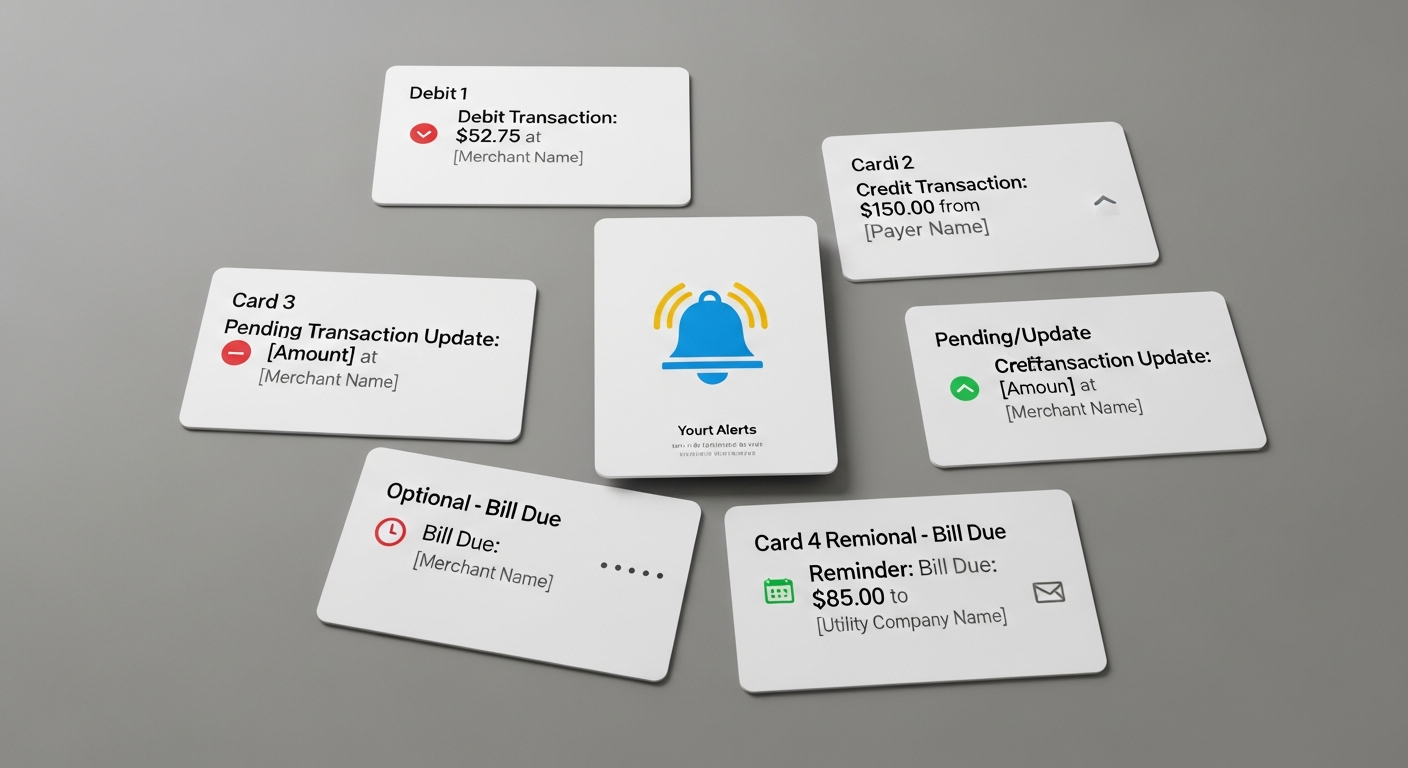
* Merchant Details: Clear merchant name, logo, and sometimes even location on a map.
* Transaction Category: Automatic categorization (e.g., “Dining,” “Groceries”) with the option to re-categorize or split the transaction.
* Remaining Balance: Displaying your new account balance after the transaction.
* Quick Actions: The ability to immediately dispute a transaction, freeze a card, or add a memo/tag directly from the notification or within a tap of the app.
* AI-Driven Insights: By 2026, expect AI assistants (like Bank of America’s Erica or Capital One’s Eno) to contextualize alerts, e.g., “You’ve made 3 coffee purchases today, totalling $15 – this is X% more than your daily average.”
4. Robust Security and Privacy:
While notifications are about security, the delivery mechanism itself must be secure.
* Encrypted Notifications: Ensuring the data sent via push notifications is encrypted.
* No Sensitive Data in Lock Screen Previews: Options to hide sensitive information (like full account balances) from lock screen notifications.
* Biometric Access: Seamless login to the app via fingerprint or facial recognition after tapping a notification.
* Secure Communication Channels: Notifications should never prompt you to click dubious links or provide personal information outside the secure banking app.
5. Intuitive User Interface (UI) and Experience (UX):
An app can have all the features, but if it’s clunky or hard to navigate, users won’t maximize its potential. The best apps offer:
* Clean, Modern Design: Easy-to-read notifications and an intuitive settings menu.
* Ease of Management: Simple toggles and clear menus for managing notification preferences.
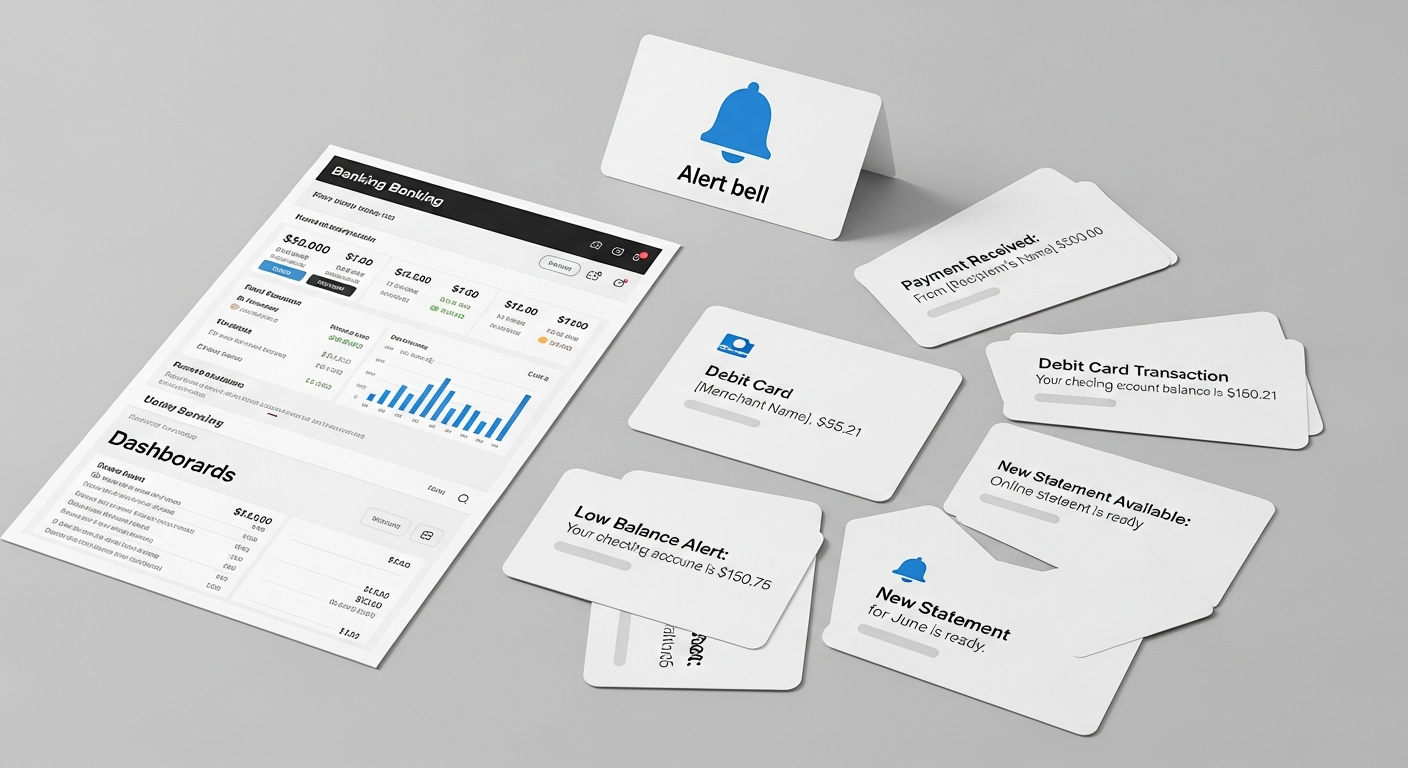
* Unified View: A dedicated section within the app for an activity feed of all transactions and alerts.
6. Seamless Integration with Financial Management Tools:
Top-tier apps by 2026 will integrate notifications directly into broader financial planning features.
* Budgeting Tools: Transaction alerts flow directly into your in-app budgeting tools, automatically updating spending categories and progress towards goals.
* Savings Goals: Notifications might highlight how a purchase impacts a specific savings goal.
* Investment Accounts: For all-in-one platforms, notifications can span across checking, savings, and investment accounts.
7. Reliability and Performance:
What good is an instant notification if the app frequently crashes or the notifications are inconsistent? The best banks invest in robust infrastructure to ensure their mobile apps are stable, fast, and deliver alerts without fail.
#
Top Contenders: Banks & Fintechs Leading the Notification Game in 2026 (Projected)
Predicting the exact leaders in 2026 involves looking at current innovation trends and projecting forward. However, certain financial institutions, both traditional and digital-first, are consistently setting the bar high for in-app transaction notifications.
##
Traditional Banks: Adapting and Excelling
While fintechs pioneered many real-time features, established banks have invested heavily in their mobile experiences, leveraging their vast resources and existing customer base to build incredibly robust and secure apps.
1. Chase Bank:
Chase has consistently ranked highly for its mobile app experience. By 2026, their notification system will likely be even more refined.
* Strengths: Highly customizable alerts for debit card purchases, ATM withdrawals, online transactions, credit card activity, and Zelle payments. Users can set specific dollar amount thresholds for virtually any transaction type. Their push notifications are fast and informative, often including merchant details. The ability to quickly freeze a card from the app is a major security plus.
* 2026 Outlook: Expect even deeper AI integration, providing personalized spending insights directly within notifications, and advanced fraud detection that learns individual spending habits.
2. Bank of America:
BofA’s mobile app, powered by its AI virtual assistant Erica, is a strong contender.
* Strengths: Erica provides proactive alerts, not just for transactions but also for potential double charges, suspicious activity, and even spending summaries. Users can set custom alerts for various debit and credit card activities, deposits, withdrawals, and low balances. The app allows quick toggling of card on/off and reporting lost/stolen cards directly.
* 2026 Outlook: Erica’s capabilities will continue to expand, offering more personalized financial advice triggered by transaction alerts (e.g., “You just spent $X on dining, your monthly budget for this category is Y% utilized.”). Expect enhanced biometric security for accessing transaction details from notifications.
3. Capital One:
Known for its innovation, especially in credit card services, Capital One’s banking app is equally impressive.
* Strengths: Excellent real-time notifications for all debit and credit card transactions, including specific alerts for gas, online, or international purchases. Their Eno assistant provides intelligent fraud alerts and allows users to query transactions directly within the messaging interface. The “CreditWise” feature (even for non-customers) provides useful credit monitoring alerts.
* 2026 Outlook: Capital One’s focus on user-centric design and AI means their notifications will likely become even more conversational and actionable, allowing for more complex queries and immediate problem resolution via Eno.
4. Wells Fargo:
Wells Fargo has made significant strides in improving its mobile banking experience.
* Strengths: Comprehensive transaction alerts for debit card purchases, ATM activities, direct deposits, bill pay, and even account balance changes. Users can easily manage preferences within the app. Their fraud monitoring system is robust, often triggering immediate push notifications for potentially suspicious activity, with options to confirm or dispute.
* 2026 Outlook: Anticipate more predictive alerts based on spending patterns, potentially warning about upcoming bills or nearing budget limits before they happen. Enhanced integration with their broader financial planning tools directly from transaction alerts.
##
Digital-First Banks & Neobanks: Setting the Standard
These institutions, unburdened by legacy infrastructure, have often led the charge in creating seamless, app-centric banking experiences with real-time notifications as a core feature.
1. Ally Bank:
A long-time leader in online banking, Ally continues to deliver a top-tier digital experience.
* Strengths: Highly customizable alerts for virtually every type of account activity, including debit card purchases, online payments, large deposits/withdrawals, and low balance warnings. Their notifications are fast, clear, and integrate well with their “Buckets” feature for savings goals, showing how transactions impact your designated savings categories.
* 2026 Outlook: Ally will likely enhance its predictive analytics to offer more personalized savings nudges and spending insights triggered by real-time transactions, further integrating with their investing platform.
2. Discover Bank:
With a strong reputation for customer service and cashback rewards, Discover also boasts an excellent mobile app.
* Strengths: Known for its immediate push notifications for both checking and credit card transactions. Users can freeze their card instantly and set specific alerts for various activities. Their notifications often include detailed merchant information and location data.
* 2026 Outlook: Expect Discover to leverage its cashback program more directly within transaction notifications, perhaps showing cashback earned per purchase in real-time, or offering personalized spending challenges based on transaction data.
3. Chime:
A pioneer in mobile-first banking, Chime built its reputation on instant notifications.
* Strengths: Chime’s “SpotMe” and “Early Payday” features are powered by incredibly fast notifications. You get instant alerts for every purchase, direct deposit (often days earlier than traditional banks), and bill payment. This real-time visibility is central to their user experience, helping users avoid overdrafts and manage cash flow.
* 2026 Outlook: Chime will likely continue to innovate in predictive financial health, with notifications guiding users towards better spending habits and savings, potentially using gamification elements.
4. SoFi:
As an all-in-one financial platform, SoFi integrates banking, investing, and lending.
* Strengths: SoFi’s checking and savings accounts offer robust, customizable transaction notifications that span across all linked accounts. Users can set alerts for various debit card activities, direct deposits, transfers, and even investment account activity. The app’s clean interface makes managing these alerts straightforward.
* 2026 Outlook: SoFi’s strength lies in its ecosystem. Notifications will likely become even more cross-functional, showing how a banking transaction impacts your investment portfolio or eligibility for a loan, offering a holistic view of your financial health.
5. Varo Bank:
Another mobile-first challenger bank, Varo focuses on fee-free banking and financial wellness.
* Strengths: Varo provides instant transaction alerts for all debit card purchases, direct deposits, and transfers. Their “Save Your Change” and “Save Your Pay” features are closely tied to these notifications, showing users in real-time how their transactions contribute to their savings goals.
* 2026 Outlook: Varo is expected to deepen its integration of AI-driven financial coaching directly within the notification experience, providing personalized tips and nudges based on real-time spending and savings activity.
#
Practical Tips to Maximize Your In-App Transaction Notifications
Even with the best banking app, how you utilize its notification features can significantly impact your financial management and security. Here are some immediate, actionable tips:
1. Enable All Critical Alerts, Then Customize: Start by turning on notifications for all transaction types (purchases, withdrawals, deposits) and then fine-tune. You can always dial back alerts if you experience notification fatigue.
2. Set Smart Dollar Thresholds: For purchases, consider setting a minimum amount (e.g., “Notify me only for transactions over $20”). This filters out small, everyday buys while ensuring you’re alerted to more significant spending or potential fraud.
3. Utilize Low Balance Alerts: This is your first line of defense against overdraft fees. Set a threshold that gives you enough time to transfer funds if your balance dips too low.
4. Regularly Review Notification Settings: Your financial habits change, and so should your alert preferences. Periodically check your app’s notification settings to ensure they still meet your needs.
5. Understand the Difference: Bank vs. Third-Party App: Your official bank app notifications are the most secure and reliable. Be cautious of third-party budgeting apps that request banking credentials and also send alerts; while some are reputable, your bank’s direct alerts are paramount for security.
6. Act Immediately on Suspicious Alerts: If you receive a notification for a transaction you don’t recognize:
* Do NOT click links in the notification itself.
* Open your official banking app directly.
* Verify the transaction.
* If it’s fraudulent, immediately use the app’s features to freeze your card or contact your bank via their official number (found on their website or the back of your card).
7. Enable Biometric Security: Use fingerprint or facial recognition for quick and secure access to your banking app when you need to act on a notification.
8. Keep Your App Updated: Bank apps frequently release updates with new features, security enhancements, and bug fixes. Ensure your app is always the latest version for optimal performance and security.
9. Consider Joint Account Alerts: If you have a joint account, ensure both parties are set up to receive relevant transaction notifications for complete oversight.
#
Frequently Asked Questions (FAQ)
Q1: Are in-app transaction notifications truly secure?
A1: Yes, reputable banks and fintechs use advanced encryption and security protocols to deliver in-app notifications. Unlike SMS alerts (which can sometimes be intercepted or spoofed), push notifications are typically sent over secure, encrypted channels. However, it’s crucial to always access your banking app directly to verify any suspicious activity, rather than clicking links within the notification, and to ensure your phone’s operating system and the banking app itself are kept up-to-date with the latest security patches.
Q2: Can I customize which notifications I receive?
A2: Absolutely, and by 2026, extensive customization is a hallmark of the best banking apps. You should be able to select specific types of transactions (e.g., purchases, ATM withdrawals, direct deposits), set dollar thresholds (e.g., only notify me for transactions over $50), and even choose alerts for specific merchant categories. This allows you to tailor your alerts to avoid notification fatigue while still receiving critical information.
Q3: What’s the difference between bank notifications and my phone’s push notifications?
A3: The “bank notification” is the specific message generated by your bank about an account activity. A “phone’s push notification” is the delivery mechanism your operating system (iOS or Android) uses to display that bank-generated message on your screen, even when the app isn’t open. The security and content are controlled by your bank’s app; your phone simply displays it. You can manage how these push notifications appear (e.g., hide content on the lock screen) through your phone’s general settings.
Q4: What should I do if I receive a notification for an unfamiliar transaction?
A4: If you receive an alert for a transaction you don’t recognize, act immediately. First, do NOT click any links in the notification itself. Instead, open your official banking app directly, navigate to your transaction history, and verify the charge. If it’s indeed unfamiliar or fraudulent, use the app’s features to instantly freeze your card or contact your bank’s fraud department using the official number found on the back of your card or on the bank’s website. Prompt action is key to limiting potential losses.
#
Conclusion: Your Money, Your Control, Instantaneously
By 2026, the discussion around the best banks with in-app transaction notifications isn’t just about convenience; it’s about fundamental financial security, intelligent budgeting, and an unprecedented level of control over your money. The future of banking is personal, proactive, and deeply integrated into our digital lives.
The institutions leading the charge, whether they are traditional giants or nimble fintech innovators, understand that users demand more than just a place to keep their money. They demand a partner that empowers them with real-time insights, robust security, and the flexibility to manage their finances on their own terms.
As you evaluate your banking options, prioritize apps that offer:
* Granular customization to avoid alert fatigue.
* True real-time delivery for immediate awareness.
* Actionable insights and context within each notification.
* Ironclad security features protecting your data and funds.
* Seamless integration with broader financial management tools.
Embrace the power of instant financial awareness. By choosing a bank that excels in delivering sophisticated in-app transaction notifications, you’re not just selecting a place for your money; you’re investing in peace of mind, enhanced security, and a truly empowered financial future. Your money works hard for you; make sure your bank works just as hard to keep you informed and in control.
Frequently Asked Questions