
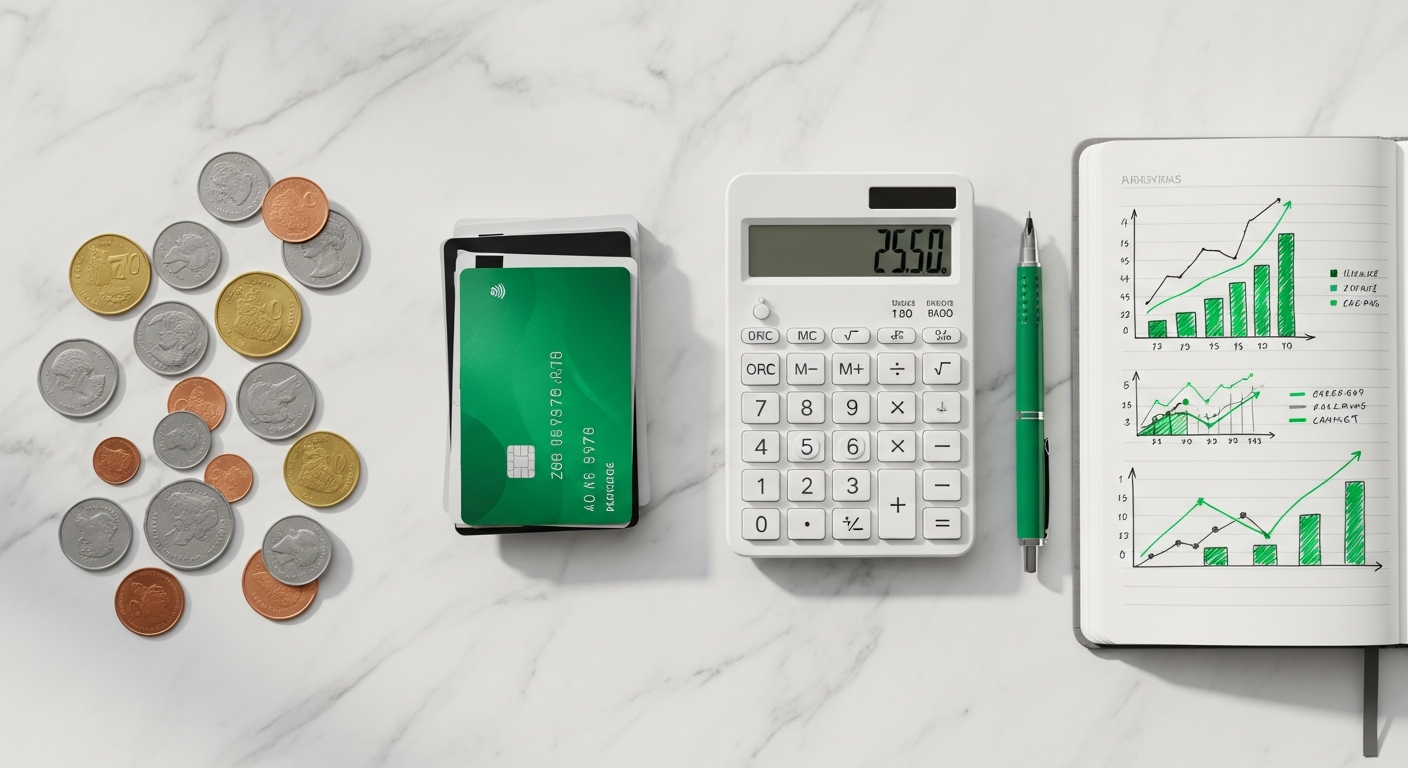
The Ultimate Guide to Business Credit Cards With No Personal Guarantee: Protecting Your Assets in Today’s Economy
For most entrepreneurs, the line between personal and professional life is dangerously thin. When you first launch a venture, you are often the primary engine, the lead strategist, and—crucially—the financial backer. Traditionally, banks have required small business owners to sign a “personal guarantee” (PG) on credit cards. This legal bypass allows lenders to pursue your personal savings, your car, or even your home if your business fails to pay its debts. In an era where market volatility is the only constant, tying your personal survival to a business venture’s credit line is a risk many are no longer willing to take.
Securing a business credit card with no personal guarantee is the “holy grail” of corporate finance. It effectively builds a firewall between your personal credit score and your company’s liabilities. This isn’t just about avoiding risk; it’s about professionalizing your enterprise. When a company holds credit in its own name, based solely on its own revenue and assets, it achieves a level of financial maturity that opens doors to higher lending limits and institutional trust. Whether you are a scaling startup founder or the owner of an established LLC, understanding how to navigate the modern lending landscape without putting your family’s assets on the line is a vital skill for the modern era of commerce.
—
1. Understanding the “Personal Guarantee” and Why Lenders Want It
To find a way around the personal guarantee, you must first understand why it exists. Most traditional credit cards—like those offered by major consumer banks—view a small business as an extension of the individual. Because small businesses have high failure rates, banks use your personal FICO score as a proxy for the business’s creditworthiness.
A personal guarantee is a legally binding agreement that makes you “jointly and severally liable” for the debt. If your business collapses, the debt doesn’t vanish; it follows you. By seeking a “No-PG” card, you are looking for **corporate liability.** In this model, the issuer looks at your business’s cash flow, bank balances, or audited financial statements rather than your personal credit report.
In today’s financial climate, the shift toward No-PG cards is being driven by “Fintech” challengers. These companies use real-time data—integrating directly with your business bank account—to determine risk, rather than relying on the outdated model of personal credit checks.
2. The Top Tiers of No-Personal Guarantee Cards
While the market is constantly evolving, No-PG cards generally fall into three distinct categories. Knowing which one fits your business stage is the first step toward approval.

#