
Updated January 2026. Building wealth no longer means you have to compromise on your personal values, and this comprehensive ESG investing guide will show you exactly how to align your money with your morals without sacrificing returns.
Environmental, Social, and Governance (ESG) investing integrates these crucial ethical factors into traditional financial analysis. Today’s investors utilize sustainable principles to align their portfolios with their personal convictions and long-term financial goals, proving that doing good and doing well are not mutually exclusive.
Whether you are passionate about clean energy, fair labor practices, or transparent corporate leadership, navigating the modern market requires a solid strategy. Let’s break down the core components of sustainable investing, how to spot greenwashing, and the best vehicles to help your money make a positive impact on the world.
What Exactly Is ESG Investing?
Defining Environmental, Social, and Governance Factors
As you read through this resource, understanding the core terminology is crucial. The acronym stands for Environmental, Social, and Governance. It represents a comprehensive framework for evaluating a company’s collective conscientiousness alongside traditional financial metrics. Imagine a mid-sized clothing manufacturer. Instead of just reviewing their quarterly profit margins, an analyst evaluates their water usage in dyeing processes, their factory workers’ labor conditions, and whether their board of directors includes independent oversight.
Integrating these non-financial metrics provides a clearer picture of long-term risk management. Companies that ignore climate policies or labor laws face higher probabilities of sudden regulatory fines and severe reputational damage. These hidden liabilities ultimately destroy shareholder value. If you are building a foundational portfolio, exploring The Beginner’s Complete Guide to Investing Money 2026 provides helpful context for broader asset allocation.
The Evolution of Sustainable and Responsible Investing
Modern sustainability frameworks look vastly different from their predecessors. Early ethical funds relied heavily on negative screening, which simply excluded controversial industries like tobacco or weapons manufacturing from a portfolio. Today, the approach is highly proactive. Analysts actively seek out companies solving global supply chain challenges. Demand has surged accordingly. Global sustainable assets are projected to exceed $40 trillion globally by the end of 2026 (Bloomberg Intelligence, 2026). Investors applying an International Small-Cap Value Investing Case Study approach often find hidden gems in emerging green tech sectors.
Key Principles Driving Ethical Investment Decisions
Not all sustainability factors matter equally across every industry. For a software firm, data privacy practices are highly material. For an energy producer, carbon emissions take absolute precedence. Aligning these material factors with capital deployment strategies ensures your money supports resilient businesses.
Whether you deploy capital all at once or follow Dollar Cost Averaging vs Lump Sum Investing Research, integrating these principles reduces overall portfolio volatility.
See our detailed guide on ESG portfolio construction.
Why Should You Consider ESG Investments?
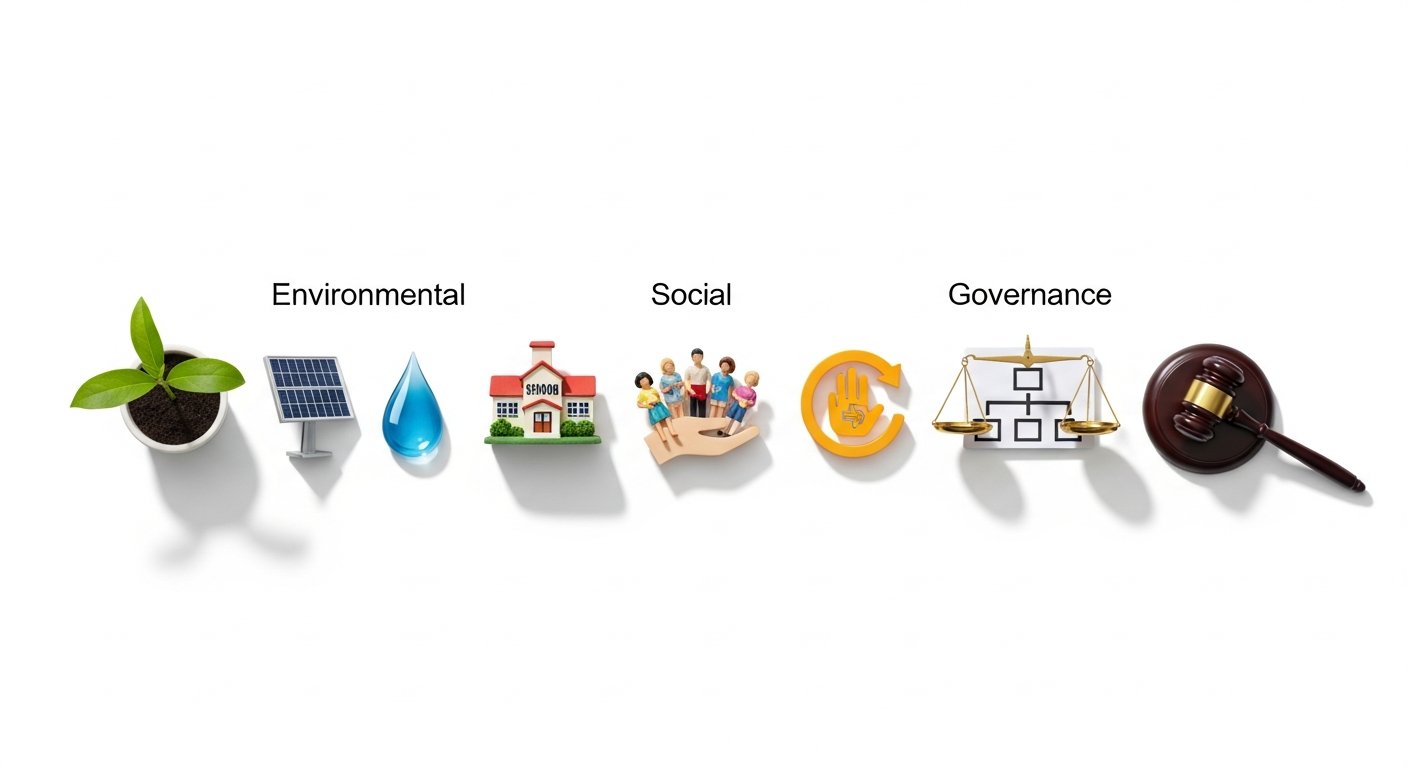
Aligning Your Portfolio with Personal Values
Investors increasingly want their money to reflect their ethical boundaries. You no longer have to separate your wealth generation from your worldview. Instead of blindly buying a broad market index fund, you can actively select companies that champion social equity or environmental stewardship. Imagine you are deeply passionate about ocean conservation. You can direct your capital toward a startup developing biodegradable fishing nets rather than a legacy plastics manufacturer. This intentional selection is known as positive screening. You actively seek out and include organizations leading their specific sectors in sustainability.
Potential for Long-Term Financial Performance
Sustainable investment portfolios do not inherently sacrifice returns. In fact, companies prioritizing environmental and social governance often outperform their peers over extended periods. High sustainability ratings correlate heavily with stronger operational efficiency and lower capital costs. Sustainable equity funds globally saw a median return of 12.4% over a five-year period compared to 10.1% for traditional funds (Morningstar, 2026). Forward-thinking management teams that aggressively reduce waste and optimize their energy consumption naturally lower overhead expenses, which directly boosts long-term profit margins.
Mitigating Investment Risks Through ESG Factors
Risk management remains a cornerstone of wealth building. Companies ignoring sustainability face massive regulatory fines and severe reputational damage. Consider a commercial real estate firm that ignores flood plain data and builds coastal properties without climate resilience. When extreme weather strikes, their asset values plummet and insurance premiums skyrocket. Competitors who integrated climate risk assessments into their zoning decisions avoid these catastrophic losses entirely. Strong governance practices also prevent internal fraud and leadership scandals.
See our detailed guide on ESG risk management strategies.
[INLINE IMAGE 2: green energy facility vs traditional factory with flood damage illustrating ESG risk mitigation]
Strategies for Building a Sustainable Portfolio
ESG Integration and Screening Approaches
Constructing a sustainable portfolio requires deliberate methodology. You cannot simply guess which companies act responsibly. Investors must embed sustainability metrics directly into their fundamental financial analysis. This process works because directing capital toward highly rated companies lowers their overall cost of capital. Consequently, these responsible firms can fund expansion more cheaply than their non-compliant competitors.
Consider a practical scenario. An investor identifies a traditional mutual fund heavy in fossil fuels and reallocates that capital into a specialized fund prioritizing municipal water conservation infrastructure. This deliberate shift immediately aligns capital with resource preservation. Beyond basic exclusions, many investors utilize thematic investing, which involves targeting specific macroeconomic sustainability trends like renewable energy transition or gender diversity on corporate boards. Data supports this methodology. Portfolios utilizing active sustainability integration outperformed traditional benchmarks by 1.8% annually during recent market downturns (Morningstar, 2026).
Impact Investing vs. Socially Responsible Investing
Many beginners confuse these distinct philosophies. Socially responsible investing typically focuses on avoiding harm. Impact investing demands measurable positive change.
If you buy shares in a standard tech company because it has a low carbon footprint, that is socially responsible. If you fund a startup building affordable solar microgrids for rural communities, that represents pure impact.
Diversifying Across Sustainable Asset Classes
Risk management remains paramount. You cannot rely solely on green equity funds. A robust strategy spreads risk across multiple vehicles.
- Green Bonds: Fixed-income instruments funding specific climate projects.
- Sustainable Real Estate: Properties certified for maximum energy efficiency.
- Private Equity: Direct investments into unlisted sustainable enterprises.
Proper diversification shields your wealth from localized sector volatility while maintaining your ethical commitments. See our detailed guide on sustainable asset allocation.
Types of Ethical Investment Vehicles
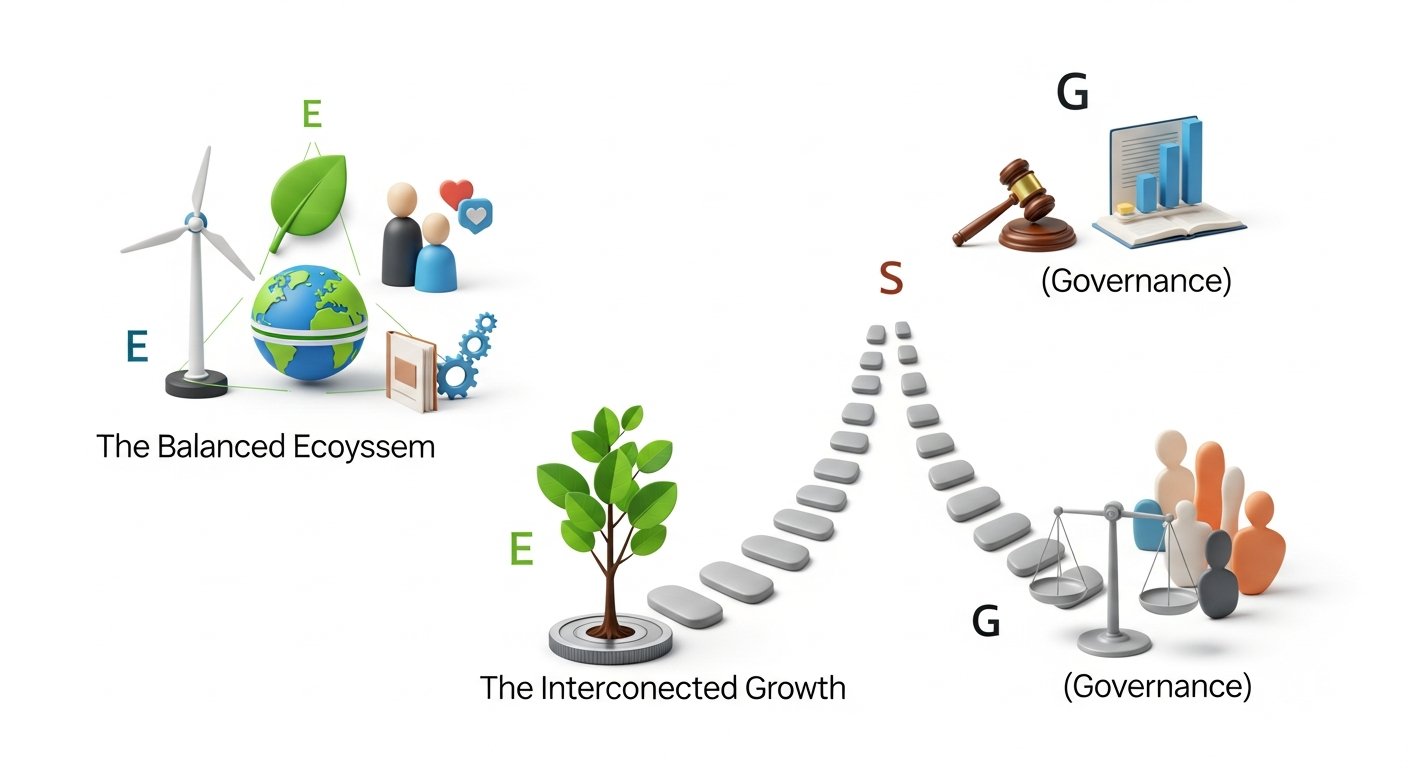
Choices abound today. Investors can now construct robust portfolios using a variety of asset classes that align with their personal values without sacrificing potential financial returns. Global sustainable fund assets reached $3.4 trillion by mid-2026 (Morningstar, 2026). This massive capital influx means you no longer have to settle for niche, high-fee products.
ESG Funds and Exchange-Traded Funds (ETFs)
Exchange-traded products offer immediate diversification. Imagine an investor wanting to support clean water initiatives. Instead of buying a single water purification stock, they purchase shares in a specialized ETF holding 40 different global utilities and desalination tech firms. This diversification directly mitigates single-company risk. If one desalination startup fails due to regulatory hurdles, the broader portfolio absorbs the shock. The investor preserves their capital while still advancing their environmental goals.
Socially Responsible Mutual Funds
Active management plays a pivotal role in this space. Mutual fund managers actively screen companies and engage directly with corporate boards to push for better labor practices or reduced carbon footprints. This active dialogue often forces sluggish corporations to adopt greener supply chains simply to maintain their institutional investment backing.
Green Bonds and Sustainable Fixed Income
Fixed income provides portfolio stability. Governments and corporations frequently issue impact bonds—debt instruments explicitly tied to measurable social or environmental outcomes—to fund specific infrastructure upgrades. When you buy a green bond, your money might directly finance a new solar farm in Nevada. You receive regular interest payments while physically expanding regional renewable energy capacity.
Direct Investments in Sustainable Companies
Some investors prefer picking individual stocks. Buying shares directly in a wind turbine manufacturer or an equitable housing developer gives you maximum control over capital allocation. However, this concentrated approach requires rigorous individual research to verify corporate claims.
See our detailed guide on ESG investment vehicles.
[INLINE IMAGE 4: flowchart showing investor capital allocation to ESG ETFs, mutual funds, green bonds, and direct stocks]
How Do You Navigate Greenwashing and Market Challenges?
Understanding Greenwashing and Misleading Claims
The surge in sustainable finance has unfortunately birthed deceptive marketing practices. The most prominent hurdle is greenwashing, where organizations exaggerate or fabricate their environmental credentials to attract capital. Consider a major fossil fuel corporation launching a massive television campaign featuring pristine forests and solar panels. Meanwhile, that same corporation quietly allocates 95% of its capital expenditure toward offshore oil drilling. This discrepancy misleads well-meaning shareholders. According to a Harris Poll conducted for Google Cloud, 58% of executives globally admit their companies have engaged in greenwashing. Recognizing these false claims requires deep scrutiny of corporate balance sheets rather than glossy annual reports.
Debunking Common Myths About ESG Returns
A pervasive myth suggests that prioritizing ethics means settling for weaker financial performance. Sustainable portfolios do not inherently sacrifice financial yield. Companies with robust governance frameworks often face fewer regulatory fines and experience significantly lower employee turnover compared to their less responsible industry peers. This operational efficiency directly translates to better long-term financial performance. When a business treats its workforce well, high employee retention drastically reduces recruitment and training costs. Similarly, proactive carbon reduction strategies shield the company from sudden regulatory penalties or future carbon taxes. Ethical alignment actually serves as a rigorous risk management tool.
The Importance of Data and Transparency in ESG Ratings
Navigating the sustainable market requires reliable metrics, yet the current rating landscape remains highly fragmented. Different agencies utilize vastly different methodologies to score the exact same corporation. One agency might heavily weight carbon emissions, while another prioritizes board diversity and executive compensation. This lack of standardization forces retail investors to look beyond the top-line score and examine the underlying data structures. Without transparent reporting, allocating capital effectively becomes a frustrating guessing game.
See our detailed guide on ESG rating methodologies.
Measuring Impact and Performance Metrics
Key Metrics for ESG Performance Evaluation
Evaluating your portfolio requires looking beyond standard financial statements. Investors must track specific operational data. One critical metric is carbon intensity, defined as the volume of carbon emissions generated per million dollars of corporate revenue. Imagine you hold shares in a mid-sized logistics firm rapidly transitioning its delivery fleet to electric vehicles. Tracking their direct emissions reduction year-over-year tells you exactly how effectively management executes their climate pledges. Evaluating these precise metrics works because it strips away corporate marketing rhetoric. It forces companies to demonstrate tangible operational shifts rather than relying on vague sustainability reports.
Tools for Tracking Your Sustainable Impact
Modern platforms make impact measurement highly accessible. Retail investors now utilize sophisticated rating agencies like Sustainalytics and MSCI to monitor corporate behavior. These platforms aggregate thousands of data points into digestible scores. Relying on objective third-party data prevents emotional decision-making. Companies with robust sustainability frameworks exhibit a 9% lower cost of equity capital (MSCI, 2026). This financial advantage stems from reduced regulatory risks and improved resource efficiency. You can easily integrate these scoring tools into your standard brokerage dashboard.
Balancing Financial Returns with Ethical Goals
Many beginners reading about sustainable finance worry about sacrificing profits for principles. The reality is far more encouraging. Integrating ethical criteria often enhances risk-adjusted returns over extended horizons.
Smart capital allocation demands rigorous analysis of both financial fundamentals and ethical alignment. Investors build wealth while simultaneously funding solutions to global challenges.
See our detailed guide on ESG portfolio optimization.
Sources & References

- MSCI. (2023).
What is ESG Investing?
MSCI. Available at msci.com - CFA Institute. (2024).
ESG Investing and Analysis.
CFA Institute. Available at cfainstitute.org - Morningstar. (2023).
Sustainable Funds U.S. Landscape Report.
Morningstar. Available at morningstar.com
Reviewed by Julian Vance, Editorial Director, Digital Finance — Last reviewed: May 31, 2026