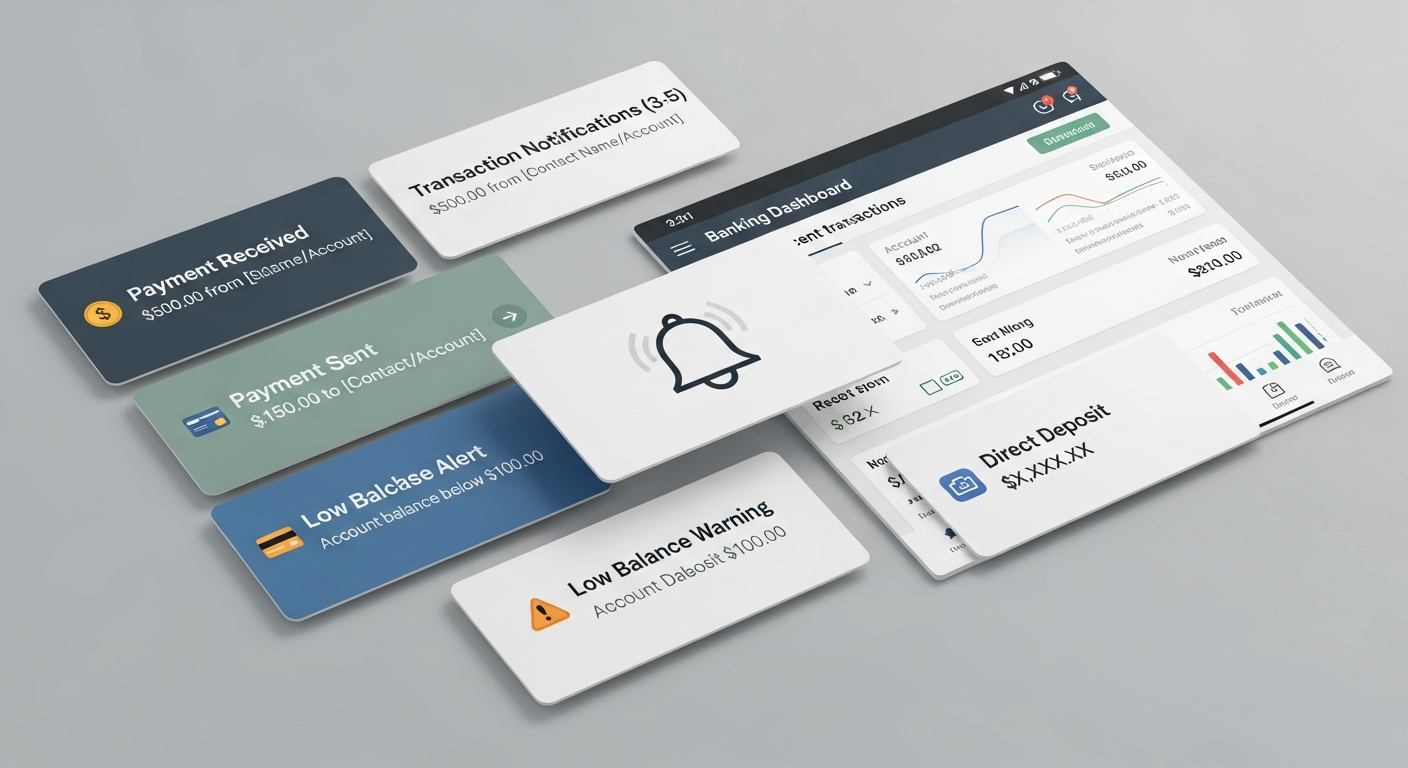
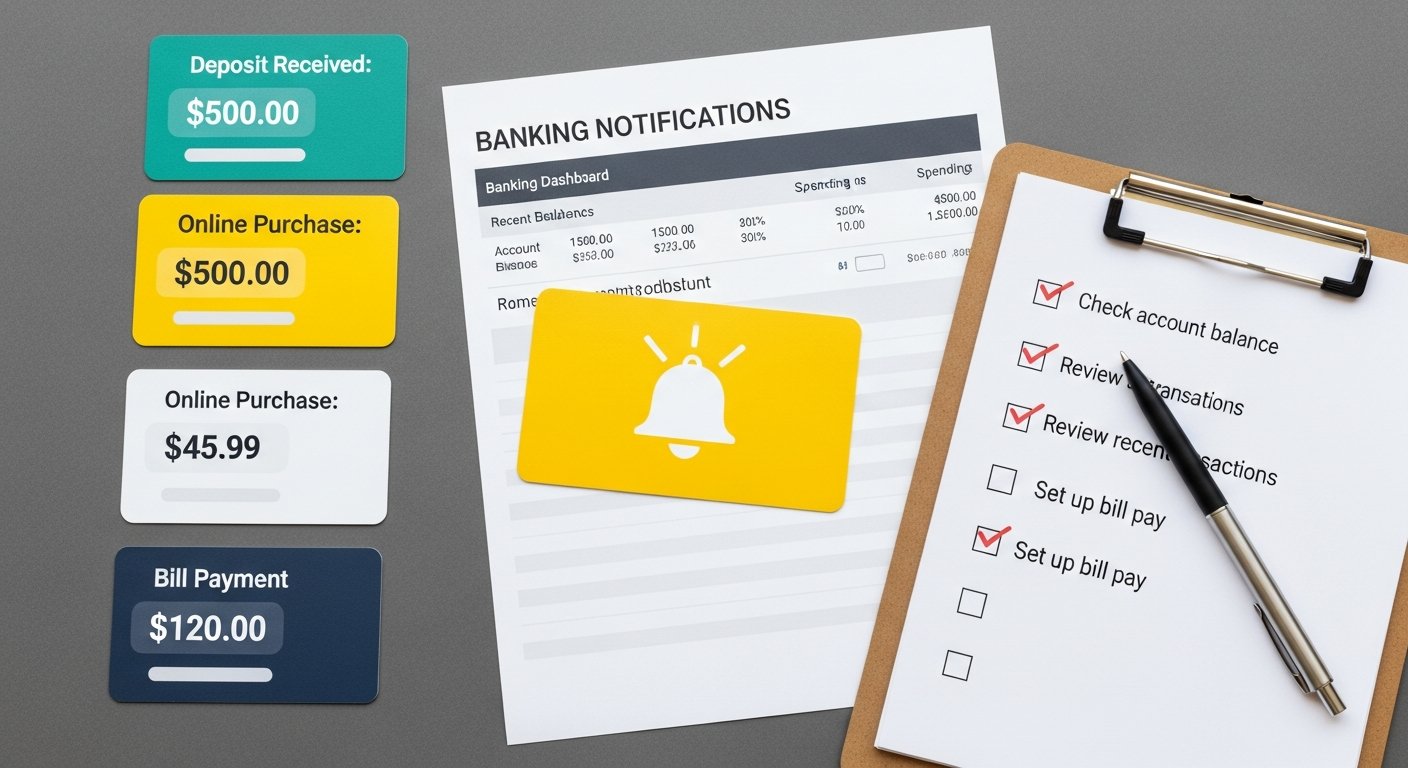
Instant Control, Future-Proofed: Navigating the Best Instant Notification Banking Apps in 2026
The pace of modern life demands instant access, instant information, and instant control – especially when it comes to our money. In an era where a few seconds can be the difference between catching a fraudulent charge and losing significant funds, or staying on budget versus overspending, the power of real-time financial updates cannot be overstated. Welcome to the world of instant notification banking apps, a cornerstone of personal finance that has evolved from a novel feature into an indispensable tool.
As we look ahead to 2026, the landscape of mobile banking is more dynamic and sophisticated than ever before. Traditional banks are aggressively modernizing their digital offerings, while agile fintechs and neobanks continue to innovate at breakneck speed, redefining what’s possible. For the personal finance reader, distinguishing between the myriad options and understanding what truly matters – beyond the flashy interfaces – is crucial.
This comprehensive guide delves into the future of instant notification banking apps, offering practical insights, critical security considerations, and detailed comparisons to help you choose the best financial companion for the year 2026 and beyond. We’ll explore the cutting-edge features that will define excellence, spotlight top contenders, and equip you with actionable tips to secure your finances in an increasingly digital world. Get ready to take unparalleled control of your money, one instant notification at a time.
The Core Value Proposition: Why Instant Notifications are No Longer a Luxury in 2026
Gone are the days when waiting for a monthly statement or logging into online banking for balance checks was sufficient. In 2026, instant notifications are not merely a convenience; they are a fundamental layer of financial security, budgeting discipline, and overall peace of mind. The modern financial ecosystem demands immediate awareness, transforming the banking app from a passive information portal into an active financial co-pilot.
Here’s why this immediate feedback loop has become essential:
Proactive Fraud Detection and Prevention: This is arguably the most critical benefit. Imagine a suspicious transaction occurring on your debit card. Without instant alerts, you might only discover it days later, making it harder to dispute and potentially exposing you to further unauthorized activity. With real-time notifications, you’re alerted the moment* a transaction happens, allowing you to instantly freeze your card, contact your bank, and mitigate potential damage. This rapid response capability is a cornerstone of modern financial security.
* Enhanced Budgeting and Spending Control: Sticking to a budget requires constant awareness of your spending. Instant notifications transform abstract budget plans into tangible, moment-to-moment feedback. You can receive alerts when you approach spending limits in specific categories (e.g., “You’ve spent 80% of your dining-out budget”), when large transactions occur, or even when recurring subscriptions renew. This immediate data empowers smarter purchasing decisions and prevents budget overruns.
* Timely Bill Payments and Avoidance of Fees: Forget scrambling to remember due dates or incurring late fees. Instant notifications can serve as powerful reminders for upcoming bills, low account balances before scheduled payments, or even confirmation that a payment has been successfully processed. This level of automation and immediate feedback helps maintain a healthy financial standing and avoids unnecessary charges.
* Investment and Savings Goal Tracking: For those actively saving or investing, instant alerts can provide crucial updates. Receive notifications when your direct deposit hits, when you reach a savings goal milestone, or even when a specific stock you’re tracking hits a certain price point (if integrated with investment features). This keeps your financial goals top of mind and motivates progress.
* Personalized Financial Insights and Advice: Leveraging AI and machine learning, 2026’s leading apps go beyond simple alerts. They can notify you of unusual spending patterns, suggest opportunities to save money based on your habits, or even flag potential subscription renewals you might have forgotten. This proactive, intelligent guidance transforms raw data into actionable insights, moving from reactive alerts to predictive financial support.
* Empowerment and Peace of Mind: Ultimately, instant notifications give you unparalleled control and transparency over your money. Knowing exactly what’s happening with your accounts, 24/7, alleviates financial anxiety and fosters a sense of empowerment. It puts you in the driver’s seat of your financial journey, making informed decisions on the fly.
The evolution from basic SMS alerts to sophisticated, customizable, and context-aware in-app push notifications underscores a fundamental shift. In 2026, your banking app isn’t just a digital branch; it’s a vigilant personal financial assistant, always on guard, always informing, and always empowering.
Key Features to Look for in 2026’s Top Instant Notification Banking Apps
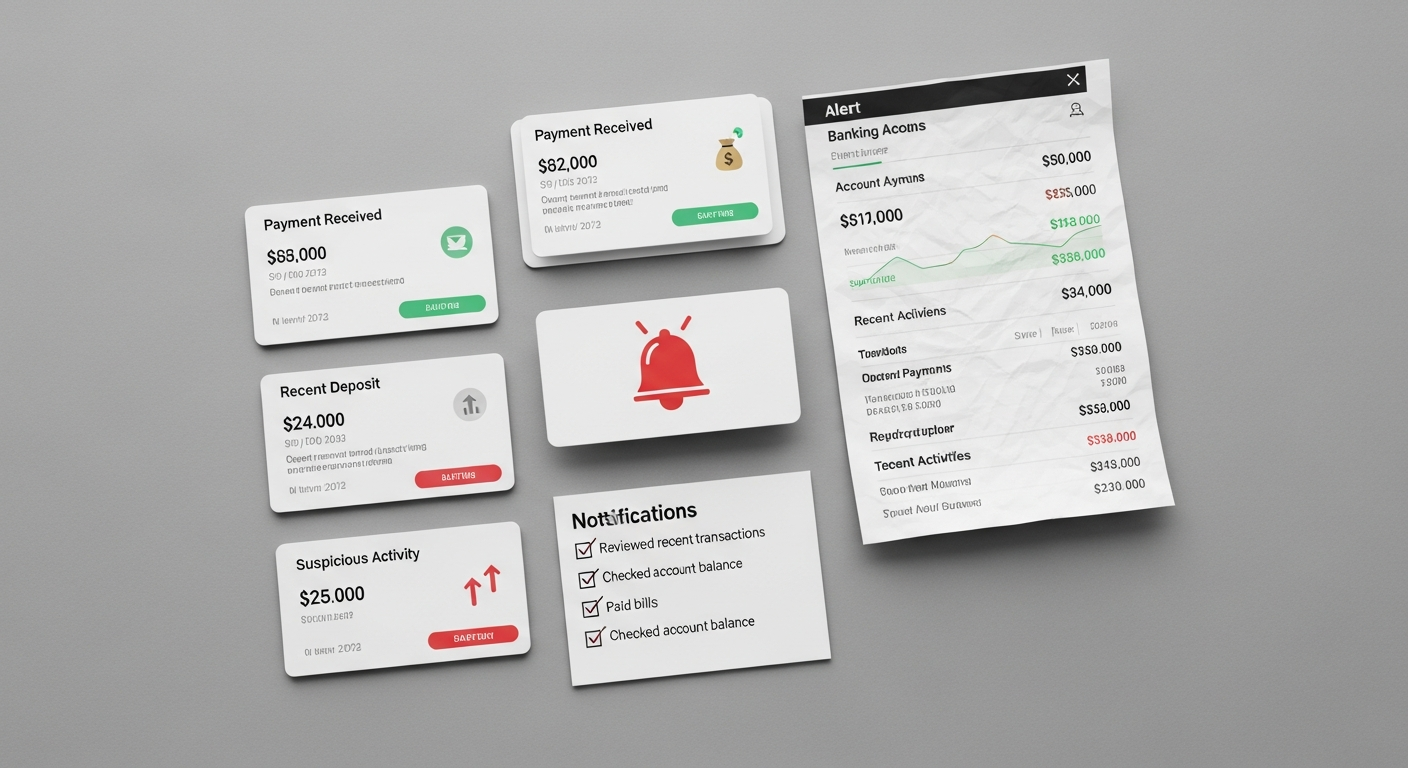
As we navigate the innovative financial landscape of 2026, a truly excellent instant notification banking app will distinguish itself through a suite of advanced features designed for ultimate user control, security, and convenience. Here’s what discerning personal finance readers should prioritize:
#
Real-time Transaction Alerts with Granular Customization
Beyond simply telling you what happened, the best apps in 2026 offer unparalleled control over when and how you’re notified.
* Instantaneous Push Notifications: Transactions should trigger alerts in milliseconds, not minutes. This is critical for immediate fraud detection and real-time spending tracking.
* Configurable Thresholds: Set specific dollar amounts for alerts. For example, “Notify me for any debit card transaction over $50,” or “Alert me for any credit to my account over $100.”
* Category-Specific Alerts: Receive alerts only for certain spending categories (e.g., “Alert me if I spend in ‘Travel’” or “Notify for all ‘Shopping’ transactions”).
* Location-Based Alerts: Advanced apps might flag transactions occurring in unusual geographical locations, adding an extra layer of security.
* Subscription/Recurring Payment Alerts: Get notified a few days before a subscription renews or a recurring bill is due, giving you time to review or cancel.
* Low Balance Alerts: Crucial for avoiding overdrafts, allowing you to top up your account proactively.
* Transaction Holds/Pending Alerts: Differentiate between pending transactions and settled ones, giving a clearer picture of your available balance.
#
Advanced Budgeting & Spending Analytics with AI Integration
Instant notifications feed directly into robust budgeting tools, transforming raw data into actionable insights powered by artificial intelligence.
* Automated Categorization with AI Refinement: Transactions are automatically categorized (e.g., Groceries, Transport, Utilities), with AI learning from your manual adjustments to improve accuracy over time.
* Predictive Spending Insights: AI analyzes your spending habits to predict future cash flow and potential budget shortfalls or surpluses. For example, “Based on your spending, you’re projected to exceed your dining budget by $50 this month.”
* Customizable Budgeting Tools: Set monthly, weekly, or even project-based budgets with real-time progress indicators. Notifications trigger when you approach or exceed limits.
* Goal-Based Savings Trackers: Link notifications to savings goals (e.g., “You’re 75% towards your vacation fund!”), providing encouragement and real-time progress updates.
* Merchant-Specific Insights: Get summaries of your spending at individual merchants, helping you identify areas for potential savings.
#
Robust Security & Fraud Prevention Capabilities
Security isn’t just a feature; it’s the foundation. In 2026, leading apps integrate multi-layered protections.
* Multi-Factor Authentication (MFA): Beyond passwords, expect biometric authentication (fingerprint, facial recognition), one-time passcodes (OTP) via SMS or authenticator apps, and push notifications for login verification.
* Real-time Fraud Monitoring: Banks use sophisticated AI algorithms to detect unusual spending patterns, suspicious login attempts, or transactions from unfamiliar locations, triggering immediate alerts and potential account freezes.
* Virtual Card Numbers (VCNs): Generate temporary, single-use, or merchant-locked card numbers for online purchases, protecting your primary card details from breaches. Apps should allow instant generation and management of VCNs.
* In-App Card Management: Instantly freeze/unfreeze debit/credit cards, report them lost/stolen, or change PINs directly from the app. Notifications confirm these actions immediately.
* Secure Messaging/In-App Support: Communicate securely with customer service within the app, avoiding phishing risks associated with email or phone calls.
* End-to-End Encryption: All data, from login credentials to transaction details, must be encrypted both in transit and at rest.
* Regular Security Audits & Updates: Transparency about security protocols and frequent updates to patch vulnerabilities.
#
Seamless Integrations & Financial Hub Capabilities
The future of banking is interconnected. Apps will serve as central financial hubs.
* Open Banking APIs: Securely connect your banking app with other financial tools (e.g., investment platforms like Robinhood or Vanguard, advanced budgeting apps like YNAB or Mint) to get a holistic view of your finances. Notifications can span across these integrated services.
* Investment Portfolio Integration: View your investment performance, receive alerts on market movements affecting your portfolio, or get notifications for dividend payouts, all within your primary banking app.
* Credit Score Monitoring: Receive regular updates on your credit score, with notifications for significant changes or new activity on your credit report.
* Peer-to-Peer (P2P) Payment Integration: Seamlessly send and receive money from contacts directly within the app, with instant confirmations.
* Digital Wallet Compatibility: Integration with Apple Pay, Google Pay, and other digital wallets for easy tap-to-pay functionality and transaction notifications.
#
User Experience & Customization
A powerful app is useless if it’s not intuitive and tailored to your needs.
* Intuitive Interface (UI/UX): Clean, easy-to-navigate design that makes finding information and performing actions straightforward.
* Personalized Dashboards: Customizable home screens that display the information most relevant to you (e.g., upcoming bills, recent transactions, savings progress).
* Notification Management: Easy-to-use controls to fine-tune which notifications you receive, on which device, and at what frequency, preventing alert fatigue.
* Accessibility Features: Support for screen readers, adjustable text sizes, and color contrast options for users with disabilities.
* Multi-Platform Sync: Consistent experience and notification delivery across smartphones, tablets, and smartwatches.
#
Customer Support & Resolution
Even the most advanced apps need human support.
* In-App Chat with AI & Human Agents: Start with intelligent chatbots for common queries, seamlessly escalating to human support when needed, all within the secure app environment.
* 24/7 Availability: Financial issues don’t keep office hours, so support shouldn’t either.
* Proactive Support Notifications: Get alerts about system outages, planned maintenance, or even personalized tips from support agents regarding your recent queries.
#
Fee Structures & Hidden Costs
Transparency is key.
* Clear Fee Disclosure: Any monthly maintenance fees, transaction fees, ATM fees, or foreign transaction fees should be clearly communicated and easily accessible within the app.
* Fee-Free Options: Many leading neobanks and some traditional banks now offer accounts with no monthly maintenance fees and wide networks of fee-free ATMs.
* Transparency in Exchange Rates: For international transactions, clear display of exchange rates and any associated markups or fees.
#
International Capabilities (where relevant)
For a globally connected world.
* Multi-Currency Accounts: Hold, send, and receive money in multiple currencies with real-time exchange rate notifications.
* Low-Cost International Transfers: Facilitate fast and cheap international money transfers with clear status notifications.
* International Travel Mode: Temporarily adjust security settings or receive specific travel-related alerts (e.g., ATM withdrawal limits abroad).
By evaluating apps against these criteria, personal finance readers can confidently select an instant notification banking app that not only meets their current needs but also anticipates the demands of their financial future in 2026.
Top Contenders for Instant Notification Banking Apps in 2026 (Predictions & Examples)
The banking landscape in 2026 will be characterized by intense competition between established institutions rapidly modernizing and agile fintechs continually pushing the boundaries of innovation. Here’s a look at some leading players and what to expect from their instant notification capabilities, blending current strengths with projected advancements.
#
Traditional Banks Evolving: The Powerhouses Catching Up
Major traditional banks are leveraging their vast customer bases and regulatory experience to build robust digital platforms. By 2026, their apps will have closed many of the feature gaps with neobanks, particularly in AI-driven insights and hyper-personalization, while maintaining their strong physical presence and full suite of financial products.
* Chase (e.g., Chase Mobile App – US):
* Current Strengths: Already strong with customizable alerts for transactions, low balances, and credit score changes (Credit Journey). Their “Budget & Spend” tool provides automated categorization and spending insights.
* 2026 Prediction: Expect even deeper AI integration for predictive budgeting (“You’re on track to overspend on groceries by $X this week”), hyper-personalized offers based on spending patterns, and more seamless integration with Chase’s broader financial ecosystem (investment accounts, credit cards, mortgages). Real-time fraud alerts will become even more sophisticated, with immediate in-app actions like “Instantly block this merchant” or “Temporarily freeze specific card types.” Enhanced virtual card management for online safety will be standard.
* Notifications: Highly granular control over notification types, thresholds, and delivery methods (push, email, SMS fallback). Proactive notifications for recurring payment changes or potential duplicate charges.
* Security: Multi-factor authentication, biometric logins, and in-app card freezing are already standard. Expect advanced behavioral biometrics and AI-driven anomaly detection for logins and transactions.
* Bank of America (e.g., Bank of America Mobile Banking App – US):
* Current Strengths: “Erica,” their AI-driven virtual financial assistant, is a significant differentiator, offering proactive insights and direct actions via chat. Comprehensive transaction alerts and Zelle integration.
* 2026 Prediction: Erica will become even more intuitive and integrated, providing voice-activated queries for balance checks and spending analysis, and proactive alerts like “You have a large bill due next week, would you like to move funds from savings?” Enhanced security alerts will include notifications for data breaches at merchants you’ve used, advising on potential actions. Expect personalized savings nudges and deeper integration with their Merrill Lynch investment platform.
* Notifications: Advanced customization for all account types (checking, savings, credit cards, investments). Proactive alerts for potential interest rate changes on loans or savings accounts.
* Security: Continuous monitoring with advanced machine learning. Notifications for suspicious activity will prompt immediate in-app verification or challenge. Expanded virtual card offerings.
* Wells Fargo (e.g., Wells Fargo Mobile App – US):
* Current Strengths: Offers a broad range of alerts for various account activities, Zelle, and robust fraud prevention.
* 2026 Prediction: Wells Fargo will likely focus on improving their digital experience to match competitors, with a stronger emphasis on personalized financial wellness features. This includes AI-driven spending analysis that proactively identifies areas for savings and suggests budgeting adjustments. Expect more sophisticated card management tools, including instant issuance of virtual debit cards for specific transactions and enhanced alerts for subscription payments.
* Notifications: More detailed merchant information in transaction alerts, potentially including logos and contact info. Alerts for unusual ATM activity.
* Security: Stronger biometric authentication options (e.g., advanced facial recognition that detects liveness) and potentially hardware-based security keys for high-value transactions.
#
Digital-First Banks (Neobanks): The Innovation Engines
Neobanks continue to lead with superior user experience, minimal fees, and cutting-edge features. By 2026, they will further refine their AI capabilities, deepen their integration of diverse financial services, and likely venture more into Web3 and crypto integration, offering unparalleled speed and flexibility.
* Chime (US):
* Current Strengths: Renowned for early direct deposit, fee-free banking, and strong instant transaction alerts. Their “SpotMe” feature for overdraft protection provides related notifications.
* 2026 Prediction: Chime will likely enhance its predictive cash flow analysis, notifying users days in advance if their balance is projected to be low before payday, and offering options to bridge the gap. Deeper integration with credit-building products and personalized financial health scores. Expect advanced AI-driven savings suggestions based on spending patterns, automatically transferring small amounts to savings.
* Notifications: Real-time push notifications for every transaction, direct deposit, and automatic savings transfer. Alerts for credit builder progress.
* Security: Continued focus on instant card freezing, two-factor authentication. Potential for advanced device fingerprinting to prevent unauthorized access.
* Ally Bank (US):
* Current Strengths: High-yield savings accounts, robust online platform, “Buckets” feature for organizing savings goals, and strong customer service. Already offers comprehensive alerts.
* 2026 Prediction: Ally’s focus will likely be on evolving its “Buckets” into an even more intelligent, AI-managed system, with notifications guiding users on optimizing their savings strategies. Expect integrated investment alerts (from Ally Invest) that are more dynamically linked to market events and personal goals. Their app will likely include more sophisticated tools for retirement planning and wealth management, with proactive nudges.
* Notifications: Alerts for interest earned, progress towards savings goals, and personalized financial tips from their AI.
* Security: State-of-the-art encryption, biometric login, and potentially advanced threat detection based on user behavior patterns within the app.
* SoFi (US):
* Current Strengths: A “financial super app” offering banking, investing, loans, and credit cards. Known for early direct deposit, high-yield savings, and comprehensive personal finance management tools.
* 2026 Prediction: SoFi will lean further into its “super app” vision, integrating deeper investment insights (including potential crypto notifications), tailored loan offers, and personalized financial planning guidance directly within the app. Notifications will span across all these products, offering a truly holistic view: “Your portfolio just hit a new high,” “Your credit score improved,” or “You could save $X by refinancing your loan.”
* Notifications: Unified dashboard for all financial products, with customizable alerts for everything from banking transactions to stock price movements and loan payment reminders.
* Security: Robust multi-factor authentication, advanced encryption, and ongoing efforts to secure a diverse range of financial services under one digital roof.
#
Fintech Innovators / “Super-Apps”: Global Disruptors
These players often operate across borders and integrate a wider array of financial and lifestyle services, making them powerful “super-apps.”
* Revolut (UK/Global):
* Current Strengths: Multi-currency accounts, low-cost international transfers, strong budgeting tools (“Pockets”), investment features (stocks, crypto), and virtual cards. Instant notifications are a core feature.
* 2026 Prediction: Revolut will continue to expand its global footprint and deepen its “super app” capabilities. Expect hyper-personalized budgeting suggestions, potentially integrating with spending insights from external retail partners. Their crypto integration will likely mature, with more sophisticated trading alerts and Web3 wallet capabilities. Notifications could include “You have unclaimed tax back on purchases in X country” or “Your linked flight just got delayed, consider travel insurance options.”
* Notifications: Extremely granular alerts for multi-currency transactions, exchange rate changes, budget adherence, stock price movements, and crypto volatility.
Security: Device authentication, biometric login, virtual disposable cards, and strong fraud detection. Expect AI-driven fraud detection to become even more predictive, potentially identifying risks before* they occur.
* Monzo (UK):
* Current Strengths: Renowned for its user-friendly interface, “Pots” for saving, instant spending notifications, and excellent customer service.
* 2026 Prediction: Monzo will likely enhance its budgeting with more intelligent, proactive advice, moving from “You’ve spent £X” to “Based on your current spending, you’ll reach your budget limit in 3 days; consider adjusting.” Deeper integration with third-party financial services via Open Banking APIs, allowing users to get a unified notification feed across all their linked accounts (e.g., “Your mortgage payment is due from HSBC,” displayed in Monzo). Expect features that help users identify and cancel unwanted subscriptions with ease.
* Notifications: Clear, contextualized alerts with merchant logos, spending categories, and ongoing budget updates. Alerts for bill splits with friends.
* Security: In-app card freezing, biometric authentication, and a strong focus on data privacy within the UK/EU regulatory framework.
* N26 (Europe/US):
* Current Strengths: Mobile-first banking, Spaces (sub-accounts for budgeting), instant transaction alerts, and low international transfer fees.
* 2026 Prediction: N26 will likely continue to refine its “Spaces” feature, making them more dynamic and intelligent, with AI-driven suggestions for optimizing savings within each space. Expect increased personalization in financial insights, perhaps recommending specific investment products or savings strategies based on individual spending habits. Deeper integration with a marketplace of third-party financial products accessible directly through the app.
* Notifications: Real-time updates for all transactions, Space transfers, and budget tracking.
* Security: Device pairing, biometric login, and a focus on strong fraud prevention mechanisms.
#
Payment Platforms with Banking Features
These platforms are expanding beyond simple payments into more comprehensive banking services.
* PayPal / Venmo / Cash App (US):
* Current Strengths: Ubiquitous for P2P payments, often offering debit cards and direct deposit. Instant payment notifications are core to their service.
* 2026 Prediction: These platforms will continue to blur the lines with traditional banking. Expect enhanced budgeting tools, more sophisticated savings features, and potentially integrated investment options (Cash App already offers stocks and Bitcoin). Notifications will extend beyond payments to include budget alerts, personalized spending summaries, and potentially even crypto price alerts. The goal is to capture more primary banking activity.
* Notifications: Instant confirmations for payments sent/received, debit card transactions, and potentially alerts for spending limits.
* Security: Two-factor authentication, fraud monitoring for transactions. As they take on more banking functions, their security measures will likely become more robust and transparent, aligning with banking standards.
When making your choice for 2026, consider not just the current feature set of these examples, but their trajectory. Which platforms are most aligned with your evolving financial needs and technological preferences? The apps that seamlessly integrate diverse services, offer proactive AI-driven insights, and maintain an uncompromising stance on security will be the true leaders.
Practical Tips Readers Can Use Immediately
Choosing the right instant notification banking app is only the first step. To maximize its benefits and ensure your financial security, here are practical tips you can implement right away, regardless of which app you choose:
1. Customize Your Notification Settings: Don’t let alert fatigue lead you to ignore important updates. Dive into your app’s settings and customize what you get notified about.
* Focus on high-impact alerts: All transactions, transactions above a certain dollar amount, low balance warnings, large deposits, and potential fraud alerts.
* Disable low-priority alerts: If your app offers a multitude of minor notifications that aren’t critical, turn them off.
* Choose your delivery method: Opt for push notifications as the primary method for critical alerts, as they are fastest. Consider email as a secondary backup.
2. Set Up Spending Limits and Budget Categories (and stick to them!): Most modern apps allow you to set monthly budgets for different spending categories.
* Define categories: Clearly label your spending categories (e.g., “Groceries,” “Dining Out,” “Utilities”).
* Set realistic limits: Based on your income and financial goals, assign a limit to each category.
* Enable alerts for limits: Configure your app to notify you when you approach (e.g., 80%) or exceed a budget limit. This is where instant notifications shine for budgeting.
3. Regularly Review Your Transaction History: While instant notifications alert you to new activity, it’s crucial to periodically review your full transaction history.
* Look for discrepancies: Are there any transactions you don’t recognize, even if they’re small?
* Identify recurring charges: Are you still paying for subscriptions you no longer use? Notifications can help identify them, but a deeper review confirms.
* Spot errors: Banks can make mistakes. A quick review helps catch them.
4. Always Enable Multi-Factor Authentication (MFA): This is one of the most critical security steps you can take.
* Biometrics First: Use fingerprint or facial recognition for quick and secure logins if your device supports it.
* Authenticator Apps: If biometrics aren’t available or for an extra layer, use an authenticator app (like Google Authenticator or Authy) for one-time passcodes, which is generally more secure than SMS.
* Never Share Codes: Be extremely wary of anyone asking for your MFA code. Your bank will never ask for it.
5. Be Vigilant Against Phishing and Smishing: Cybercriminals constantly evolve their tactics.
* Beware of clickable links: Never click on links in unsolicited emails or text messages claiming to be from your bank.
Verify the sender: If you receive a suspicious alert, do not* reply or click. Instead, open your banking app directly (not via a link) or call your bank using a verified phone number (from their official website, not the suspicious message).
* Check for odd language/grammar: Phishing attempts often have subtle errors.
6. Utilize Virtual Card Numbers (VCNs) for Online Shopping: Many advanced apps, particularly neobanks, offer VCNs.
* Generate VCNs: Create a temporary, single-use, or merchant-locked card number for online purchases.
* Limit exposure: If a merchant’s database is breached, only the VCN is exposed, not your primary card details.
* Monitor VCN notifications: Your app will still notify you of transactions made with your VCN.
7. Consider a Separate Account for Online Spending: If your bank allows it and it’s free, set up a secondary checking account specifically for online purchases.
* Limit funds: Only transfer the exact amount needed for online shopping into this account.
* Contain breaches: If this account is compromised, your primary funds are protected.
* Use instant notifications: Get alerts for any activity on this specific “online spending” account.
8. Understand Your Bank’s Fraud Policy: Familiarize yourself with how your bank handles fraudulent transactions.
* Zero-liability policies: Most banks offer zero-liability for unauthorized transactions, but there might be time limits for reporting.
* Reporting process: Know the fastest way to report fraud (often directly in the app). Instant notifications significantly shorten the reporting window.
9. Keep Your App Updated: Enable automatic updates for your banking app.
* Security patches: Updates often include critical security fixes.
* New features: You’ll get access to the latest functionalities and improvements.
By integrating these practical tips with the power of instant notification banking apps, you’ll not only gain unparalleled control over your finances but also build a robust shield against potential threats, setting yourself up for financial success in 2026 and beyond.
—
Frequently Asked Questions (FAQ)
#
Q1: Are instant notification banking apps truly secure?
A1: Yes, the leading instant notification banking apps are designed with multiple layers of security, making them generally very secure. They employ:
* End-to-end encryption: Protecting your data in transit and at rest.
* Multi-factor authentication (MFA): Requiring more than just a password (e.g., fingerprint, facial scan, one-time codes).
* Real-time fraud monitoring: AI algorithms constantly analyze transactions for suspicious activity.
* In-app card controls: Allowing you to instantly freeze/unfreeze your card.
* Secure server infrastructure: Banks invest heavily in protecting their digital systems.
However, security is a shared responsibility. You must also practice good digital hygiene by using strong, unique passwords, enabling MFA, being wary of phishing attempts, and keeping your device’s operating system and the banking app itself updated.
#
Q2: Can I get too many notifications? How can I manage them?
A2: Yes, “notification fatigue” is a real concern. The best apps in 2026 offer extensive customization options to manage your alerts effectively:
* Granular Control: Go into your app’s settings and specify exactly which types of transactions or events trigger an alert. You can often set minimum dollar thresholds for notifications (e.g., only notify me for transactions over $20).
* Category-Specific Alerts: Some apps allow you to choose to be notified only for certain spending categories (e.g., travel, groceries) or for specific merchants.
* Frequency Settings: While most critical alerts are instant, some apps might allow you to consolidate less urgent updates into daily or weekly summaries.
* Review and Adjust: Periodically review your notification settings. As your financial habits or priorities change, adjust your alerts to match. The goal is to receive only the information that empowers you, not overwhelms you.
#
Q3: Will instant notifications replace traditional bank statements?
A3: Not entirely, but they significantly reduce the reliance on them for day-to-day money management. Instant notifications provide real-time updates for individual transactions and events. Bank statements, whether digital or paper, offer a comprehensive, consolidated, and official record of all account activity over a specific period. They are crucial for:
* Record-keeping: For tax purposes, disputes, or long-term financial analysis.
* Legal Documentation: Official statements serve as legal proof of transactions.
* Comprehensive Overview: While notifications are immediate, a statement provides a structured summary of all inflows, outflows, and fees over a month.
In 2026, instant notifications serve as your real-time dashboard, while official statements remain your audited financial ledger. Most banks now offer convenient digital statements accessible directly through their apps.
#
Q4: What’s the main difference between a traditional bank app and a neobank app for instant notifications?
A4: While traditional banks have significantly improved, neobank apps (like Chime, Revolut, Monzo) often have an edge in:
* Speed and Customization: Neobanks were built mobile-first, so their notification systems are typically more instantaneous, offer finer-grained control, and are deeply integrated into the app’s core design.
* User Experience: Neobank apps generally boast more intuitive interfaces, visually appealing dashboards, and more personalized insights derived from AI-driven analysis.
* Feature Set: Neobanks frequently lead with innovative features like “Pockets” or “Spaces” for specific savings goals, multi-currency accounts, and seamless integration of budgeting and investment tools, all supported by real-time notifications.
Traditional bank apps, while catching up, sometimes have a more legacy feel, with features added onto existing systems. However, they benefit from established trust, extensive ATM networks, and often a broader range of complex financial products (like mortgages and investment advisory services) that neobanks might not fully replicate. Both types of institutions are striving for excellence in instant notifications, but their starting points and development philosophies differ.
—
Conclusion: Your Financial Future, Controlled Instantly
As we’ve explored, the world of instant notification banking apps in 2026 is one of unparalleled control, proactive security, and intelligent financial management. No longer a mere add-on, real-time alerts are the nervous system of modern personal finance, empowering users to make informed decisions, detect fraud swiftly, and stay on top of their budgets with precision.
The choice between a traditional banking giant and an agile fintech innovator will largely come down to your personal priorities: do you value the established trust and comprehensive services of a legacy institution, or the cutting-edge features, user-centric design, and potentially lower fees of a digital-first challenger? Regardless of your preference, the key features to prioritize remain consistent: granular customization of alerts, robust security measures including multi-factor authentication and virtual cards, advanced AI-driven budgeting tools, and seamless integration with your broader financial ecosystem.
By adopting the practical tips outlined – from customizing your notification preferences to vigilant fraud awareness and smart use of virtual cards – you transform your banking app into a powerful financial guardian. In 2026, your money moves at the speed of life, and with the right instant notification banking app, you’re not just keeping up; you’re staying ahead, in complete command of your financial destiny. Research wisely, compare diligently, and choose the app that truly empowers your financial journey. The future of banking is here, and it’s always just a notification away.
Frequently Asked Questions