
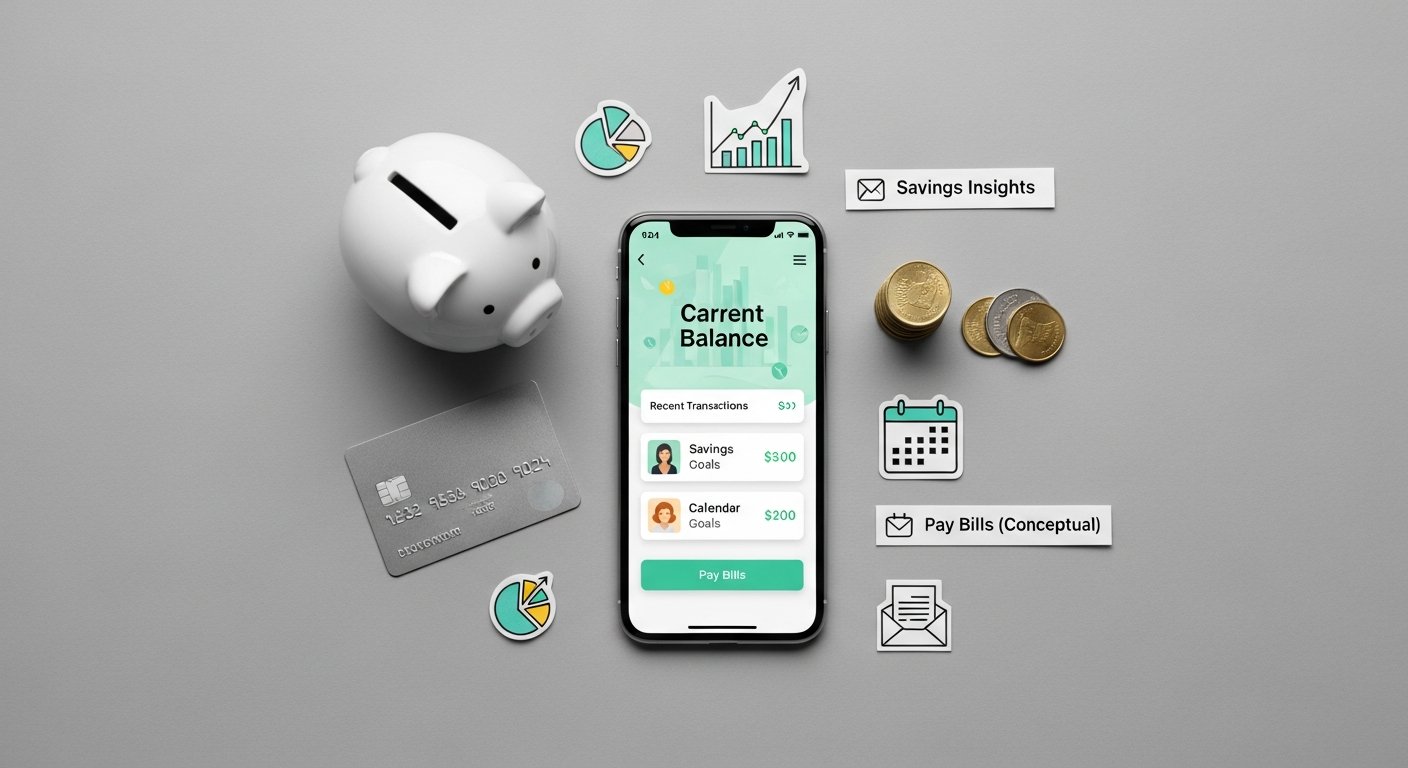
Essential Mobile Banking App Features for 2026: The Ultimate Guide to Digital Finance
Affiliate disclosure: This article may contain affiliate links. Recommendations are independent and editorially driven.
In an increasingly digital world, your smartphone has become far more than a communication device; it’s a powerful financial hub. Mobile banking apps have evolved from simple balance checkers into sophisticated platforms that offer an unprecedented level of control and insight into your financial life. As we navigate 2026, the landscape of personal finance is continually being reshaped by technological advancements, with mobile banking at the forefront of this transformation. Understanding the essential mobile banking app features isn’t just about convenience; it’s about maximizing your financial potential, enhancing security, and embracing a smarter way to manage your money.
This comprehensive guide delves deep into the features that define the best mobile banking experiences today and those on the horizon. From the foundational elements that ensure everyday banking is seamless to cutting-edge innovations in AI, personalization, and security, we’ll explore what makes a mobile banking app truly indispensable. Whether you’re a digital native seeking the latest fintech tools or someone looking to optimize your financial habits, understanding these features is key to choosing an app that truly empowers your financial journey.
The Evolution of Mobile Banking: Why Features Matter More Than Ever in 2026
The journey of mobile banking has been remarkable, transitioning from rudimentary SMS banking in the early 2000s to the sophisticated, full-service platforms we utilize today. Early iterations offered basic functions like balance inquiries and transaction history. However, with the advent of smartphones and ever-improving internet connectivity, the potential for mobile banking exploded. Today, these apps are not just digital extensions of traditional banks; they are often the primary interface through which millions of users interact with their financial institutions, managing their entire financial portfolio with a few taps.
From Novelty to Necessity: The Shift in User Expectations
What was once considered a novel convenience is now a fundamental expectation. Consumers in 2026 demand instant access, intuitive design, and robust functionality from their mobile banking apps. The rapid pace of technological innovation, fueled by fierce competition among financial institutions and fintech disruptors, means that features are constantly being refined and expanded. Banks understand that a superior app experience is a critical differentiator, influencing customer acquisition, retention, and overall satisfaction.
The Digital-First Imperative: Responding to Modern Lifestyles
Modern lifestyles are characterized by mobility and a constant need for real-time information. Mobile banking apps cater perfectly to this by providing 24/7 access to financial services, eliminating the need for physical branch visits for most common transactions. This digital-first approach aligns with an increasing preference for self-service options, allowing users to conduct their banking whenever and wherever it suits them. This convenience is no longer a luxury but a baseline expectation that drives feature development.
Beyond Transactions: Empowering Financial Literacy and Well-being
Crucially, the role of mobile banking apps has expanded beyond mere transactional processing. Many of today’s leading apps integrate tools designed to enhance financial literacy, foster healthy saving habits, and support overall financial well-being. By offering budgeting tools, spending insights, and personalized financial advice, these apps are becoming integral partners in helping users achieve their financial goals. The breadth and depth of features directly contribute to how effectively an app can serve as a personal financial advisor in your pocket.
Core Mobile Banking Features: The Foundation of Digital Finance
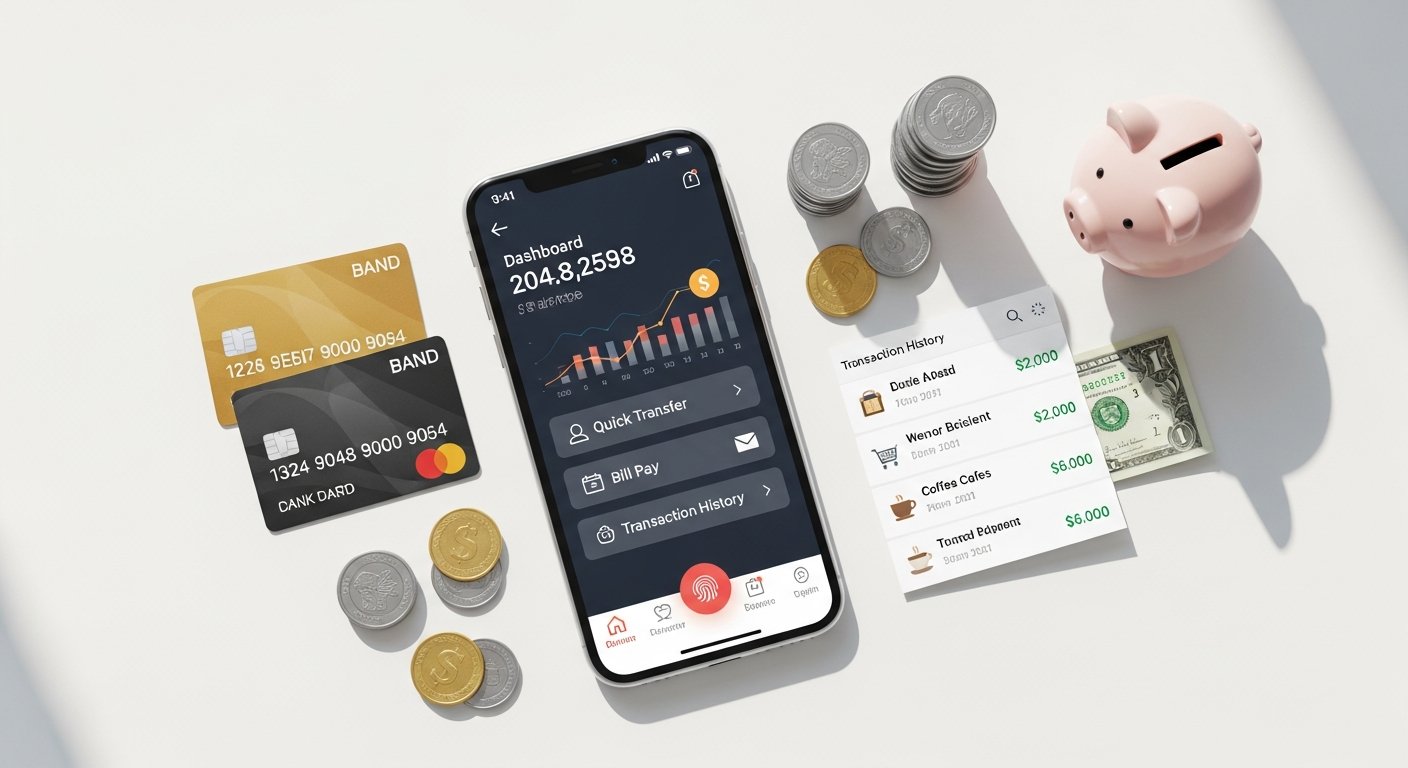
At the heart of every effective mobile banking application are a set of fundamental features that ensure users can perform their essential banking tasks with ease and confidence. These are the bedrock upon which more advanced functionalities are built, providing the necessary tools for daily financial management.
Account Management and Oversight
The ability to view and manage your accounts is arguably the most crucial feature. Users expect immediate access to:
- Real-Time Balance Checks: Instantly see the current balance across all linked accounts (checking, savings, credit cards, loans). This real-time visibility is vital for making informed spending decisions and avoiding overdrafts.
- Transaction History: Detailed records of all incoming and outgoing transactions, often categorized for easier review. Advanced apps allow users to search, filter, and export transaction data, making reconciliation and expense tracking much simpler.
- Account Activity Alerts: Customizable notifications for various activities, such as large deposits, withdrawals, low balances, or suspicious transactions. These proactive alerts enhance security and keep users informed without needing to constantly check the app.
Seamless Transfers and Payments
Moving money efficiently is a core banking function, and mobile apps excel at simplifying this process:
- Internal Transfers: Effortlessly transfer funds between your own accounts within the same institution (e.g., from checking to savings).
- External Transfers: Send money to or receive money from accounts at different banks, typically using ACH transfers. Many apps offer expedited transfer options for a fee.
- Bill Pay: A robust bill payment system allows users to set up one-time or recurring payments to various service providers (utilities, credit cards, mortgage, etc.). Features often include managing payees, viewing payment history, and receiving payment reminders.
- Remote Check Deposit: Also known as mobile check deposit, this feature allows users to deposit checks simply by taking a photo of the front and back of the check with their smartphone camera. This convenience has revolutionized check handling, saving trips to the ATM or branch.
[INLINE IMAGE 1: place after second H2 | alt=”mobile banking app features concept illustration”]
Card Management and Controls
Direct control over your debit and credit cards significantly enhances security and flexibility:
- Card Freeze/Unfreeze: Instantly lock a misplaced card to prevent unauthorized use and unlock it once found. This feature is a powerful deterrent against fraud.
- Transaction Limits: Set daily spending limits for debit or credit cards, adding an extra layer of control, especially for secondary cardholders.
- Travel Notifications: Inform your bank of upcoming travel plans to prevent your card from being flagged for suspicious activity when used in unfamiliar locations.
- Card Replacement/Activation: Request new cards, activate newly received cards, or report lost/stolen cards directly through the app.
ATM and Branch Locators
While mobile banking aims to reduce the need for physical interactions, sometimes a trip to an ATM or branch is necessary. Apps often include:
- Interactive Maps: Locate nearby ATMs (including surcharge-free networks) and bank branches, complete with directions, operating hours, and available services. This is invaluable when traveling or needing cash.
These core mobile banking app features form the backbone of a functional and user-friendly digital banking experience. Without them, even the most advanced features would lack a solid foundation. As user expectations continue to rise, these foundational elements are constantly being optimized for speed, security, and intuitive design.
Advanced Financial Management Tools: Beyond Basic Transactions
Modern mobile banking apps are increasingly moving beyond simple transactions to become sophisticated personal finance managers. These advanced features empower users to gain deeper insights into their financial health, set and achieve goals, and make more informed decisions about their money.
Comprehensive Budgeting and Spending Trackers
One of the most requested and valuable advanced features is integrated budgeting and spending analysis:
- Automatic Categorization: Transactions are automatically categorized (e.g., groceries, entertainment, utilities) using AI and machine learning, providing a clear overview of where money is going. Users can typically customize categories or correct miscategorizations.
- Budget Creation and Monitoring: Set monthly or weekly budgets for different spending categories and track progress in real-time. Apps often use visual cues (e.g., color-coded bars) to show if you’re on track, over budget, or have money left.
- Spending Insights and Trends: Generate reports and graphs that visualize spending patterns over time. Identify areas where you might be overspending, pinpoint recurring expenses, and understand your financial habits. Some apps even offer peer comparisons.
- Goal-Based Saving: Create specific savings goals (e.g., down payment for a house, vacation, emergency fund) and link them to dedicated savings accounts or virtual envelopes. The app can track progress and even suggest automated transfers to reach goals faster.
Personalized Financial Insights and Advice
Leveraging data analytics and AI, apps can offer tailored insights:
- Proactive Spending Alerts: Notifications that warn users about potential overdrafts, upcoming large bills, or unusual spending patterns before they become problems.
- Personalized Financial Tips: Based on spending habits and financial goals, the app might offer relevant advice on saving money, paying down debt, or optimizing investments.
- Subscription Management: Identify recurring subscriptions (e.g., streaming services, gym memberships) and alert users to those they might have forgotten or no longer use, offering options to cancel directly.
Integrated Investment and Wealth Management
For many, the app serves as a gateway to broader financial services:
- Investment Portfolio View: Consolidated view of investment accounts (stocks, bonds, mutual funds, ETFs) alongside traditional banking accounts. This offers a holistic financial snapshot.
- Micro-Investing Options: Features that allow users to invest spare change from everyday purchases or make small, recurring contributions to investment portfolios. This lowers the barrier to entry for investing.
- Robo-Advisor Integration: Access to automated investment management services that help users build and manage diversified portfolios based on their risk tolerance and financial goals.
Credit Score Monitoring and Improvement Tools
Understanding and improving one’s credit health is critical:
- Free Credit Score Access: Regular access to your credit score (often VantageScore 3.0 or FICO Score) directly within the app, without impacting your credit.
- Credit Report Monitoring: Alerts for significant changes to your credit report, helping to detect potential identity theft or errors.
- Credit Building Advice: Personalized recommendations on how to improve your credit score, such as tips on payment history, credit utilization, and managing different types of credit.
These advanced mobile banking app features transform a simple transactional tool into a powerful financial management partner. By providing comprehensive insights, personalized guidance, and integrated wealth tools, these apps are empowering users to take a more proactive and informed approach to their financial futures.
Security and Fraud Prevention: Protecting Your Digital Wallet
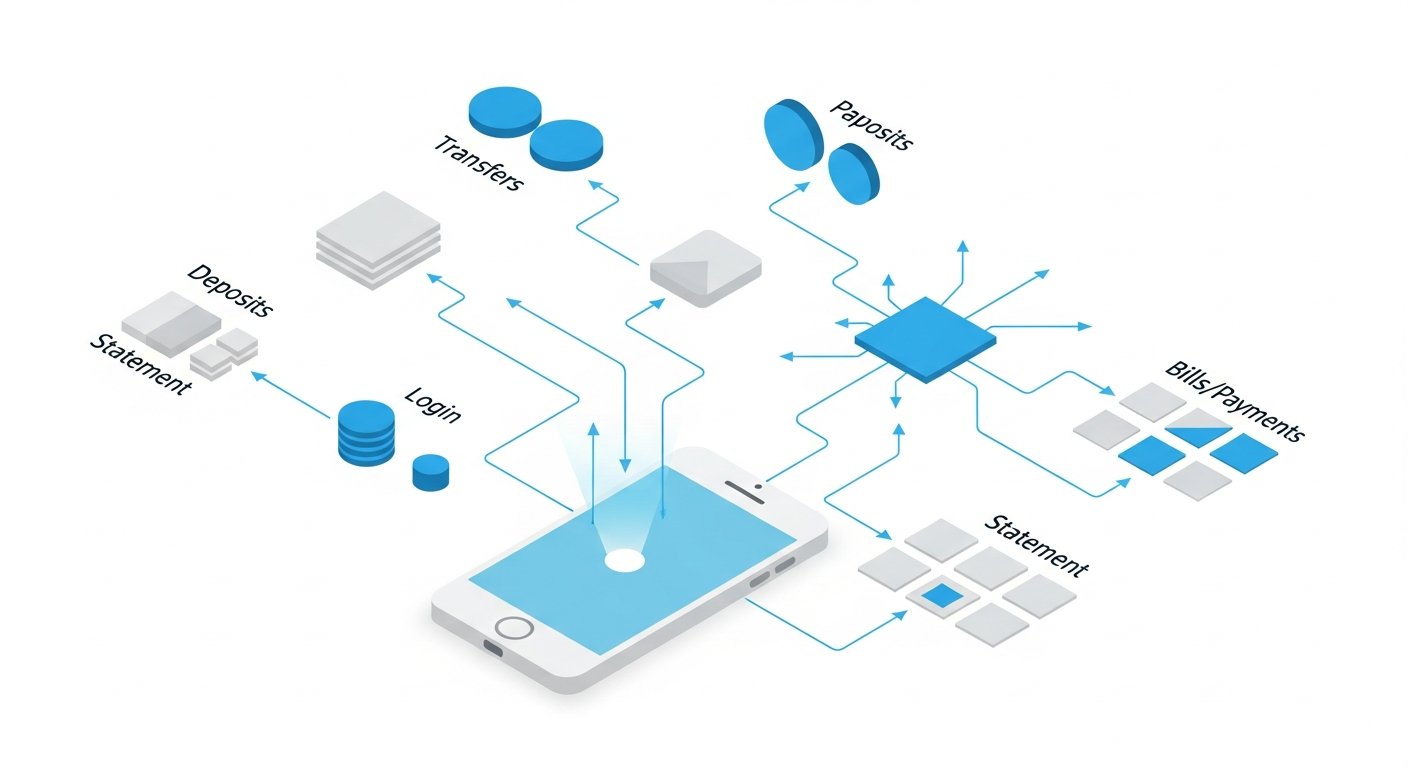
In the digital age, the security of your financial data is paramount. Mobile banking apps are at the forefront of implementing sophisticated security measures to protect users from fraud, unauthorized access, and cyber threats. These features are not just add-ons; they are fundamental to building trust and ensuring the integrity of your financial interactions.
Robust Authentication Methods
The first line of defense is how users access their accounts:
- Biometric Authentication: Fingerprint (Touch ID) and facial recognition (Face ID) offer a highly secure and convenient way to log in. These methods leverage unique biological markers, significantly reducing the risk associated with forgotten or stolen passwords.
- Multi-Factor Authentication (MFA/2FA): This adds an extra layer of security beyond a password, typically requiring a code sent via SMS, email, or a dedicated authenticator app. Even if a password is compromised, access is prevented without the second factor.
- Device Recognition: The app recognizes trusted devices, making it harder for unauthorized users to access accounts from new, unrecognized devices. Alerts are often sent when a login attempt is made from a new device.
- Strong Password Enforcement: Apps enforce complex password requirements (length, character mix) and often recommend periodic password changes or integrate with password managers.
[INLINE IMAGE 2: place after fourth H2 | alt=”mobile banking app features comparison illustration”]
Real-Time Alerts and Notifications
Proactive communication is key to detecting and preventing fraud:
- Transaction Alerts: Instant notifications for all transactions, large withdrawals, or purchases exceeding a certain amount. This allows users to quickly spot and report suspicious activity.
- Login Alerts: Notifications whenever your account is accessed, especially from a new device or location.
- Balance Threshold Alerts: Warns users if their account balance drops below a predefined minimum, helping to prevent overdrafts or flag unauthorized spending.
- Suspicious Activity Alerts: Advanced AI-driven systems monitor account behavior and flag anything out of the ordinary, prompting users to verify activity.
Advanced Card Controls and Security
Empowering users with direct control over their cards significantly mitigates risk:
- Instant Card Freeze/Unfreeze: As mentioned, the ability to immediately lock and unlock a card from the app is a powerful fraud prevention tool. This is invaluable if a card is misplaced or temporarily lost.
- Geographic Restrictions: Limit card usage to specific geographic regions or block international transactions, preventing fraudulent use far from home.
- Merchant Category Blocking: Block transactions from certain types of merchants (e.g., gambling sites, adult entertainment), providing an additional layer of control, especially for shared accounts or parental oversight.
- Virtual Card Numbers: Generate temporary, single-use, or merchant-specific virtual card numbers for online purchases, protecting your primary card details from potential breaches.
Data Encryption and Secure Communication
Behind the scenes, robust technical measures safeguard your information:
- End-to-End Encryption: All data transmitted between your device and the bank’s servers is encrypted, making it unreadable to unauthorized parties.
- Secure Socket Layer (SSL)/Transport Layer Security (TLS): Industry-standard protocols ensure a secure connection, protecting your information during transmission.
- Regular Security Audits: Financial institutions regularly conduct security audits and penetration testing to identify and patch vulnerabilities.
- In-App Messaging: Secure messaging features within the app provide a safe channel to communicate with customer service without relying on less secure methods like email.
The continuous development and integration of these mobile banking app features underscore the financial industry’s commitment to protecting customer assets and privacy. As cyber threats evolve, so too will the security measures within these indispensable applications, making them safer and more reliable than ever before.
Learn more about securing your financial data by checking out our guide on understanding digital payment security.
Seamless Payments and Transfers: Modernizing Money Movement
The ability to move money quickly, securely, and conveniently is a cornerstone of modern financial services. Mobile banking apps have revolutionized how we make payments and transfer funds, offering a plethora of options that cater to diverse needs, from splitting a dinner bill to sending money across international borders.
Person-to-Person (P2P) Payments
P2P payment features have become ubiquitous, enabling instant money transfers between individuals:
- Integrated P2P Services: Many banks integrate popular P2P platforms directly into their apps (e.g., Zelle in the US) or offer their own proprietary P2P solutions. This allows users to send money to friends and family using just an email address or phone number, often with instant availability.
- Split Bills and Request Money: Beyond sending, users can easily split shared expenses and request money from others, simplifying group finances for things like rent, utilities, or dining out.
Contactless and QR Code Payments
The rise of digital wallets and QR codes has transformed in-store and online payments:
- Mobile Wallet Integration: Seamless integration with mobile wallets like Apple Pay, Google Pay, and Samsung Pay allows users to link their bank accounts and cards to make secure contactless payments using their smartphone or smartwatch.
- QR Code Payments: Some apps facilitate payments by scanning QR codes displayed by merchants or other individuals, providing a fast and efficient way to complete transactions without physical cards. This is particularly popular in certain international markets.
International Transfers and Remittances
Sending money globally has traditionally been complex and expensive, but mobile apps are changing that:
- Streamlined International Wires: Facilitate international wire transfers with transparent fees and exchange rates directly through the app. Some apps partner with specialized remittance services to offer more competitive rates.
- Real-Time Exchange Rates: Provide current and projected exchange rates for various currencies, allowing users to time their transfers optimally.
- Tracking and Notifications: Offer the ability to track the status of international transfers in real-time, providing peace of mind to both sender and receiver.
Recurring Payments and Subscriptions Management
Automating regular payments is a key convenience feature:
- Scheduled Transfers: Set up recurring transfers to savings accounts, investment portfolios, or to other individuals on a weekly, bi-weekly, or monthly basis.
- Subscription Overviews: Beyond simply listing recurring bills, some apps help identify all active subscriptions, often highlighting those that might have been forgotten, and even assist in canceling unwanted services. This can be a significant money-saving feature.
These advanced payment and transfer features reflect the modern demand for speed, flexibility, and global connectivity in financial transactions. By making money movement as simple as sending a text message, mobile banking apps continue to redefine convenience in personal finance. For insights into managing your recurring expenses, read our article on optimizing your monthly budget.
Personalized Experiences and AI Integration: The Future of Banking
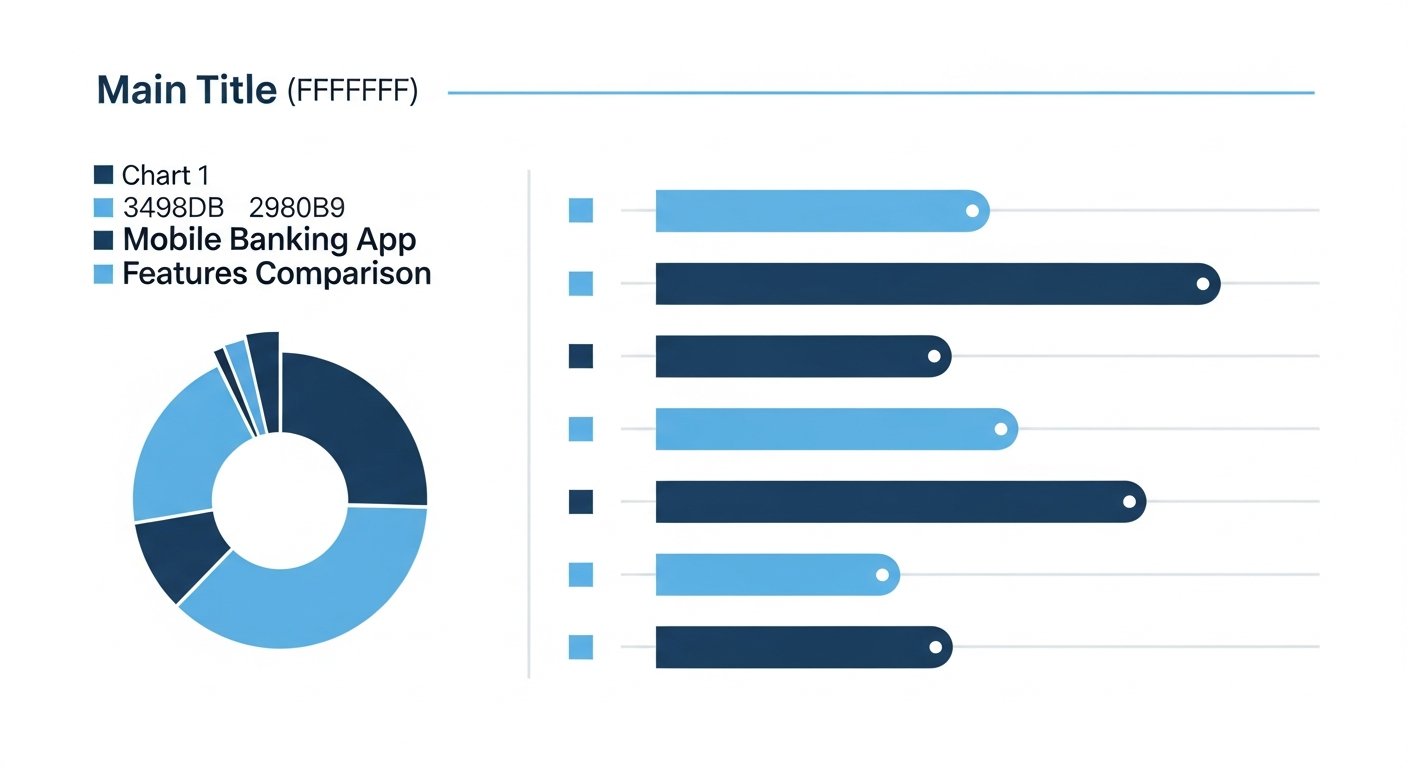
The next frontier in mobile banking is personalization, driven heavily by artificial intelligence (AI) and machine learning (ML). These technologies allow apps to move beyond generic services, offering tailored experiences that anticipate user needs and provide proactive financial guidance.
Customizable Dashboards and User Interfaces
One size does not fit all when it comes to financial management. Modern apps offer:
- Personalized Views: Users can arrange widgets and modules on their dashboard to prioritize the information most relevant to them, whether it’s checking account balances, investment performance, or budgeting progress.
- Thematic Options: Some apps offer customizable themes or dark mode options, enhancing user comfort and accessibility.
- Quick Access Shortcuts: The ability to create shortcuts for frequently used features (e.g., bill pay, transfer to savings) streamlines navigation and saves time.
AI-Driven Insights and Proactive Advice
AI is transforming how users interact with their finances, turning raw data into actionable intelligence:
- Predictive Analytics: AI algorithms analyze spending patterns to predict future cash flow, warn of potential shortfalls, or suggest optimal times for transfers. For example, an app might alert you if your spending indicates you’re likely to exceed your budget for a specific category before the month ends.
- Automated Financial Recommendations: Based on spending, saving habits, and stated goals, AI can suggest actions such as increasing savings contributions, identifying opportunities to refinance debt, or recommending suitable investment products.
- Smart Notifications: Beyond simple transaction alerts, AI powers intelligent notifications that are timely and relevant, avoiding notification fatigue while still keeping users informed.
Enhanced Chatbot Support and Virtual Assistants
AI-powered chatbots provide instant support and guidance within the app:
- 24/7 Availability: Chatbots can answer common questions, provide account information, help with transactions, or guide users to specific features at any time, reducing the need to wait for a human agent.
- Natural Language Processing (NLP): Advanced chatbots understand natural language queries, making interactions feel more conversational and less like navigating a rigid menu.
- Task Automation: Users can verbally request actions like “transfer $100 to savings” or “pay my utility bill,” and the chatbot can initiate these tasks, further streamlining banking operations.
Contextual Banking Experiences
Mobile banking apps are becoming more intelligent about understanding user context:
- Location-Based Services: While ensuring privacy, apps can offer location-aware features, such as showing relevant offers from nearby merchants or reminding users about an upcoming bill payment when they are near a payment center.
- Event-Triggered Actions: Automation that triggers specific actions based on life events or financial milestones, such as automatically adjusting savings contributions after a pay raise or suggesting insurance options after a significant purchase.
The integration of AI and personalization is not just about making banking easier; it’s about making it smarter and more attuned to the individual’s financial journey. These mobile banking app features represent a significant leap towards truly intelligent financial management. Discover more about the future of digital finance with our article on the impact of AI in fintech.
Customer Support and Accessibility: When You Need Assistance
Even with the most intuitive apps and advanced features, there will be times when users require assistance or need to interact with a human representative. Excellent mobile banking apps don’t just facilitate self-service; they also provide robust and accessible customer support channels, ensuring help is always at hand.
In-App Messaging and Live Chat
Moving beyond traditional phone calls, secure in-app communication channels offer convenience and efficiency:
- Secure Messaging: Communicate directly with customer service representatives through a secure, encrypted channel within the app. This is ideal for sensitive inquiries that shouldn’t be handled via email or standard text messages.
- Live Chat Support: Real-time text-based chat with a human agent, often integrated with the chatbot system. If the chatbot can’t resolve an issue, it can seamlessly escalate to a live agent, providing context from the previous interaction.
- Conversation History: Maintain a history of past conversations, allowing users to reference previous support interactions without repeating information.
Integrated Call Center and Scheduling Options
For more complex issues, direct voice communication remains vital:
- Click-to-Call: Easily initiate a call to customer service directly from the app, often with options to bypass automated menus if the app can identify the user and their specific inquiry.
- Appointment Scheduling: Schedule virtual or in-person appointments with financial advisors or branch representatives through the app, saving time and ensuring personalized service.
- Secure Call Verification: Some apps allow for secure verification of your identity during a call by generating a one-time code within the app, enhancing security and streamlining the verification process.
Accessibility Features for All Users
Ensuring that mobile banking is accessible to everyone is a critical consideration:
- Screen Reader Compatibility: Apps are designed to work seamlessly with screen readers (e.g., VoiceOver for iOS, TalkBack for Android) for visually impaired users, providing audio descriptions of on-screen elements.
- High Contrast Modes and Font Resizing: Options to adjust visual elements for users with visual impairments or color blindness.
- Voice Commands: Integration with device-level voice assistants (Siri, Google Assistant) to perform basic banking tasks or navigate the app using voice commands.
- Alternative Text for Images: Ensuring all images and graphical elements have descriptive alt text for users who cannot see them.
Educational Resources and FAQs
Empowering users with information reduces the need for direct support:
- In-App Knowledge Base: A searchable library of FAQs, how-to guides, and tutorials that help users troubleshoot common issues or learn about specific features.
- Financial Literacy Content: Articles, videos, and interactive tools that educate users on various personal finance topics, from budgeting to investing.
By providing a multi-faceted approach to customer support and prioritizing accessibility, mobile banking apps ensure that every user, regardless of their needs or technical proficiency, can confidently manage their finances. This commitment to service excellence is a key differentiator in the competitive fintech landscape of 2026.
Innovative Features Shaping the Future: What’s Next for Mobile Banking
The pace of innovation in mobile banking shows no signs of slowing down. As technology advances and consumer needs evolve, the apps of tomorrow will offer even more transformative features, pushing the boundaries of what’s possible in digital finance. Here’s a glimpse into the cutting-edge innovations shaping the future of mobile banking.
Integration with Emerging Technologies: Crypto and Web3
The rise of cryptocurrencies and decentralized finance (DeFi) is prompting banks to explore integration:
- In-App Crypto Trading: Direct buying, selling, and holding of cryptocurrencies (Bitcoin, Ethereum, etc.) within the banking app, streamlining access to digital assets without needing separate exchange accounts.
- DeFi and Web3 Wallet Integration: Offering connectivity to decentralized applications and allowing users to manage their DeFi portfolios and NFTs alongside traditional banking assets.
- Blockchain-Powered Transactions: Utilizing blockchain technology for faster, more secure, and transparent international payments and record-keeping.
Hyper-Personalization with Predictive AI and Machine Learning
Beyond current AI capabilities, the next generation will offer even deeper personalization:
- Anticipatory Financial Planning: AI will not just react to current spending but will proactively anticipate future financial needs and challenges, offering hyper-tailored advice on investments, savings, or debt management based on life events (e.g., marriage, new job, retirement).
- Emotional Finance Insights: Advanced AI might analyze spending patterns in relation to user sentiment (e.g., linking impulse buys to stress indicators) to provide more holistic well-being advice.
- Self-Optimizing Portfolios: For investment features, AI could dynamically adjust portfolio allocations based on market conditions, user goals, and real-time risk tolerance.
Augmented Reality (AR) Banking and Immersive Experiences
AR could transform how users interact with financial data and services:
- AR-Enhanced ATM Locators: Point your phone camera at your surroundings, and AR overlays will highlight nearby ATMs, branches, or even relevant merchant offers.
- Interactive Financial Data Visualization: Visualize your budget, spending trends, or investment portfolio in an immersive 3D AR environment, making complex data more engaging and understandable.
- Virtual Branch Experiences: Conduct virtual meetings with financial advisors in an AR/VR environment, offering a personalized and interactive consultation experience from anywhere.
Open Banking and API-Driven Services
Open banking initiatives are fostering a more interconnected financial ecosystem:
- Aggregated Financial View: Consolidate all financial accounts (from different banks, investment firms, lenders, even utility providers) into a single app, providing a truly comprehensive view of your entire financial life.
- Third-Party Integrations: Seamlessly connect with a wider array of fintech services, such as specialized budgeting tools, insurance platforms, or loan aggregators, all accessible through your primary banking app.
- Personalized Product Matching: Leverage open banking data to automatically suggest the most suitable financial products (e.g., credit cards with better rewards, lower-interest loans, superior savings accounts) from various providers based on your specific financial profile.
These innovative mobile banking app features underscore a future where financial management is not just convenient but intelligent, personalized, and deeply integrated into our daily lives. As fintech continues to evolve, these apps will become even more central to our financial well-being, pushing the boundaries of what we expect from our banks.
Choosing the Right Mobile Banking App: A Feature-Driven Approach
With an abundance of options available, selecting the ideal mobile banking app can seem daunting. However, by adopting a feature-driven approach, you can narrow down choices and find an app that perfectly aligns with your financial needs and lifestyle. It’s not just about what your bank offers, but how well its app integrates into your personal finance strategy.
Step 1: Define Your Core Needs and Priorities
Before evaluating apps, reflect on what you need most from your banking experience:
- Basic Banking Needs: Do you primarily need to check balances, pay bills, and transfer funds? Or do you require more advanced features?
- Financial Management Goals: Are you focused on budgeting, saving for specific goals, debt reduction, or investment growth?
- Security Concerns: What level of security features (biometrics, MFA, card controls) gives you peace of mind?
- Frequency of Use: How often do you expect to use the app, and for what types of transactions?
- Customer Support Preferences: Do you prefer in-app chat, phone support, or do you value branch access?
- Specific Niche Requirements: Are you interested in crypto integration, international transfers, or specialized financial advice?
Step 2: Evaluate Key Feature Categories
Based on your priorities, scrutinize apps across the categories discussed in this guide:
- Core Banking Functionality: Ensure basic account management, transfers, and remote deposit are robust, reliable, and user-friendly.
- Financial Management Tools: If budgeting or savings goals are crucial, look for comprehensive spending trackers, categorization, and goal-setting features.
- Security Measures: Prioritize apps with strong authentication (biometrics, MFA), real-time alerts, and granular card controls.
- Payment and Transfer Options: If P2P, international transfers, or specific payment methods are important, verify their availability and ease of use.
- Personalization & AI: For those seeking proactive advice and a tailored experience, investigate AI-driven insights, customizable dashboards, and intelligent chatbots.
- Support & Accessibility: Check for responsive in-app support, clear FAQs, and features that cater to diverse accessibility needs.
- Innovative/Future-Proof Features: If you’re an early adopter, consider apps experimenting with crypto, AR, or robust open banking integrations.
Step 3: Consider User Experience and Reputation
Beyond features, the overall experience matters:
- Intuitive Interface: Is the app easy to navigate? Is the design clean and uncluttered?
- Reliability and Speed: Does the app load quickly? Are there frequent crashes or glitches?
- Customer Reviews: Read app store reviews and online testimonials to gauge real-world user satisfaction and identify common pain points.
- Bank’s Reputation: Consider the financial institution’s overall reputation for customer service, security, and innovation.
Step 4: Compare Leading Options (Hypothetical Examples)
To illustrate the feature-driven approach, here’s a comparison table of hypothetical mobile banking app profiles:
| App Profile | Key Strengths | Unique Features | Security & Support |
|---|---|---|---|
| “FinSavvy Pro” (Challenger Bank) | Advanced budgeting & spending insights, high-yield savings, early payday. Excellent for detailed financial tracking. | AI-driven predictive spending alerts, subscription management, micro-investing, credit builder loans. | Biometric login, MFA, card freeze, in-app live chat, 24/7 chatbot. |
| “GlobalConnect Bank” (Traditional Bank) | Robust international transfers, broad ATM network, integrated wealth management. Ideal for global users and investors. | Multi-currency accounts, discounted international wire fees, direct access to robo-advisor, AR branch locator. | Biometric login, strong MFA, fraud protection guarantees, dedicated phone support. |
| “Community Digital Credit Union” | Personalized local support, strong community focus, ethical investing options. Good for personalized local service. | Local merchant loyalty programs, member-only financial workshops (virtual), ethical investment fund access. | Biometric login, MFA, secure in-app messaging, dedicated local representative contact. |
| “SimplyPay Mobile” (Payments-focused Bank) | Exceptional P2P transfers, contactless payment integration, bill splitting tools. Best for frequent peer payments. | Integrated P2P platform (e.g., enhanced Zelle), QR code payments, virtual card generation, seamless mobile wallet link. | Biometric login, transaction alerts, instant card lock, secure in-app support. |
| “WealthPath” (Investment-focused App) | Comprehensive investment portfolio management, crypto access, financial advisory tools. Suited for active investors. | Crypto trading desk, fractional share investing, AI-powered portfolio rebalancing, direct access to human advisors. | Advanced MFA, multi-device security, secure messaging with advisors, market alerts. |
By systematically evaluating mobile banking app features against your personal financial objectives, you can make an informed decision that will empower you to manage your money more effectively and confidently in 2026 and beyond. Remember, the best app is the one that best serves your unique financial journey.
Frequently Asked Questions
Q1: What are the most important mobile banking app features to look for in 2026?
A1: In 2026, the most important features extend beyond basic account management. Look for robust security (biometric authentication, MFA, card controls), comprehensive financial management tools (budgeting, spending insights, goal setting), seamless payment options (P2P, bill pay, mobile wallet integration), and personalized experiences driven by AI. Strong customer support channels and accessibility features are also crucial for a complete experience.
Q2: How do mobile banking apps help with budgeting and saving?
A2: Many modern mobile banking apps integrate powerful budgeting and saving tools. They can automatically categorize your transactions, allowing you to see exactly where your money goes. You can set spending limits for various categories, track your progress visually, and receive alerts if you’re nearing your budget. For saving, apps offer features like goal-based savings, automatic transfers (e.g., round-ups), and personalized recommendations to help you reach financial milestones faster.
Q3: Are mobile banking apps secure?
A3: Yes, reputable mobile banking apps employ extensive security measures to protect your financial information. These include biometric authentication (fingerprint, facial recognition), multi-factor authentication (MFA), end-to-end data encryption, real-time fraud alerts, and the ability to instantly lock or unlock your debit/credit cards. Banks continually invest in advanced security protocols and regular audits to safeguard user data against cyber threats.
Q4: Can I deposit checks using my mobile banking app?
A4: Absolutely. Remote check deposit, also known as mobile check deposit, is a standard and highly convenient feature in most modern mobile banking apps. It allows you to deposit checks simply by taking photos of the front and back of the endorsed check with your smartphone camera. This eliminates the need to visit an ATM or bank branch, saving you time and effort.
Q5: What is AI’s role in the future of mobile banking apps?
A5: AI is pivotal in shaping the future of mobile banking. It enables hyper-personalization by analyzing your financial behavior to offer predictive insights, proactive advice, and automated recommendations for saving and investing. AI powers intelligent chatbots for 24/7 support, can help identify and manage subscriptions, and will increasingly contribute to advanced fraud detection and even personalized product matching through open banking initiatives.
Q6: How do I choose the best mobile banking app for my needs?
A6: To choose the best app, first identify your primary financial needs and goals (e.g., budgeting, investing, frequent international transfers). Then, compare apps based on their features in core banking, financial management, security, payment options, personalization, and customer support. Also, consider the app’s user experience, reliability, and the bank’s overall reputation. Reading user reviews can provide valuable real-world insights.
Essential Mobile Banking App Features for 2026: The Ultimate Guide to Digital Finance
Affiliate disclosure: This article may contain affiliate links. Recommendations are independent and editorially driven.
In an increasingly digital world, your smartphone has become far more than a communication device; it’s a powerful financial hub. Mobile banking apps have evolved from simple balance checkers into sophisticated platforms that offer an unprecedented level of control and insight into your financial life. As we navigate 2026, the landscape of personal finance is continually being reshaped by technological advancements, with mobile banking at the forefront of this transformation. Understanding the essential mobile banking app features isn’t just about convenience; it’s about maximizing your financial potential, enhancing security, and embracing a smarter way to manage your money.
This comprehensive guide delves deep into the features that define the best mobile banking experiences today and those on the horizon. From the foundational elements that ensure everyday banking is seamless to cutting-edge innovations in AI, personalization, and security, we’ll explore what makes a mobile banking app truly indispensable. Whether you’re a digital native seeking the latest fintech tools or someone looking to optimize your financial habits, understanding these features is key to choosing an app that truly empowers your financial journey.
The Evolution of Mobile Banking: Why Features Matter More Than Ever in 2026
The journey of mobile banking has been remarkable, transitioning from rudimentary SMS banking in the early 2000s to the sophisticated, full-service platforms we utilize today. Early iterations offered basic functions like balance inquiries and transaction history. However, with the advent of smartphones and ever-improving internet connectivity, the potential for mobile banking exploded. Today, these apps are not just digital extensions of traditional banks; they are often the primary interface through which millions of users interact with their financial institutions, managing their entire financial portfolio with a few taps.
From Novelty to Necessity: The Shift in User Expectations
What was once considered a novel convenience is now a fundamental expectation. Consumers in 2026 demand instant access, intuitive design, and robust functionality from their mobile banking apps. The rapid pace of technological innovation, fueled by fierce competition among financial institutions and fintech disruptors, means that features are constantly being refined and expanded. Banks understand that a superior app experience is a critical differentiator, influencing customer acquisition, retention, and overall satisfaction.
The Digital-First Imperative: Responding to Modern Lifestyles
Modern lifestyles are characterized by mobility and a constant need for real-time information. Mobile banking apps cater perfectly to this by providing 24/7 access to financial services, eliminating the need for physical branch visits for most common transactions. This digital-first approach aligns with an increasing preference for self-service options, allowing users to conduct their banking whenever and wherever it suits them. This convenience is no longer a luxury but a baseline expectation that drives feature development.
Beyond Transactions: Empowering Financial Literacy and Well-being
Crucially, the role of mobile banking apps has expanded beyond mere transactional processing. Many of today’s leading apps integrate tools designed to enhance financial literacy, foster healthy saving habits, and support overall financial well-being. By offering budgeting tools, spending insights, and personalized financial advice, these apps are becoming integral partners in helping users achieve their financial goals. The breadth and depth of features directly contribute to how effectively an app can serve as a personal financial advisor in your pocket.
Core Mobile Banking Features: The Foundation of Digital Finance
At the heart of every effective mobile banking application are a set of fundamental features that ensure users can perform their essential banking tasks with ease and confidence. These are the bedrock upon which more advanced functionalities are built, providing the necessary tools for daily financial management.
Account Management and Oversight
The ability to view and manage your accounts is arguably the most crucial feature. Users expect immediate access to:
- Real-Time Balance Checks: Instantly see the current balance across all linked accounts (checking, savings, credit cards, loans). This real-time visibility is vital for making informed spending decisions and avoiding overdrafts.
- Transaction History: Detailed records of all incoming and outgoing transactions, often categorized for easier review. Advanced apps allow users to search, filter, and export transaction data, making reconciliation and expense tracking much simpler.
- Account Activity Alerts: Customizable notifications for various activities, such as large deposits, withdrawals, low balances, or suspicious transactions. These proactive alerts enhance security and keep users informed without needing to constantly check the app.
Seamless Transfers and Payments
Moving money efficiently is a core banking function, and mobile apps excel at simplifying this process:
- Internal Transfers: Effortlessly transfer funds between your own accounts within the same institution (e.g., from checking to savings).
- External Transfers: Send money to or receive money from accounts at different banks, typically using ACH transfers. Many apps offer expedited transfer options for a fee.
- Bill Pay: A robust bill payment system allows users to set up one-time or recurring payments to various service providers (utilities, credit cards, mortgage, etc.). Features often include managing payees, viewing payment history, and receiving payment reminders.
- Remote Check Deposit: Also known as mobile check deposit, this feature allows users to deposit checks simply by taking a photo of the front and back of the check with their smartphone camera. This convenience has revolutionized check handling, saving trips to the ATM or branch.
[INLINE IMAGE 1: place after second H2 | alt=”mobile banking app features concept illustration”]
Card Management and Controls
Direct control over your debit and credit cards significantly enhances security and flexibility:
- Card Freeze/Unfreeze: Instantly lock a misplaced card to prevent unauthorized use and unlock it once found. This feature is a powerful deterrent against fraud.
- Transaction Limits: Set daily spending limits for debit or credit cards, adding an extra layer of control, especially for secondary cardholders.
- Travel Notifications: Inform your bank of upcoming travel plans to prevent your card from being flagged for suspicious activity when used in unfamiliar locations.
- Card Replacement/Activation: Request new cards, activate newly received cards, or report lost/stolen cards directly through the app.
ATM and Branch Locators
While mobile banking aims to reduce the need for physical interactions, sometimes a trip to an ATM or branch is necessary. Apps often include:
- Interactive Maps: Locate nearby ATMs (including surcharge-free networks) and bank branches, complete with directions, operating hours, and available services. This is invaluable when traveling or needing cash.
These core mobile banking app features form the backbone of a functional and user-friendly digital banking experience. Without them, even the most advanced features would lack a solid foundation. As user expectations continue to rise, these foundational elements are constantly being optimized for speed, security, and intuitive design.
Advanced Financial Management Tools: Beyond Basic Transactions
Modern mobile banking apps are increasingly moving beyond simple transactions to become sophisticated personal finance managers. These advanced features empower users to gain deeper insights into their financial health, set and achieve goals, and make more informed decisions about their money.
Comprehensive Budgeting and Spending Trackers
One of the most requested and valuable advanced features is integrated budgeting and spending analysis:
- Automatic Categorization: Transactions are automatically categorized (e.g., groceries, entertainment, utilities) using AI and machine learning, providing a clear overview of where money is going. Users can typically customize categories or correct miscategorizations.
- Budget Creation and Monitoring: Set monthly or weekly budgets for different spending categories and track progress in real-time. Apps often use visual cues (e.g., color-coded bars) to show if you’re on track, over budget, or have money left.
- Spending Insights and Trends: Generate reports and graphs that visualize spending patterns over time. Identify areas where you might be overspending, pinpoint recurring expenses, and understand your financial habits. Some apps even offer peer comparisons.
- Goal-Based Saving: Create specific savings goals (e.g., down payment for a house, vacation, emergency fund) and link them to dedicated savings accounts or virtual envelopes. The app can track progress and even suggest automated transfers to reach goals faster.
Personalized Financial Insights and Advice
Leveraging data analytics and AI, apps can offer tailored insights:
- Proactive Spending Alerts: Notifications that warn users about potential overdrafts, upcoming large bills, or unusual spending patterns before they become problems.
- Personalized Financial Tips: Based on spending habits and financial goals, the app might offer relevant advice on saving money, paying down debt, or optimizing investments.
- Subscription Management: Identify recurring subscriptions (e.g., streaming services, gym memberships) and alert users to those they might have forgotten or no longer use, offering options to cancel directly.
Integrated Investment and Wealth Management
For many, the app serves as a gateway to broader financial services:
- Investment Portfolio View: Consolidated view of investment accounts (stocks, bonds, mutual funds, ETFs) alongside traditional banking accounts. This offers a holistic financial snapshot.
- Micro-Investing Options: Features that allow users to invest spare change from everyday purchases or make small, recurring contributions to investment portfolios. This lowers the barrier to entry for investing.
- Robo-Advisor Integration: Access to automated investment management services that help users build and manage diversified portfolios based on their risk tolerance and financial goals.
Credit Score Monitoring and Improvement Tools
Understanding and improving one’s credit health is critical:
- Free Credit Score Access: Regular access to your credit score (often VantageScore 3.0 or FICO Score) directly within the app, without impacting your credit.
- Credit Report Monitoring: Alerts for significant changes to your credit report, helping to detect potential identity theft or errors.
- Credit Building Advice: Personalized recommendations on how to improve your credit score, such as tips on payment history, credit utilization, and managing different types of credit.
These advanced mobile banking app features transform a simple transactional tool into a powerful financial management partner. By providing comprehensive insights, personalized guidance, and integrated wealth tools, these apps are empowering users to take a more proactive and informed approach to their financial futures.
Security and Fraud Prevention: Protecting Your Digital Wallet
In the digital age, the security of your financial data is paramount. Mobile banking apps are at the forefront of implementing sophisticated security measures to protect users from fraud, unauthorized access, and cyber threats. These features are not just add-ons; they are fundamental to building trust and ensuring the integrity of your financial interactions.
Robust Authentication Methods
The first line of defense is how users access their accounts:
- Biometric Authentication: Fingerprint (Touch ID) and facial recognition (Face ID) offer a highly secure and convenient way to log in. These methods leverage unique biological markers, significantly reducing the risk associated with forgotten or stolen passwords.
- Multi-Factor Authentication (MFA/2FA): This adds an extra layer of security beyond a password, typically requiring a code sent via SMS, email, or a dedicated authenticator app. Even if a password is compromised, access is prevented without the second factor.
- Device Recognition: The app recognizes trusted devices, making it harder for unauthorized users to access accounts from new, unrecognized devices. Alerts are often sent when a login attempt is made from a new device.
- Strong Password Enforcement: Apps enforce complex password requirements (length, character mix) and often recommend periodic password changes or integrate with password managers.
[INLINE IMAGE 2: place after fourth H2 | alt=”mobile banking app features comparison illustration”]
Real-Time Alerts and Notifications
Proactive communication is key to detecting and preventing fraud:
- Transaction Alerts: Instant notifications for all transactions, large withdrawals, or purchases exceeding a certain amount. This allows users to quickly spot and report suspicious activity.
- Login Alerts: Notifications whenever your account is accessed, especially from a new device or location.
- Balance Threshold Alerts: Warns users if their account balance drops below a predefined minimum, helping to prevent overdrafts or flag unauthorized spending.
- Suspicious Activity Alerts: Advanced AI-driven systems monitor account behavior and flag anything out of the ordinary, prompting users to verify activity.
Advanced Card Controls and Security
Empowering users with direct control over their cards significantly mitigates risk:
- Instant Card Freeze/Unfreeze: As mentioned, the ability to immediately lock and unlock a card from the app is a powerful fraud prevention tool. This is invaluable if a card is misplaced or temporarily lost.
- Geographic Restrictions: Limit card usage to specific geographic regions or block international transactions, preventing fraudulent use far from home.
- Merchant Category Blocking: Block transactions from certain types of merchants (e.g., gambling sites, adult entertainment), providing an additional layer of control, especially for shared accounts or parental oversight.
- Virtual Card Numbers: Generate temporary, single-use, or merchant-specific virtual card numbers for online purchases, protecting your primary card details from potential breaches.
Data Encryption and Secure Communication
Behind the scenes, robust technical measures safeguard your information:
- End-to-End Encryption: All data transmitted between your device and the bank’s servers is encrypted, making it unreadable to unauthorized parties.
- Secure Socket Layer (SSL)/Transport Layer Security (TLS): Industry-standard protocols ensure a secure connection, protecting your information during transmission.
- Regular Security Audits: Financial institutions regularly conduct security audits and penetration testing to identify and patch vulnerabilities.
- In-App Messaging: Secure messaging features within the app provide a safe channel to communicate with customer service without relying on less secure methods like email.
The continuous development and integration of these mobile banking app features underscore the financial industry’s commitment to protecting customer assets and privacy. As cyber threats evolve, so too will the security measures within these indispensable applications, making them safer and more reliable than ever before.
Learn more about securing your financial data by checking out our guide on understanding digital payment security.
Seamless Payments and Transfers: Modernizing Money Movement
The ability to move money quickly, securely, and conveniently is a cornerstone of modern financial services. Mobile banking apps have revolutionized how we make payments and transfer funds, offering a plethora of options that cater to diverse needs, from splitting a dinner bill to sending money across international borders.
Person-to-Person (P2P) Payments
P2P payment features have become ubiquitous, enabling instant money transfers between individuals:
- Integrated P2P Services: Many banks integrate popular P2P platforms directly into their apps (e.g., Zelle in the US) or offer their own proprietary P2P solutions. This allows users to send money to friends and family using just an email address or phone number, often with instant availability.
- Split Bills and Request Money: Beyond sending, users can easily split shared expenses and request money from others, simplifying group finances for things like rent, utilities, or dining out.
Contactless and QR Code Payments
The rise of digital wallets and QR codes has transformed in-store and online payments:
- Mobile Wallet Integration: Seamless integration with mobile wallets like Apple Pay, Google Pay, and Samsung Pay allows users to link their bank accounts and cards to make secure contactless payments using their smartphone or smartwatch.
- QR Code Payments: Some apps facilitate payments by scanning QR codes displayed by merchants or other individuals, providing a fast and efficient way to complete transactions without physical cards. This is particularly popular in certain international markets.
International Transfers and Remittances
Sending money globally has traditionally been complex and expensive, but mobile apps are changing that:
- Streamlined International Wires: Facilitate international wire transfers with transparent fees and exchange rates directly through the app. Some apps partner with specialized remittance services to offer more competitive rates.
- Real-Time Exchange Rates: Provide current and projected exchange rates for various currencies, allowing users to time their transfers optimally.
- Tracking and Notifications: Offer the ability to track the status of international transfers in real-time, providing peace of mind to both sender and receiver.
Recurring Payments and Subscriptions Management
Automating regular payments is a key convenience feature:
- Scheduled Transfers: Set up recurring transfers to savings accounts, investment portfolios, or to other individuals on a weekly, bi-weekly, or monthly basis.
- Subscription Overviews: Beyond simply listing recurring bills, some apps help identify all active subscriptions, often highlighting those that might have been forgotten, and even assist in canceling unwanted services. This can be a significant money-saving feature.
These advanced payment and transfer features reflect the modern demand for speed, flexibility, and global connectivity in financial transactions. By making money movement as simple as sending a text message, mobile banking apps continue to redefine convenience in personal finance. For insights into managing your recurring expenses, read our article on optimizing your monthly budget.
Personalized Experiences and AI Integration: The Future of Banking
The next frontier in mobile banking is personalization, driven heavily by artificial intelligence (AI) and machine learning (ML). These technologies allow apps to move beyond generic services, offering tailored experiences that anticipate user needs and provide proactive financial guidance.
Customizable Dashboards and User Interfaces
One size does not fit all when it comes to financial management. Modern apps offer:
- Personalized Views: Users can arrange widgets and modules on their dashboard to prioritize the information most relevant to them, whether it’s checking account balances, investment performance, or budgeting progress.
- Thematic Options: Some apps offer customizable themes or dark mode options, enhancing user comfort and accessibility.
- Quick Access Shortcuts: The ability to create shortcuts for frequently used features (e.g., bill pay, transfer to savings) streamlines navigation and saves time.
AI-Driven Insights and Proactive Advice
AI is transforming how users interact with their finances, turning raw data into actionable intelligence:
- Predictive Analytics: AI algorithms analyze spending patterns to predict future cash flow, warn of potential shortfalls, or suggest optimal times for transfers. For example, an app might alert you if your spending indicates you’re likely to exceed your budget for a specific category before the month ends.
- Automated Financial Recommendations: Based on spending, saving habits, and stated goals, AI can suggest actions such as increasing savings contributions, identifying opportunities to refinance debt, or recommending suitable investment products.
- Smart Notifications: Beyond simple transaction alerts, AI powers intelligent notifications that are timely and relevant, avoiding notification fatigue while still keeping users informed.
Enhanced Chatbot Support and Virtual Assistants
AI-powered chatbots provide instant support and guidance within the app:
- 24/7 Availability: Chatbots can answer common questions, provide account information, help with transactions, or guide users to specific features at any time, reducing the need to wait for a human agent.
- Natural Language Processing (NLP): Advanced chatbots understand natural language queries, making interactions feel more conversational and less like navigating a rigid menu.
- Task Automation: Users can verbally request actions like “transfer $100 to savings” or “pay my utility bill,” and the chatbot can initiate these tasks, further streamlining banking operations.
Contextual Banking Experiences
Mobile banking apps are becoming more intelligent about understanding user context:
- Location-Based Services: While ensuring privacy, apps can offer location-aware features, such as showing relevant offers from nearby merchants or reminding users about an upcoming bill payment when they are near a payment center.
- Event-Triggered Actions: Automation that triggers specific actions based on life events or financial milestones, such as automatically adjusting savings contributions after a pay raise or suggesting insurance options after a significant purchase.
The integration of AI and personalization is not just about making banking easier; it’s about making it smarter and more attuned to the individual’s financial journey. These mobile banking app features represent a significant leap towards truly intelligent financial management. Discover more about the future of digital finance with our article on the impact of AI in fintech.
Customer Support and Accessibility: When You Need Assistance
Even with the most intuitive apps and advanced features, there will be times when users require assistance or need to interact with a human representative. Excellent mobile banking apps don’t just facilitate self-service; they also provide robust and accessible customer support channels, ensuring help is always at hand.
In-App Messaging and Live Chat
Moving beyond traditional phone calls, secure in-app communication channels offer convenience and efficiency:
- Secure Messaging: Communicate directly with customer service representatives through a secure, encrypted channel within the app. This is ideal for sensitive inquiries that shouldn’t be handled via email or standard text messages.
- Live Chat Support: Real-time text-based chat with a human agent, often integrated with the chatbot system. If the chatbot can’t resolve an issue, it can seamlessly escalate to a live agent, providing context from the previous interaction.
- Conversation History: Maintain a history of past conversations, allowing users to reference previous support interactions without repeating information.
Integrated Call Center and Scheduling Options
For more complex issues, direct voice communication remains vital:
- Click-to-Call: Easily initiate a call to customer service directly from the app, often with options to bypass automated menus if the app can identify the user and their specific inquiry.
- Appointment Scheduling: Schedule virtual or in-person appointments with financial advisors or branch representatives through the app, saving time and ensuring personalized service.
- Secure Call Verification: Some apps allow for secure verification of your identity during a call by generating a one-time code within the app, enhancing security and streamlining the verification process.
Accessibility Features for All Users
Ensuring that mobile banking is accessible to everyone is a critical consideration:
- Screen Reader Compatibility: Apps are designed to work seamlessly with screen readers (e.g., VoiceOver for iOS, TalkBack for Android) for visually impaired users, providing audio descriptions of on-screen elements.
- High Contrast Modes and Font Resizing: Options to adjust visual elements for users with visual impairments or color blindness.
- Voice Commands: Integration with device-level voice assistants (Siri, Google Assistant) to perform basic banking tasks or navigate the app using voice commands.
- Alternative Text for Images: Ensuring all images and graphical elements have descriptive alt text for users who cannot see them.
Educational Resources and FAQs
Empowering users with information reduces the need for direct support:
- In-App Knowledge Base: A searchable library of FAQs, how-to guides, and tutorials that help users troubleshoot common issues or learn about specific features.
- Financial Literacy Content: Articles, videos, and interactive tools that educate users on various personal finance topics, from budgeting to investing.
By providing a multi-faceted approach to customer support and prioritizing accessibility, mobile banking apps ensure that every user, regardless of their needs or technical proficiency, can confidently manage their finances. This commitment to service excellence is a key differentiator in the competitive fintech landscape of 2026.
Innovative Features Shaping the Future: What’s Next for Mobile Banking
The pace of innovation in mobile banking shows no signs of slowing down. As technology advances and consumer needs evolve, the apps of tomorrow will offer even more transformative features, pushing the boundaries of what’s possible in digital finance. Here’s a glimpse into the cutting-edge innovations shaping the future of mobile banking.
Integration with Emerging Technologies: Crypto and Web3
The rise of cryptocurrencies and decentralized finance (DeFi) is prompting banks to explore integration:
- In-App Crypto Trading: Direct buying, selling, and holding of cryptocurrencies (Bitcoin, Ethereum, etc.) within the banking app, streamlining access to digital assets without needing separate exchange accounts.
- DeFi and Web3 Wallet Integration: Offering connectivity to decentralized applications and allowing users to manage their DeFi portfolios and NFTs alongside traditional banking assets.
- Blockchain-Powered Transactions: Utilizing blockchain technology for faster, more secure, and transparent international payments and record-keeping.
Hyper-Personalization with Predictive AI and Machine Learning
Beyond current AI capabilities, the next generation will offer even deeper personalization:
- Anticipatory Financial Planning: AI will not just react to current spending but will proactively anticipate future financial needs and challenges, offering hyper-tailored advice on investments, savings, or debt management based on life events (e.g., marriage, new job, retirement).
- Emotional Finance Insights: Advanced AI might analyze spending patterns in relation to user sentiment (e.g., linking impulse buys to stress indicators) to provide more holistic well-being advice.
- Self-Optimizing Portfolios: For investment features, AI could dynamically adjust portfolio allocations based on market conditions, user goals, and real-time risk tolerance.
Augmented Reality (AR) Banking and Immersive Experiences
AR could transform how users interact with financial data and services:
- AR-Enhanced ATM Locators: Point your phone camera at your surroundings, and AR overlays will highlight nearby ATMs, branches, or even relevant merchant offers.
- Interactive Financial Data Visualization: Visualize your budget, spending trends, or investment portfolio in an immersive 3D AR environment, making complex data more engaging and understandable.
- Virtual Branch Experiences: Conduct virtual meetings with financial advisors in an AR/VR environment, offering a personalized and interactive consultation experience from anywhere.
Open Banking and API-Driven Services
Open banking initiatives are fostering a more interconnected financial ecosystem:
- Aggregated Financial View: Consolidate all financial accounts (from different banks, investment firms, lenders, even utility providers) into a single app, providing a truly comprehensive view of your entire financial life.
- Third-Party Integrations: Seamlessly connect with a wider array of fintech services, such as specialized budgeting tools, insurance platforms, or loan aggregators, all accessible through your primary banking app.
- Personalized Product Matching: Leverage open banking data to automatically suggest the most suitable financial products (e.g., credit cards with better rewards, lower-interest loans, superior savings accounts) from various providers based on your specific financial profile.
These innovative mobile banking app features underscore a future where financial management is not just convenient but intelligent, personalized, and deeply integrated into our daily lives. As fintech continues to evolve, these apps will become even more central to our financial well-being, pushing the boundaries of what we expect from our banks.
Choosing the Right Mobile Banking App: A Feature-Driven Approach
With an abundance of options available, selecting the ideal mobile banking app can seem daunting. However, by adopting a feature-driven approach, you can narrow down choices and find an app that perfectly aligns with your financial needs and lifestyle. It’s not just about what your bank offers, but how well its app integrates into your personal finance strategy.
Step 1: Define Your Core Needs and Priorities
Before evaluating apps, reflect on what you need most from your banking experience:
- Basic Banking Needs: Do you primarily need to check balances, pay bills, and transfer funds? Or do you require more advanced features?
- Financial Management Goals: Are you focused on budgeting, saving for specific goals, debt reduction, or investment growth?
- Security Concerns: What level of security features (biometrics, MFA, card controls) gives you peace of mind?
- Frequency of Use: How often do you expect to use the app, and for what types of transactions?
- Customer Support Preferences: Do you prefer in-app chat, phone support, or do you value branch access?
- Specific Niche Requirements: Are you interested in crypto integration, international transfers, or specialized financial advice?
Step 2: Evaluate Key Feature Categories
Based on your priorities, scrutinize apps across the categories discussed in this guide:
- Core Banking Functionality: Ensure basic account management, transfers, and remote deposit are robust, reliable, and user-friendly.
- Financial Management Tools: If budgeting or savings goals are crucial, look for comprehensive spending trackers, categorization, and goal-setting features.
- Security Measures: Prioritize apps with strong authentication (biometrics, MFA), real-time alerts, and granular card controls.
- Payment and Transfer Options: If P2P, international transfers, or specific payment methods are important, verify their availability and ease of use.
- Personalization & AI: For those seeking proactive advice and a tailored experience, investigate AI-driven insights, customizable dashboards, and intelligent chatbots.
- Support & Accessibility: Check for responsive in-app support, clear FAQs, and features that cater to diverse accessibility needs.
- Innovative/Future-Proof Features: If you’re an early adopter, consider apps experimenting with crypto, AR, or robust open banking integrations.
Step 3: Consider User Experience and Reputation
Beyond features, the overall experience matters:
- Intuitive Interface: Is the app easy to navigate? Is the design clean and uncluttered?
- Reliability and Speed: Does the app load quickly? Are there frequent crashes or glitches?
- Customer Reviews: Read app store reviews and online testimonials to gauge real-world user satisfaction and identify common pain points.
- Bank’s Reputation: Consider the financial institution’s overall reputation for customer service, security, and innovation.
Step 4: Compare Leading Options (Hypothetical Examples)
To illustrate the feature-driven approach, here’s a comparison table of hypothetical mobile banking app profiles:
| App Profile | Key Strengths | Unique Features | Security & Support |
|---|---|---|---|
| “FinSavvy Pro” (Challenger Bank) | Advanced budgeting & spending insights, high-yield savings, early payday. Excellent for detailed financial tracking. | AI-driven predictive spending alerts, subscription management, micro-investing, credit builder loans. | Biometric login, MFA, card freeze, in-app live chat, 24/7 chatbot. |
| “GlobalConnect Bank” (Traditional Bank) | Robust international transfers, broad ATM network, integrated wealth management. Ideal for global users and investors. | Multi-currency accounts, discounted international wire fees, direct access to robo-advisor, AR branch locator. | Biometric login, strong MFA, fraud protection guarantees, dedicated phone support. |
| “Community Digital Credit Union” | Personalized local support, strong community focus, ethical investing options. Good for personalized local service. | Local merchant loyalty programs, member-only financial workshops (virtual), ethical investment fund access. | Biometric login, MFA, secure in-app messaging, dedicated local representative contact. |
| “SimplyPay Mobile” (Payments-focused Bank) | Exceptional P2P transfers, contactless payment integration, bill splitting tools. Best for frequent peer payments. | Integrated P2P platform (e.g., enhanced Zelle), QR code payments, virtual card generation, seamless mobile wallet link. | Biometric login, transaction alerts, instant card lock, secure in-app support. |
| “WealthPath” (Investment-focused App) | Comprehensive investment portfolio management, crypto access, financial advisory tools. Suited for active investors. | Crypto trading desk, fractional share investing, AI-powered portfolio rebalancing, direct access to human advisors. | Advanced MFA, multi-device security, secure messaging with advisors, market alerts. |
By systematically evaluating mobile banking app features against your personal financial objectives, you can make an informed decision that will empower you to manage your money more effectively and confidently in 2026 and beyond. Remember, the best app is the one that best serves your unique financial journey.
Frequently Asked Questions
Q1: What are the most important mobile banking app features to look for in 2026?
A1: In 2026, the most important features extend beyond basic account management. Look for robust security (biometric authentication, MFA, card controls), comprehensive financial management tools (budgeting, spending insights, goal setting), seamless payment options (P2P, bill pay, mobile wallet integration), and personalized experiences driven by AI. Strong customer support channels and accessibility features are also crucial for a complete experience.
Q2: How do mobile banking apps help with budgeting and saving?
A2: Many modern mobile banking apps integrate powerful budgeting and saving tools. They can automatically categorize your transactions, allowing you to see exactly where your money goes. You can set spending limits for various categories, track your progress visually, and receive alerts if you’re nearing your budget. For saving, apps offer features like goal-based savings, automatic transfers (e.g., round-ups), and personalized recommendations to help you reach financial milestones faster.
Q3: Are mobile banking apps secure?
A3: Yes, reputable mobile banking apps employ extensive security measures to protect your financial information. These include biometric authentication (fingerprint, facial recognition), multi-factor authentication (MFA), end-to-end data encryption, real-time fraud alerts, and the ability to instantly lock or unlock your debit/credit cards. Banks continually invest in advanced security protocols and regular audits to safeguard user data against cyber threats.
Q4: Can I deposit checks using my mobile banking app?
A4: Absolutely. Remote check deposit, also known as mobile check deposit, is a standard and highly convenient feature in most modern mobile banking apps. It allows you to deposit checks simply by taking photos of the front and back of the endorsed check with your smartphone camera. This eliminates the need to visit an ATM or bank branch, saving you time and effort.
Q5: What is AI’s role in the future of mobile banking apps?
A5: AI is pivotal in shaping the future of mobile banking. It enables hyper-personalization by analyzing your financial behavior to offer predictive insights, proactive advice, and automated recommendations for saving and investing. AI powers intelligent chatbots for 24/7 support, can help identify and manage subscriptions, and will increasingly contribute to advanced fraud detection and even personalized product matching through open banking initiatives.
Q6: How do I choose the best mobile banking app for my needs?
A6: To choose the best app, first identify your primary financial needs and goals (e.g., budgeting, investing, frequent international transfers). Then, compare apps based on their features in core banking, financial management, security, payment options, personalization, and customer support. Also, consider the app’s user experience, reliability, and the bank’s overall reputation. Reading user reviews can provide valuable real-world insights.