
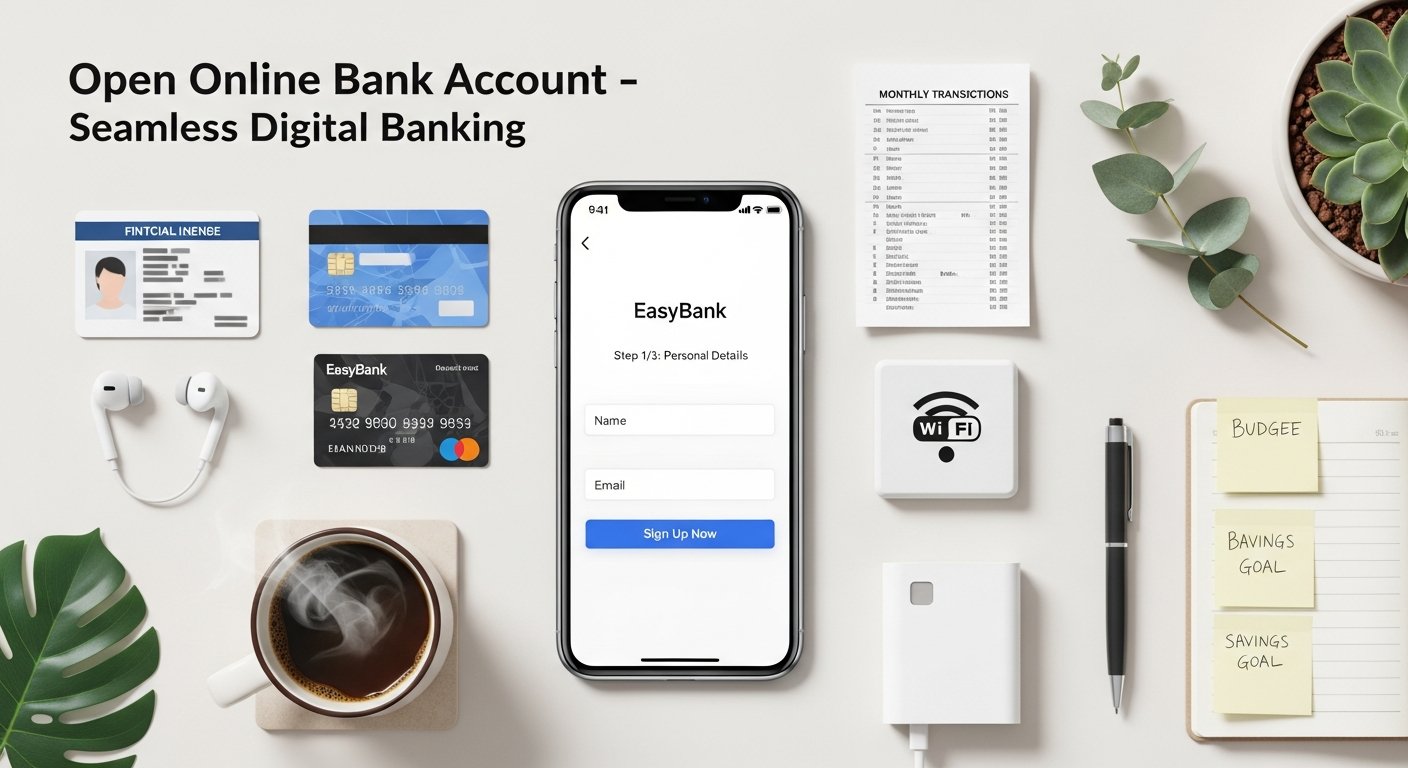
How to Open an Online Bank Account: Your Comprehensive Guide to Digital Banking in 2026
Affiliate disclosure: This article may contain affiliate links. Recommendations are independent and editorially driven.
The financial landscape is evolving at an unprecedented pace, with digital transformation reshaping how we manage our money. In 2026, the concept of a “bank” has expanded far beyond brick-and-mortar branches, embracing a vibrant ecosystem of online-only institutions and fintech platforms. The ability to open an online bank account has become not just a convenience, but a fundamental aspect of modern personal finance. This comprehensive guide from fin3go will navigate you through every facet of digital banking, empowering you to make informed decisions and harness the full potential of online financial services.
From understanding the myriad benefits to choosing the right platform, securing your assets, and embracing future innovations, we’ll cover everything you need to know. Whether you’re a digital native looking for seamless integration or a traditional banking user considering the switch, prepare to discover why opening an online bank account is one of the smartest financial moves you can make in today’s interconnected world.
The Digital Revolution: Why You Need to Open an Online Bank Account Now
The traditional banking model, while enduring, is increasingly being challenged by agile, technology-driven online alternatives. The shift towards digital-first financial services isn’t merely a trend; it’s a fundamental restructuring of how money is managed, spent, and saved. For consumers in 2026, embracing online banking is less about novelty and more about necessity, offering unparalleled accessibility, efficiency, and often, superior value.
The Irresistible Pull of Convenience and Accessibility
One of the most compelling reasons to open an online bank account is the sheer convenience it offers. Imagine managing all your financial affairs from the palm of your hand, anytime, anywhere. No more waiting in line at a branch, no restrictive banking hours, and no geographical limitations. Online banks provide 24/7 access to your funds and services via intuitive mobile apps and secure web portals. This means you can transfer money, pay bills, check balances, and even apply for loans while commuting, from your home, or on vacation, truly aligning banking with the rhythm of modern life.
This accessibility extends beyond mere convenience. For individuals in remote areas or those with limited mobility, online banking breaks down barriers, ensuring everyone can participate fully in the financial system without physical constraints.
Cost-Efficiency and Better Financial Products
Online banks operate with significantly lower overheads compared to their traditional counterparts, which maintain expensive branch networks and large staffs. These cost savings are often passed directly onto customers in the form of:
- Lower or No Fees: Many online banks boast zero monthly maintenance fees, no overdraft fees, and free ATM access (often through large networks or reimbursements).
- Higher Interest Rates: With reduced operational costs, online savings accounts frequently offer significantly higher annual percentage yields (APYs) than traditional banks, allowing your money to grow faster.
- Competitive Loan Rates: Similarly, online platforms can sometimes offer more attractive interest rates on personal loans, mortgages, and other credit products.
By choosing to open an online bank account, you’re not just saving time; you’re often saving money and earning more on your deposits, directly enhancing your financial well-being.
Innovation and Advanced Financial Tools
The fintech sector, where online banks thrive, is a hotbed of innovation. Digital banks are typically faster to adopt new technologies and integrate cutting-edge features that traditional banks may take years to implement. When you open an online bank account, you gain access to:
- Budgeting Tools: Many platforms offer integrated budgeting and spending trackers, categorizing your transactions automatically to provide a clear picture of your financial habits.
- Goal-Based Savings: Set specific savings goals (e.g., down payment, vacation, emergency fund) and automate transfers to dedicated sub-accounts.
- Instant Notifications: Receive real-time alerts for every transaction, deposit, or withdrawal, keeping you constantly informed and helping to spot suspicious activity immediately.
- Investment Integration: Some platforms seamlessly integrate banking with investment services, allowing you to manage your entire financial portfolio from a single dashboard.
- Virtual Cards and Digital Wallets: Enhanced security and convenience through virtual card numbers for online shopping and easy integration with Apple Pay, Google Pay, and other digital wallets.
These advanced tools empower users with greater control and insight into their finances, transforming banking from a chore into an intelligent, proactive management system.
[INLINE IMAGE 1: place after second H2 | alt=”open online bank account concept illustration”]
Unlocking the Benefits: Advantages of Online Banking
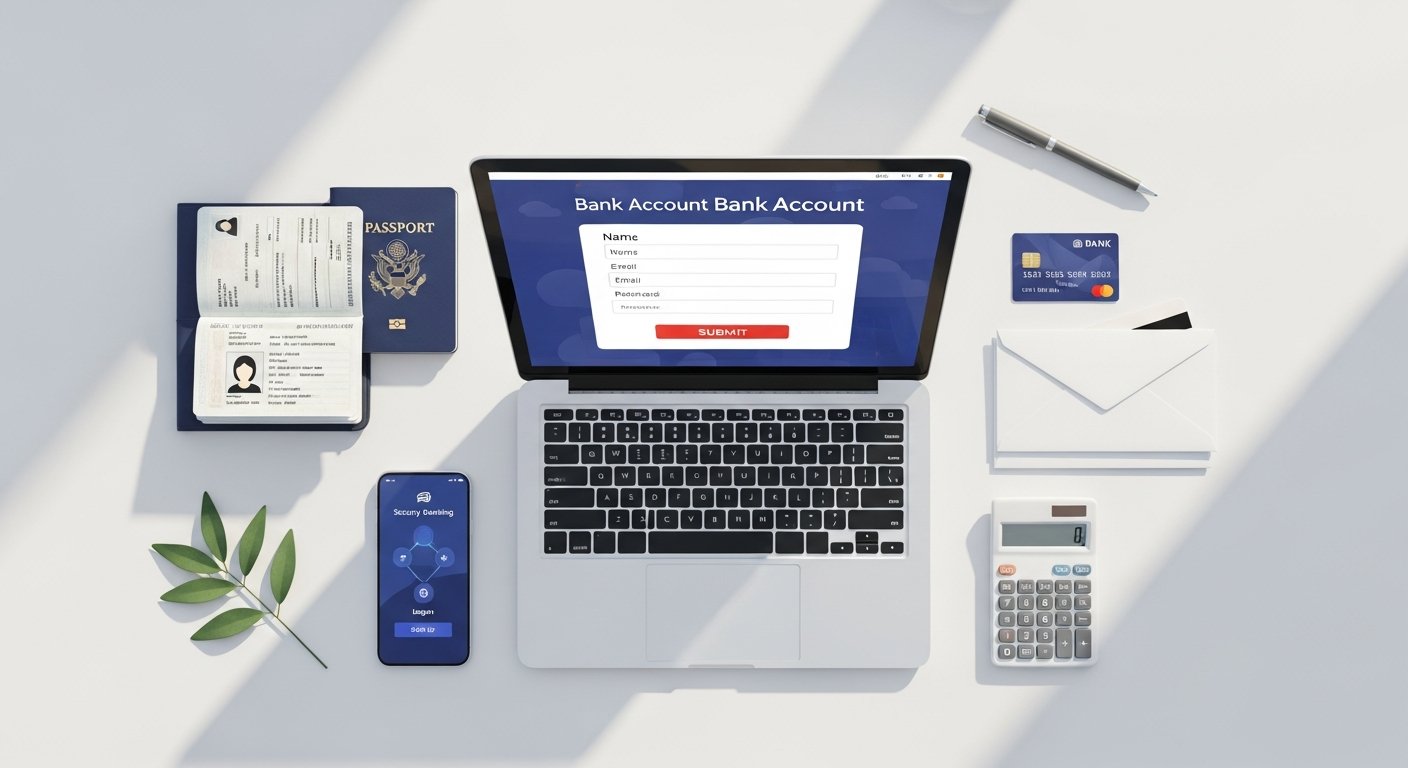
Beyond the fundamental reasons discussed, the practical advantages of online banking touch nearly every aspect of personal financial management. Understanding these benefits in detail can solidify your decision to open an online bank account and make the most of what digital financial services have to offer.
Streamlined Account Management and Real-time Control
Online banks excel in providing a highly intuitive user experience. Their platforms are designed for clarity and ease of use, making complex financial tasks feel simple. With a few taps or clicks, you can:
- View Transaction History: Access detailed records of all your spending and income, often with search and filter functions.
- Manage Recurring Payments: Set up and modify automatic bill payments and subscriptions with ease.
- Transfer Funds Instantly: Move money between your accounts, to friends and family, or to external accounts, often with immediate execution.
- Deposit Checks Digitally: Snap a photo of your check using your smartphone to deposit it, eliminating the need for physical visits.
This level of control empowers you to stay on top of your finances, identify discrepancies quickly, and react to financial events in real-time, preventing potential issues like overdrafts or missed payments.
Enhanced Security Measures and Fraud Protection
Despite common misconceptions, online banks often employ state-of-the-art security protocols that can surpass those of traditional institutions. When you open an online bank account, you benefit from:
- Advanced Encryption: All data transmitted between your device and the bank’s servers is heavily encrypted, protecting your personal and financial information.
- Multi-Factor Authentication (MFA): Requiring more than just a password (e.g., a code sent to your phone), MFA significantly reduces the risk of unauthorized access.
- Biometric Security: Many apps integrate fingerprint or facial recognition for secure and convenient login.
- Real-time Fraud Monitoring: Sophisticated algorithms continuously monitor your account for unusual activity, flagging and often preventing fraudulent transactions before they cause damage.
- FDIC/FSCS Insurance: Most legitimate online banks in the US (FDIC) or UK (FSCS) are federally insured, protecting your deposits up to the legal limit, just like traditional banks.
These layers of protection ensure that while your banking is online, your money remains safe and secure.
Global Accessibility and International Transfers
For individuals with international ties, whether for work, family, or travel, online banks offer significant advantages. Many digital platforms provide:
- Reduced Foreign Transaction Fees: Traditional banks often charge hefty fees for purchases made abroad or in foreign currencies. Many online banks offer cards with no foreign transaction fees.
- Competitive Exchange Rates: Access to better currency exchange rates compared to what you might find at airport kiosks or traditional banks.
- Easier International Money Transfers: Seamless integration with international transfer services, often at lower costs and faster speeds than conventional wire transfers.
- Multi-Currency Accounts: Some advanced platforms allow you to hold balances in multiple currencies, simplifying international financial management.
This global perspective makes opening an online bank account an attractive option for expatriates, frequent travelers, and anyone dealing with international finances.
Paperless Banking and Environmental Responsibility
Embracing online banking is also a step towards environmental sustainability. Digital-first operations inherently reduce paper consumption, from statements to application forms. This commitment to paperless banking contributes to a smaller carbon footprint and aligns with environmentally conscious consumer values. When you choose to open an online bank account, you’re not just simplifying your finances; you’re also making a subtle yet impactful contribution to a greener planet.
Choosing Your Digital Financial Partner: Types of Online Bank Accounts and Platforms
The landscape of online banking is diverse, offering a range of options that cater to different financial needs and preferences. Understanding these categories is crucial when you decide to open an online bank account, ensuring you select a platform that aligns with your lifestyle and financial goals.
Purely Online Banks (Neobanks/Challenger Banks)
These are institutions built from the ground up to be digital-first, with no physical branches. They often lead with innovative features, user-friendly interfaces, and a strong focus on mobile experience. Examples include Chime, Varo, Revolut, Monzo, and N26. Their primary appeal lies in:
- Low or No Fees: A common characteristic due to lower operational costs.
- High-Tech Features: Advanced budgeting tools, instant notifications, early paycheck access, and goal-based savings.
- User-Centric Design: Highly-rated mobile apps and intuitive web platforms.
Purely online banks are ideal for individuals comfortable with technology, seeking maximum convenience and modern financial management tools, and who rarely or never visit a physical branch.
Online Divisions of Traditional Banks
Many established banks have launched their own online-only divisions or enhanced their digital platforms to compete with neobanks. These offer the best of both worlds: the robust digital features of online banks combined with the reassurance and stability of a large, well-known institution. Examples might include Marcus by Goldman Sachs or certain high-yield savings accounts from major banks like Ally Bank (though Ally is often considered a pure online bank). The advantages here are:
- Brand Trust: The backing of a long-standing financial institution.
- Hybrid Options: Sometimes, limited access to physical branches for specific services, or the ability to link easily with existing accounts at the parent bank.
- Comprehensive Product Suites: Often offer a wider range of financial products like mortgages, investments, and business accounts.
These are suitable for those who want to open an online bank account but still value the perceived security and broad service offerings associated with traditional banking giants.
Fintech Apps and Digital Wallets with Banking Features
A rapidly growing segment includes fintech companies that initially offered payment processing or budgeting tools but have since expanded into banking services, often partnering with FDIC-insured banks. PayPal, Square (Cash App), and Venmo are examples that now offer debit cards and direct deposit capabilities, effectively functioning as basic bank accounts. Key characteristics include:
- Seamless Integration: Often integrated with other services you already use (e.g., peer-to-peer payments, online shopping).
- Ease of Use: Designed for quick transactions and mobile-first interactions.
- Specific Use Cases: May be better suited for specific needs like sending money to friends, rather than as a primary checking account for all financial activity.
These platforms are excellent for individuals who want to open an online bank account for specific transactional purposes or as a supplementary account, leveraging their existing familiarity with the app.
Specialized Online Accounts
Beyond general checking and savings, there are specialized online accounts designed for particular financial goals:
- High-Yield Savings Accounts (HYSAs): Exclusively focused on maximizing interest earnings on your savings.
- Money Market Accounts (MMAs): Often offer higher rates than traditional savings accounts and sometimes come with check-writing privileges.
- Certificate of Deposit (CDs): Time-bound savings accounts with fixed interest rates, usually higher than standard savings, ideal for long-term goals.
When you decide to open an online bank account, consider if a specialized option can help you achieve specific savings or investment objectives more effectively.
[INLINE IMAGE 2: place after fourth H2 | alt=”open online bank account comparison illustration”]
The Step-by-Step Process: How to Open an Online Bank Account Effortlessly
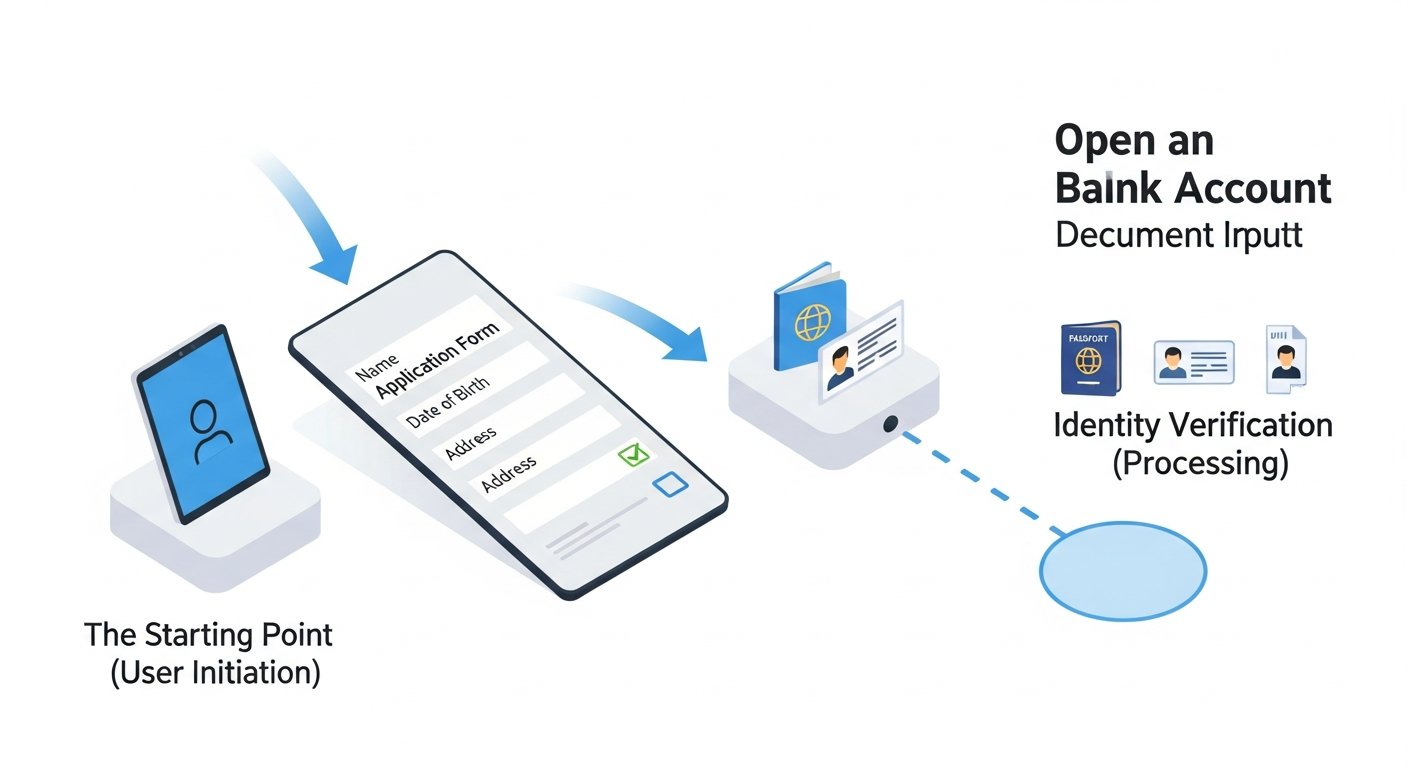
Opening an online bank account is typically a straightforward and swift process, designed for user convenience. While specific steps might vary slightly between institutions, the general procedure remains consistent. Here’s a detailed guide to help you navigate it.
Step 1: Research and Compare Online Banks
Before you begin the application, thorough research is paramount. Consider your financial needs and priorities:
- Fees: Are there monthly maintenance fees, overdraft fees, or ATM fees?
- Interest Rates: What APY do they offer on checking or savings accounts?
- Features: Do they have budgeting tools, goal-based savings, early direct deposit, or specific mobile app functionalities you desire?
- ATM Access: What ATM network do they use? Do they offer fee reimbursements?
- Customer Service: How can you reach support (chat, phone, email)? Are they available 24/7?
- FDIC/FSCS Insurance: Ensure your chosen bank is federally insured to protect your deposits.
- Reviews: Check independent reviews and ratings from other users.
Utilize comparison websites and expert reviews (like those on fin3go) to narrow down your choices. This initial step is critical to ensure you select the best platform when you go to open an online bank account.
Step 2: Gather Required Documentation
To comply with “Know Your Customer” (KYC) regulations and prevent fraud, online banks will require certain personal information. Have these documents ready to expedite your application:
- Proof of Identity: Government-issued photo ID (driver’s license, passport, state ID). You’ll typically need to take a photo of this document.
- Social Security Number (SSN) or Individual Taxpayer Identification Number (ITIN): For identity verification and tax purposes.
- Proof of Address: A utility bill, lease agreement, or another official document showing your current residential address.
- Initial Deposit Information: While not always required immediately, be prepared with a routing and account number from an existing bank account to fund your new online account, or a debit card for instant transfers.
Ensure your documents are current and clearly legible for smooth verification.
Step 3: Complete the Online Application Form
Navigate to the chosen bank’s website or download their mobile app. Look for a prominent button like “Open Account,” “Apply Now,” or “Sign Up.” The application process typically involves:
- Personal Information: Full name, date of birth, address, phone number, and email.
- Security Questions: Setting up questions for account recovery.
- Consent Forms: Agreeing to terms and conditions, privacy policies, and electronic disclosure agreements.
- Identity Verification: Uploading photos of your ID, and sometimes a selfie to match your face to the ID (liveness detection).
The entire form usually takes 5-15 minutes to complete. Be sure to double-check all information for accuracy before submitting.
Step 4: Fund Your New Account
Once your application is approved, you’ll need to make an initial deposit. Common methods include:
- Electronic Transfer (ACH): Linking your new online account to an existing bank account and initiating a transfer. This is usually free but can take 1-3 business days.
- Debit Card Transfer: Some banks allow instant funding via a debit card from another bank, though there might be limits or small fees.
- Mobile Check Deposit: If you have a physical check, you can deposit it using the bank’s mobile app.
- Direct Deposit: You can set up direct deposit from your employer to fund your account regularly.
Many online banks have low or no minimum initial deposit requirements, making them accessible to a wider range of users.
Step 5: Activate Your Debit Card and Explore Features
After your account is funded, your new debit card will typically arrive by mail within 5-10 business days. Once it arrives:
- Activate Your Card: Follow the instructions provided, usually by calling a number or activating through the mobile app.
- Set Up PIN: Choose a secure Personal Identification Number for transactions.
- Download the Mobile App: If you haven’t already, download the bank’s app and familiarize yourself with its interface.
- Explore Features: Set up budgeting tools, savings goals, bill pay, and link to digital wallets like Apple Pay or Google Pay.
By following these steps, you can successfully open an online bank account and begin enjoying the convenience and benefits of digital banking. This seamless transition is one of the key reasons why more and more individuals choose to manage their finances this way.
Learn more about securing your digital financial identity.
What to Look For: Essential Features and Services in Online Banking
When you decide to open an online bank account, it’s not just about finding a bank; it’s about finding a financial partner that offers the specific features and services you need to manage your money effectively. The best online banks provide a robust suite of tools that go beyond basic transactions. Here’s a breakdown of crucial elements to consider:
User Experience and Mobile App Functionality
Since online banking is primarily digital, the quality of its user interface (UI) and user experience (UX) is paramount. A good online bank will offer:
- Intuitive Mobile App: Easy to navigate, visually appealing, and responsive across different devices.
- Comprehensive Features on Mobile: Most functionalities available on the web portal should also be accessible via the app (e.g., bill pay, transfers, statements, budgeting).
- Biometric Login: Fingerprint or face ID for quick and secure access.
- Customizable Notifications: Alerts for transactions, low balances, and other account activities.
A clunky or difficult-to-use app can quickly negate the convenience benefits of online banking, so test-driving the app (if possible via demos or reviews) is a wise move.
Fee Structure and Interest Rates
One of the main draws of online banks is their often-superior fee structure and interest rates. Prioritize banks that offer:
- No Monthly Maintenance Fees: The standard for many online checking accounts.
- Free ATM Access: Through a large network (e.g., Allpoint, MoneyPass) or fee reimbursements for out-of-network ATMs.
- No Overdraft Fees: Some banks offer overdraft protection or simply decline transactions that would overdraw your account, avoiding costly penalties.
- High-Yield Savings Accounts (HYSAs): Look for competitive Annual Percentage Yields (APYs) that significantly outperform traditional banks.
- Low or No Foreign Transaction Fees: Essential for travelers or those who shop internationally.
Always read the fine print regarding fees, as some “no-fee” accounts might have conditional requirements.
Customer Service and Support Channels
While you won’t walk into a branch, effective customer support is still vital. Assess the availability and quality of their support channels:
- 24/7 Support: Via phone, chat, or email.
- Responsive Live Chat: A quick way to get answers to simple questions.
- Knowledgeable Representatives: Are support staff well-informed and helpful?
- Self-Service Options: Robust FAQ sections, online help centers, and automated phone systems for common queries.
Consider what support methods you prefer and ensure your chosen bank offers them. This is a critical factor when you open an online bank account, especially if you foresee needing assistance.
Security, Fraud Protection, and FDIC/FSCS Insurance
Your money’s safety should be non-negotiable. Confirm these security measures:
- FDIC (US) / FSCS (UK) Insurance: Ensures your deposits are protected up to the legal limit ($250,000 in the US) in case the bank fails. This is a foundational requirement.
- Multi-Factor Authentication (MFA): Adds an extra layer of security beyond your password.
- Advanced Encryption: For all data transmission.
- Real-time Fraud Monitoring: Proactive detection of suspicious activity.
- Debit Card Controls: Ability to instantly lock/unlock your card via the app.
Never compromise on security when you decide to open an online bank account.
Additional Features and Integrations
Beyond the basics, many online banks offer innovative features that enhance financial management:
- Budgeting and Spending Trackers: Automatically categorize transactions and visualize your spending habits.
- Goal-Based Savings: Create separate “pots” or sub-accounts for specific savings goals.
- Early Paycheck Access: Some banks offer direct deposit up to two days early.
- Virtual Cards: Disposable or single-use card numbers for enhanced online shopping security.
- Integration with Payment Apps: Seamless linking with Venmo, PayPal, Apple Pay, Google Pay.
- Investment Options: Some platforms integrate basic investment tools.
Identify which of these advanced features would truly benefit your financial routine. The more integrated and intelligent the platform, the more value it can add to your daily financial life after you open an online bank account.
Explore the top fintech apps for personal finance.
Top Contenders: A Comparison of Leading Online Banks and Fintech Apps
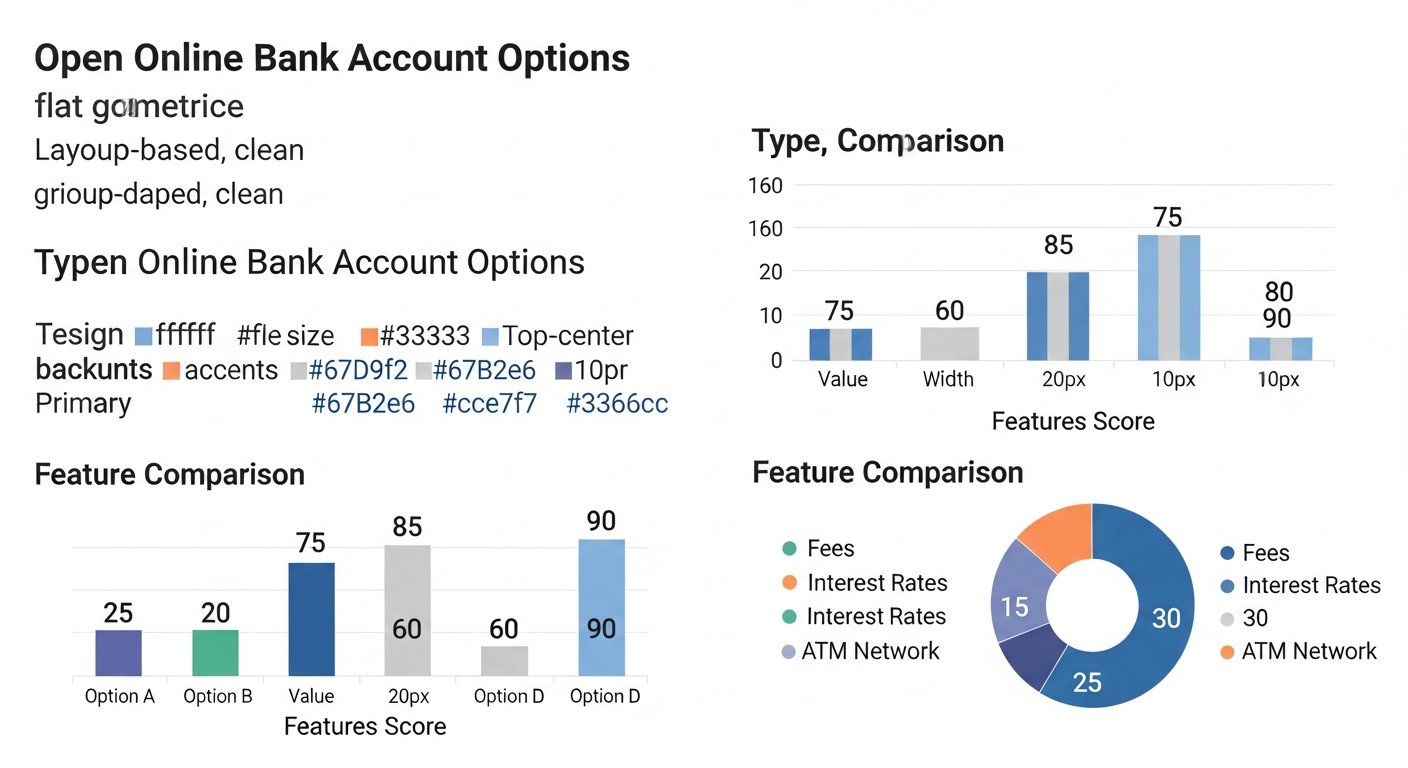
The choice of where to open an online bank account can be overwhelming given the multitude of excellent options available in 2026. To simplify your decision, fin3go has analyzed some of the leading pure online banks and fintech platforms that offer robust banking services. This comparison table highlights key aspects to consider, followed by more detailed descriptions.
| Provider | Key Features & Strengths | Typical Fees | Savings APY (Approx.) | Ideal User |
|---|---|---|---|---|
| Ally Bank | High-yield savings, strong digital tools, 24/7 customer service, vast ATM network (Allpoint). Comprehensive product suite including investing. | No monthly fees, no overdraft fees (if linked to savings), no foreign transaction fees. | 4.00%+ | Customers seeking high-yield savings, robust digital experience, and a full suite of banking/investing products from an online leader. |
| Chime | Early paycheck access, SpotMe overdraft protection (fee-free), Credit Builder card, fee-free ATM network. Focus on spending insights. | No monthly fees, no overdraft fees, no foreign transaction fees. Small out-of-network ATM fee. | 2.00%+ | Individuals prioritizing early access to funds, overdraft protection, and tools to build credit, often with frequent paycheck cycles. |
| SoFi Bank | High-yield checking & savings with direct deposit, investment platform integration, student loan refinancing, career coaching. Comprehensive financial hub. | No monthly fees, no overdraft fees. Access to 55,000+ fee-free ATMs. | 4.50%+ (with direct deposit) | Young professionals, those with student loans, and users looking for an all-in-one financial platform that combines banking, investing, and lending. |
| Revolut | Global money transfers, multi-currency accounts, budgeting tools, crypto trading, travel insurance. Strong international focus. | Free standard plan; premium tiers for advanced features (monthly fee). Interbank exchange rates with fair usage limits. | Variable (depending on currency/tier) | Frequent international travelers, expatriates, and individuals needing seamless multi-currency management and advanced financial tools. |
| Varo Bank | Early paycheck access, fee-free overdraft up to $100, high-yield savings, Varo Believe Secured Credit Card. Focus on financial empowerment. | No monthly fees, no overdraft fees, no foreign transaction fees. 40,000+ fee-free ATMs. | 3.00-5.00%+ (with qualifying activities) | Users seeking to improve their financial health, access to early paychecks, and a bank focused on helping them save and build credit. |
Detailed Look at Key Players
Ally Bank
Ally Bank remains a standard-bearer for online banking, consistently ranking high for its robust offerings. If you’re looking to open an online bank account with a blend of stability and innovation, Ally is an excellent choice. It offers competitive APYs on both checking and savings accounts, an expansive network of fee-free ATMs (over 43,000 Allpoint ATMs), and 24/7 customer support. Beyond banking, Ally also provides a full suite of investment services, making it a comprehensive solution for many users.
Chime
Chime has disrupted the market by focusing on underserved segments and offering user-friendly features. Their ‘SpotMe’ feature provides fee-free overdraft protection, and ‘Pay Anyone’ allows instant transfers to other Chime users. A key differentiator is early access to paychecks (up to two days early with direct deposit). Chime’s Credit Builder Secured Visa® Credit Card is also a popular feature for those looking to improve their credit score responsibly. It’s an ideal choice if you want to open an online bank account that helps manage cash flow and build credit.
SoFi Bank
SoFi has evolved from a lending platform into a full-fledged financial institution. Their integrated platform allows users to manage banking, investing, and loans all in one place. With competitive APYs for both checking and savings (especially with direct deposit), extensive ATM access, and no overdraft fees, SoFi is compelling. They also offer unique perks like career coaching and financial planning services, appealing to a demographic seeking holistic financial wellness.
Revolut
Revolut is a global fintech leader, particularly strong for those with international needs. When you open an online bank account with Revolut, you get multi-currency accounts, excellent exchange rates, and easy international transfers. Their budgeting tools are advanced, and they offer unique features like disposable virtual cards and crypto trading. While basic accounts are free, premium tiers offer additional benefits for frequent travelers or those needing more extensive features, but come with a monthly fee.
Varo Bank
Varo Bank stands out as a federally chartered online bank dedicated to helping customers improve their financial health. Like Chime, Varo offers early paycheck access and fee-free overdraft protection (Varo Advance). Its high-yield savings account has tiered APY that rewards consistent saving behavior. The Varo Believe Secured Credit Card helps users build credit without an annual fee or credit check. It’s a solid option if your primary goal when you open an online bank account is to save more and build a stronger financial foundation.
This comparison should provide a solid starting point for your research. Remember to visit each bank’s official website for the most up-to-date information on fees, interest rates, and specific features before making your final decision.
Fortifying Your Funds: Security and Fraud Prevention in Online Banking
A primary concern for many considering to open an online bank account is security. In 2026, online banking platforms employ sophisticated, multi-layered security measures that often surpass the protections found in traditional banking. Understanding these safeguards can help alleviate concerns and empower you to bank online with confidence.
Advanced Encryption Protocols
Every piece of data transmitted between your device and the online bank’s servers is protected by robust encryption. This typically involves Transport Layer Security (TLS) and Secure Sockets Layer (SSL) protocols, which scramble information, making it unreadable to unauthorized parties. This ensures that your personal details, account numbers, and transaction data remain confidential and secure from eavesdropping during transit.
Multi-Factor Authentication (MFA)
MFA is a critical security layer that most reputable online banks mandate. Beyond just a username and password, MFA requires a second form of verification, such as:
- A unique code sent to your registered mobile phone or email.
- A biometric scan (fingerprint or facial recognition).
- A response to a security question you previously set up.
- Confirmation through a separate authenticator app.
Even if a fraudster obtains your password, they cannot access your account without this second factor, drastically reducing the risk of unauthorized access. This is a non-negotiable feature when you open an online bank account.
Real-time Fraud Monitoring and Alerts
Online banks leverage artificial intelligence and machine learning to continuously monitor transactions for unusual or suspicious activity. These systems can detect patterns indicative of fraud, such as:
- Large or unusual transactions.
- Purchases made in uncharacteristic locations.
- Multiple small transactions in quick succession.
If suspicious activity is detected, the bank will typically alert you immediately via text, email, or an in-app notification, allowing you to confirm or deny the transaction. This proactive approach can prevent significant financial losses. Many banks also offer the ability to “lock” or “freeze” your debit card instantly from the mobile app if it’s lost or stolen.
FDIC (US) or FSCS (UK) Insurance
For accounts based in the United States, ensure the online bank is a member of the Federal Deposit Insurance Corporation (FDIC). This means your deposits are insured up to $250,000 per depositor, per insured bank, for each account ownership category. Similarly, in the United Kingdom, the Financial Services Compensation Scheme (FSCS) protects deposits up to £85,000. This insurance is a fundamental safety net, guaranteeing that your money is safe even if the bank were to fail. Always verify this insurance before you open an online bank account.
Secure Account Access and Password Best Practices
While banks implement robust security, your own practices play a crucial role:
- Strong, Unique Passwords: Use complex passwords for your banking accounts that are different from those used for other online services. Consider using a password manager.
- Secure Internet Connection: Always access your online bank account over a secure, private Wi-Fi network. Avoid public Wi-Fi networks for sensitive transactions.
- Keep Software Updated: Ensure your operating system, web browser, and banking apps are always updated to the latest versions to benefit from the newest security patches.
- Monitor Statements: Regularly review your transaction history for any unauthorized activity.
- Beware of Phishing: Be highly suspicious of emails, texts, or calls requesting personal or account information. Online banks will rarely ask for sensitive data via these channels.
By combining the advanced security features of online banks with diligent personal practices, you can confidently manage your finances digitally, knowing your funds are well-protected. The decision to open an online bank account means entrusting your money to a highly secure digital environment.
Discover effective strategies for managing your personal finance technology.
Navigating Challenges: Common Issues and Solutions in Digital Banking
While the benefits of online banking are substantial, it’s also important to be aware of potential challenges and how to address them. Understanding these nuances before you open an online bank account can help ensure a smooth and satisfying digital banking experience.
Limited or No Cash Deposit Options
One of the most frequent challenges with pure online banks is the lack of a physical branch network for cash deposits. If your income or transactions often involve cash, this can be an inconvenience.
- Solution: Many online banks partner with retail stores (e.g., Walmart, Walgreens, 7-Eleven) where you can deposit cash using your debit card or a barcode. Some offer money orders as an alternative. Another strategy is to maintain a basic account with a local traditional bank solely for cash deposits, then transfer the funds electronically to your online account.
Reliance on Technology and Internet Access
Online banking inherently requires access to a smartphone, computer, and a reliable internet connection. If you experience technical difficulties, app glitches, or a lack of internet access, it can hinder your ability to manage your money.
- Solution: Ensure your devices are kept updated and have sufficient battery life. Always have a backup plan, such as a physical debit card for emergencies. Most online banks offer phone banking services as an alternative if internet access is an issue. Be familiar with their customer service contact information.
Potential for Digital Fraud and Scams
While online banks have robust security, the digital nature of interactions means users must be vigilant against phishing, smishing (SMS phishing), and other online scams designed to trick you into revealing sensitive information.
- Solution: Never click on suspicious links or provide personal information in response to unsolicited emails or texts. Always verify the sender and URL. Use strong, unique passwords and multi-factor authentication. Regularly monitor your account statements for any unauthorized transactions and report them immediately. Educate yourself on common scam tactics.
No Face-to-Face Interaction for Complex Issues
For individuals who prefer in-person support for complex financial decisions or issues, the absence of physical branches can be a drawback.
- Solution: Most online banks compensate with excellent digital customer service channels, including 24/7 phone support, live chat, and comprehensive online help centers. For truly complex issues, some may offer video conferencing with a financial advisor. Research the bank’s customer service reputation thoroughly before you open an online bank account.
Less Familiarity with Fintech Interfaces
For users accustomed to traditional banking interfaces, the sleek, often minimalist design of fintech apps can sometimes feel unfamiliar or overwhelming initially.
- Solution: Take your time to explore the app’s features. Many online banks provide tutorials or FAQs to guide new users. Start with basic transactions and gradually familiarize yourself with more advanced features like budgeting tools or goal-based savings. User reviews often highlight the ease of use, which can be a good indicator.
Overdraft Limits and Policies
While many online banks pride themselves on reducing or eliminating overdraft fees, their overdraft policies can still vary. Some might simply decline transactions that would overdraw your account, while others offer limited “fee-free overdraft” services with specific eligibility requirements.
- Solution: Understand your chosen bank’s specific overdraft policy before you open an online bank account. Link your checking account to a savings account for automatic transfers to cover potential overdrafts. Utilize budgeting tools and balance alerts to monitor your spending proactively and avoid going into the red.
By being aware of these potential challenges and knowing the available solutions, you can confidently navigate the world of online banking and maximize its many advantages. The key is to choose an online bank that best mitigates these challenges for your specific financial habits.
The Future is Now: Emerging Trends and Innovations in Online Banking
The digital banking revolution is far from over. In 2026, the sector continues to evolve rapidly, introducing groundbreaking technologies and enhanced services that promise an even more personalized, secure, and integrated financial experience. When you decide to open an online bank account today, you’re not just choosing a current service; you’re investing in a future-proof financial partner.
Hyper-Personalization Driven by AI and Machine Learning
Artificial Intelligence (AI) and Machine Learning (ML) are moving beyond basic fraud detection to offer highly personalized financial insights and recommendations. Future online banking will feature:
- Predictive Budgeting: AI will analyze spending patterns to predict future expenses and suggest optimal savings strategies tailored to your lifestyle.
- Personalized Financial Advice: Rather than generic tips, AI-powered chatbots and virtual assistants will provide specific recommendations for debt repayment, investment opportunities, or wealth building based on your individual financial profile and goals.
- Proactive Alerts: Beyond simple balance
How to Open an Online Bank Account: Your Comprehensive Guide to Digital Banking in 2026
Affiliate disclosure: This article may contain affiliate links. Recommendations are independent and editorially driven.
The financial landscape is evolving at an unprecedented pace, with digital transformation reshaping how we manage our money. In 2026, the concept of a “bank” has expanded far beyond brick-and-mortar branches, embracing a vibrant ecosystem of online-only institutions and fintech platforms. The ability to open an online bank account has become not just a convenience, but a fundamental aspect of modern personal finance. This comprehensive guide from fin3go will navigate you through every facet of digital banking, empowering you to make informed decisions and harness the full potential of online financial services.
From understanding the myriad benefits to choosing the right platform, securing your assets, and embracing future innovations, we’ll cover everything you need to know. Whether you’re a digital native looking for seamless integration or a traditional banking user considering the switch, prepare to discover why opening an online bank account is one of the smartest financial moves you can make in today’s interconnected world.
The Digital Revolution: Why You Need to Open an Online Bank Account Now
The traditional banking model, while enduring, is increasingly being challenged by agile, technology-driven online alternatives. The shift towards digital-first financial services isn’t merely a trend; it’s a fundamental restructuring of how money is managed, spent, and saved. For consumers in 2026, embracing online banking is less about novelty and more about necessity, offering unparalleled accessibility, efficiency, and often, superior value.
The Irresistible Pull of Convenience and Accessibility
One of the most compelling reasons to open an online bank account is the sheer convenience it offers. Imagine managing all your financial affairs from the palm of your hand, anytime, anywhere. No more waiting in line at a branch, no restrictive banking hours, and no geographical limitations. Online banks provide 24/7 access to your funds and services via intuitive mobile apps and secure web portals. This means you can transfer money, pay bills, check balances, and even apply for loans while commuting, from your home, or on vacation, truly aligning banking with the rhythm of modern life.
This accessibility extends beyond mere convenience. For individuals in remote areas or those with limited mobility, online banking breaks down barriers, ensuring everyone can participate fully in the financial system without physical constraints.
Cost-Efficiency and Better Financial Products
Online banks operate with significantly lower overheads compared to their traditional counterparts, which maintain expensive branch networks and large staffs. These cost savings are often passed directly onto customers in the form of:
- Lower or No Fees: Many online banks boast zero monthly maintenance fees, no overdraft fees, and free ATM access (often through large networks or reimbursements).
- Higher Interest Rates: With reduced operational costs, online savings accounts frequently offer significantly higher annual percentage yields (APYs) than traditional banks, allowing your money to grow faster.
- Competitive Loan Rates: Similarly, online platforms can sometimes offer more attractive interest rates on personal loans, mortgages, and other credit products.
By choosing to open an online bank account, you’re not just saving time; you’re often saving money and earning more on your deposits, directly enhancing your financial well-being.
Innovation and Advanced Financial Tools
The fintech sector, where online banks thrive, is a hotbed of innovation. Digital banks are typically faster to adopt new technologies and integrate cutting-edge features that traditional banks may take years to implement. When you open an online bank account, you gain access to:
- Budgeting Tools: Many platforms offer integrated budgeting and spending trackers, categorizing your transactions automatically to provide a clear picture of your financial habits.
- Goal-Based Savings: Set specific savings goals (e.g., down payment, vacation, emergency fund) and automate transfers to dedicated sub-accounts.
- Instant Notifications: Receive real-time alerts for every transaction, deposit, or withdrawal, keeping you constantly informed and helping to spot suspicious activity immediately.
- Investment Integration: Some platforms seamlessly integrate banking with investment services, allowing you to manage your entire financial portfolio from a single dashboard.
- Virtual Cards and Digital Wallets: Enhanced security and convenience through virtual card numbers for online shopping and easy integration with Apple Pay, Google Pay, and other digital wallets.
These advanced tools empower users with greater control and insight into their finances, transforming banking from a chore into an intelligent, proactive management system.
[INLINE IMAGE 1: place after second H2 | alt=”open online bank account concept illustration”]
Unlocking the Benefits: Advantages of Online Banking
Beyond the fundamental reasons discussed, the practical advantages of online banking touch nearly every aspect of personal financial management. Understanding these benefits in detail can solidify your decision to open an online bank account and make the most of what digital financial services have to offer.
Streamlined Account Management and Real-time Control
Online banks excel in providing a highly intuitive user experience. Their platforms are designed for clarity and ease of use, making complex financial tasks feel simple. With a few taps or clicks, you can:
- View Transaction History: Access detailed records of all your spending and income, often with search and filter functions.
- Manage Recurring Payments: Set up and modify automatic bill payments and subscriptions with ease.
- Transfer Funds Instantly: Move money between your accounts, to friends and family, or to external accounts, often with immediate execution.
- Deposit Checks Digitally: Snap a photo of your check using your smartphone to deposit it, eliminating the need for physical visits.
This level of control empowers you to stay on top of your finances, identify discrepancies quickly, and react to financial events in real-time, preventing potential issues like overdrafts or missed payments.
Enhanced Security Measures and Fraud Protection
Despite common misconceptions, online banks often employ state-of-the-art security protocols that can surpass those of traditional institutions. When you open an online bank account, you benefit from:
- Advanced Encryption: All data transmitted between your device and the bank’s servers is heavily encrypted, protecting your personal and financial information.
- Multi-Factor Authentication (MFA): Requiring more than just a password (e.g., a code sent to your phone), MFA significantly reduces the risk of unauthorized access.
- Biometric Security: Many apps integrate fingerprint or facial recognition for secure and convenient login.
- Real-time Fraud Monitoring: Sophisticated algorithms continuously monitor your account for unusual activity, flagging and often preventing fraudulent transactions before they cause damage.
- FDIC/FSCS Insurance: Most legitimate online banks in the US (FDIC) or UK (FSCS) are federally insured, protecting your deposits up to the legal limit, just like traditional banks.
These layers of protection ensure that while your banking is online, your money remains safe and secure.
Global Accessibility and International Transfers
For individuals with international ties, whether for work, family, or travel, online banks offer significant advantages. Many digital platforms provide:
- Reduced Foreign Transaction Fees: Traditional banks often charge hefty fees for purchases made abroad or in foreign currencies. Many online banks offer cards with no foreign transaction fees.
- Competitive Exchange Rates: Access to better currency exchange rates compared to what you might find at airport kiosks or traditional banks.
- Easier International Money Transfers: Seamless integration with international transfer services, often at lower costs and faster speeds than conventional wire transfers.
- Multi-Currency Accounts: Some advanced platforms allow you to hold balances in multiple currencies, simplifying international financial management.
This global perspective makes opening an online bank account an attractive option for expatriates, frequent travelers, and anyone dealing with international finances.
Paperless Banking and Environmental Responsibility
Embracing online banking is also a step towards environmental sustainability. Digital-first operations inherently reduce paper consumption, from statements to application forms. This commitment to paperless banking contributes to a smaller carbon footprint and aligns with environmentally conscious consumer values. When you choose to open an online bank account, you’re not just simplifying your finances; you’re also making a subtle yet impactful contribution to a greener planet.
Choosing Your Digital Financial Partner: Types of Online Bank Accounts and Platforms
The landscape of online banking is diverse, offering a range of options that cater to different financial needs and preferences. Understanding these categories is crucial when you decide to open an online bank account, ensuring you select a platform that aligns with your lifestyle and financial goals.
Purely Online Banks (Neobanks/Challenger Banks)
These are institutions built from the ground up to be digital-first, with no physical branches. They often lead with innovative features, user-friendly interfaces, and a strong focus on mobile experience. Examples include Chime, Varo, Revolut, Monzo, and N26. Their primary appeal lies in:
- Low or No Fees: A common characteristic due to lower operational costs.
- High-Tech Features: Advanced budgeting tools, instant notifications, early paycheck access, and goal-based savings.
- User-Centric Design: Highly-rated mobile apps and intuitive web platforms.
Purely online banks are ideal for individuals comfortable with technology, seeking maximum convenience and modern financial management tools, and who rarely or never visit a physical branch.
Online Divisions of Traditional Banks
Many established banks have launched their own online-only divisions or enhanced their digital platforms to compete with neobanks. These offer the best of both worlds: the robust digital features of online banks combined with the reassurance and stability of a large, well-known institution. Examples might include Marcus by Goldman Sachs or certain high-yield savings accounts from major banks like Ally Bank (though Ally is often considered a pure online bank). The advantages here are:
- Brand Trust: The backing of a long-standing financial institution.
- Hybrid Options: Sometimes, limited access to physical branches for specific services, or the ability to link easily with existing accounts at the parent bank.
- Comprehensive Product Suites: Often offer a wider range of financial products like mortgages, investments, and business accounts.
These are suitable for those who want to open an online bank account but still value the perceived security and broad service offerings associated with traditional banking giants.
Fintech Apps and Digital Wallets with Banking Features
A rapidly growing segment includes fintech companies that initially offered payment processing or budgeting tools but have since expanded into banking services, often partnering with FDIC-insured banks. PayPal, Square (Cash App), and Venmo are examples that now offer debit cards and direct deposit capabilities, effectively functioning as basic bank accounts. Key characteristics include:
- Seamless Integration: Often integrated with other services you already use (e.g., peer-to-peer payments, online shopping).
- Ease of Use: Designed for quick transactions and mobile-first interactions.
- Specific Use Cases: May be better suited for specific needs like sending money to friends, rather than as a primary checking account for all financial activity.
These platforms are excellent for individuals who want to open an online bank account for specific transactional purposes or as a supplementary account, leveraging their existing familiarity with the app.
Specialized Online Accounts
Beyond general checking and savings, there are specialized online accounts designed for particular financial goals:
- High-Yield Savings Accounts (HYSAs): Exclusively focused on maximizing interest earnings on your savings.
- Money Market Accounts (MMAs): Often offer higher rates than traditional savings accounts and sometimes come with check-writing privileges.
- Certificate of Deposit (CDs): Time-bound savings accounts with fixed interest rates, usually higher than standard savings, ideal for long-term goals.
When you decide to open an online bank account, consider if a specialized option can help you achieve specific savings or investment objectives more effectively.
[INLINE IMAGE 2: place after fourth H2 | alt=”open online bank account comparison illustration”]
The Step-by-Step Process: How to Open an Online Bank Account Effortlessly
Opening an online bank account is typically a straightforward and swift process, designed for user convenience. While specific steps might vary slightly between institutions, the general procedure remains consistent. Here’s a detailed guide to help you navigate it.
Step 1: Research and Compare Online Banks
Before you begin the application, thorough research is paramount. Consider your financial needs and priorities:
- Fees: Are there monthly maintenance fees, overdraft fees, or ATM fees?
- Interest Rates: What APY do they offer on checking or savings accounts?
- Features: Do they have budgeting tools, goal-based savings, early direct deposit, or specific mobile app functionalities you desire?
- ATM Access: What ATM network do they use? Do they offer fee reimbursements?
- Customer Service: How can you reach support (chat, phone, email)? Are they available 24/7?
- FDIC/FSCS Insurance: Ensure your chosen bank is federally insured to protect your deposits.
- Reviews: Check independent reviews and ratings from other users.
Utilize comparison websites and expert reviews (like those on fin3go) to narrow down your choices. This initial step is critical to ensure you select the best platform when you go to open an online bank account.
Step 2: Gather Required Documentation
To comply with “Know Your Customer” (KYC) regulations and prevent fraud, online banks will require certain personal information. Have these documents ready to expedite your application:
- Proof of Identity: Government-issued photo ID (driver’s license, passport, state ID). You’ll typically need to take a photo of this document.
- Social Security Number (SSN) or Individual Taxpayer Identification Number (ITIN): For identity verification and tax purposes.
- Proof of Address: A utility bill, lease agreement, or another official document showing your current residential address.
- Initial Deposit Information: While not always required immediately, be prepared with a routing and account number from an existing bank account to fund your new online account, or a debit card for instant transfers.
Ensure your documents are current and clearly legible for smooth verification.
Step 3: Complete the Online Application Form
Navigate to the chosen bank’s website or download their mobile app. Look for a prominent button like “Open Account,” “Apply Now,” or “Sign Up.” The application process typically involves:
- Personal Information: Full name, date of birth, address, phone number, and email.
- Security Questions: Setting up questions for account recovery.
- Consent Forms: Agreeing to terms and conditions, privacy policies, and electronic disclosure agreements.
- Identity Verification: Uploading photos of your ID, and sometimes a selfie to match your face to the ID (liveness detection).
The entire form usually takes 5-15 minutes to complete. Be sure to double-check all information for accuracy before submitting.
Step 4: Fund Your New Account
Once your application is approved, you’ll need to make an initial deposit. Common methods include:
- Electronic Transfer (ACH): Linking your new online account to an existing bank account and initiating a transfer. This is usually free but can take 1-3 business days.
- Debit Card Transfer: Some banks allow instant funding via a debit card from another bank, though there might be limits or small fees.
- Mobile Check Deposit: If you have a physical check, you can deposit it using the bank’s mobile app.
- Direct Deposit: You can set up direct deposit from your employer to fund your account regularly.
Many online banks have low or no minimum initial deposit requirements, making them accessible to a wider range of users.
Step 5: Activate Your Debit Card and Explore Features
After your account is funded, your new debit card will typically arrive by mail within 5-10 business days. Once it arrives:
- Activate Your Card: Follow the instructions provided, usually by calling a number or activating through the mobile app.
- Set Up PIN: Choose a secure Personal Identification Number for transactions.
- Download the Mobile App: If you haven’t already, download the bank’s app and familiarize yourself with its interface.
- Explore Features: Set up budgeting tools, savings goals, bill pay, and link to digital wallets like Apple Pay or Google Pay.
By following these steps, you can successfully open an online bank account and begin enjoying the convenience and benefits of digital banking. This seamless transition is one of the key reasons why more and more individuals choose to manage their finances this way.
Learn more about securing your digital financial identity.
What to Look For: Essential Features and Services in Online Banking
When you decide to open an online bank account, it’s not just about finding a bank; it’s about finding a financial partner that offers the specific features and services you need to manage your money effectively. The best online banks provide a robust suite of tools that go beyond basic transactions. Here’s a breakdown of crucial elements to consider:
User Experience and Mobile App Functionality
Since online banking is primarily digital, the quality of its user interface (UI) and user experience (UX) is paramount. A good online bank will offer:
- Intuitive Mobile App: Easy to navigate, visually appealing, and responsive across different devices.
- Comprehensive Features on Mobile: Most functionalities available on the web portal should also be accessible via the app (e.g., bill pay, transfers, statements, budgeting).
- Biometric Login: Fingerprint or face ID for quick and secure access.
- Customizable Notifications: Alerts for transactions, low balances, and other account activities.
A clunky or difficult-to-use app can quickly negate the convenience benefits of online banking, so test-driving the app (if possible via demos or reviews) is a wise move.
Fee Structure and Interest Rates
One of the main draws of online banks is their often-superior fee structure and interest rates. Prioritize banks that offer:
- No Monthly Maintenance Fees: The standard for many online checking accounts.
- Free ATM Access: Through a large network (e.g., Allpoint, MoneyPass) or fee reimbursements for out-of-network ATMs.
- No Overdraft Fees: Some banks offer overdraft protection or simply decline transactions that would overdraw your account, avoiding costly penalties.
- High-Yield Savings Accounts (HYSAs): Look for competitive Annual Percentage Yields (APYs) that significantly outperform traditional banks.
- Low or No Foreign Transaction Fees: Essential for travelers or those who shop internationally.
Always read the fine print regarding fees, as some “no-fee” accounts might have conditional requirements.
Customer Service and Support Channels
While you won’t walk into a branch, effective customer support is still vital. Assess the availability and quality of their support channels:
- 24/7 Support: Via phone, chat, or email.
- Responsive Live Chat: A quick way to get answers to simple questions.
- Knowledgeable Representatives: Are support staff well-informed and helpful?
- Self-Service Options: Robust FAQ sections, online help centers, and automated phone systems for common queries.
Consider what support methods you prefer and ensure your chosen bank offers them. This is a critical factor when you open an online bank account, especially if you foresee needing assistance.
Security, Fraud Protection, and FDIC/FSCS Insurance
Your money’s safety should be non-negotiable. Confirm these security measures:
- FDIC (US) / FSCS (UK) Insurance: Ensures your deposits are protected up to the legal limit ($250,000 in the US) in case the bank fails. This is a foundational requirement.
- Multi-Factor Authentication (MFA): Adds an extra layer of security beyond your password.
- Advanced Encryption: For all data transmission.
- Real-time Fraud Monitoring: Proactive detection of suspicious activity.
- Debit Card Controls: Ability to instantly lock/unlock your card via the app.
Never compromise on security when you decide to open an online bank account.
Additional Features and Integrations
Beyond the basics, many online banks offer innovative features that enhance financial management:
- Budgeting and Spending Trackers: Automatically categorize transactions and visualize your spending habits.
- Goal-Based Savings: Create separate “pots” or sub-accounts for specific savings goals.
- Early Paycheck Access: Some banks offer direct deposit up to two days early.
- Virtual Cards: Disposable or single-use card numbers for enhanced online shopping security.
- Integration with Payment Apps: Seamless linking with Venmo, PayPal, Apple Pay, Google Pay.
- Investment Options: Some platforms integrate basic investment tools.
Identify which of these advanced features would truly benefit your financial routine. The more integrated and intelligent the platform, the more value it can add to your daily financial life after you open an online bank account.
Explore the top fintech apps for personal finance.
Top Contenders: A Comparison of Leading Online Banks and Fintech Apps
The choice of where to open an online bank account can be overwhelming given the multitude of excellent options available in 2026. To simplify your decision, fin3go has analyzed some of the leading pure online banks and fintech platforms that offer robust banking services. This comparison table highlights key aspects to consider, followed by more detailed descriptions.
Provider Key Features & Strengths Typical Fees Savings APY (Approx.) Ideal User Ally Bank High-yield savings, strong digital tools, 24/7 customer service, vast ATM network (Allpoint). Comprehensive product suite including investing. No monthly fees, no overdraft fees (if linked to savings), no foreign transaction fees. 4.00%+ Customers seeking high-yield savings, robust digital experience, and a full suite of banking/investing products from an online leader. Chime Early paycheck access, SpotMe overdraft protection (fee-free), Credit Builder card, fee-free ATM network. Focus on spending insights. No monthly fees, no overdraft fees, no foreign transaction fees. Small out-of-network ATM fee. 2.00%+ Individuals prioritizing early access to funds, overdraft protection, and tools to build credit, often with frequent paycheck cycles. SoFi Bank High-yield checking & savings with direct deposit, investment platform integration, student loan refinancing, career coaching. Comprehensive financial hub. No monthly fees, no overdraft fees. Access to 55,000+ fee-free ATMs. 4.50%+ (with direct deposit) Young professionals, those with student loans, and users looking for an all-in-one financial platform that combines banking, investing, and lending. Revolut Global money transfers, multi-currency accounts, budgeting tools, crypto trading, travel insurance. Strong international focus. Free standard plan; premium tiers for advanced features (monthly fee). Interbank exchange rates with fair usage limits. Variable (depending on currency/tier) Frequent international travelers, expatriates, and individuals needing seamless multi-currency management and advanced financial tools. Varo Bank Early paycheck access, fee-free overdraft up to $100, high-yield savings, Varo Believe Secured Credit Card. Focus on financial empowerment. No monthly fees, no overdraft fees, no foreign transaction fees. 40,000+ fee-free ATMs. 3.00-5.00%+ (with qualifying activities) Users seeking to improve their financial health, access to early paychecks, and a bank focused on helping them save and build credit. Detailed Look at Key Players
Ally Bank
Ally Bank remains a standard-bearer for online banking, consistently ranking high for its robust offerings. If you’re looking to open an online bank account with a blend of stability and innovation, Ally is an excellent choice. It offers competitive APYs on both checking and savings accounts, an expansive network of fee-free ATMs (over 43,000 Allpoint ATMs), and 24/7 customer support. Beyond banking, Ally also provides a full suite of investment services, making it a comprehensive solution for many users.
Chime
Chime has disrupted the market by focusing on underserved segments and offering user-friendly features. Their ‘SpotMe’ feature provides fee-free overdraft protection, and ‘Pay Anyone’ allows instant transfers to other Chime users. A key differentiator is early access to paychecks (up to two days early with direct deposit). Chime’s Credit Builder Secured Visa® Credit Card is also a popular feature for those looking to improve their credit score responsibly. It’s an ideal choice if you want to open an online bank account that helps manage cash flow and build credit.
SoFi Bank
SoFi has evolved from a lending platform into a full-fledged financial institution. Their integrated platform allows users to manage banking, investing, and loans all in one place. With competitive APYs for both checking and savings (especially with direct deposit), extensive ATM access, and no overdraft fees, SoFi is compelling. They also offer unique perks like career coaching and financial planning services, appealing to a demographic seeking holistic financial wellness.
Revolut
Revolut is a global fintech leader, particularly strong for those with international needs. When you open an online bank account with Revolut, you get multi-currency accounts, excellent exchange rates, and easy international transfers. Their budgeting tools are advanced, and they offer unique features like disposable virtual cards and crypto trading. While basic accounts are free, premium tiers offer additional benefits for frequent travelers or those needing more extensive features, but come with a monthly fee.
Varo Bank
Varo Bank stands out as a federally chartered online bank dedicated to helping customers improve their financial health. Like Chime, Varo offers early paycheck access and fee-free overdraft protection (Varo Advance). Its high-yield savings account has tiered APY that rewards consistent saving behavior. The Varo Believe Secured Credit Card helps users build credit without an annual fee or credit check. It’s a solid option if your primary goal when you open an online bank account is to save more and build a stronger financial foundation.
This comparison should provide a solid starting point for your research. Remember to visit each bank’s official website for the most up-to-date information on fees, interest rates, and specific features before making your final decision.
Fortifying Your Funds: Security and Fraud Prevention in Online Banking
A primary concern for many considering to open an online bank account is security. In 2026, online banking platforms employ sophisticated, multi-layered security measures that often surpass the protections found in traditional banking. Understanding these safeguards can help alleviate concerns and empower you to bank online with confidence.
Advanced Encryption Protocols
Every piece of data transmitted between your device and the online bank’s servers is protected by robust encryption. This typically involves Transport Layer Security (TLS) and Secure Sockets Layer (SSL) protocols, which scramble information, making it unreadable to unauthorized parties. This ensures that your personal details, account numbers, and transaction data remain confidential and secure from eavesdropping during transit.
Multi-Factor Authentication (MFA)
MFA is a critical security layer that most reputable online banks mandate. Beyond just a username and password, MFA requires a second form of verification, such as:
- A unique code sent to your registered mobile phone or email.
- A biometric scan (fingerprint or facial recognition).
- A response to a security question you previously set up.
- Confirmation through a separate authenticator app.
Even if a fraudster obtains your password, they cannot access your account without this second factor, drastically reducing the risk of unauthorized access. This is a non-negotiable feature when you open an online bank account.
Real-time Fraud Monitoring and Alerts
Online banks leverage artificial intelligence and machine learning to continuously monitor transactions for unusual or suspicious activity. These systems can detect patterns indicative of fraud, such as:
- Large or unusual transactions.
- Purchases made in uncharacteristic locations.
- Multiple small transactions in quick succession.
If suspicious activity is detected, the bank will typically alert you immediately via text, email, or an in-app notification, allowing you to confirm or deny the transaction. This proactive approach can prevent significant financial losses. Many banks also offer the ability to “lock” or “freeze” your debit card instantly from the mobile app if it’s lost or stolen.
FDIC (US) or FSCS (UK) Insurance
For accounts based in the United States, ensure the online bank is a member of the Federal Deposit Insurance Corporation (FDIC). This means your deposits are insured up to $250,000 per depositor, per insured bank, for each account ownership category. Similarly, in the United Kingdom, the Financial Services Compensation Scheme (FSCS) protects deposits up to £85,000. This insurance is a fundamental safety net, guaranteeing that your money is safe even if the bank were to fail. Always verify this insurance before you open an online bank account.
Secure Account Access and Password Best Practices
While banks implement robust security, your own practices play a crucial role:
- Strong, Unique Passwords: Use complex passwords for your banking accounts that are different from those used for other online services. Consider using a password manager.
- Secure Internet Connection: Always access your online bank account over a secure, private Wi-Fi network. Avoid public Wi-Fi networks for sensitive transactions.
- Keep Software Updated: Ensure your operating system, web browser, and banking apps are always updated to the latest versions to benefit from the newest security patches.
- Monitor Statements: Regularly review your transaction history for any unauthorized activity.
- Beware of Phishing: Be highly suspicious of emails, texts, or calls requesting personal or account information. Online banks will rarely ask for sensitive data via these channels.
By combining the advanced security features of online banks with diligent personal practices, you can confidently manage your finances digitally, knowing your funds are well-protected. The decision to open an online bank account means entrusting your money to a highly secure digital environment.
Discover effective strategies for managing your personal finance technology.
Navigating Challenges: Common Issues and Solutions in Digital Banking
While the benefits of online banking are substantial, it’s also important to be aware of potential challenges and how to address them. Understanding these nuances before you open an online bank account can help ensure a smooth and satisfying digital banking experience.
Limited or No Cash Deposit Options
One of the most frequent challenges with pure online banks is the lack of a physical branch network for cash deposits. If your income or transactions often involve cash, this can be an inconvenience.
- Solution: Many online banks partner with retail stores (e.g., Walmart, Walgreens, 7-Eleven) where you can deposit cash using your debit card or a barcode. Some offer money orders as an alternative. Another strategy is to maintain a basic account with a local traditional bank solely for cash deposits, then transfer the funds electronically to your online account.
Reliance on Technology and Internet Access
Online banking inherently requires access to a smartphone, computer, and a reliable internet connection. If you experience technical difficulties, app glitches, or a lack of internet access, it can hinder your ability to manage your money.
- Solution: Ensure your devices are kept updated and have sufficient battery life. Always have a backup plan, such as a physical debit card for emergencies. Most online banks offer phone banking services as an alternative if internet access is an issue. Be familiar with their customer service contact information.
Potential for Digital Fraud and Scams
While online banks have robust security, the digital nature of interactions means users must be vigilant against phishing, smishing (SMS phishing), and other online scams designed to trick you into revealing sensitive information.
- Solution: Never click on suspicious links or provide personal information in response to unsolicited emails or texts. Always verify the sender and URL. Use strong, unique passwords and multi-factor authentication. Regularly monitor your account statements for any unauthorized transactions and report them immediately. Educate yourself on common scam tactics.
No Face-to-Face Interaction for Complex Issues
For individuals who prefer in-person support for complex financial decisions or issues, the absence of physical branches can be a drawback.
- Solution: Most online banks compensate with excellent digital customer service channels, including 24/7 phone support, live chat, and comprehensive online help centers. For truly complex issues, some may offer video conferencing with a financial advisor. Research the bank’s customer service reputation thoroughly before you open an online bank account.
Less Familiarity with Fintech Interfaces
For users accustomed to traditional banking interfaces, the sleek, often minimalist design of fintech apps can sometimes feel unfamiliar or overwhelming initially.
- Solution: Take your time to explore the app’s features. Many online banks provide tutorials or FAQs to guide new users. Start with basic transactions and gradually familiarize yourself with more advanced features like budgeting tools or goal-based savings. User reviews often highlight the ease of use, which can be a good indicator.
Overdraft Limits and Policies
While many online banks pride themselves on reducing or eliminating overdraft fees, their overdraft policies can still vary. Some might simply decline transactions that would overdraw your account, while others offer limited “fee-free overdraft” services with specific eligibility requirements.
- Solution: Understand your chosen bank’s specific overdraft policy before you open an online bank account. Link your checking account to a savings account for automatic transfers to cover potential overdrafts. Utilize budgeting tools and balance alerts to monitor your spending proactively and avoid going into the red.
By being aware of these potential challenges and knowing the available solutions, you can confidently navigate the world of online banking and maximize its many advantages. The key is to choose an online bank that best mitigates these challenges for your specific financial habits.
The Future is Now: Emerging Trends and Innovations in Online Banking
The digital banking revolution is far from over. In 2026, the sector continues to evolve rapidly, introducing groundbreaking technologies and enhanced services that promise an even more personalized, secure, and integrated financial experience. When you decide to open an online bank account today, you’re not just choosing a current service; you’re investing in a future-proof financial partner.
Hyper-Personalization Driven by AI and Machine Learning
Artificial Intelligence (AI) and Machine Learning (ML) are moving beyond basic fraud detection to offer highly personalized financial insights and recommendations. Future online banking will feature:
- Predictive Budgeting: AI will analyze spending patterns to predict future expenses and suggest optimal savings strategies tailored to your lifestyle.
- Personalized Financial Advice: Rather than generic tips, AI-powered chatbots and virtual assistants will provide specific recommendations for debt repayment, investment opportunities, or wealth building based on your individual financial profile and goals.
- Proactive Alerts: Beyond simple balance
Money Market Account vs Savings Account: Differences, Insurance and Limits