






Are Online Banks Safe? A Comprehensive Deep Dive into Digital Banking Security in 2026

Affiliate disclosure: This article may contain affiliate links. Recommendations are independent and editorially driven.

The financial landscape has undergone a profound transformation, with online banks emerging as a dominant force. Driven by technological innovation, the convenience they offer—from managing accounts on the go to instant transfers and bill payments—has captivated millions. Yet, with this digital convenience often comes a lingering question: are online banks safe? This isn’t merely a casual query; it’s a fundamental concern that touches upon the security of one’s hard-earned money and sensitive personal data in an increasingly interconnected world.

The answer, in short, is a resounding yes, provided you understand the layers of protection in place and adhere to best practices. Online banks, often operating with leaner overheads than their brick-and-mortar counterparts, frequently pass those savings onto consumers in the form of higher interest rates on savings accounts and lower fees. This competitive edge, combined with cutting-edge technology, has propelled them to the forefront of personal finance. However, their digital-first nature also means that security is paramount, requiring sophisticated infrastructure and rigorous protocols to protect customer assets and information from ever-evolving cyber threats.

This exhaustive guide from fin3go delves deep into the multifaceted security framework underpinning online banking. We’ll explore the regulatory safeguards, advanced technological defenses, and critical user responsibilities that collectively ensure your money remains secure. By the end, you’ll have a clear, informed perspective on why and how online banks maintain high safety standards, empowering you to make confident decisions about your financial future in the digital age.

The Foundation of Online Bank Security: Regulatory Protections and Insurance

One of the primary concerns for anyone considering an online bank is the safety of their deposits. Understanding the regulatory environment is crucial for dispelling myths and building confidence. In the United States, the cornerstone of this security framework is federal deposit insurance, a protection that applies equally to both traditional and legitimate online banks.

FDIC and NCUA: The bedrock of Deposit Protection

For banks, the Federal Deposit Insurance Corporation (FDIC) is the independent agency responsible for insuring deposits. For credit unions, the National Credit Union Administration (NCUA) provides similar protection. When an online bank is “FDIC-insured” or “NCUA-insured,” it means that if the institution were to fail, your deposits—up to specific limits—would be protected by the U.S. government. This guarantee is not just for physical branches; it extends to all deposit accounts, including checking, savings, money market, and certificates of deposit (CDs), regardless of whether they are accessed online or in person.

  • FDIC Insurance Coverage: The standard FDIC insurance amount is $250,000 per depositor, per insured bank, for each account ownership category. This means that if you have multiple accounts at the same FDIC-insured online bank (e.g., a checking and a savings account), your total deposits across those accounts are insured up to $250,000. Different ownership categories (e.g., individual accounts, joint accounts, retirement accounts) can qualify for separate insurance coverage, allowing individuals to potentially have more than $250,000 insured at a single institution.
  • NCUA Insurance Coverage: Similarly, the NCUA insures deposits at federally insured credit unions up to at least $250,000 per member, per ownership category. The NCUA’s Share Insurance Fund is backed by the full faith and credit of the U.S. government, just like the FDIC.

It’s critical to verify an online bank’s insurance status before entrusting them with your funds. Reputable online banks prominently display their FDIC or NCUA membership on their websites, often with a logo. This is the first and most fundamental step in determining if an online bank is safe.

Regulatory Oversight and Compliance

Beyond deposit insurance, online banks are subject to the same stringent regulatory oversight as traditional banks. They must comply with a myriad of federal and state laws designed to protect consumers and ensure financial stability. These regulations cover areas such as:

  • Bank Secrecy Act (BSA) and Anti-Money Laundering (AML) Regulations: These laws require banks to establish robust programs to detect and prevent money laundering and terrorist financing. This includes “Know Your Customer” (KYC) procedures, where banks must verify the identity of their customers.
  • Consumer Financial Protection Bureau (CFPB) Regulations: The CFPB is a federal agency that protects consumers in the financial marketplace. Online banks must adhere to CFPB rules regarding fair lending, transparent fee disclosures, and handling customer complaints.
  • Gramm-Leach-Bliley Act (GLBA): This act requires financial institutions to explain their information-sharing practices to customers and safeguard sensitive data. Online banks are legally obligated to protect your personal and financial information.
  • Data Security Laws: Various federal and state laws mandate how financial institutions must protect customer data from breaches and unauthorized access.

The digital nature of online banks doesn’t exempt them from these responsibilities; in fact, it often necessitates even more robust compliance measures to address unique cyber risks. Regulators conduct regular examinations and audits to ensure that online banks are adhering to these standards, maintaining adequate capital, managing risk effectively, and protecting customer assets. This comprehensive regulatory framework forms a powerful shield, contributing significantly to answering the question: are online banks safe?

[INLINE IMAGE 1: place after second H2 | alt=”are online banks safe concept illustration”]

Advanced Cybersecurity Measures Employed by Online Banks

are online banks safe - photo 2 illustration

While regulatory protections provide a safety net, the day-to-day security of your online bank account hinges on sophisticated cybersecurity measures. Online banks, by their very nature, invest heavily in technology to protect customer data and transactions from an ever-evolving landscape of cyber threats. Their entire business model depends on maintaining an impenetrable digital fortress.

Encryption: Protecting Your Data in Transit and at Rest

Encryption is the cornerstone of online security. It involves converting data into a coded form to prevent unauthorized access. Online banks employ various forms of encryption:

  • Transport Layer Security (TLS): When you access your online banking portal, TLS (formerly SSL) encryption ensures that all data exchanged between your device and the bank’s servers is scrambled. This prevents eavesdropping and tampering by malicious actors. You can typically identify a secure connection by the “https://” in the website address and a padlock icon in your browser’s address bar.
  • Data at Rest Encryption: Your sensitive financial information and personal data stored on the bank’s servers are also encrypted. This means that even if a breach were to occur, the stolen data would be indecipherable without the decryption key, rendering it useless to unauthorized parties.

The strength of these encryption protocols is continuously updated to counter new decryption techniques, ensuring that your data remains private and secure.

Multi-Factor Authentication (MFA): A Layered Defense

Passwords alone are often insufficient to protect accounts. Multi-Factor Authentication (MFA) adds one or more additional layers of security, making it exponentially harder for unauthorized users to gain access, even if they manage to steal your password. Most online banks now mandate or strongly recommend MFA. Common forms include:

  • Something You Know: Your password or PIN.
  • Something You Have: A code sent to your registered phone number (via SMS), an authenticator app (like Google Authenticator or Authy), or a physical security key.
  • Something You Are: Biometric data, such as fingerprint scans or facial recognition, especially when accessing accounts via mobile banking apps.

By requiring at least two of these factors, MFA significantly reduces the risk of unauthorized account access, providing robust protection against phishing attempts and credential stuffing attacks.

Fraud Detection and Prevention Systems

Online banks leverage advanced analytical tools and artificial intelligence (AI) to monitor transactions in real-time, identifying and flagging suspicious activities. These systems learn your normal spending patterns and can detect anomalies that might indicate fraud. For instance:

  • Large, uncharacteristic transactions.
  • Transactions from unusual locations.
  • Multiple small transactions in a short period that deviate from typical behavior.
  • Attempts to access your account from unrecognized devices or IP addresses.

Upon detecting suspicious activity, the bank’s fraud department can immediately alert you via text, email, or phone call, and may temporarily freeze your account or decline transactions to prevent further loss. This proactive monitoring is a critical component of online bank safety.

Secure Infrastructure and Regular Audits

Online banks operate on highly secure, proprietary data centers, often with redundant systems to ensure continuous availability and protection against physical and cyber threats. Their infrastructure includes:

  • Firewalls and Intrusion Detection Systems (IDS): These systems act as digital barriers, monitoring network traffic to block unauthorized access attempts and detect malicious activity.
  • Regular Security Audits and Penetration Testing: Independent cybersecurity experts are frequently employed to probe the bank’s systems for vulnerabilities, simulating real-world cyberattacks. This proactive testing helps identify and fix weaknesses before malicious actors can exploit them.
  • Software Updates and Patch Management: Online banks continuously update their systems and applications with the latest security patches to protect against newly discovered vulnerabilities.
  • Employee Training and Background Checks: Bank employees with access to sensitive systems undergo rigorous background checks and receive ongoing training in data security best practices.

These comprehensive technical and procedural safeguards illustrate the immense effort online banks put into protecting their customers, reinforcing the notion that, from a technological standpoint, are online banks safe is increasingly becoming an unequivocal yes.

Understanding the Benefits and Risks of Digital Banking

The rapid adoption of online banking isn’t just a trend; it’s a testament to the numerous advantages it offers. However, like any technological advancement, it comes with its own set of potential risks that users must be aware of and actively mitigate. A balanced perspective is key to maximizing the benefits while minimizing exposure to dangers.

Key Advantages of Online Banking

The digital model of online banks often translates into significant perks for consumers:

  • Lower Fees and Higher Interest Rates: Without the overhead costs associated with maintaining extensive branch networks, online banks can often offer more attractive financial products. This frequently includes accounts with no monthly maintenance fees, lower ATM fees (often reimbursed), and significantly higher Annual Percentage Yields (APYs) on savings accounts and CDs compared to traditional banks.
  • Unmatched Convenience and Accessibility: Online banking allows you to manage your finances 24/7, from anywhere with an internet connection. This includes checking balances, transferring funds, paying bills, depositing checks via mobile apps, and applying for loans—all without ever stepping foot into a physical branch. This flexibility is particularly beneficial for individuals with busy schedules or those living in remote areas.
  • Cutting-Edge Technology and User Experience: Online banks are often at the forefront of financial technology. They tend to offer intuitive mobile apps, sophisticated budgeting tools, personalized financial insights powered by AI, robust security features like biometric login, and seamless integrations with other financial apps. The user experience is typically streamlined and modern.
  • Broader Access to Financial Services: For some, online banks provide easier access to banking services, especially for those who might be underserved by traditional banks or prefer a purely digital interaction model.
  • Environmental Benefits: Reduced paper usage, less travel to branches, and optimized digital operations contribute to a smaller environmental footprint.

Potential Risks and How Online Banks Address Them

While online banks are generally safe, their digital nature introduces specific risks. Understanding these helps in proactively safeguarding your accounts:

  • Lack of Physical Branches: The absence of a physical presence can be a disadvantage for customers who prefer face-to-face interactions, need to deposit large amounts of cash regularly, or require immediate in-person assistance with complex issues.
    • Mitigation: Many online banks offer extensive customer support via phone, chat, and email. Some partner with ATM networks (like Allpoint or MoneyPass) for fee-free cash withdrawals and deposits. Mobile check deposit and peer-to-peer payment apps (like Zelle) minimize the need for cash handling.
  • Reliance on Technology and Internet Access: Service disruptions due to internet outages, app glitches, or cyberattacks can temporarily limit access to funds or banking services.
    • Mitigation: Reputable online banks invest heavily in redundant systems, disaster recovery plans, and robust IT infrastructure to ensure high availability. They also provide multiple channels for support during outages. Keeping a small emergency fund outside your primary online bank, perhaps in a separate savings account at another institution or some physical cash, is a wise personal strategy.
  • Phishing and Social Engineering Scams: Cybercriminals often target online bank users with sophisticated phishing emails, texts, or calls designed to trick them into revealing login credentials or personal information.
    • Mitigation: Online banks actively educate customers about these threats and rarely ask for sensitive information via unsolicited emails or texts. They implement strong encryption and MFA to thwart credential theft. Users must remain vigilant, verify sender identities, and never click suspicious links.
  • Identity Theft: The risk of identity theft exists across all financial interactions, but digital transactions offer new avenues for criminals.
    • Mitigation: Online banks employ advanced fraud detection, secure data storage, and strict authentication protocols. They also often offer identity theft protection services or resources to help customers if their identity is compromised.
  • Technological Learning Curve: For some users, especially those less familiar with digital platforms, navigating online banking interfaces and security features can present a learning curve.
    • Mitigation: Most online banks prioritize user-friendly interfaces and offer comprehensive tutorials and customer support to assist users.

By understanding both the powerful advantages and the manageable risks, consumers can confidently leverage online banking. The critical takeaway is that the question “are online banks safe?” often depends as much on the user’s informed choices and proactive security habits as it does on the bank’s own robust protections.

[INLINE IMAGE 2: place after fourth H2 | alt=”are online banks safe comparison illustration”]

How Online Banks Stack Up Against Traditional Institutions

are online banks safe - infographic 4 illustration

To truly understand if online banks are safe, it’s helpful to compare their security posture, features, and overall user experience against that of traditional brick-and-mortar banks. While the underlying regulatory protections are largely the same, their operational models lead to different strengths and weaknesses.

Security: A Level Playing Field, with Nuances

From a foundational perspective, the security of funds is largely equivalent:

  • FDIC/NCUA Insurance: Both online-only banks and traditional banks (including their online divisions) are covered by the same federal deposit insurance, up to the same limits. Your money is equally protected against bank failure regardless of the institution type.
  • Cybersecurity Protocols: Online banks, by necessity, often invest more heavily and innovate faster in cybersecurity. Their entire existence is digital, so their defenses—encryption, multi-factor authentication, AI-driven fraud detection, constant penetration testing—are typically state-of-the-art. Traditional banks also employ strong cybersecurity, but their hybrid model means they also have to secure physical locations and legacy systems, which can sometimes present different vectors for attack.
  • Physical Security: Traditional banks offer the perceived security of physical branches, security guards, and vaults. This can provide peace of mind, especially for cash transactions or complex issues. However, physical branches are also susceptible to different types of crime (e.g., robberies, internal theft). Online banks, lacking physical branches, eliminate these specific risks.
  • Fraud Liability: Most reputable banks, both online and traditional, offer zero-liability policies for unauthorized transactions, meaning you are not responsible for fraudulent charges if you report them promptly.

In essence, neither type of institution is inherently “more secure.” Both face different threat landscapes and employ different strategies to mitigate them. The question “are online banks safe?” in comparison to traditional ones boils down to which specific risks you prioritize and how each institution addresses them.

Services and Features: Tailored Experiences

The core banking services (checking, savings, loans, credit cards) are available from both, but the delivery and additional features often differ.

Comparison: Online Banks vs. Traditional Banks
Feature/Aspect Online-Only Banks (e.g., Ally, Chime, SoFi, Varo) Traditional Banks (e.g., Chase, Bank of America, Wells Fargo)
Physical Presence No physical branches; primarily operate through websites and mobile apps. Extensive network of physical branches for in-person services.
Fees Typically lower or no monthly fees, no minimum balance requirements, often free ATM networks. May have monthly fees (often waivable), minimum balance requirements, higher ATM fees outside network.
Interest Rates (Savings) Generally much higher APYs on savings accounts due to lower overhead. Typically lower APYs, especially on standard savings accounts.
Technology & Mobile Experience Often cutting-edge apps, robust digital tools, AI-driven insights, early access to new fintech features. Improving mobile apps and online portals, but can sometimes lag behind online-only competitors.
Cash Deposits More challenging; relies on third-party networks (e.g., Green Dot, specific ATMs) or money orders. Easy cash deposits at branches or proprietary ATMs.
Customer Service Primarily digital (chat, email) and phone support. Often available 24/7. In-person, phone, and digital support. Branch hours may be limited.
Specialized Services Often focused on specific niches or digital-first features; less emphasis on complex commercial banking. Full suite of services including wealth management, commercial loans, safe deposit boxes, etc.

Access and Convenience: A Matter of Preference

  • Accessibility: Online banks offer unparalleled accessibility from anywhere, anytime. This is a huge advantage for global citizens, frequent travelers, or those living without convenient branch access. Traditional banks, while having physical locations, are limited by their operating hours and geographical footprint.
  • User Experience: Online banks often excel in user experience, with intuitive apps and streamlined processes designed for digital natives. Traditional banks have improved their digital offerings significantly but can sometimes have more cumbersome interfaces or slower adoption of new features.
  • Personal Touch: Traditional banks offer the human element – a face-to-face interaction that can be reassuring for complex transactions, financial planning, or resolving difficult issues. Online banks compensate with responsive digital support, but it’s not the same as speaking with a teller or a personal banker.

Ultimately, the choice between an online and traditional bank depends on your individual banking habits, priorities, and comfort level with technology. Both are demonstrably safe, but they cater to different preferences. For those who prioritize convenience, low fees, high interest rates, and a purely digital experience, online banks are an excellent and secure choice. For those who value in-person service and prefer managing cash frequently, a traditional bank might be a better fit, possibly even alongside an online bank to leverage the best of both worlds. The fundamental question, “are online banks safe?”, receives a strong affirmative when considering their parity in federal deposit insurance and their advanced, albeit different, approaches to cybersecurity.

Identifying a Trustworthy Online Bank: What to Look For

With the proliferation of online banking options, discerning a legitimate and secure institution from a potentially risky one is paramount. While the baseline answer to “are online banks safe?” is generally positive, not all online financial services providers are created equal. Due diligence is crucial to ensure you’re placing your money with a reputable and protected entity.

Essential Credentials: FDIC or NCUA Insurance

This is the absolute non-negotiable requirement. Before you consider anything else, verify that the online bank is a member of the FDIC (Federal Deposit Insurance Corporation) or, if it’s a credit union, the NCUA (National Credit Union Administration). These agencies protect your deposits up to $250,000 per depositor, per institution, per ownership category, in the event of bank failure. A legitimate online bank will prominently display the FDIC or NCUA logo on its website and within its mobile app. If you cannot easily find this information, or if a financial institution claims to be an “online bank” but lacks this insurance, steer clear. It is not a regulated bank and offers no government-backed deposit protection.

Robust Security Features and Transparency

A truly safe online bank will be transparent about its security measures and implement a wide array of protections:

  • Strong Encryption: Look for “https://” in the website URL and a padlock icon, indicating TLS/SSL encryption for data in transit.
  • Multi-Factor Authentication (MFA): The bank should offer or require MFA for login and sensitive transactions (e.g., one-time codes via SMS, authenticator apps, biometric login).
  • Fraud Monitoring and Alerts: The bank should have systems in place to monitor for suspicious activity and notify you promptly of unusual transactions.
  • Clear Privacy Policy: A trustworthy bank will have a clear, easy-to-understand privacy policy outlining how your data is collected, used, and protected.
  • Regular Security Updates: While not always explicitly stated, a reputable bank continuously updates its systems and proactively addresses emerging cyber threats.

Reputation, Reviews, and Customer Service

Word of mouth and public perception play a significant role in assessing trustworthiness:

  • Online Reviews and Ratings: Check independent review sites (e.g., Trustpilot, BBB), financial forums, and app store ratings. Look for patterns in feedback regarding security, customer service responsiveness, and ease of use. Be wary of institutions with a consistent history of unresolved complaints or security issues.
  • Media Coverage: Research news articles and reputable financial publications for mentions of the bank. Positive coverage and industry awards can be good indicators, while reports of data breaches or regulatory fines are red flags.
  • Customer Support Channels: A reliable online bank will offer multiple, easily accessible channels for customer support, including phone, email, and live chat. Test their responsiveness before fully committing. A bank that is hard to reach when you have questions or issues is a potential concern.

Interest Rates, Fees, and Account Features

While not directly security-related, competitive rates and transparent fees are indicators of a well-managed and customer-focused institution. Be cautious of offers that seem too good to be true, as they sometimes mask hidden fees or operate with less-than-stellar security. Look for:

  • Competitive APYs: Especially for savings accounts and CDs.
  • Low or No Fees: For monthly maintenance, ATM usage, overdrafts, etc.
  • ATM Network Access: Partnerships with large, fee-free ATM networks are a huge plus for cash access.
  • Mobile App Functionality: A highly functional, intuitive, and regularly updated mobile app is a sign of a bank that invests in its digital infrastructure.
  • Budgeting Tools and Financial Insights: Value-added features demonstrate a commitment to helping customers manage their finances effectively.

By systematically evaluating these factors, you can confidently identify an online bank that is not only financially advantageous but also robustly secure. The diligent application of these criteria will help answer the question, “are online banks safe?“, with a high degree of confidence for your chosen institution.

Explore the best online savings accounts in 2026.

Best Practices for Ensuring Your Own Digital Banking Security

are online banks safe - chart 6 illustration

While online banks implement state-of-the-art security measures, the ultimate safety of your accounts also heavily relies on your personal vigilance and adherence to digital security best practices. Think of it as a shared responsibility: the bank provides the fortress, but you must secure your own entry points. By following these guidelines, you significantly bolster your protection against cyber threats and ensure your answer to “are online banks safe?” remains a confident yes.

Strong, Unique Passwords and Multi-Factor Authentication

  • Create Complex Passwords: Your password should be long (at least 12-16 characters), complex (mixing uppercase and lowercase letters, numbers, and symbols), and unique for each financial account. Avoid using easily guessable information like birthdays, pet names, or common phrases.
  • Use a Password Manager: A reputable password manager can generate, store, and auto-fill strong, unique passwords for all your online accounts, making it easy to maintain robust security without memorization.
  • Enable Multi-Factor Authentication (MFA): Always enable MFA, preferably using an authenticator app (like Authy or Google Authenticator) or a physical security key, rather than SMS codes, which can be vulnerable to SIM-swapping attacks. MFA adds a crucial layer of defense, ensuring that even if your password is stolen, your account remains secure.

Vigilance Against Phishing and Social Engineering

  • Be Skeptical of Unsolicited Communications: Assume any email, text message, or phone call purporting to be from your bank is potentially fraudulent until proven otherwise. Banks will rarely ask for sensitive information (passwords, full account numbers, SSN) via unsolicited digital communications.
  • Verify Sender Identity: Check email addresses for subtle misspellings. Hover over links (without clicking) to see the actual URL. If in doubt, do not click links or respond. Instead, navigate directly to your bank’s official website by typing the URL yourself or use your bank’s official mobile app.
  • Beware of Urgency or Threats: Phishing attempts often create a sense of urgency or threaten account closure to induce panic and bypass critical thinking.

Secure Your Devices and Network

  • Keep Software Updated: Regularly update your operating system, web browser, and all applications, especially your banking apps. Updates often include critical security patches that protect against newly discovered vulnerabilities.
  • Use Reputable Antivirus/Anti-malware Software: Install and maintain up-to-date security software on your computer and mobile devices to detect and remove malicious programs.
  • Avoid Public Wi-Fi for Banking: Public Wi-Fi networks (e.g., at coffee shops, airports) are often unencrypted and insecure, making it easier for cybercriminals to intercept your data. If you must bank on the go, use your mobile data or a trusted Virtual Private Network (VPN).
  • Strong Device Passwords/Biometrics: Secure your smartphone, tablet, and computer with strong passcodes, fingerprints, or facial recognition to prevent unauthorized physical access.

Monitor Your Accounts Actively

  • Regularly Review Statements and Transactions: Check your bank statements and transaction history frequently (daily or weekly). Promptly report any unauthorized or suspicious activity to your bank.
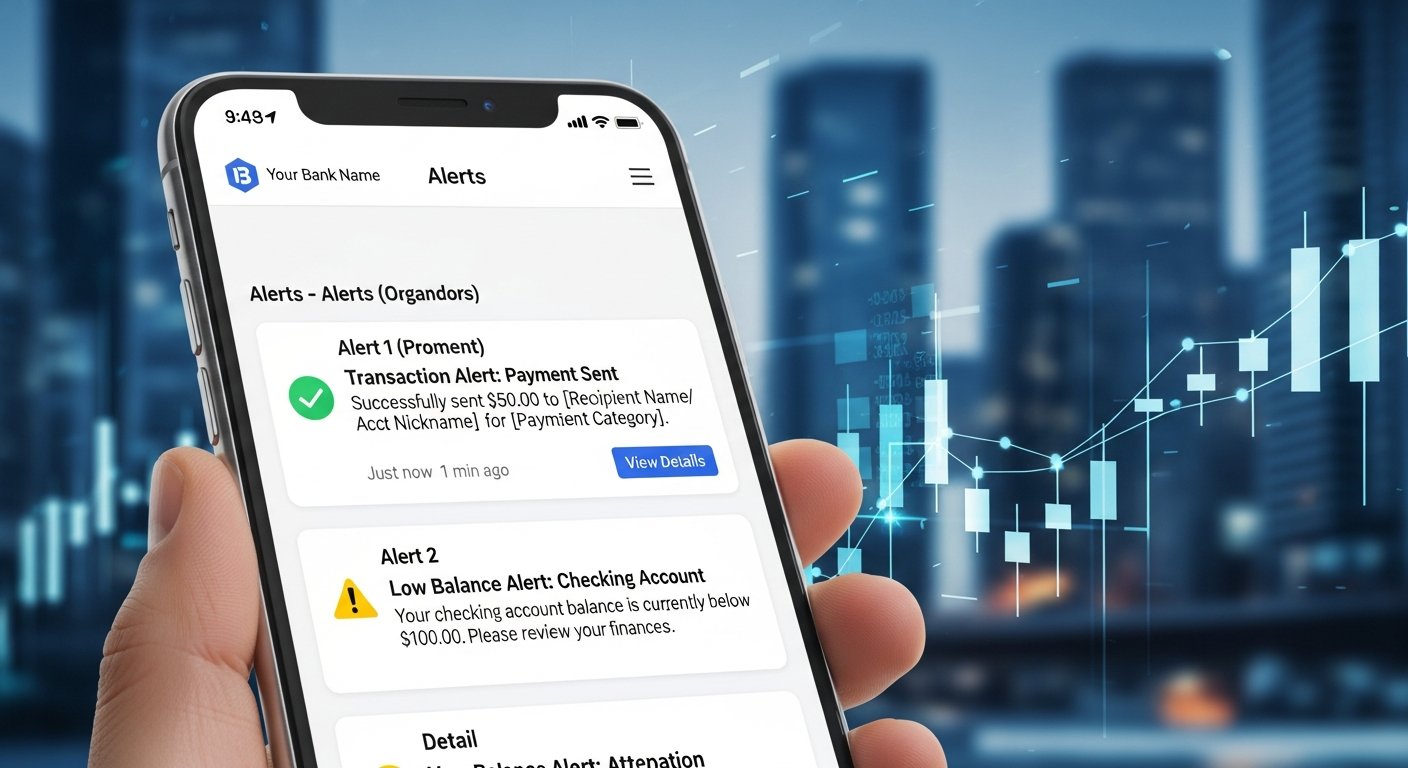
  • Set Up Account Alerts: Most online banks offer customizable alerts for large transactions, login attempts from new devices, low balances, or transfers. Enable these alerts to stay informed of your account activity in real-time.
  • Monitor Your Credit Report: Regularly check your credit report for unfamiliar accounts or inquiries that could indicate identity theft. Many services offer free annual credit reports or credit monitoring.

Understand Your Bank’s Policies and Protections

  • Know Your Bank’s Fraud Reporting Procedures: Understand how and whom to contact immediately if you suspect fraud or an unauthorized transaction. Have the fraud department’s phone number readily available.
  • Zero-Liability Policy: Familiarize yourself with your bank’s zero-liability policy, which protects you from unauthorized charges made with your debit or credit card, provided you report them promptly.

By integrating these personal security practices into your digital routine, you become an active participant in protecting your finances. This reinforces the secure environment established by online banks, making your experience safer and more reliable. In conclusion, the answer to “are online banks safe?” is not just about the bank, but also about the informed and proactive choices you make as a user.

Discover the best fintech apps for budgeting and expense tracking.

The Future Landscape of Online Banking Security

The question of “are online banks safe?” isn’t static; it’s a dynamic consideration in an ever-evolving technological landscape. As cyber threats become more sophisticated, so too do the defenses employed by online banks. The future of online banking security promises even more robust, intelligent, and seamless protections, leveraging emerging technologies to stay ahead of malicious actors.

Artificial Intelligence and Machine Learning for Enhanced Fraud Detection

Current fraud detection systems already utilize AI, but future iterations will be significantly more advanced. Machine learning algorithms will analyze vast datasets in real-time, identifying complex patterns and anomalies that even human analysts might miss. This will lead to:

  • Predictive Fraud Prevention: AI will not only detect fraud as it happens but also predict potential vulnerabilities and preemptively block suspicious activities before they fully materialize.
  • Behavioral Biometrics: Beyond static biometrics like fingerprints, AI will analyze user behavior patterns—how you type, swipe, or hold your phone—to create a unique profile. Any deviation from this profile could trigger additional authentication, making it virtually impossible for imposters to mimic legitimate users.
  • Adaptive Security: Security measures will dynamically adjust based on perceived risk. A low-risk transaction might require only a password, while a high-value transfer from an unusual location might demand multiple biometric authentications and a real-time call from the bank.

Quantum Computing and Post-Quantum Cryptography

While still largely theoretical for commercial applications, quantum computing poses a long-term threat to current encryption standards. A sufficiently powerful quantum computer could potentially break many of today’s widely used cryptographic algorithms. Recognizing this, banks and cybersecurity experts are already researching and developing “post-quantum cryptography.” This involves new cryptographic algorithms designed to be secure against attacks by future quantum computers, ensuring data remains protected for decades to come. Online banks will be at the forefront of adopting these new standards as they become viable.

Blockchain and Distributed Ledger Technology (DLT) for Transaction Integrity

Blockchain, the underlying technology behind cryptocurrencies, offers fascinating possibilities for enhancing financial security and transparency. While direct integration into everyday bank accounts is still nascent, DLT could be used to:

  • Immutable Transaction Records: Each transaction could be recorded on a distributed ledger, making it nearly impossible to alter or tamper with.
  • Enhanced Identity Verification: Decentralized identity solutions could give users more control over their personal data, sharing only necessary information with banks and reducing the risk of centralized data breaches.
  • Secure Interbank Settlements: DLT could streamline and secure interbank transactions, reducing the risk of fraud in the transfer of funds between institutions.

Biometric Authentication Advancements

Beyond fingerprints and facial recognition, future biometrics could include:

  • Voice Recognition: Analyzing unique vocal patterns for authentication.
  • Iris or Retinal Scans: Highly unique biological identifiers for extremely secure access.
  • Vein Pattern Recognition: Using infrared light to map unique vein patterns under the skin.

These advanced biometrics offer stronger, more convenient authentication methods, reducing reliance on easily forgotten or compromised passwords. The convenience factor of seamless authentication will likely drive widespread adoption.

Regulation and Collaboration

As technology evolves, so too will the regulatory landscape. Governments and financial authorities will continue to adapt regulations to ensure that online banks maintain high security standards for these new technologies. Furthermore, increased collaboration between online banks, cybersecurity firms, and government agencies will foster a collective defense against global cybercrime syndicates. Sharing threat intelligence and best practices will be crucial in maintaining a secure financial ecosystem.

The trajectory of online banking security points towards an even safer, more resilient, and more intelligent system. These advancements will continue to reinforce the positive answer to “are online banks safe?” by building layers of protection that are increasingly difficult for even the most determined cybercriminals to breach, ensuring that digital banking remains a trusted and integral part of our financial lives.

Read our expert review of the top secure payment apps.

Conclusion: Confidently Navigating the Secure World of Online Banking

Throughout this comprehensive guide, we’ve meticulously examined the multifaceted layers of security that underpin the operations of online banks. The initial query, “are online banks safe?“, can now be answered with an informed and resounding affirmative. Far from being less secure than their traditional counterparts, reputable online banks often lead the charge in adopting cutting-edge cybersecurity technologies and adhering to stringent regulatory standards.

We’ve seen that the foundation of their security rests firmly on federal deposit insurance from the FDIC or NCUA, guaranteeing your deposits up to $250,000. Beyond this crucial regulatory safeguard, online banks invest heavily in advanced technological defenses: robust encryption protecting your data in transit and at rest, multi-factor authentication (MFA) adding critical layers of login security, sophisticated AI-driven fraud detection systems that proactively monitor your accounts, and a secure infrastructure buttressed by regular audits and penetration testing. These are not mere optional extras; they are integral to the very design and operation of successful digital financial institutions.

While the advantages of online banking—such as lower fees, higher interest rates, and unparalleled convenience—are clear, we also acknowledged the unique risks associated with a purely digital environment. However, these risks are consistently mitigated by the banks’ proactive measures and, crucially, by the informed practices of the user. Your role in maintaining digital hygiene, such as using strong, unique passwords, enabling MFA, securing your devices, and remaining vigilant against phishing, forms the final, indispensable layer of defense.

Looking ahead, the future promises even greater security, with innovations like enhanced AI, behavioral biometrics, post-quantum cryptography, and potential applications of blockchain technology further solidifying the safety of online banking. These ongoing advancements demonstrate a clear commitment from the financial industry to continuously evolve and protect consumer assets in the digital realm.

In conclusion, choosing an online bank means embracing a secure, efficient, and often more rewarding financial experience. By selecting an FDIC or NCUA-insured institution, understanding its security protocols, and diligently adhering to personal cybersecurity best practices, you can confidently leverage the myriad benefits of digital banking. The answer to “are online banks safe?” is not just yes, but yes, and they are continuously becoming even more so, making them a cornerstone of modern personal finance.

Frequently Asked Questions

Q1: Are online-only banks less secure than traditional banks with physical branches?

A1: No, online-only banks are generally not less secure. Both online-only and traditional banks (including their online divisions) are typically FDIC or NCUA insured, offering the same level of deposit protection up to $250,000 per depositor. Online banks often invest heavily in cutting-edge cybersecurity measures like advanced encryption, multi-factor authentication, and AI-driven fraud detection, as their entire business model relies on robust digital security. While traditional banks also have strong security, online banks sometimes lead in adopting the newest


Are Online Banks Safe? A Comprehensive Deep Dive into Digital Banking Security in 2026

Affiliate disclosure: This article may contain affiliate links. Recommendations are independent and editorially driven.

The financial landscape has undergone a profound transformation, with online banks emerging as a dominant force. Driven by technological innovation, the convenience they offer—from managing accounts on the go to instant transfers and bill payments—has captivated millions. Yet, with this digital convenience often comes a lingering question: are online banks safe? This isn’t merely a casual query; it’s a fundamental concern that touches upon the security of one’s hard-earned money and sensitive personal data in an increasingly interconnected world.

The answer, in short, is a resounding yes, provided you understand the layers of protection in place and adhere to best practices. Online banks, often operating with leaner overheads than their brick-and-mortar counterparts, frequently pass those savings onto consumers in the form of higher interest rates on savings accounts and lower fees. This competitive edge, combined with cutting-edge technology, has propelled them to the forefront of personal finance. However, their digital-first nature also means that security is paramount, requiring sophisticated infrastructure and rigorous protocols to protect customer assets and information from ever-evolving cyber threats.

This exhaustive guide from fin3go delves deep into the multifaceted security framework underpinning online banking. We’ll explore the regulatory safeguards, advanced technological defenses, and critical user responsibilities that collectively ensure your money remains secure. By the end, you’ll have a clear, informed perspective on why and how online banks maintain high safety standards, empowering you to make confident decisions about your financial future in the digital age.

The Foundation of Online Bank Security: Regulatory Protections and Insurance

One of the primary concerns for anyone considering an online bank is the safety of their deposits. Understanding the regulatory environment is crucial for dispelling myths and building confidence. In the United States, the cornerstone of this security framework is federal deposit insurance, a protection that applies equally to both traditional and legitimate online banks.

FDIC and NCUA: The bedrock of Deposit Protection

For banks, the Federal Deposit Insurance Corporation (FDIC) is the independent agency responsible for insuring deposits. For credit unions, the National Credit Union Administration (NCUA) provides similar protection. When an online bank is “FDIC-insured” or “NCUA-insured,” it means that if the institution were to fail, your deposits—up to specific limits—would be protected by the U.S. government. This guarantee is not just for physical branches; it extends to all deposit accounts, including checking, savings, money market, and certificates of deposit (CDs), regardless of whether they are accessed online or in person.

  • FDIC Insurance Coverage: The standard FDIC insurance amount is $250,000 per depositor, per insured bank, for each account ownership category. This means that if you have multiple accounts at the same FDIC-insured online bank (e.g., a checking and a savings account), your total deposits across those accounts are insured up to $250,000. Different ownership categories (e.g., individual accounts, joint accounts, retirement accounts) can qualify for separate insurance coverage, allowing individuals to potentially have more than $250,000 insured at a single institution.
  • NCUA Insurance Coverage: Similarly, the NCUA insures deposits at federally insured credit unions up to at least $250,000 per member, per ownership category. The NCUA’s Share Insurance Fund is backed by the full faith and credit of the U.S. government, just like the FDIC.

It’s critical to verify an online bank’s insurance status before entrusting them with your funds. Reputable online banks prominently display their FDIC or NCUA membership on their websites, often with a logo. This is the first and most fundamental step in determining if an online bank is safe.

Regulatory Oversight and Compliance

Beyond deposit insurance, online banks are subject to the same stringent regulatory oversight as traditional banks. They must comply with a myriad of federal and state laws designed to protect consumers and ensure financial stability. These regulations cover areas such as:

  • Bank Secrecy Act (BSA) and Anti-Money Laundering (AML) Regulations: These laws require banks to establish robust programs to detect and prevent money laundering and terrorist financing. This includes “Know Your Customer” (KYC) procedures, where banks must verify the identity of their customers.
  • Consumer Financial Protection Bureau (CFPB) Regulations: The CFPB is a federal agency that protects consumers in the financial marketplace. Online banks must adhere to CFPB rules regarding fair lending, transparent fee disclosures, and handling customer complaints.
  • Gramm-Leach-Bliley Act (GLBA): This act requires financial institutions to explain their information-sharing practices to customers and safeguard sensitive data. Online banks are legally obligated to protect your personal and financial information.
  • Data Security Laws: Various federal and state laws mandate how financial institutions must protect customer data from breaches and unauthorized access.

The digital nature of online banks doesn’t exempt them from these responsibilities; in fact, it often necessitates even more robust compliance measures to address unique cyber risks. Regulators conduct regular examinations and audits to ensure that online banks are adhering to these standards, maintaining adequate capital, managing risk effectively, and protecting customer assets. This comprehensive regulatory framework forms a powerful shield, contributing significantly to answering the question: are online banks safe?

[INLINE IMAGE 1: place after second H2 | alt=”are online banks safe concept illustration”]

Advanced Cybersecurity Measures Employed by Online Banks

While regulatory protections provide a safety net, the day-to-day security of your online bank account hinges on sophisticated cybersecurity measures. Online banks, by their very nature, invest heavily in technology to protect customer data and transactions from an ever-evolving landscape of cyber threats. Their entire business model depends on maintaining an impenetrable digital fortress.

Encryption: Protecting Your Data in Transit and at Rest

Encryption is the cornerstone of online security. It involves converting data into a coded form to prevent unauthorized access. Online banks employ various forms of encryption:

  • Transport Layer Security (TLS): When you access your online banking portal, TLS (formerly SSL) encryption ensures that all data exchanged between your device and the bank’s servers is scrambled. This prevents eavesdropping and tampering by malicious actors. You can typically identify a secure connection by the “https://” in the website address and a padlock icon in your browser’s address bar.
  • Data at Rest Encryption: Your sensitive financial information and personal data stored on the bank’s servers are also encrypted. This means that even if a breach were to occur, the stolen data would be indecipherable without the decryption key, rendering it useless to unauthorized parties.

The strength of these encryption protocols is continuously updated to counter new decryption techniques, ensuring that your data remains private and secure.

Multi-Factor Authentication (MFA): A Layered Defense

Passwords alone are often insufficient to protect accounts. Multi-Factor Authentication (MFA) adds one or more additional layers of security, making it exponentially harder for unauthorized users to gain access, even if they manage to steal your password. Most online banks now mandate or strongly recommend MFA. Common forms include:

  • Something You Know: Your password or PIN.
  • Something You Have: A code sent to your registered phone number (via SMS), an authenticator app (like Google Authenticator or Authy), or a physical security key.
  • Something You Are: Biometric data, such as fingerprint scans or facial recognition, especially when accessing accounts via mobile banking apps.

By requiring at least two of these factors, MFA significantly reduces the risk of unauthorized account access, providing robust protection against phishing attempts and credential stuffing attacks.

Fraud Detection and Prevention Systems

Online banks leverage advanced analytical tools and artificial intelligence (AI) to monitor transactions in real-time, identifying and flagging suspicious activities. These systems learn your normal spending patterns and can detect anomalies that might indicate fraud. For instance:

  • Large, uncharacteristic transactions.
  • Transactions from unusual locations.
  • Multiple small transactions in a short period that deviate from typical behavior.
  • Attempts to access your account from unrecognized devices or IP addresses.

Upon detecting suspicious activity, the bank’s fraud department can immediately alert you via text, email, or phone call, and may temporarily freeze your account or decline transactions to prevent further loss. This proactive monitoring is a critical component of online bank safety.

Secure Infrastructure and Regular Audits

Online banks operate on highly secure, proprietary data centers, often with redundant systems to ensure continuous availability and protection against physical and cyber threats. Their infrastructure includes:

  • Firewalls and Intrusion Detection Systems (IDS): These systems act as digital barriers, monitoring network traffic to block unauthorized access attempts and detect malicious activity.
  • Regular Security Audits and Penetration Testing: Independent cybersecurity experts are frequently employed to probe the bank’s systems for vulnerabilities, simulating real-world cyberattacks. This proactive testing helps identify and fix weaknesses before malicious actors can exploit them.
  • Software Updates and Patch Management: Online banks continuously update their systems and applications with the latest security patches to protect against newly discovered vulnerabilities.
  • Employee Training and Background Checks: Bank employees with access to sensitive systems undergo rigorous background checks and receive ongoing training in data security best practices.

These comprehensive technical and procedural safeguards illustrate the immense effort online banks put into protecting their customers, reinforcing the notion that, from a technological standpoint, are online banks safe is increasingly becoming an unequivocal yes.

Understanding the Benefits and Risks of Digital Banking

The rapid adoption of online banking isn’t just a trend; it’s a testament to the numerous advantages it offers. However, like any technological advancement, it comes with its own set of potential risks that users must be aware of and actively mitigate. A balanced perspective is key to maximizing the benefits while minimizing exposure to dangers.

Key Advantages of Online Banking

The digital model of online banks often translates into significant perks for consumers:

  • Lower Fees and Higher Interest Rates: Without the overhead costs associated with maintaining extensive branch networks, online banks can often offer more attractive financial products. This frequently includes accounts with no monthly maintenance fees, lower ATM fees (often reimbursed), and significantly higher Annual Percentage Yields (APYs) on savings accounts and CDs compared to traditional banks.
  • Unmatched Convenience and Accessibility: Online banking allows you to manage your finances 24/7, from anywhere with an internet connection. This includes checking balances, transferring funds, paying bills, depositing checks via mobile apps, and applying for loans—all without ever stepping foot into a physical branch. This flexibility is particularly beneficial for individuals with busy schedules or those living in remote areas.
  • Cutting-Edge Technology and User Experience: Online banks are often at the forefront of financial technology. They tend to offer intuitive mobile apps, sophisticated budgeting tools, personalized financial insights powered by AI, robust security features like biometric login, and seamless integrations with other financial apps. The user experience is typically streamlined and modern.
  • Broader Access to Financial Services: For some, online banks provide easier access to banking services, especially for those who might be underserved by traditional banks or prefer a purely digital interaction model.
  • Environmental Benefits: Reduced paper usage, less travel to branches, and optimized digital operations contribute to a smaller environmental footprint.

Potential Risks and How Online Banks Address Them

While online banks are generally safe, their digital nature introduces specific risks. Understanding these helps in proactively safeguarding your accounts:

  • Lack of Physical Branches: The absence of a physical presence can be a disadvantage for customers who prefer face-to-face interactions, need to deposit large amounts of cash regularly, or require immediate in-person assistance with complex issues.
    • Mitigation: Many online banks offer extensive customer support via phone, chat, and email. Some partner with ATM networks (like Allpoint or MoneyPass) for fee-free cash withdrawals and deposits. Mobile check deposit and peer-to-peer payment apps (like Zelle) minimize the need for cash handling.
  • Reliance on Technology and Internet Access: Service disruptions due to internet outages, app glitches, or cyberattacks can temporarily limit access to funds or banking services.
    • Mitigation: Reputable online banks invest heavily in redundant systems, disaster recovery plans, and robust IT infrastructure to ensure high availability. They also provide multiple channels for support during outages. Keeping a small emergency fund outside your primary online bank, perhaps in a separate savings account at another institution or some physical cash, is a wise personal strategy.
  • Phishing and Social Engineering Scams: Cybercriminals often target online bank users with sophisticated phishing emails, texts, or calls designed to trick them into revealing login credentials or personal information.
    • Mitigation: Online banks actively educate customers about these threats and rarely ask for sensitive information via unsolicited emails or texts. They implement strong encryption and MFA to thwart credential theft. Users must remain vigilant, verify sender identities, and never click suspicious links.
  • Identity Theft: The risk of identity theft exists across all financial interactions, but digital transactions offer new avenues for criminals.
    • Mitigation: Online banks employ advanced fraud detection, secure data storage, and strict authentication protocols. They also often offer identity theft protection services or resources to help customers if their identity is compromised.
  • Technological Learning Curve: For some users, especially those less familiar with digital platforms, navigating online banking interfaces and security features can present a learning curve.
    • Mitigation: Most online banks prioritize user-friendly interfaces and offer comprehensive tutorials and customer support to assist users.

By understanding both the powerful advantages and the manageable risks, consumers can confidently leverage online banking. The critical takeaway is that the question “are online banks safe?” often depends as much on the user’s informed choices and proactive security habits as it does on the bank’s own robust protections.

[INLINE IMAGE 2: place after fourth H2 | alt=”are online banks safe comparison illustration”]

How Online Banks Stack Up Against Traditional Institutions

To truly understand if online banks are safe, it’s helpful to compare their security posture, features, and overall user experience against that of traditional brick-and-mortar banks. While the underlying regulatory protections are largely the same, their operational models lead to different strengths and weaknesses.

Security: A Level Playing Field, with Nuances

From a foundational perspective, the security of funds is largely equivalent:

  • FDIC/NCUA Insurance: Both online-only banks and traditional banks (including their online divisions) are covered by the same federal deposit insurance, up to the same limits. Your money is equally protected against bank failure regardless of the institution type.
  • Cybersecurity Protocols: Online banks, by necessity, often invest more heavily and innovate faster in cybersecurity. Their entire existence is digital, so their defenses—encryption, multi-factor authentication, AI-driven fraud detection, constant penetration testing—are typically state-of-the-art. Traditional banks also employ strong cybersecurity, but their hybrid model means they also have to secure physical locations and legacy systems, which can sometimes present different vectors for attack.
  • Physical Security: Traditional banks offer the perceived security of physical branches, security guards, and vaults. This can provide peace of mind, especially for cash transactions or complex issues. However, physical branches are also susceptible to different types of crime (e.g., robberies, internal theft). Online banks, lacking physical branches, eliminate these specific risks.
  • Fraud Liability: Most reputable banks, both online and traditional, offer zero-liability policies for unauthorized transactions, meaning you are not responsible for fraudulent charges if you report them promptly.

In essence, neither type of institution is inherently “more secure.” Both face different threat landscapes and employ different strategies to mitigate them. The question “are online banks safe?” in comparison to traditional ones boils down to which specific risks you prioritize and how each institution addresses them.

Services and Features: Tailored Experiences

The core banking services (checking, savings, loans, credit cards) are available from both, but the delivery and additional features often differ.

Comparison: Online Banks vs. Traditional Banks
Feature/Aspect Online-Only Banks (e.g., Ally, Chime, SoFi, Varo) Traditional Banks (e.g., Chase, Bank of America, Wells Fargo)
Physical Presence No physical branches; primarily operate through websites and mobile apps. Extensive network of physical branches for in-person services.
Fees Typically lower or no monthly fees, no minimum balance requirements, often free ATM networks. May have monthly fees (often waivable), minimum balance requirements, higher ATM fees outside network.
Interest Rates (Savings) Generally much higher APYs on savings accounts due to lower overhead. Typically lower APYs, especially on standard savings accounts.
Technology & Mobile Experience Often cutting-edge apps, robust digital tools, AI-driven insights, early access to new fintech features. Improving mobile apps and online portals, but can sometimes lag behind online-only competitors.
Cash Deposits More challenging; relies on third-party networks (e.g., Green Dot, specific ATMs) or money orders. Easy cash deposits at branches or proprietary ATMs.
Customer Service Primarily digital (chat, email) and phone support. Often available 24/7. In-person, phone, and digital support. Branch hours may be limited.
Specialized Services Often focused on specific niches or digital-first features; less emphasis on complex commercial banking. Full suite of services including wealth management, commercial loans, safe deposit boxes, etc.

Access and Convenience: A Matter of Preference

  • Accessibility: Online banks offer unparalleled accessibility from anywhere, anytime. This is a huge advantage for global citizens, frequent travelers, or those living without convenient branch access. Traditional banks, while having physical locations, are limited by their operating hours and geographical footprint.
  • User Experience: Online banks often excel in user experience, with intuitive apps and streamlined processes designed for digital natives. Traditional banks have improved their digital offerings significantly but can sometimes have more cumbersome interfaces or slower adoption of new features.
  • Personal Touch: Traditional banks offer the human element – a face-to-face interaction that can be reassuring for complex transactions, financial planning, or resolving difficult issues. Online banks compensate with responsive digital support, but it’s not the same as speaking with a teller or a personal banker.

Ultimately, the choice between an online and traditional bank depends on your individual banking habits, priorities, and comfort level with technology. Both are demonstrably safe, but they cater to different preferences. For those who prioritize convenience, low fees, high interest rates, and a purely digital experience, online banks are an excellent and secure choice. For those who value in-person service and prefer managing cash frequently, a traditional bank might be a better fit, possibly even alongside an online bank to leverage the best of both worlds. The fundamental question, “are online banks safe?”, receives a strong affirmative when considering their parity in federal deposit insurance and their advanced, albeit different, approaches to cybersecurity.

Identifying a Trustworthy Online Bank: What to Look For

With the proliferation of online banking options, discerning a legitimate and secure institution from a potentially risky one is paramount. While the baseline answer to “are online banks safe?” is generally positive, not all online financial services providers are created equal. Due diligence is crucial to ensure you’re placing your money with a reputable and protected entity.

Essential Credentials: FDIC or NCUA Insurance

This is the absolute non-negotiable requirement. Before you consider anything else, verify that the online bank is a member of the FDIC (Federal Deposit Insurance Corporation) or, if it’s a credit union, the NCUA (National Credit Union Administration). These agencies protect your deposits up to $250,000 per depositor, per institution, per ownership category, in the event of bank failure. A legitimate online bank will prominently display the FDIC or NCUA logo on its website and within its mobile app. If you cannot easily find this information, or if a financial institution claims to be an “online bank” but lacks this insurance, steer clear. It is not a regulated bank and offers no government-backed deposit protection.

Robust Security Features and Transparency

A truly safe online bank will be transparent about its security measures and implement a wide array of protections:

  • Strong Encryption: Look for “https://” in the website URL and a padlock icon, indicating TLS/SSL encryption for data in transit.
  • Multi-Factor Authentication (MFA): The bank should offer or require MFA for login and sensitive transactions (e.g., one-time codes via SMS, authenticator apps, biometric login).
  • Fraud Monitoring and Alerts: The bank should have systems in place to monitor for suspicious activity and notify you promptly of unusual transactions.
  • Clear Privacy Policy: A trustworthy bank will have a clear, easy-to-understand privacy policy outlining how your data is collected, used, and protected.
  • Regular Security Updates: While not always explicitly stated, a reputable bank continuously updates its systems and proactively addresses emerging cyber threats.

Reputation, Reviews, and Customer Service

Word of mouth and public perception play a significant role in assessing trustworthiness:

  • Online Reviews and Ratings: Check independent review sites (e.g., Trustpilot, BBB), financial forums, and app store ratings. Look for patterns in feedback regarding security, customer service responsiveness, and ease of use. Be wary of institutions with a consistent history of unresolved complaints or security issues.
  • Media Coverage: Research news articles and reputable financial publications for mentions of the bank. Positive coverage and industry awards can be good indicators, while reports of data breaches or regulatory fines are red flags.
  • Customer Support Channels: A reliable online bank will offer multiple, easily accessible channels for customer support, including phone, email, and live chat. Test their responsiveness before fully committing. A bank that is hard to reach when you have questions or issues is a potential concern.

Interest Rates, Fees, and Account Features

While not directly security-related, competitive rates and transparent fees are indicators of a well-managed and customer-focused institution. Be cautious of offers that seem too good to be true, as they sometimes mask hidden fees or operate with less-than-stellar security. Look for:

  • Competitive APYs: Especially for savings accounts and CDs.
  • Low or No Fees: For monthly maintenance, ATM usage, overdrafts, etc.
  • ATM Network Access: Partnerships with large, fee-free ATM networks are a huge plus for cash access.
  • Mobile App Functionality: A highly functional, intuitive, and regularly updated mobile app is a sign of a bank that invests in its digital infrastructure.
  • Budgeting Tools and Financial Insights: Value-added features demonstrate a commitment to helping customers manage their finances effectively.

By systematically evaluating these factors, you can confidently identify an online bank that is not only financially advantageous but also robustly secure. The diligent application of these criteria will help answer the question, “are online banks safe?“, with a high degree of confidence for your chosen institution.

Explore the best online savings accounts in 2026.

Best Practices for Ensuring Your Own Digital Banking Security

While online banks implement state-of-the-art security measures, the ultimate safety of your accounts also heavily relies on your personal vigilance and adherence to digital security best practices. Think of it as a shared responsibility: the bank provides the fortress, but you must secure your own entry points. By following these guidelines, you significantly bolster your protection against cyber threats and ensure your answer to “are online banks safe?” remains a confident yes.

Strong, Unique Passwords and Multi-Factor Authentication

  • Create Complex Passwords: Your password should be long (at least 12-16 characters), complex (mixing uppercase and lowercase letters, numbers, and symbols), and unique for each financial account. Avoid using easily guessable information like birthdays, pet names, or common phrases.
  • Use a Password Manager: A reputable password manager can generate, store, and auto-fill strong, unique passwords for all your online accounts, making it easy to maintain robust security without memorization.
  • Enable Multi-Factor Authentication (MFA): Always enable MFA, preferably using an authenticator app (like Authy or Google Authenticator) or a physical security key, rather than SMS codes, which can be vulnerable to SIM-swapping attacks. MFA adds a crucial layer of defense, ensuring that even if your password is stolen, your account remains secure.

Vigilance Against Phishing and Social Engineering

  • Be Skeptical of Unsolicited Communications: Assume any email, text message, or phone call purporting to be from your bank is potentially fraudulent until proven otherwise. Banks will rarely ask for sensitive information (passwords, full account numbers, SSN) via unsolicited digital communications.
  • Verify Sender Identity: Check email addresses for subtle misspellings. Hover over links (without clicking) to see the actual URL. If in doubt, do not click links or respond. Instead, navigate directly to your bank’s official website by typing the URL yourself or use your bank’s official mobile app.
  • Beware of Urgency or Threats: Phishing attempts often create a sense of urgency or threaten account closure to induce panic and bypass critical thinking.

Secure Your Devices and Network

  • Keep Software Updated: Regularly update your operating system, web browser, and all applications, especially your banking apps. Updates often include critical security patches that protect against newly discovered vulnerabilities.
  • Use Reputable Antivirus/Anti-malware Software: Install and maintain up-to-date security software on your computer and mobile devices to detect and remove malicious programs.
  • Avoid Public Wi-Fi for Banking: Public Wi-Fi networks (e.g., at coffee shops, airports) are often unencrypted and insecure, making it easier for cybercriminals to intercept your data. If you must bank on the go, use your mobile data or a trusted Virtual Private Network (VPN).
  • Strong Device Passwords/Biometrics: Secure your smartphone, tablet, and computer with strong passcodes, fingerprints, or facial recognition to prevent unauthorized physical access.

Monitor Your Accounts Actively

  • Regularly Review Statements and Transactions: Check your bank statements and transaction history frequently (daily or weekly). Promptly report any unauthorized or suspicious activity to your bank.
  • Set Up Account Alerts: Most online banks offer customizable alerts for large transactions, login attempts from new devices, low balances, or transfers. Enable these alerts to stay informed of your account activity in real-time.
  • Monitor Your Credit Report: Regularly check your credit report for unfamiliar accounts or inquiries that could indicate identity theft. Many services offer free annual credit reports or credit monitoring.

Understand Your Bank’s Policies and Protections

  • Know Your Bank’s Fraud Reporting Procedures: Understand how and whom to contact immediately if you suspect fraud or an unauthorized transaction. Have the fraud department’s phone number readily available.
  • Zero-Liability Policy: Familiarize yourself with your bank’s zero-liability policy, which protects you from unauthorized charges made with your debit or credit card, provided you report them promptly.

By integrating these personal security practices into your digital routine, you become an active participant in protecting your finances. This reinforces the secure environment established by online banks, making your experience safer and more reliable. In conclusion, the answer to “are online banks safe?” is not just about the bank, but also about the informed and proactive choices you make as a user.

Discover the best fintech apps for budgeting and expense tracking.

The Future Landscape of Online Banking Security

The question of “are online banks safe?” isn’t static; it’s a dynamic consideration in an ever-evolving technological landscape. As cyber threats become more sophisticated, so too do the defenses employed by online banks. The future of online banking security promises even more robust, intelligent, and seamless protections, leveraging emerging technologies to stay ahead of malicious actors.

Artificial Intelligence and Machine Learning for Enhanced Fraud Detection

Current fraud detection systems already utilize AI, but future iterations will be significantly more advanced. Machine learning algorithms will analyze vast datasets in real-time, identifying complex patterns and anomalies that even human analysts might miss. This will lead to:

  • Predictive Fraud Prevention: AI will not only detect fraud as it happens but also predict potential vulnerabilities and preemptively block suspicious activities before they fully materialize.
  • Behavioral Biometrics: Beyond static biometrics like fingerprints, AI will analyze user behavior patterns—how you type, swipe, or hold your phone—to create a unique profile. Any deviation from this profile could trigger additional authentication, making it virtually impossible for imposters to mimic legitimate users.
  • Adaptive Security: Security measures will dynamically adjust based on perceived risk. A low-risk transaction might require only a password, while a high-value transfer from an unusual location might demand multiple biometric authentications and a real-time call from the bank.

Quantum Computing and Post-Quantum Cryptography

While still largely theoretical for commercial applications, quantum computing poses a long-term threat to current encryption standards. A sufficiently powerful quantum computer could potentially break many of today’s widely used cryptographic algorithms. Recognizing this, banks and cybersecurity experts are already researching and developing “post-quantum cryptography.” This involves new cryptographic algorithms designed to be secure against attacks by future quantum computers, ensuring data remains protected for decades to come. Online banks will be at the forefront of adopting these new standards as they become viable.

Blockchain and Distributed Ledger Technology (DLT) for Transaction Integrity

Blockchain, the underlying technology behind cryptocurrencies, offers fascinating possibilities for enhancing financial security and transparency. While direct integration into everyday bank accounts is still nascent, DLT could be used to:

  • Immutable Transaction Records: Each transaction could be recorded on a distributed ledger, making it nearly impossible to alter or tamper with.
  • Enhanced Identity Verification: Decentralized identity solutions could give users more control over their personal data, sharing only necessary information with banks and reducing the risk of centralized data breaches.
  • Secure Interbank Settlements: DLT could streamline and secure interbank transactions, reducing the risk of fraud in the transfer of funds between institutions.

Biometric Authentication Advancements

Beyond fingerprints and facial recognition, future biometrics could include:

  • Voice Recognition: Analyzing unique vocal patterns for authentication.
  • Iris or Retinal Scans: Highly unique biological identifiers for extremely secure access.
  • Vein Pattern Recognition: Using infrared light to map unique vein patterns under the skin.

These advanced biometrics offer stronger, more convenient authentication methods, reducing reliance on easily forgotten or compromised passwords. The convenience factor of seamless authentication will likely drive widespread adoption.

Regulation and Collaboration

As technology evolves, so too will the regulatory landscape. Governments and financial authorities will continue to adapt regulations to ensure that online banks maintain high security standards for these new technologies. Furthermore, increased collaboration between online banks, cybersecurity firms, and government agencies will foster a collective defense against global cybercrime syndicates. Sharing threat intelligence and best practices will be crucial in maintaining a secure financial ecosystem.

The trajectory of online banking security points towards an even safer, more resilient, and more intelligent system. These advancements will continue to reinforce the positive answer to “are online banks safe?” by building layers of protection that are increasingly difficult for even the most determined cybercriminals to breach, ensuring that digital banking remains a trusted and integral part of our financial lives.

Read our expert review of the top secure payment apps.

Conclusion: Confidently Navigating the Secure World of Online Banking

Throughout this comprehensive guide, we’ve meticulously examined the multifaceted layers of security that underpin the operations of online banks. The initial query, “are online banks safe?“, can now be answered with an informed and resounding affirmative. Far from being less secure than their traditional counterparts, reputable online banks often lead the charge in adopting cutting-edge cybersecurity technologies and adhering to stringent regulatory standards.

We’ve seen that the foundation of their security rests firmly on federal deposit insurance from the FDIC or NCUA, guaranteeing your deposits up to $250,000. Beyond this crucial regulatory safeguard, online banks invest heavily in advanced technological defenses: robust encryption protecting your data in transit and at rest, multi-factor authentication (MFA) adding critical layers of login security, sophisticated AI-driven fraud detection systems that proactively monitor your accounts, and a secure infrastructure buttressed by regular audits and penetration testing. These are not mere optional extras; they are integral to the very design and operation of successful digital financial institutions.

While the advantages of online banking—such as lower fees, higher interest rates, and unparalleled convenience—are clear, we also acknowledged the unique risks associated with a purely digital environment. However, these risks are consistently mitigated by the banks’ proactive measures and, crucially, by the informed practices of the user. Your role in maintaining digital hygiene, such as using strong, unique passwords, enabling MFA, securing your devices, and remaining vigilant against phishing, forms the final, indispensable layer of defense.

Looking ahead, the future promises even greater security, with innovations like enhanced AI, behavioral biometrics, post-quantum cryptography, and potential applications of blockchain technology further solidifying the safety of online banking. These ongoing advancements demonstrate a clear commitment from the financial industry to continuously evolve and protect consumer assets in the digital realm.

In conclusion, choosing an online bank means embracing a secure, efficient, and often more rewarding financial experience. By selecting an FDIC or NCUA-insured institution, understanding its security protocols, and diligently adhering to personal cybersecurity best practices, you can confidently leverage the myriad benefits of digital banking. The answer to “are online banks safe?” is not just yes, but yes, and they are continuously becoming even more so, making them a cornerstone of modern personal finance.

Frequently Asked Questions

Q1: Are online-only banks less secure than traditional banks with physical branches?

A1: No, online-only banks are generally not less secure. Both online-only and traditional banks (including their online divisions) are typically FDIC or NCUA insured, offering the same level of deposit protection up to $250,000 per depositor. Online banks often invest heavily in cutting-edge cybersecurity measures like advanced encryption, multi-factor authentication, and AI-driven fraud detection, as their entire business model relies on robust digital security. While traditional banks also have strong security, online banks sometimes lead in adopting the newest